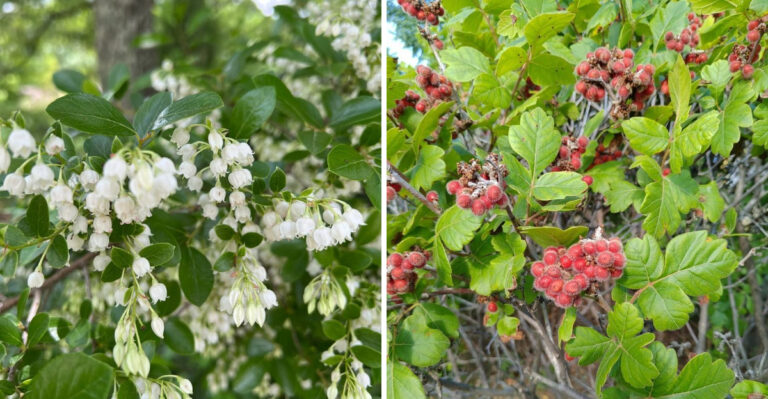
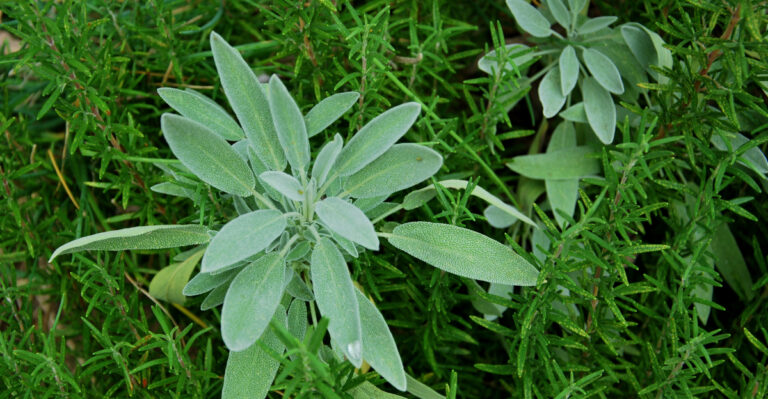
15 Ways To Make Your Georgia Yard More Welcoming To Local Wildlife
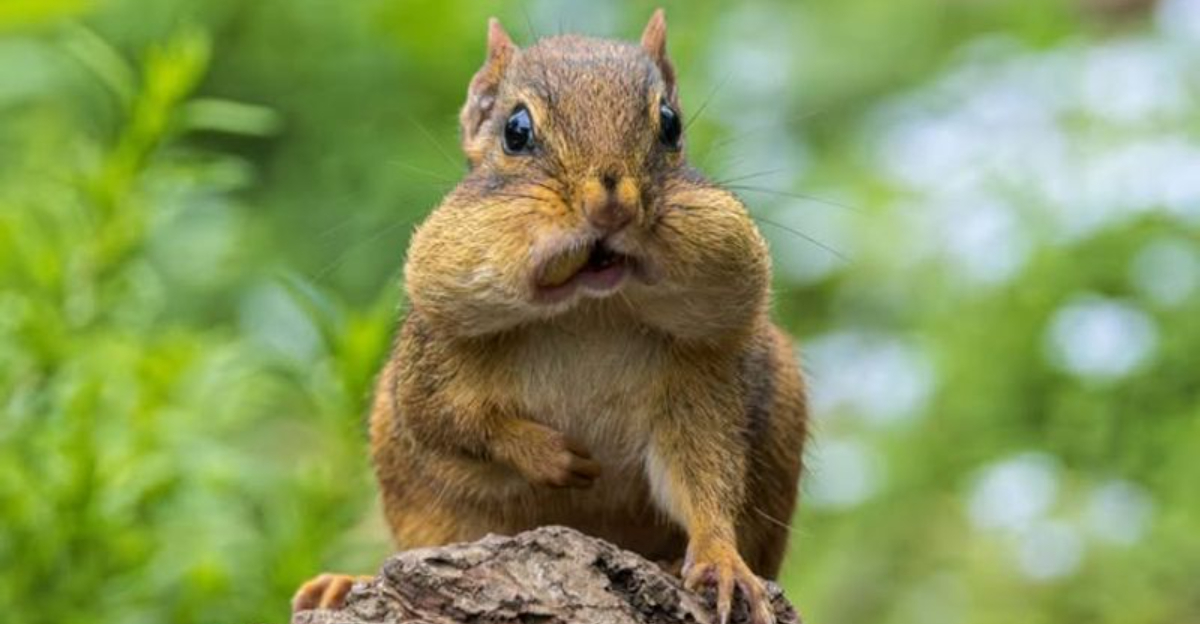
Georgia yards have incredible potential to support wildlife—but many unintentionally shut nature out.
With a few thoughtful changes, homeowners can transform ordinary landscapes into thriving habitats that support birds, pollinators, and beneficial animals year-round.
Wildlife doesn’t need perfection. It needs food, shelter, water, and a break from chemicals.
Native plants, seed heads left standing, and natural shelter make a bigger difference than elaborate features ever could.
Georgia’s long growing season gives homeowners an advantage.
Small changes made now ripple through every season, bringing more birdsong, more butterflies, and a stronger sense of connection to the land.
A wildlife-friendly yard isn’t wild—it’s welcoming. And when nature feels invited, it shows up.
1. Plant Native Trees And Shrubs
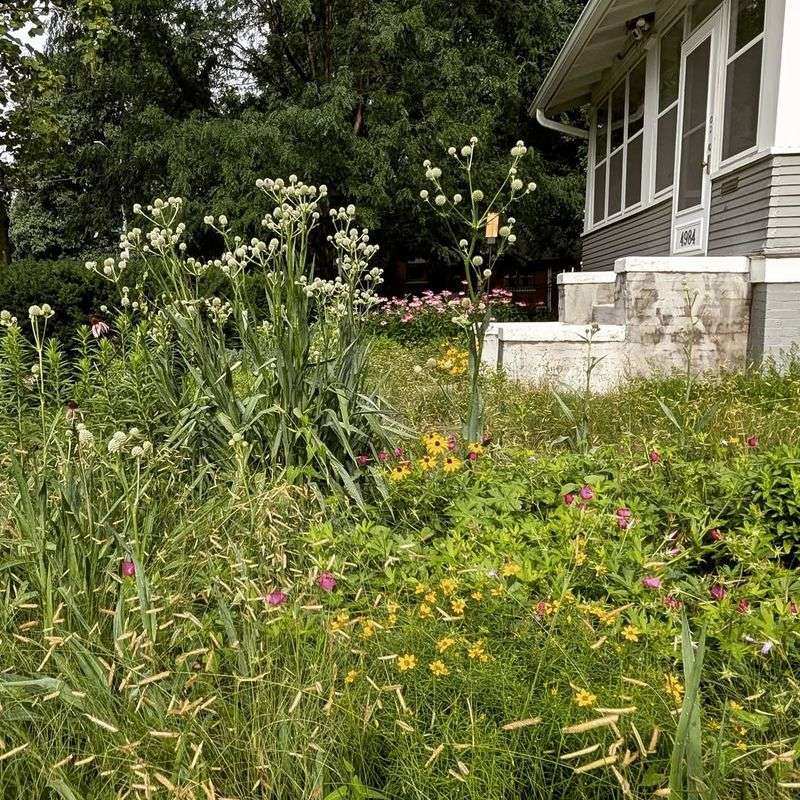
Native plants have evolved alongside Georgia’s wildlife for thousands of years, creating relationships that non-native ornamentals simply can’t replicate.
When you choose trees like oaks, dogwoods, or redbuds, and shrubs such as beautyberry or elderberry, you’re providing food and shelter that local insects, birds, and mammals have depended on for generations.
These native species support hundreds of caterpillar species, which in turn become essential food for baby birds during nesting season.
Non-native ornamental plants might look pretty, but they often provide little to no nutritional value for wildlife.
Native trees and shrubs also require less water and maintenance once established, since they’re already adapted to Georgia’s climate and soil conditions.
Their flowers, fruits, seeds, and even bark offer year-round resources that keep wildlife coming back.
By replacing just a few non-native plants with Georgia natives, you create a foundation for a thriving ecosystem right in your own backyard.
The more native plants you add, the more wildlife activity you’ll notice throughout every season.
2. Leave Seed Heads Standing Through Winter
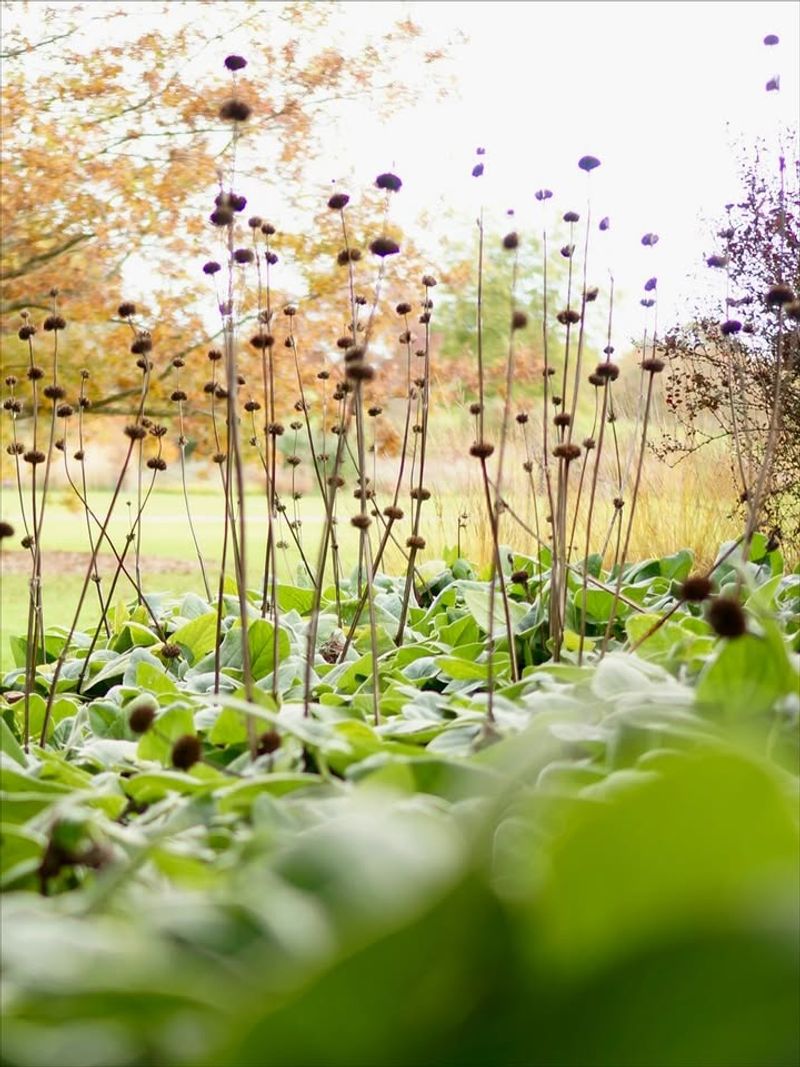
After your native flowers finish blooming in the fall, resist the urge to cut everything back to the ground.
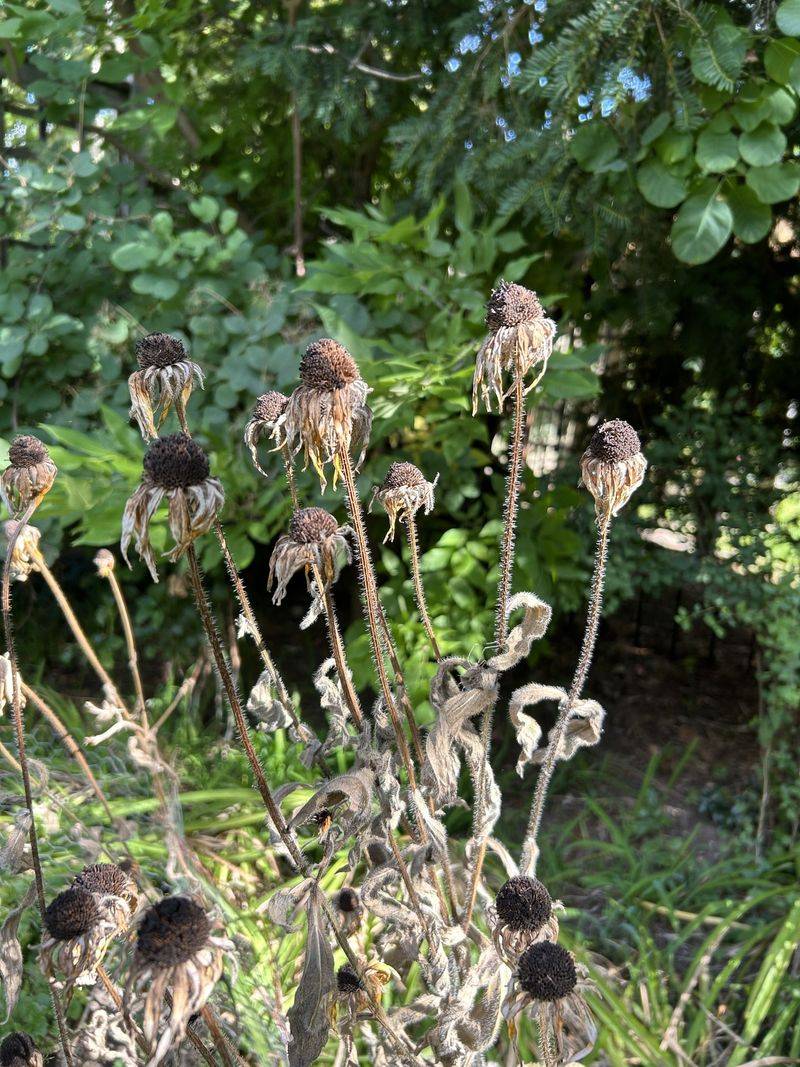
Those dried seed heads that might look messy to some people are actually treasure troves of nutrition for finches, sparrows, and other seed-eating birds.
Coneflowers, black-eyed Susans, and native sunflowers produce seeds that sustain birds through Georgia’s cooler months when other food sources become scarce.
The hollow stems and seed pods also provide cozy hiding spots for beneficial insects that help pollinate your garden come spring.
Many native bees and other pollinators actually spend the winter tucked inside these plant structures, emerging when temperatures warm up again.
Leaving seed heads standing creates a more natural look that connects your yard to the surrounding landscape.
You’ll enjoy watching birds cling to swaying stems, carefully extracting seeds with their beaks.
Come early spring, you can trim back the old growth just before new shoots emerge, giving your garden a fresh start while still supporting wildlife during the toughest months.
3. Keep Fallen Leaves Under Trees And Shrubs
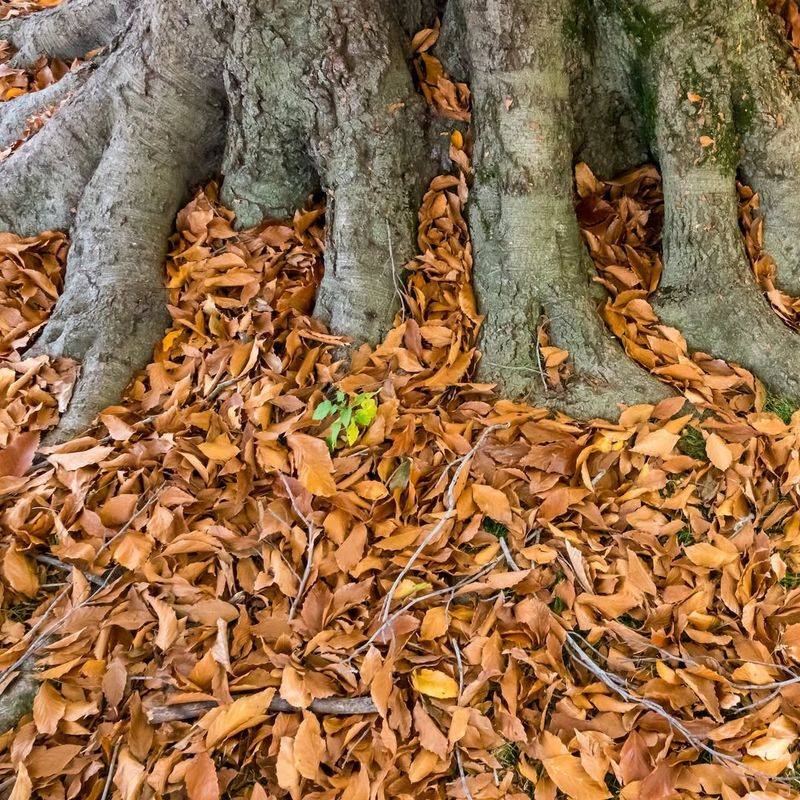
Raking up every single leaf might make your yard look tidy, but it removes critical habitat that countless creatures rely on to survive winter.
Your Georgia Garden Changes Every Week. Your Plan Should Too.
Gardening in Georgia changes quickly throughout the season. Every Friday you’ll receive a simple weekly plan showing exactly what to plant, prune, fertilize, harvest, and protect so you never miss the right timing.
Butterflies, moths, beetles, and other beneficial insects spend their dormant months nestled in leaf litter, waiting for warmer weather to emerge and pollinate your plants.
Amphibians like toads and salamanders also seek shelter under damp leaves, where they stay protected from temperature extremes and predators.
These creatures play important roles in your yard’s ecosystem, controlling pest populations and enriching the soil as they go about their lives.
Leaving a layer of leaves under your trees and shrubs mimics what happens naturally in forests, where fallen foliage breaks down slowly and feeds the soil.
This natural mulch retains moisture, suppresses weeds, and provides nutrients as it decomposes.
You don’t have to leave leaves on your entire lawn—just rake them into garden beds and under plantings where they’ll do the most good.
Your yard will look naturally landscaped rather than overly manicured, and wildlife will thank you for the safe haven.
4. Add A Reliable Water Source
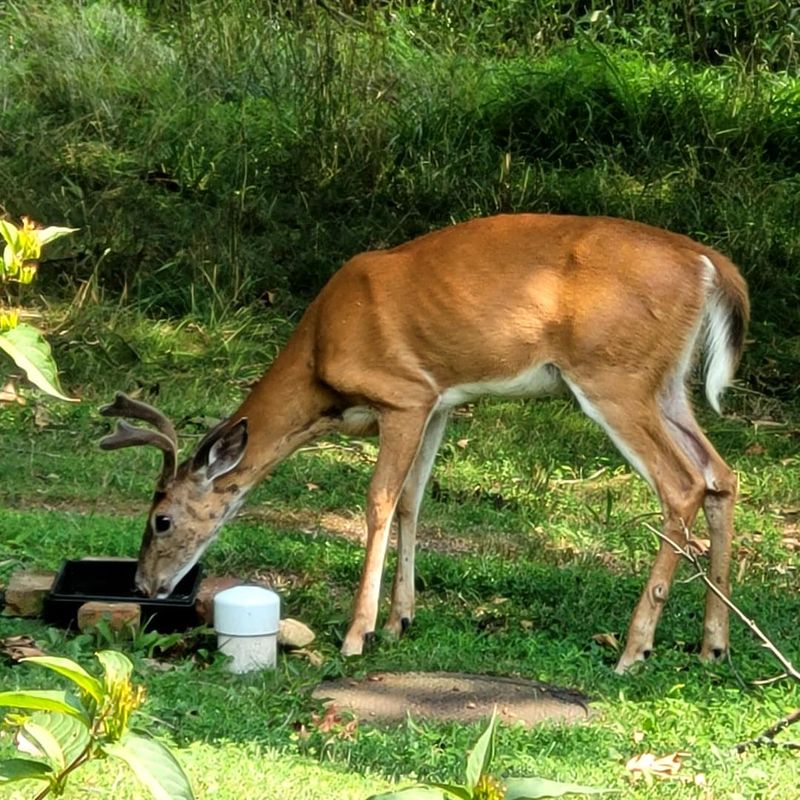
Water is just as important as food when it comes to attracting wildlife, especially during Georgia’s hot, humid summers when natural sources can dry up.
A simple birdbath, a shallow dish placed on the ground, or even a small pond can make your yard a destination for thirsty birds, butterflies, and mammals.
Birds need water not only for drinking but also for bathing, which keeps their feathers clean and in good condition for flight.
Butterflies and bees often gather at the edges of shallow water, sipping moisture and collecting minerals from damp soil.
When setting up a water source, make sure it’s shallow enough that small creatures won’t struggle—adding rocks or sticks gives them safe landing spots.
Keep the water fresh by changing it every few days to prevent mosquitoes from breeding.
Position your water feature near shrubs or trees so birds have a quick escape route if they sense danger.
During winter, consider adding a small heater to prevent freezing, ensuring wildlife has access to water even on the coldest Georgia days.
5. Use Evergreens For Year-Round Cover
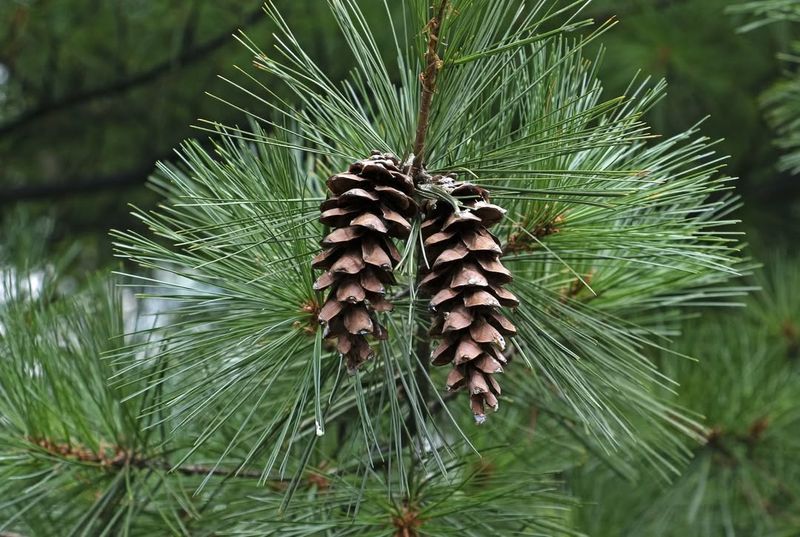
Evergreen trees and shrubs provide constant protection that deciduous plants simply can’t offer once their leaves drop in fall.
Birds and small mammals rely on these dense, year-round shelters to escape predators, harsh weather, and the intense heat of Georgia summers.
Native evergreens like Southern magnolia, American holly, and Eastern red cedar create safe roosting spots where wildlife can rest and raise their young.
During storms or cold snaps, these plants become critical refuges that can mean the difference between survival and struggle for many creatures.
The thick foliage of evergreens also provides nesting sites in spring and summer, offering privacy and protection from the elements.
Many evergreens produce berries or cones that serve as additional food sources, making them doubly valuable in a wildlife-friendly landscape.
Planting evergreens in clusters or hedgerows creates even more effective shelter, giving animals multiple layers of protection.
As these plants mature, they become increasingly important to your yard’s ecosystem, supporting more species and providing greater habitat value with each passing year.
6. Avoid Pesticides And Herbicides
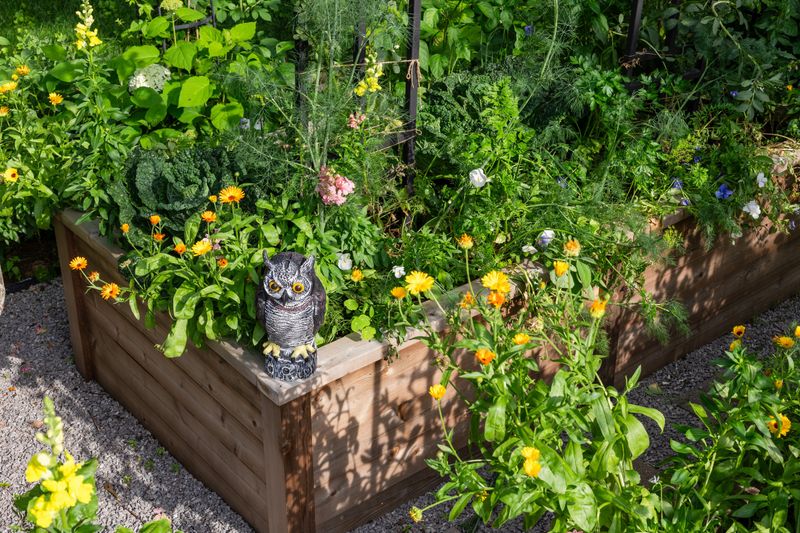
Chemical lawn treatments might promise a perfect, weed-free yard, but they come at a steep cost to the wildlife you’re trying to attract.
Pesticides and herbicides reduce insect populations dramatically, removing the primary food source for birds, bats, and other insect-eating animals.
Even caterpillars that seem like pests are actually essential for feeding baby birds, which need protein-rich insects to grow strong and healthy.
When you eliminate insects from your yard, you break the food chain that supports the entire ecosystem.
Many chemicals also persist in the environment, accumulating in soil and water where they continue harming beneficial creatures long after application.
Instead of reaching for synthetic treatments, embrace a more natural approach that tolerates some imperfection in exchange for a thriving habitat.
Hand-pull weeds in small areas, use mulch to suppress unwanted plants, and accept that a few chewed leaves mean your yard is supporting life.
A healthy, chemical-free landscape will naturally balance itself over time, with beneficial insects keeping pest populations in check without any intervention from you.
7. Plant Flowers That Bloom In Different Seasons
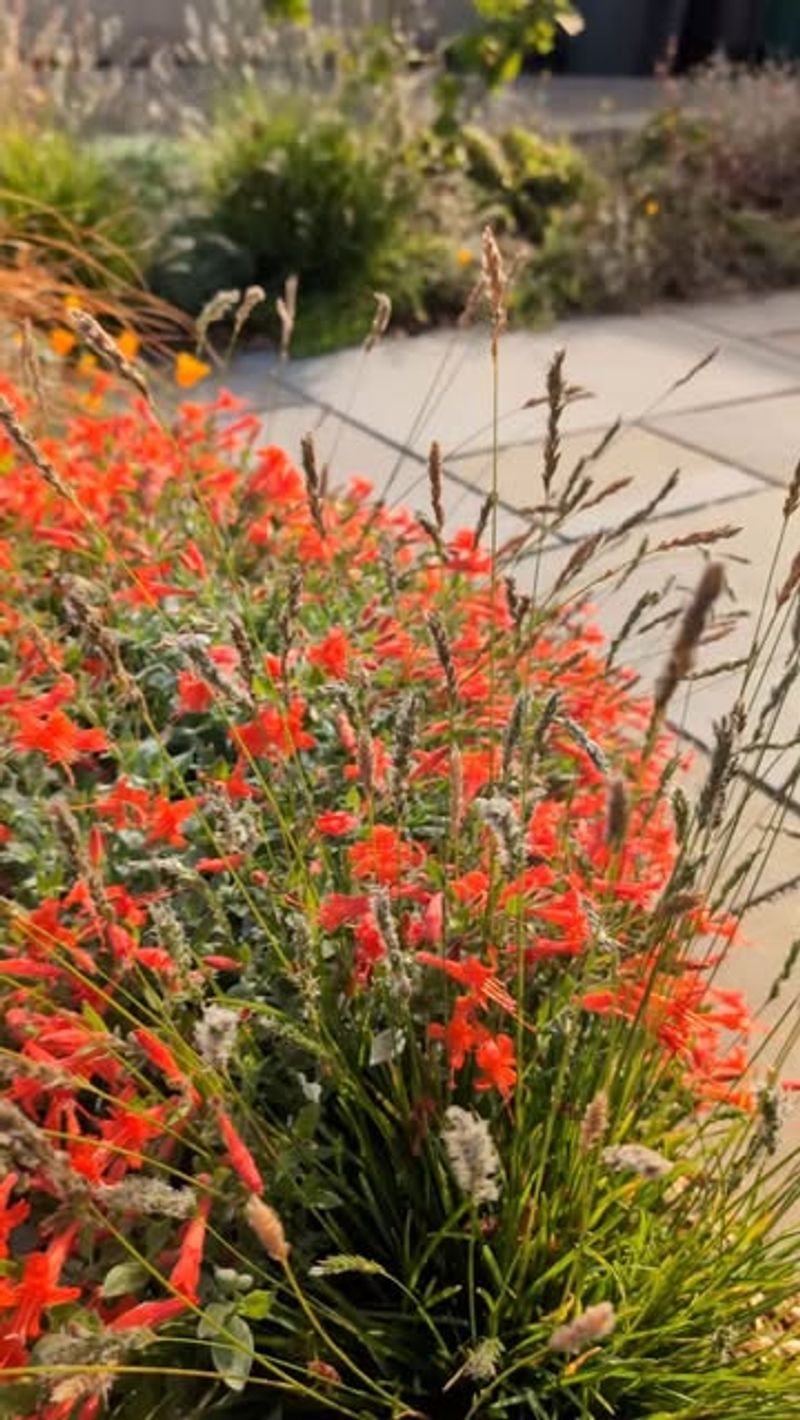
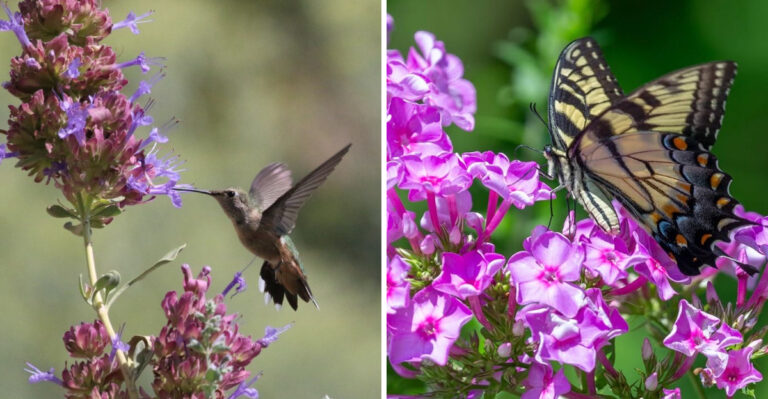
Pollinators like bees, butterflies, and hummingbirds need nectar and pollen from early spring all the way through fall to survive.
By choosing plants that bloom at different times, you ensure there’s always something flowering in your yard, providing continuous food for these important creatures.
Start with early bloomers like wild azalea and Carolina jessamine that feed pollinators emerging from winter dormancy.
Follow up with summer favorites such as coneflowers, bee balm, and milkweed, which attract a wide variety of butterflies and native bees.
Finish the season with fall bloomers like asters and goldenrod, which provide critical late-season nutrition before winter arrives.
This staggered approach creates a pollinator buffet that keeps your yard buzzing with activity throughout the growing season.
Native plants are especially valuable because they’ve co-evolved with local pollinators and offer the specific nutrients these creatures need.
As you plan your garden, think about creating drifts of color that change with the seasons, giving both wildlife and human visitors something beautiful to enjoy year-round.
8. Create Brush Piles Or Log Stacks
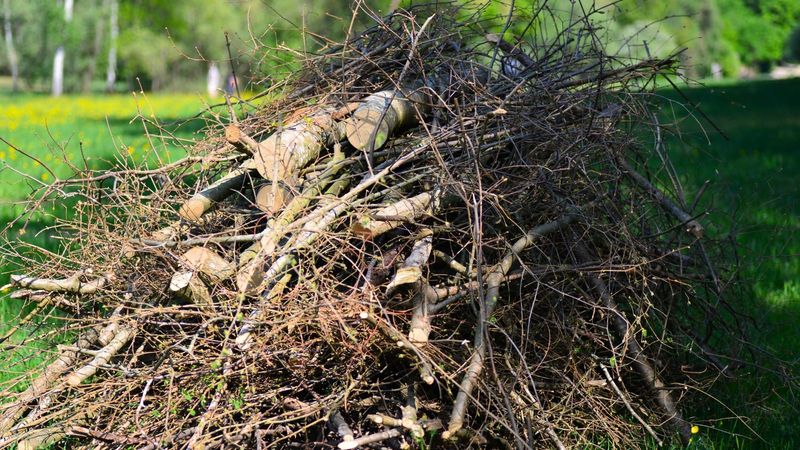
What might look like a messy pile of branches to your neighbors is actually prime real estate for many types of wildlife.
Brush piles and stacked logs provide essential nesting spots, hiding places, and hunting grounds for birds, small mammals, reptiles, and amphibians.
Wrens, towhees, and sparrows love foraging through brush piles, searching for insects and seeds while staying protected from hawks and other predators.
Rabbits, chipmunks, and lizards use these structures as safe corridors to move through your yard without exposing themselves to danger.
Building a brush pile is simple—just stack fallen branches, pruned limbs, and logs in a corner of your yard, creating a loose structure with plenty of gaps and tunnels.
The pile will settle over time and gradually decompose, enriching your soil while continuing to provide habitat.
Position your brush pile away from your house to avoid attracting animals too close to your living space, but make sure it’s near other plantings for added cover.
As the seasons change, you’ll notice different creatures using your brush pile for different purposes, making it one of the hardest-working features in your wildlife-friendly yard.
9. Leave Standing Snags When Safe
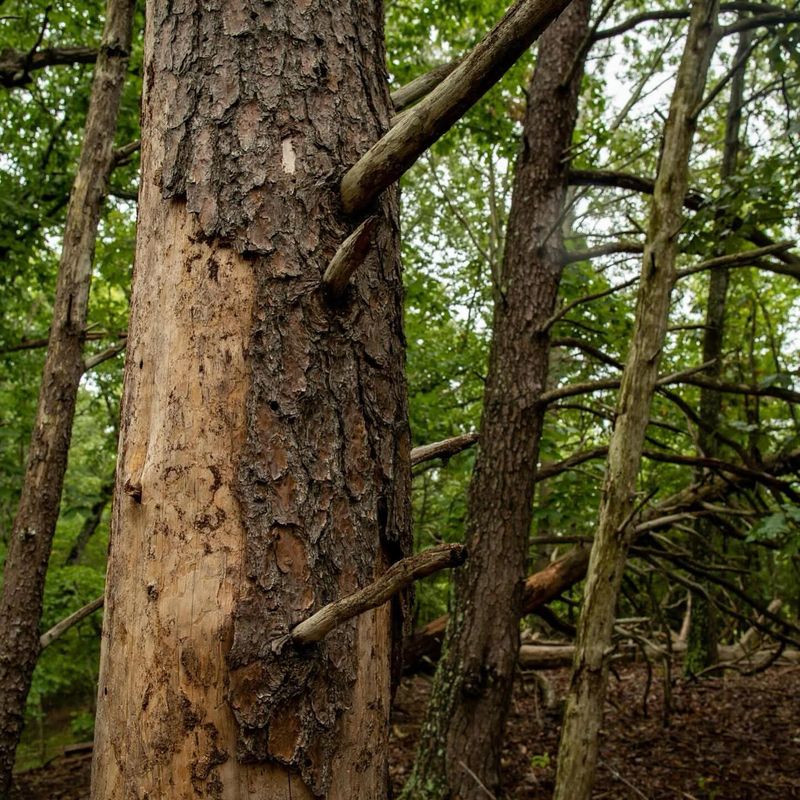
Standing snags might seem like eyesores, but they’re incredibly valuable to cavity-nesting birds and other wildlife that depend on them.
Woodpeckers, nuthatches, chickadees, and owls all seek out these structures for nesting, roosting, and foraging.
The soft wood of aging trees becomes easier to excavate, allowing birds to create nest cavities where they raise their young safely away from ground predators.
Insects that colonize the wood attract woodpeckers and other insect-eating birds, turning snags into natural feeding stations.
Even after a tree stops producing leaves, it continues supporting life in ways that living trees cannot.
If you have a standing snag that doesn’t pose a risk to people or structures, consider leaving it in place for as long as it’s safe.
You can remove dangerous limbs while preserving the main trunk, or reduce the height to make it more stable.
Watch your snag throughout the year and you’ll likely spot woodpeckers drumming on the bark, bluebirds investigating holes, or bats emerging at dusk to hunt for insects around your yard.
10. Plant Native Grasses For Nesting Material
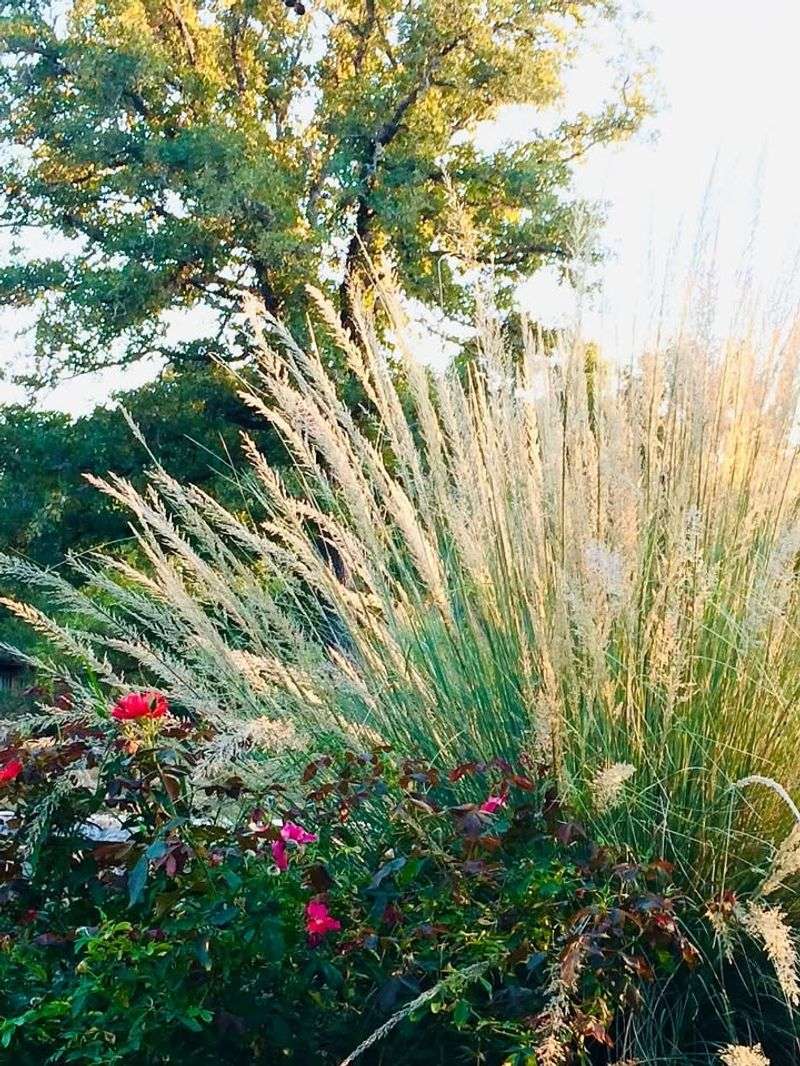
Native grasses offer far more than just attractive texture and movement in your landscape—they’re essential resources for birds and pollinators.
Species like little bluestem, switchgrass, and muhly grass produce seeds that feed sparrows, finches, and other ground-feeding birds throughout fall and winter.
The fine blades and seed stalks also provide perfect nesting material, which birds gather to line their nests and create soft, warm homes for their eggs.
Native grasses require minimal maintenance once established, tolerating drought and poor soil better than traditional lawn grass.
Their deep root systems help prevent erosion, filter rainwater, and create underground habitat for beneficial insects and soil organisms.
Butterflies and other pollinators rest on grass blades and use them as launch points while moving through your garden.
Plant native grasses in drifts or masses for the greatest visual impact and wildlife value, allowing them to grow naturally without frequent mowing or trimming.
As the seasons change, these grasses shift in color from green to bronze to golden, adding year-round beauty while supporting the creatures that depend on them for survival.
11. Offer Natural Food Sources Instead Of Just Feeders
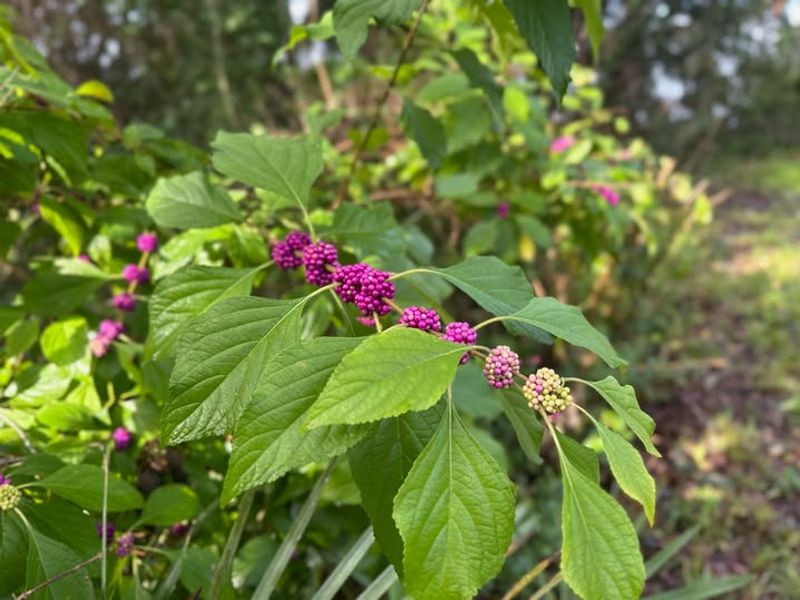
Bird feeders can supplement wildlife diets, but they should never replace the natural food sources that plants provide.
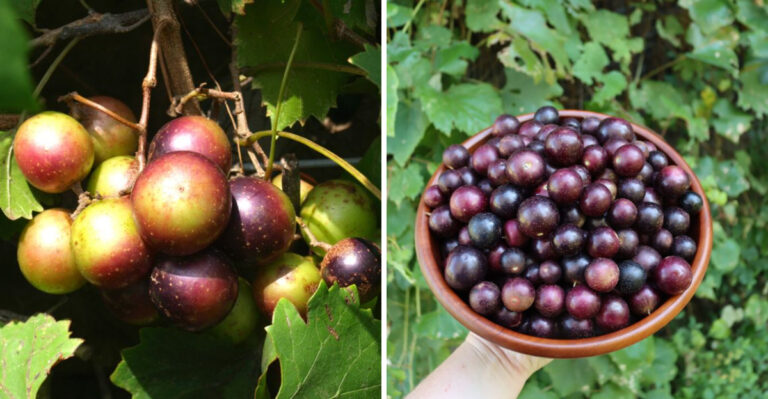
Berries from shrubs like elderberry, beautyberry, and winterberry offer nutrition that’s perfectly suited to the birds that have evolved eating them.
Seeds from native flowers and grasses provide fats and proteins that keep birds healthy through migration and breeding seasons.
Insects that live on native plants are essential protein sources for nestlings, which can’t survive on seeds alone during their critical growth period.
When you rely too heavily on feeders, you create artificial feeding patterns that don’t teach birds how to find food naturally or support their complete nutritional needs.
Planting a variety of native trees, shrubs, and flowers creates a self-sustaining food system that works year-round without requiring you to constantly refill feeders.
Natural food sources also spread feeding activity throughout your yard rather than concentrating birds in one spot where diseases can spread more easily.
By focusing on plants first and using feeders as a backup, you’ll create a healthier, more resilient habitat that truly benefits wildlife.
12. Add Nesting Boxes Carefully
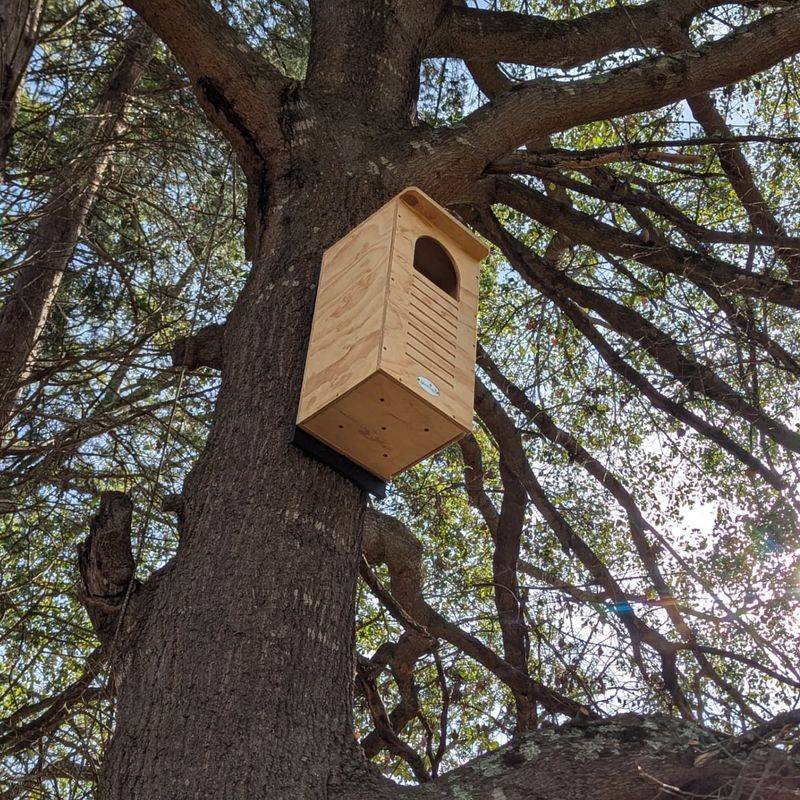
Nesting boxes can provide crucial housing for cavity-nesting birds and bats, especially in areas where natural nesting sites have become scarce.
Bluebirds, chickadees, titmice, and wrens readily use properly sized and positioned boxes, raising multiple broods throughout the breeding season.
Bat boxes help these beneficial insect-eaters establish roosting colonies, reducing mosquito populations while supporting species that face habitat loss.
The key to successful nesting boxes is choosing the right size entrance hole for your target species and mounting them at the appropriate height and location.
Bluebird boxes should face open areas and be placed away from dense trees, while chickadee boxes do better near woodland edges with nearby perches.
Clean out boxes after each nesting season to remove old nesting material and prevent parasite buildup that could harm future occupants.
Avoid placing boxes too close together unless you’re creating a specific habitat for colonial nesters like purple martins.
Monitor your boxes periodically during nesting season to ensure they’re being used successfully, and make adjustments to placement or design if you’re not seeing activity after a full season.
13. Reduce Lawn Size Gradually
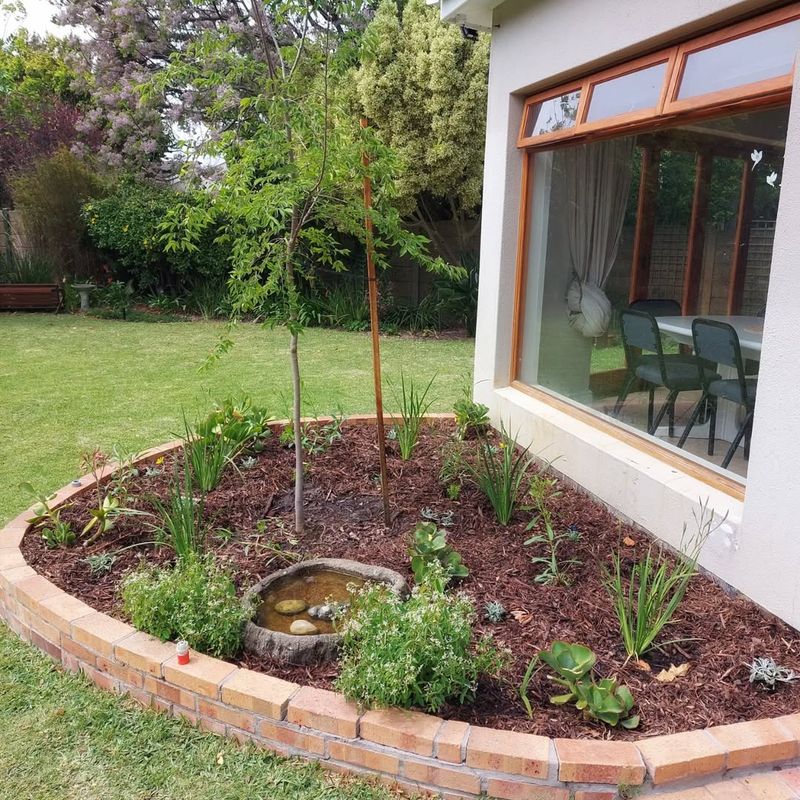
Traditional turf grass lawns require enormous amounts of water, fertilizer, and maintenance while providing almost nothing for wildlife.
Converting even small portions of your lawn into planted areas dramatically increases habitat value while reducing your workload and environmental impact.
Start by identifying areas that are difficult to mow or don’t get much use, then transform them into native plant gardens or meadows.
You don’t have to eliminate your entire lawn at once—gradual changes are easier to manage and give you time to learn what works best in your specific conditions.
Replace turf with groundcovers like wild strawberry or partridgeberry, which provide food and shelter while requiring no mowing.
Create island beds within your lawn and gradually expand them as your confidence and plant collection grows.
Each square foot you convert from grass to native plantings supports more insects, which in turn feed more birds and other wildlife.
You’ll spend less time mowing and more time enjoying the butterflies, birds, and other creatures that flock to your newly diverse landscape, making your yard more interesting and ecologically valuable.
14. Leave Quiet, Undisturbed Areas
Wildlife needs places where they can rest, nest, and raise young without constant interruption from human activity.
Designating a portion of your yard as a quiet zone—where you limit foot traffic, noise, and disturbances—creates a sanctuary that shy creatures will actually use.
Many birds and mammals are sensitive to frequent disruptions and will abandon otherwise perfect habitat if they don’t feel safe.
Let a back corner or side yard grow a bit wild, allowing plants to self-seed and natural processes to take over without constant grooming.
This doesn’t mean letting your entire yard become overgrown—just setting aside one area where nature can operate on its own terms.
You’ll be surprised how quickly wildlife discovers and colonizes these peaceful spaces, using them in ways they never would in more actively managed areas.
Watch from a distance rather than constantly walking through these zones, and you’ll see behaviors and species you might otherwise miss.
Creating quiet, undisturbed areas shows wildlife that your yard is a safe place to live, not just a place to briefly visit while moving through the neighborhood.
15. Support Wildlife All Year, Not Just In Summer
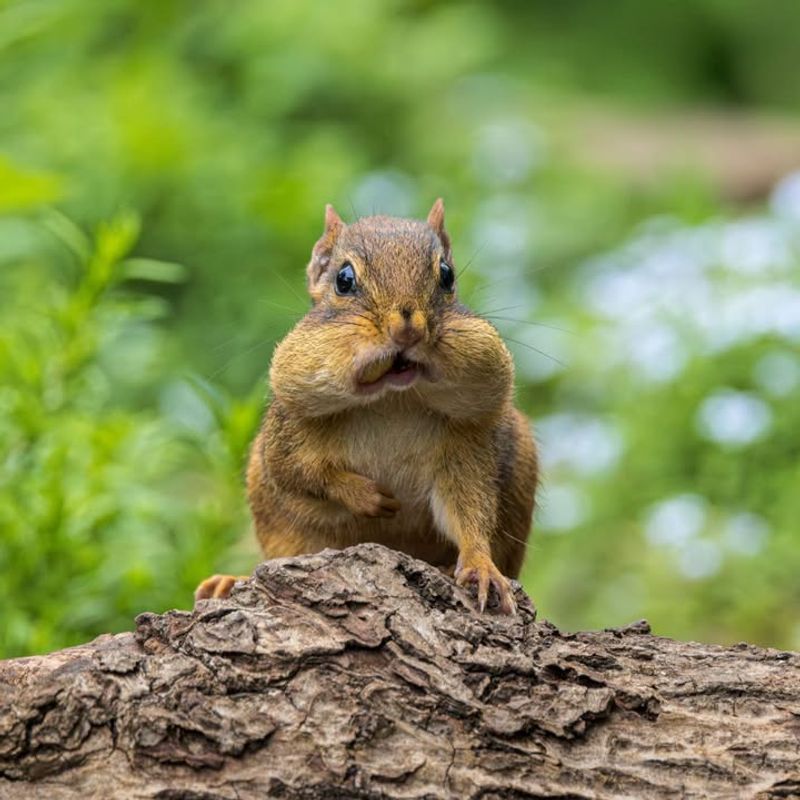
Many people focus on attracting wildlife during spring and summer when activity is most visible, but year-round support makes the biggest difference for survival.
Winter is actually the most challenging time for Georgia wildlife, when food becomes scarce and shelter is critical for protection from cold and storms.
Maintaining habitat features through all seasons—leaving seed heads, keeping water available, and preserving shelter—helps animals survive when they need it most.
Birds that successfully overwinter in your yard are more likely to nest there in spring, creating a resident population that returns year after year.
Fall is when many creatures prepare for winter by storing food, building up fat reserves, and finding secure places to spend the dormant months.
By not cutting back all your plants in autumn, you provide the resources wildlife needs to make it through until spring.
Consistent year-round habitat also supports the insects and other small creatures that form the foundation of the entire food web.
When you commit to supporting wildlife through every season, you’re not just creating a pretty garden—you’re building a genuine ecosystem that functions and thrives no matter what time of year it is.