9 Incredible Uses For Lemon Balm Every Pennsylvania Gardener Should Know
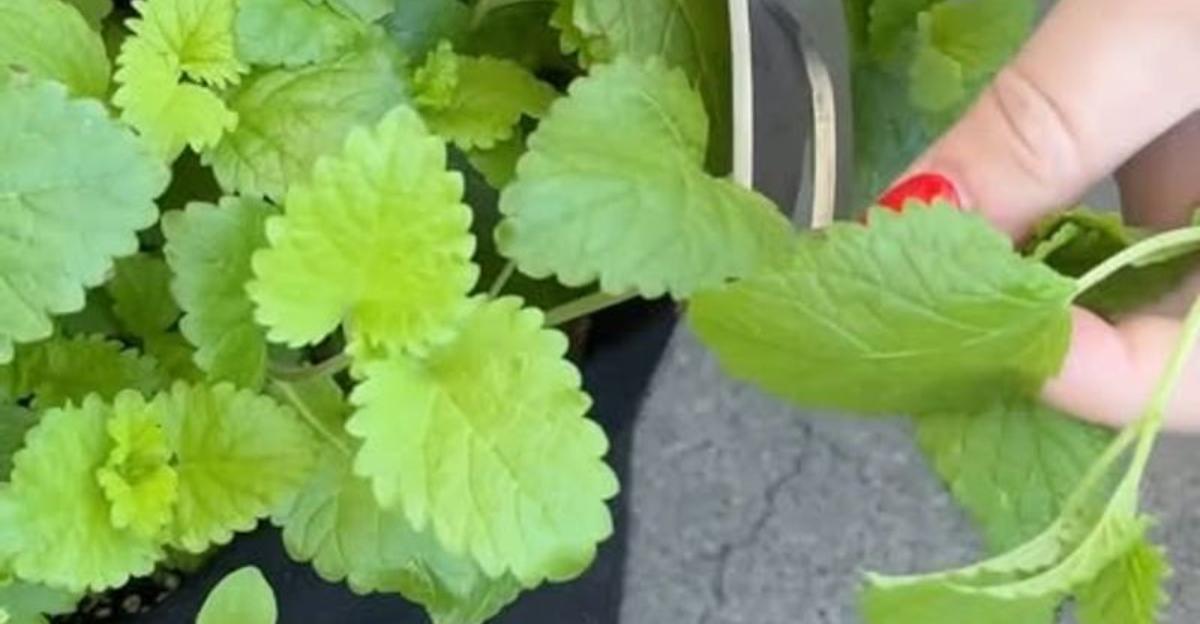
Lemon balm may look modest, but Pennsylvania gardeners who grow it know it punches well above its weight.
With a bright citrus scent and vigorous growth, this herb quickly becomes one of the most useful plants in the garden.
Traditionally prized for calming properties, lemon balm also shines in the kitchen, home remedies, and even pest control.
It’s hardy, forgiving, and thrives in Pennsylvania’s changing seasons.
Once established, it’s hard to get rid of—but that’s part of the appeal.
Gardeners who learn how to harness lemon balm’s energy find endless ways to use it year-round.
It’s the kind of plant that proves usefulness doesn’t have to be flashy.
1. Pollinator Support During Peak Bloom
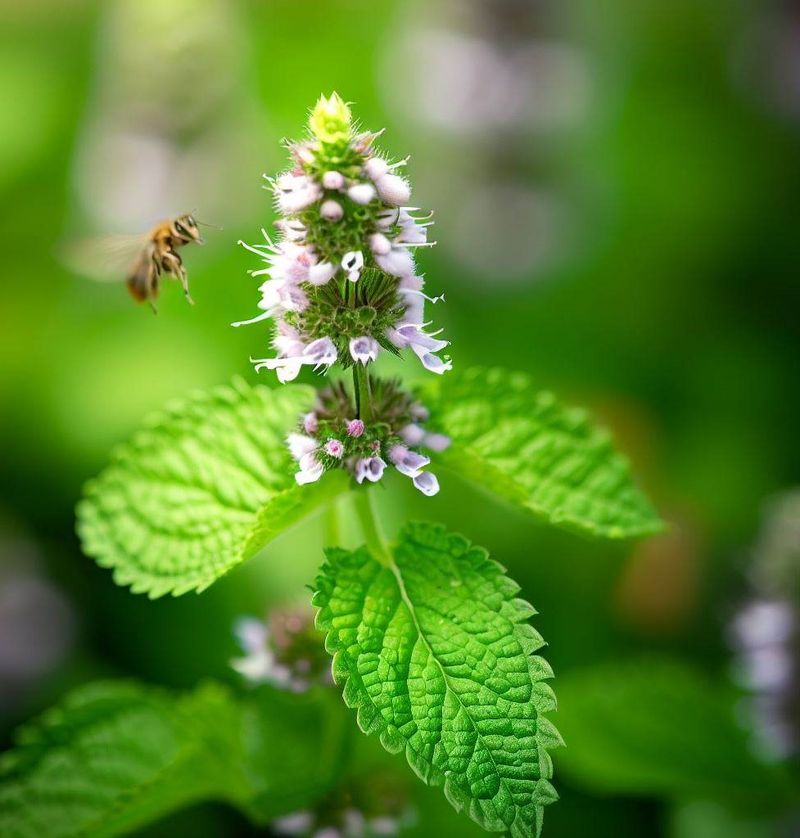
Lemon balm becomes a buzzing hub of activity when its delicate white flowers open in early to mid-summer across Pennsylvania gardens.
Honeybees, bumblebees, and other beneficial pollinators flock to these tiny blooms, drawn by the abundant nectar and pollen they offer during a critical time in the growing season.
While many spring flowers have faded by July, lemon balm keeps the pollinator party going strong.
Pennsylvania gardeners who care about supporting local bee populations find lemon balm to be an effortless ally in creating a pollinator-friendly landscape.
The plant produces clusters of small tubular flowers along its stems, and each cluster can feed multiple visitors at once.
Unlike some ornamental plants bred for showy blooms but little nectar, lemon balm delivers real nutritional value to the insects that visit.
Watching bees work the flowers is both entertaining and reassuring, knowing your garden contributes to the health of these essential creatures.
Better yet, lemon balm requires almost no maintenance to produce these pollinator-attracting blooms year after year.
Simply allow the plant to flower naturally rather than cutting it back too early in the season.
The more lemon balm patches you have, the more pollinator activity you will enjoy throughout the summer months.
2. Fresh Leaves For Herbal Teas
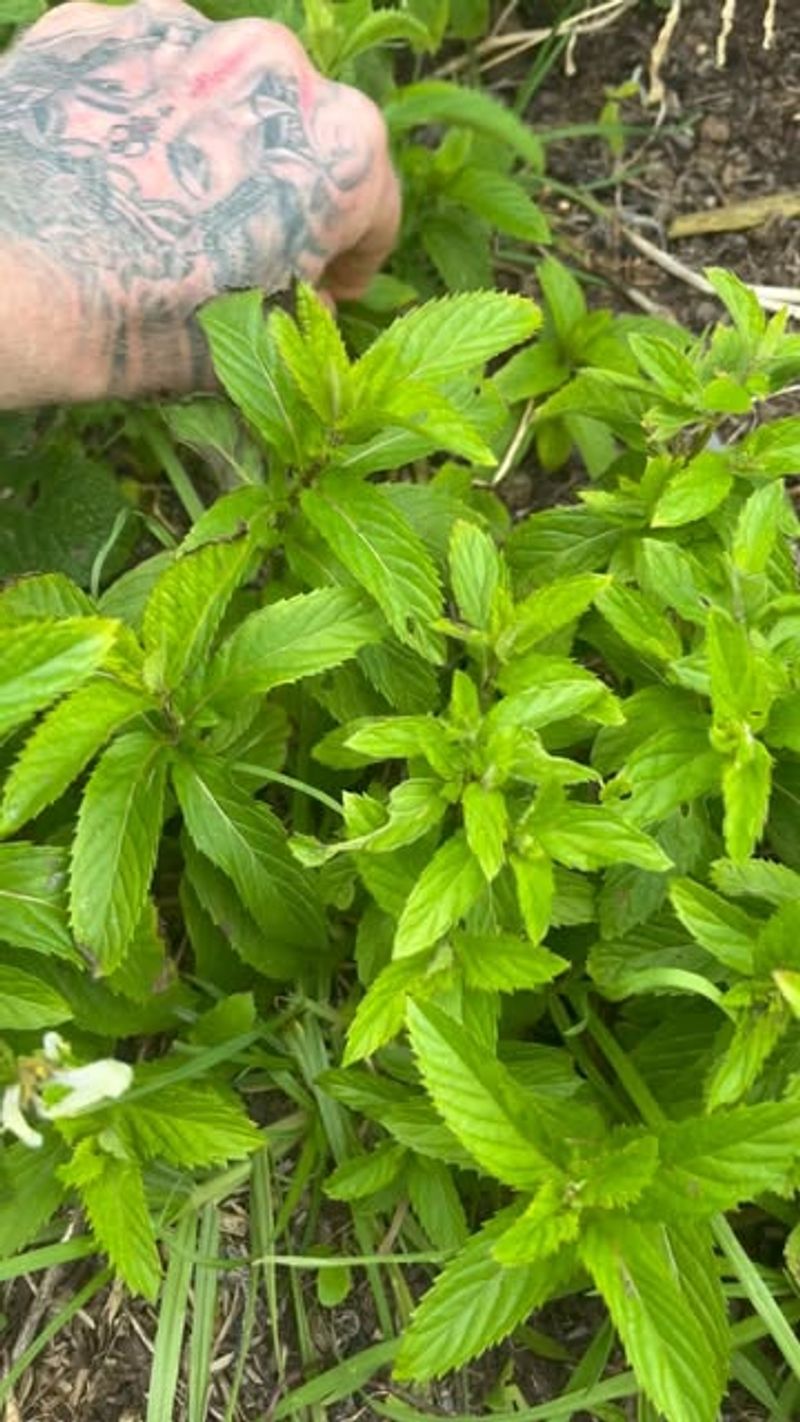
Few things beat the simple pleasure of brewing a cup of tea from herbs you grew yourself, and lemon balm makes this ritual wonderfully easy for Pennsylvania gardeners.
The leaves carry a mild, pleasant lemon scent and flavor that translates beautifully into a light, refreshing beverage.
Harvesting is as simple as snipping a handful of the freshest leaves from the top portions of the plant, ideally in the morning after dew has dried but before the afternoon heat sets in.
Many gardeners enjoy lemon balm tea both hot and iced, making it a versatile choice for every season.
The flavor is gentle enough to appeal to people who find other herbal teas too strong or medicinal-tasting.
Traditional herbalists have valued lemon balm for generations, and modern gardeners continue this practice by keeping a patch growing near the kitchen door for easy access.
You can use the leaves fresh or dried, though many prefer the bright flavor of fresh leaves when available.
Steeping takes just five to ten minutes in hot water, and you can adjust the strength by adding more or fewer leaves to suit your taste.
Your Pennsylvania Garden Changes Every Week. Your Plan Should Too.
Gardening in Pennsylvania changes quickly throughout the season. Every Friday you’ll receive a simple weekly plan showing exactly what to plant, prune, fertilize, harvest, and protect so you never miss the right timing.
Some gardeners blend lemon balm with other garden herbs like mint or chamomile for custom tea blends that reflect their personal preferences and garden bounty.
3. Drying For Winter Use
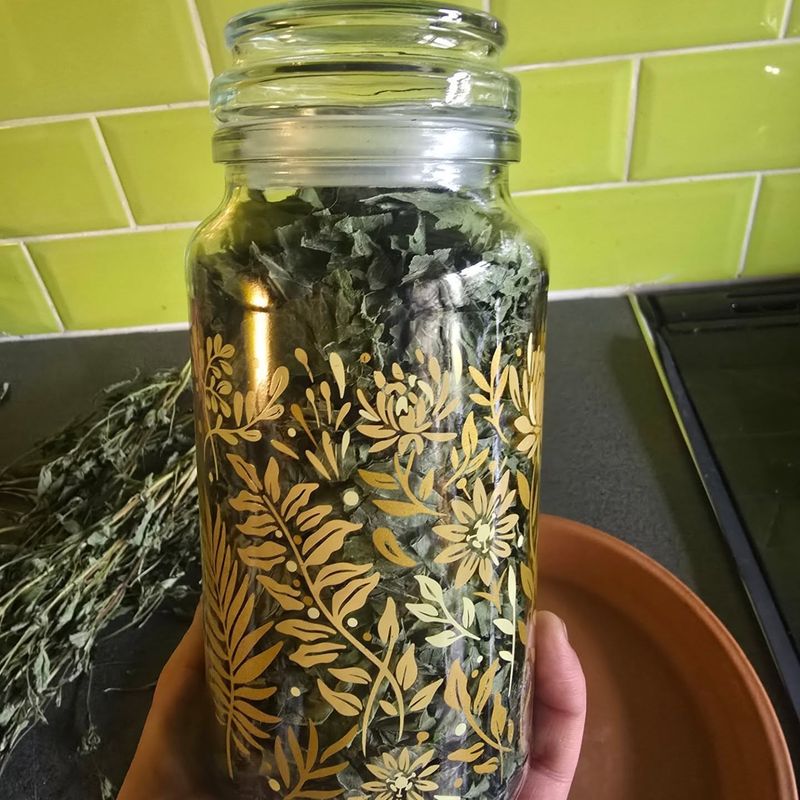
When Pennsylvania winters arrive and outdoor herb gardens go dormant, having a stash of dried lemon balm means you can still enjoy its bright flavor and aroma all season long.
Drying lemon balm is remarkably straightforward and requires no special equipment beyond some twine and a spot with good air circulation.
Harvest stems when the plant is actively growing and the leaves are at their most fragrant, typically before flowering begins or just as buds start to form.
Gather several stems together and tie them at the cut ends with kitchen twine or rubber bands, then hang the bundles upside down in a warm, dry location away from direct sunlight.
A spare room, pantry, or covered porch works perfectly for this purpose.
Within one to two weeks, the leaves will become crisp and crumbly, indicating they are fully dried and ready for storage.
Strip the leaves from the stems and store them in airtight glass jars away from light to preserve their quality.
Properly dried lemon balm retains much of its characteristic lemon scent and can be used throughout the winter months for teas, culinary experiments, or simply to bring a touch of summer into cold-weather days.
Many Pennsylvania gardeners make drying lemon balm an annual late-summer ritual, ensuring their pantries stay stocked with homegrown herbs year-round.
4. Natural Garden Fragrance Along Paths
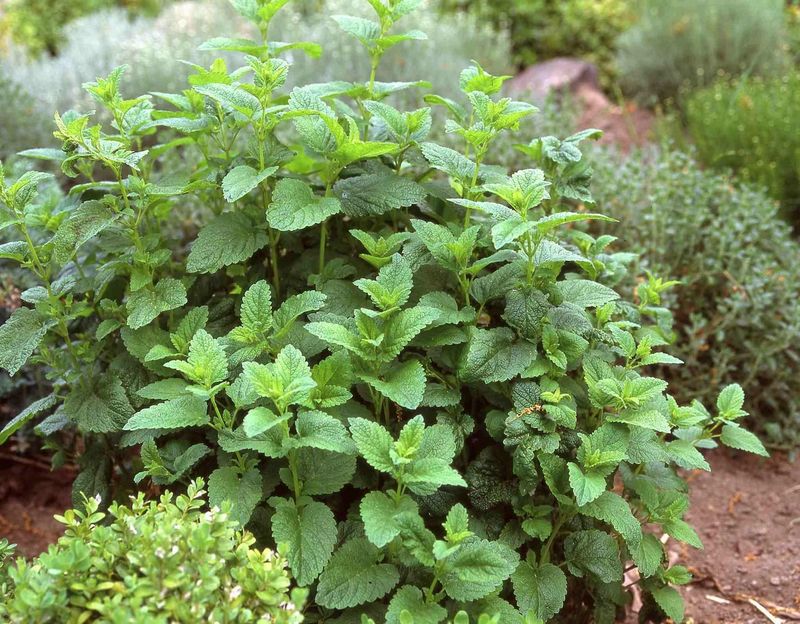
Imagine strolling through your garden and being greeted by a gentle burst of lemon scent with every step—that is exactly what happens when you plant lemon balm along walkways and paths.
The leaves release their characteristic fragrance when brushed or lightly touched, turning an ordinary garden walk into a sensory experience.
This natural aromatherapy requires no sprays, candles, or artificial products, just the simple interaction between you and the plant.
Pennsylvania gardeners often position lemon balm where it will naturally get brushed by passing legs or hands, such as along narrow paths or near garden benches.
The scent is fresh and uplifting without being overpowering, making it pleasant for everyone who visits your outdoor space.
Unlike some strongly scented plants that can be overwhelming in enclosed areas, lemon balm offers just the right amount of fragrance to enhance rather than dominate the garden atmosphere.
Children especially enjoy the interactive nature of this planting strategy, delighting in the way a simple touch releases such a pleasant smell.
Because lemon balm is a vigorous grower, it fills in quickly along path edges, creating both a functional border and an aromatic experience.
Just be mindful to keep it trimmed back so it does not encroach too far onto the walking surface itself.
5. Companion Planting In Vegetable Gardens
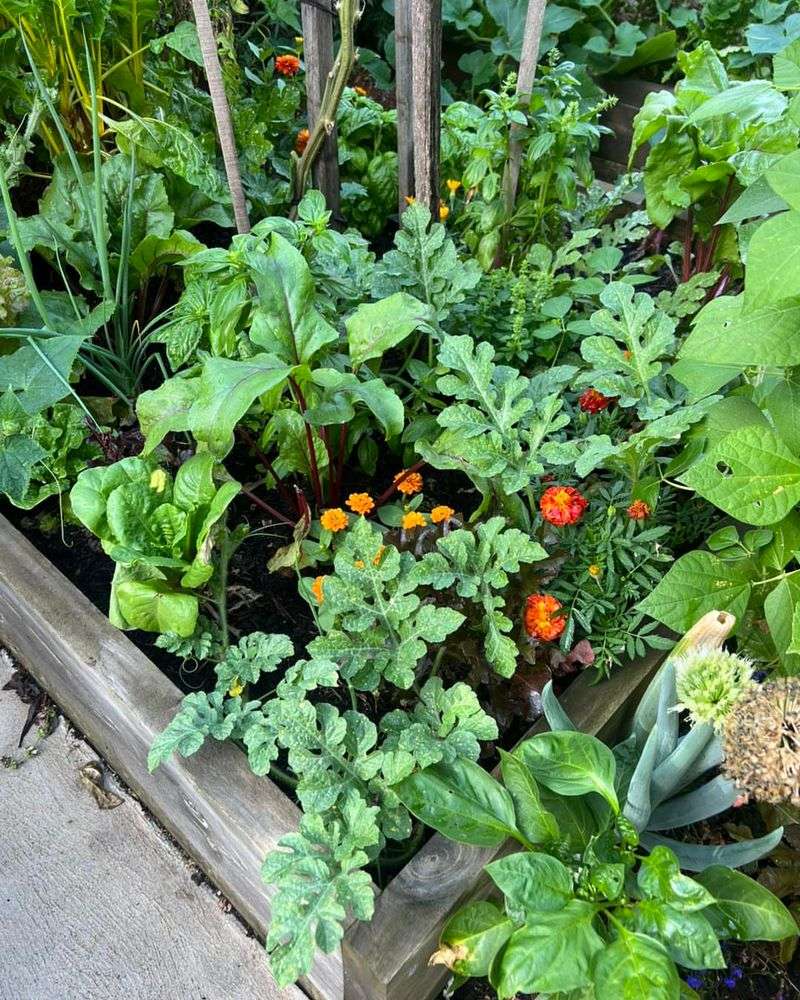
Vegetable gardeners in Pennsylvania have discovered that lemon balm makes an excellent companion plant when positioned strategically near their food-producing beds.
The flowers attract beneficial insects like bees and predatory wasps, which help with pollination and natural pest control in nearby vegetable plantings.
This creates a more balanced garden ecosystem without relying on chemical interventions.
However, because lemon balm is an enthusiastic spreader, it is essential to plant it in a way that keeps it from taking over your precious vegetable space.
Many gardeners use containers, buried barriers, or dedicated border areas to give lemon balm room to grow while preventing it from invading tomato or pepper beds.
When managed properly, lemon balm adds both beauty and function to the vegetable garden without becoming a maintenance headache.
Its presence can also help confuse or deter certain pests through its strong scent, though it should not be relied upon as a sole pest management strategy.
The key is finding the right balance—close enough to provide benefits, but contained enough to prevent unwanted spreading.
Some gardeners plant lemon balm in large pots placed between raised vegetable beds, enjoying the best of both worlds.
This approach gives you all the advantages of companion planting with complete control over the plant’s growth habit.
6. Simple Infusions For Household Use

Beyond the garden and the teacup, lemon balm finds a place in Pennsylvania households as the base for gentle, naturally scented infusions.
Gardeners steep fresh or dried leaves in water or vinegar to create lightly fragranced liquids that bring a touch of garden freshness indoors.
These infusions are not meant to replace proper cleaning products or disinfectants, but they do offer a pleasant, chemical-free way to add a natural scent to your home environment.
Making an infusion is incredibly simple—just pack a jar loosely with lemon balm leaves, cover with your chosen liquid, and let it sit for several days to a few weeks.
The longer it steeps, the stronger the scent becomes.
Once strained, the infused liquid can be used in various ways around the house, from adding to rinse water for a fresh scent to using as a base for homemade room sprays.
Some people add the infusion to bath water for a relaxing soak, while others use it to lightly scent linens or closets.
The process connects you directly to your garden harvest and reduces reliance on synthetic fragrances.
Pennsylvania gardeners with abundant lemon balm often experiment with different infusion recipes, sometimes combining lemon balm with other homegrown herbs like lavender or rosemary for custom scent blends that reflect their personal preferences.
7. Soil-Covering Perennial For Sunny To Part-Shade Areas

One of lemon balm’s most practical roles in Pennsylvania landscapes is as a hardy perennial groundcover that thrives in a range of light conditions.
Whether you have a sunny spot that needs filling or a partially shaded area under trees, lemon balm adapts remarkably well and spreads to cover bare soil.
This reduces erosion, suppresses weeds, and creates a lush green carpet of fragrant foliage throughout the growing season.
Unlike some groundcovers that require perfect conditions, lemon balm tolerates Pennsylvania’s variable weather, from hot summers to occasional dry spells.
It returns reliably each spring without needing to be replanted, making it a low-effort solution for areas where you want consistent coverage.
The key to success is giving it enough space initially and then managing its spread so it stays where you want it.
In sunny locations, lemon balm grows more densely and flowers more prolifically, while in partial shade it remains more compact with slightly larger leaves.
Either way, it fills gaps effectively and provides a functional yet attractive solution for challenging garden areas.
Many Pennsylvania gardeners use lemon balm to transition between formal garden beds and wilder areas, creating a natural-looking border that requires minimal upkeep once established.
8. Seed Collection And Easy Propagation
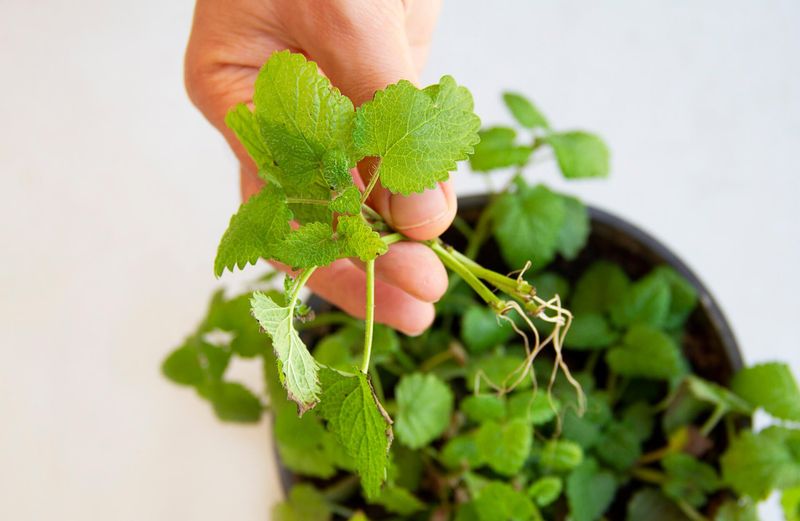
Lemon balm practically propagates itself, making it one of the easiest plants for Pennsylvania gardeners to share with friends or relocate within their own landscapes.
After the flowers fade, seed heads form and mature, eventually dropping seeds that sprout readily wherever they land.
If you prefer more control, you can collect these seeds before they scatter and sow them where you want new plants to grow.
Another simple propagation method is division, which involves digging up an established clump and separating it into several smaller plants, each with its own roots and shoots.
This works best in spring or early fall when temperatures are moderate and rainfall is more reliable.
Divided plants establish quickly and often begin growing vigorously within just a few weeks.
Because lemon balm is so willing to reproduce, many gardeners find themselves with more plants than they need, which creates wonderful opportunities for sharing with neighbors or donating to community gardens.
New gardeners appreciate receiving lemon balm starts because the plant is forgiving and nearly impossible to fail with.
Whether you choose to let nature handle the propagation or take a more hands-on approach, lemon balm makes expanding your herb garden or helping others start theirs remarkably simple and rewarding.
9. Teaching Plant Management And Containment
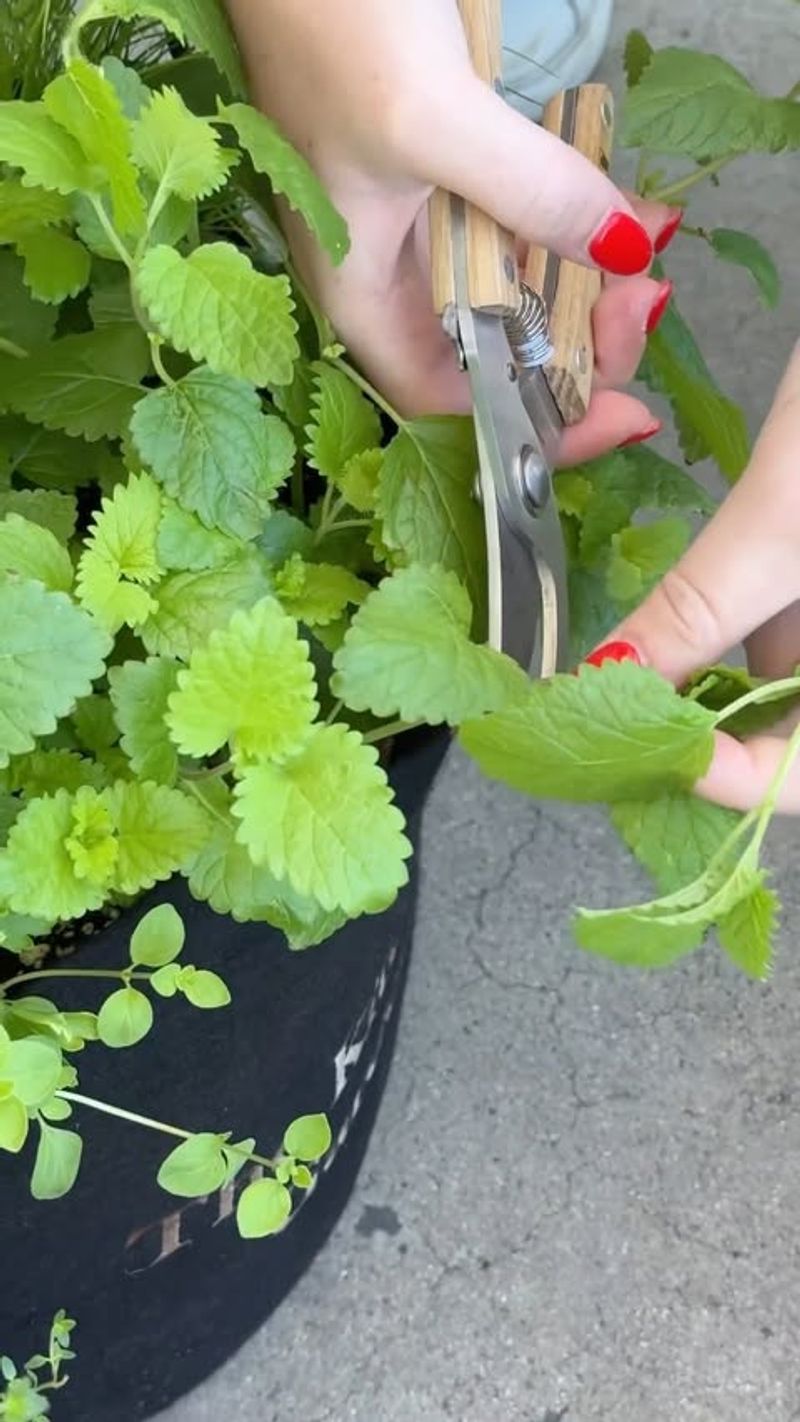
For gardeners who want to learn about managing vigorous perennials responsibly, lemon balm serves as an excellent teaching plant.
Its enthusiastic growth habit provides real-world practice in containment strategies, pruning techniques, and understanding how to work with rather than against a plant’s natural tendencies.
Pennsylvania gardening groups and educators often recommend lemon balm for beginners precisely because it demonstrates important concepts without being truly invasive or destructive.
Learning to keep lemon balm in check teaches valuable skills that apply to many other garden plants.
You discover the importance of physical barriers, regular monitoring, and timely pruning to prevent unwanted spreading.
These lessons translate directly to managing other vigorous growers like mint, oregano, or even ornamental grasses.
Children and new gardeners gain confidence by successfully containing lemon balm, proving they can handle plants that require a bit more attention than completely passive species.
The plant is forgiving enough that mistakes rarely cause serious problems, yet assertive enough that neglect becomes quickly apparent.
This balance makes it ideal for building gardening skills and understanding plant behavior.
Many Pennsylvania gardeners look back on their early experiences with lemon balm as formative lessons that shaped their approach to garden management and taught them to respect both a plant’s gifts and its potential challenges.