10 Essential Ways Pennsylvania Homeowners Can Guard Gardens From The First Freeze
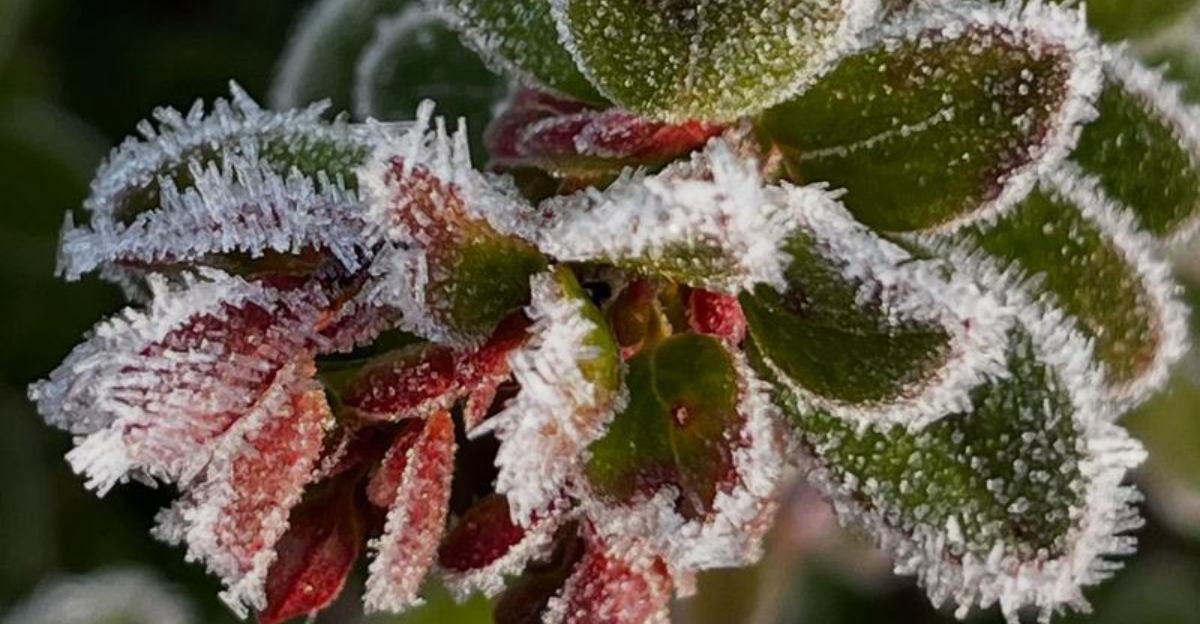
In Pennsylvania, the first freeze rarely sends a formal invitation—it sneaks in overnight and leaves damage behind by morning.
One hard frost can undo months of careful watering, pruning, and tending if gardens aren’t prepared ahead of time.
That’s why seasoned homeowners treat the first freeze less like a surprise and more like a deadline.
Protecting a garden doesn’t require expensive equipment or last-minute panic.
It’s about understanding which plants are vulnerable, how soil holds heat, and why timing matters more than temperature alone.
Simple actions—done before the cold settles in—can insulate roots, preserve moisture, and prevent stress that weakens plants long after winter ends.
Pennsylvania’s unpredictable fall weather makes preparation especially important.
A warm afternoon can lull gardeners into complacency, only for temperatures to drop sharply after sunset.
Homeowners who plan ahead don’t scramble when frost warnings appear—they’re already ready.
These essential strategies aren’t about saving everything at all costs.
They’re about minimizing loss, protecting long-term investments, and giving gardens the best possible chance to bounce back strong when spring returns.
1. Cover Tender Plants Before Nightfall
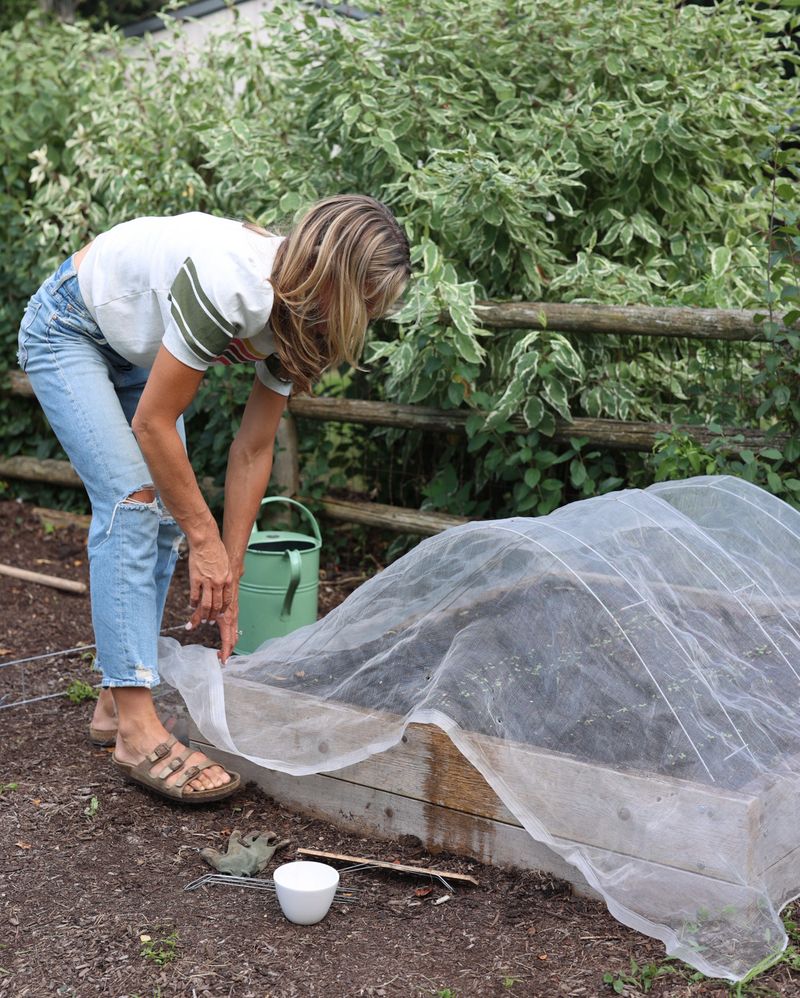
Covering your most vulnerable plants before the sun goes down is one of the smartest moves you can make when a freeze warning hits Pennsylvania.
As daylight fades, the ground releases heat it absorbed during the day, and a simple covering traps that warmth close to your plants throughout the cold night.
Frost cloth, burlap, or even old bedsheets work beautifully for this purpose because they allow moisture to escape while insulating against freezing temperatures.
Drape the material loosely over the entire plant, making sure it reaches all the way to the ground to capture the maximum amount of rising heat.
Avoid using plastic sheeting directly on foliage because it conducts cold rather than insulating against it, and any leaves touching plastic will likely freeze anyway.
If you must use plastic, create a frame with stakes first so the material stays off the plant itself.
Remember to remove covers in the morning once temperatures rise above freezing so plants can breathe and photosynthesize normally.
This simple evening routine can mean the difference between thriving plants and frost-damaged foliage after Pennsylvania’s first hard freeze.
2. Water Soil Thoroughly Ahead Of The Freeze
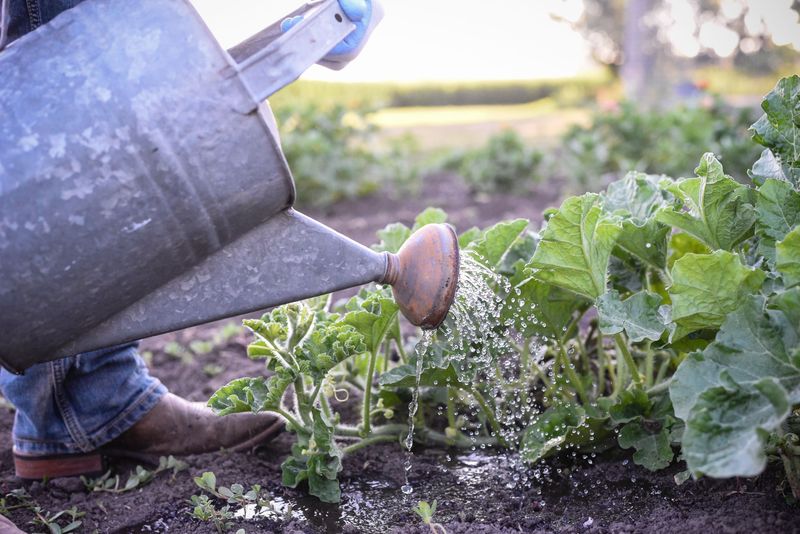
It might seem counterintuitive, but giving your garden a deep watering before a freeze actually helps protect plant roots from cold damage.
Moist soil holds heat far more effectively than dry ground, acting like a thermal battery that releases warmth slowly throughout the night.
When water molecules in damp soil freeze, they release a small amount of heat energy, which provides a buffer against extreme temperature drops.
Plan to water your garden beds thoroughly in the afternoon before a predicted freeze, allowing time for the moisture to soak deep into the root zone.
Focus especially on the area around vulnerable perennials, newly planted shrubs, and any beds containing late-season vegetables.
Avoid watering so late that foliage stays wet overnight, as damp leaves are more susceptible to frost damage than dry ones.
Your Pennsylvania Garden Changes Every Week. Your Plan Should Too.
Gardening in Pennsylvania changes quickly throughout the season. Every Friday you’ll receive a simple weekly plan showing exactly what to plant, prune, fertilize, harvest, and protect so you never miss the right timing.
This technique works best when combined with other protective measures like mulching and covering, creating multiple layers of defense against Pennsylvania’s unpredictable cold snaps.
Your plants will appreciate the extra moisture, and their roots will stay warmer and safer when that first hard freeze finally arrives.
3. Move Potted Plants Indoors Or Against The House
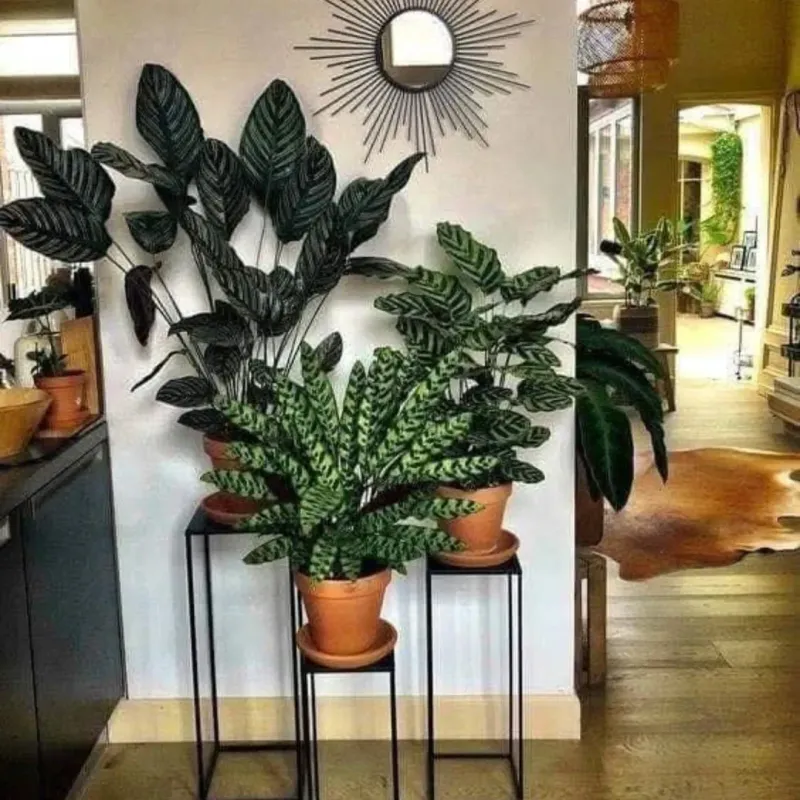
Container plants face a much greater risk during freezing weather than their in-ground cousins because roots in pots are exposed to cold air on all sides.
Without the insulating protection of surrounding earth, the soil in containers freezes quickly and completely, potentially damaging or destroying tender root systems.
Your best defense is moving potted plants indoors to a garage, basement, mudroom, or any space that stays above freezing overnight.
If bringing everything inside isn’t practical, cluster pots together against a south-facing wall of your home where they’ll benefit from radiated heat and wind protection.
The foundation area tends to stay several degrees warmer than open areas of your yard, giving plants a fighting chance during moderate freezes.
Group smaller pots inside larger ones and fill the gaps with leaves, straw, or crumpled newspaper for additional insulation.
Consider wrapping especially valuable containers in burlap or bubble wrap to protect both the pot and the roots inside from cracking and freezing.
Pennsylvania’s variable fall temperatures mean you might need to shuffle pots in and out several times, but the effort pays off when spring arrives and your containers are ready to bloom again.
4. Mulch Roots To Insulate Perennials
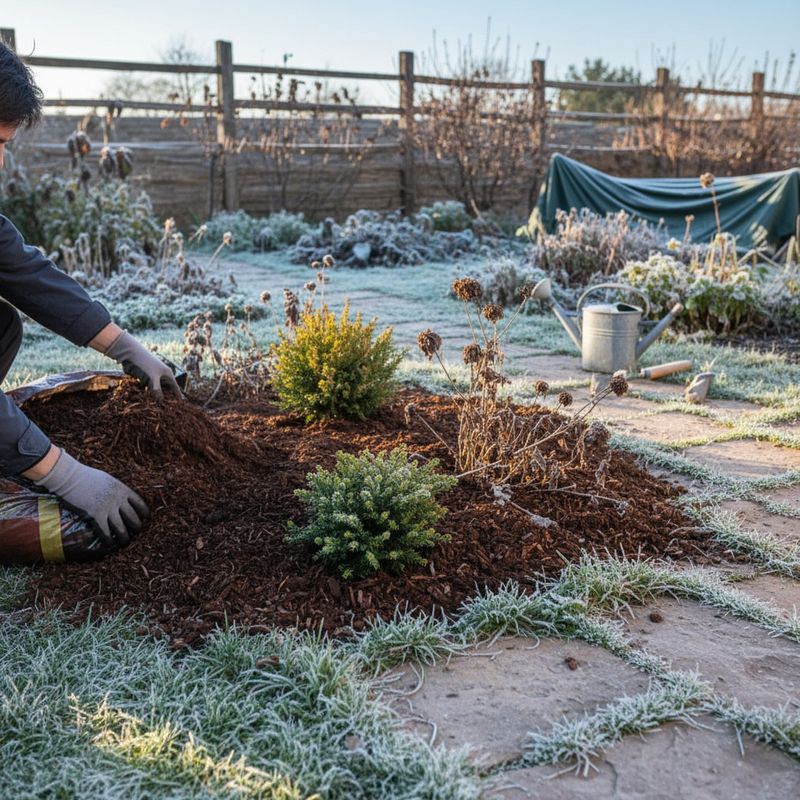
Adding a generous layer of mulch around your perennials after the first light frost provides crucial insulation that helps roots survive Pennsylvania’s freeze-thaw cycles.
Wait until the ground has experienced at least one frost before mulching heavily, as applying it too early can keep soil warm enough to delay natural dormancy.
Once plants have begun their winter rest, spread three to four inches of shredded leaves, straw, pine needles, or wood chips around the base of each perennial.
This protective blanket moderates soil temperature fluctuations, preventing the damaging expansion and contraction that occurs when ground repeatedly freezes and thaws.
Mulch also helps retain moisture in the soil, which as mentioned earlier, conducts and holds heat better than dry ground.
Be sure to keep mulch a few inches away from plant stems and crowns to prevent rot and discourage rodents from nesting right against your plants.
Newly planted perennials benefit especially from this treatment since their root systems haven’t had time to establish deeply.
Come spring, you can leave the mulch in place where it will continue to suppress weeds and conserve moisture throughout the growing season.
5. Harvest Sensitive Vegetables Before Temperatures Drop
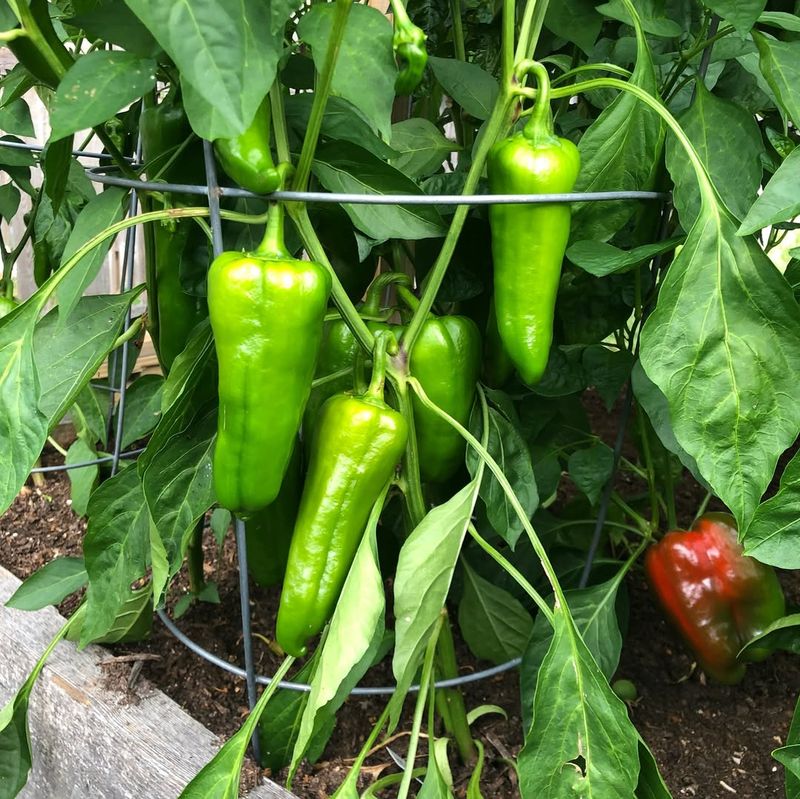
Knowing which vegetables to harvest before the freeze and which ones can safely stay in the ground is essential knowledge for Pennsylvania gardeners.
Tender warm-season crops like tomatoes, peppers, eggplants, cucumbers, squash, and beans will turn mushy and unusable after even a light frost touches their foliage.
Check your weather forecast regularly as fall progresses, and plan a harvesting day when frost seems likely within the next few days.
Even green tomatoes can be picked and ripened indoors on a sunny windowsill or wrapped in newspaper, so don’t let unripe fruit go to waste.
On the other hand, many cool-season vegetables actually improve in flavor after exposure to light frost, including kale, Brussels sprouts, carrots, parsnips, and cabbage.
These hardy crops convert starches to sugars as a natural antifreeze response, making them sweeter and more delicious after cold weather arrives.
You can often continue harvesting greens and root vegetables well into November or even December in Pennsylvania, especially if you provide them with simple protection like row covers.
Timing your harvest correctly maximizes your garden’s productivity while preventing waste from freeze damage.
6. Use Cloches, Buckets, Or Cold Frames
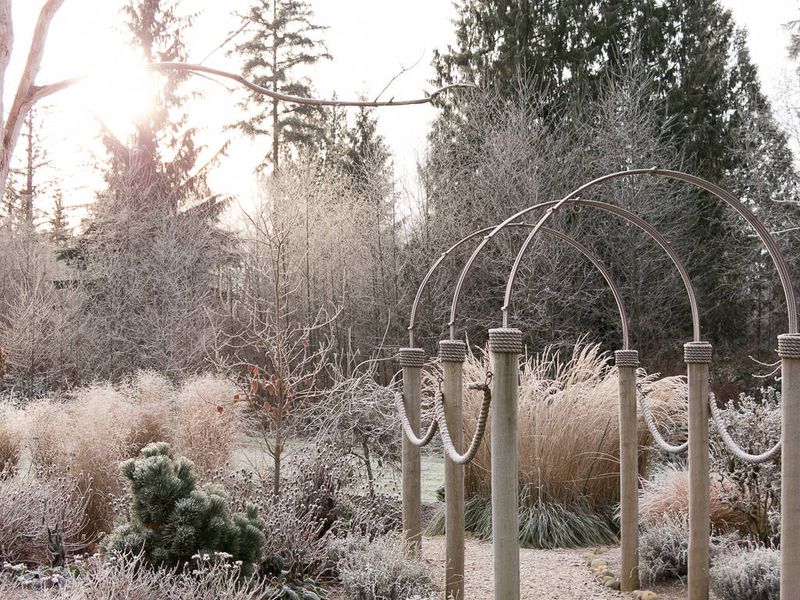
Creating miniature greenhouses over individual plants or entire rows extends your growing season and protects tender greens from Pennsylvania’s early freezes.
Glass or plastic cloches placed over single plants trap solar heat during the day and release it slowly at night, often keeping the air inside several degrees warmer than the surrounding garden.
You don’t need fancy equipment either—overturned buckets, large flower pots, or even milk jugs with the bottoms cut off work surprisingly well for protecting individual plants.
Cold frames, which are essentially bottomless boxes with transparent tops, create warm microclimates perfect for extending the harvest of lettuce, spinach, and other salad greens.
Position cold frames in a sunny, south-facing location where they’ll capture maximum sunlight during shorter fall days.
Remember to vent or remove covers during sunny days when temperatures climb, as the enclosed space can heat up quickly and stress plants.
Many Pennsylvania gardeners successfully grow fresh greens right through winter using unheated cold frames, especially when combined with cold-hardy varieties bred for season extension.
These simple structures are worthwhile investments that pay dividends season after season.
7. Disconnect And Drain Hoses And Irrigation Lines
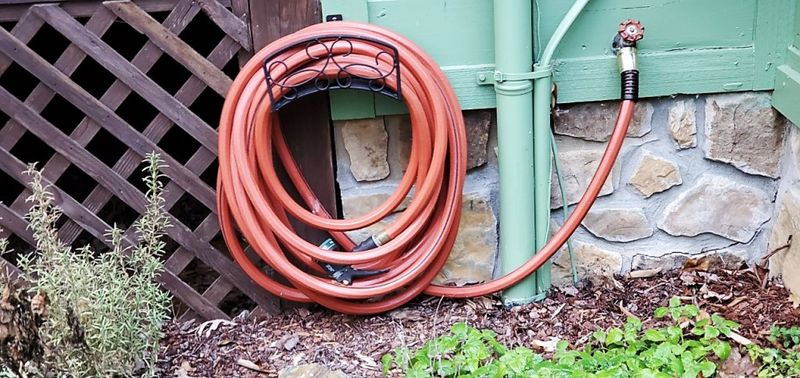
Water expands with tremendous force when it freezes, and any liquid trapped inside hoses, sprinkler systems, or outdoor faucets can cause expensive damage during Pennsylvania’s first hard freeze.
Burst hoses are annoying but relatively inexpensive to replace, while split pipes inside your walls can lead to thousands of dollars in repairs and water damage.
Make it a priority to disconnect all garden hoses from outdoor faucets before temperatures drop below freezing, even if you plan to use them again during a warm spell.
Drain each hose completely by holding one end high and walking its length, allowing gravity to pull water out the lower end.
Store drained hoses in a garage or shed where they won’t be exposed to freezing temperatures and UV damage.
If you have an in-ground irrigation system, schedule a professional blowout service to remove all water from underground lines before winter truly sets in.
Don’t forget to shut off and drain outdoor faucets from the inside shut-off valve if your home has one.
Taking these precautions in autumn prevents frustrating spring surprises and ensures your watering equipment is ready to go when gardening season returns to Pennsylvania.
8. Delay Pruning Until Spring
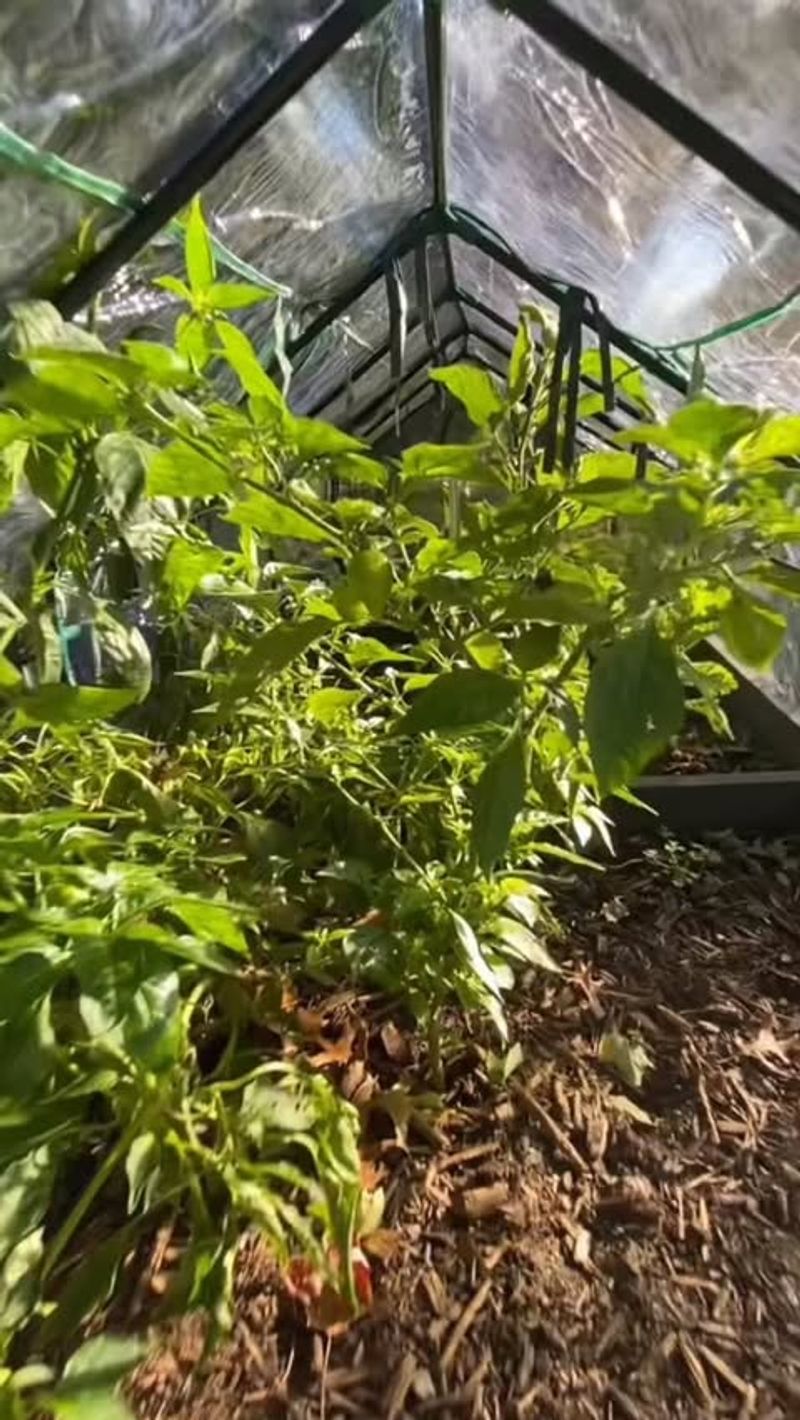
Your instinct might be to tidy up the garden before winter, but resist the urge to prune shrubs and perennials before Pennsylvania’s first freeze arrives.
Cutting plants back in fall removes their natural insulation and can stimulate tender new growth that won’t have time to harden off before cold weather strikes.
This vulnerable fresh growth is extremely susceptible to freeze damage and can actually weaken the entire plant heading into winter.
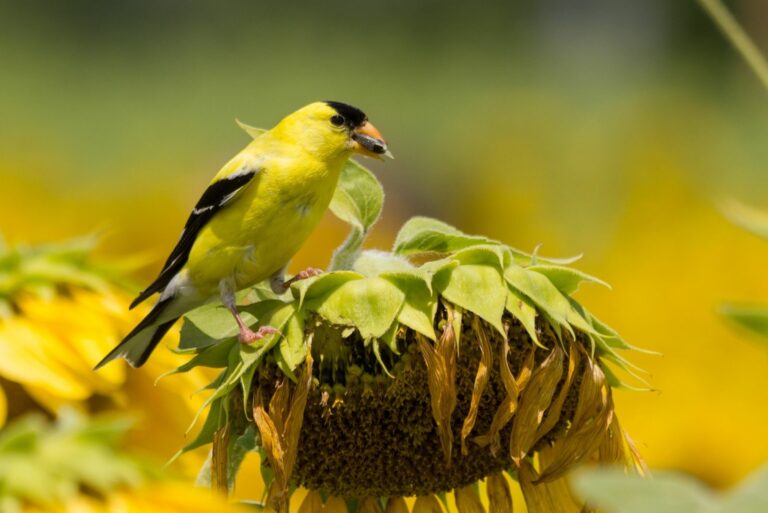
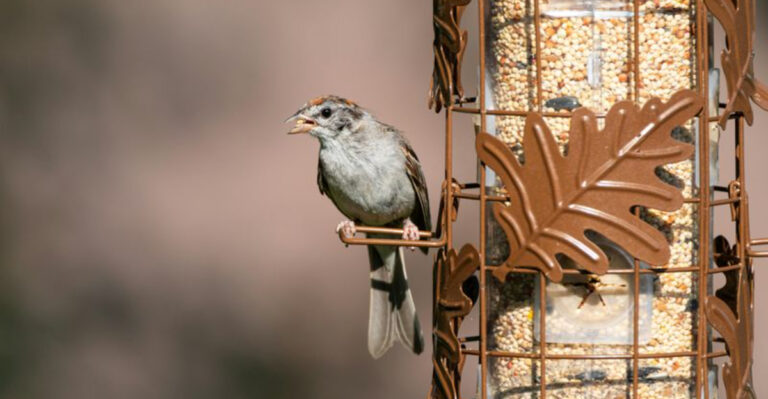
Leaving stems, seed heads, and foliage in place provides important protection for crowns and root systems while also offering food and shelter for beneficial insects and overwintering birds.
Many ornamental grasses and perennials with interesting seed heads add beautiful winter structure to Pennsylvania gardens, looking especially stunning when dusted with snow or frost.
Wait until late winter or early spring to tackle major pruning tasks, when you can clearly see which branches suffered winter damage and need removal.
Spring pruning also allows you to shape plants just before their active growth period, so they can quickly recover and fill in any gaps.
Patience with your pruning shears rewards you with healthier, more resilient plants that bounce back vigorously when warm weather returns.
9. Bring Houseplants Away From Cold Windows At Night
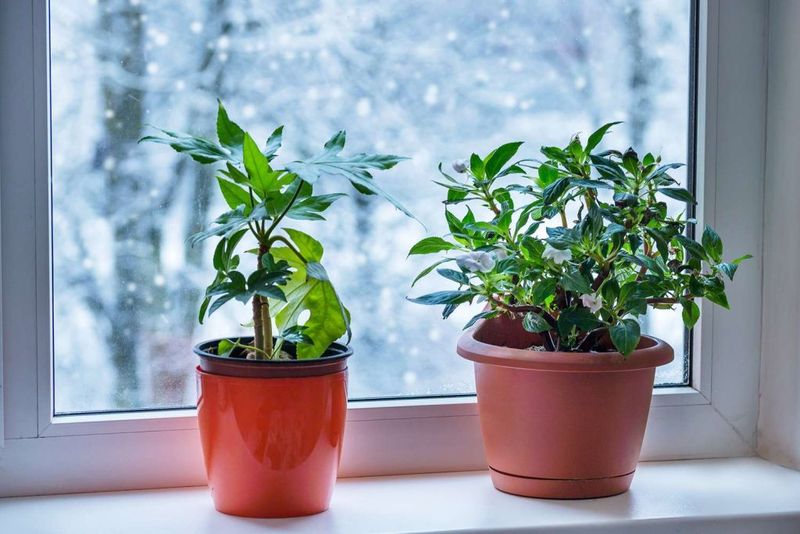
Even though your houseplants live indoors, they’re not immune to damage during Pennsylvania’s first hard freeze, especially if they’re positioned near windows.
Glass provides minimal insulation, and the air temperature directly next to a window can drop twenty degrees or more below the room temperature during extreme cold nights.
Tropical plants like ferns, orchids, African violets, and peace lilies are particularly sensitive to these cold drafts and temperature fluctuations.
On nights when outdoor temperatures are predicted to plunge into the twenties or below, move plants away from windowsills to the interior of the room where temperatures stay more stable.
If you have plants in bay windows or sun rooms that aren’t heated separately, consider bringing them into the main living area temporarily during cold snaps.
Watch for signs of cold stress including wilting, yellowing leaves, or leaf drop, which indicate your plant experienced temperatures too low for its comfort.
You can also insulate windows with heavy curtains or blinds at night, creating an air barrier between the cold glass and your plants.
This simple evening relocation routine takes just a few minutes but prevents setbacks that could take weeks or months for your houseplants to overcome.
10. Watch Local Frost And Freeze Alerts Closely
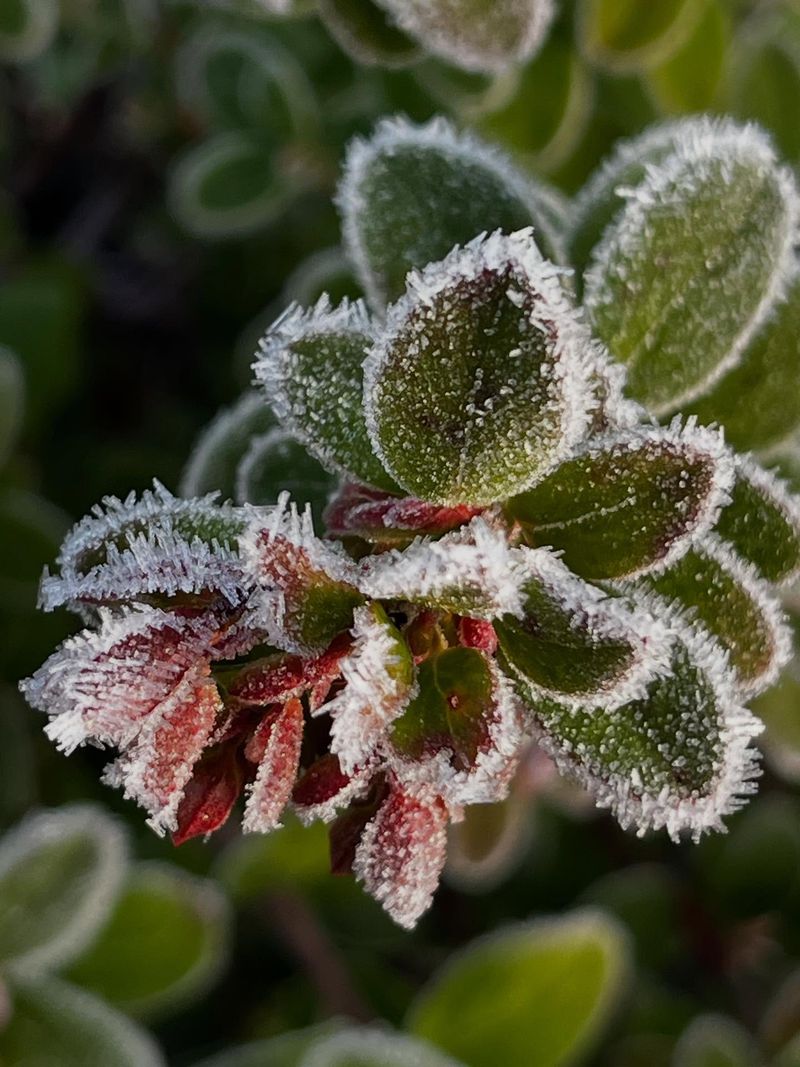
Pennsylvania’s fall weather is notoriously unpredictable, with temperatures sometimes swinging from pleasant and mild to freezing within just a few hours.
Mountain regions and rural valleys often experience frost several weeks earlier than urban areas, and microclimates within your own property can vary by several degrees.
Making a habit of checking your local forecast daily during September and October helps you stay ahead of sudden cold snaps instead of scrambling after damage occurs.
Sign up for frost and freeze alerts through weather apps, local news stations, or the National Weather Service to receive notifications directly to your phone.
Pay attention to both the predicted low temperature and the duration of freezing conditions, as a brief dip to thirty-two degrees causes less damage than several hours in the twenties.
When a freeze warning appears in the forecast, review your protection checklist and tackle the most important tasks first, prioritizing your most valuable or vulnerable plants.
Keep emergency supplies like frost cloth, sheets, and stakes readily accessible so you can deploy them quickly when needed.
Staying informed and prepared transforms you from a reactive gardener into a proactive protector of your Pennsylvania landscape.