12 Vegetables Michigan Gardeners Can Plant Once And Keep Harvesting Every Year
Michigan gardeners are rethinking the traditional vegetable garden—and perennial vegetables are leading the charge.
Instead of replanting every spring, more homeowners are choosing vegetables that return year after year, growing stronger and more productive with time.
These vegetables are well suited to Michigan’s seasons, establishing deep root systems that survive winter and bounce back as soon as conditions allow.
Once settled, they require less water, less soil disturbance, and far less effort overall.
For gardeners who want reliable harvests without constant replanting, they’re a game changer.
Perennial vegetables also stretch the growing season. Some emerge early in spring, while others produce well into fall, offering fresh food when annual crops aren’t ready—or are already finished.
Planting once and harvesting for years isn’t just convenient—it’s strategic.
Michigan gardeners who invest in these long-lived vegetables build gardens that feel more resilient, productive, and sustainable with every passing season.
1. Asparagus (Asparagus Officinalis)
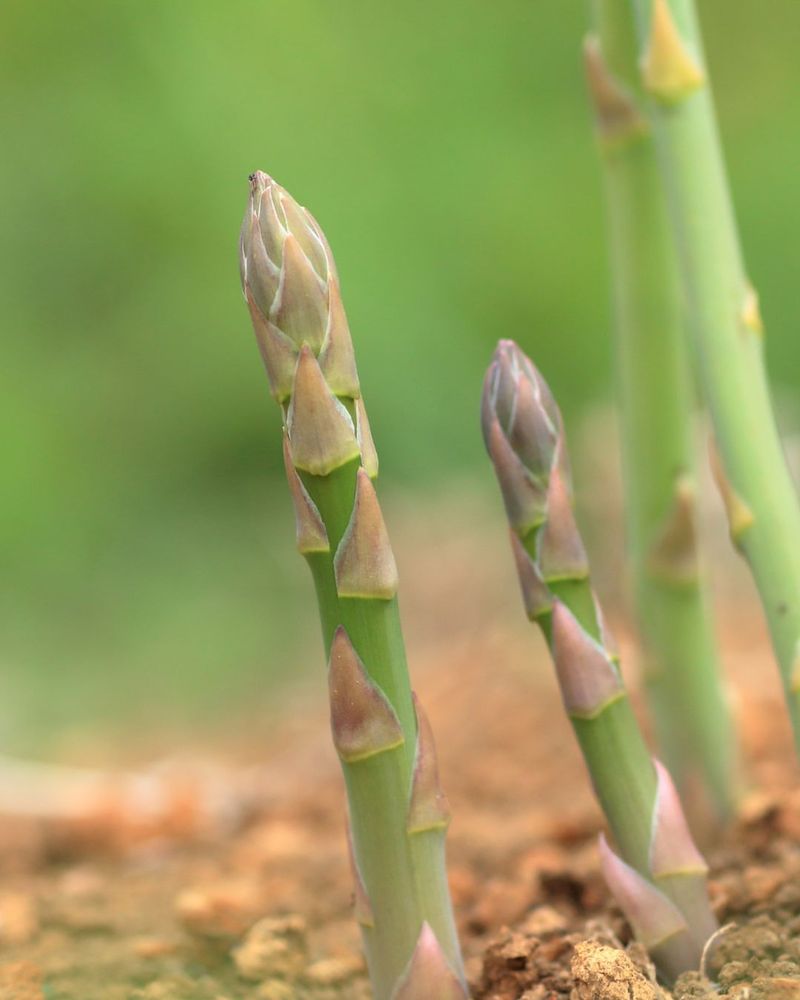
Patience becomes your greatest gardening virtue when you plant asparagus, but the reward stretches across decades.
This remarkable perennial vegetable can produce tender spears for 15 to 30 years once established, making it one of the longest-lived crops in any Michigan garden.
The first two years require restraint—you must let the plants grow without harvesting to build strong root systems that will support decades of production.
During this establishment period, the fern-like foliage gathers energy and stores it in thick underground crowns.
By the third spring, you can begin harvesting spears for a few weeks, gradually extending the harvest window as plants mature.
Michigan’s cold winters actually benefit asparagus because the plants need a dormancy period to thrive.
Choose a permanent location with full sun and excellent drainage, since you won’t be moving these plants once they settle in.
Asparagus beds become more productive with age, often reaching peak production around years five through ten.
Well-maintained beds can outlive the gardener who planted them, providing fresh spring harvests for generations.
The investment of time and space pays incredible dividends when you consider decades of tender, homegrown spears emerging each April.
2. Rhubarb (Rheum Rhabarbarum)
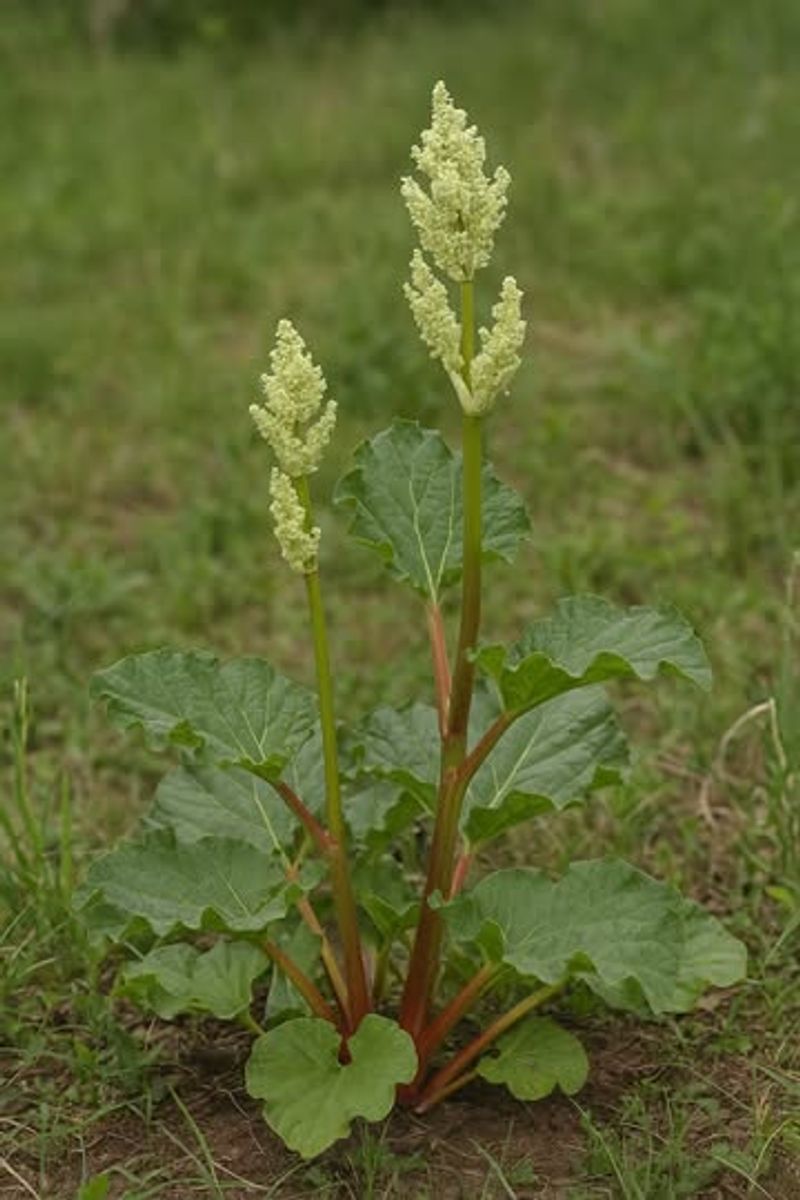
Few plants embrace Michigan’s harsh winters quite like rhubarb, which actually needs that cold period to produce its best stalks.
This tough perennial thrives in conditions that would discourage many vegetables, returning reliably each spring with thick, tart stalks perfect for pies and preserves.
Mature rhubarb plants can produce for 20 years or more when given proper care and the right location.
Site selection matters tremendously for rhubarb longevity—choose a spot with rich, well-draining soil and at least six hours of sunlight daily.
The plants appreciate consistent moisture but will rot if left in soggy ground during Michigan’s wet springs.
After establishment, rhubarb requires minimal attention beyond occasional division when clumps become overcrowded.
Harvest stalks by pulling rather than cutting, which prevents rot from entering the crown.
Always leave at least one-third of the stalks on each plant to ensure continued vigor and production.
Your Michigan Garden Changes Every Week. Your Plan Should Too.
Gardening in Michigan changes quickly throughout the season. Every Friday you’ll receive a simple weekly plan showing exactly what to plant, prune, fertilize, harvest, and protect so you never miss the right timing.
Michigan gardeners often inherit rhubarb patches from previous homeowners, testament to this plant’s remarkable staying power.
The large, dramatic leaves create architectural interest in the garden, though remember these leaves contain toxic compounds and should never be eaten.
With proper siting and minimal care, your rhubarb patch becomes a dependable spring tradition.
3. Walking Onions / Egyptian Onions (Allium × Proliferum)
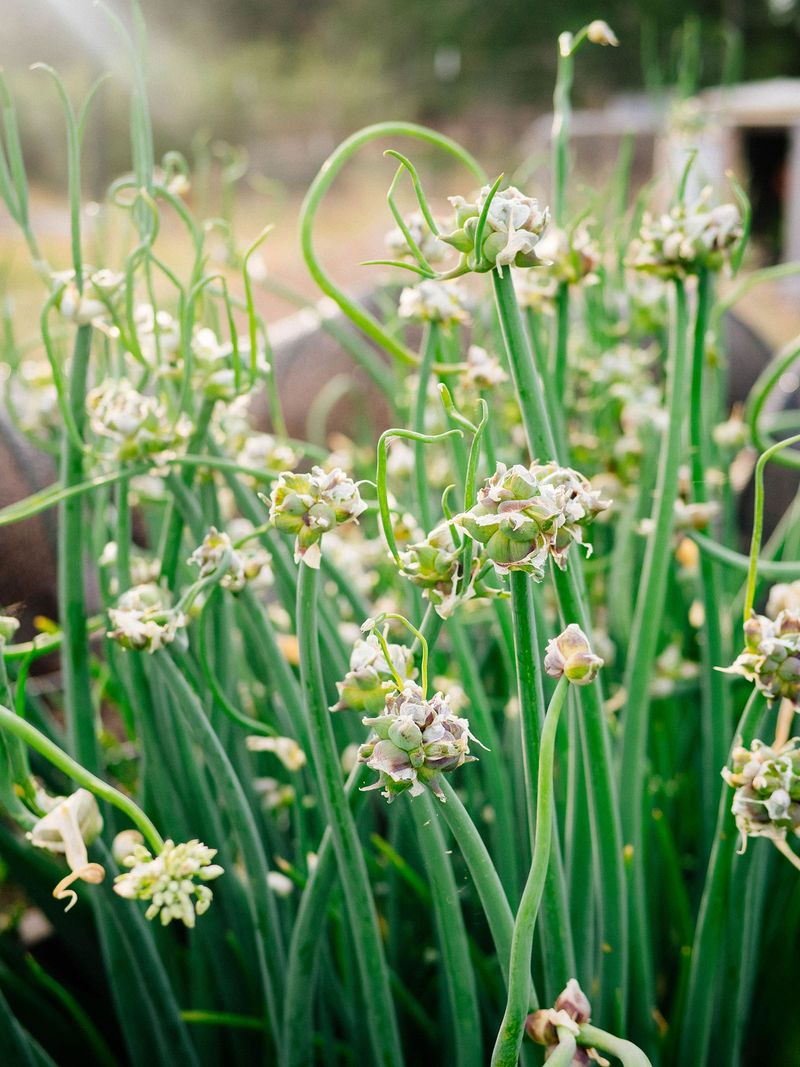
Walking onions earned their quirky name through one of nature’s most fascinating reproductive tricks.
Instead of producing flowers, these unusual alliums grow clusters of tiny bulbs called bulbils at the top of their stalks.
As these top-set bulbils become heavy, the stalks bend down and plant themselves nearby, literally walking across your garden over time.
This self-propagating habit means you never need to replant, and your onion patch gradually expands without any effort on your part.
Michigan gardeners can harvest both the underground bulbs and the green shoots throughout the growing season.
The flavor resembles a cross between regular onions and shallots, with a mild bite perfect for fresh eating or cooking.
These hardy perennials survive Michigan winters without protection, popping up reliably each spring among the earliest garden greens.
You can also harvest and replant the topset bulbils wherever you want new plants to establish.
Walking onions tolerate partial shade and various soil conditions, though they prefer reasonably fertile ground with decent drainage.
Once you plant a few bulbs, they multiply steadily, providing continuous harvests year after year.
This plant-once vegetable requires almost no maintenance while offering fresh onion flavor from early spring through late fall.
4. Chives (Allium Schoenoprasum)
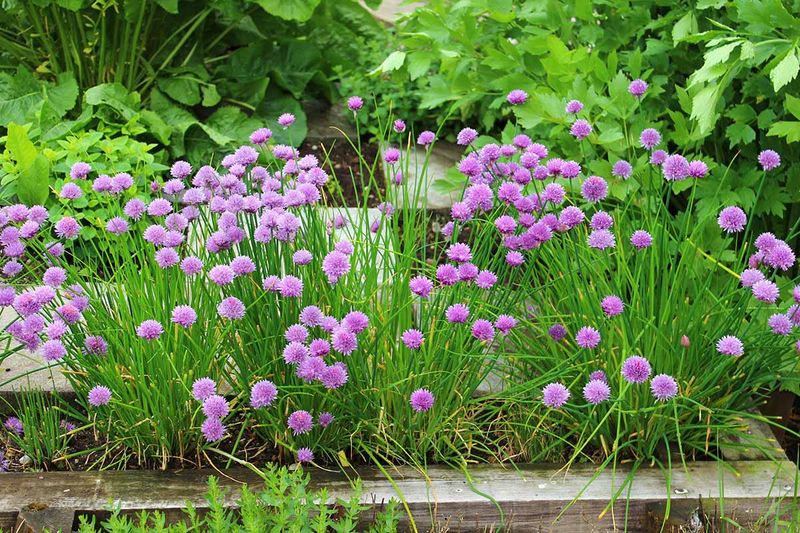
Chives rank among the most reliable perennial herbs for Michigan gardens, surviving even the coldest winters and bouncing back vigorously each spring.
These slender, grass-like alliums form attractive clumps that expand gradually over time, providing fresh harvests from early spring through late fall.
The mild onion-flavored leaves make perfect garnishes for potatoes, soups, salads, and countless other dishes.
Beyond their culinary value, chives produce gorgeous purple pom-pom flowers in late spring that attract beneficial pollinators to your garden.
These blooms are also completely edible, adding both beauty and mild onion flavor to salads and other fresh dishes.
Michigan gardeners can harvest chive leaves repeatedly throughout the season by cutting them about two inches above ground level.
The plants quickly regrow, providing multiple cuttings from spring through the first hard frost.
Chives tolerate partial shade and adapt to various soil types, though they perform best in reasonably fertile, well-drained ground.
Dividing established clumps every three to four years keeps plants vigorous and provides extras to share with friends or expand your herb garden.
These low-maintenance perennials ask for almost nothing while delivering consistent flavor and beauty year after year.
Once established, chives become one of those reliable garden friends you can always count on.
5. Garlic Chives (Allium Tuberosum)
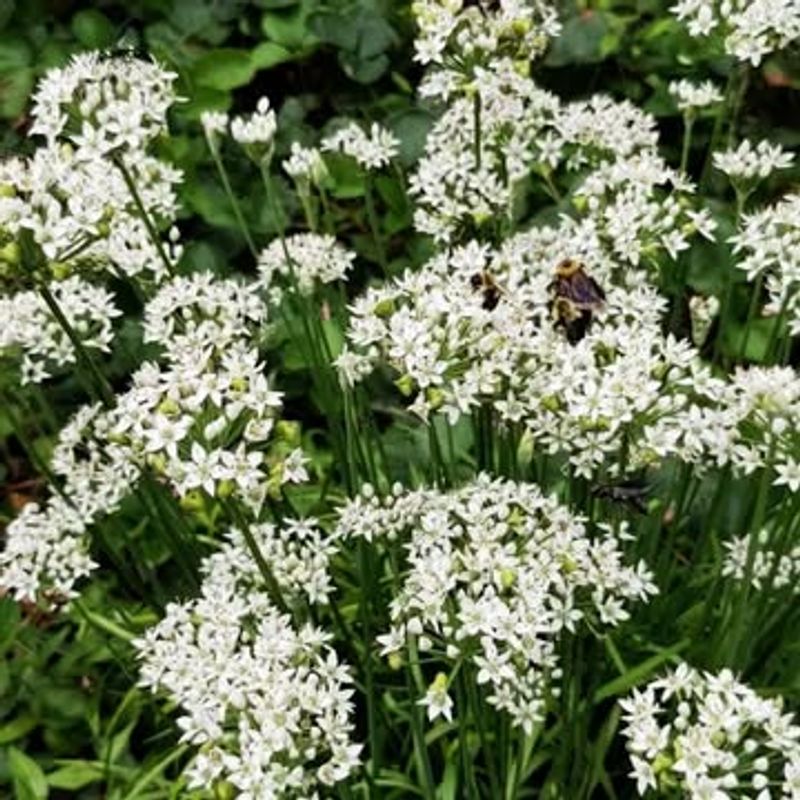
Garlic chives offer a different flavor profile than their cousin, with flat leaves that taste distinctly of garlic rather than onion.
These robust perennials handle Michigan’s weather extremes beautifully, returning reliably each year with minimal care or protection.
The flat, blade-like leaves grow taller and wider than regular chives, providing substantial harvests throughout the growing season.
Late summer brings clusters of delicate white star-shaped flowers that pollinators adore, extending the plant’s value beyond the kitchen.
Both the leaves and flowers are edible, with the blooms adding a mild garlic flavor and elegant appearance to salads and stir-fries.
Michigan gardeners appreciate how garlic chives tolerate heat better than many herbs while still surviving cold winters without issue.
The plants self-seed moderately, so you might find new volunteers appearing nearby, though they never become aggressively invasive.
Harvest leaves by cutting them near ground level, and new growth emerges quickly for repeated cuttings.
Garlic chives adapt to various light conditions, growing well in full sun or partial shade, making them versatile for different garden spots.
These perennials ask for little beyond occasional watering during dry spells and appreciate a light fertilizer application in spring.
Plant garlic chives once, and you gain a reliable source of fresh garlic flavor for many years to come.
6. Sorrel (Rumex Acetosa)
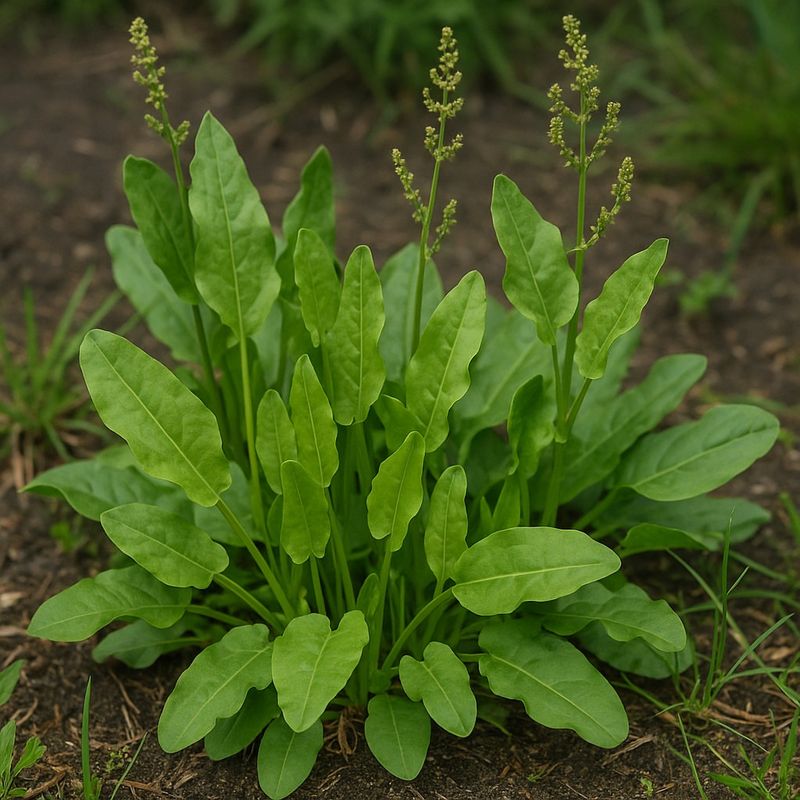
Among the very first edible greens to emerge each Michigan spring, sorrel pushes through the cold soil when most vegetables still slumber underground.
This hardy perennial produces arrow-shaped leaves with a distinctive lemony tang that brightens salads, soups, and sauces.
The tart, citrusy flavor comes from oxalic acid, the same compound that gives spinach its slight bite, though sorrel contains higher concentrations.
French cooks have treasured sorrel for centuries, using it in classic preparations like sorrel soup and cream sauces for fish.
Michigan gardeners can begin harvesting young leaves in early April, often weeks before lettuce and other greens become available.
The plants continue producing fresh leaves throughout spring and fall, with production slowing during the hottest summer months.
Sorrel tolerates partial shade and prefers consistently moist soil, making it perfect for spots that might challenge sun-loving vegetables.
Remove flower stalks as they appear to redirect energy into leaf production and extend your harvest season.
Established plants grow larger and more productive each year, with clumps eventually requiring division to maintain vigor.
The tangy leaves work wonderfully in spring salads, lending a bright, complex flavor that complements milder greens.
Plant sorrel once, and you gain one of the earliest and most reliable spring harvests in your Michigan garden.
7. Jerusalem Artichoke / Sunchoke (Helianthus Tuberosus)
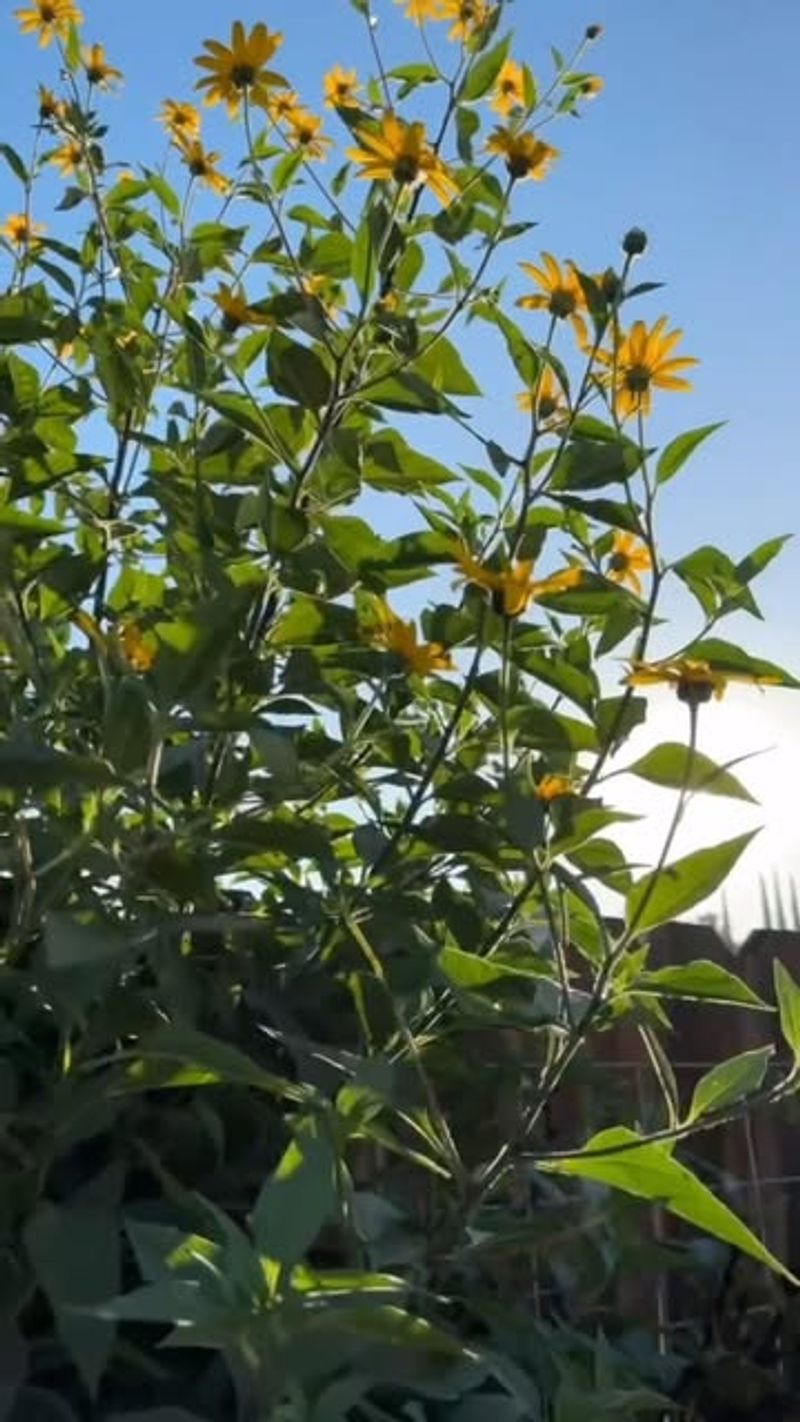
Sunchokes bring dramatic height and cheerful yellow flowers to Michigan gardens while producing knobby, edible tubers underground.
These North American natives grow with almost aggressive enthusiasm, shooting up to ten feet tall and spreading readily through underground tubers.
The plants are actually perennial sunflowers, and any small tuber piece left in the ground will sprout new plants the following year.
This vigorous regrowth means sunchokes truly qualify as plant-once vegetables, though many gardeners wish they could turn off that enthusiasm.
Containment becomes important because these plants spread readily and can be challenging to remove once established in open garden beds.
Consider planting sunchokes in large containers, raised beds with barriers, or designated areas where their spreading nature won’t cause problems.
The nutty, slightly sweet tubers can be harvested after frost, when cold temperatures convert their inulin starches into more digestible sugars.
Michigan’s cold winters actually improve sunchoke flavor, making late fall and early winter ideal harvest times.
Leave some tubers in the ground, and they’ll reliably return each spring without any replanting effort.
The tall summer growth provides privacy screening or background plantings, while the bright yellow flowers attract pollinators in late summer.
Sunchokes thrive with minimal care, tolerating poor soil and dry conditions that would stress many vegetables.
8. Horseradish (Armoracia Rusticana)
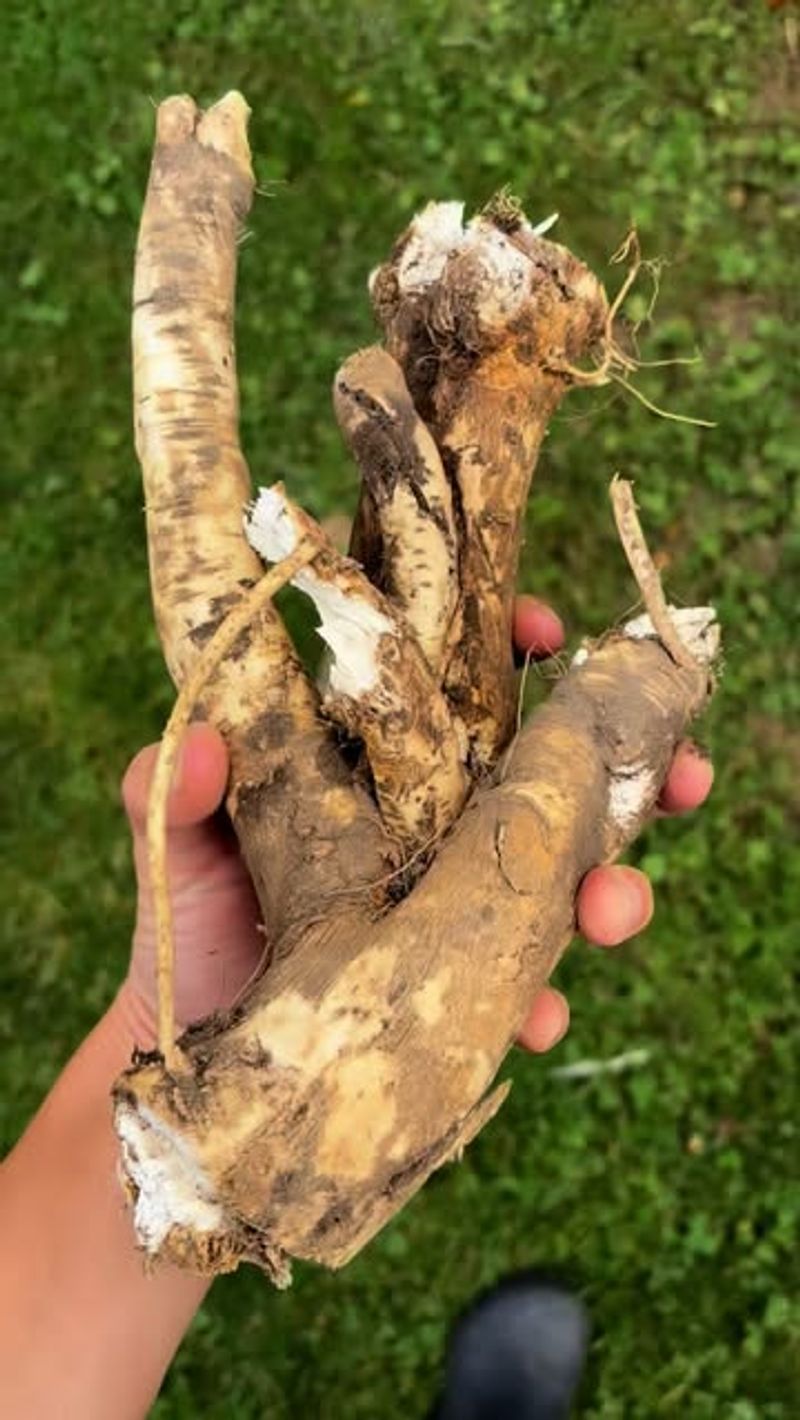
Consider your planting location carefully before introducing horseradish to your Michigan garden, because removing it later becomes nearly impossible.
This incredibly persistent perennial regenerates from even tiny root fragments left in the soil, making it truly permanent once established.
That tenacious nature makes horseradish the ultimate plant-once crop—you’ll never need to replant, and you might struggle to stop it from spreading.
The large, dock-like leaves emerge early each spring, growing vigorously throughout the season from thick taproots that burrow deep underground.
Those roots contain the pungent compounds that make fresh horseradish sauce such a powerful condiment for roast beef and seafood.
Michigan gardeners typically harvest roots in fall after frost, when flavor compounds reach peak concentration and pungency.
Dig carefully around plants to extract thick side roots while leaving the main taproot to regenerate next year’s crop.
Any root pieces remaining in the soil will sprout new plants, ensuring continuous production without replanting.
Many gardeners plant horseradish in large containers or designated areas with barriers to prevent unwanted spreading.
The plants tolerate various soil conditions and partial shade, though they produce the largest roots in full sun with decent fertility.
Fresh-grated horseradish delivers incomparable flavor and heat compared to store-bought versions, making this persistent perennial worth its aggressive nature.
9. Perennial Kale / Tree Collards (Cold-Hardy Varieties)
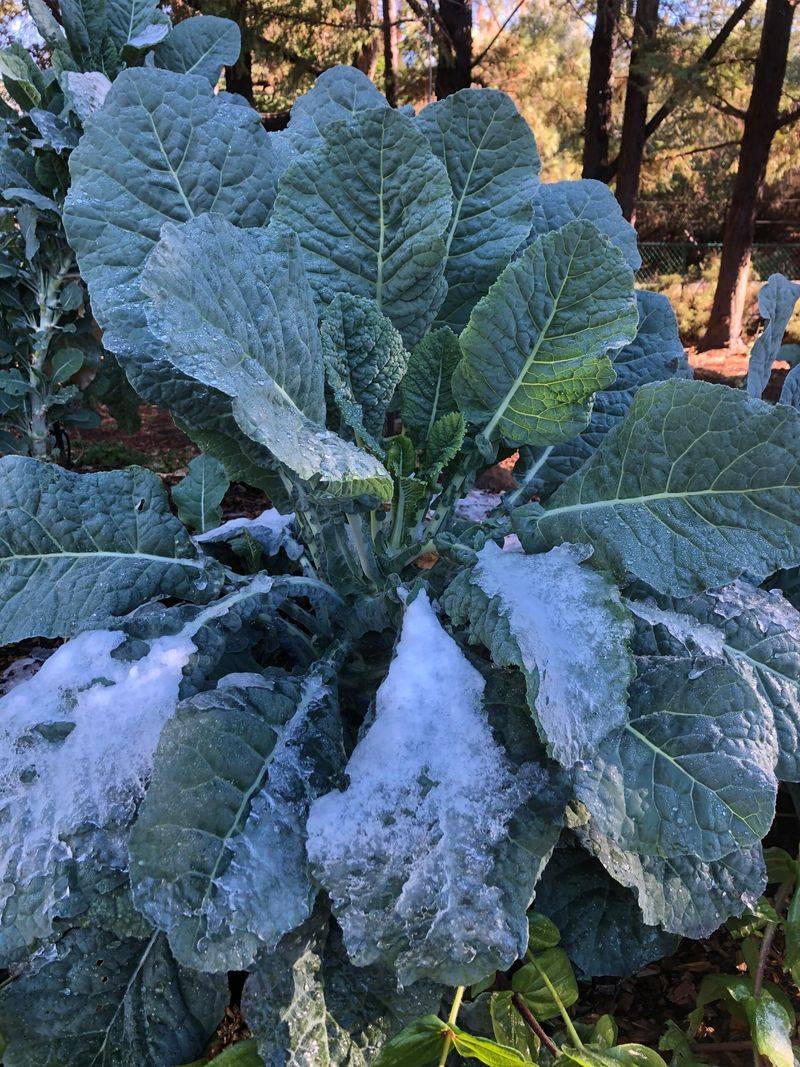
While most kale varieties are grown as annuals, certain perennial types can survive Michigan winters with proper protection and continue producing for multiple years.
Tree collards and some heirloom perennial kales develop woody stems and can reach impressive heights, providing harvests across multiple seasons.
These plants differ from standard kale by growing more like small shrubs, with leaves produced continuously along tall, sturdy stems.
Michigan gardeners in milder areas or those willing to provide winter protection can keep these plants producing for two to four years.
Heavy mulching, cold frames, or row covers help perennial kales survive the coldest months, especially during their first winter.
Once established, the plants become more cold-tolerant and may survive unprotected in zones 6 and warmer parts of zone 5.
Harvest leaves regularly throughout the growing season, taking outer leaves while allowing the growing tip to continue producing.
The flavor often improves after light frosts, becoming sweeter and less bitter as temperatures drop in fall.
Perennial kales appreciate fertile, well-drained soil and consistent moisture throughout the growing season.
These unusual vegetables provide fresh greens during spring and fall when many annual crops struggle in cooler temperatures.
While they require more attention than truly carefree perennials, successful Michigan gardeners enjoy multiple years of harvests from a single planting.
10. Lovage (Levisticum Officinale)
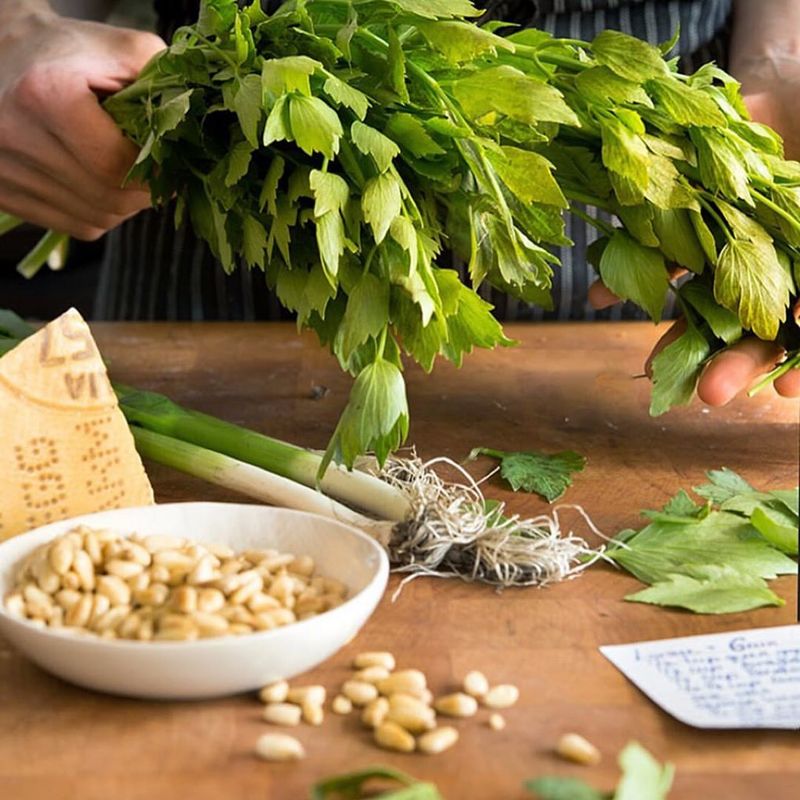
Lovage starts modestly but grows into an impressive perennial herb that can reach six feet tall in Michigan gardens.
The entire plant tastes remarkably like celery, with leaves, stems, and seeds all offering that familiar savory flavor.
Each spring brings more vigorous growth as the root system expands, with mature plants producing abundant harvests throughout the season.
Michigan gardeners appreciate lovage as a celery substitute that requires far less fussing than that notoriously difficult annual vegetable.
The hollow stems can be used like celery stalks in soups and stews, while the leaves add flavor to salads, stocks, and cooked dishes.
Young leaves offer the mildest flavor and most tender texture, though even mature leaves work well in cooked preparations.
Lovage tolerates partial shade and adapts to various soil types, though it performs best in rich, consistently moist ground.
The plants produce yellow flowers in summer that attract beneficial insects, adding ecological value beyond their culinary contributions.
After flowering, lovage seeds can be harvested and used as a celery-flavored seasoning in breads, crackers, and savory dishes.
This robust perennial survives Michigan winters without protection, reliably returning larger and more productive each year.
One plant provides more than enough celery flavor for most families, making lovage an efficient use of garden space.
11. Good King Henry (Chenopodium Bonus-Henricus)
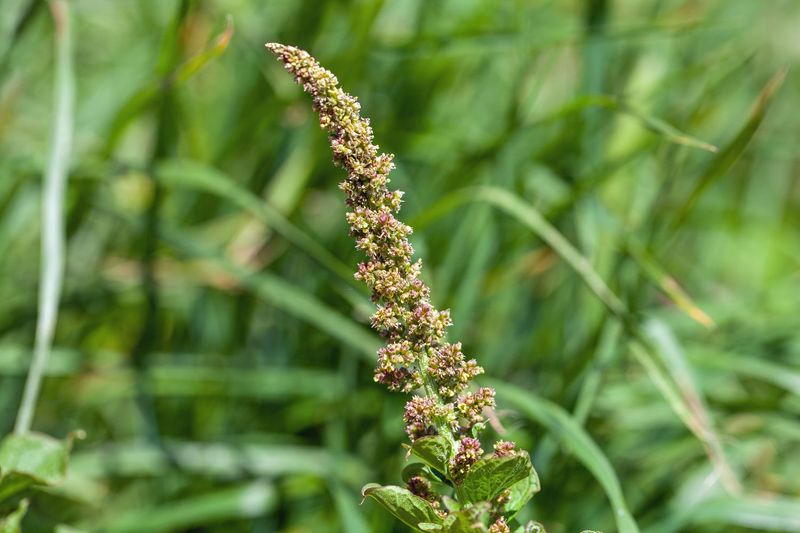
This traditional European perennial vegetable thrives in cooler climates, making Michigan’s weather ideal for its cultivation.
Good King Henry has been grown in cottage gardens for centuries, valued for its early spring shoots and nutritious leaves.
The plant belongs to the same family as spinach and quinoa, and its leaves can be prepared similarly to spinach or chard.
Early spring brings tender shoots that can be harvested and prepared like asparagus, blanched under mulch or pots for the mildest flavor.
As the season progresses, the arrow-shaped leaves become the primary harvest, offering a mild, spinach-like taste.
Michigan gardeners appreciate how Good King Henry emerges early each spring, providing fresh greens when few other vegetables are available.
The plants prefer partial shade and rich, moist soil, making them perfect for spots that receive dappled sunlight throughout the day.
Once established, Good King Henry requires minimal care beyond occasional watering during dry spells and a spring application of compost.
The plants self-seed moderately, so you might find volunteers appearing nearby, though they never become weedy or invasive.
This old-fashioned perennial vegetable deserves wider recognition among modern gardeners seeking reliable, low-maintenance crops.
Plant Good King Henry once, and you gain a dependable source of early spring shoots and summer greens for many years.
12. Sea Kale (Crambe Maritima)
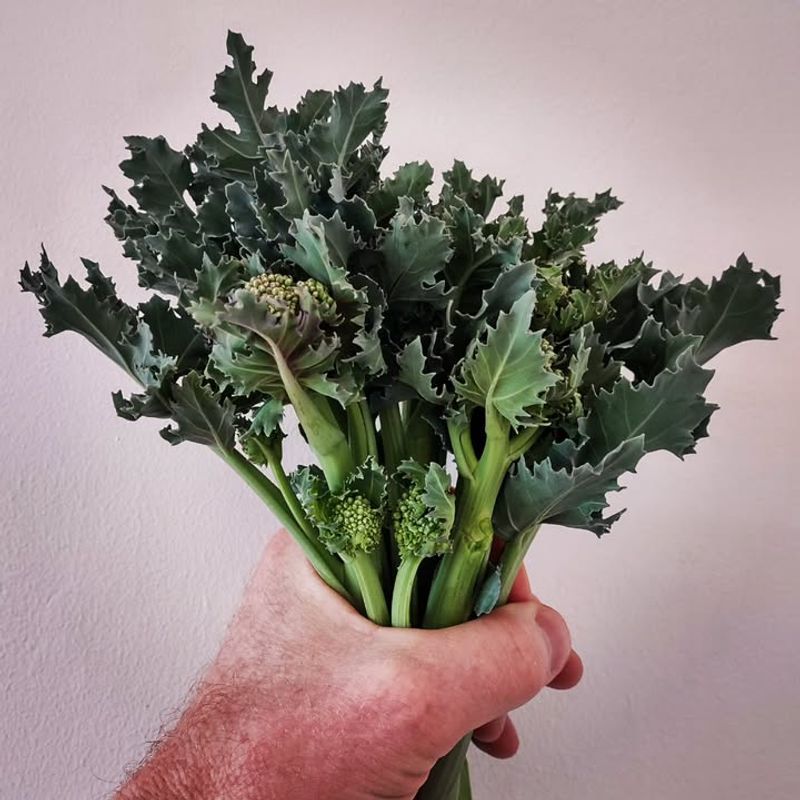
Sea kale grows wild along European coastlines but adapts surprisingly well to Michigan gardens far from any ocean.
This long-lived perennial vegetable can produce for 15 years or more once established, though it requires patience during its first seasons.
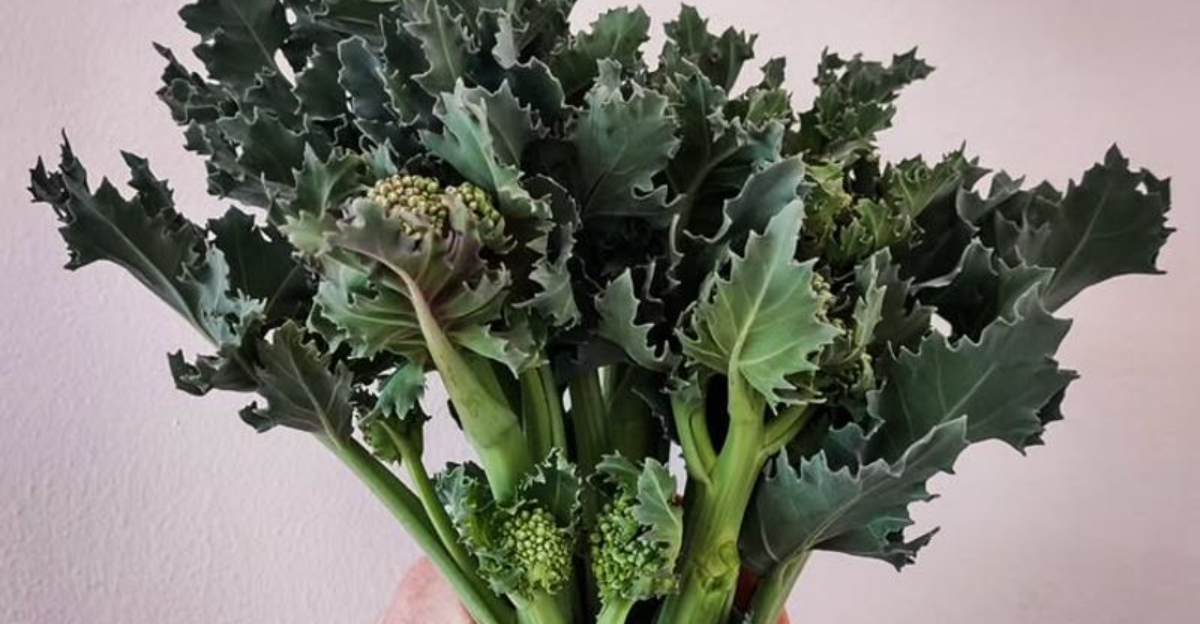
The silvery-blue foliage creates ornamental interest throughout summer, while the edible portions develop beneath the surface or under covers.
Traditional harvest methods involve blanching the spring shoots by covering plants with pots or mulch to produce tender, mild-flavored stems.
These blanched shoots, called chards, taste similar to asparagus with nutty undertones and can be prepared in similar ways.
Young leaves can also be harvested and cooked like kale or collards, though they become tougher and more bitter as they mature.
Sea kale appreciates well-drained soil and full sun, with its coastal origins making it tolerant of less-than-perfect conditions.
Michigan gardeners should provide good drainage to prevent winter rot, perhaps mounding soil or planting in raised beds.
The plants produce clusters of white flowers in late spring that attract pollinators and add beauty to the edible garden.
Patience pays significant rewards with sea kale, as established plants become increasingly productive with age.
This unusual perennial vegetable offers Michigan gardeners something different while requiring minimal maintenance once settled into the garden.