Top 10 Gardening Myths New York Gardeners Really Need To Know
New York gardeners are passionate—but even the most experienced growers can fall victim to long-standing myths passed down like gospel.
From watering habits to planting timing, misinformation can quietly sabotage even the best-intentioned garden.
These myths often sound logical, which makes them hard to question.
Some are rooted in outdated practices that don’t match modern climates, while others simply oversimplify complex plant needs.
In New York’s variable weather and urban-to-rural range of conditions, following bad advice can lead to wasted effort and disappointing results.
Separating fact from fiction helps gardeners work smarter instead of harder.
Once myths are cleared away, plants often perform better with less intervention—not more.
Gardening success isn’t about following rules blindly.
It’s about understanding why things work the way they do.
For New York gardeners ready to level up, debunking these myths is the first step.
1. You Must Till Soil Every Spring For Healthy Plants
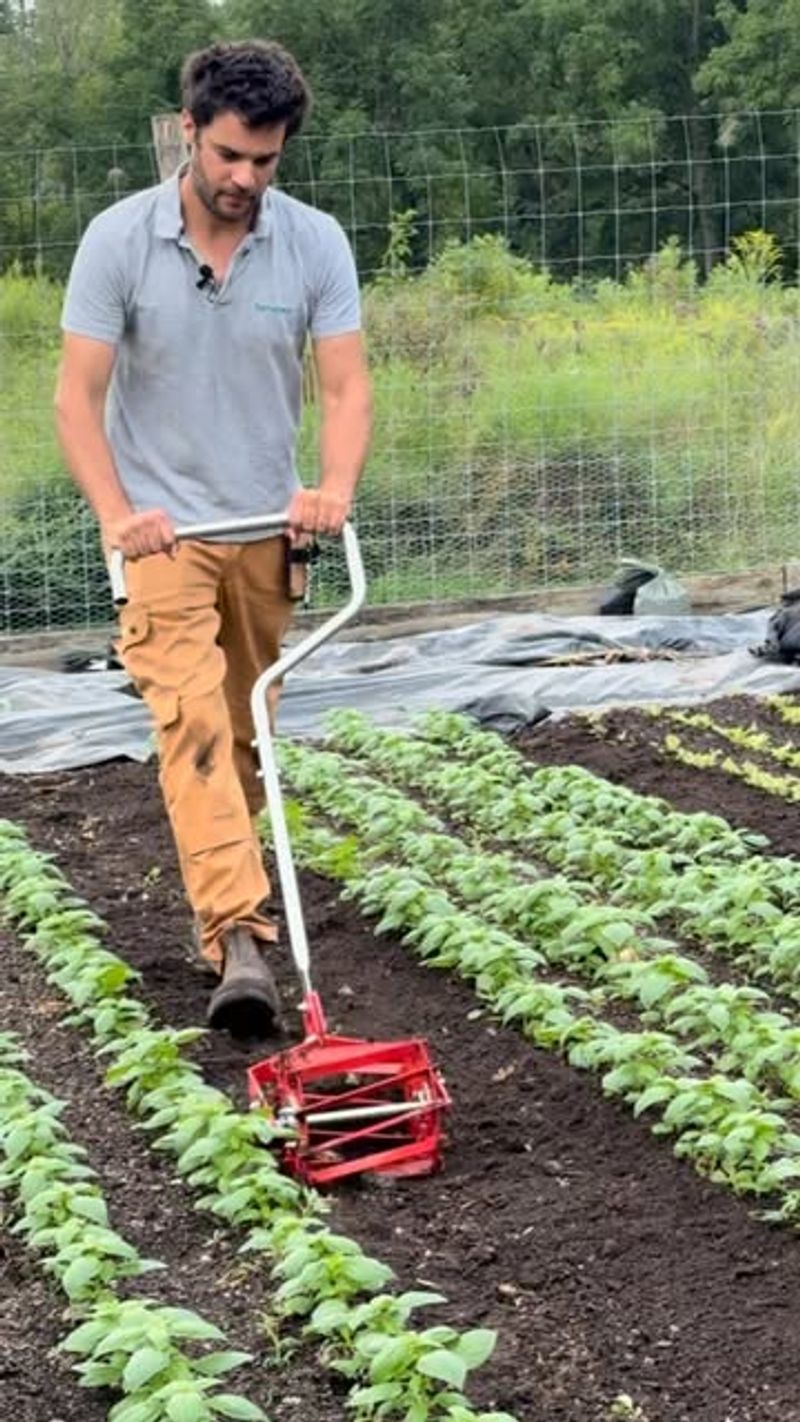
Many gardeners believe turning over soil each spring creates the perfect growing environment.
The reality is quite different and often surprising to longtime gardeners who have followed this practice for years.
Repeated tilling actually breaks down soil structure, creating a compacted layer beneath the surface that restricts root growth and water movement.
When you disturb soil frequently, you disrupt the complex network of beneficial fungi and bacteria that plants rely on for nutrient absorption.
These microscopic helpers form partnerships with plant roots, extending their reach and improving overall plant health significantly.
Tilling also brings weed seeds to the surface where they can germinate, creating more work for you throughout the growing season.
Exposed soil becomes vulnerable to erosion during New York’s heavy spring rains, washing away precious topsoil and nutrients.
No-till and low-till methods preserve soil structure, increase organic matter, and support thriving underground ecosystems.
Instead of tilling, add compost to the surface and allow earthworms and natural processes to incorporate it gradually.
Your plants will develop stronger root systems, and you’ll spend less time fighting compaction and weed problems.
Switching to gentler soil management practices transforms garden health from the ground up.
2. All Bugs In The Garden Are Bad
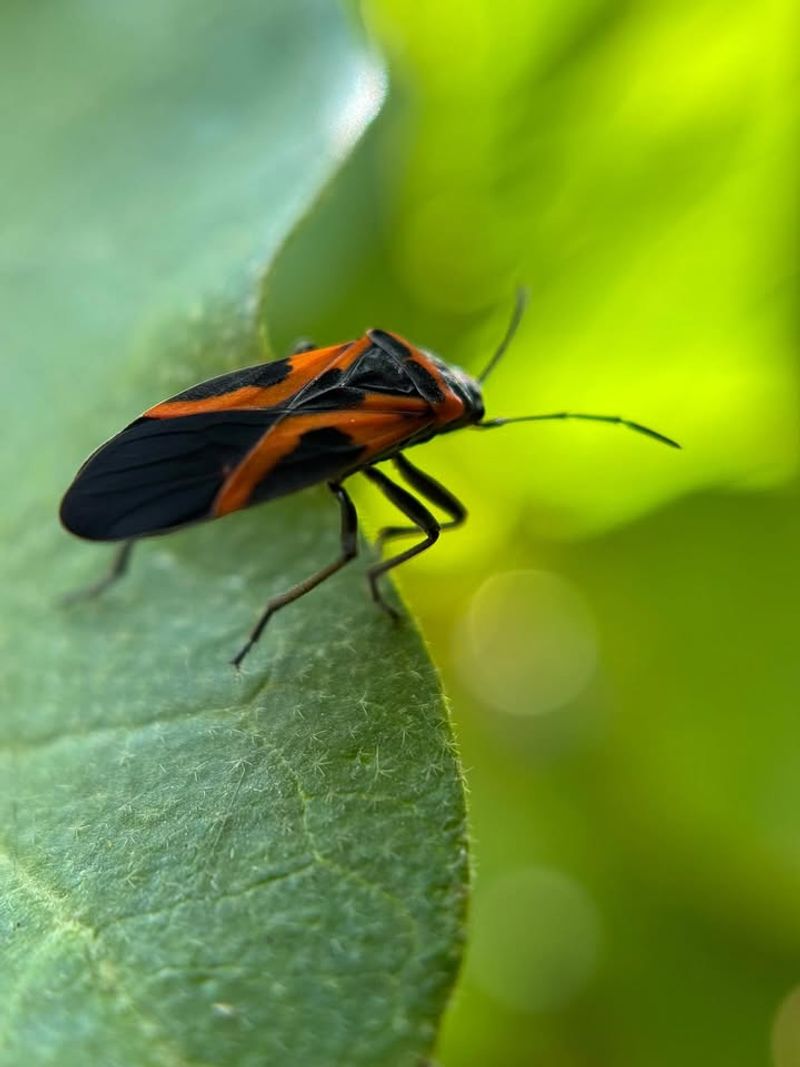
Spotting insects crawling through your garden can trigger an immediate desire to eliminate them.
However, research shows that over 95 percent of insects found in typical New York gardens are either beneficial or completely harmless to plants.
Lady beetles, ground beetles, lacewings, and parasitic wasps actively hunt the pests that damage your vegetables and flowers.
These natural predators provide free pest control services that no chemical spray can match in effectiveness or sustainability.
Pollinators like native bees, butterflies, and even some flies are absolutely essential for fruit and vegetable production in your garden.
Without these hardworking insects, tomatoes, squash, berries, and countless other crops would fail to develop properly.
When you spray broadly to eliminate all insects, you remove the beneficial species that keep pest populations naturally balanced.
This creates a cycle where pest problems actually worsen because their natural enemies have been removed from the ecosystem.
Your New York Garden Changes Every Week. Your Plan Should Too.
Gardening in New York changes quickly throughout the season. Every Friday you’ll receive a simple weekly plan showing exactly what to plant, prune, fertilize, harvest, and protect so you never miss the right timing.
Learning to identify helpful insects allows you to protect your garden allies while managing only the few true problem species.
Providing habitat like native plants and undisturbed areas encourages beneficial insects to take up permanent residence.
A garden buzzing with diverse insect life is actually a sign of a healthy, balanced ecosystem working in your favor.
3. More Water Means Healthier Plants
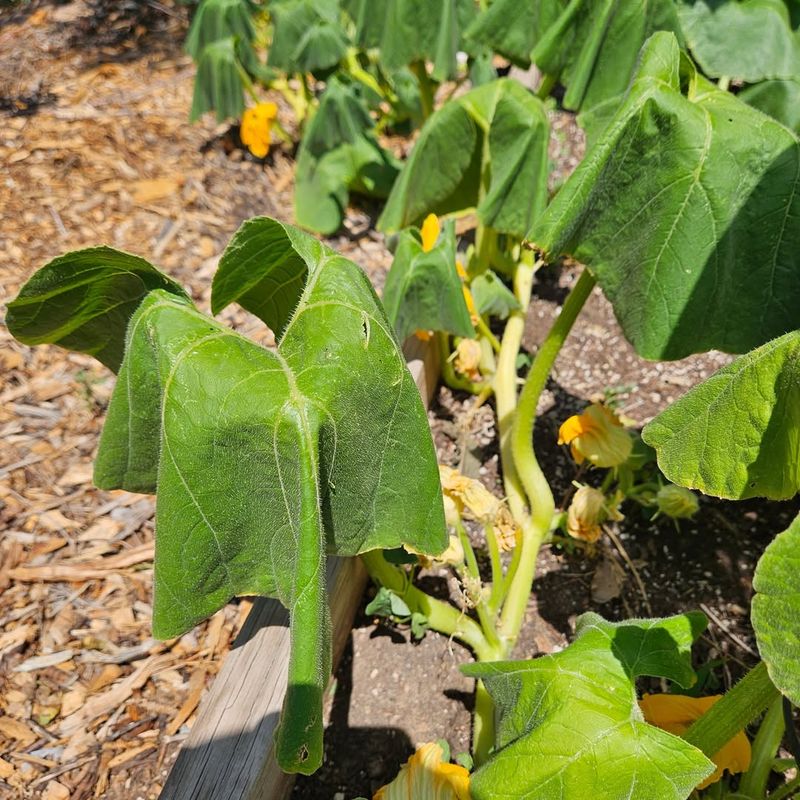
The instinct to water plants generously seems caring, but it often causes more harm than neglect ever could.
Overwatering ranks as the leading cause of plant failure in New York gardens, especially during humid summer months.
When soil stays constantly saturated, plant roots cannot access the oxygen they need to function properly and absorb nutrients.
Without adequate oxygen, roots begin to suffocate and deteriorate, leaving plants unable to take up water despite sitting in soggy soil.
This creates the confusing situation where wilted, struggling plants are actually drowning rather than experiencing drought stress.
New York’s clay-heavy soils hold moisture for extended periods, making drainage problems particularly common in many neighborhoods.
Fungal diseases thrive in wet conditions, attacking weakened roots and spreading quickly through waterlogged soil.
Most garden plants prefer soil that dries slightly between waterings, allowing roots to breathe and grow vigorously.
Checking soil moisture several inches below the surface helps you determine when plants truly need water rather than guessing.
Proper watering means deep, infrequent applications that encourage roots to grow downward seeking moisture rather than staying shallow.
Understanding your specific soil type and plant needs prevents the common mistake of loving your plants to their demise with excessive watering.
4. You Have To Clean Up Every Leaf In Fall
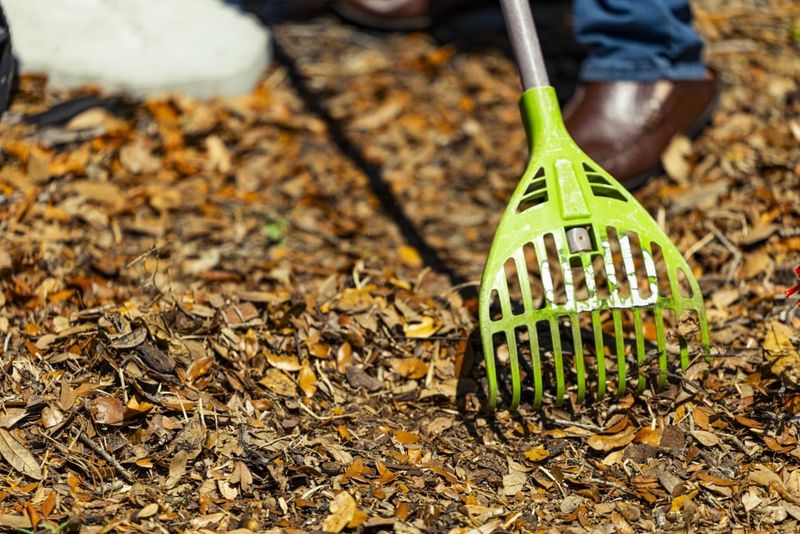
Raking every single leaf creates that picture-perfect lawn many neighbors admire each autumn.
Nature, however, designed fallen leaves to serve critical functions that benefit your entire landscape throughout winter and beyond.
Leaves create an insulating blanket that protects soil from temperature extremes and prevents erosion during harsh New York winters.
As leaves decompose, they release nutrients back into the soil and improve texture, essentially creating free, high-quality compost.
Many native butterflies, moths, and beneficial insects overwinter in leaf litter, emerging in spring to pollinate gardens and control pests.
Removing all leaves eliminates these creatures, reducing biodiversity and disrupting the natural cycles that support healthy ecosystems.
Ground-nesting bees, important pollinators for many garden plants, also depend on undisturbed leaf cover for winter survival.
Leaving leaves under shrubs, in garden beds, and around trees looks intentional and tidy while providing enormous ecological benefits.
You can still maintain open lawn areas for activities while allowing natural leaf mulch in planting beds and borders.
Shredding leaves with a mower before leaving them creates smaller pieces that decompose faster and look neater.
This simple shift in fall cleanup practices supports wildlife, improves soil, and reduces the time you spend on yard maintenance.
5. Native Plants Look Messy Or Unattractive
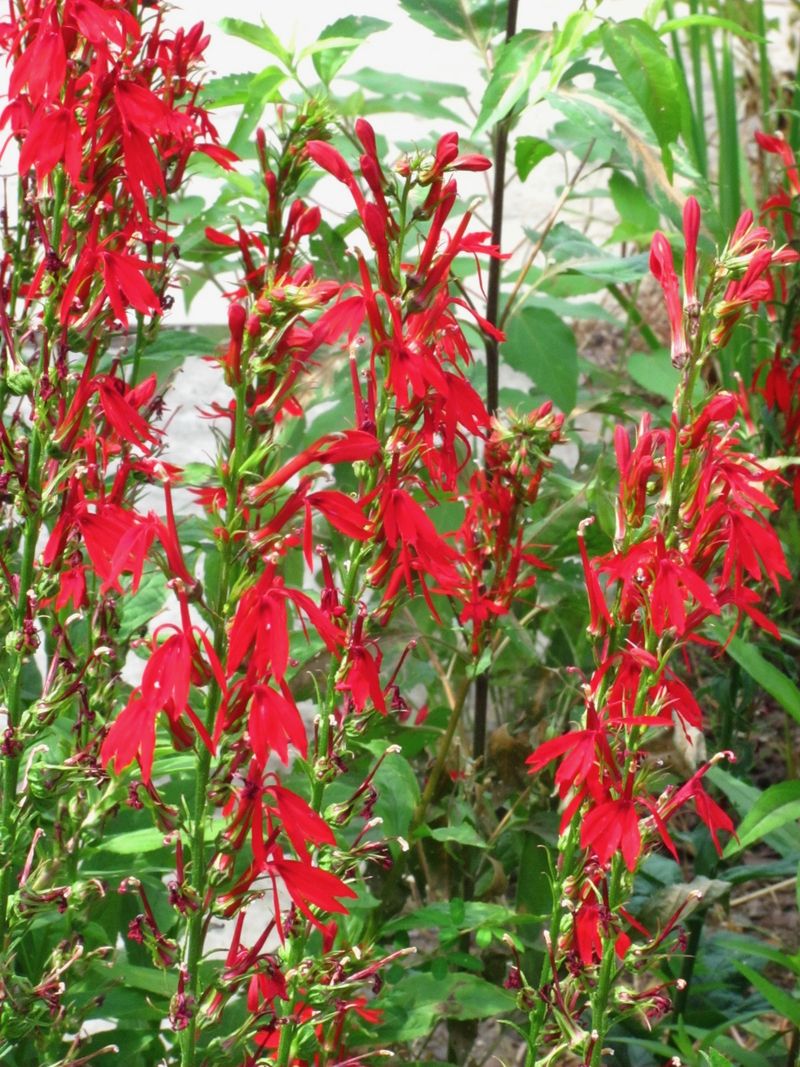
Pictures of wild meadows or roadside vegetation often come to mind when people think about native plants.
This misconception prevents countless gardeners from discovering the stunning beauty and reliability of plants adapted to New York conditions.
Native species like purple coneflower, black-eyed Susan, and wild columbine offer colors and forms as striking as any imported ornamental.
Professional landscape designers increasingly feature natives in formal gardens, demonstrating their versatility in structured, elegant designs.
When planted in masses or combined thoughtfully, native plants create sophisticated displays that bloom reliably without constant intervention.
These plants evolved alongside local wildlife, providing food and habitat that exotic ornamentals simply cannot match in ecological value.
Native shrubs like inkberry holly and sweet pepperbush offer evergreen structure and seasonal interest while supporting birds and pollinators.
Because they’re adapted to New York’s climate and soils, natives typically require less water, fertilizer, and pest management than non-native alternatives.
Strategic placement and appropriate selection create gardens that look polished and intentional while functioning as mini wildlife sanctuaries.
Many cultivated varieties of native plants offer improved flower size or extended bloom periods while retaining ecological benefits.
Embracing natives means creating beautiful spaces that work with nature rather than constantly fighting against local conditions.
6. Mulch Should Touch The Tree Trunk
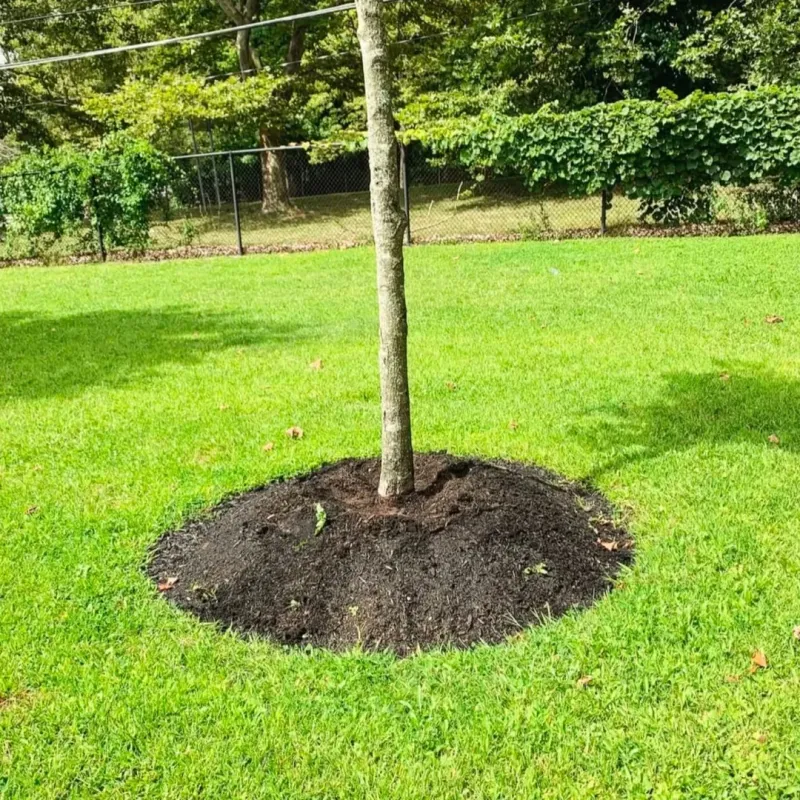
That volcano-shaped mound of mulch piled against tree trunks appears everywhere from parking lots to residential landscapes.
Despite its popularity, this practice actually damages trees and shortens their lifespan through several destructive mechanisms.
When mulch touches bark, it traps moisture against the trunk, creating perfect conditions for fungal growth and bark decay.
Tree bark evolved to shed water and remain relatively dry, protecting the living tissue underneath from disease and pest invasion.
Constant moisture from improper mulching softens bark, allowing insects and pathogens to penetrate defenses that would normally keep them out.
Rodents and other small animals find volcano mulch piles irresistible for nesting, often gnawing on bark while establishing their homes.
Deep mulch piled against trunks can also encourage roots to grow upward into the mulch rather than spreading properly through soil.
Proper mulching means creating a donut shape, leaving several inches of space between mulch and trunk completely clear.
Apply mulch two to four inches deep, extending outward to cover the root zone without creating excessive depth anywhere.
This technique retains soil moisture, suppresses weeds, and moderates soil temperature while protecting tree health.
Correcting volcano mulching on existing trees can prevent further damage and give them a much better chance at long-term survival.
7. Fertilizer Fixes Every Plant Problem
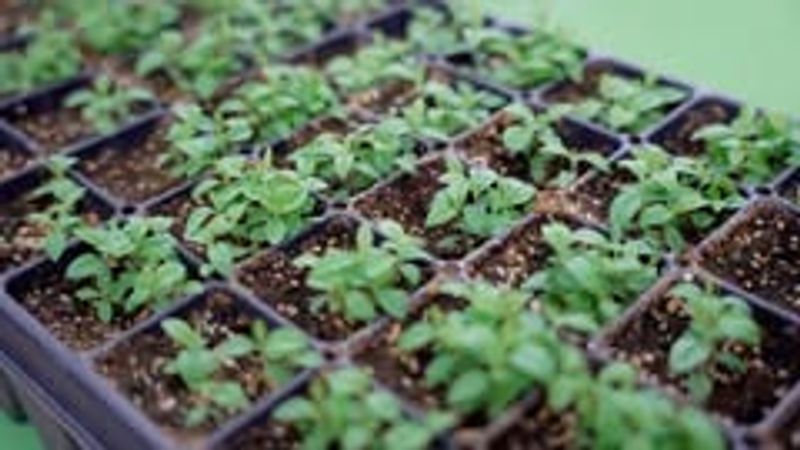
Watching plants struggle naturally leads to the question of what they might be lacking in their diet.
Reaching for fertilizer seems like an obvious solution, but it often masks underlying problems while creating new complications.
Most plant issues in New York gardens stem from poor drainage, compacted soil, incorrect plant selection, or improper watering rather than nutrient deficiency.
Adding fertilizer to plants stressed by waterlogged soil or root damage forces weak plants to produce growth they cannot support.
This results in spindly, weak stems and foliage that’s more susceptible to pests and diseases than naturally grown tissue.
Excess fertilizer doesn’t simply disappear; it washes into groundwater and local waterways, contributing to pollution and algae blooms.
High nitrogen levels from over-fertilizing produce lush, soft growth that attracts aphids and other sucking insects in greater numbers.
Fertilizer burn occurs when concentrated nutrients damage plant roots and foliage, causing brown edges and stunted growth.
Before adding fertilizer, assess whether your plant has the right light, water, soil drainage, and growing conditions it needs to thrive.
Soil testing reveals actual nutrient levels, preventing guesswork and ensuring you only add what’s truly lacking.
Building healthy soil with compost and organic matter often addresses nutrient concerns while improving overall growing conditions naturally.
8. Pruning Anytime Is Fine
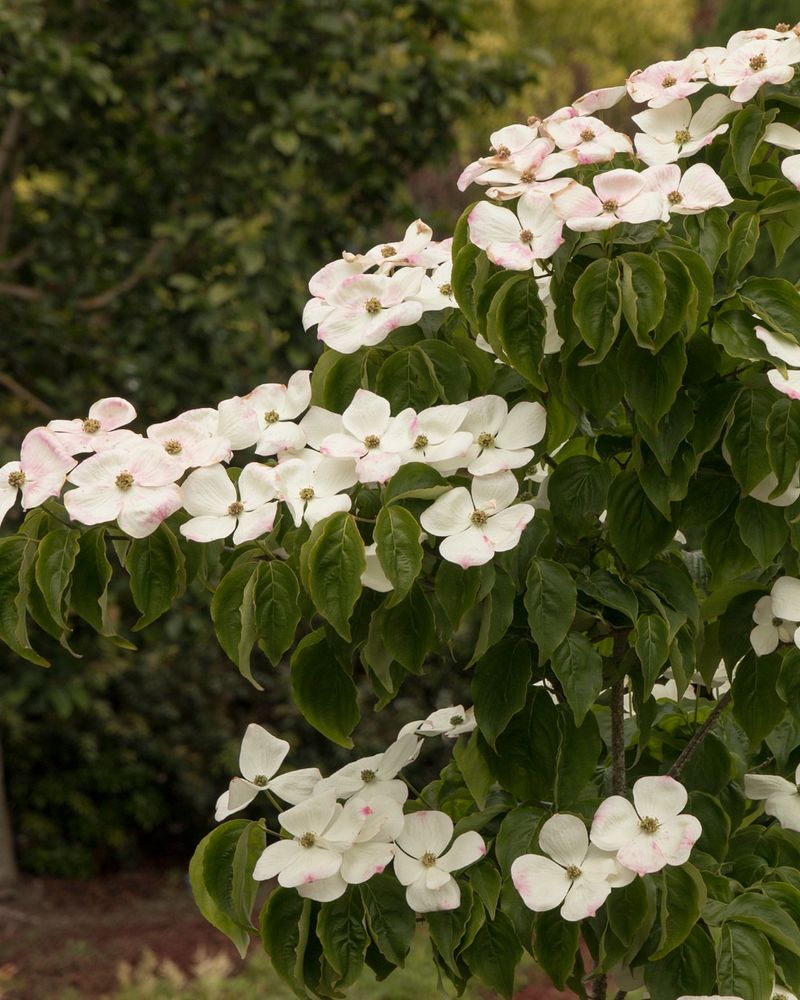
Grabbing pruning shears whenever a branch looks out of place seems practical and harmless enough.
Timing actually matters tremendously, affecting everything from flower production to disease susceptibility in your landscape plants.
Spring-flowering shrubs like lilacs and forsythia set their flower buds in late summer for the following year’s display.
Pruning these plants in fall or early spring removes the buds you’ve been waiting for, resulting in disappointing bloomless branches.
Late summer or fall pruning stimulates new growth that doesn’t have time to harden before New York’s winter arrives.
This tender growth often suffers freeze damage, weakening plants and creating entry points for diseases and pests.
Certain diseases spread actively during specific seasons, making pruning during those periods particularly risky for susceptible species.
Oak wilt and fire blight both spread more readily when pruning occurs during their active transmission seasons in spring and summer.
Most deciduous trees benefit from dormant season pruning in late winter when structure is visible and disease pressure is minimal.
Understanding the flowering habit and growth cycle of each plant guides proper pruning timing for maximum health and beauty.
Taking time to learn when to prune different species prevents frustrating years without flowers and reduces plant stress significantly.
9. Grass Is The Best Groundcover
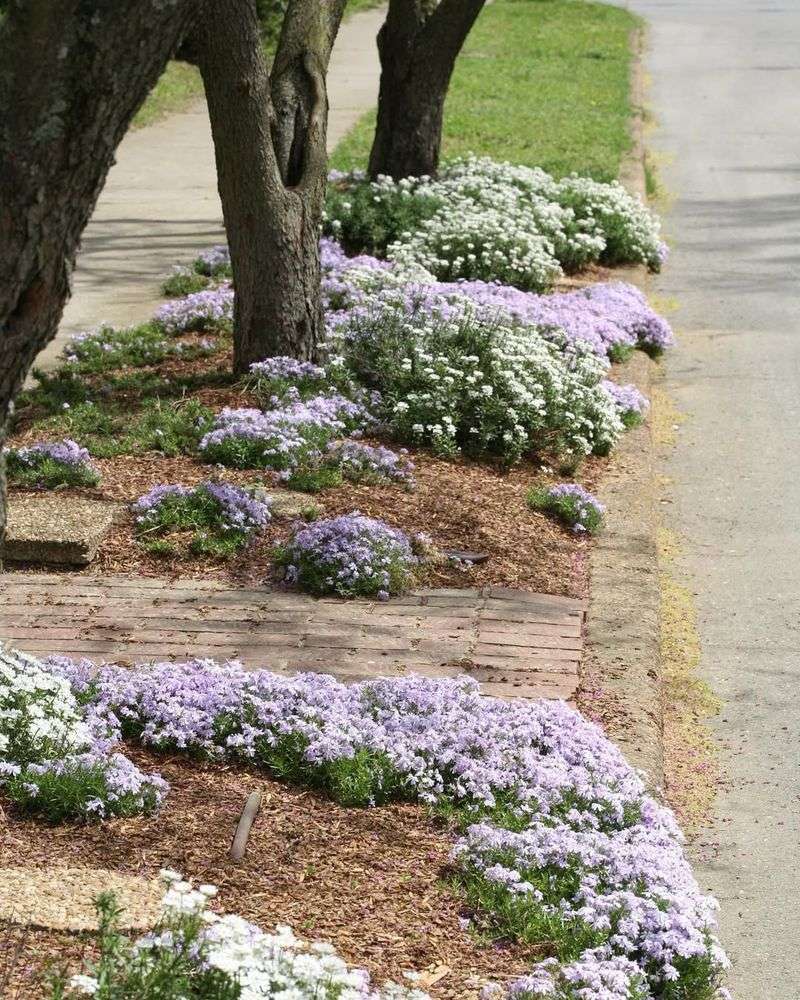
Traditional lawns dominate American landscapes, creating the expectation that grass should cover every horizontal surface.
Turf grass requires more resources, maintenance, and chemical inputs than nearly any other landscaping choice you could make.
Weekly mowing throughout the growing season consumes time, fuel, and energy while contributing to noise and air pollution.
Most lawn grasses need consistent watering during New York’s dry spells, using thousands of gallons that could be conserved with alternative plantings.
Fertilizers, herbicides, and pesticides applied to maintain perfect lawns often exceed application rates used in agricultural crop production.
Grass provides minimal habitat value for pollinators, beneficial insects, or birds compared to diverse plantings of appropriate groundcovers.
Alternative groundcovers like creeping thyme, wild strawberry, or Pennsylvania sedge require little to no mowing once established.
These plants adapt better to challenging areas with shade, slopes, or poor soil where grass struggles and demands constant attention.
Many groundcovers offer seasonal flowers, interesting textures, and fall color that grass simply cannot provide.
Reducing lawn area doesn’t mean sacrificing usable space; strategic lawn placement for activities with groundcovers elsewhere creates functional, beautiful landscapes.
Rethinking the dominance of grass in your yard reduces maintenance while increasing ecological benefits and visual interest throughout the seasons.
10. Gardening Stops In Winter
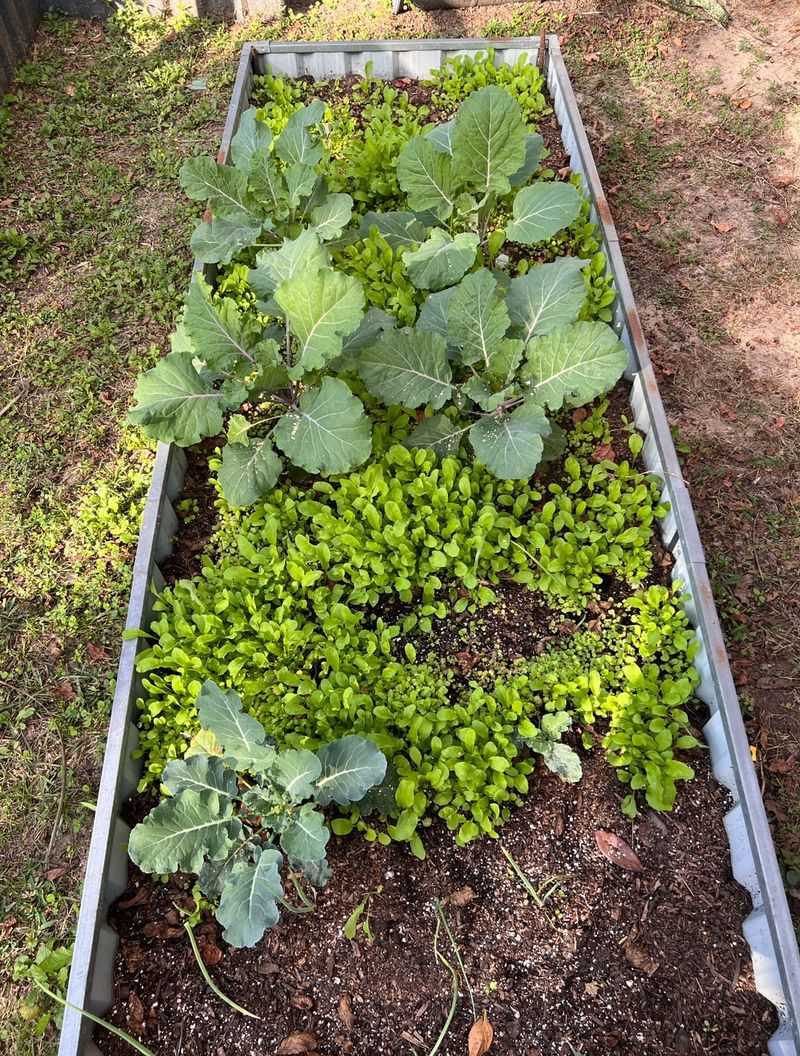
When temperatures plummet and snow blankets New York gardens, many people assume their gardening responsibilities end until spring.
Winter actually represents a critical season for garden health, wildlife support, and preparation for the growing season ahead.
Standing plant stems and seed heads provide essential food for overwintering birds like goldfinches, chickadees, and juncos.
These same structures offer shelter and nesting sites for beneficial insects that will emerge to pollinate gardens and control pests.
Leaving perennial stems standing until late winter protects plant crowns from temperature fluctuations and excessive moisture.
Snow cover acts as natural insulation, protecting roots and soil organisms from the harsh temperature swings common in New York winters.
Winter offers the perfect opportunity to evaluate your garden’s structure, plan improvements, and research plants suited to your specific conditions.
Ordering seeds and planning layouts during quiet winter months prevents rushed decisions and impulse purchases in spring’s excitement.
Protecting soil with mulch or cover crops during winter prevents erosion, suppresses early weeds, and builds organic matter.
Monitoring plants for storm damage, checking tree guards, and ensuring proper drainage during thaws maintains landscape health.
Embracing winter as an active gardening season rather than empty downtime creates stronger gardens and deeper connections to seasonal cycles.