11 Clay Soil Plants North Carolina Gardeners Count On
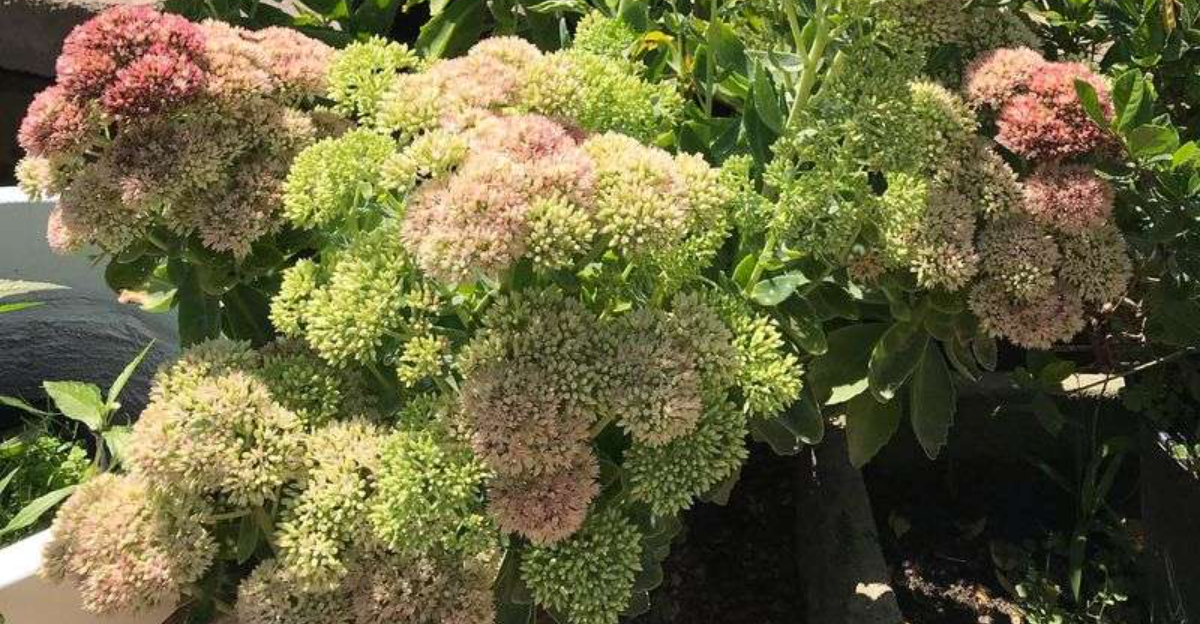
Clay soil in North Carolina has a reputation that sticks like mud on boots.
Heavy, stubborn, and slow to drain, it can test patience and break confidence faster than a summer heat wave.
Many gardeners fight it, curse it, or try to haul it away by the truckload.
Smart growers play a different hand.
With the right plant choices, clay turns from foe to ally, holding moisture during dry spells and anchoring roots like a firm handshake.
Perennials, shrubs, and trees that suit this soil thrive without fuss and reward effort with steady growth and reliable color.
Pick the wrong plant, and the yard becomes a revolving door of failure.
Pick the right one, and success feels baked in.
1. Black-Eyed Susan
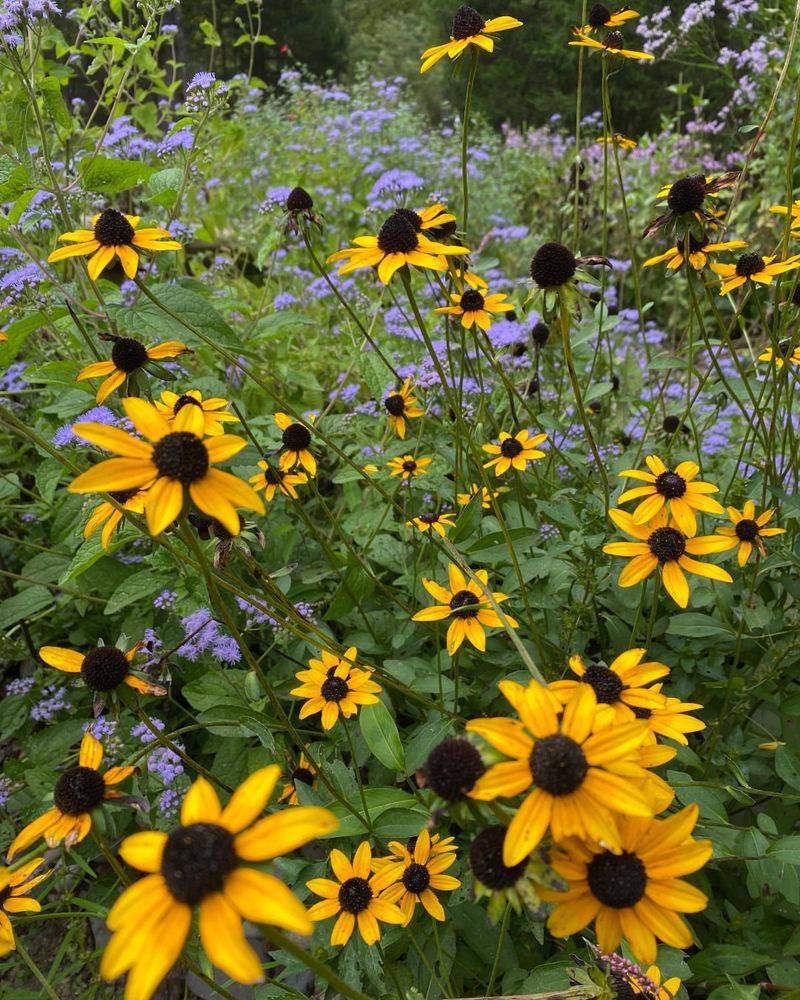
Cheerful golden petals surround chocolate-brown centers on this native wildflower that North Carolina gardeners adore for its easygoing attitude toward heavy soil.
Black-Eyed Susans spread reliably without becoming invasive, creating drifts of sunny color from June through September when many other plants struggle in the summer heat.
Clay soil actually benefits these tough perennials by providing the moisture retention they need during hot months.
Plant them in full sun where they’ll reach two to three feet tall, perfect for the middle or back of flower borders.
Butterflies and bees visit constantly, making your garden a pollinator paradise.
Once established, these flowers need almost no attention beyond occasional deadheading if you want to keep them blooming longer.
They tolerate drought surprisingly well despite preferring consistent moisture.
In winter, their seed heads provide food for goldfinches and other songbirds.
Divide clumps every three years to maintain vigor and share plants with neighbors.
Their bright faces light up even the shadiest corners of your yard when planted in appropriate spots.
Pair them with purple coneflowers for a classic cottage garden combination that thrives in clay without complaint.
2. Daylily
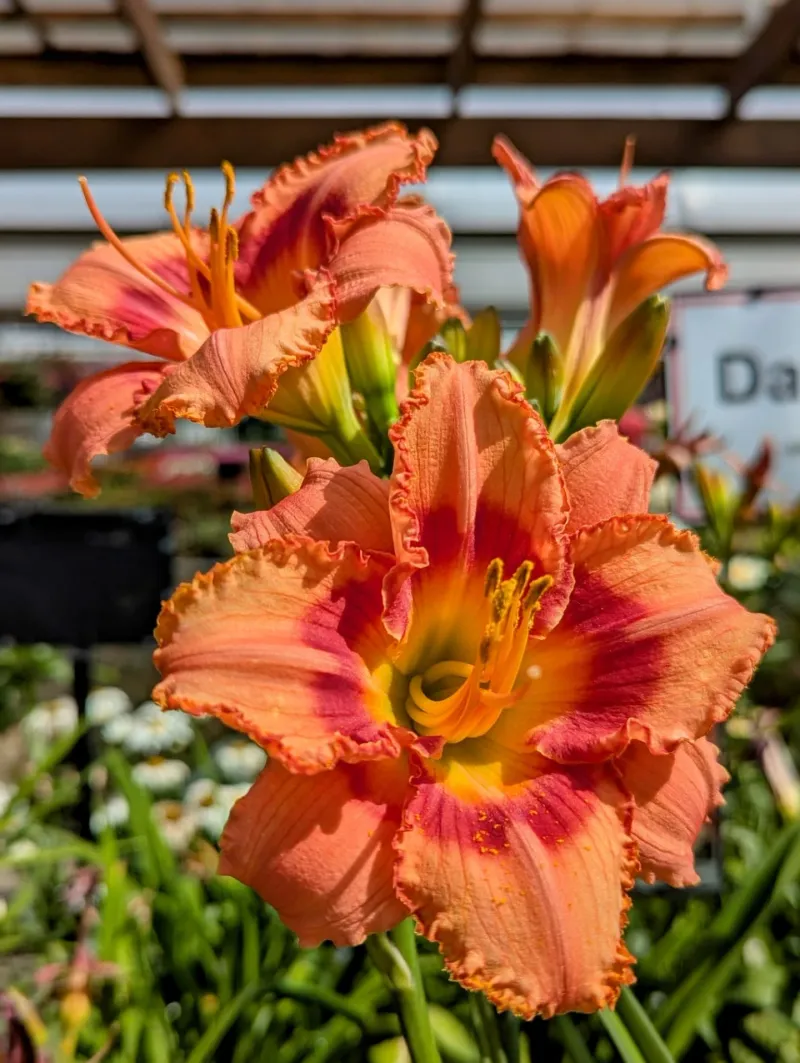
Few plants match the daylily’s remarkable ability to flourish in challenging clay conditions while producing spectacular trumpet-shaped blooms in nearly every color imaginable.
Each flower lasts just one day, but plants produce so many buds that the show continues for weeks.
Modern hybrids offer extended bloom times and repeat flowering throughout summer.
Their thick, fleshy roots penetrate clay effectively, anchoring plants firmly while accessing deep moisture reserves.
North Carolina’s humid summers suit them perfectly, encouraging lush growth and abundant flowers.
Plant them along slopes where clay causes erosion problems—their spreading root systems stabilize soil naturally.
Daylilies tolerate partial shade but bloom most prolifically in full sun.
They require virtually no maintenance beyond removing spent flower stalks.
Varieties range from miniature six-inch plants to towering four-foot giants.
Choose fragrant cultivars for planting near patios and walkways where you’ll enjoy their sweet scent.
Divide overcrowded clumps in early spring or fall to rejuvenate plants and expand your collection.
Their adaptability makes them perfect for beginning gardeners tackling clay soil for the first time.
3. Coneflower
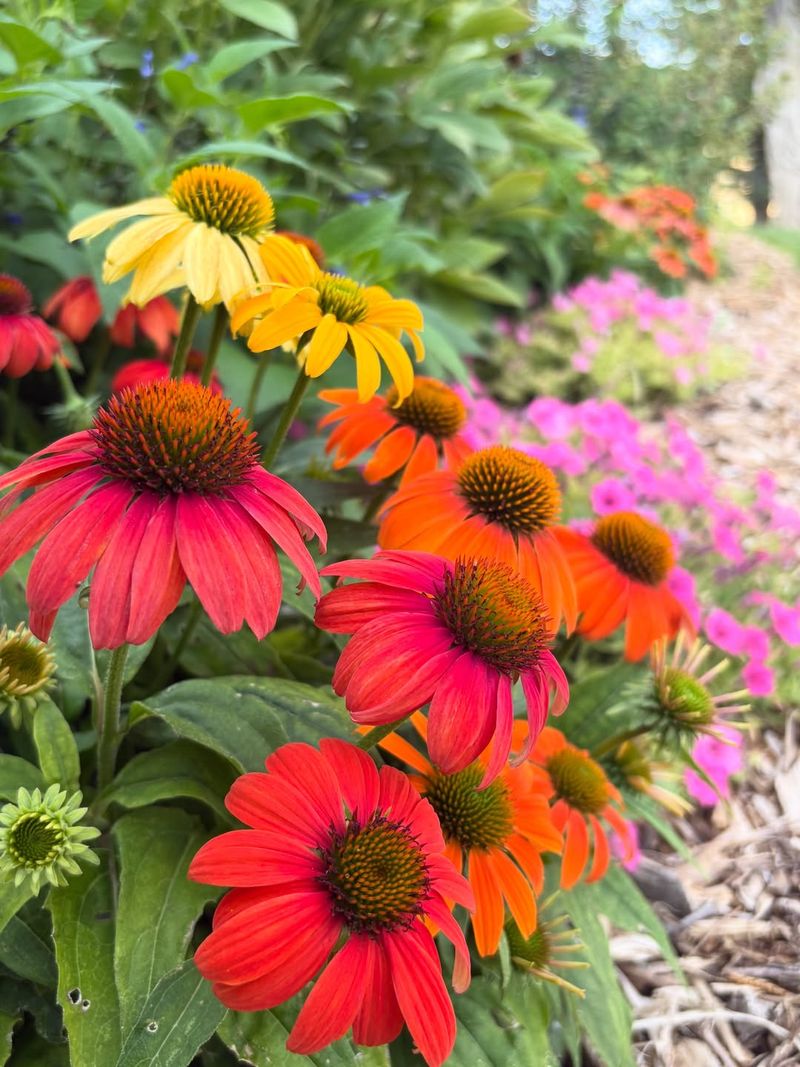
Native to eastern North America, coneflowers bring prairie toughness to North Carolina gardens struggling with sticky clay.
Your North Carolina Garden Changes Every Week. Your Plan Should Too.
Gardening in North Carolina changes quickly throughout the season. Every Friday you’ll receive a simple weekly plan showing exactly what to plant, prune, fertilize, harvest, and protect so you never miss the right timing.
Their deep taproots punch through compacted layers that stop less determined plants.
Purple varieties remain most popular, but modern breeding has introduced white, orange, yellow, and even green-flowered forms.
Butterflies, especially monarchs and swallowtails, consider coneflowers essential pit stops during migration.
Plant them in masses for the most dramatic visual impact and to attract the greatest number of beneficial insects.
They bloom from early summer through fall if you remove faded flowers regularly.
Leave some seed heads standing in winter—goldfinches perform acrobatic feeding shows that entertain throughout cold months.
Coneflowers tolerate both drought and clay’s tendency to stay soggy during rainy periods.
Space plants eighteen inches apart to allow good air circulation in humid North Carolina summers.
They combine beautifully with ornamental grasses that also thrive in clay conditions.
Deer usually avoid them, making coneflowers valuable in rural gardens where browsing causes constant frustration.
Their sturdy stems rarely need staking even during thunderstorms.
4. Hosta

Shady spots with clay soil challenge many gardeners, but hostas transform these difficult areas into lush, tropical-looking retreats.
Their bold foliage comes in sizes ranging from miniature teacup varieties to giant elephant-ear types.
Leaf colors span every shade of green plus blues, golds, and stunning variegated patterns.
Clay’s moisture-holding capacity benefits hostas tremendously since they prefer consistent dampness around their roots.
North Carolina’s hot summers can scorch leaves in too much sun, making them ideal for woodland gardens and north-facing beds.
Slugs sometimes bother them, but thick-leaved varieties resist damage better.
Lavender or white flower spikes appear in summer, though gardeners grow hostas primarily for spectacular foliage.
They spread slowly into impressive clumps that suppress weeds naturally.
Divide mature plants in spring to multiply your collection or trade with fellow gardeners.
Pair them with ferns and astilbes for a classic shade garden combination.
Deer find hostas delicious, so consider protective fencing in areas with heavy browsing pressure.
Their reliable performance year after year makes them foundational plants for low-maintenance landscapes.
5. Aster
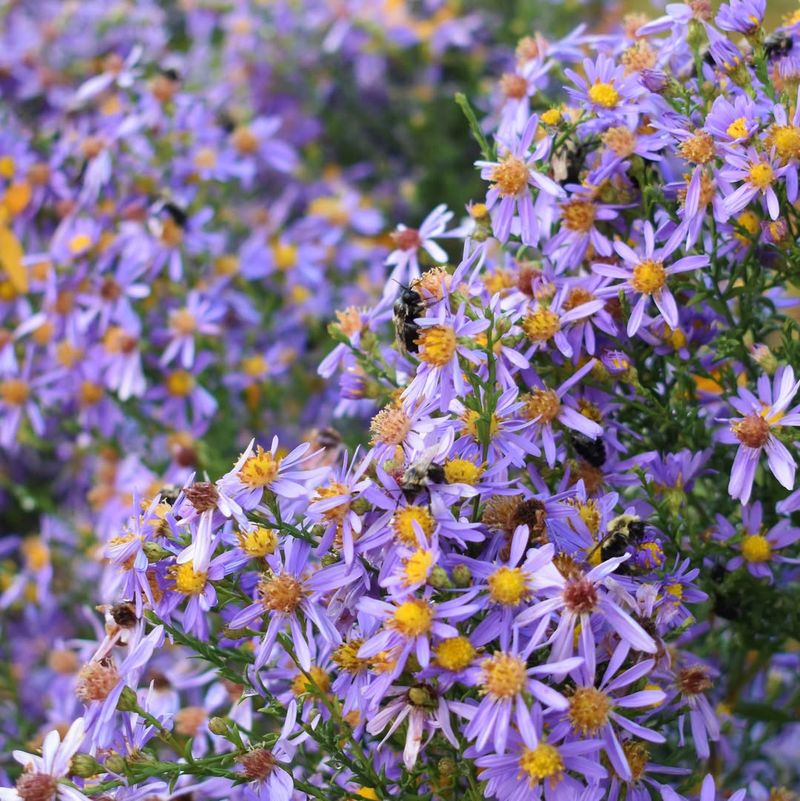
When summer flowers fade, asters burst into bloom with clouds of daisy-like flowers in purples, pinks, and whites that carry gardens through fall.
Native species handle clay soil effortlessly while providing crucial late-season nectar for migrating butterflies and bees.
New England and aromatic asters prove especially reliable in North Carolina conditions.
They grow three to five feet tall, creating dramatic backdrops for shorter plants.
Pinch stems back in late spring to encourage bushier growth and prevent floppiness.
Clay’s nutrient richness supports vigorous growth without additional fertilization.
Plant them where their late bloom complements ornamental grasses turning golden and bronze.
Asters spread steadily into substantial clumps that can be divided every few years.
Their flowers attract numerous beneficial insects that help control garden pests naturally.
Some varieties tolerate partial shade, though flowering is heaviest in full sun.
Powdery mildew sometimes affects foliage in humid conditions but rarely harms overall plant health.
Cut stems back after frost for tidy winter appearance or leave standing for wildlife value.
Their cheerful blooms provide much-needed color when most gardens look tired and brown.
6. Switchgrass
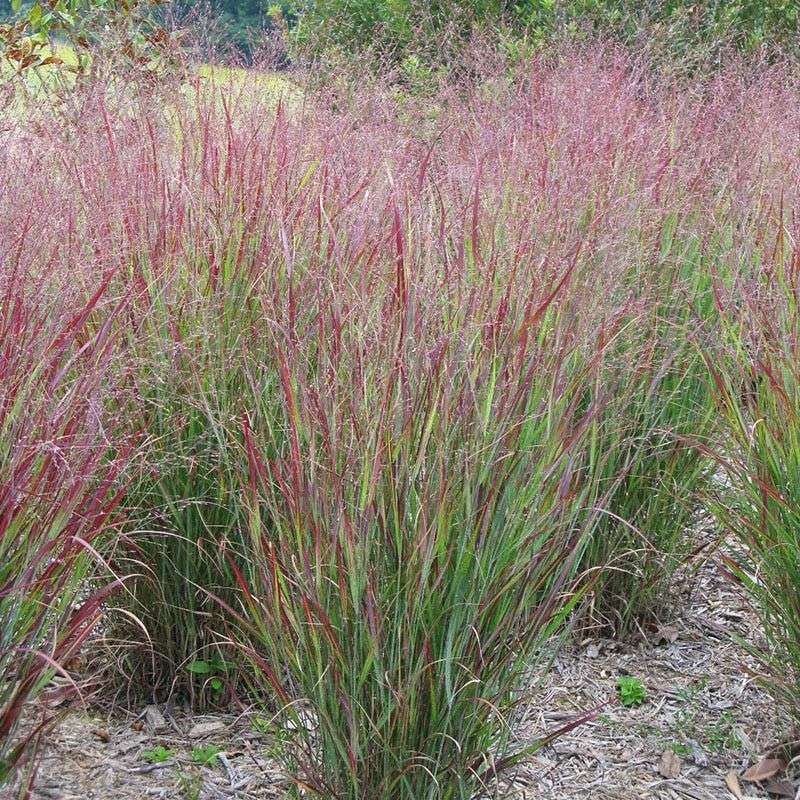
This prairie native brings vertical drama and year-round interest to clay soil gardens while requiring almost zero maintenance once established.
Switchgrass forms upright clumps that sway gracefully in breezes, creating movement and sound that adds sensory dimension to landscapes.
Its deep root system penetrates clay effectively, making it excellent for erosion control on slopes.
Green foliage turns stunning shades of gold, orange, and burgundy as temperatures cool in autumn.
Airy seed heads emerge in late summer, catching light beautifully and persisting through winter.
Birds feast on seeds while using dried stems for shelter during cold months.
Clay’s moisture retention supports lush growth without supplemental watering after the first season.
Varieties range from compact three-foot types to towering seven-foot specimens perfect for screening.
Cut back dead foliage in early spring before new growth emerges.
Switchgrass tolerates both wet and dry conditions, adapting to clay’s unpredictable moisture levels.
It combines beautifully with coneflowers and black-eyed Susans in naturalistic plantings.
Deer avoid it, and it never becomes invasive despite robust growth.
Its architectural form provides structure when perennial flowers go dormant.
7. Sedum
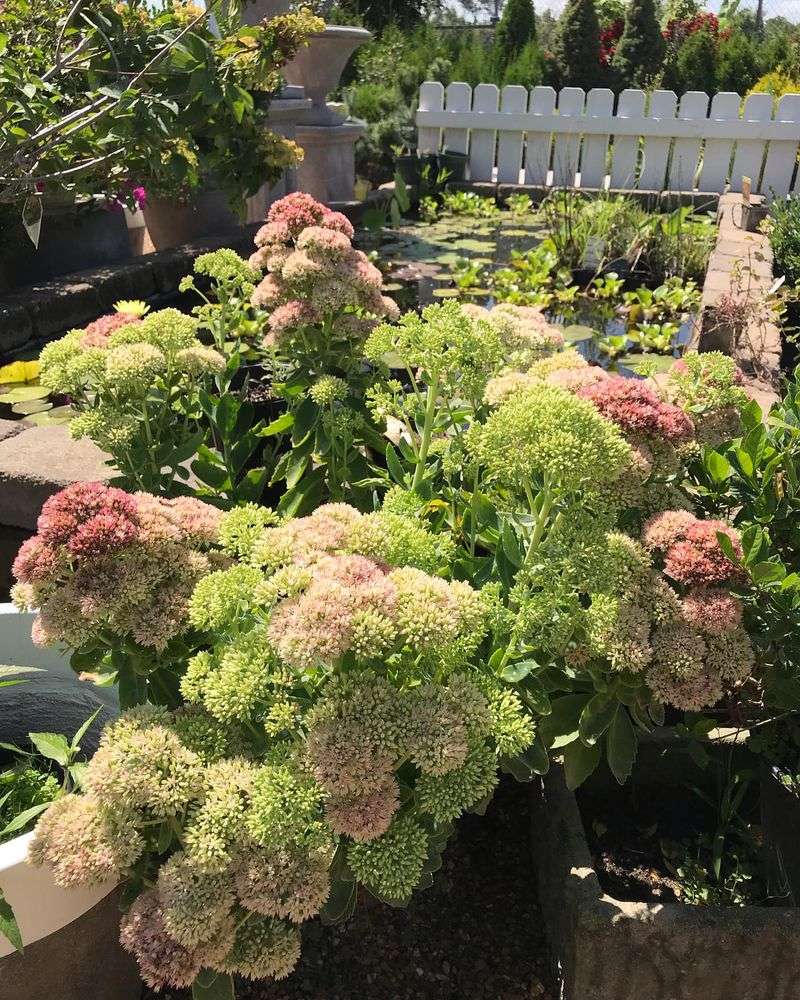
Succulent leaves store water efficiently, making sedums surprisingly well-adapted to clay soil that alternates between soggy and bone-dry.
Autumn Joy remains the most popular variety, producing broccoli-like flower heads that transition from green to pink to rust-red.
These tough perennials laugh at North Carolina’s summer heat and humidity.
Their fleshy foliage creates interesting texture even before flowers appear.
Butterflies and bees swarm the blooms in late summer when many other nectar sources have faded.
Sedums grow twelve to eighteen inches tall, perfect for front-of-border positions.
They never need staking despite heavy flower heads.
Clay’s alkaline tendency suits them better than acidic soils many plants prefer.
Divide clumps every three years or simply break off stems and stick them in the ground—they root easily.
Leave dried flower heads standing through winter for architectural interest and bird food.
Sedums tolerate light foot traffic, making them useful between stepping stones.
Their drought tolerance once established means less watering even during dry spells.
Combine them with ornamental onions and Russian sage for a water-wise garden that thrives in clay.
8. Oakleaf Hydrangea
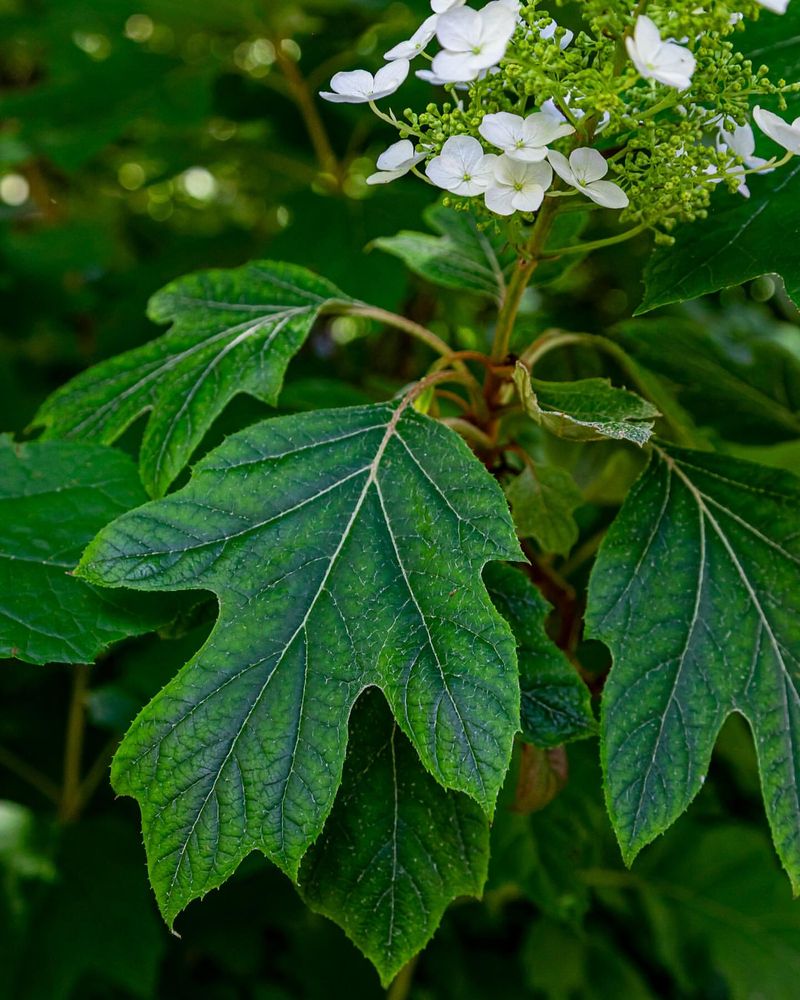
Native to the southeastern United States, this stunning shrub offers four seasons of beauty while thriving in the clay soils that frustrate many woody plants.
Large white flower clusters appear in early summer, gradually fading to pink and then tan as they age.
Leaves shaped like oak foliage turn brilliant shades of red, orange, and purple in autumn.
Exfoliating cinnamon-colored bark provides winter interest after leaves drop.
Oakleaf hydrangeas tolerate more sun than other hydrangea species but appreciate afternoon shade in hot North Carolina summers.
They grow four to six feet tall and wide, making them perfect foundation plants.
Clay’s moisture retention supports their preference for consistent dampness without creating drainage problems.
Unlike mophead hydrangeas, flower color remains unchanged by soil pH.
Prune only to remove damaged wood since flowers form on previous year’s growth.
Their dense branching provides excellent cover for nesting birds.
Combine them with ferns and hostas for woodland garden charm.
Established plants tolerate brief dry periods but perform best with regular moisture.
Their reliable performance and multi-season appeal make them invaluable landscape anchors.
9. Bee Balm
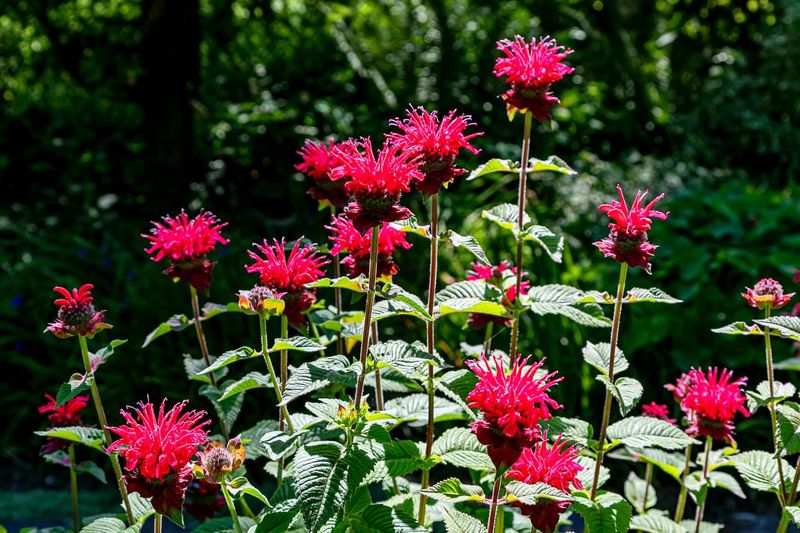
Hummingbirds zoom straight to bee balm’s tubular flowers, making this native perennial essential for wildlife gardens dealing with clay soil.
Scarlet red remains most popular, but pink, purple, and white varieties offer color options.
The entire plant smells minty when brushed or crushed, releasing fragrance that fills summer gardens.
Bee balm spreads enthusiastically through clay, so give it room or plant it where spreading benefits you.
It grows two to four feet tall with flowers appearing from June through August.
Clay’s moisture retention suits its preference for dampness, though good air circulation helps prevent powdery mildew.
Choose mildew-resistant varieties for best performance in humid North Carolina conditions.
Butterflies and bees join hummingbirds at the nectar buffet.
Deadhead spent flowers to encourage continued blooming.
Divide clumps every two years to maintain vigor and control spread.
The flowers make interesting additions to summer bouquets.
Leaves can be dried for herbal tea with a citrusy mint flavor.
Plant bee balm near patios where you can watch hummingbird visits up close.
Its cheerful blooms and wildlife value make it worth managing its spreading tendency.
10. Iris
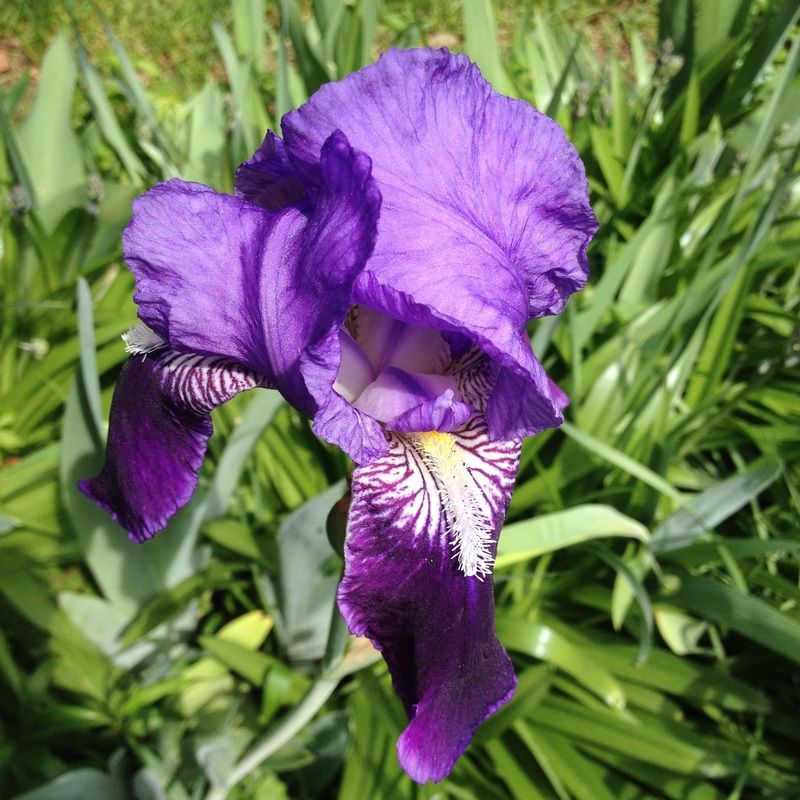
Bearded irises have enchanted gardeners for centuries with their elaborate flowers and sword-like foliage that punctuates clay soil gardens with vertical accents.
Thousands of varieties offer every color combination imaginable, many with ruffled petals and sweet fragrance.
Their rhizomes sit at soil level, preventing rot problems that plague deeply planted bulbs in heavy clay.
North Carolina’s climate suits them perfectly, providing necessary winter chill and warm growing seasons.
Plant them in full sun for best flowering, spacing rhizomes twelve to eighteen inches apart.
Clay’s fertility supports robust growth without heavy fertilization.
Blooms appear in late spring, creating spectacular displays that last several weeks.
Foliage remains attractive all season, providing structure after flowers fade.
Divide crowded clumps every three to four years in late summer.
Iris borers occasionally cause problems but rarely seriously damage established plants.
Remove spent flower stalks promptly to maintain tidy appearance.
Their drought tolerance once established makes them valuable in low-maintenance landscapes.
Combine them with peonies and roses for classic cottage garden style.
Deer typically avoid irises, adding to their appeal in rural settings.
11. Viburnum

This diverse group of shrubs includes numerous species that handle clay soil beautifully while providing flowers, berries, and fall color.
Doublefile viburnum creates horizontal branching patterns covered with white lacecap flowers in spring.
Arrowwood viburnum offers cream-colored blooms followed by blue-black berries that birds devour.
Most viburnums grow six to twelve feet tall, perfect for hedges, screens, or specimen plantings.
Their dense root systems appreciate clay’s moisture retention during establishment.
Flowers often carry sweet fragrance that perfumes spring gardens.
Berries provide important food for migrating songbirds in fall and winter.
Many species display excellent fall foliage in reds, purples, and oranges.
They tolerate partial shade but flower most heavily in full sun.
Viburnums rarely need pruning beyond removing damaged branches.
Their adaptability to various moisture levels makes them reliable in unpredictable clay conditions.
Native species support more wildlife than exotic varieties.
Combine them with native azaleas and dogwoods for woodland edge plantings.
Once established, viburnums require minimal care while providing year-round interest and ecological benefits that make gardens come alive.