Things Illinois Residents Cannot Keep In Their Yard Without A Permit
In Illinois, a backyard can feel like your own little slice of freedom, but even wide open spaces come with a rule book.
Many residents are surprised to learn that not everything can sit in a yard without raising a red flag.
From structures to animals to certain equipment, some items cross the line and land squarely in permit territory.
These rules are not just red tape for the sake of it.
They help keep neighborhoods safe, protect property values, and prevent disputes from getting out of hand.
Still, it is easy to run afoul of local codes without meaning to.
One minute you are improving your property, the next you are facing fines or being told to tear something down.
That is enough to make anyone feel like the rug has been pulled out from under them.
Knowing what requires a permit can save time, money, and a fair amount of stress.
It keeps projects on the straight and narrow and helps homeowners avoid unwanted surprises.
Before adding anything new to your yard, it pays to know where Illinois draws the line.
A little homework now can keep small plans from turning into big headaches later.
1. Swimming Pools And Hot Tubs
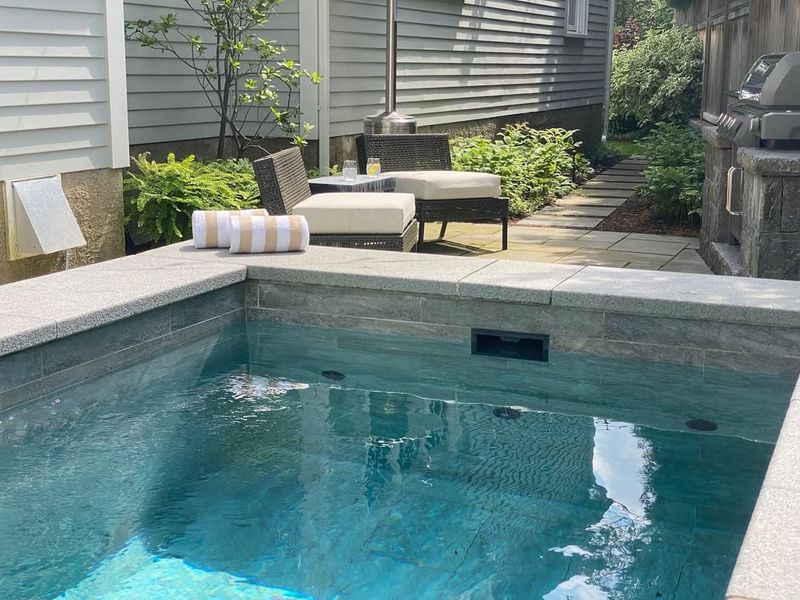
Adding a swimming pool or hot tub to your backyard sounds like a dream come true, especially during those scorching Illinois summer months.
However, most municipalities throughout the state require homeowners to obtain building permits before installation begins.
This applies whether you are putting in an inground pool, an above-ground model, or even a portable hot tub that stays in place permanently.
The permit process exists primarily for safety reasons.
Officials want to ensure your pool meets specific depth requirements, has proper fencing to prevent accidents, and includes adequate drainage systems.
Illinois law typically mandates that pools be surrounded by fencing at least four feet high with self-closing and self-latching gates.
These requirements protect children and pets from wandering into the water unsupervised.
Electrical work associated with pool pumps, heaters, and lighting also needs inspection to prevent fire hazards and electrocution risks.
Without proper permits, your homeowners insurance might refuse to cover accidents or damage related to the pool.
Cities like Chicago, Springfield, and Naperville have specific codes about setback distances from property lines and utility easements.
Violating these rules could result in fines ranging from several hundred to thousands of dollars.
Some homeowners have even been forced to remove expensive pools that were installed without approval.
Before you start digging or setting up that relaxing spa, contact your local building department.
The permit fees are modest compared to the cost of violations or having to redo work that does not meet code standards.
2. Storage Sheds And Outbuildings
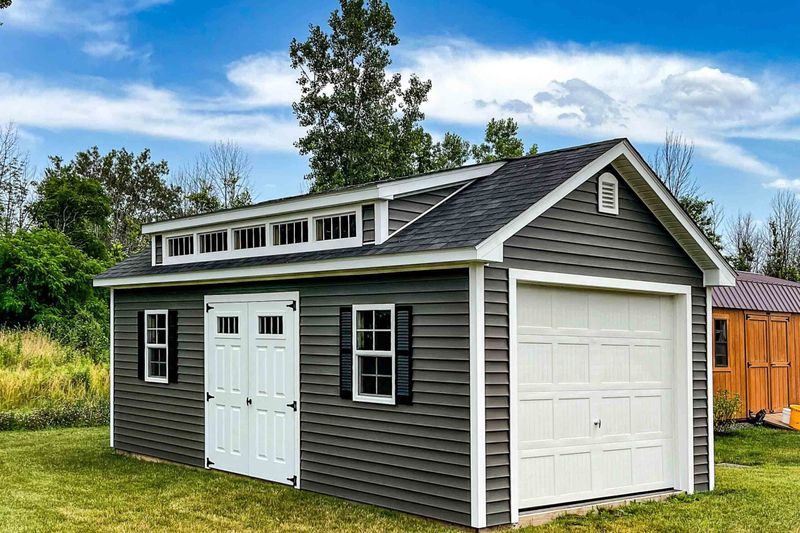
Many Illinois residents purchase storage sheds to organize lawn equipment, bicycles, and seasonal decorations.
What surprises most people is that even small outbuildings often require building permits depending on their size and location.
Each municipality sets its own threshold, but generally, structures larger than 120 square feet need approval before construction.
Your Illinois Garden Changes Every Week. Your Plan Should Too.
Gardening in Illinois changes quickly throughout the season. Every Friday you’ll receive a simple weekly plan showing exactly what to plant, prune, fertilize, harvest, and protect so you never miss the right timing.
Some towns require permits for any permanent structure regardless of size.
The reasoning behind these regulations involves ensuring sheds meet setback requirements from property lines, do not block sight lines at intersections, and comply with height restrictions.
Zoning laws also prevent neighborhoods from becoming cluttered with too many accessory structures.
When you apply for a shed permit in Illinois, officials review your property survey to confirm the planned location does not encroach on easements where utility companies need access.
They also check that the structure will not violate drainage patterns that could flood neighboring properties.
Building codes address foundation requirements, roof load capacity for snow, and proper anchoring to withstand strong winds.
Installing a shed without permission can create problems when you try to sell your home.
Title companies and home inspectors often discover unpermitted structures during closing processes, which can delay or derail sales.
Buyers might demand that you obtain retroactive permits, remove the structure entirely, or reduce the purchase price.
Getting caught with an illegal shed can also result in daily fines until you either obtain proper permits or remove the building.
The permit application process typically takes just a few weeks and costs between fifty and two hundred dollars depending on your location.
3. Fences Over Certain Heights

Fences serve important purposes like defining property boundaries, creating privacy, and keeping pets safely contained.
Illinois homeowners often do not realize that fence height restrictions exist throughout the state, with permits required for anything exceeding local limits.
Most communities allow fences up to six feet tall in backyards without special permission, but front yard fences typically cannot exceed three or four feet.
These regulations prevent neighbors from feeling boxed in and maintain the open, welcoming appearance of residential streets.
Corner lots face additional scrutiny because tall fences near intersections create dangerous blind spots for drivers and pedestrians.
Building departments review fence permit applications to ensure adequate sight triangles remain clear.
The type of fence material sometimes factors into permit requirements as well.
Chain-link, wood privacy, vinyl, and decorative iron all have different visual impacts on neighborhoods.
Some homeowner associations in Illinois suburbs impose even stricter rules than municipal codes, limiting colors, styles, and heights beyond what the city requires.
Before installing any fence, check both your local ordinances and any HOA covenants that apply to your property.
Failing to obtain proper fence permits can result in orders to reduce height, remove sections, or pay penalties.
Disputes with neighbors often arise when fences go up without following proper procedures.
Someone might claim your fence encroaches on their property or blocks their view, leading to costly surveying and potential legal battles.
Starting with a permit ensures your fence location is verified against official property lines.
The application process usually requires a simple site plan showing fence placement and height specifications.
4. Permanent Fire Pits And Outdoor Fireplaces
Gathering around a crackling fire on cool Illinois evenings creates wonderful memories with family and friends.
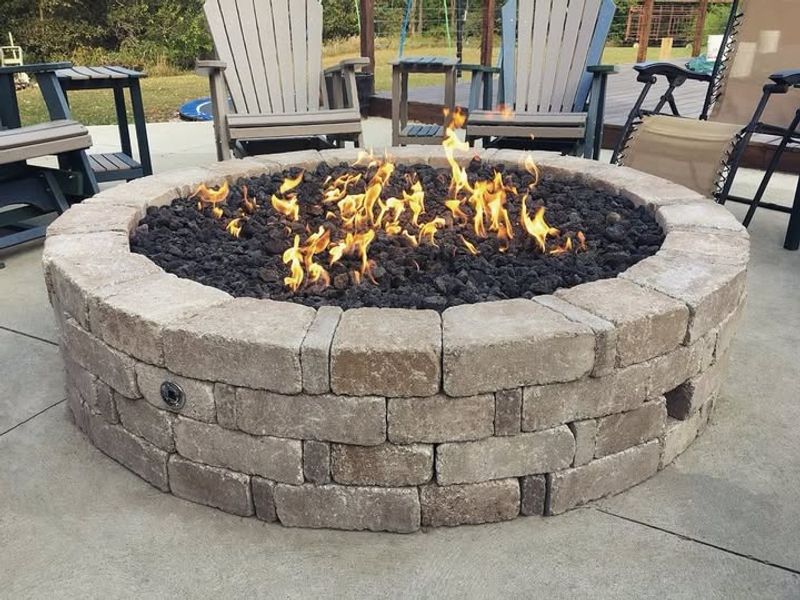
Permanent fire pits and outdoor fireplaces have become popular backyard features, but they typically require permits before construction.
Temporary, portable fire pits that you can move around generally do not need permits, though many cities still regulate when and how you can use them.
Once you build a permanent stone or brick fire feature with a fixed location, it becomes a structure subject to building codes.
Safety concerns drive these permit requirements.
Fire pits must be positioned away from structures, trees, and fences to prevent accidental fires from spreading.
Most Illinois municipalities require at least ten to twenty feet of clearance from buildings and property lines.
Officials also want to ensure proper ventilation for outdoor fireplaces so smoke does not create nuisances for neighbors or accumulate dangerously.
The permit process verifies that your fire feature includes appropriate fire-resistant materials and construction techniques.
Gas-fired features require additional inspections of fuel lines and connections to prevent leaks and explosions.
Some towns ban wood-burning fire pits entirely due to air quality concerns, allowing only natural gas or propane alternatives.
Before planning your outdoor fire feature, research your specific community’s regulations.
Cities like Aurora, Rockford, and Peoria each have unique codes governing recreational fires.
Installing a fire pit without approval can result in orders to remove it completely, especially if neighbors complain about smoke or safety issues.
Insurance companies may also deny claims for fire damage if the source was an unpermitted feature.
Obtaining a permit protects your investment and ensures you can enjoy your fire pit without legal worries.
5. Recreational Vehicles And Trailers
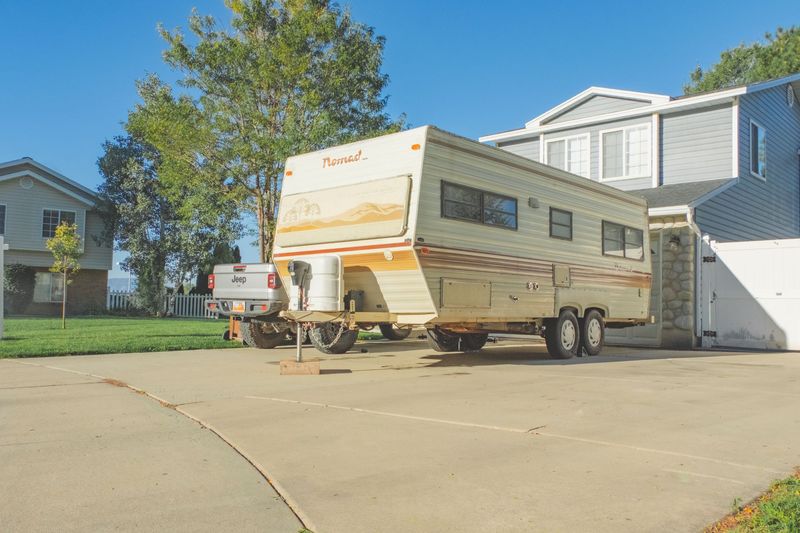
Owning an RV, boat trailer, or camper opens up exciting travel possibilities for Illinois families.
However, parking these vehicles in your yard long-term often requires special permits or is restricted entirely by local ordinances.
Many communities prohibit storing recreational vehicles in front yards or driveways where they are visible from the street.
These rules aim to maintain neighborhood aesthetics and prevent residential areas from looking like storage lots.
Some municipalities allow RV parking in side yards or backyards if the vehicle is screened from view by fencing or landscaping.
Others require that recreational vehicles be stored in enclosed garages or off-site storage facilities.
Time limits also commonly apply, even in areas where RV parking is permitted.
You might be allowed to park your camper in your driveway for 48 or 72 hours while loading and unloading for trips, but not for weeks at a time.
Commercial vehicles, work trailers, and boats typically fall under similar restrictions.
The specific regulations vary dramatically across Illinois.
Chicago has strict rules about parking commercial vehicles overnight in residential areas, while smaller rural communities may have minimal restrictions.
Subdivisions with homeowner associations frequently ban RV parking entirely or require special permits with annual fees.
Violating these parking ordinances usually results in warnings followed by daily fines if you do not move the vehicle.
Neighbors sometimes report violations when large vehicles block their views or make streets feel congested.
Before purchasing a large recreational vehicle, research where you can legally store it.
Monthly fees at storage facilities typically range from fifty to two hundred dollars depending on amenities and security features.
Some homeowners build oversized garages or pole barns with proper permits to house their recreational vehicles on their property legally.
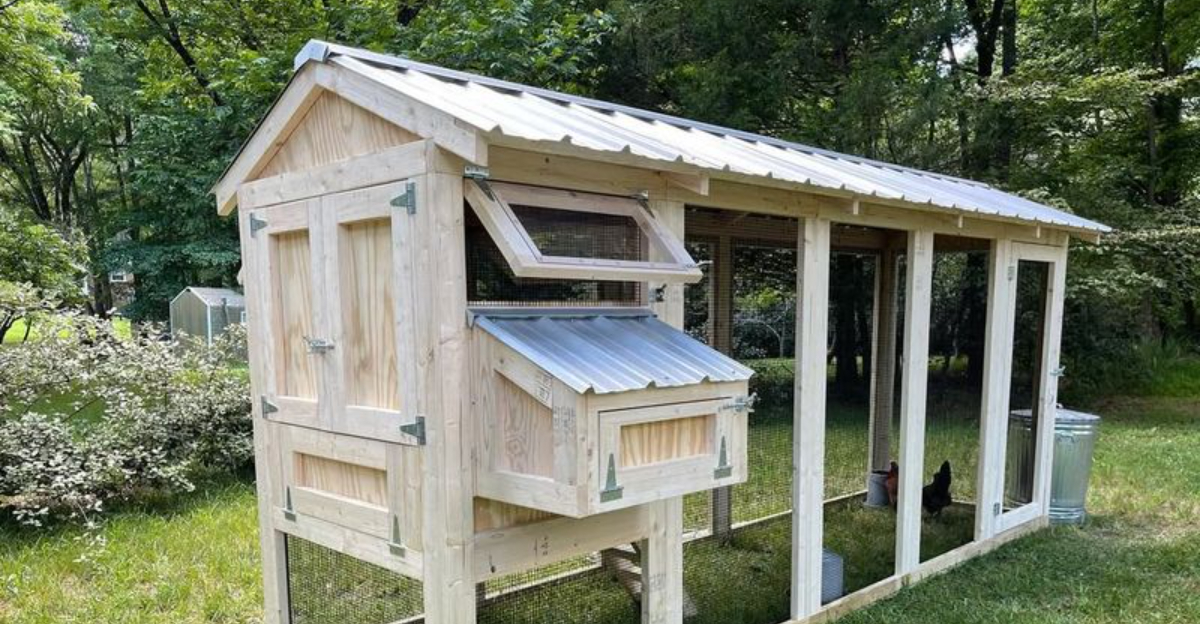
6. Chicken Coops And Backyard Livestock
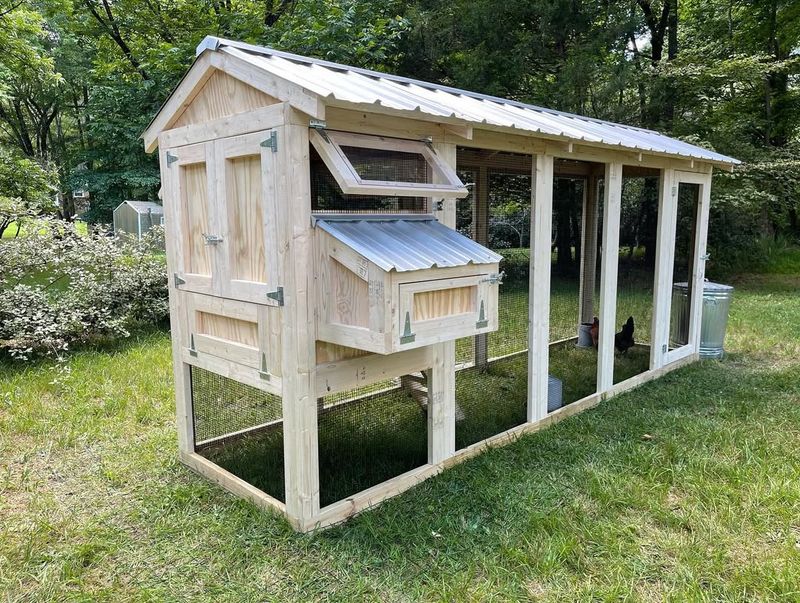
The backyard chicken movement has grown tremendously as people seek fresh eggs and a connection to their food sources.
Raising chickens, ducks, rabbits, or other small livestock in Illinois residential areas almost always requires permits and must comply with detailed regulations.
Urban and suburban communities have developed specific ordinances addressing how many birds you can keep, coop size and location requirements, and whether roosters are allowed.
Most towns permit hens but ban roosters due to noise complaints from their early morning crowing.
Typical regulations limit backyard flocks to four to six hens depending on lot size.
Coops must be positioned specific distances from property lines and neighboring homes to minimize odor and noise impacts.
Many ordinances require that coops be attractive, well-maintained structures rather than ramshackle shelters.
Health department rules often mandate proper waste management to prevent pest problems and groundwater contamination.
The permit application process for backyard chickens usually involves submitting a site plan showing coop placement and describing your flock management practices.
Some municipalities require signatures from adjacent neighbors acknowledging they have no objections.
Cities like Evanston, Champaign, and Bloomington have embraced backyard chickens with clear permitting processes, while other communities prohibit them entirely.
Keeping chickens without proper approval can result in orders to remove the birds, daily fines, and strained relationships with neighbors.
Even if your town allows chickens, homeowner association rules might prohibit them.
Always check both municipal codes and any subdivision covenants before investing in a coop and birds.
The permit fees are generally modest, often under one hundred dollars, and may require annual renewal.
Properly permitted chicken keeping allows you to enjoy fresh eggs while staying on good terms with your community and local authorities.