How Ohio Homeowners Can Choose Between Deciduous And Coniferous Trees
Choosing trees for an Ohio yard feels simple at first, until the fork in the road appears.
On one side stand deciduous trees, famous for blazing fall color and bare winter branches.
On the other side rise coniferous trees, steady and green, holding their ground through snow and wind.
Each option brings strengths, tradeoffs, and long-term impact that reach far beyond curb appeal.
Shade, privacy, cleanup, wildlife, and seasonal interest all enter the equation, and one wrong call can leave a homeowner barking up the wrong tree.
Ohio’s shifting weather only adds another layer to the puzzle, with hot summers, cold winters, and surprise storms all playing a role.
A smart choice depends on goals, space, and patience, not impulse or trends.
Consider Your Climate Zone And Hardiness Needs
Most of Ohio falls into USDA hardiness zones 5 and 6, which means your trees must handle winter temperatures that can drop well below zero.
Deciduous trees like maples, oaks, and birches have adapted to these conditions over centuries and naturally go dormant when cold weather arrives.
Coniferous options such as white pine, spruce, and arborvitae also thrive in Ohio because their needle-like leaves reduce water loss during harsh winters.
Understanding your specific zone helps narrow down which species will survive and flourish without constant intervention.
Southern Ohio counties enjoy slightly milder winters, which opens up more deciduous variety choices.
Northern areas near Lake Erie experience heavier snowfall and colder winds, making hardy conifers a smart pick for windbreaks.
Check your property’s microclimate too—sheltered spots near buildings may support less hardy species.
Trees planted in the wrong zone often struggle with disease, poor growth, or damage from unexpected temperature swings.
Consulting local extension offices or nurseries gives you reliable information about what grows best in your exact location.
Matching trees to your zone is the foundation of a healthy, low-maintenance landscape.
Evaluate Seasonal Color And Visual Interest
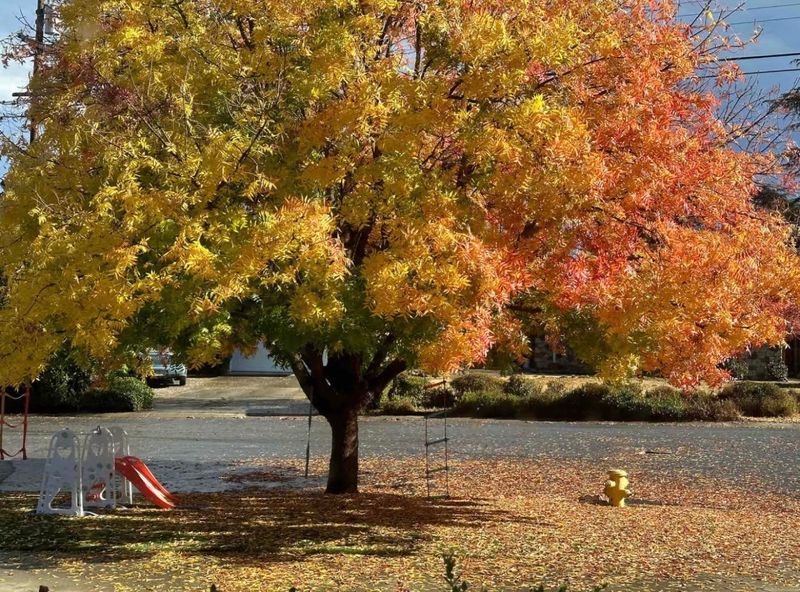
Deciduous trees put on a spectacular show each fall when their leaves turn brilliant shades of red, orange, yellow, and purple.
Sugar maples and red oaks become neighborhood landmarks during October, drawing admiration from everyone who passes by.
Spring brings fresh green foliage and often beautiful blossoms, adding another layer of visual interest to your property.
Coniferous trees maintain their green color throughout the year, providing consistent structure and texture even when everything else looks bare.
This evergreen quality makes them valuable for creating visual anchors in your landscape design.
Some conifers, like blue spruce, offer unique silvery-blue hues that stand out against traditional green shades.
Think about what you want to see from your windows during different seasons.
A mix of both tree types creates year-round interest, combining fall drama with winter greenery.
Bare deciduous branches reveal interesting bark patterns and architectural shapes that many people find appealing.
Your personal preference for seasonal change versus steady appearance should guide your decision.
Assess Maintenance Requirements And Cleanup Needs
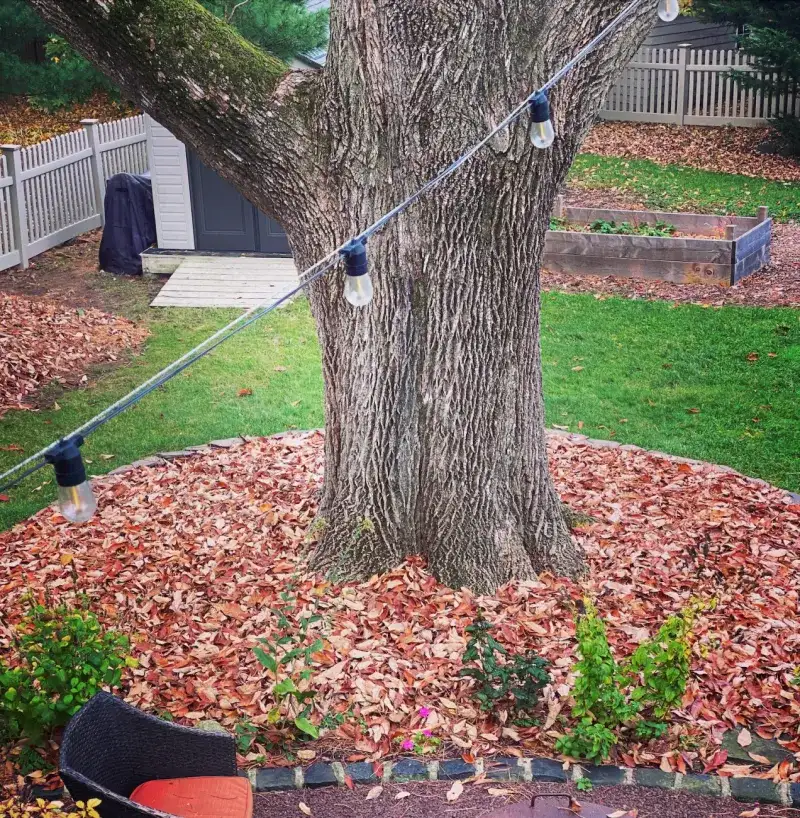
Deciduous trees drop all their leaves each autumn, which means several weekends of raking, bagging, or mulching.
Your Ohio Garden Changes Every Week. Your Plan Should Too.
Gardening in Ohio changes quickly throughout the season. Every Friday you’ll receive a simple weekly plan showing exactly what to plant, prune, fertilize, harvest, and protect so you never miss the right timing.
Large properties with many deciduous trees can require significant time and effort to keep looking tidy.
Some species also shed twigs, seed pods, or fruit that adds to the cleanup workload throughout the growing season.
Coniferous trees drop needles gradually year-round, but the volume is usually much smaller and less noticeable.
Needles break down slowly and can acidify soil beneath the tree, which affects what you can plant nearby.
Certain conifers produce cones that may need occasional pickup, though this task is minimal compared to leaf cleanup.
Both tree types may require pruning to remove damaged branches or maintain shape.
Deciduous trees often need more frequent pruning because they grow faster and develop more complex branch structures.
Budget your time realistically—if you travel frequently in fall, deciduous trees might create stress.
Homeowners who prefer low-maintenance landscapes often lean toward conifers for their minimal mess and steady appearance.
Determine Shade Coverage And Energy Efficiency
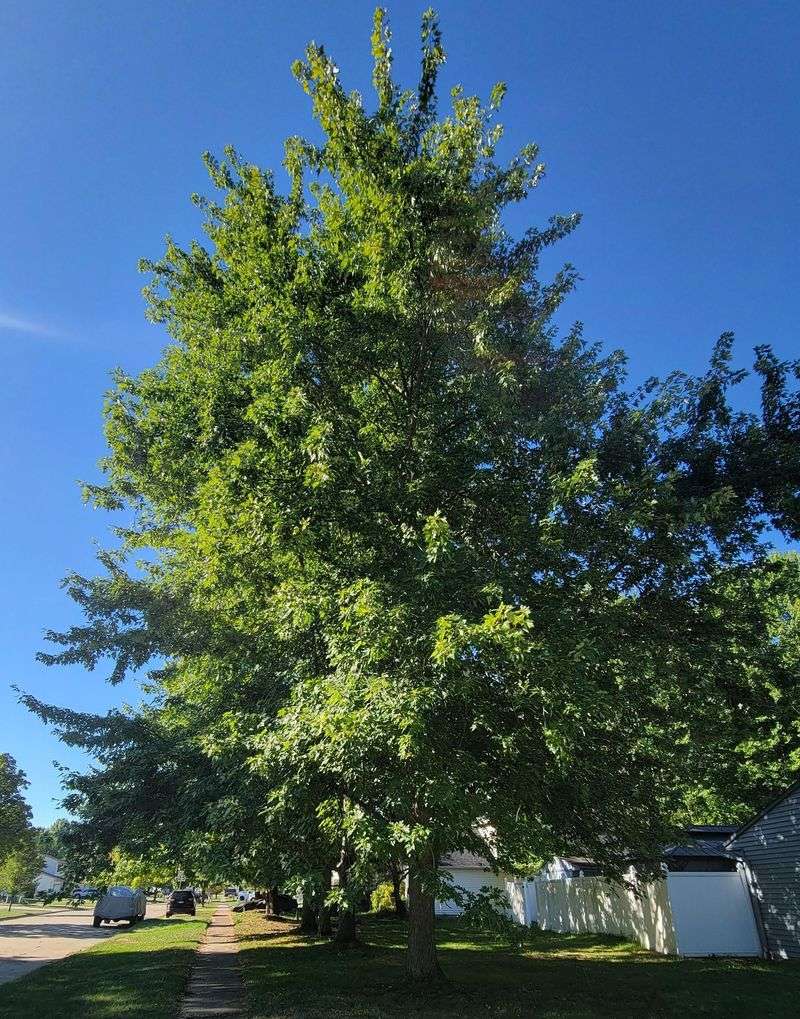
Deciduous trees create dense shade during summer months when you need it most, blocking hot sunlight from heating your home.
Strategically placed maples or oaks on the south and west sides can reduce air conditioning costs by 15 to 30 percent.
When leaves fall in autumn, sunlight reaches your home during winter, providing natural warmth and reducing heating expenses.
This seasonal cycle makes deciduous trees incredibly efficient for energy management in Ohio’s variable climate.
Coniferous trees provide year-round shade, which can be beneficial for blocking winter winds but may prevent desired solar gain.
Planting evergreens on the north side of your property creates effective windbreaks that reduce heating costs.
Their dense foliage blocks cold winds and creates a sheltered microclimate around your home.
However, conifers planted too close to southern windows can block valuable winter sunlight.
Consider your home’s orientation and which windows receive the most sun exposure throughout the year.
Combining both tree types in strategic locations maximizes energy efficiency and comfort while reducing utility bills substantially.
Analyze Growth Rate And Long-Term Size
Fast-growing deciduous trees like silver maples can reach 50 feet in just 15 years, quickly providing shade and privacy.
However, rapid growth often means weaker wood that breaks easily during Ohio’s ice storms and high winds.
Slower-growing species like oaks take decades to mature but develop strong, durable structures that last for generations.
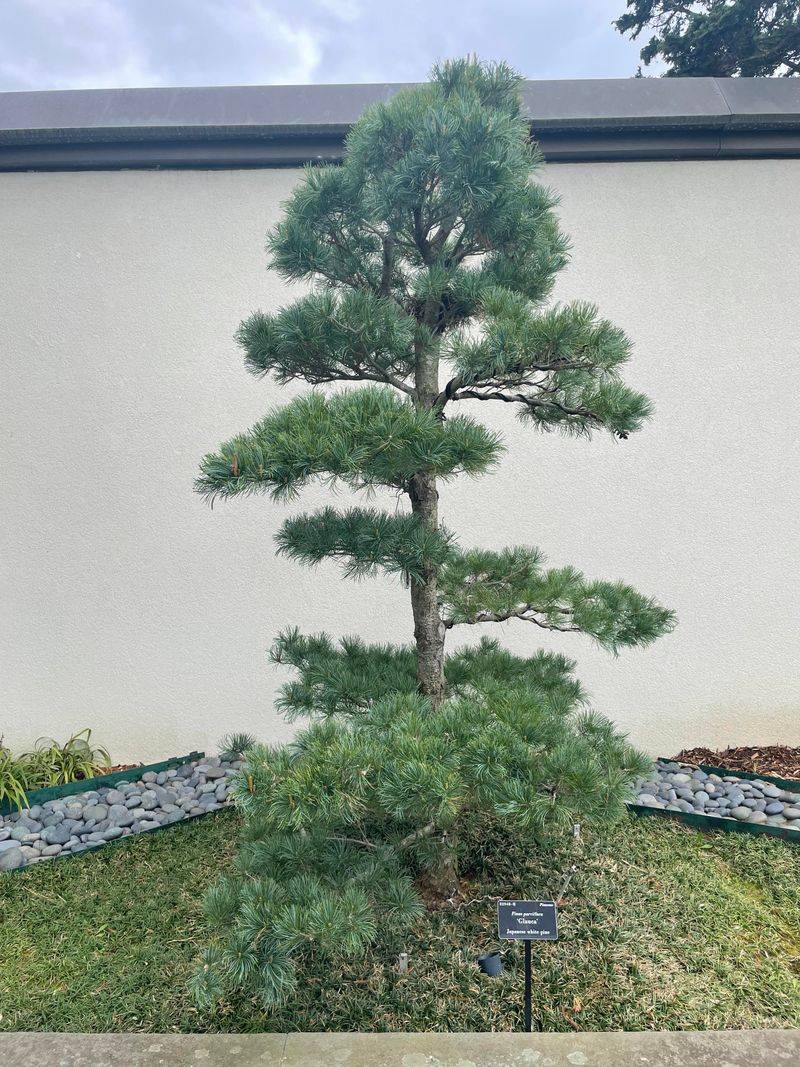
Coniferous trees generally grow at moderate to slow rates, with most species adding one to two feet annually.
White pines grow faster than other conifers and can reach impressive heights within 20 years.
Spruces and firs grow more slowly but create denser, more compact forms that work well in smaller yards.
Consider how long you plan to stay in your home when selecting trees.
If you need quick results, faster-growing options make sense, but understand the trade-offs in wood strength.
Mature tree size matters tremendously—planting a species that outgrows its space creates expensive problems later.
Measure the available space carefully and research each tree’s mature height and spread before purchasing.
Think About Privacy And Screening Purposes
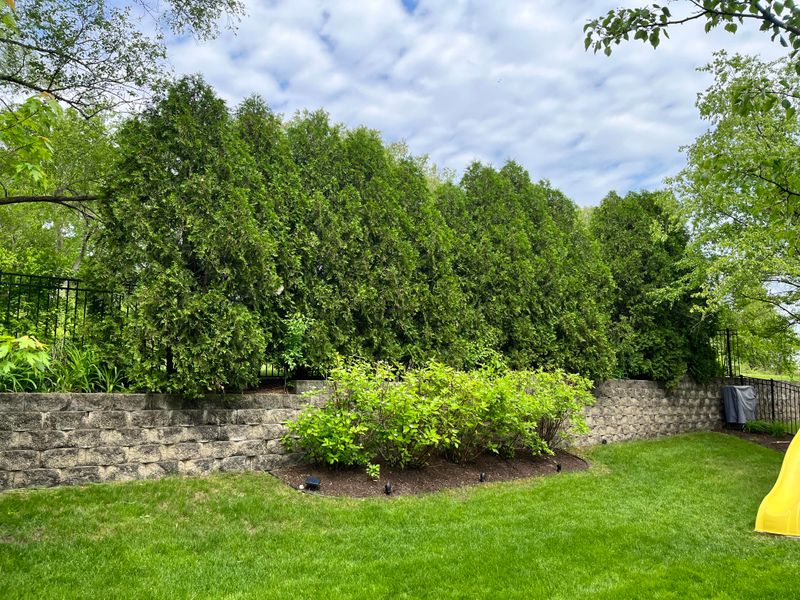
Coniferous trees excel at creating year-round privacy screens because they never lose their needles.
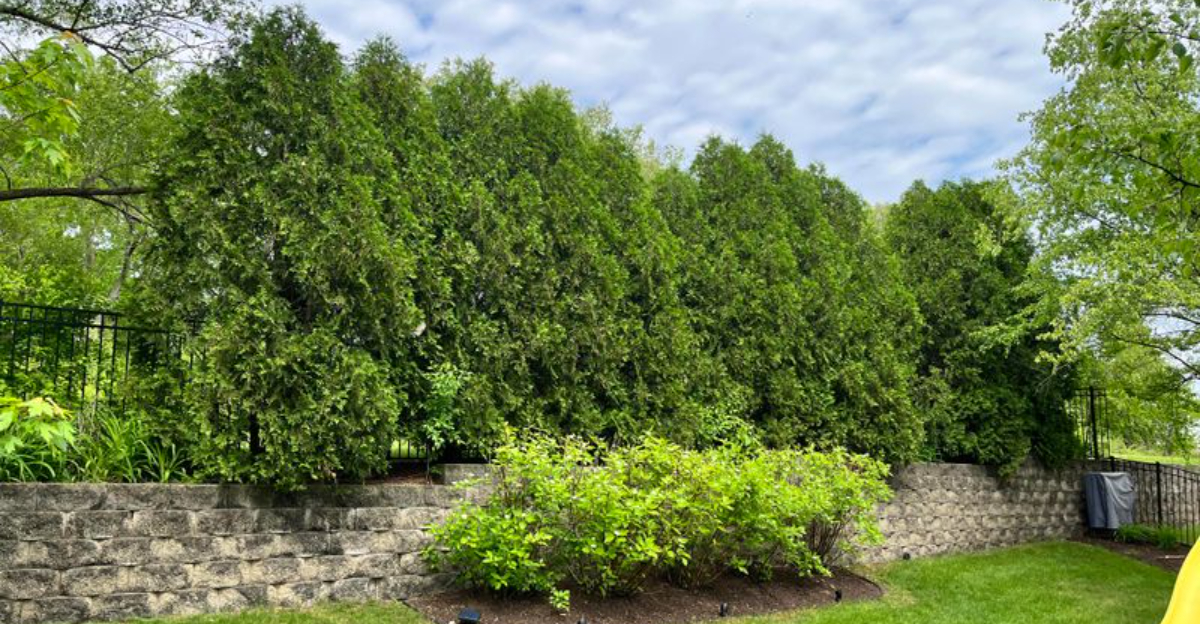
Arborvitae, Leyland cypress, and spruce varieties form dense barriers that block unwanted views and reduce noise pollution.
Planting them in rows along property lines gives you immediate and permanent screening that works every season.
Deciduous trees provide excellent privacy during spring and summer when their leaves create thick canopies.
However, once leaves fall, you lose that screening effect for several months each year.
Some deciduous species like hornbeam retain their brown leaves through winter, offering partial screening even when dormant.
If privacy matters most during warm months when you use your yard, deciduous trees may work perfectly.
For homeowners who need privacy year-round, especially from neighboring windows or busy streets, conifers are the clear choice.
Layering both types creates interesting depth while maximizing screening effectiveness throughout all seasons.
Consider sight lines from inside your home too—what do you want to see or hide when looking out your windows during winter?
Examine Wildlife Habitat And Ecological Benefits
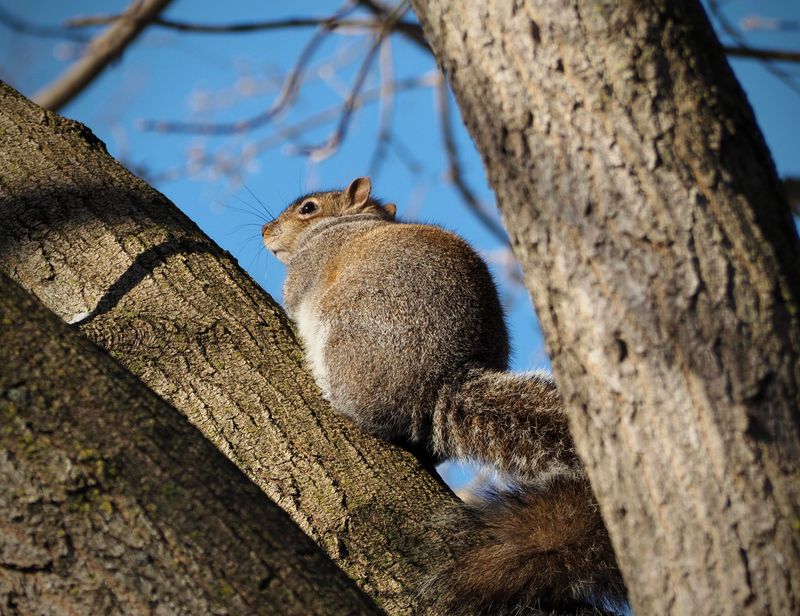
Deciduous trees support diverse wildlife by providing nuts, seeds, and berries that feed birds, squirrels, and other animals.
Oaks produce acorns that sustain dozens of species, while fruit-bearing trees like crabapples attract colorful songbirds.
Their branching structure offers nesting sites and shelter during breeding seasons, making your yard a wildlife haven.
Coniferous trees provide critical winter shelter when other trees stand bare and exposed to harsh weather.
Dense evergreen branches protect birds and small mammals from cold winds and predators throughout the year.
Many conifers produce cones with seeds that feed finches, nuthatches, and other seed-eating birds during winter months.
If you enjoy watching wildlife, planting a variety of both tree types creates habitat for different species year-round.
Native Ohio trees typically support more local wildlife than non-native species because animals have adapted to use them over time.
Consider planting a mix that provides food sources across different seasons to support consistent wildlife activity.
Your tree choices can transform your property into an ecological asset that benefits the broader environment.
Factor In Soil Conditions And Water Requirements
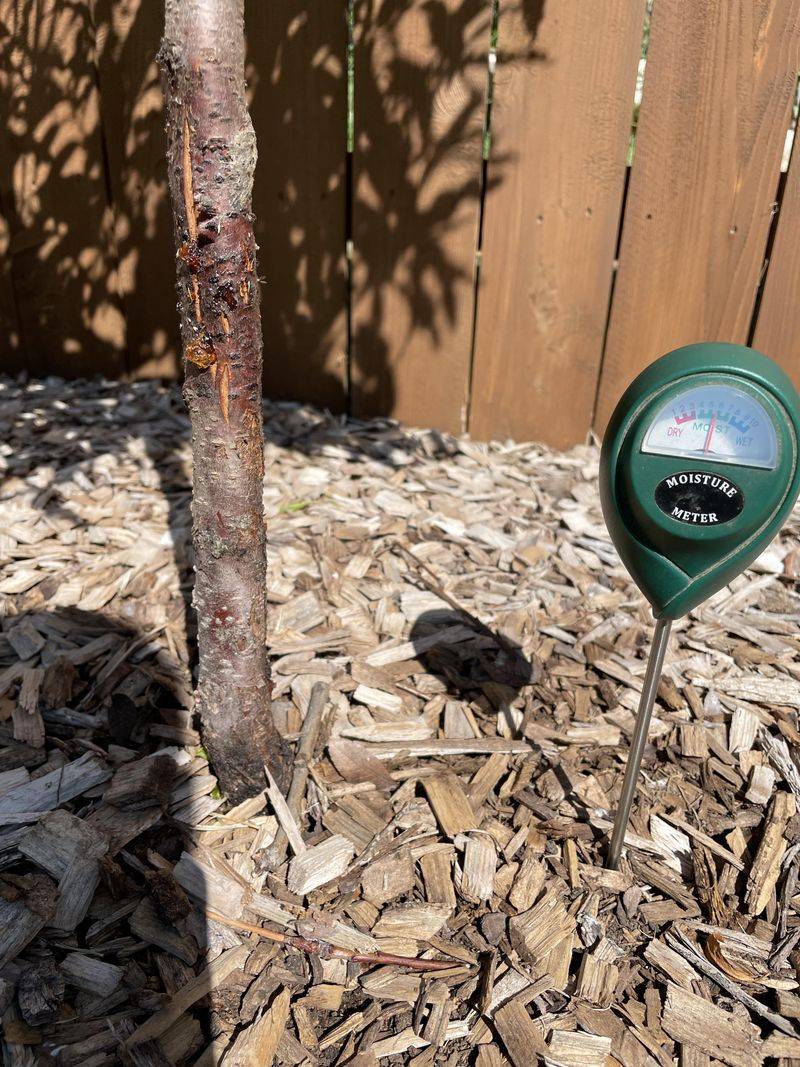
Ohio soils vary widely from heavy clay in some areas to sandy loam in others, and each tree type has different preferences.
Deciduous trees like willows and river birches tolerate wet, poorly drained soil that would suffocate other species.
Oaks and hickories prefer well-drained sites and struggle in areas where water pools after rain.
Coniferous trees generally prefer slightly acidic soil, though many adapt to neutral pH levels common in Ohio.
White pines tolerate a range of soil conditions but perform best in moist, well-drained locations.
Spruces need consistent moisture and may struggle during Ohio’s occasional summer droughts without supplemental watering.
Testing your soil before planting helps you match trees to existing conditions rather than fighting nature.
Amending soil can help, but choosing trees adapted to your natural soil type saves money and effort long-term.
Water requirements matter too—newly planted trees of both types need regular watering for the first two years.
Established deciduous trees typically need less water than many conifers, making them suitable for drier sites or low-maintenance landscapes.