The 10 Benefits Of Garden Covers And Tunnels In Minnesota Gardens
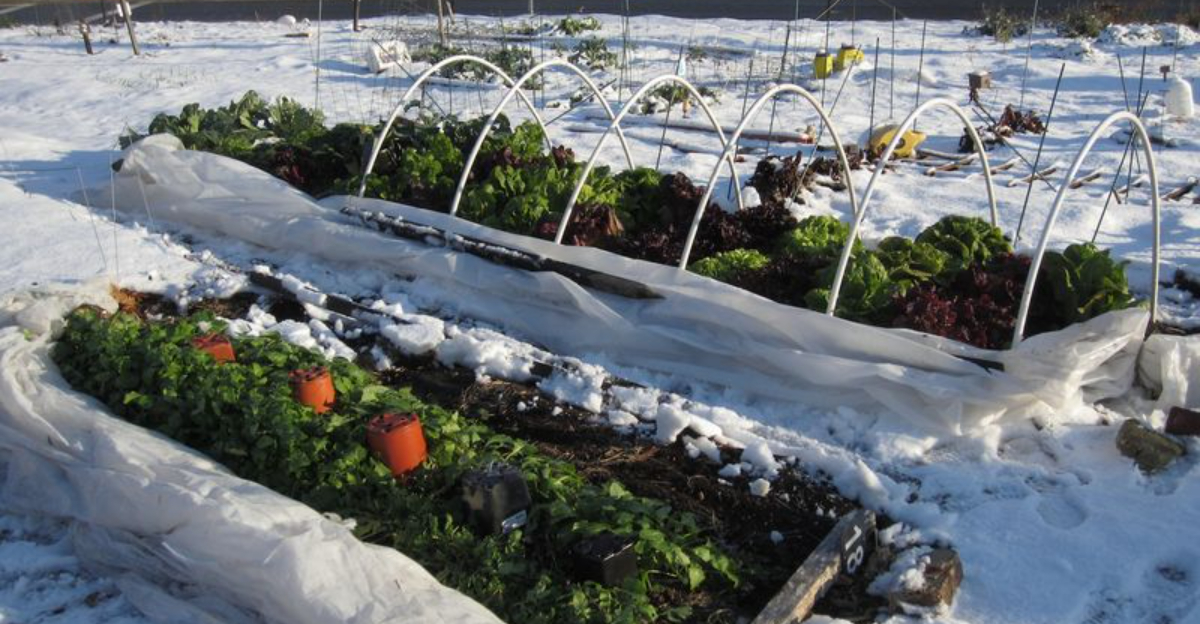
Minnesota gardens live on borrowed time.
One late frost, early snow, or surprise cold snap can turn a promising season upside down in a heartbeat.
That is why smart gardeners stack the deck in their favor long before trouble knocks.
Garden covers and tunnels act like a secret weapon, shielding plants from harsh weather while squeezing every possible day out of a short growing window.
They trap warmth, block biting winds, and stand guard against pests that treat fresh produce like an open buffet.
With the right setup, seedlings gain a head start, harvests last longer, and losses shrink fast.
What looks simple on the surface delivers serious payoff beneath it.
From backyard beds to larger plots, these tools change the game for cold-climate growers.
1. Season Extension For Earlier Spring Planting
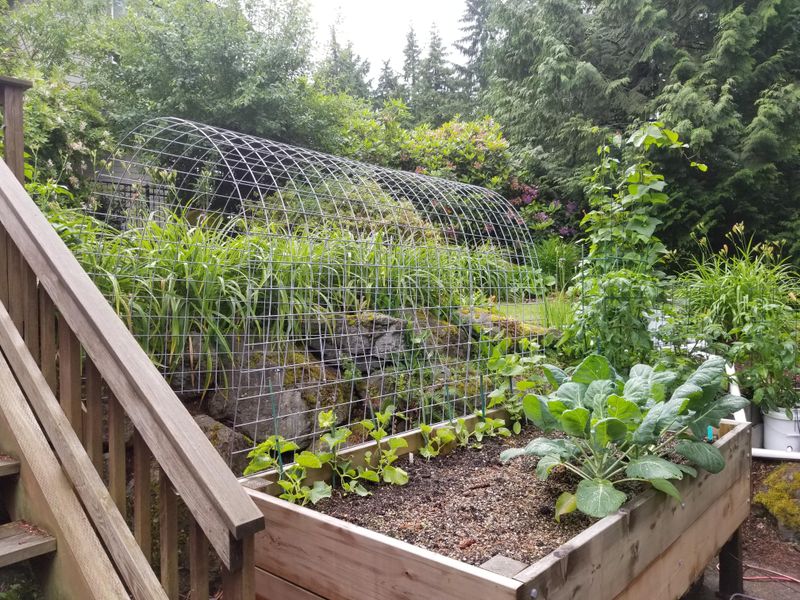
Garden covers and tunnels warm the soil weeks before the last frost date, which means you can start planting much earlier than neighbors who garden without protection.
The plastic or fabric covering traps heat from the sun during the day and holds it through cool nights.
This creates a microclimate that feels like late May even when the calendar still reads early April.
Vegetables like lettuce, spinach, and peas thrive under this early protection.
They establish strong roots and leafy growth before summer heat arrives.
Minnesota gardeners often gain three to four extra weeks at the start of the season by using tunnels.
That extra time translates into earlier harvests and more productive plants overall.
You can enjoy fresh salads and stir-fries while grocery store prices remain high and selection stays limited.
Early planting also means you can fit in multiple crops during one growing season.
After harvesting spring greens, you can replant the same space with summer vegetables.
Tunnels make succession planting easier and more reliable.
The confidence that comes from knowing your plants have protection encourages you to experiment with new varieties and take smart risks that pay off with abundant harvests throughout the year.
2. Extended Fall Harvests Into Winter Months
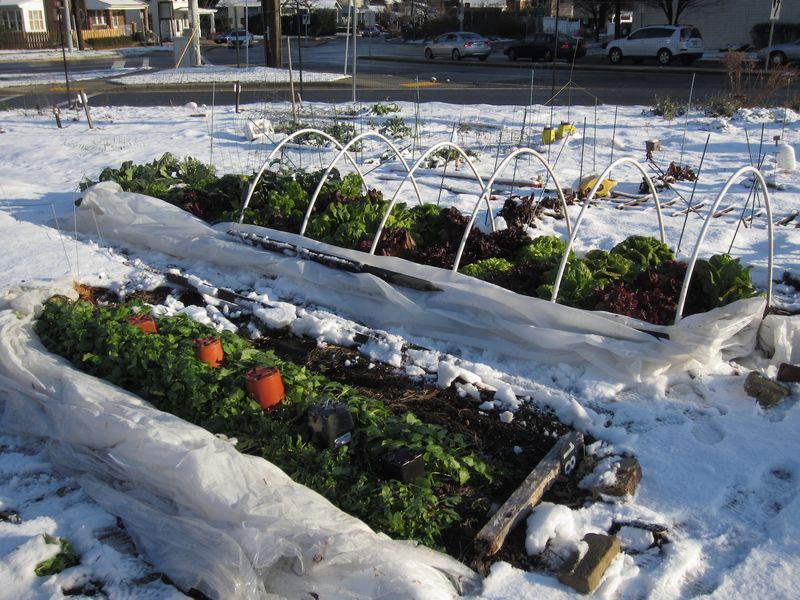
When October frosts threaten to end your garden season, covers and tunnels keep crops producing well into November and even December.
Cold-hardy vegetables such as kale, carrots, and Brussels sprouts actually taste sweeter after light frosts, and tunnels protect them from harsh freezing winds that would otherwise damage leaves.
Minnesota gardeners can harvest fresh produce on Thanksgiving when neighbors have long since cleared their garden beds.
The secret lies in how these structures moderate temperature swings.
Even a simple row cover can raise nighttime temperatures by five to ten degrees, which makes the difference between a ruined crop and a thriving one.
Hoops covered with heavy-duty plastic provide even more protection.
Some gardeners harvest salad greens all winter by combining tunnels with cold frames or additional insulation on the coldest nights.
Extended fall harvests reduce grocery bills during expensive winter months.
Fresh garden vegetables taste infinitely better than shipped produce that has traveled thousands of miles.
Your family benefits from better nutrition and flavor.
Your Minnesota Garden Changes Every Week. Your Plan Should Too.
Gardening in Minnesota changes quickly throughout the season. Every Friday you’ll receive a simple weekly plan showing exactly what to plant, prune, fertilize, harvest, and protect so you never miss the right timing.
The satisfaction of picking homegrown food while snow falls creates a special connection to your garden that summer harvests alone cannot provide.
3. Protection From Unpredictable Frost Events
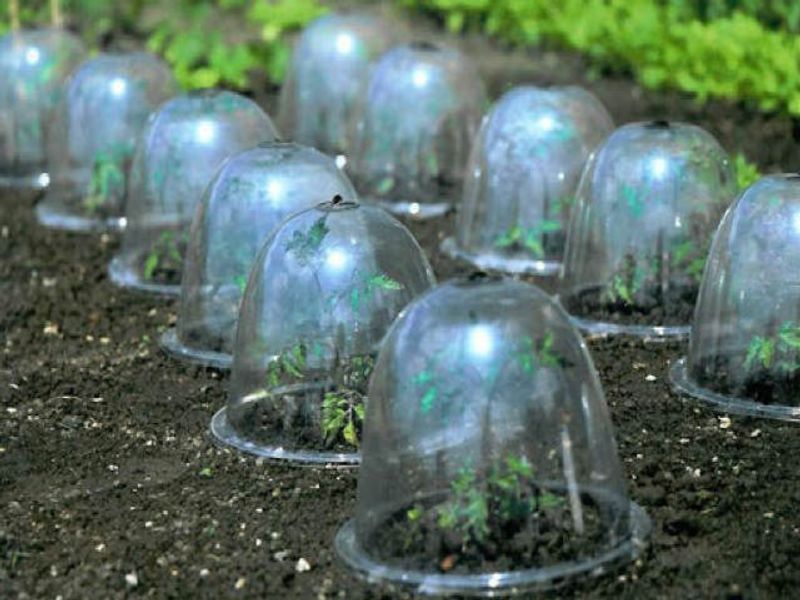
Minnesota weather changes without warning, and surprise frosts can strike in late May or early September when you least expect them.
Garden covers and tunnels act as insurance against these unpredictable temperature drops.
Instead of frantically covering plants with sheets at midnight when the weather forecast changes, you already have protection in place.
Tender crops like tomatoes, peppers, and cucumbers remain safe even when temperatures plunge unexpectedly.
The covering holds enough warmth from the previous day to prevent frost damage to leaves and developing fruits.
This reliability means you can plant warm-season crops earlier without excessive worry.
You avoid the heartbreak of losing an entire planting to one bad night of cold.
Frost protection becomes especially valuable during spring when you have invested time and money into seedlings.
Replacing plants costs money and sets back your harvest schedule by weeks.
Tunnels eliminate that risk.
Many Minnesota gardeners keep lightweight row covers ready to deploy at a moment’s notice throughout the season.
This flexibility allows you to respond quickly when weather patterns shift.
The peace of mind that comes from knowing your plants have a safety net reduces stress and makes gardening more enjoyable rather than a constant worry about weather forecasts.
4. Defense Against Common Garden Pests
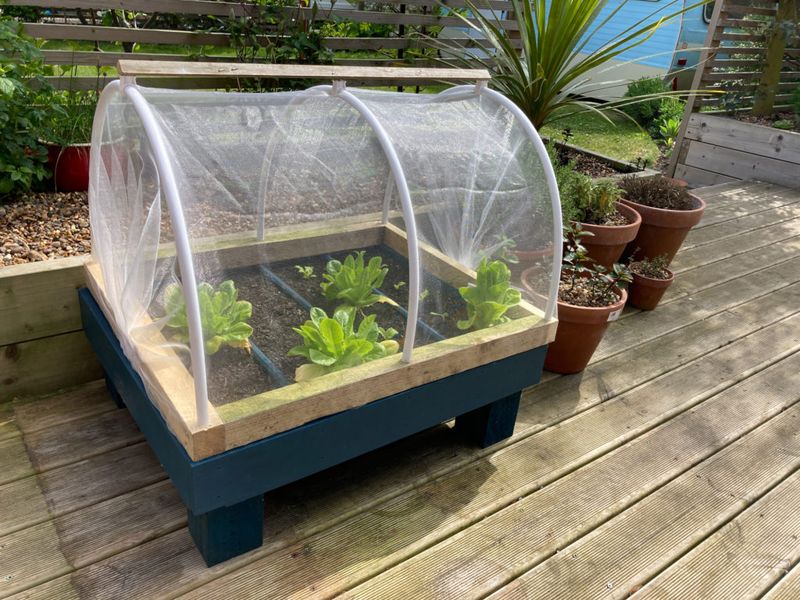
Bugs love Minnesota gardens just as much as gardeners do, but covers and tunnels create a physical barrier that keeps many pests away from your plants.
Lightweight insect netting allows sunlight, air, and water to reach crops while blocking beetles, aphids, and cabbage moths.
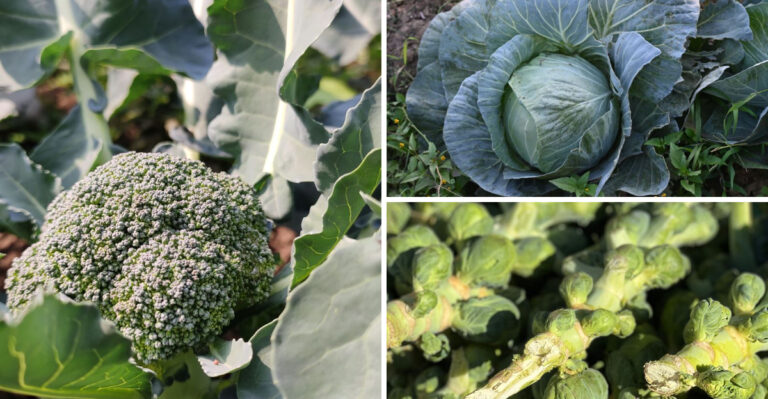
This approach works especially well for brassicas like broccoli, cabbage, and cauliflower, which attract numerous pests during the growing season.
Covering plants right after transplanting prevents adult insects from landing on leaves to feed or lay eggs.
Without access to host plants, pest populations cannot establish themselves.
You avoid the need for chemical sprays, which saves money and protects beneficial insects like bees and ladybugs.
Organic gardeners particularly value this pest management strategy because it aligns with natural growing methods.
Covers also deter larger animals such as rabbits and birds that nibble on tender seedlings.
A simple tunnel keeps curious wildlife from destroying weeks of careful work in a single night.
The time you save by not handpicking pests or repairing damage adds up quickly.
Gardens protected by covers require less intervention and maintenance overall.
Plants grow more vigorously when they are not constantly stressed by insect damage, which leads to better yields and healthier harvests throughout the season.
5. Wind Protection For Delicate Plants
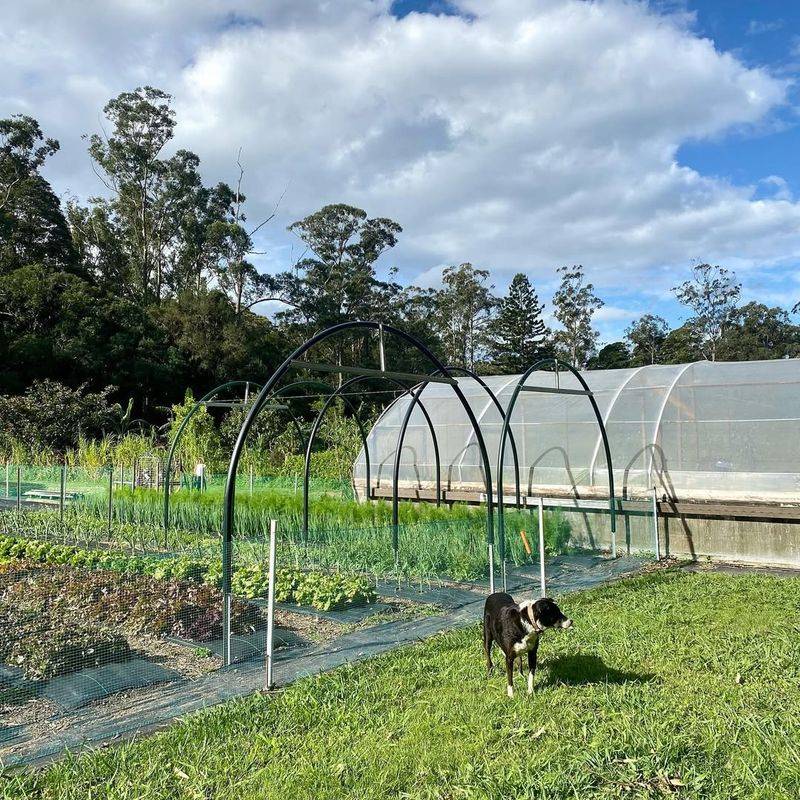
Strong winds sweep across Minnesota landscapes regularly, especially during spring and fall when storms move through frequently.
These winds can shred delicate leaves, snap stems, and dry out soil quickly.
Garden tunnels and covers create a calm zone where plants can grow without constant battering from gusty conditions.
Seedlings establish faster when protected from wind stress.
Their energy goes into root development and leaf growth instead of constantly repairing wind damage.
Taller plants like tomatoes and pole beans benefit from reduced wind exposure too.
They develop stronger stems and require less staking when grown under cover during their early weeks.
Wind protection also reduces water loss from both plants and soil.
Covered gardens retain moisture better, which means you spend less time watering and plants experience less drought stress even during dry periods.
Minnesota gardeners who live in exposed locations or on hilltops find tunnels especially valuable.
The difference in plant health between covered and uncovered areas becomes obvious within days of installation.
Leaves remain intact and green rather than tattered and brown at the edges.
Plants produce more abundantly because they channel energy into growth and fruit production rather than recovery from environmental stress.
6. Improved Soil Temperature And Moisture Retention
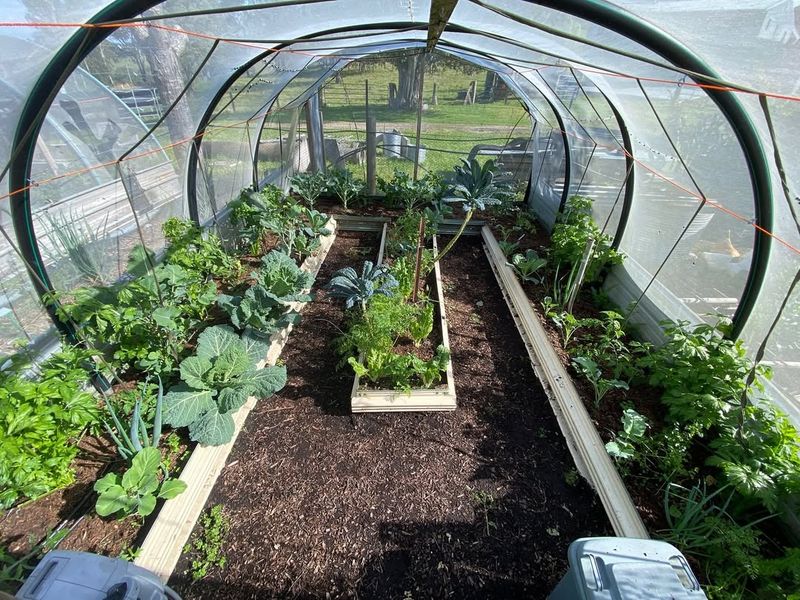
Soil temperature matters just as much as air temperature when it comes to plant growth and seed germination.
Covers and tunnels warm the ground faster in spring and keep it warmer longer in fall.
This extended warmth encourages beneficial soil microorganisms to become active earlier, which improves nutrient availability for plants.
Seeds germinate more reliably in warm soil, and seedlings establish roots quickly when the ground stays consistently comfortable.
Cold, wet soil often leads to poor germination and rotting seeds.
Tunnels prevent these problems by maintaining optimal conditions.
The covering also reduces moisture loss from evaporation.
Water stays in the root zone where plants can access it rather than disappearing into the air.
This conservation means you water less frequently, which saves time and reduces your water bill.
During heavy rains, covers prevent soil compaction and erosion by breaking the force of falling water.
Your garden beds maintain better structure and drainage throughout the season.
Healthy soil grows healthy plants, and tunnels contribute to overall soil quality by moderating temperature extremes and moisture fluctuations.
Minnesota gardeners notice that covered beds produce more consistent results year after year because the soil stays in better condition despite challenging weather patterns that affect uncovered gardens.
7. Reduced Watering Requirements And Conservation

Water bills rise during summer, and drought restrictions sometimes limit when and how much you can irrigate.
Garden covers and tunnels dramatically reduce water needs by trapping humidity inside the growing space.
Plants create their own moisture through transpiration, and covers prevent this water vapor from escaping into the atmosphere.
The humid environment inside a tunnel means plants require watering only half as often as those growing in open air.
This benefit becomes particularly important during hot, dry stretches when unprotected gardens need daily watering to survive.
Covered gardens remain productive with less frequent irrigation.
You save time and money while practicing responsible water conservation.
Environmental benefits extend beyond your own garden too.
Reduced water consumption helps preserve local water resources during periods of scarcity.
Many Minnesota communities face water supply challenges during summer months.
Efficient garden practices contribute to broader conservation efforts.
The consistent moisture levels inside tunnels also promote better plant health.
Plants experience less stress from alternating wet and dry cycles.
Fruits develop more evenly without the blossom-end rot that results from inconsistent watering.
Vegetables taste better and store longer when grown with steady moisture rather than fluctuating conditions that compromise quality and nutrition.
8. Protection From Hail And Storm Damage
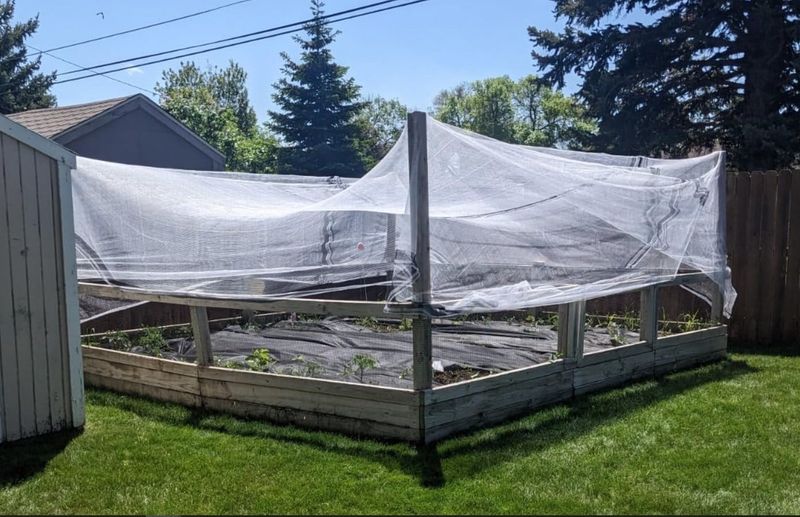
Summer storms roll through Minnesota with little warning, bringing hail that can shred leaves and destroy developing fruits in minutes.
A single hailstorm can ruin an entire season of work in an unprotected garden.
Sturdy tunnels with proper covering deflect hailstones and protect plants from this destructive weather.
Heavy-duty plastic or reinforced fabric absorbs the impact that would otherwise pulverize tender vegetation.
After a storm passes, covered gardens emerge largely unscathed while neighboring plots look like they went through a blender.
The investment in covers pays for itself the first time a severe storm strikes your area.
Replacing damaged plants costs far more than installing protection beforehand.
Tunnels also shield crops from torrential rain that can flatten plants and spread soil-borne diseases.
The covering breaks the force of heavy downpours while still allowing water to reach the soil gradually.
This moderation prevents waterlogging and root problems that occur when gardens flood during intense rainfall.
Minnesota gardeners who have experienced crop loss from storms understand the value of prevention.
Covers provide reliable protection that lets you sleep soundly even when severe weather warnings appear on your phone.
Your garden remains productive regardless of what nature throws at it during unpredictable growing seasons.
9. Enhanced Growing Conditions For Heat-Loving Crops
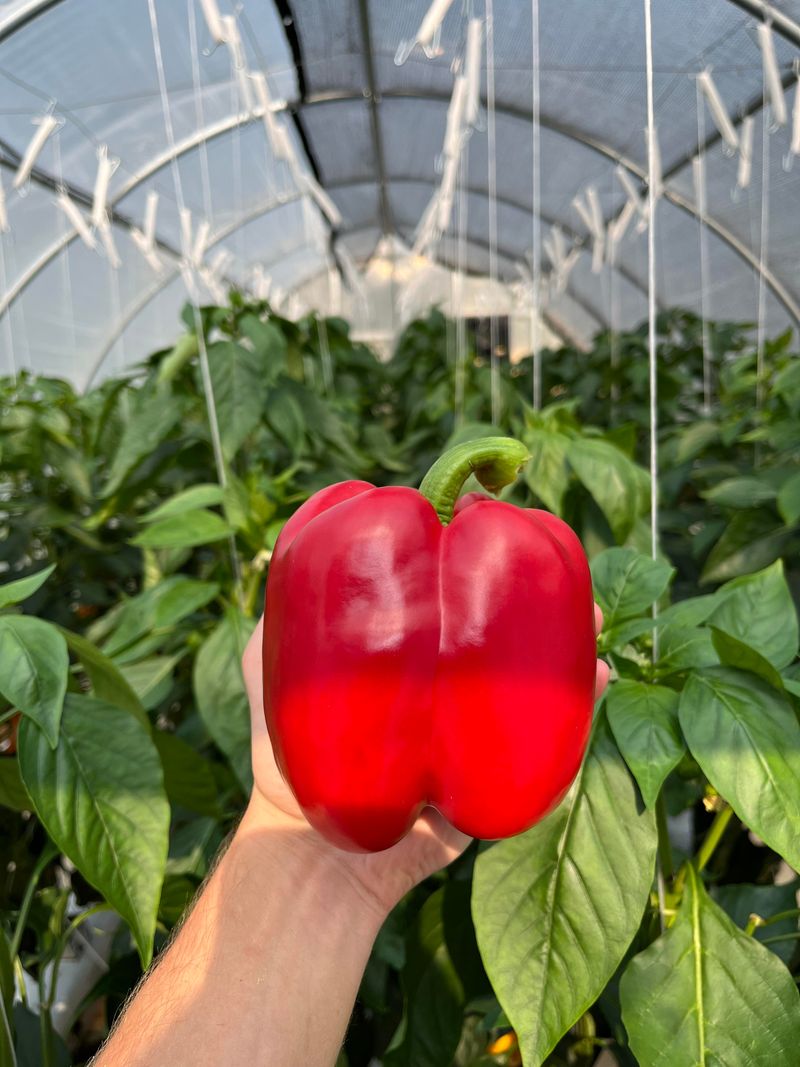
Minnesota summers feel short for gardeners who want to grow peppers, eggplants, melons, and other crops that need consistent warmth.
These heat-loving plants often struggle to produce well before cool September nights arrive.
Tunnels create a warmer microclimate that mimics conditions found several hundred miles south.
Temperatures inside a covered structure can run ten to fifteen degrees warmer than outside air on sunny days.
This extra heat accumulation helps tropical and subtropical vegetables thrive in Minnesota gardens.
Peppers develop more fruits, melons ripen fully, and tomatoes produce earlier and longer under cover.
The extended warmth also improves flavor in many crops.
Tomatoes grown with consistent heat taste sweeter and more complex than those ripening slowly in cool conditions.
Melons develop higher sugar content when they mature in warm, stable environments.
Gardeners can successfully grow varieties that catalogs list as suitable only for warmer zones.
Experimentation becomes possible when you control growing conditions more precisely.
You might discover that your Minnesota garden can produce amazing sweet potatoes, okra, or specialty peppers when given adequate protection.
The satisfaction of harvesting crops that neighbors insist cannot grow in your climate brings special joy and pride to adventurous gardeners who push boundaries with smart use of covers and tunnels.
10. Cost-Effective Alternative To Permanent Greenhouses
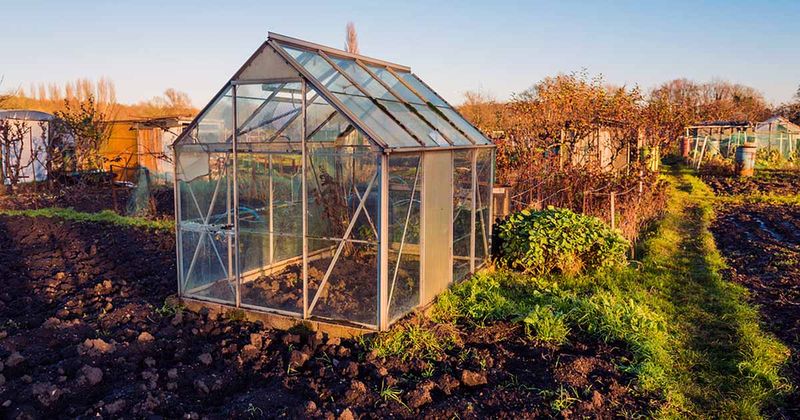
Building a permanent greenhouse costs thousands of dollars and requires permits, foundations, and ongoing maintenance.
Garden tunnels and covers deliver many of the same benefits at a fraction of the price.
Simple hoop tunnels can be constructed for under one hundred dollars using PVC pipe and plastic sheeting.
Row covers cost even less and provide immediate protection for vulnerable plants.
These affordable structures make season extension accessible to gardeners on any budget.
You do not need expensive infrastructure to grow food year-round in Minnesota.
Temporary structures also offer flexibility that permanent buildings cannot match.
You can move tunnels to different garden areas each season, which helps with crop rotation and soil management.
When not in use, covers fold up for compact storage in a garage or shed.
This portability suits renters and people who might move in the future.
You take your growing system with you rather than leaving behind a permanent structure.
Maintenance requirements stay minimal with simple covers and tunnels.
Replacing worn plastic every few years costs little compared to maintaining heated greenhouses with complex systems.
The return on investment comes quickly as you harvest more food over longer periods.
Budget-conscious gardeners appreciate how covers and tunnels maximize productivity without requiring major financial commitments or long-term infrastructure investments.