Ohio Gardeners Keep Ruining Hyacinths With These Common Planting Mistakes
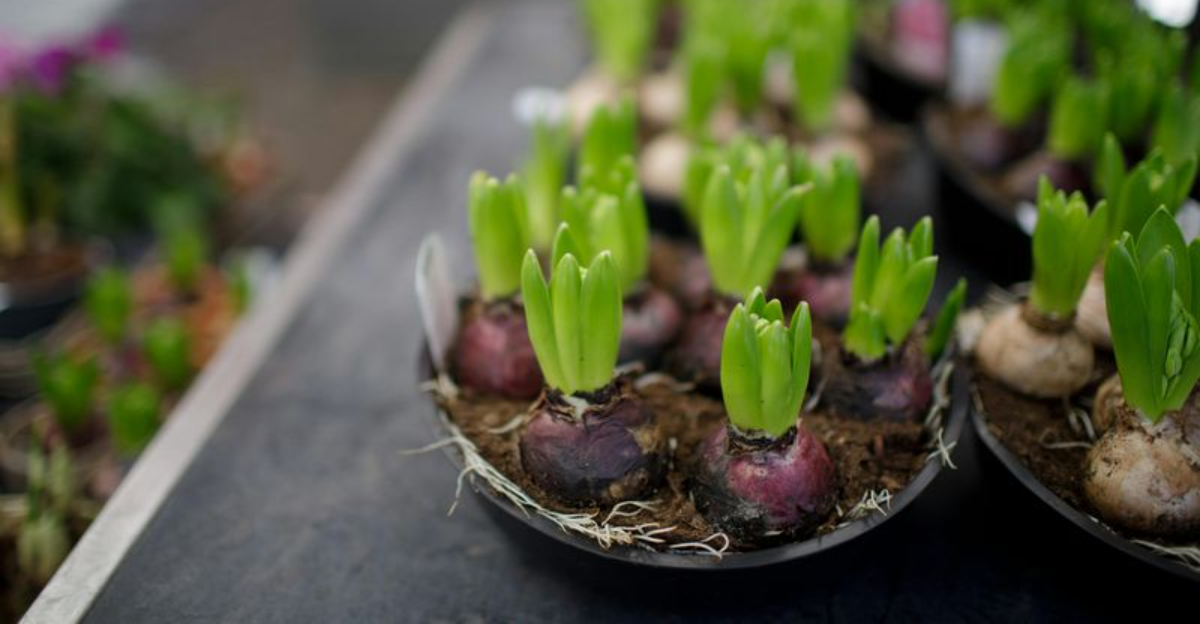
Hyacinths promise one of spring’s biggest payoffs: bold color, thick flower spikes, and a fragrance that stops people in their tracks.
Yet across Ohio, gardeners keep ending up with weak blooms, stunted stems, or bare patches where hyacinths should be stealing the show.
It’s frustrating—and surprisingly common.
The culprit isn’t bad luck or a harsh Midwest winter.
It’s a set of routine planting missteps that happen long before spring arrives, quietly undercutting bulbs that were perfectly capable of thriving.
Fix these mistakes, and hyacinths go from disappointing to unforgettable.
1. Planting Bulbs Too Shallow
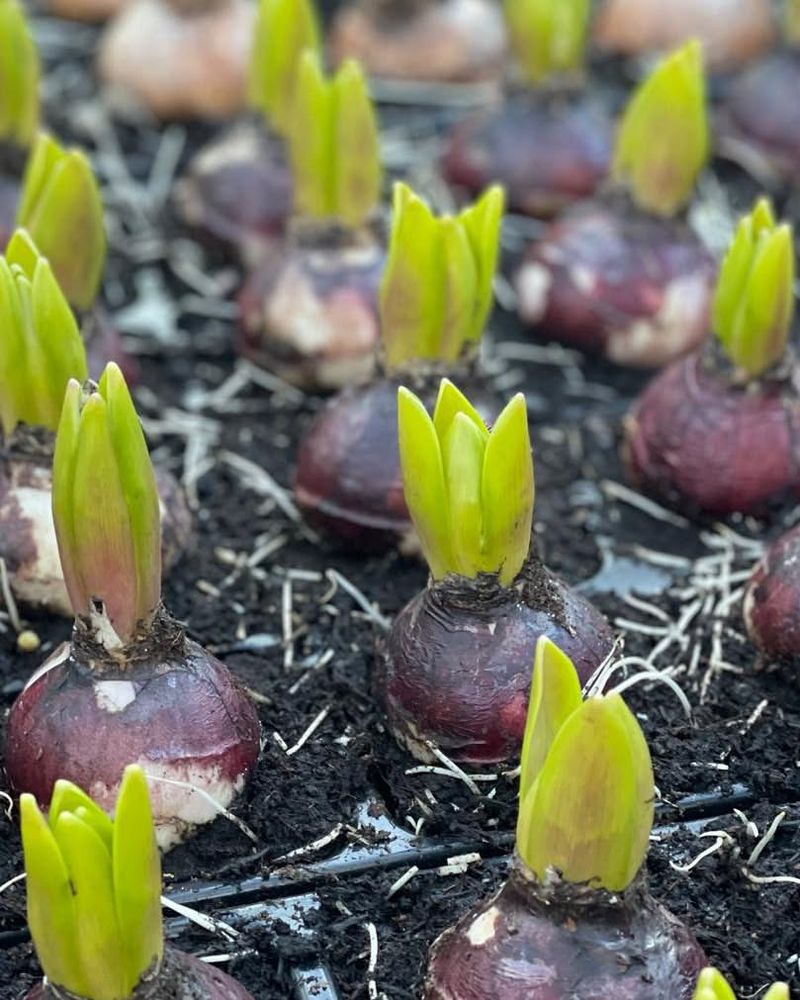
Many Ohio gardeners rush through planting and place hyacinth bulbs just below the surface, which leads to disappointing results.
Shallow planting exposes bulbs to temperature fluctuations that damage their development and prevent proper root establishment in our variable climate.
Bulbs need protection from harsh winter conditions and sudden spring freezes that are common throughout Ohio.
Proper depth ensures the bulb stays insulated and anchored securely in the ground.
Experts recommend planting hyacinth bulbs six to eight inches deep, measured from the bottom of the bulb to the soil surface.
This depth provides adequate insulation against Ohio’s unpredictable weather patterns while allowing shoots to emerge properly in spring.
Deeper planting also prevents bulbs from heaving out of the ground during freeze-thaw cycles.
Using a bulb planter or measuring stick helps ensure consistent depth across your garden bed for uniform blooming.
Taking extra time during planting pays off with healthier plants and more spectacular flower displays each spring season.
2. Ignoring Soil Drainage Issues
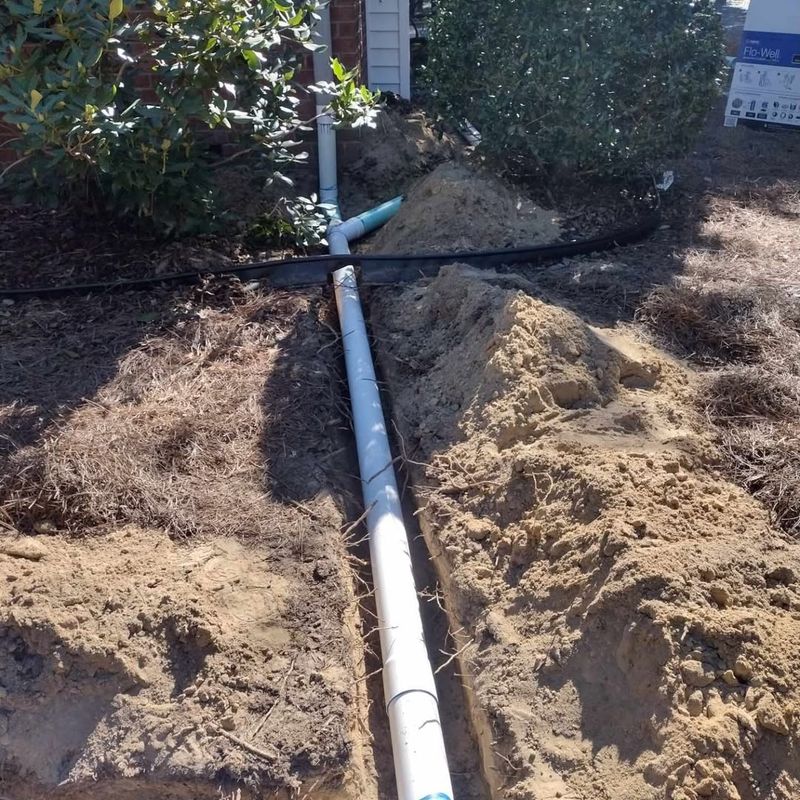
Waterlogged soil creates a hostile environment for hyacinth bulbs, yet many Ohio gardeners overlook drainage when selecting planting locations.
Heavy clay soils common in Ohio retain excessive moisture that causes bulbs to rot before they ever produce flowers or foliage.
Hyacinths require well-draining soil that allows water to move through quickly after rain or irrigation.
Standing water suffocates bulbs by cutting off oxygen supply to developing roots.
Testing drainage before planting saves disappointment later by revealing problem areas that need amendment or alternative planting spots.
Simply observe how quickly water disappears after a heavy rain or dig a test hole and fill it with water.
Good drainage means water should disappear within a few hours rather than sitting for days.
Amending clay soil with compost, sand, or peat moss improves drainage significantly and creates ideal conditions for hyacinth growth.
Raised beds offer another excellent solution for areas with persistent drainage problems throughout your Ohio property.
3. Choosing The Wrong Planting Time
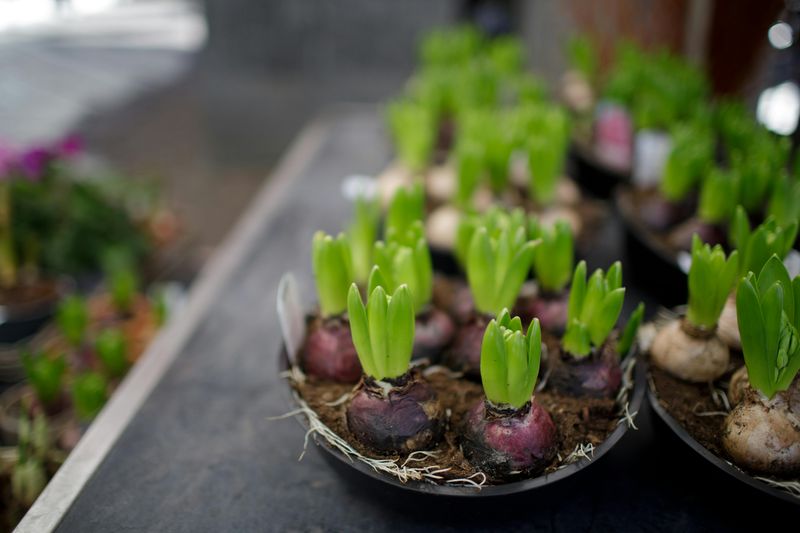
Timing matters tremendously when planting hyacinths, but many Ohio gardeners miss the optimal window and compromise their spring display.
Spring planting seems logical since that is when flowers appear, but bulbs actually need fall planting to develop properly.
Hyacinths require a cold period to trigger blooming, which only happens when bulbs are planted before winter arrives.
Ohio’s climate provides perfect conditions when bulbs go in the ground during October or early November.
Your Ohio Garden Changes Every Week. Your Plan Should Too.
Gardening in Ohio changes quickly throughout the season. Every Friday you’ll receive a simple weekly plan showing exactly what to plant, prune, fertilize, harvest, and protect so you never miss the right timing.
Planting too early in warm September weather can cause premature sprouting that leaves plants vulnerable to winter damage and failure.
Waiting until December or later means frozen ground prevents proper planting and roots cannot establish before spring growth begins.
The sweet spot falls between mid-October and Thanksgiving for most Ohio regions.
Monitoring soil temperature helps determine the perfect moment, with ideal planting occurring when ground temperature drops to around fifty degrees Fahrenheit.
Local garden centers often stock bulbs at the right time, providing a helpful reminder for busy gardeners.
4. Selecting Poor Quality Bulbs
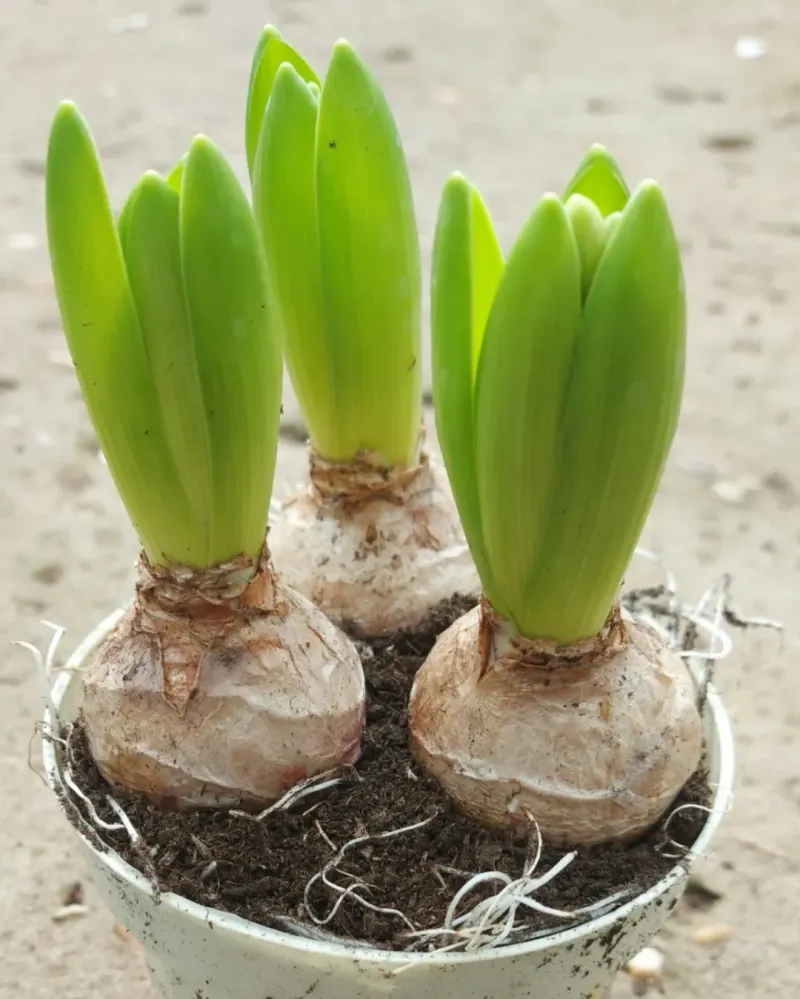
Bargain hunting sometimes backfires when Ohio gardeners purchase cheap, low-quality hyacinth bulbs that never produce satisfactory blooms or healthy plants.
Soft, mushy, or moldy bulbs indicate disease or damage that prevents successful growth regardless of perfect planting technique.
Quality bulbs feel firm and heavy for their size, with intact papery skins and no visible soft spots or blemishes.
Larger bulbs generally produce more impressive flower spikes with more individual blooms than smaller, undersized options.
Shopping at reputable garden centers rather than discount stores increases your chances of getting fresh, properly stored bulbs with vitality.
Inspect each bulb carefully before purchasing, squeezing gently to check firmness and examining for signs of mold or damage.
Reject any bulbs that feel hollow, spongy, or show green sprouting before planting time arrives.
Investing a bit more in premium bulbs delivers far better results than trying to save money on inferior stock.
Remember that healthy bulbs multiply over years, making quality purchases a long-term investment in your Ohio garden’s beauty.
5. Planting In Full Shade
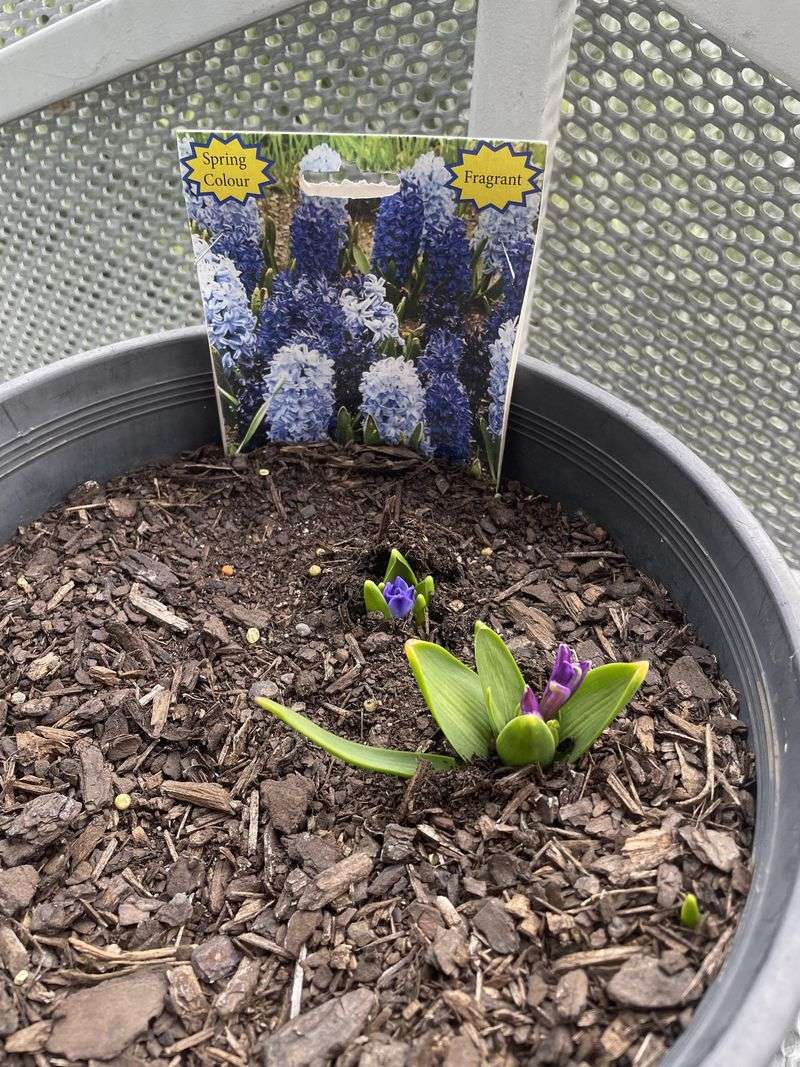
Sunlight fuels flower production, yet some Ohio gardeners mistakenly plant hyacinths in deeply shaded locations expecting beautiful spring blooms.
Hyacinths need at least six hours of direct sunlight daily to produce their characteristic dense flower spikes and vibrant colors.
Shade causes weak, leggy growth with sparse blooms that fail to deliver the spectacular display these bulbs can provide.
Even dappled shade from deciduous trees can reduce flowering quality if the canopy blocks too much light during critical growth periods.
Morning sun proves especially valuable since it dries dew quickly and provides energy during the coolest part of the day.
South-facing locations in Ohio gardens typically offer the most consistent sunlight throughout the spring growing season.
East-facing spots work well too, capturing morning rays while avoiding the hottest afternoon exposure.
Evaluate potential planting sites at different times during spring before committing to a location for your hyacinth display.
Remember that early spring sunlight patterns differ from summer, with bare trees allowing more light penetration before leaves emerge.
6. Skipping Soil Amendment
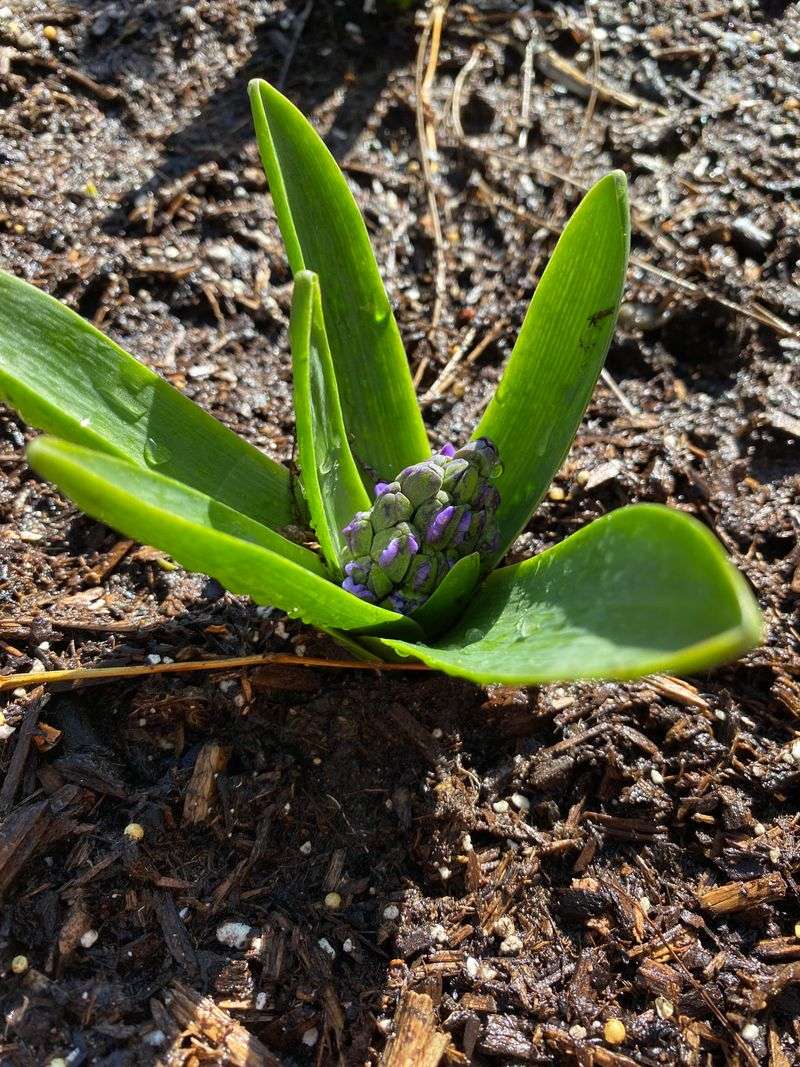
Native Ohio soil often lacks the nutrients and structure hyacinths need, but many gardeners plant directly without any amendments.
Bulbs perform best in nutrient-rich soil that provides essential elements for root development and flower production throughout the growing season.
Organic matter improves soil structure, increases water retention in sandy areas, and enhances drainage in heavy clay common across Ohio.
Compost, aged manure, or leaf mold worked into planting beds before bulbs go in creates ideal growing conditions.
Adding bone meal or bulb fertilizer at planting time provides phosphorus that encourages strong root systems and abundant blooms.
Mix amendments thoroughly into the soil rather than just placing them in the planting hole where they might burn bulbs.
A two to three inch layer of compost worked into the top twelve inches of soil transforms poor ground into prime hyacinth habitat.
Soil testing through your local extension office reveals specific deficiencies that targeted amendments can address for even better results.
Healthy, amended soil supports vigorous growth and helps plants resist stress from Ohio’s variable spring weather conditions.
7. Overcrowding Bulbs
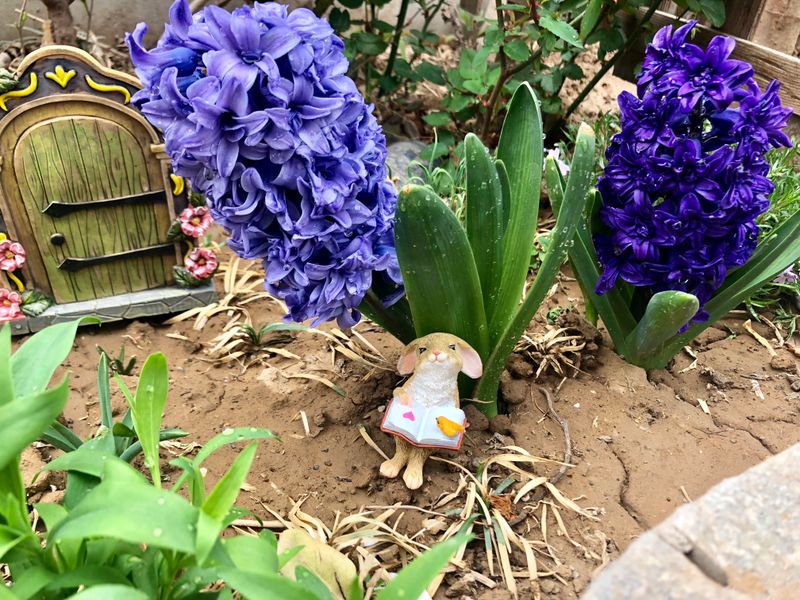
Enthusiasm for spring color sometimes leads Ohio gardeners to cram too many hyacinth bulbs into limited space, creating problems.
Crowded bulbs compete for nutrients, water, and light, resulting in smaller flowers and weaker plants that disappoint compared to expectations.
Each bulb needs adequate room for root expansion and air circulation around emerging foliage to prevent disease development.
Proper spacing allows each plant to reach its full potential without interference from neighbors.
Hyacinths should be planted four to six inches apart, measured from center to center, for optimal growth and display impact.
This spacing creates a full look when blooms appear while providing sufficient resources for each individual bulb.
Closer spacing might seem attractive initially but leads to declining performance over subsequent years as bulbs multiply.
Planning your layout on paper before digging helps visualize the final result and ensures adequate spacing throughout the bed.
Group plantings of five to seven bulbs create natural-looking clusters that make more visual impact than single bulbs scattered randomly.
Resist the temptation to squeeze in extra bulbs that will ultimately compromise your entire planting’s health and beauty.
8. Forgetting Winter Mulch
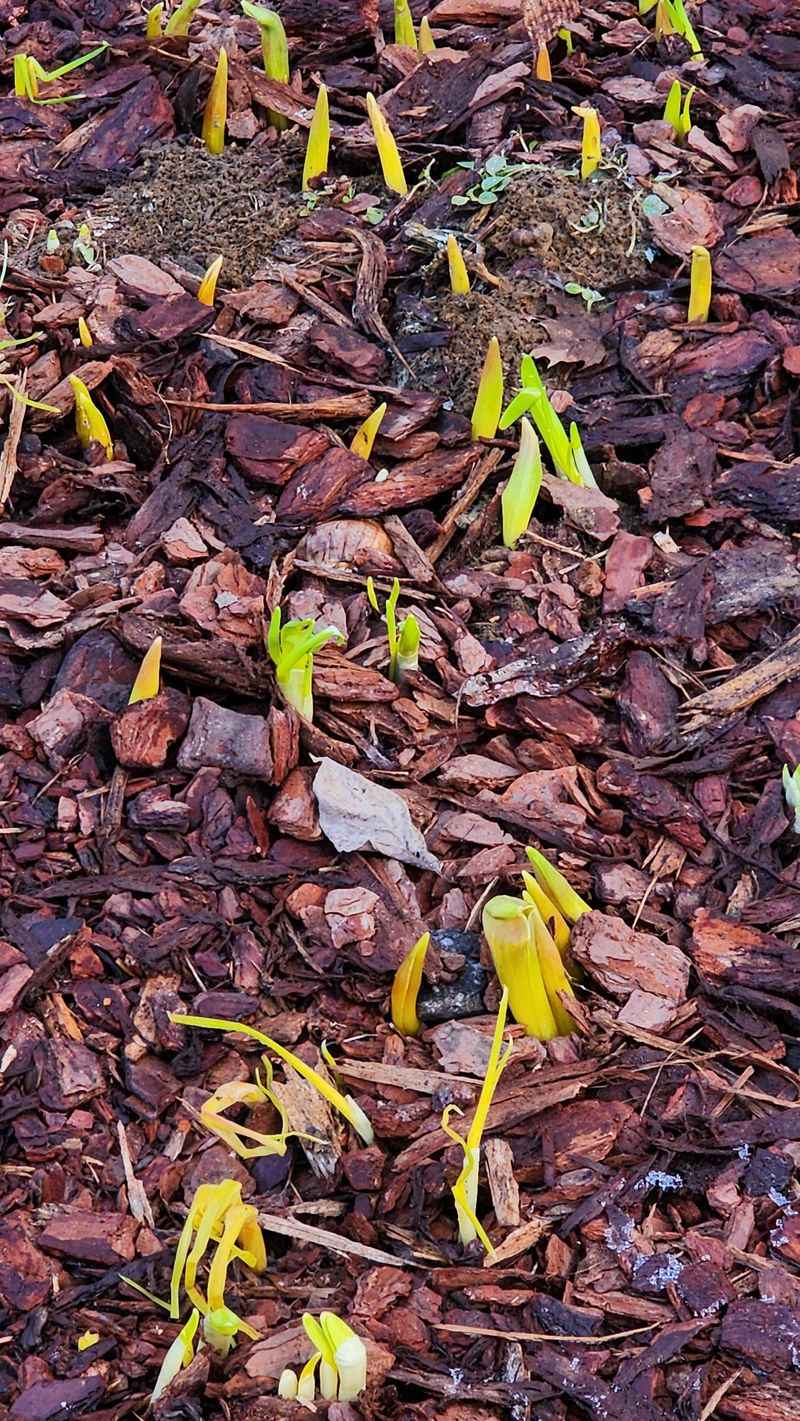
Ohio winters bring harsh conditions that stress hyacinth bulbs, but many gardeners skip the simple step of applying protective mulch.
Mulch insulates soil against extreme temperature swings that can damage bulbs and disrupt their essential cold period development cycle.
A three to four inch layer of shredded leaves, straw, or wood chips protects against the freeze-thaw cycles common in Ohio.
These temperature fluctuations can push bulbs out of the ground or damage developing roots inside the soil.
Apply mulch after the ground freezes but before the coldest winter weather arrives, typically in late November or early December.
Early mulching can attract rodents seeking cozy nesting spots and may keep soil too warm for proper bulb development.
Remove or pull back mulch in early spring when shoots begin emerging to prevent smothering tender new growth.
Organic mulches break down over time, adding valuable nutrients to the soil while providing the protection bulbs need.
Avoid piling mulch directly against shoots or crowns, which can trap moisture and encourage rot rather than protecting plants.
9. Neglecting Post-Bloom Care
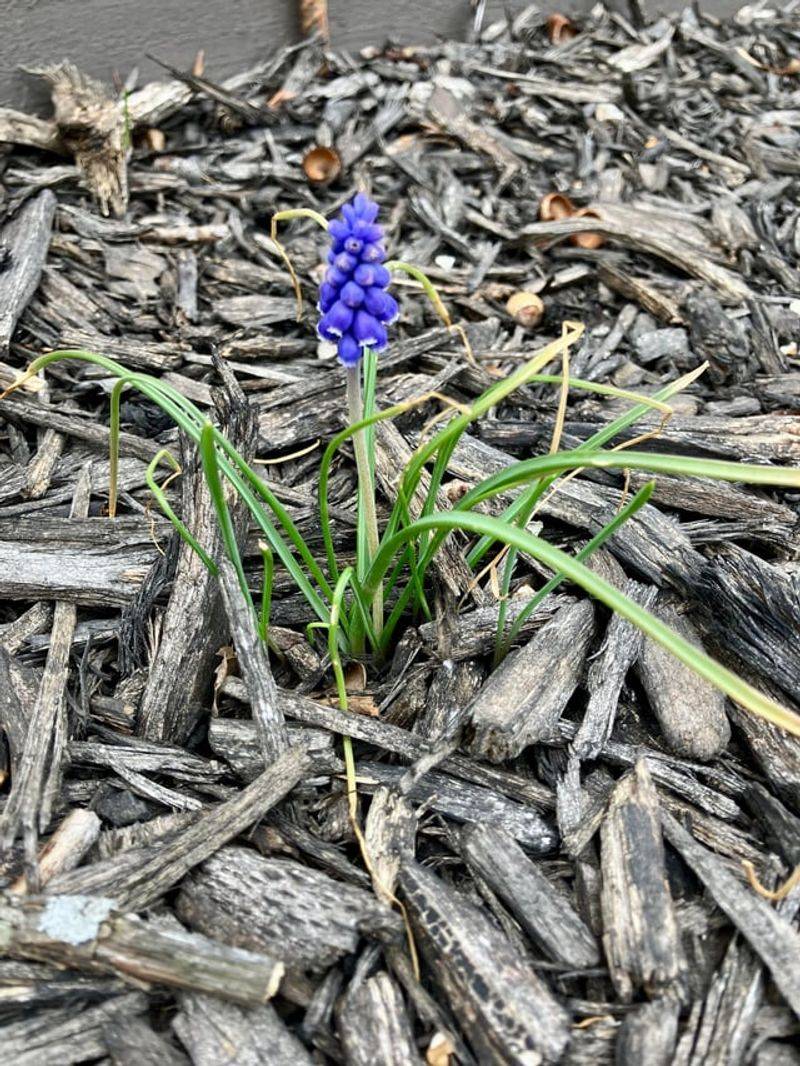
After gorgeous hyacinth blooms fade, many Ohio gardeners immediately cut everything down or ignore plants completely, sabotaging future performance.
Foliage continues working after flowers finish, capturing sunlight to produce energy that replenishes the bulb for next year’s display.
Cutting leaves too early removes this energy production system and leaves bulbs weakened and unable to bloom well subsequently.
Green foliage should remain in place until it yellows naturally, typically six to eight weeks after flowering ends.
Remove spent flower stalks to prevent seed formation that drains energy away from bulb development for future seasons.
Snip off just the flower stalk, leaving all green leaves intact to continue their important photosynthesis work.
Light fertilizer application after blooming provides nutrients that support this energy storage process.
Resist the urge to braid, fold, or rubber-band foliage to tidy up the garden during this awkward post-bloom period.
Such practices reduce leaf surface area and limit the energy production necessary for strong blooms next spring in your Ohio garden beds.