11 Gorgeous Garden Bed Designs California Landscapers Always Recommend
California gardeners know that creating beautiful outdoor spaces requires careful planning and smart design choices that work with the local climate and conditions.
Professional landscapers across the state have tested countless garden bed styles and learned which ones truly thrive in California’s unique Mediterranean environment and soil.
From drought-tolerant arrangements to lush tropical displays, these proven designs combine visual appeal with practical benefits that make maintenance easier and more rewarding.
Transform your yard into a stunning landscape by exploring these expert-approved garden bed designs that California landscapers recommend to homeowners every single day.
1. Drought-Tolerant Native Plant Garden Beds
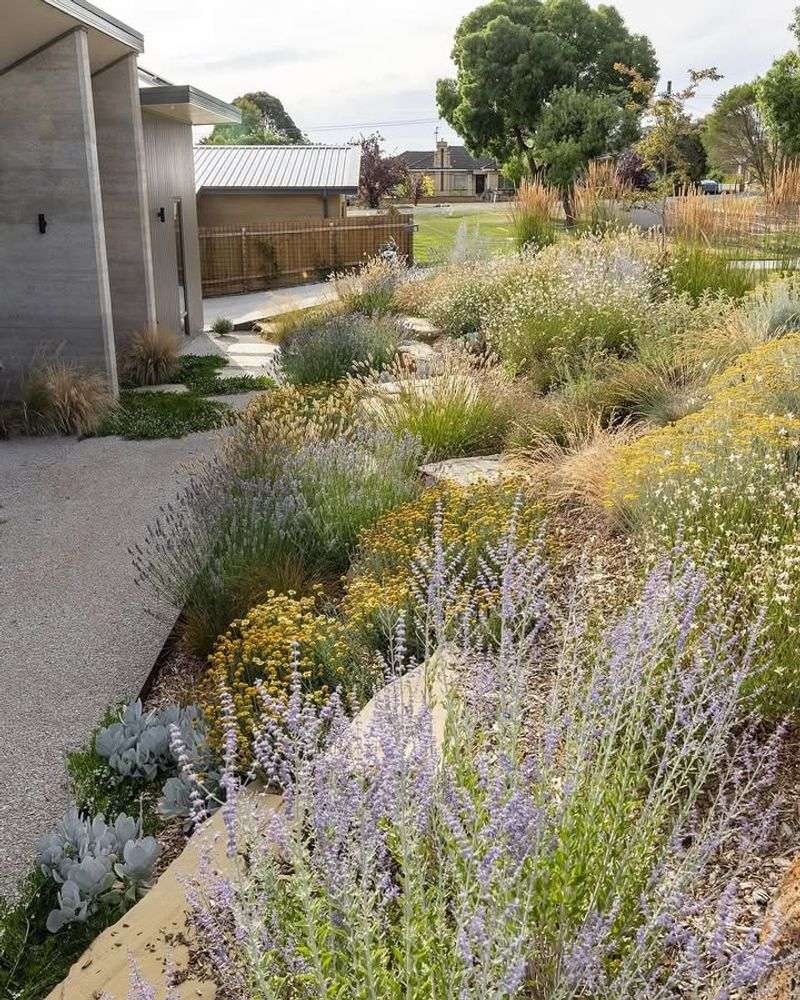
Water conservation matters more than ever in California, making native plant gardens an obvious choice for smart homeowners who want beauty without waste.
Native species have adapted over thousands of years to local rainfall patterns, so they naturally require less irrigation once their roots establish properly in soil.
Landscapers often combine California poppies, sagebrush, manzanita, and various succulents to create textured displays that change beautifully throughout the seasons without constant attention.
These gardens attract local pollinators like butterflies and hummingbirds, bringing movement and life to your outdoor space while supporting the regional ecosystem effectively.
Rock mulch or decomposed granite works perfectly as ground cover, reducing water evaporation while adding visual interest with contrasting colors and textures that complement plants.
Maintenance becomes remarkably simple once plants mature, requiring only occasional pruning and minimal watering during extended dry periods that challenge other garden styles significantly.
Professional landscapers appreciate how these beds save homeowners money on water bills while creating authentic California landscapes that feel natural rather than forced or artificial.
Grouping plants with similar water needs together makes irrigation even more efficient, allowing you to target resources precisely where they provide the most benefit.
2. Raised Wooden Box Garden Beds
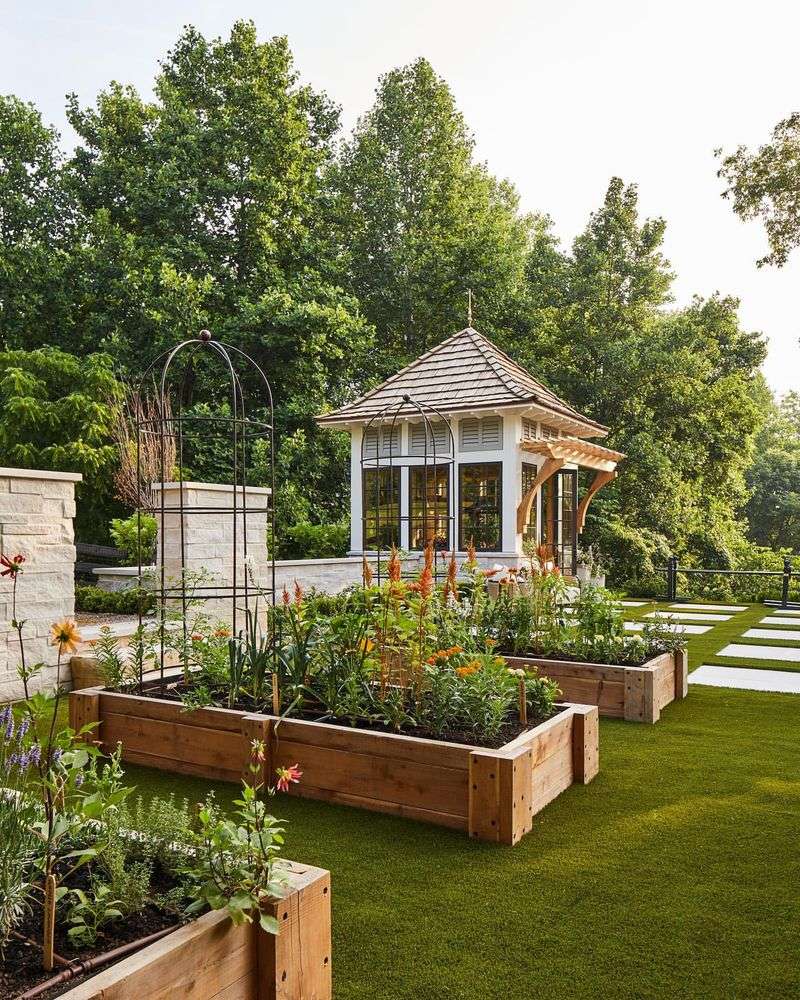
Elevated planting areas solve multiple problems simultaneously, making them favorites among California landscapers who value both function and attractive design in outdoor spaces.
Building beds above ground level improves drainage dramatically, which proves essential in areas with heavy clay soil that retains water and suffocates plant roots.
Your back will thank you for choosing raised beds because they reduce bending and kneeling, making gardening accessible for people with mobility challenges or injuries.
Cedar and redwood remain popular construction materials since they resist rot naturally without requiring chemical treatments that could contaminate edible crops or harm beneficial insects.
Vegetables and herbs thrive in raised beds where you control soil quality completely, adding perfect mixtures of compost and amendments tailored to specific plant requirements.
Warmer soil temperatures in spring give plants an earlier start to the growing season, extending harvest periods and increasing overall productivity from limited garden space.
Landscapers often arrange multiple boxes in geometric patterns that create visual interest while maximizing planting area within small yards or narrow side areas beside homes.
Pest control becomes easier when beds sit elevated, as barriers prevent many ground-dwelling insects and slugs from reaching your prized tomatoes and leafy greens effortlessly.
3. Mediterranean Herb Spiral Garden Beds
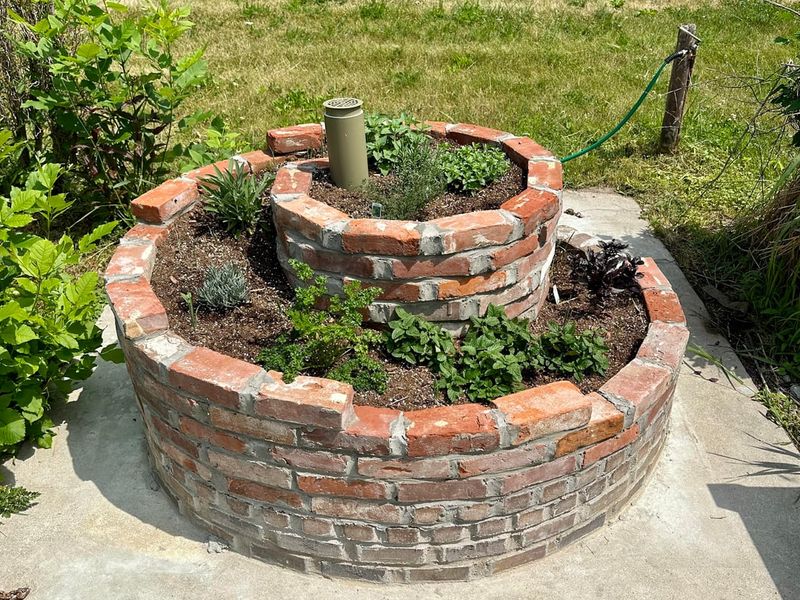
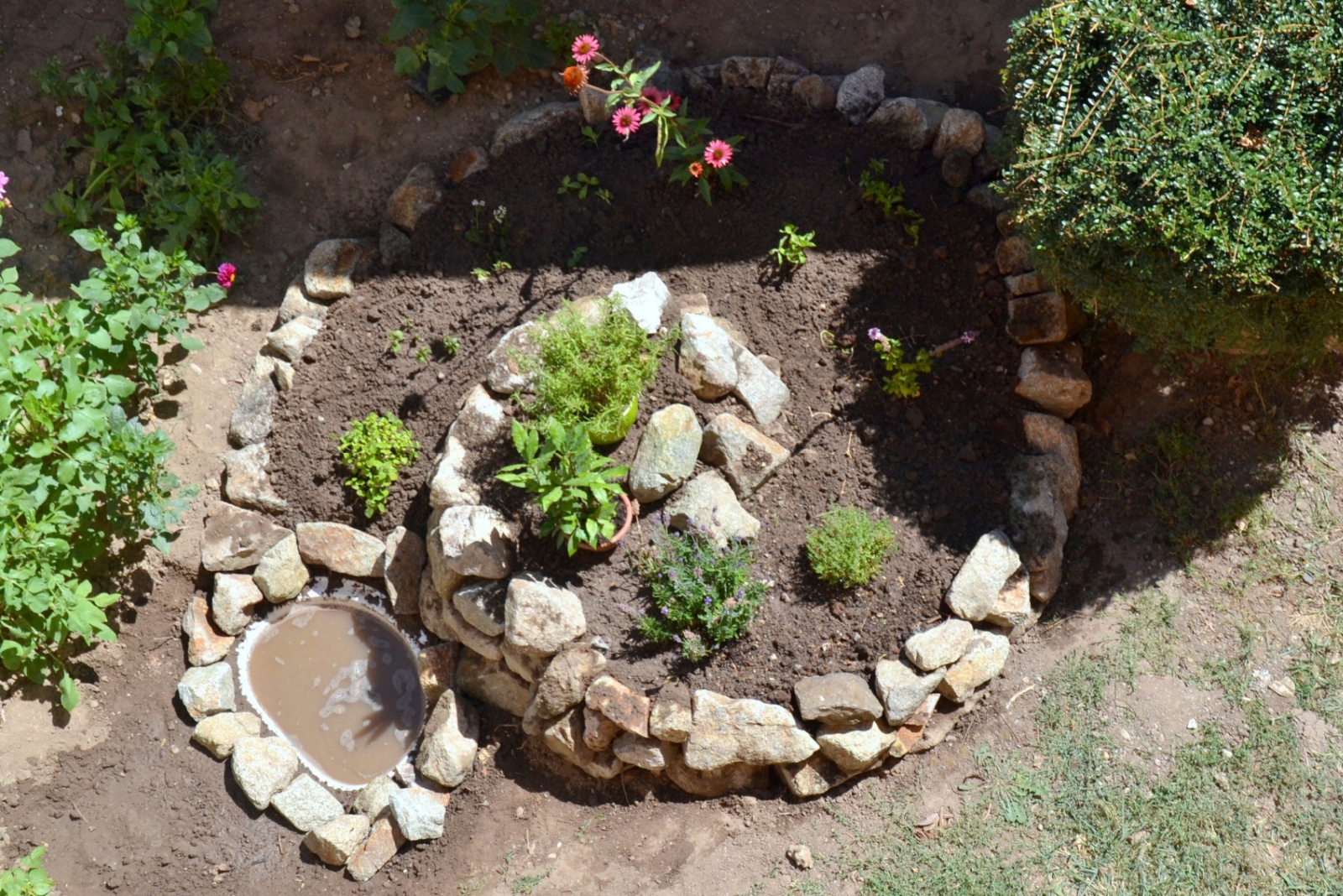
Vertical growing spaces packed into compact footprints make herb spirals brilliant solutions for homeowners who want maximum variety without dedicating large areas to gardening.
Your California Garden Changes Every Week. Your Plan Should Too.
Gardening in California changes quickly throughout the season. Every Friday you’ll receive a simple weekly plan showing exactly what to plant, prune, fertilize, harvest, and protect so you never miss the right timing.
Stone or brick spirals rise from ground level to create multiple microclimates, with moisture-loving herbs at the base and drought-preferring varieties near the sunny top.
Rosemary, thyme, oregano, and lavender all originate from Mediterranean regions with climates remarkably similar to California, so they flourish here with minimal intervention or care.
Walking around the spiral allows easy access to every plant without stepping into the bed, preventing soil compaction that damages root systems and reduces growth.
These structures become focal points in landscapes, drawing eyes with their unusual shape and providing conversation starters when guests visit your outdoor living areas regularly.
Building height creates better drainage naturally, as water flows downward through layers, allowing you to position herbs according to their specific moisture preferences and sunlight requirements.
Fresh herbs right outside your kitchen door transform everyday cooking, encouraging experimentation with flavors that elevate simple meals into restaurant-quality dishes your family will love.
Landscapers appreciate how herb spirals combine practical food production with sculptural beauty, proving that functional gardens can serve as artistic elements in thoughtfully designed yards.
4. Cottage-Style Mixed Flower Garden Beds
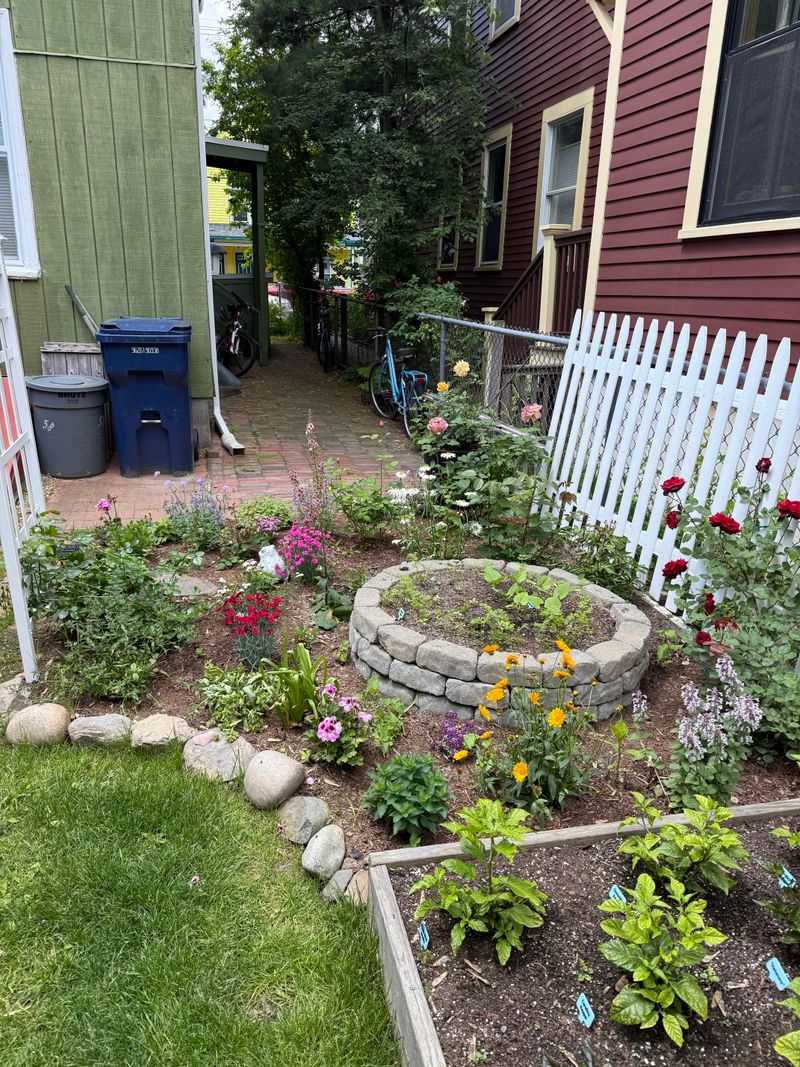
Romantic, overflowing flower beds bring old-world charm to California properties, creating spaces that feel like secret gardens pulled straight from storybooks and childhood memories.
Informal planting styles characterize cottage gardens, where flowers intermingle freely without rigid organization, resulting in natural-looking displays that bloom continuously throughout warm months.
Roses form traditional backbones for these designs, providing height and structure while contributing intoxicating fragrances that drift through open windows on warm summer evenings.
Filling gaps between larger plants with annuals like cosmos, zinnias, and sweet alyssum ensures color remains constant even as perennials finish their blooming cycles.
Landscapers recommend including plants with different bloom times to maintain visual interest from early spring through late fall, preventing bare patches that look neglected.
Pathways winding through cottage beds invite exploration and create intimate spaces within larger yards, adding depth and mystery that makes properties feel bigger than actual measurements.
These gardens attract beneficial insects and pollinators in abundance, creating buzzing, living ecosystems that support healthy plant growth while providing endless entertainment for curious observers.
Maintenance involves deadheading spent blooms and occasional dividing of perennials, tasks that many gardeners find meditative and rewarding rather than burdensome or time-consuming chores.
5. Succulent Rock Garden Beds

Low-maintenance landscapes reach their peak with succulent gardens that practically care for themselves once established, making them perfect for busy professionals and frequent travelers.
Incredible variety exists within succulent families, offering endless combinations of colors, textures, and forms that create visually stunning compositions rivaling traditional flower displays.
Rocks and boulders provide structural elements that contrast beautifully with soft succulent rosettes, while also serving practical purposes by retaining heat and improving drainage.
California’s mild winters allow most succulents to remain outdoors year-round, eliminating the hassle of moving plants indoors or protecting them with coverings during cold snaps.
Propagation happens easily with succulents, as leaves and offsets root readily, allowing you to expand your collection or share plants with friends without purchasing new specimens.
Landscapers often incorporate architectural varieties like agave and aloe as focal points, surrounding them with lower-growing sedums and echeverias that fill spaces without competing visually.
Watering requirements drop to nearly nothing once plants establish, with monthly deep soakings often sufficient even during summer, saving water and reducing maintenance time dramatically.
These gardens look intentionally designed and modern, appealing to homeowners who prefer clean, contemporary aesthetics over traditional English garden styles that require constant fussing.
6. Terraced Hillside Garden Beds
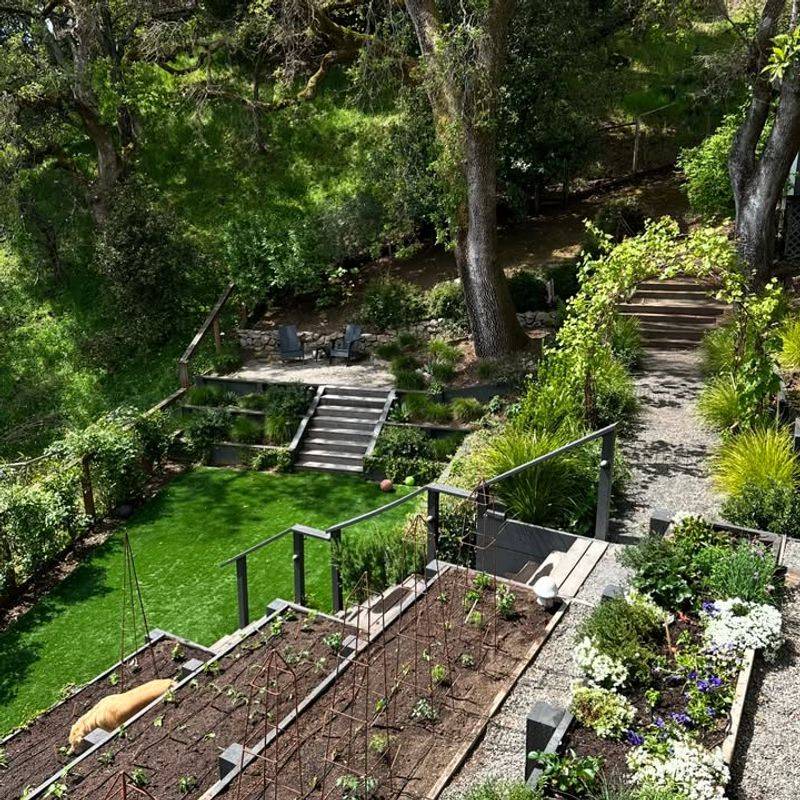
Sloped properties present challenges that terracing transforms into opportunities, creating multiple flat planting areas where previously only erosion and maintenance headaches existed for frustrated homeowners.
Retaining walls hold soil in place while creating distinct garden zones at different elevations, adding architectural interest and making previously unusable slopes functional and beautiful.
Erosion control becomes automatic with terraced beds, as plants root deeply into each level, stabilizing soil and preventing runoff that damages foundations and creates muddy messes.
Watering efficiency improves dramatically since water moves from upper terraces downward naturally, allowing you to irrigate top levels while gravity carries moisture to plants below.
Landscapers recommend planting drought-tolerant species on upper terraces where soil dries fastest, reserving moisture-loving plants for lower levels that receive runoff from areas above.
Visual drama increases as terraces create layered displays visible from multiple vantage points, transforming flat, boring views into dynamic landscapes with depth and dimensional interest.
Maintenance becomes easier when slopes are terraced, as flat surfaces allow safe footing while working, eliminating the dangerous balancing acts required when gardening on steep inclines.
Stone, timber, or concrete block retaining walls offer different aesthetic options, allowing you to match existing architecture and create cohesive designs throughout your entire property seamlessly.
7. Edible Landscape Garden Beds
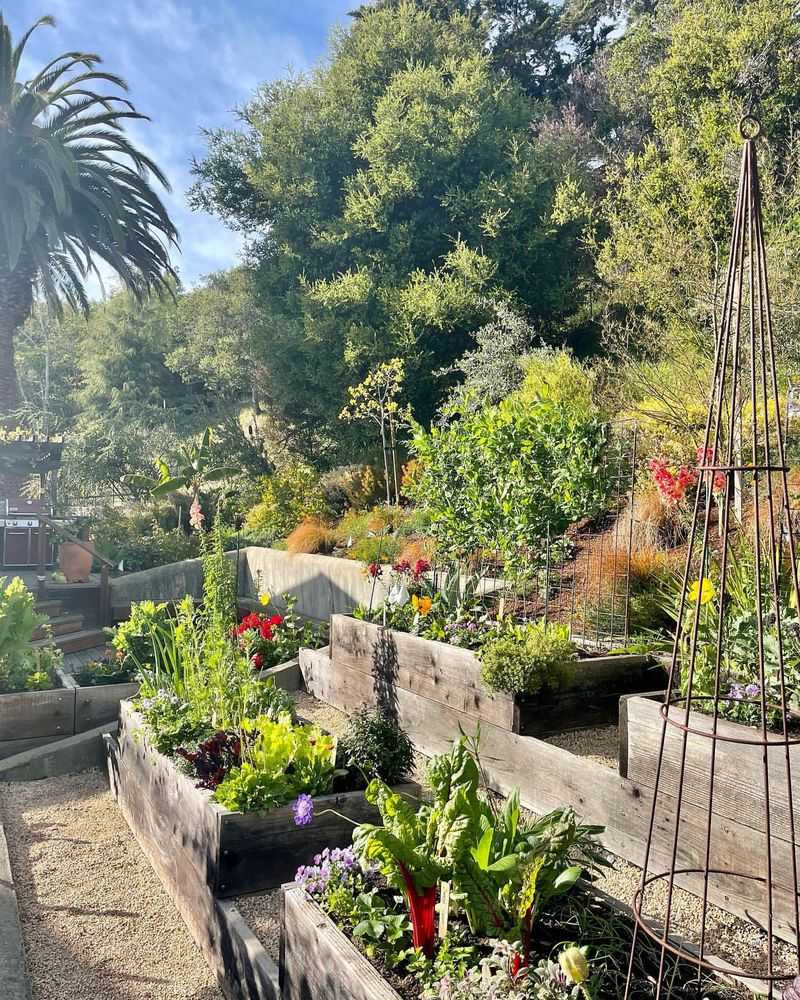
Why separate ornamental and edible plants when combining them creates beautiful, productive gardens that challenge outdated ideas about how front yards should look and function?
Many vegetables offer stunning visual appeal, with rainbow chard providing colorful stems, purple kale adding dramatic foliage, and strawberry plants creating attractive groundcover with seasonal fruit.
California’s extended growing season allows year-round food production in many regions, making edible landscapes practical investments that reduce grocery bills while beautifying properties simultaneously.
Landscapers mix vegetables with flowers strategically, using ornamentals to confuse pests and attract beneficial insects that protect crops naturally without chemical sprays or treatments.
Formal designs with geometric beds and neat edges make edible gardens appropriate for front yards in neighborhoods with strict aesthetic standards or homeowner association rules.
Artichokes grow into impressive architectural plants reaching several feet tall, providing structural elements while producing delicious buds that taste incredible when harvested at peak ripeness.
Children develop better eating habits when they participate in growing food, making edible landscapes valuable teaching tools that create lifelong healthy relationships with fresh produce.
Succession planting keeps beds productive continuously, as you harvest mature crops and immediately replant with new seedlings, maximizing output from limited space throughout the year.
8. Ornamental Grass Garden Beds
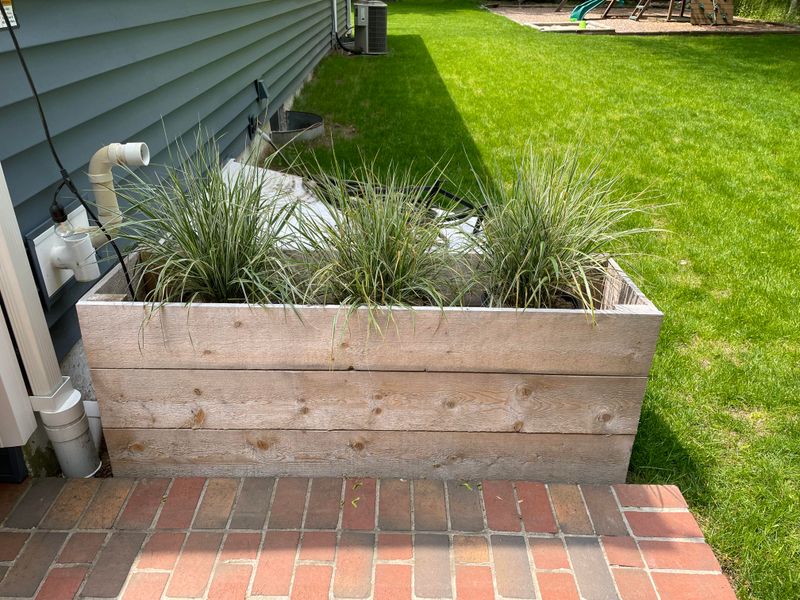
Movement and sound enter landscapes through ornamental grasses that sway with breezes, creating living sculptures that change constantly throughout the day and across seasons.
Low water requirements make grasses ideal for California gardens, as most varieties thrive with minimal irrigation once established, tolerating drought conditions that stress other plants.
Texture contrasts beautifully when grasses mix with broad-leafed plants, creating visual interest through form rather than relying solely on color for impact in landscape designs.
Year-round interest comes naturally to grass gardens, as many varieties develop attractive seed heads and tan winter colors that provide beauty even during dormant months.
Landscapers appreciate how grasses fill large areas quickly, establishing dense plantings that suppress weeds naturally while requiring minimal maintenance compared to traditional flower beds.
Privacy screening happens organically as taller varieties like feather reed grass reach heights of five feet or more, creating natural barriers without the formality of hedges.
Birds flock to grass gardens seeking seeds and nesting materials, adding wildlife activity that brings properties to life with song and movement throughout seasons.
Modern aesthetics suit grass-dominated designs perfectly, as their clean lines and natural forms complement contemporary architecture better than fussy, traditional flower arrangements that feel dated.
9. Shaded Woodland Garden Beds
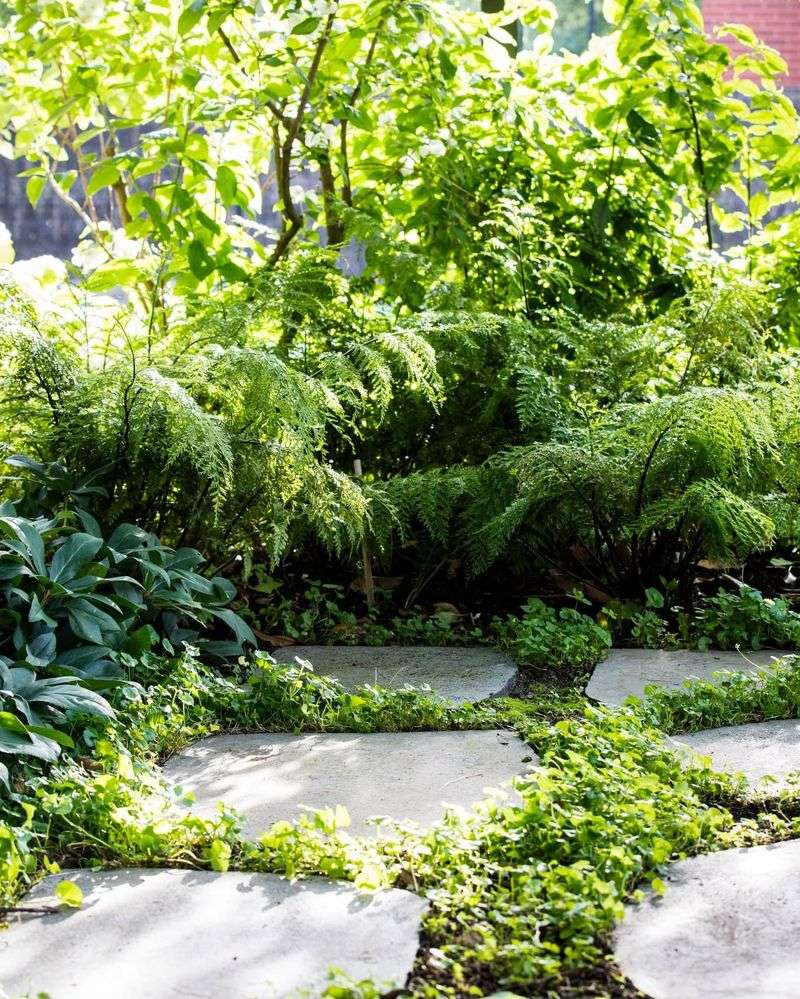
Trees create challenges for gardeners, but shade gardens transform problem areas into serene retreats filled with plants that actually prefer protection from California’s intense sunshine.
Ferns bring prehistoric elegance to shaded spaces, unfurling delicate fronds that create soft, textured displays requiring little care beyond occasional watering during extended dry periods.
Coral bells offer colorful foliage in shades ranging from deep purple to bright lime, proving that shade gardens need not rely solely on green leaves.
Layered plantings mimic natural forest floors, with taller perennials providing mid-level interest while groundcovers spread beneath, filling spaces and preventing weeds from establishing successfully.
Moisture retention improves in shaded areas, reducing watering frequency and allowing you to grow plants that would struggle in sunny, exposed locations where soil dries rapidly.
Landscapers recommend adding organic mulch generously, as decomposing materials enrich soil while maintaining consistent moisture levels that shade-loving plants prefer for optimal growth and health.
Pathways through woodland gardens create peaceful walking spaces where dappled sunlight filters through tree canopies, offering quiet spots for morning coffee or evening relaxation away from noise.
Spring bulbs naturalize beautifully under deciduous trees, blooming before leaves emerge and then going dormant during summer when shade becomes too dense for flowering.
10. Contemporary Geometric Garden Beds
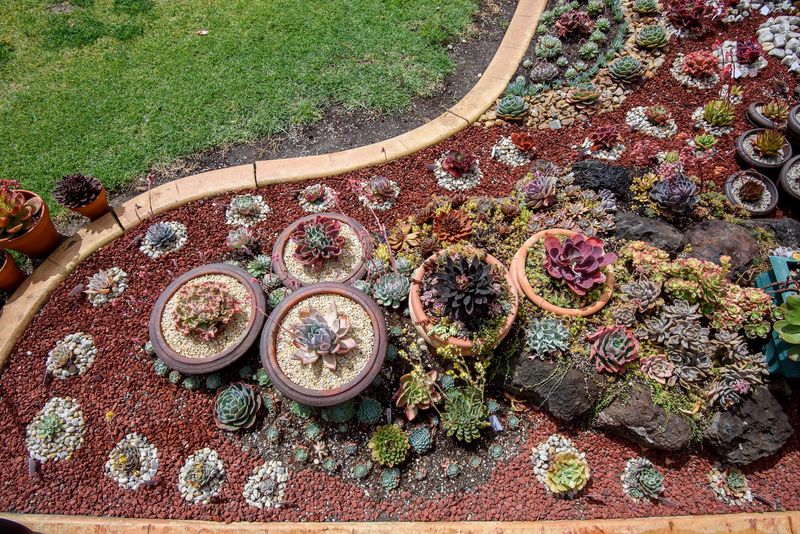
Clean lines and bold shapes define contemporary gardens that complement modern architecture, creating outdoor spaces as stylish as interior rooms with carefully curated furnishings.
Concrete, steel, or composite edging materials provide crisp boundaries that separate planting areas from hardscaping, maintaining distinct zones that look intentional and professionally designed.
Plant selection focuses on form and texture rather than color, with architectural specimens like yucca, agave, and sculptural grasses providing dramatic focal points against simple backgrounds.
Repetition creates rhythm in geometric designs, as landscapers plant the same species in multiple beds, establishing visual connections that unify spaces and guide eyes through landscapes.
Negative space becomes as important as planted areas, with gravel or decomposed granite providing neutral surfaces that highlight plants rather than competing for attention visually.
Maintenance stays minimal in contemporary gardens, as design simplicity translates to fewer plants requiring care, and hardscaping reduces areas needing regular attention or seasonal replanting.
Lighting transforms geometric beds after dark, with uplights highlighting architectural plants and creating dramatic shadows that turn gardens into nighttime sculptures visible through windows.
These designs age gracefully, as their fundamental structure remains strong even as individual plants mature, unlike trend-dependent styles that look dated within a few years.
11. Pollinator-Friendly Wildflower Garden Beds

Buzzing bees and fluttering butterflies bring gardens to life, transforming static plant displays into dynamic ecosystems that support crucial species while providing endless entertainment.
Native wildflowers adapted to California conditions bloom reliably without amendments or excessive care, making pollinator gardens both environmentally responsible and remarkably easy to maintain.
Planting diversity matters enormously, as different pollinators prefer specific flower shapes, colors, and bloom times, so variety ensures continuous activity throughout the growing season.
Landscapers avoid pesticides completely in pollinator gardens, relying instead on beneficial insects to control pests naturally while protecting the very creatures these gardens aim to support.
Seed mixes designed specifically for California include species that germinate reliably in local soils, eliminating guesswork and increasing success rates for beginning gardeners attempting their first projects.
Children become fascinated watching pollinators work, making these gardens valuable educational tools that teach ecology lessons more effectively than any textbook or classroom presentation ever could.
Fall and winter interest continues as seed heads remain standing, providing food for birds and adding structural elements that look beautiful covered with morning frost.
Community impact extends beyond individual properties, as connected pollinator gardens create corridors allowing beneficial insects to travel safely through developed areas that otherwise offer limited habitat.