13 Overlooked Winter Garden Chores That Make Spring Easier In North Carolina
Winter gardening in North Carolina offers a unique opportunity to prepare your outdoor spaces for the growing season ahead successfully.
Many gardeners miss important tasks during colder months that could save them considerable time and effort when warmer weather arrives.
Taking care of these overlooked chores now means you will enjoy a healthier garden with less work in spring.
Your garden will thank you for the extra attention during winter when most neighbors have already put away their tools.
1. Clean And Sharpen Your Garden Tools
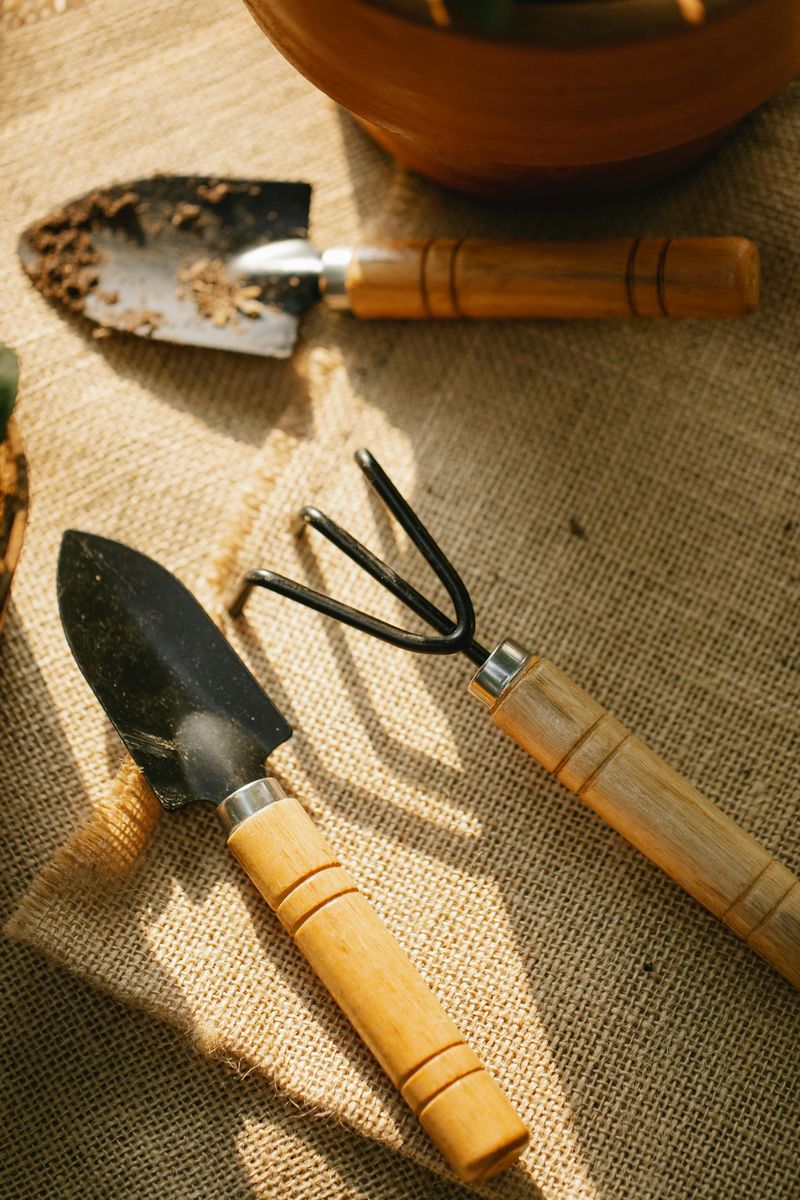
Garden tools work much better when they receive proper maintenance during the off-season months in North Carolina winters.
Rust and dirt accumulate on blades throughout the year, making cutting and digging tasks harder than they need to be.
Remove soil and debris from shovels, hoes, and rakes using a stiff brush and warm soapy water for best results.
Sharpen pruning shears and loppers with a metal file or sharpening stone to ensure clean cuts that heal quickly.
Apply a thin coat of oil to metal surfaces to prevent rust from forming during storage in damp conditions.
Wooden handles benefit from sanding and a protective coat of linseed oil to prevent cracking and splintering over time.
Organized tools stored properly will be ready when you need them most during the busy planting season ahead.
This simple maintenance routine extends the life of your equipment and makes spring gardening tasks significantly more enjoyable.
2. Test And Amend Your Garden Soil
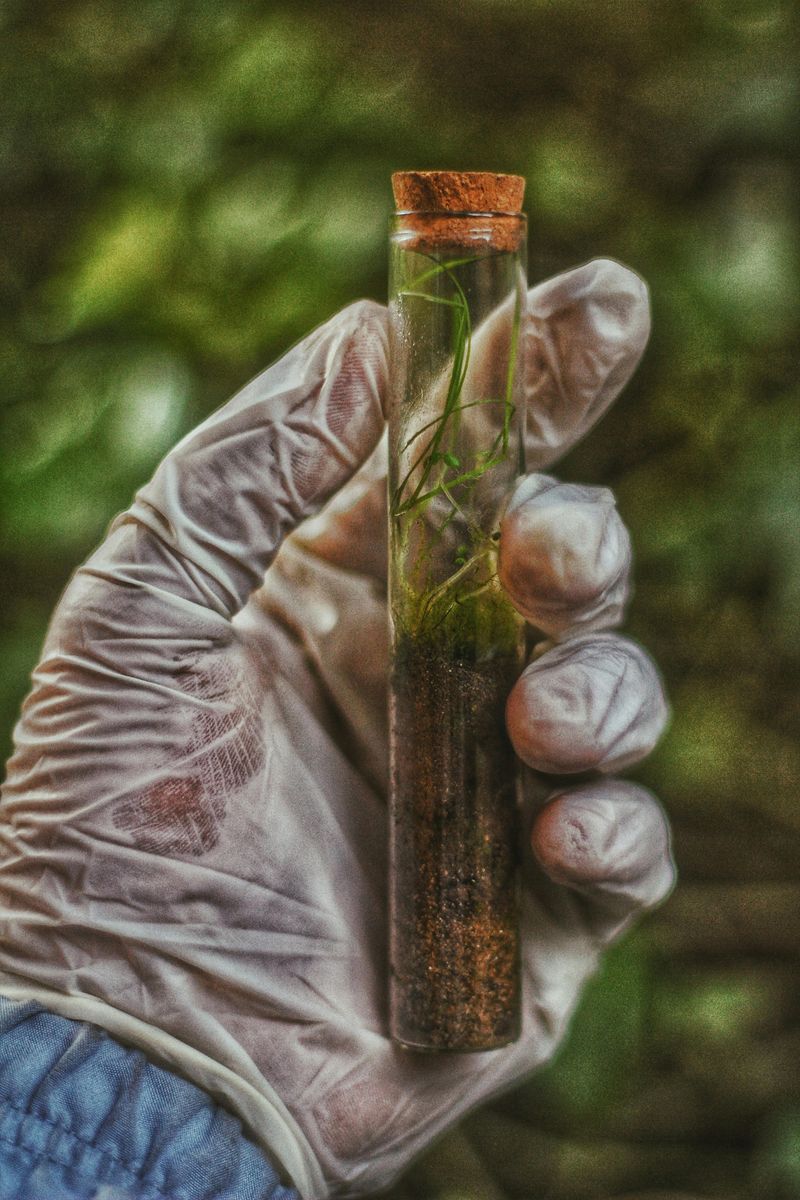
Soil health determines how well your plants will grow, so testing during winter gives you time to make necessary adjustments.
North Carolina soils often run acidic, which affects nutrient availability for many vegetables and flowers you plan to grow.
Purchase a soil testing kit from your local extension office or garden center for accurate pH and nutrient readings.
Winter provides the perfect window to add lime if your soil needs sweetening or sulfur if it requires more acidity.
Amendments need several weeks to integrate properly, so applying them now ensures they are ready when planting time arrives.
Compost added during winter breaks down slowly, enriching your beds with organic matter and beneficial microorganisms throughout the season.
Mark areas that need special attention so you remember which beds received which treatments when spring planting begins soon.
Proper soil preparation now means healthier plants, better yields, and fewer problems with diseases and nutrient deficiencies later on.
3. Prune Dormant Trees And Shrubs
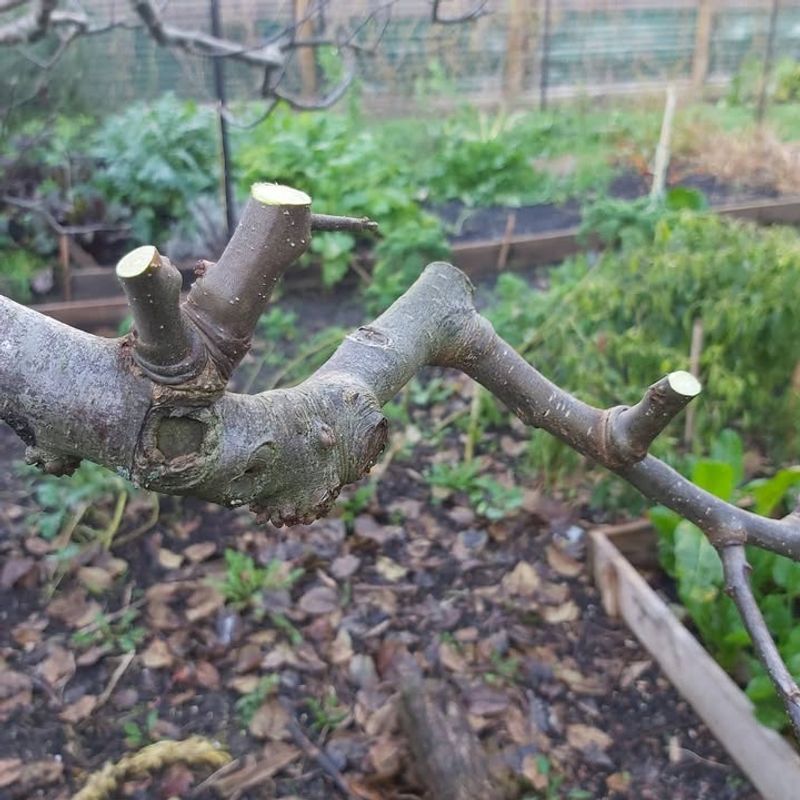
Pruning during dormancy allows you to see the structure of woody plants clearly without leaves blocking your view entirely.
Most deciduous trees and shrubs benefit from strategic cuts that remove withered, damaged, or crossing branches before spring growth.
North Carolina winters provide ideal conditions because plants are resting and sap flow is minimal, reducing stress on specimens.
Remove branches that grow inward or rub against each other, as these create wounds that invite pests and diseases later.
Shape fruit trees now to improve air circulation and sunlight penetration, which leads to better fruit production next season.
Your North Carolina Garden Changes Every Week. Your Plan Should Too.
Gardening in North Carolina changes quickly throughout the season. Every Friday you’ll receive a simple weekly plan showing exactly what to plant, prune, fertilize, harvest, and protect so you never miss the right timing.
Avoid pruning spring-blooming shrubs like azaleas and forsythia, as they set buds in fall for early flowering displays.
Make clean cuts just above outward-facing buds at a slight angle to encourage proper healing and attractive growth patterns.
This dormant-season pruning sets the stage for vigorous spring growth and reduces the workload when everything starts growing rapidly.
4. Mulch Garden Beds Generously
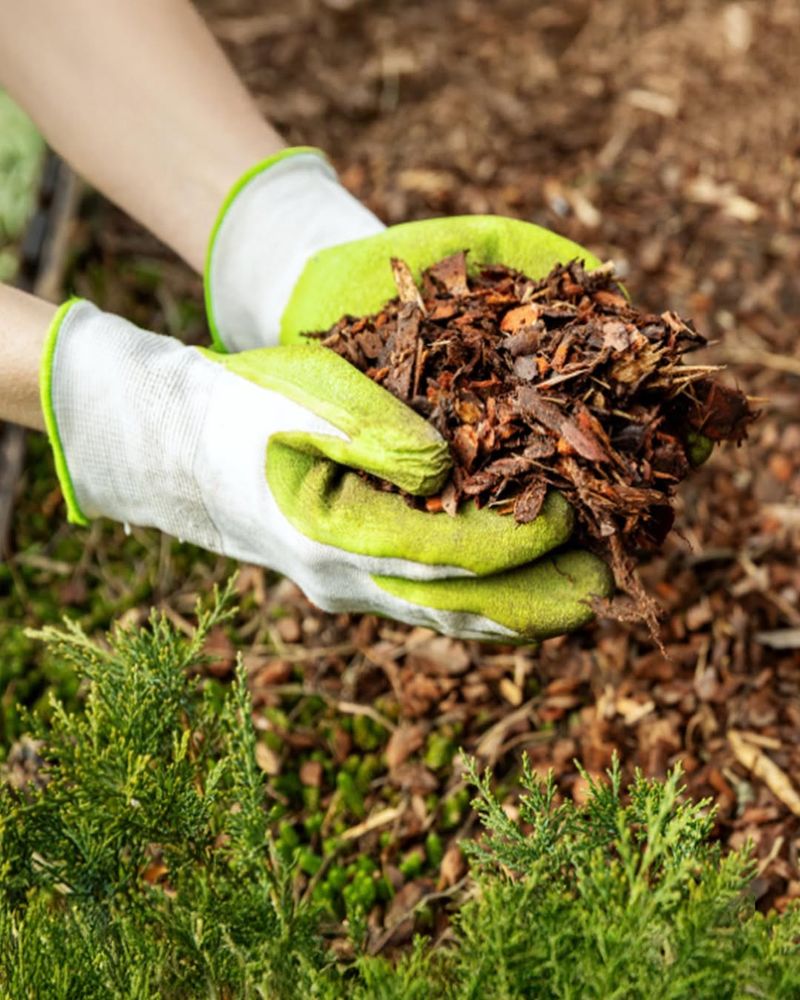
Applying mulch during winter protects plant roots from temperature fluctuations that can damage or heave perennials from the ground.
North Carolina experiences freeze-thaw cycles that stress plants, but a thick mulch layer insulates soil and maintains more consistent temperatures.
Spread two to four inches of shredded leaves, pine straw, or wood chips around perennials, shrubs, and trees carefully.
Keep mulch pulled back a few inches from plant stems and tree trunks to prevent rot and discourage rodents seeking shelter.
Mulched beds suppress weed seeds that would otherwise germinate in early spring, saving you hours of tedious hand-pulling later.
Organic mulches break down over time, adding valuable organic matter to your soil and improving its structure and fertility.
Winter mulching also prevents soil erosion during heavy rains that wash away valuable topsoil from unprotected garden beds annually.
Your spring garden will start cleaner and healthier, with plants that suffered less winter stress and fewer weeds competing for resources.
5. Organize and Inventory Garden Supplies
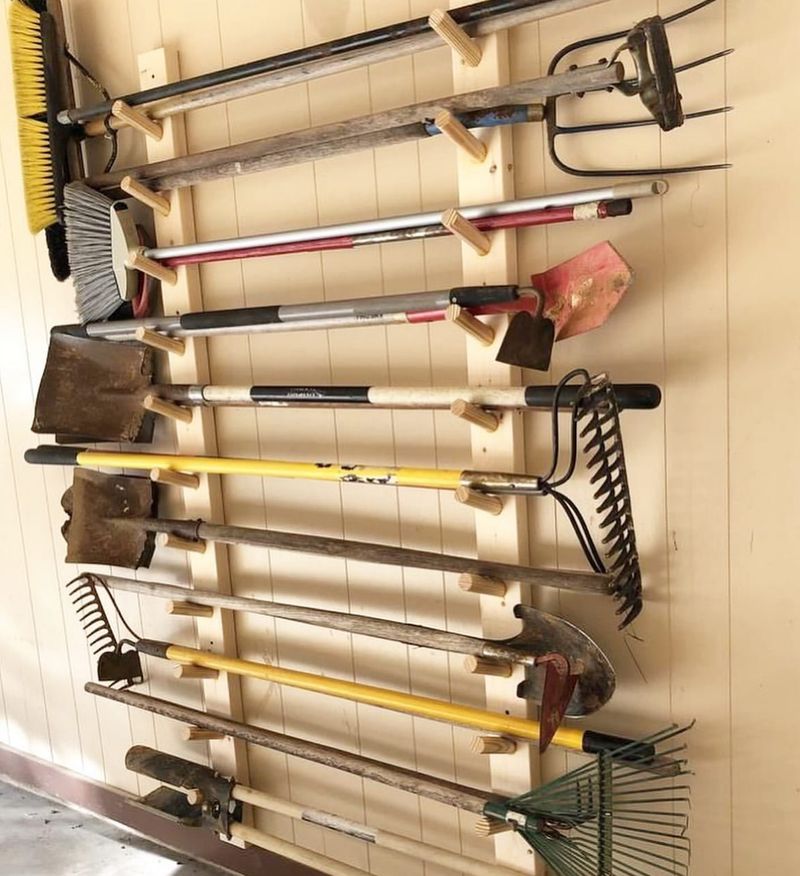
Winter provides the perfect opportunity to sort through accumulated garden supplies and create an organized system for spring efficiency.
Check seed packets for expiration dates and viability, discarding old ones and making a list of replacements you need soon.
Inventory fertilizers, pest controls, and amendments so you know exactly what you have before the busy planting season begins.
Clean and stack pots by size, removing soil and debris that could harbor diseases or pests waiting for warmer weather.
Repair or replace damaged plant labels, stakes, and trellises now rather than discovering problems when you desperately need them later.
Create a shopping list of items you need to purchase so you can take advantage of winter sales at garden centers.
Label storage containers clearly so you can find specific items quickly without wasting time searching through cluttered spaces repeatedly.
An organized workspace makes spring gardening more enjoyable and efficient, allowing you to focus on planting rather than hunting for supplies.
6. Plan Your Spring Garden Layout
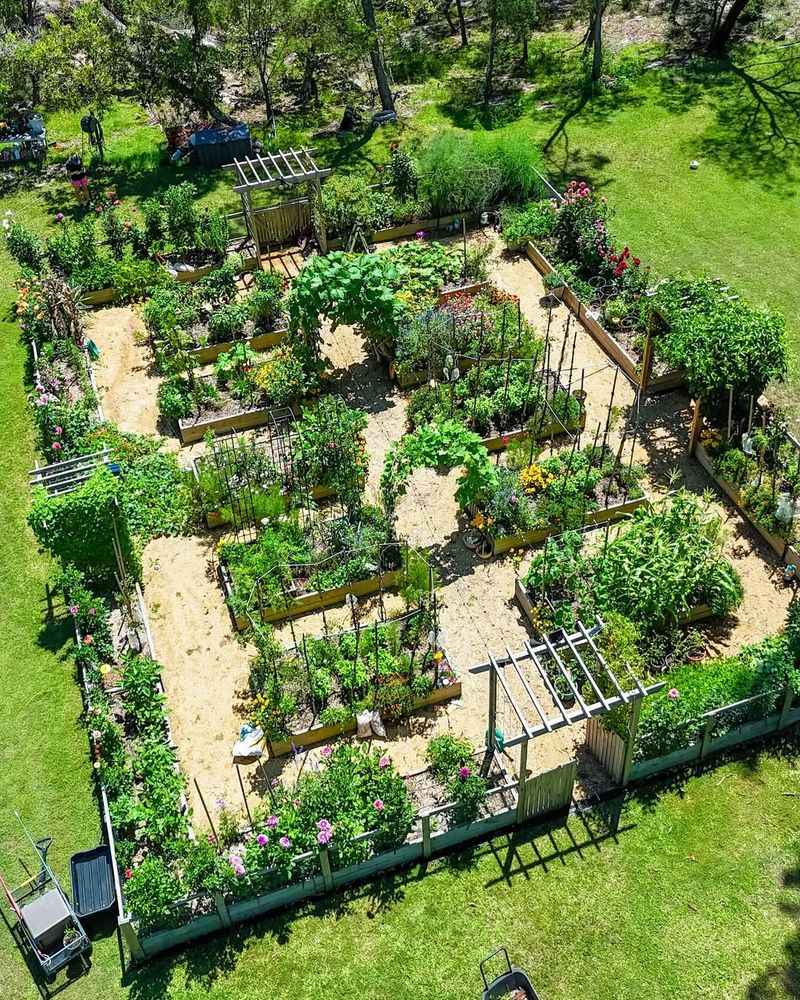
Creating a detailed garden plan during winter prevents impulse purchases and ensures you grow what your family actually wants to eat.
Review last year’s successes and failures in your garden journal to avoid repeating mistakes and maximize productive growing space available.
Crop rotation becomes easier when you map out where each plant family grew previously and plan accordingly for soil health.
North Carolina gardeners can plan for succession planting of cool-season crops followed by warm-season vegetables in the same beds.
Measure your garden spaces accurately and sketch layouts on graph paper to visualize spacing requirements and plant quantities needed.
Research companion planting combinations that improve pest resistance and maximize yields in your specific growing conditions and climate zone.
Order seeds early while selection is best, especially for heirloom varieties and specialty items that sell out quickly each season.
A thoughtful plan saves money, reduces waste, and ensures your garden produces abundantly throughout the entire growing season ahead successfully.
7. Clean Out Bird Houses And Feeders
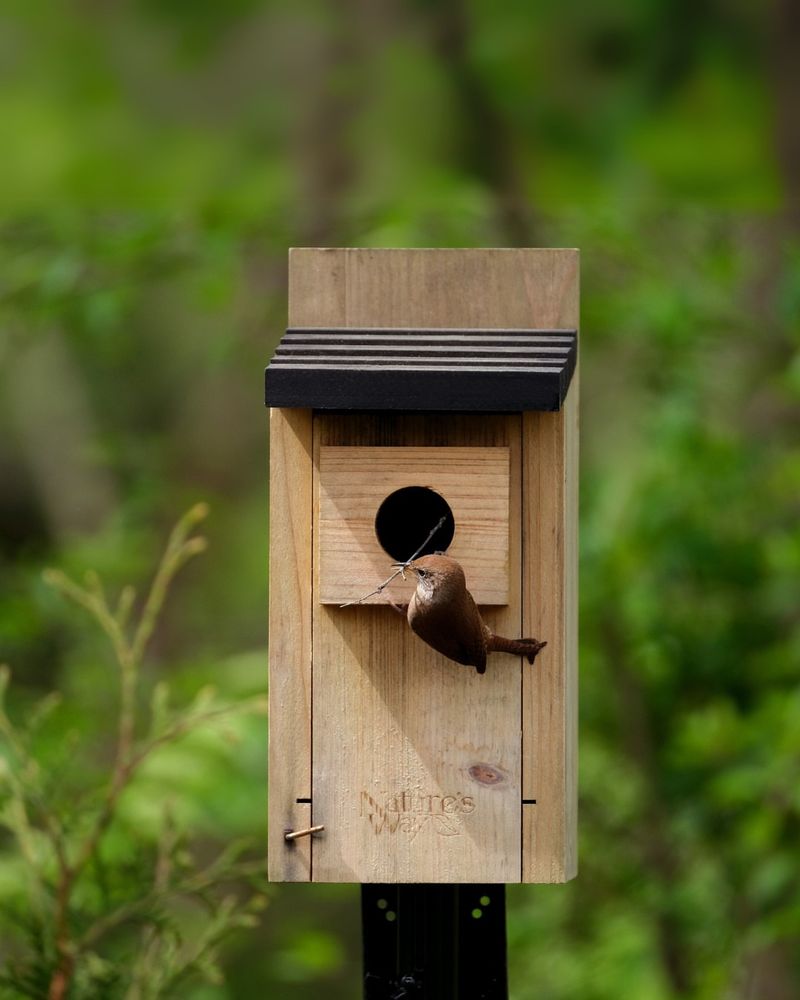
Birds provide valuable pest control services in your garden, so maintaining their houses encourages them to nest nearby each spring.
Old nesting material harbors parasites and diseases that can harm new broods, so removing it protects future feathered residents effectively.
Scrub bird houses with a solution of one part bleach to nine parts water, then rinse thoroughly and dry completely.
Check for damage like loose hinges, cracked wood, or enlarged entrance holes that might allow predators access to vulnerable nestlings.
Repair or replace damaged houses now rather than discovering problems when birds are already searching for suitable nesting sites urgently.
Clean feeders regularly throughout winter to prevent mold and disease from spreading among the birds visiting your yard daily.
Position houses in appropriate locations with proper orientation and height for the specific species you hope to attract successfully.
Well-maintained bird houses and feeders bring beneficial insect-eating allies into your garden, reducing pest problems naturally throughout the growing season in North Carolina.
8. Divide and Transplant Perennials
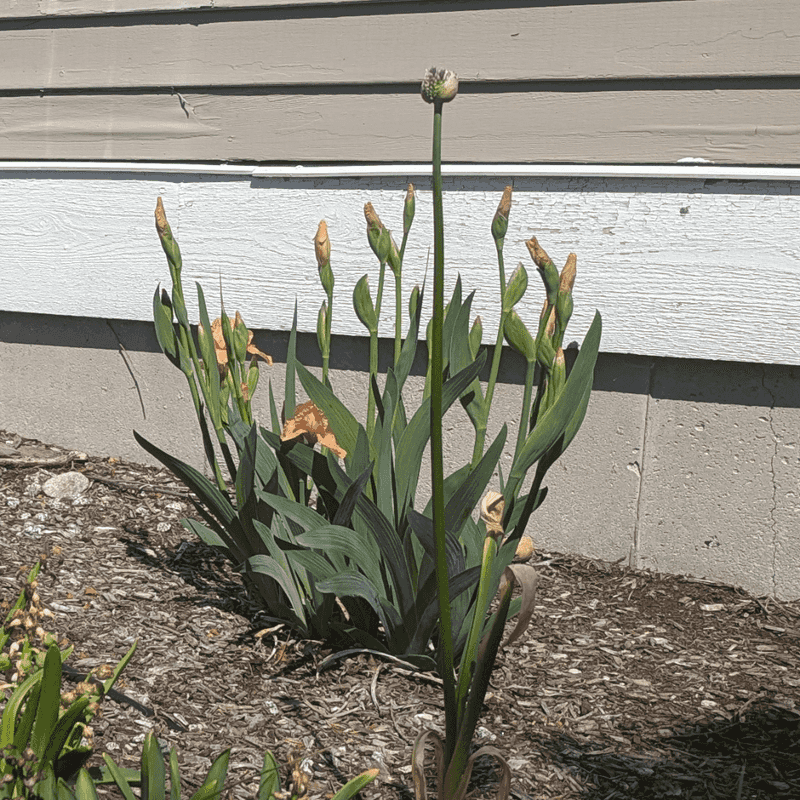
Many perennials benefit from division every few years to maintain vigor, and winter dormancy makes this task less stressful.
Overgrown clumps of daylilies, hostas, and ornamental grasses produce fewer flowers and become crowded without regular division and renewal.
North Carolina winters allow you to dig and divide while plants are resting, minimizing shock and maximizing success rates significantly.
Use a sharp spade or garden fork to lift entire clumps, then separate them into smaller sections with healthy roots.
Replant divisions at the same depth they grew previously, spacing them appropriately to allow for future growth and air circulation.
Water transplants thoroughly even in winter to help roots establish before spring growth begins in earnest with warming temperatures.
Share extra divisions with neighbors and friends, or use them to fill bare spots in other areas of your landscape.
Divided perennials reward you with more flowers and healthier plants that fill spaces beautifully throughout the upcoming growing season ahead.
9. Check And Repair Garden Structures
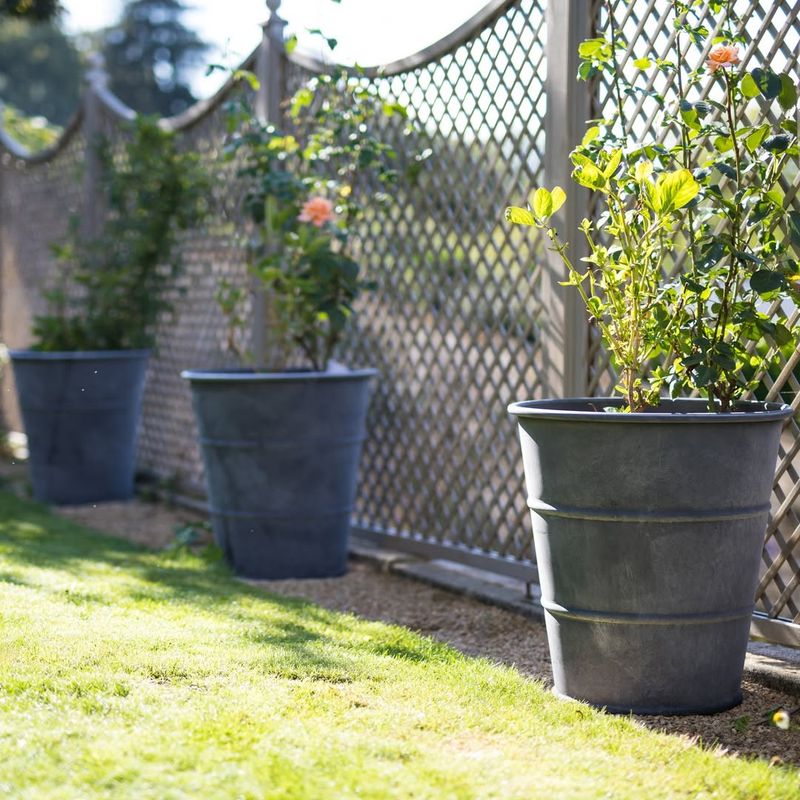
Garden structures take a beating throughout the growing season, and winter provides time to inspect and repair them properly.
Check raised beds for rotting boards, loose corners, and failing hardware that need attention before you fill them with soil.
Trellises and arbors may have loose connections or weather damage that will worsen if left unaddressed until spring planting time.
Fencing around vegetable gardens often develops gaps or damage where persistent rabbits and deer found weaknesses to exploit repeatedly.
Repair or replace damaged sections now while weather permits and before you need these structures for supporting heavy vining crops.
Apply weatherproof sealant or paint to wooden structures to extend their lifespan and protect them from moisture and rot.
Tighten bolts, replace missing screws, and reinforce weak joints so structures can support the weight of mature plants later.
Sturdy, well-maintained garden structures make spring planting easier and ensure your climbing vegetables and flowers have reliable support throughout summer.
10. Start A Compost Pile Or Turn Existing Ones
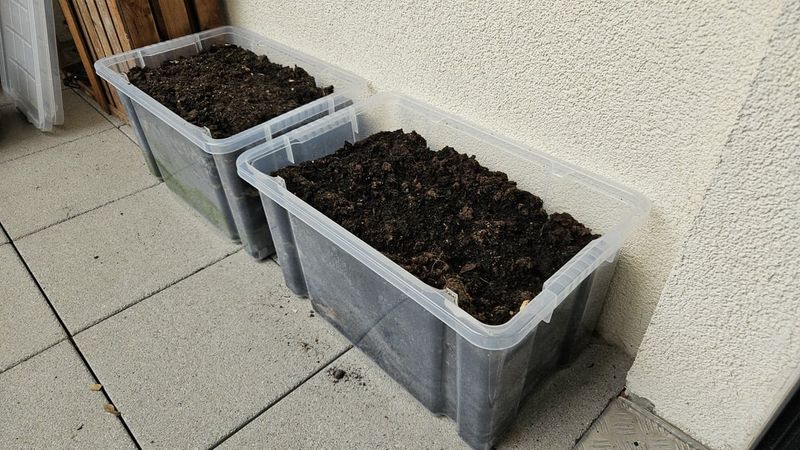
Composting continues even during winter months, and turning piles now speeds decomposition and produces finished compost for spring use.
North Carolina winters are mild enough that microbial activity continues in compost piles, especially when materials are properly balanced and moist.
Layer brown materials like shredded leaves with green materials like kitchen scraps to create the ideal carbon-to-nitrogen ratio needed.
Turning the pile introduces oxygen that beneficial decomposers need to break down organic matter efficiently into rich, dark compost.
Add water if the pile seems dry, as moisture is essential for decomposition even when temperatures drop during coldest months.
Starting a new pile now means you will have finished compost ready for spring planting and soil amendment needs.
Cover piles with tarps to retain heat and moisture while preventing excessive rain from washing away valuable nutrients completely.
Finished compost provides the best soil amendment possible, improving structure, fertility, and water retention for healthier plants and bigger harvests ahead.
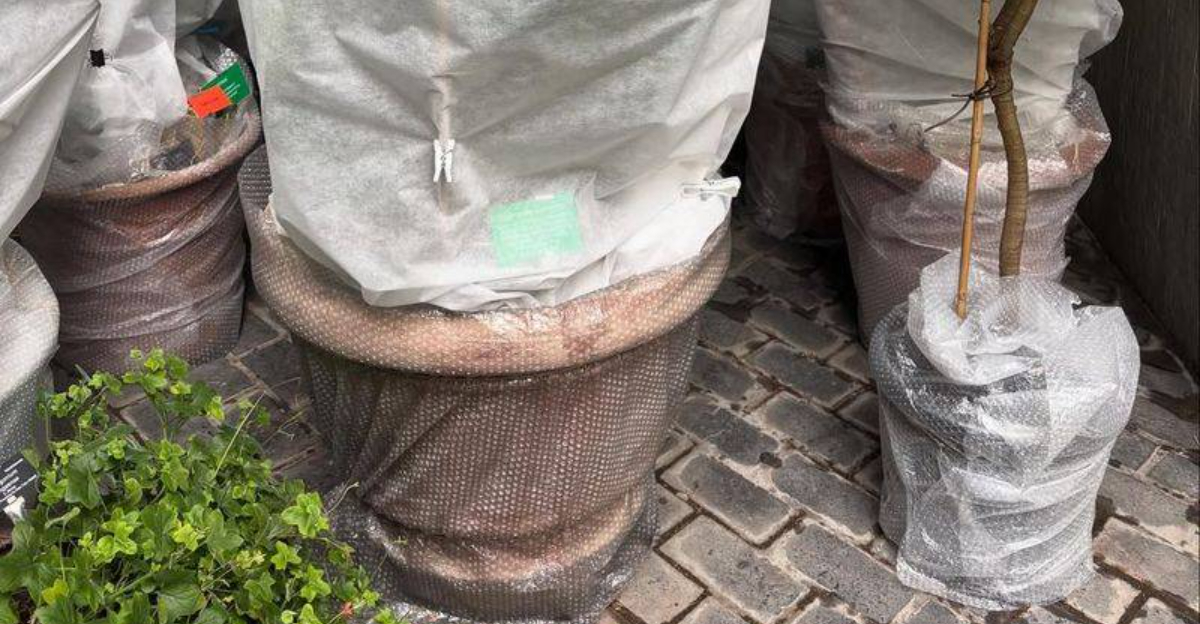
11. Protect Tender Plants From Cold Snaps
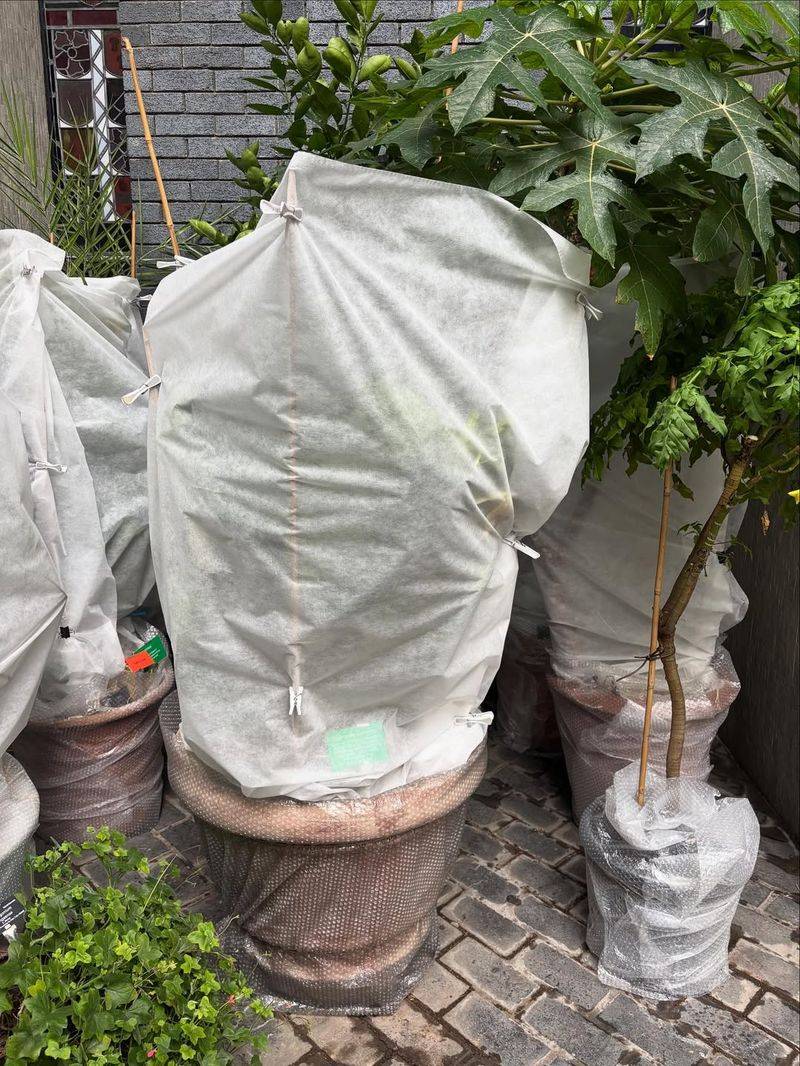
North Carolina experiences occasional severe cold snaps that can damage borderline-hardy plants you want to keep for another season.
Monitor weather forecasts carefully and prepare to protect vulnerable specimens when temperatures threaten to drop below their tolerance levels.
Cover tender plants with frost blankets, old sheets, or burlap on evenings when freezing temperatures are predicted for overnight hours.
Remove coverings during daylight hours to allow sunlight and air circulation, preventing disease problems from prolonged humidity and darkness.
Mulch heavily around the base of marginally hardy plants to insulate roots from the most damaging temperature fluctuations below.
Container plants can be moved to protected locations like garages or covered porches during the worst cold weather events temporarily.
String outdoor lights near plants to provide small amounts of heat that can make the difference between survival and damage.
Protecting plants through winter means you will not need to replace them in spring, saving money and preserving established specimens.
12. Maintain Garden Pathways And Edges
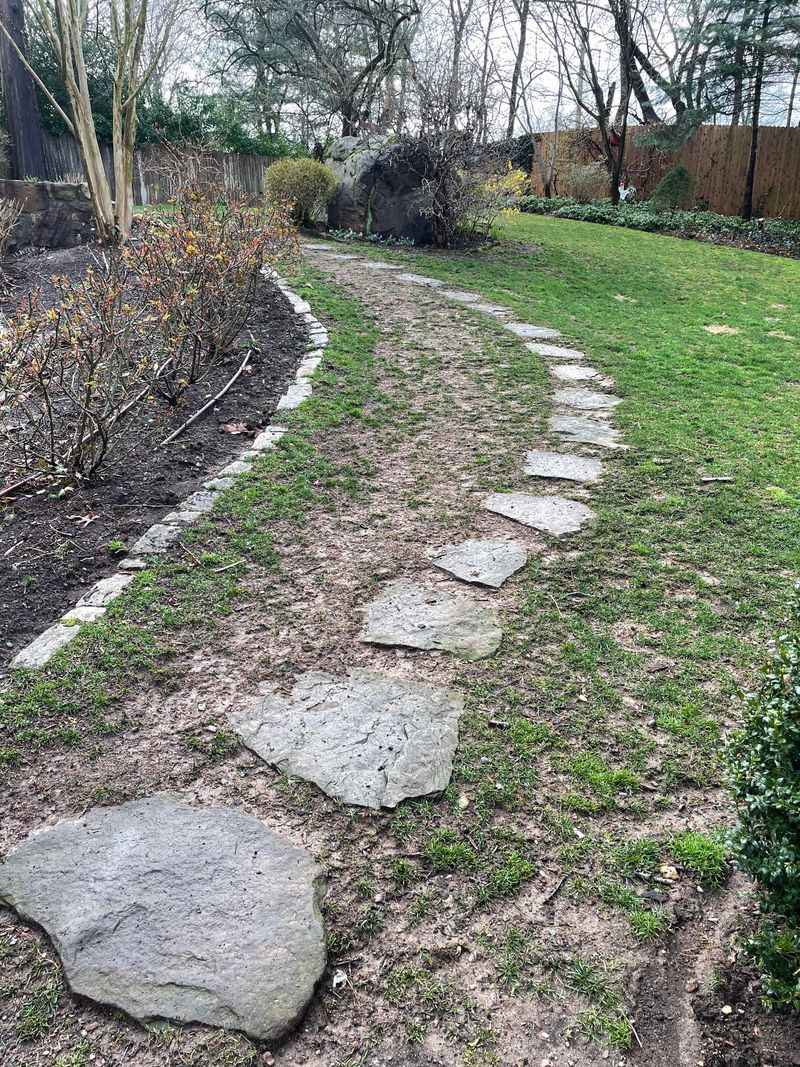
Pathways and bed edges become overgrown and indistinct during the growing season, and winter offers time to restore clean lines.
Redefine bed edges with a sharp spade or edging tool to create crisp boundaries that prevent grass from invading garden spaces.
Repair gravel or mulch pathways by adding fresh material where it has thinned or washed away during heavy rains.
Remove weeds growing in pathway cracks and between pavers before they establish deep roots and become difficult to eliminate later.
Level uneven stepping stones or pavers that have shifted, creating tripping hazards for anyone walking through your North Carolina garden areas.
Install or repair landscape edging materials that keep mulch in beds and prevent grass from creeping into cultivated areas.
Clean moss and algae from paved surfaces using a stiff brush and appropriate cleaning solutions for safety and appearance.
Well-maintained pathways and edges make your garden look polished and professional while making spring maintenance tasks considerably easier to accomplish.
13. Review And Update Garden Records
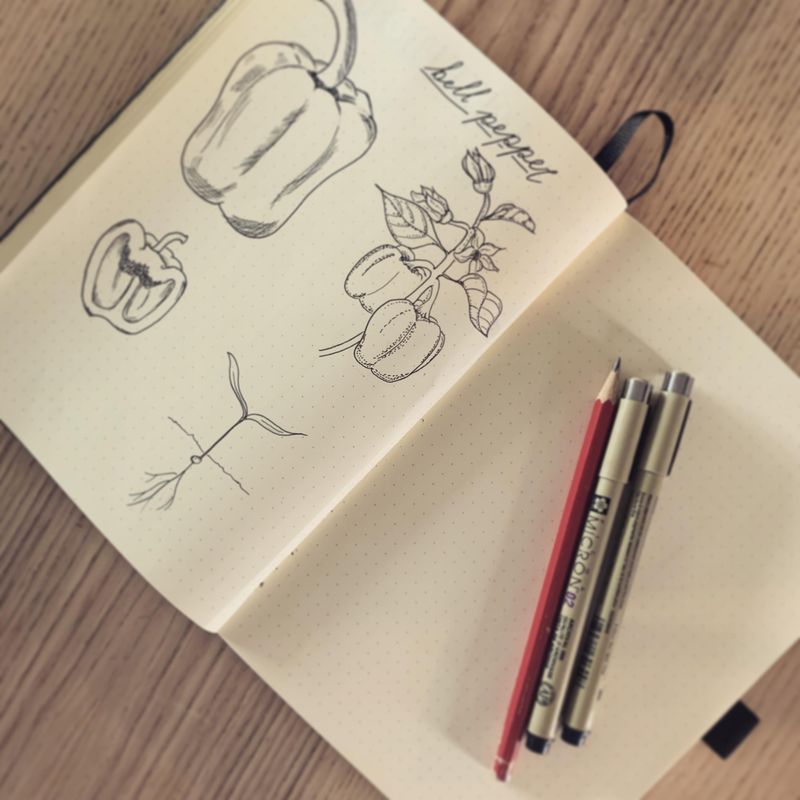
Keeping detailed garden records helps you learn from experience and make better decisions for each successive growing season ahead.
Review notes about what varieties performed well in your specific conditions and which ones disappointed despite promising catalog descriptions.
Record planting dates, harvest dates, and yields to identify the most productive varieties and optimal timing for your area.
Note pest and disease problems you encountered so you can research prevention strategies before issues recur this coming year.
Update your North Carolina garden map with changes made during the year so you have accurate records for planning crop rotations.
Organize photos taken throughout the season into a digital or physical album that documents your garden’s progress and successes.
Write down ideas and observations while they are fresh rather than trying to remember details months later when memories fade.
Thoughtful record-keeping transforms gardening from guesswork into a systematic practice that improves results and satisfaction with each passing season.