12 Large Houseplants Perfect For Filling Empty Spaces During Winter In Illinois
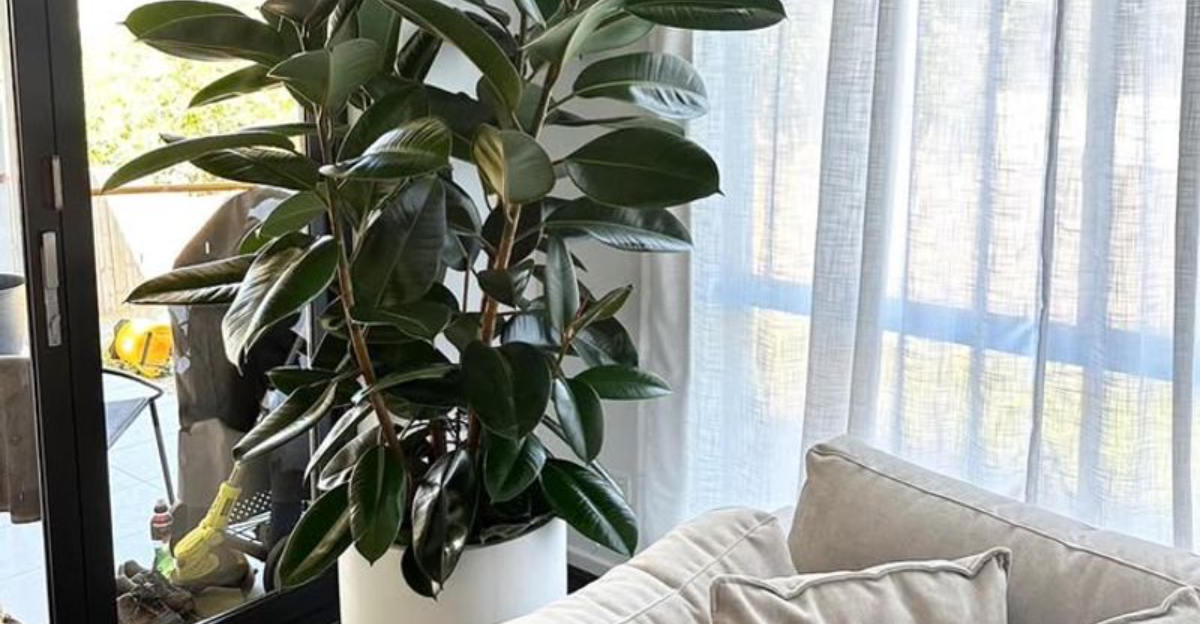
Winter in Illinois has a way of making homes feel a little bare.
Once holiday decorations come down and gray days settle in, empty corners and quiet rooms start to stand out.
That is when large houseplants step into the spotlight.
With bold leaves and strong shapes, they bring life back into spaces that feel flat during the colder months.
Big plants do more than fill space.
They anchor a room, soften hard edges, and add warmth without adding clutter.
A tall plant in a living room corner can make the whole space feel finished.
A wide leafy plant near a window can turn an unused spot into a natural focal point.
When winter keeps everyone indoors, these plants help homes feel cozy instead of closed in.
Illinois winters are long, but the right houseplants hold their ground.
Many thrive in indoor light, handle dry air, and ask for little care.
Once settled, they quietly do their job, adding color and calm day after day.
For homeowners looking to shake off the winter blahs, large houseplants are an easy win.
They fill empty spaces, lift the mood, and keep homes feeling alive until spring finally shows up.
1. Fiddle Leaf Fig
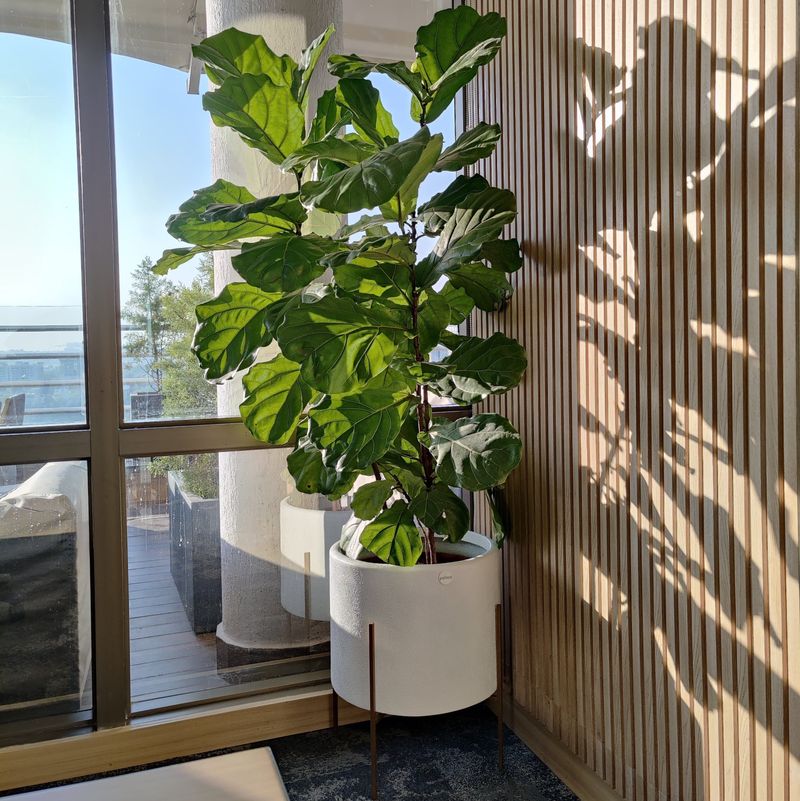
Standing tall with glossy, violin-shaped leaves, the Fiddle Leaf Fig commands attention in any room.
This stunning plant can reach six feet or more indoors, making it perfect for those towering empty corners in your Illinois living room.
The large, dramatic foliage creates an instant focal point that guests will notice the moment they walk through your door.
Bright, indirect sunlight works best for this beauty, so position it near an east or west-facing window.
During Illinois winters, when natural light becomes scarce, you might need to rotate the plant weekly to ensure even growth.
Water only when the top two inches of soil feel dry to the touch.
Temperature consistency matters greatly for Fiddle Leaf Figs.
Keep your home between 60 and 75 degrees, which most Illinois households maintain comfortably during winter.
Avoid placing this plant near drafty windows or heating vents that could stress it.
Wipe the leaves monthly with a damp cloth to remove dust and help the plant breathe better.
With proper care, your Fiddle Leaf Fig will become a statement piece that brings tropical vibes to your winter home.
2. Monstera Deliciosa
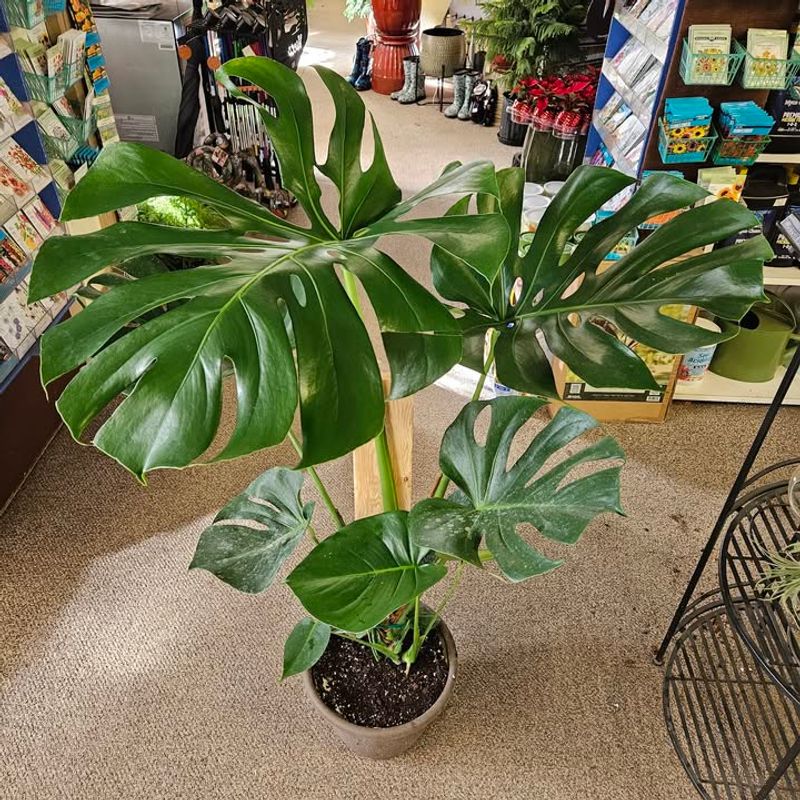
Those iconic split leaves have made Monstera Deliciosa a social media sensation, but this plant offers more than just good looks.
Growing rapidly under the right conditions, it can easily fill a bare wall or empty space in your Illinois home.
The natural holes and splits in mature leaves create fascinating shadows and add architectural interest to any room.
Moderate to bright indirect light keeps this tropical climber happy throughout winter months.
Illinois homes often have lower humidity during heating season, so misting your Monstera twice weekly helps replicate its natural rainforest environment.
Allow the soil to dry out slightly between waterings to prevent root problems.
Adding a moss pole or trellis encourages upward growth and creates even more dramatic height.
Your Illinois Garden Changes Every Week. Your Plan Should Too.
Gardening in Illinois changes quickly throughout the season. Every Friday you’ll receive a simple weekly plan showing exactly what to plant, prune, fertilize, harvest, and protect so you never miss the right timing.
As your Monstera climbs, it develops larger leaves with more pronounced splits.
This growth pattern means your plant becomes more impressive each year.
Clean the broad leaves regularly to maximize their ability to absorb light during short winter days.
Room temperatures between 65 and 80 degrees suit this plant perfectly, making it ideal for typical Illinois indoor conditions.
Watch your Monstera transform your space into a lush jungle retreat.
3. Bird Of Paradise
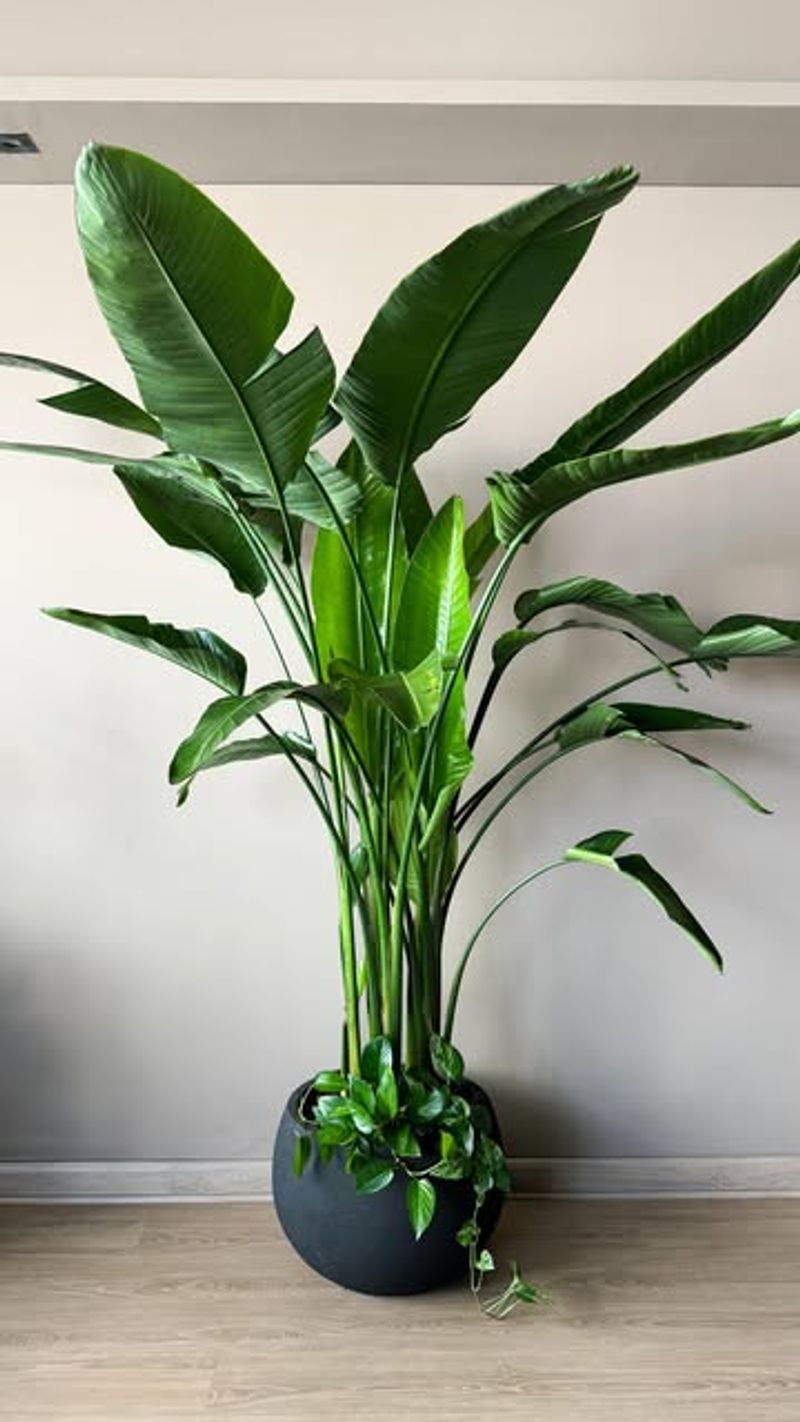
Imagine bringing a slice of tropical paradise into your Illinois home while snow swirls outside.
Bird of Paradise plants feature enormous paddle-shaped leaves that fan out elegantly, creating a bold sculptural presence.
These plants can grow five to six feet tall indoors, instantly filling vertical space with their striking foliage.
Bright light is essential for Bird of Paradise to thrive during Illinois winters.
Place yours in the sunniest spot available, ideally a south-facing window where it can soak up maximum rays.
Without adequate light, the leaves may lose their vibrant green color and growth will slow considerably.
Water deeply but infrequently, letting the top few inches of soil dry between sessions.
During winter, your plant needs less water than in summer months.
Overwatering poses the biggest risk to indoor Bird of Paradise plants.
These plants appreciate humidity, so grouping them with other houseplants or using a pebble tray helps.
Regular wiping of the large leaves prevents dust buildup and keeps them looking glossy.
With patience and proper care, your Bird of Paradise might even produce its famous orange and blue flowers indoors, though this typically requires several years of growth.
4. Rubber Plant
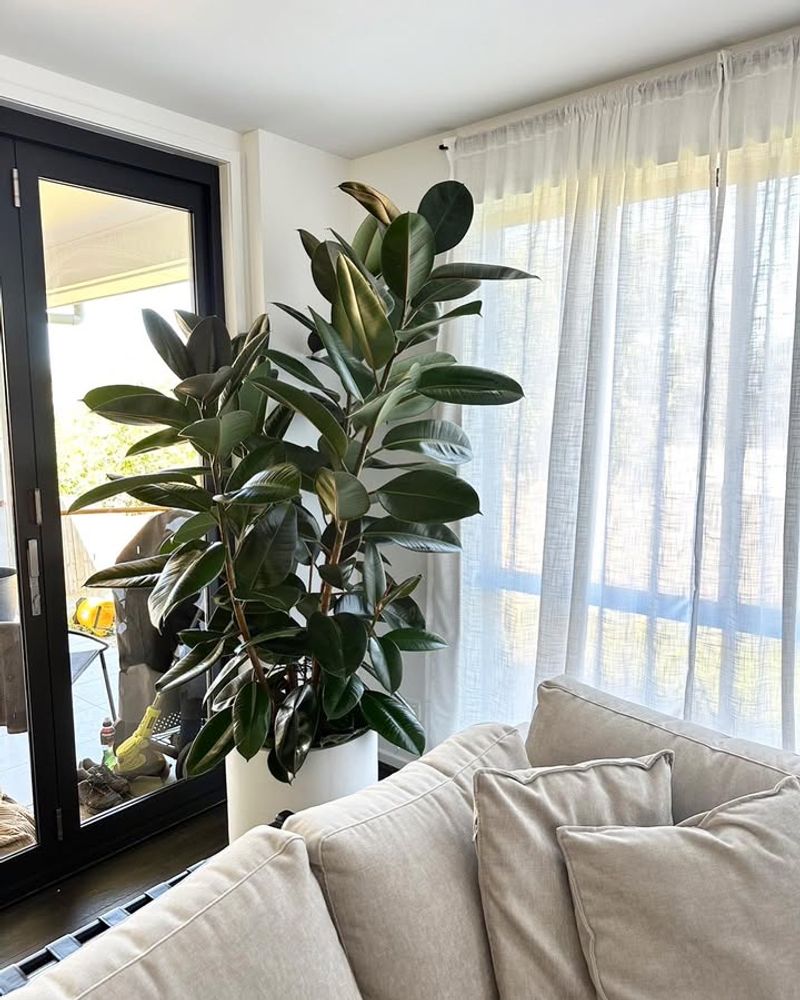
Glossy, thick leaves in deep burgundy or emerald green make Rubber Plants incredibly eye-catching.
This low-maintenance option tolerates the dry indoor air common in heated Illinois homes during winter.
Growing steadily upward, Rubber Plants can reach impressive heights of eight feet or more with proper care.
Bright, indirect light suits these plants best, though they adapt to medium light conditions better than many large houseplants.
Position yours near a window but out of direct afternoon sun that might scorch the leaves.
During shorter winter days across Illinois, your Rubber Plant will naturally slow its growth.
Allow soil to dry out between waterings, checking moisture levels with your finger before adding more water.
Rubber Plants prefer being slightly underwatered rather than sitting in soggy soil.
This forgiving nature makes them perfect for busy households or beginner plant parents.
Wipe the broad leaves with a damp cloth every few weeks to maintain their signature shine.
Dust accumulation blocks light absorption and dulls the plant’s appearance.
Standard room temperatures work perfectly for Rubber Plants, so you won’t need to adjust your thermostat.
Watch as this reliable beauty gradually transforms an empty corner into a sophisticated green statement.
5. Dracaena Marginata
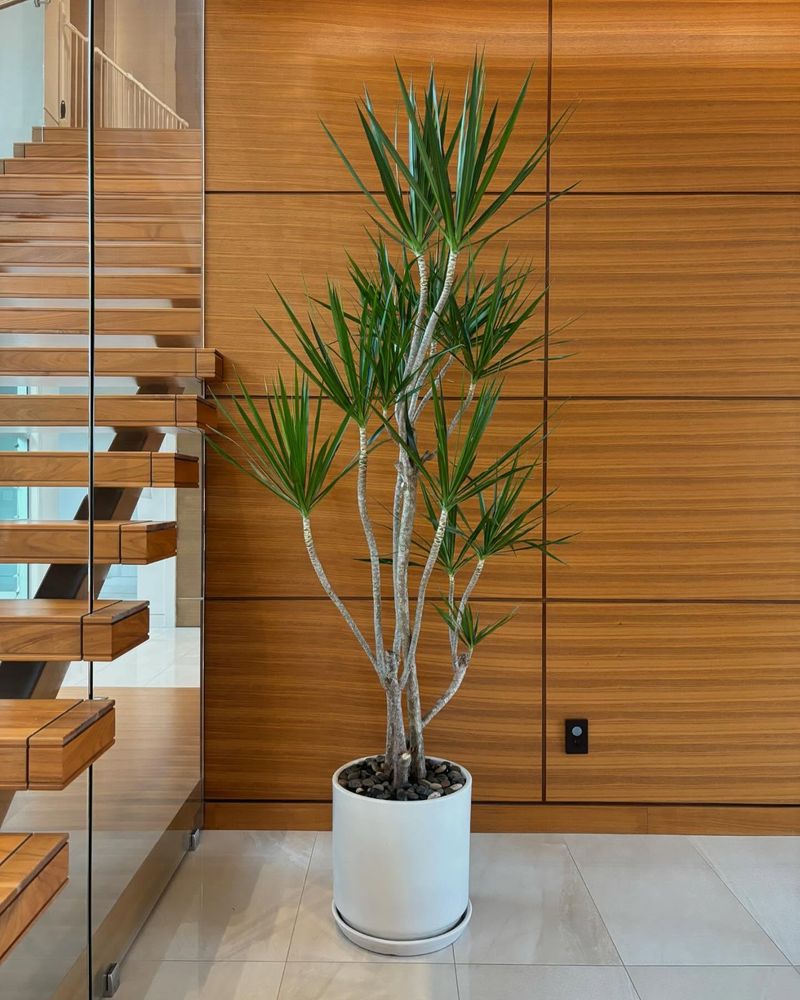
Spiky, thin leaves crowning woody stems give Dracaena Marginata an exotic, almost Dr. Seuss-like appearance.
Also called Dragon Tree, this plant brings vertical drama without taking up much floor space.
The slender profile makes it ideal for narrow hallways or tight corners in Illinois apartments and homes.
Moderate light conditions suit Dragon Trees perfectly, making them versatile for various room placements.
They tolerate lower light better than many large houseplants, though growth slows in dimmer spots.
During Illinois winters, position yours where it receives consistent indirect light throughout the day.
Water sparingly, allowing the soil to dry out substantially between waterings.
Dragon Trees store water in their thick stems, so they handle occasional neglect gracefully.
This resilience makes them fantastic choices for travelers or forgetful waterers.
Fluoride in tap water can cause brown leaf tips, so consider using filtered or distilled water if you notice this issue.
Alternatively, let tap water sit overnight before using it on your plants.
Average home temperatures suit Dracaena Marginata perfectly year-round.
These plants grow slowly but steadily, eventually reaching six feet or taller, providing years of sculptural beauty that fills empty spaces without overwhelming them.
6. Yucca Plant
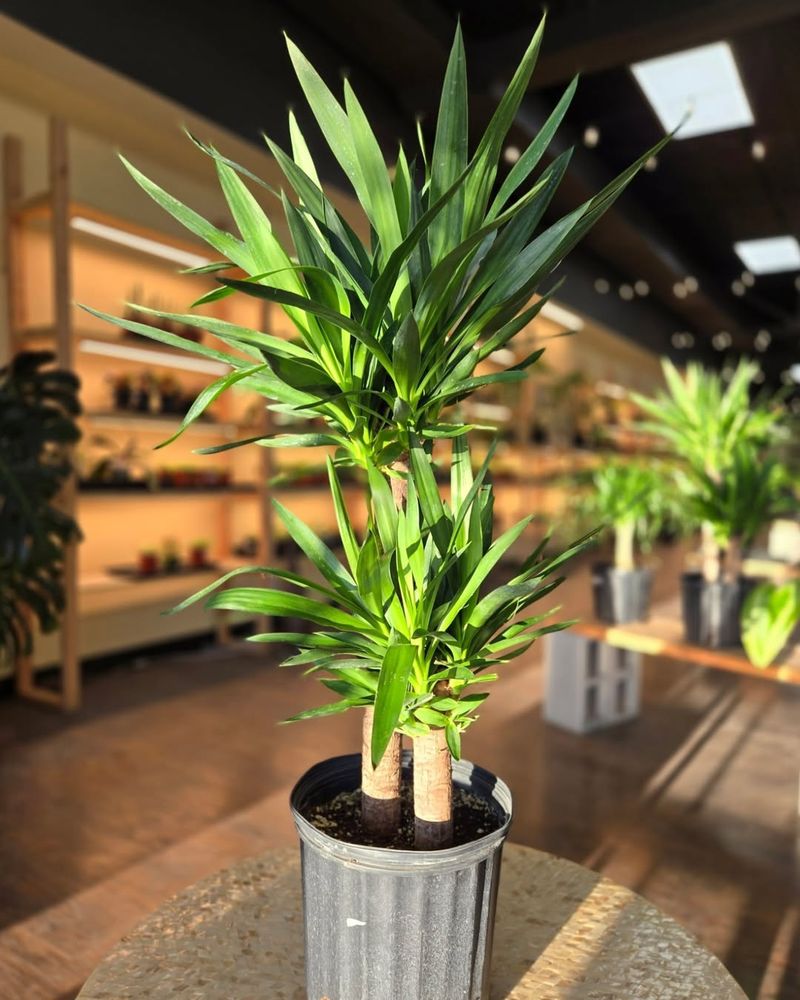
Sword-shaped leaves radiating from a thick trunk create a bold, architectural look that feels both modern and timeless.
Yucca plants bring a touch of desert elegance to Illinois homes, thriving in conditions that challenge other houseplants.
Their striking form fills space dramatically while requiring minimal fussing.
Bright, direct sunlight makes Yucca plants happiest, so place yours in your sunniest window.
South-facing windows work beautifully during Illinois winters when sunlight comes at a premium.
Unlike many houseplants, Yuccas actually appreciate some direct sun exposure.
Drought-tolerant by nature, these plants need infrequent watering.
Let the soil dry completely between waterings, then water thoroughly.
During winter months, you might only water once every two to three weeks.
Overwatering causes more problems for Yuccas than any other care issue.
Their roots rot quickly in consistently moist soil.
Well-draining soil and pots with drainage holes are essential.
Yuccas tolerate dry indoor air beautifully, making them perfect for heated Illinois homes.
No misting or humidity trays needed here.
These tough plants can reach five feet or more indoors, providing years of low-maintenance greenery that stands up to neglect better than almost any other large houseplant.
7. Parlor Palm
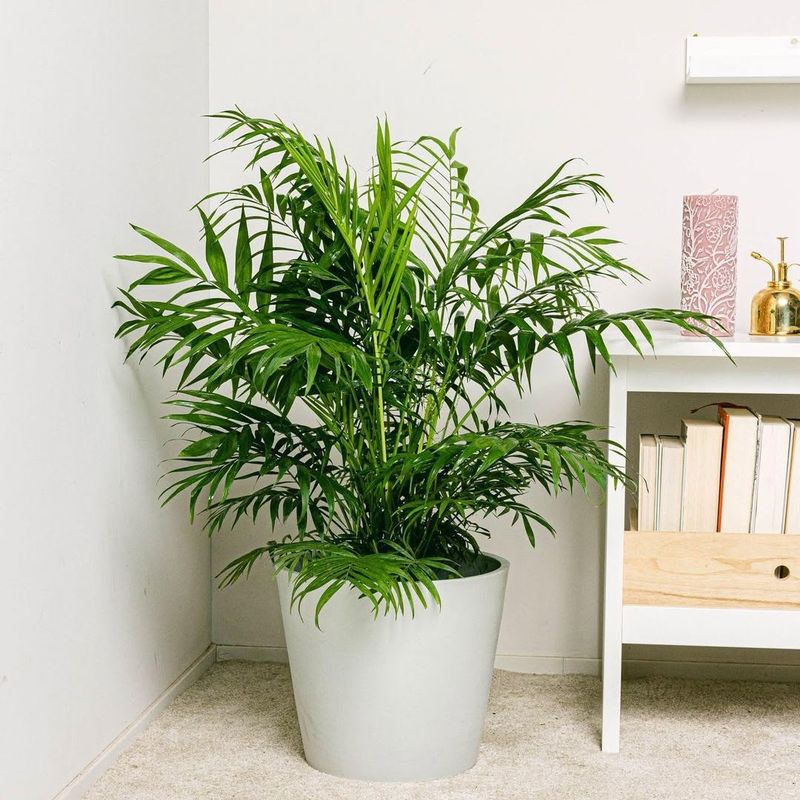
Delicate, feathery fronds bring a soft, elegant touch to any room without the demanding care requirements of many palms.
Parlor Palms have graced homes since Victorian times, proving their timeless appeal.
Growing three to six feet tall indoors, they fill space gracefully while maintaining an airy, light appearance.
Low to medium light conditions suit Parlor Palms wonderfully, making them perfect for rooms without abundant windows.
They actually prefer being kept away from direct sunlight, which can scorch their tender fronds.
This shade tolerance makes them valuable for Illinois homes with limited natural light during winter.
Keep soil consistently moist but never waterlogged.
Parlor Palms appreciate regular watering but forgive occasional lapses better than many tropical plants.
Check the soil weekly and water when the top inch feels dry.
Higher humidity benefits these palms, though they adapt to average home conditions.
Misting weekly or placing them near other plants helps create a more humid microclimate.
Brown leaf tips often indicate dry air or fluoride in water.
Room temperatures between 65 and 80 degrees keep Parlor Palms comfortable.
Their compact root system means they don’t need frequent repotting, making them wonderfully low-maintenance companions throughout Illinois winters.
8. Swiss Cheese Plant
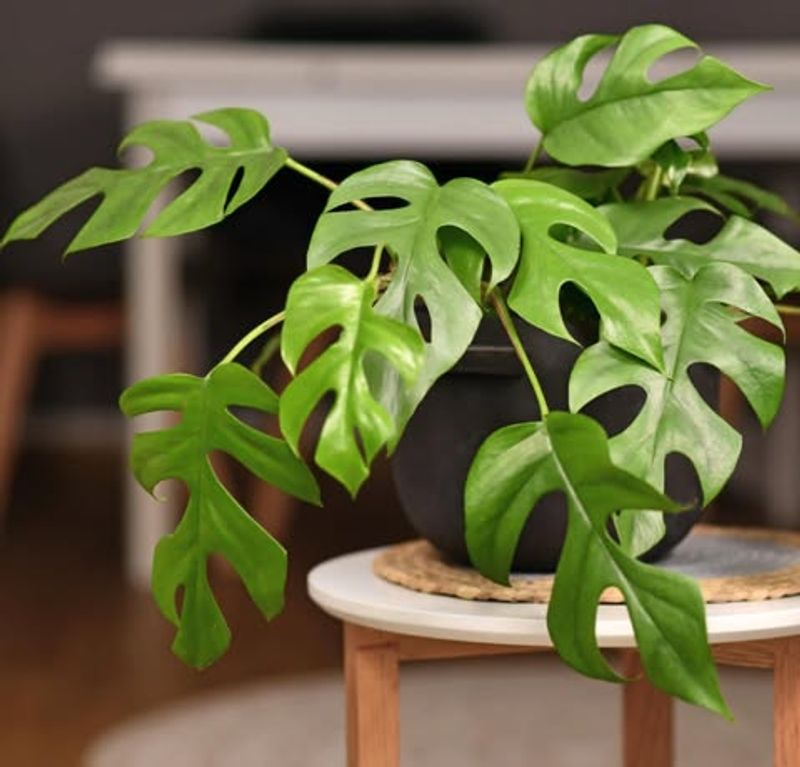
Smaller holes and more delicate leaves distinguish Swiss Cheese Plant from its cousin, Monstera Deliciosa.
This fast-growing vine creates lush coverage quickly, perfect for filling empty wall space or draping from high shelves.
The charming perforations in mature leaves add whimsy and visual interest to your Illinois home.
Bright, indirect light encourages the fastest growth and most pronounced leaf fenestrations.
Place your Swiss Cheese Plant near an east or west-facing window for optimal results.
During winter in Illinois, supplementing with a grow light can boost growth if natural light is limited.
Water when the top two inches of soil dry out, typically once weekly during winter.
These plants appreciate consistent moisture but dislike soggy conditions.
Good drainage prevents root problems that can slow growth.
Providing a climbing structure like a moss pole or trellis encourages upward growth and larger leaves.
Alternatively, let it cascade from a hanging basket for a different aesthetic.
Either way, it fills space beautifully.
Higher humidity keeps leaves looking their best, so misting or grouping with other plants helps.
Standard room temperatures work perfectly for this adaptable plant.
Watch it grow rapidly, transforming bare walls into living green tapestries throughout the cold Illinois winter months.
9. Snake Plant
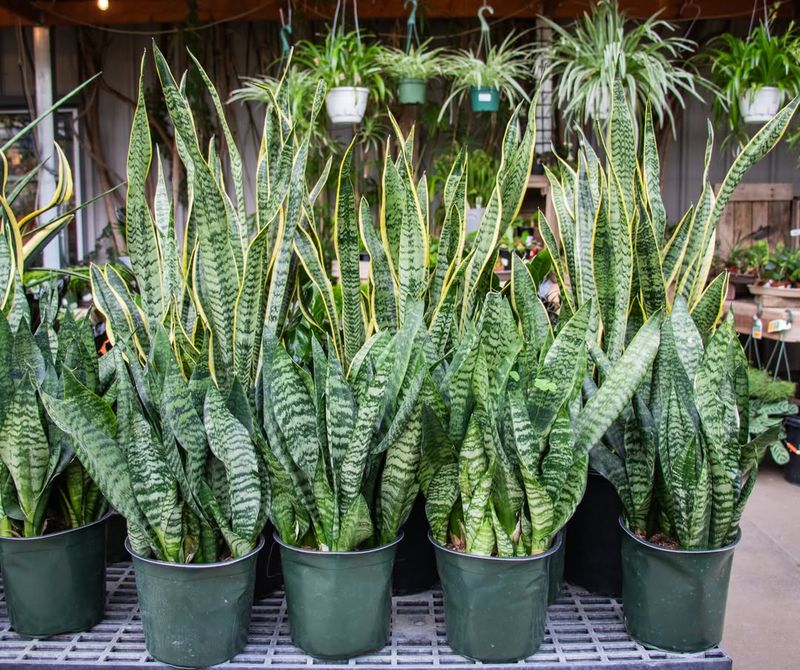
Upright, sword-like leaves with striking variegation make Snake Plants nearly indestructible and stunningly architectural.
Some varieties grow three to four feet tall, creating bold vertical lines that draw the eye upward.
Their rigid structure adds a contemporary edge to any Illinois home decor.
Tolerating nearly any light condition from low to bright makes Snake Plants incredibly versatile.
They adapt to whatever spot you have available, though they grow faster in brighter locations.
This flexibility proves invaluable during dark Illinois winters.
Extreme drought tolerance means you can water infrequently, sometimes just once monthly during winter.
Snake Plants actually prefer neglect over attention when it comes to watering.
Their thick leaves store water efficiently, preventing wilting between waterings.
These plants purify air exceptionally well, removing toxins while releasing oxygen at night.
This makes them perfect bedroom companions that work while you sleep.
Few houseplants offer this unique nighttime oxygen production.
Average room temperatures and low humidity suit Snake Plants perfectly.
They thrive in typical heated Illinois homes without any special accommodations.
Whether you’re a beginner or experienced plant parent, Snake Plants deliver impressive size and visual impact with almost zero maintenance requirements, making them ideal for filling corners effortlessly.
10. Umbrella Plant
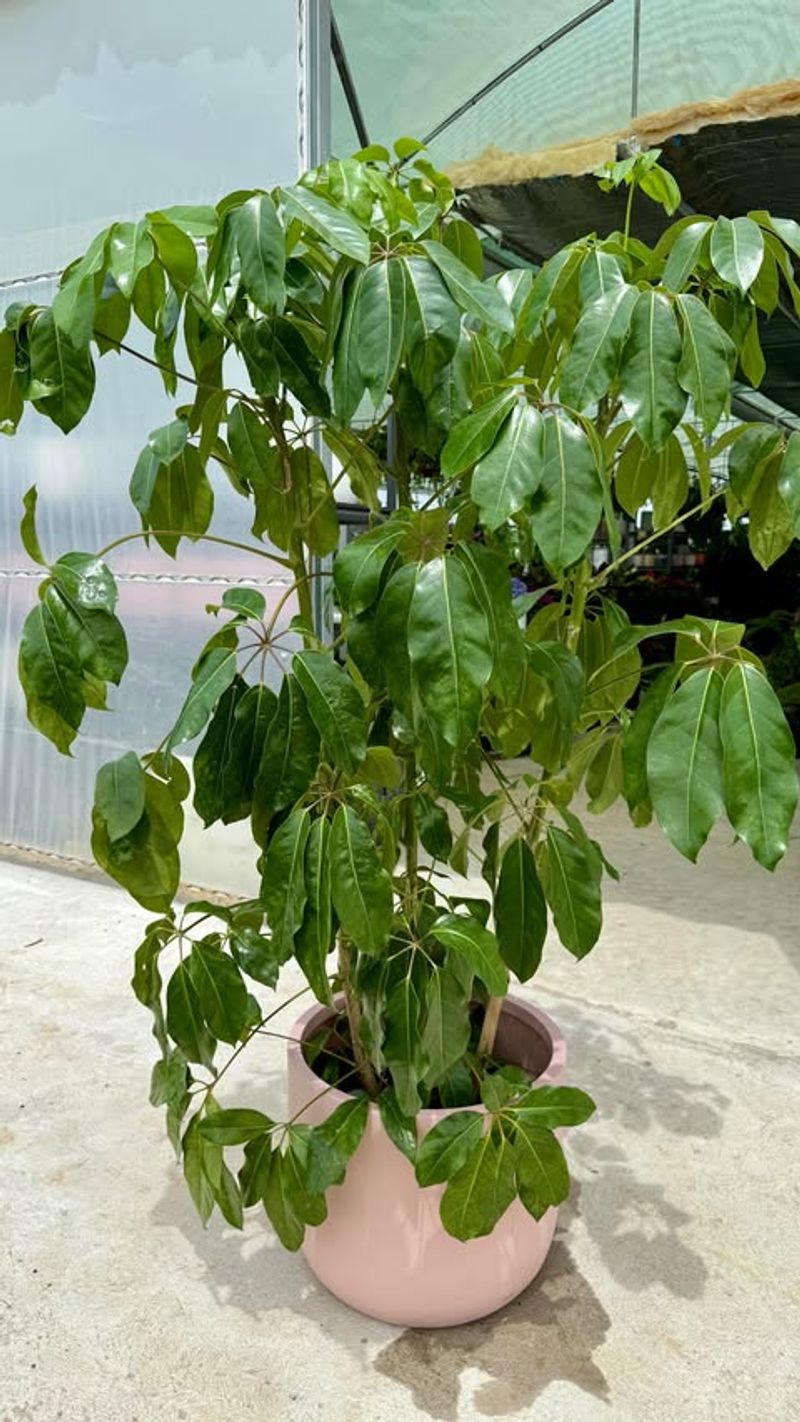
Glossy leaflets arranged in circular patterns resembling tiny umbrellas give this plant its charming common name.
Schefflera plants grow quickly and bushy, creating full, lush shapes that fill space impressively.
They can reach six feet or more indoors, providing substantial presence in empty corners of Illinois homes.
Bright, indirect light produces the best growth and fullest shape.
Umbrella Plants tolerate medium light reasonably well, though growth slows and plants may become leggy.
Rotate yours weekly to ensure even growth on all sides.
Water when the top inch of soil dries out, typically every seven to ten days during winter.
These plants prefer slightly moist soil but tolerate occasional drying better than constant wetness.
Proper drainage prevents root issues that slow growth.
Pruning encourages bushier growth and helps maintain the size and shape you want.
Simply trim back leggy stems in spring to promote fuller branching.
This adaptability lets you customize your plant’s appearance.
Average home temperatures and humidity levels suit Umbrella Plants perfectly.
They adapt well to typical Illinois indoor conditions without requiring special care.
Their forgiving nature and rapid growth make them excellent choices for filling large empty spaces quickly, providing instant gratification as they transform your winter home into a green sanctuary.
11. Corn Plant
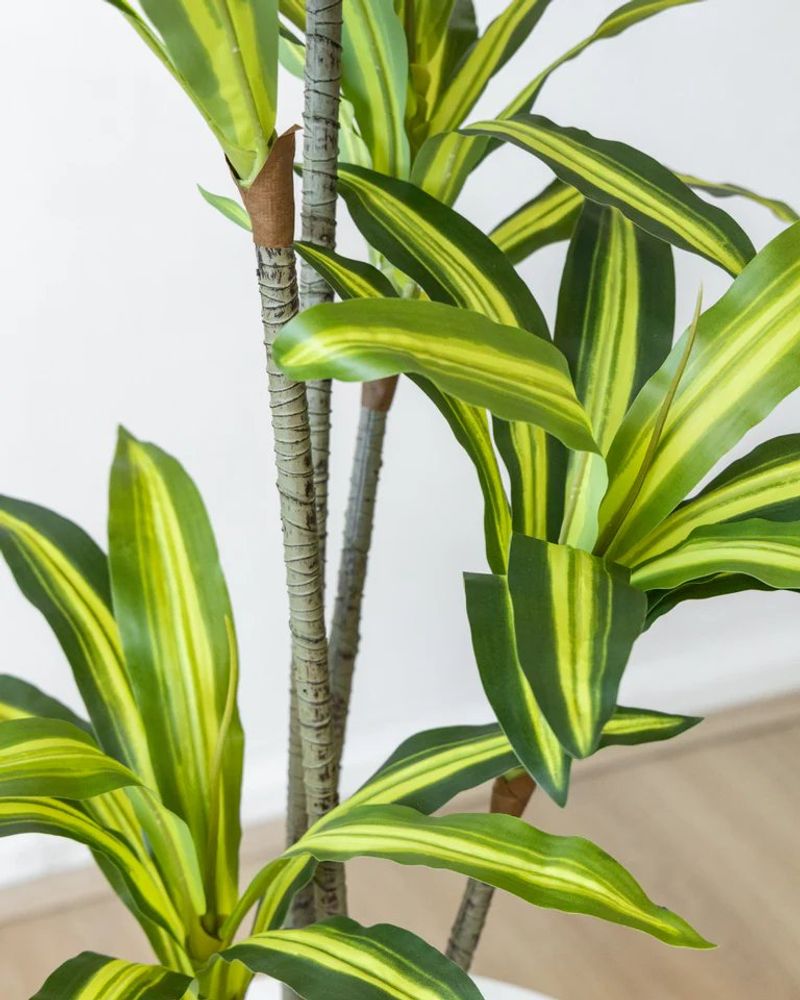
Long, arching leaves striped with yellow or cream emerge from thick, cane-like stems that add tropical flair.
Corn Plants bring a relaxed, casual vibe to Illinois homes while requiring surprisingly little attention.
Growing four to six feet tall indoors, they create substantial visual impact without demanding constant care.
Medium to bright indirect light keeps Corn Plants happy and healthy.
They adapt to lower light conditions better than many large houseplants, making them versatile for different room placements.
During Illinois winters, place them where they receive consistent natural light.
Allow the top half of soil to dry between waterings, then water thoroughly until it drains from the bottom.
Corn Plants tolerate some neglect gracefully, making them forgiving for busy households.
Overwatering causes more problems than underwatering.
Fluoride sensitivity sometimes causes brown leaf tips, similar to other Dracaena species.
Using filtered or distilled water prevents this cosmetic issue.
Alternatively, let tap water sit overnight before using.
Average room temperatures and humidity levels suit these adaptable plants perfectly.
They thrive in typical heated Illinois homes without special accommodations.
Occasional leaf wiping removes dust and keeps foliage looking fresh and vibrant throughout winter, making your Corn Plant a reliable, attractive space-filler that delivers tropical beauty with minimal effort.
12. Ponytail Palm
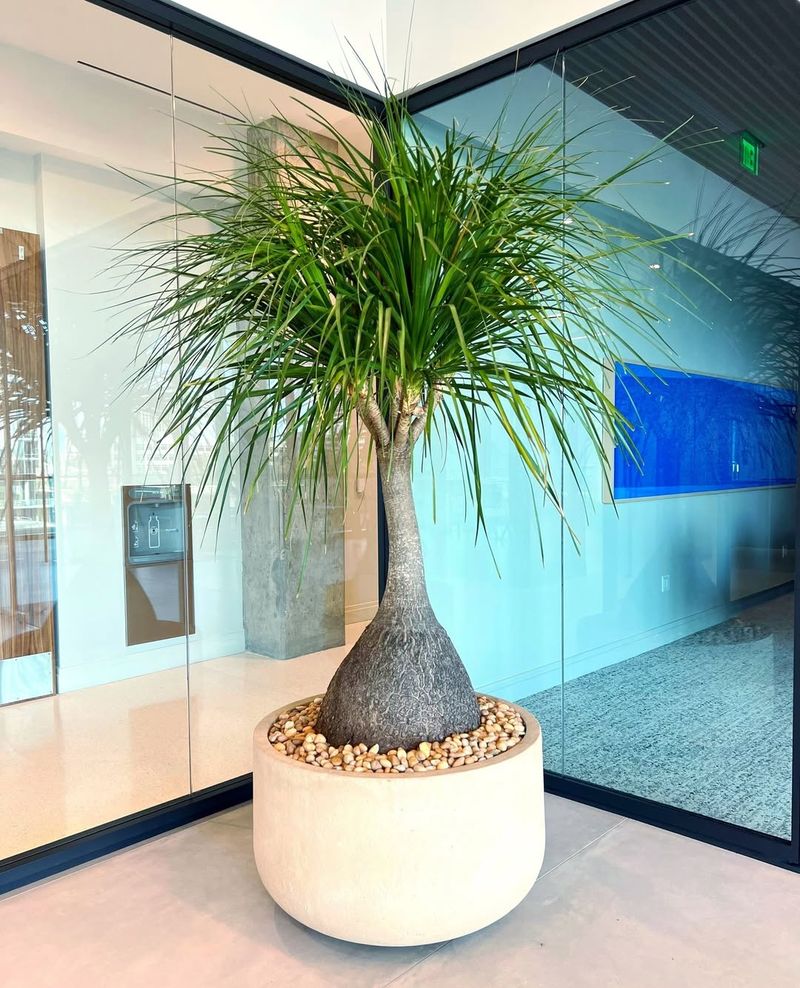
A swollen, bulbous trunk topped with long, cascading leaves creates an instantly recognizable silhouette.
Despite its name, Ponytail Palm isn’t actually a palm but a succulent, making it incredibly drought-tolerant.
The whimsical appearance adds personality and conversation-starting appeal to any Illinois room.
Bright light, including some direct sun, keeps Ponytail Palms thriving.
Place yours in your sunniest window where it can bask in maximum light during short Illinois winter days.
These plants actually prefer more light than most houseplants can handle.
Water sparingly, allowing soil to dry completely between waterings.
The thick trunk stores water efficiently, so these plants tolerate long periods without moisture.
During winter, you might water only every two to three weeks.
Overwatering poses the biggest risk to Ponytail Palms.
Their roots rot quickly in consistently moist soil, so err on the side of underwatering.
Well-draining soil and pots with drainage holes are essential.
Dry indoor air doesn’t bother these desert natives at all.
They thrive in the low humidity typical of heated Illinois homes.
Slow-growing but long-lived, Ponytail Palms can eventually reach four feet or more indoors, providing years of quirky, low-maintenance beauty that fills space with sculptural charm and requires almost no effort to maintain successfully.