12 Scented Plants That Make Your California Yard Smell Divine
In California, a yard can appeal to more than the eyes.
On a warm afternoon or a cool evening, the right scented plants can stop you in your tracks.
A gentle breeze carries sweet notes across the lawn, turning an ordinary walk outside into something special.
When fragrance fills the air, a yard feels alive and welcoming, like it has its own personality.
Scented plants pull their weight all year long.
They soften patios, frame walkways, and make outdoor spaces feel polished without much effort.
Some release their fragrance under the sun, while others wait until dusk to shine.
In a state known for long growing seasons and varied climates, these plants thrive when placed just right and reward homeowners again and again.
Choosing fragrant plants is like hitting the jackpot.
They bring beauty and aroma together, creating an outdoor space that invites people to linger.
Once established, they work quietly in the background, filling the yard with pleasant scents that drift through open windows and across fences.
For Californians looking to add charm without lifting a finger, scented plants are an easy way to turn any yard into a place that smells as good as it looks.
1. Lavender
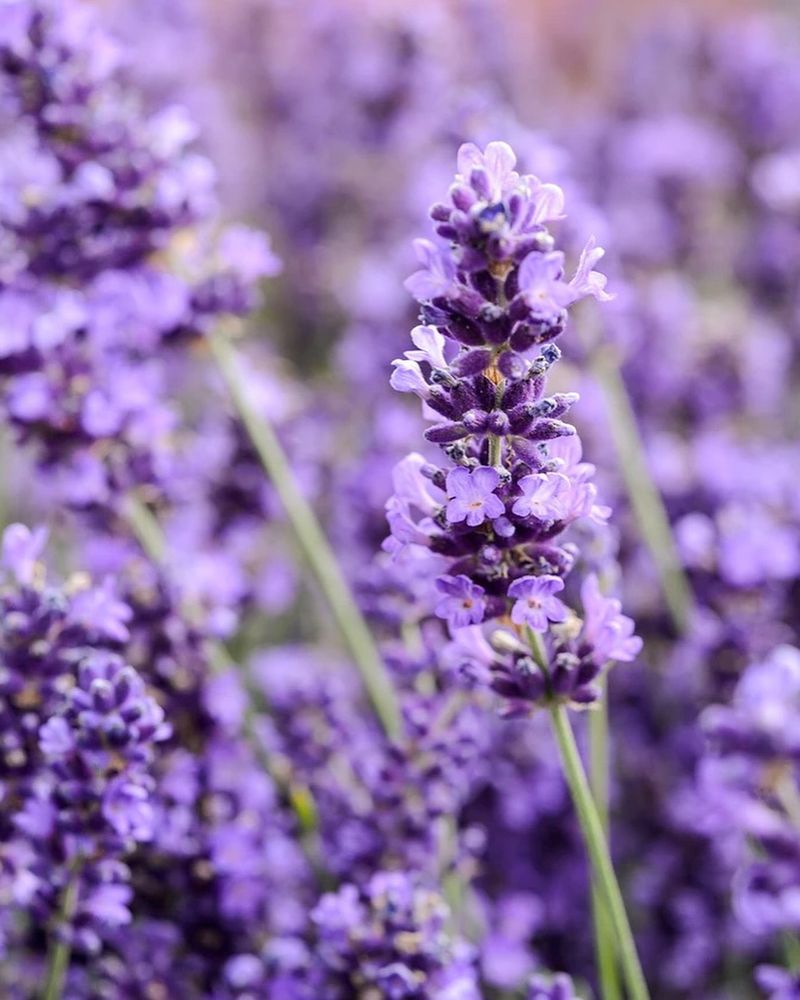
Few plants capture the essence of California gardens quite like lavender.
This Mediterranean native feels right at home in the Golden State’s sunny, dry climate, producing stunning purple spikes that release a clean, calming fragrance.
The scent becomes even more intense on hot summer days when you brush past the silvery foliage.
California gardeners love lavender because it practically thrives on neglect once established.
It needs minimal water, tolerates poor soil, and keeps blooming from late spring through summer.
The aromatic oils in the leaves and flowers make this plant a favorite for sachets, homemade soaps, and culinary experiments.
Bees and butterflies can’t resist visiting lavender blooms, turning your yard into a pollinator paradise.
Plant it along walkways or near patios where people can enjoy the soothing aroma as they pass by.
English lavender varieties work beautifully in cooler coastal areas, while Spanish and French types handle inland heat with ease.
Trim the spent flowers regularly to encourage more blooms and maintain a compact shape.
This evergreen perennial looks gorgeous year-round, providing structure and texture even when not flowering.
Your California yard will smell like a French countryside retreat with lavender planted generously throughout the landscape.
2. Jasmine
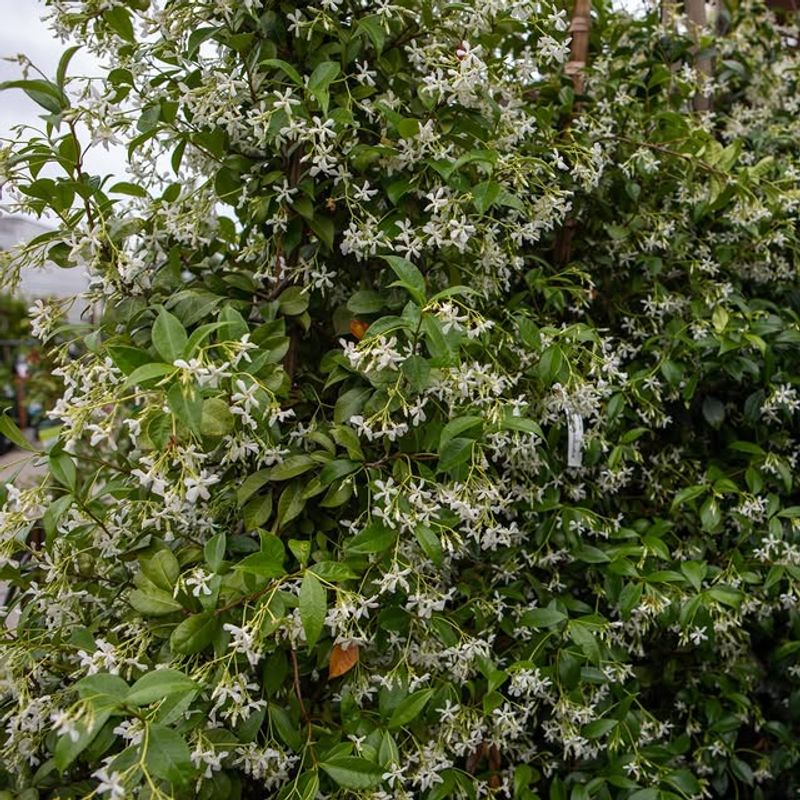
When evening arrives in California, jasmine releases one of the most intoxicating perfumes imaginable.
Star jasmine, also called Confederate jasmine, produces masses of pinwheel-shaped white flowers that smell absolutely heavenly.
The sweet, romantic fragrance intensifies at dusk, making your patio or deck the perfect spot for evening relaxation.
This vigorous vine grows enthusiastically throughout California, covering fences, arbors, and walls with glossy evergreen foliage.
It handles both coastal and inland conditions beautifully, though it appreciates some afternoon shade in hotter regions.
Jasmine blooms most heavily in spring and early summer, but you’ll catch whiffs of fragrance sporadically throughout the year.
Your California Garden Changes Every Week. Your Plan Should Too.
Gardening in California changes quickly throughout the season. Every Friday you’ll receive a simple weekly plan showing exactly what to plant, prune, fertilize, harvest, and protect so you never miss the right timing.
The plant requires moderate water and benefits from occasional feeding to support its energetic growth habit.
Train jasmine along a pergola above your outdoor seating area to create a fragrant living canopy.
Arabian jasmine is another wonderful option for California gardens, offering even more intense perfume from its small white blooms.
Neighbors will wonder what smells so amazing when your jasmine hits peak bloom.
This plant works beautifully as a ground cover too, spreading across slopes while releasing its signature scent.
Your California yard becomes an enchanting retreat with jasmine perfuming the air on warm summer nights.
3. Rosemary
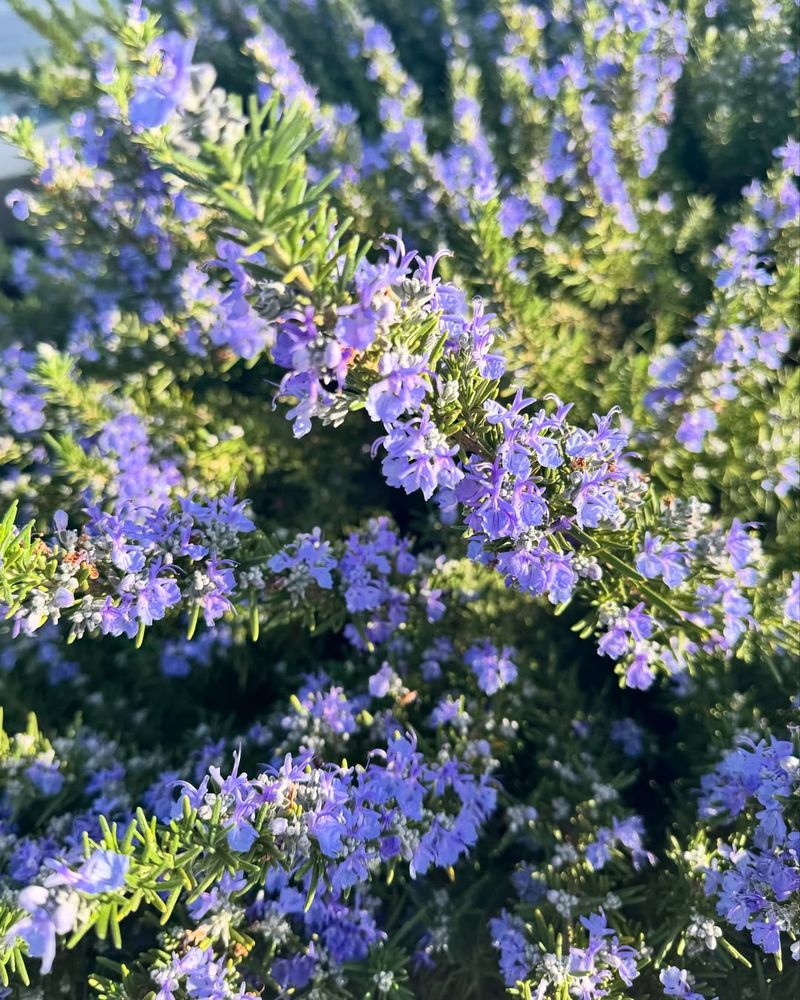
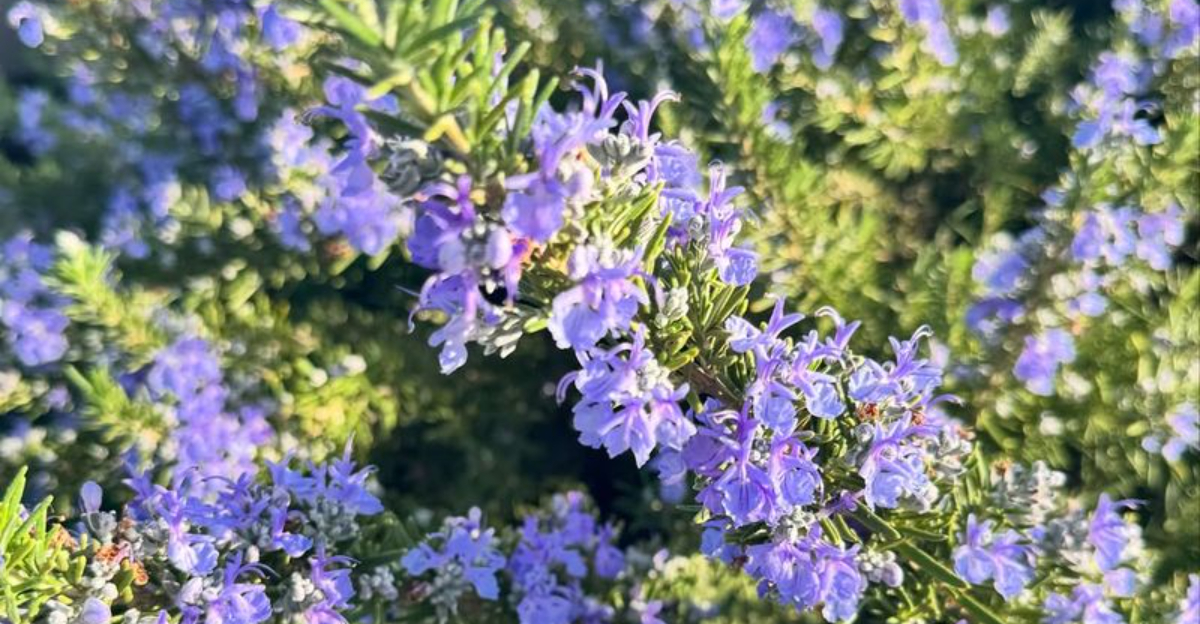
Walk past a rosemary bush and you’ll instantly catch its fresh, piney aroma that smells like the Mediterranean coast.
This tough-as-nails herb thrives in California’s climate, asking for almost nothing while giving back incredible fragrance and culinary usefulness.
The needle-like leaves release their essential oils when touched, filling the air with an invigorating scent.
California gardeners appreciate rosemary’s drought tolerance and ability to handle neglect with grace.
It grows as a compact shrub or sprawling ground cover depending on the variety you choose.
Blue, purple, or white flowers appear along the stems in winter and spring, adding color when many other plants rest.
Bees visit rosemary blooms enthusiastically, making it valuable for supporting pollinators during cooler months.
Plant rosemary near your outdoor kitchen or grill so you can snip fresh sprigs for cooking.
The fragrance naturally repels certain pests, making it a smart companion plant for vegetables and roses.
Upright varieties create beautiful hedges that smell wonderful when you trim them.
Prostrate types cascade beautifully over retaining walls or large containers.
Your California landscape gains both beauty and function with rosemary planted generously throughout the yard, releasing its distinctive aroma whenever the breeze blows.
4. Gardenia
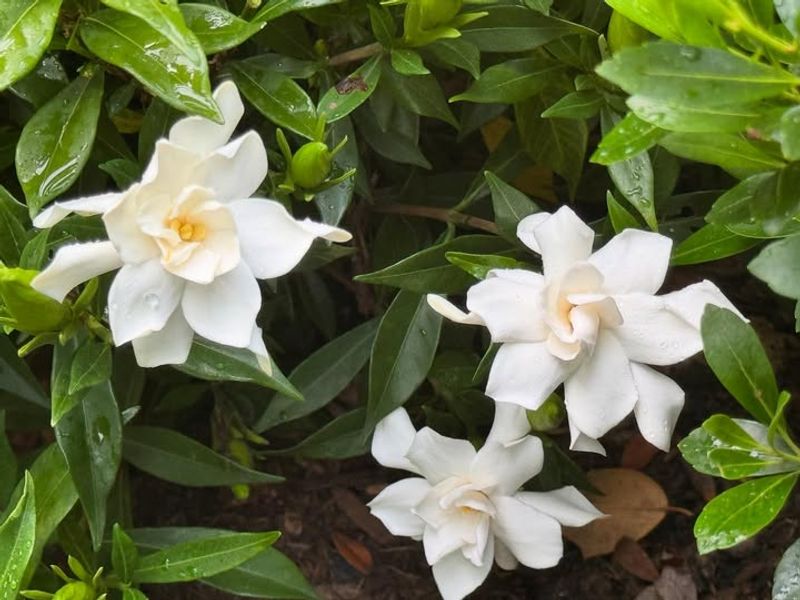
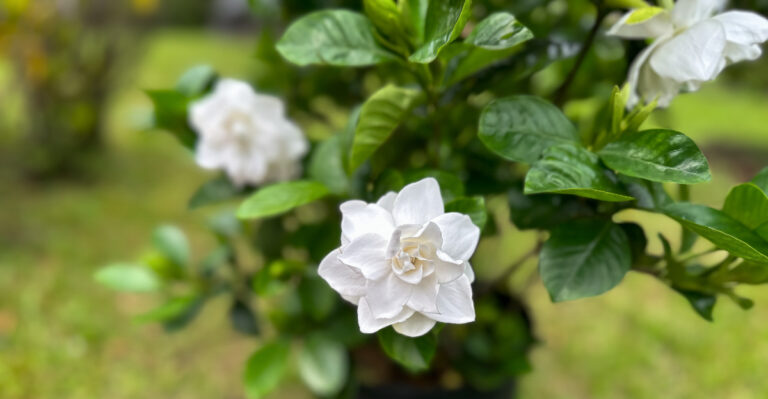
Gardenias deliver one of the most luxurious floral fragrances you’ll ever experience in a California garden.
The creamy white blooms release an almost tropical perfume that’s both sweet and slightly spicy.
A single flower can scent an entire patio area, making this shrub worth its somewhat fussy reputation.
California’s coastal regions provide ideal conditions for gardenias, offering the humidity and mild temperatures these plants prefer.
Inland gardeners can succeed with gardenias too by providing afternoon shade and consistent moisture.
The glossy evergreen leaves look handsome year-round, creating a lush backdrop for the spectacular blooms.
Gardenias flower most heavily in late spring and early summer, though sporadic blooms may appear into fall.
These shrubs need acidic soil and regular feeding to stay healthy and produce abundant flowers.
Plant gardenias near windows, doorways, or outdoor living spaces where their fragrance can drift indoors.
The scent is so powerful that just a few plants can perfume your entire California yard.
Cut flowers last beautifully in vases, bringing that divine fragrance inside your home.
With proper care and the right location, gardenias reward California gardeners with months of intoxicating perfume that makes everyone stop and breathe deeply.
5. Mexican Orange Blossom
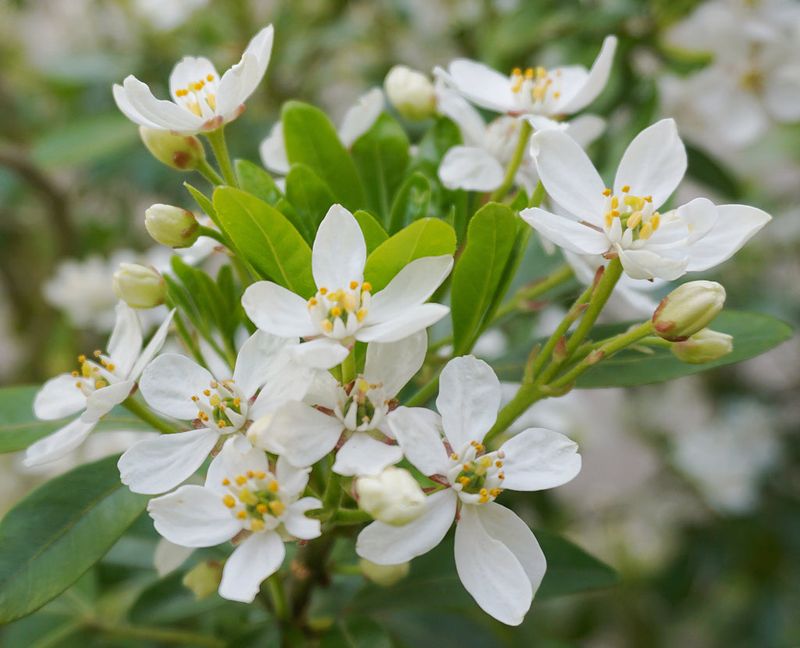
Mexican orange blossom, or Choisya ternata, surprises people with its citrus-scented flowers and aromatic foliage.
The clusters of white star-shaped blooms appear in spring and often rebloom in fall, filling California yards with a sweet orange-blossom fragrance.
Even the glossy evergreen leaves release a pleasant scent when you brush against them or crush them gently.
This rounded shrub grows to about six feet tall and wide, making it perfect for foundation plantings or informal hedges.
California gardeners appreciate its adaptability to different light conditions, from full sun in coastal areas to partial shade inland.
The plant handles drought well once established but looks best with occasional deep watering during summer.
Mexican orange blossom doesn’t attract many pests and rarely needs pruning beyond shaping after flowering.
The bright green foliage provides year-round visual interest even when flowers aren’t present.
Plant it near pathways or entryways where people can enjoy both the visual beauty and wonderful fragrance.
Varieties with golden or lime-colored foliage add extra visual punch to California landscapes.
The flowers attract beneficial insects while deer tend to leave this aromatic shrub alone.
Your California garden gains a reliable, fragrant performer that delivers beauty and scent with minimal fuss throughout the growing season.
6. Pittosporum
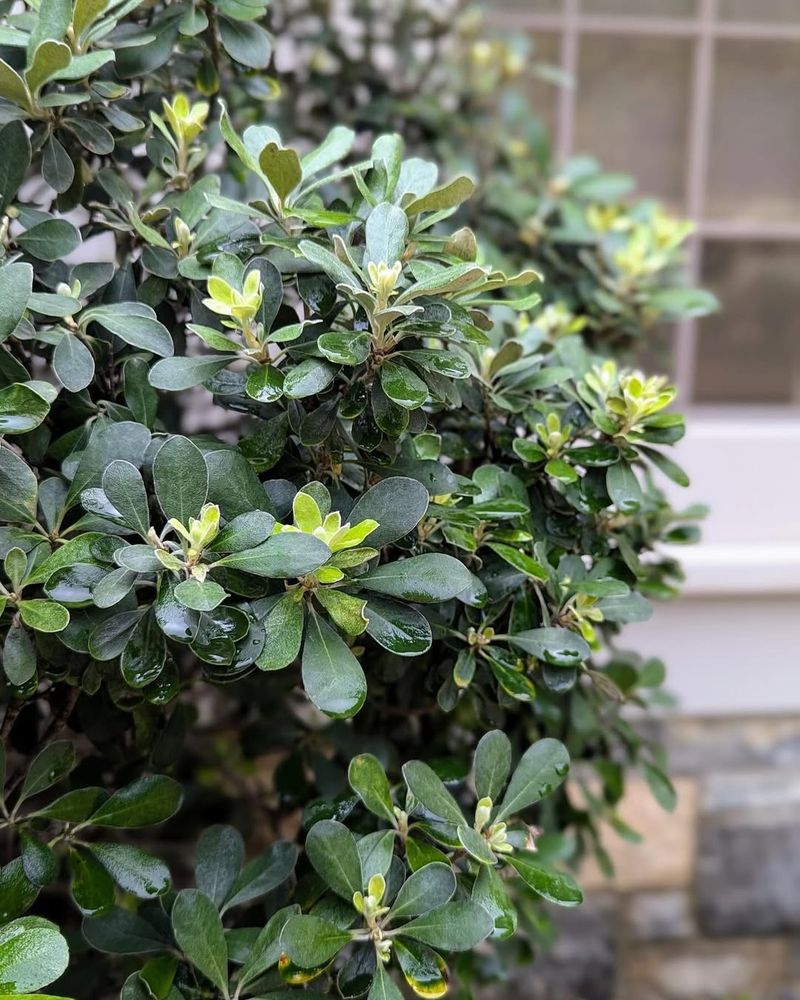
Most people plant pittosporum for its attractive foliage and screening abilities, then discover the amazing fragrance as a bonus.
The small creamy or yellow flowers appear in spring, releasing a sweet honey-orange scent that carries surprisingly far.
The fragrance is especially noticeable in the evening when the air cools and scents linger longer.
California landscapers rely on pittosporum for hedges, screens, and foundation plantings throughout the state.
The glossy evergreen leaves create a polished look year-round, while the plant tolerates coastal winds and salt spray beautifully.
Inland gardeners find pittosporum equally useful, as it handles heat and moderate drought once established.
The flowers aren’t particularly showy from a distance, but up close they’re charming and incredibly fragrant.
Bees and other pollinators visit the blooms enthusiastically, buzzing happily among the sweetly scented clusters.
Pittosporum grows at a moderate pace, eventually reaching eight to twelve feet depending on the variety.
Regular trimming keeps it compact and encourages denser growth for better screening.
Plant it along property lines or near outdoor seating areas where the spring fragrance can be appreciated.
Your California yard benefits from pittosporum’s dual purpose as both a practical landscape workhorse and a source of delightful seasonal perfume.
7. Sweet Alyssum
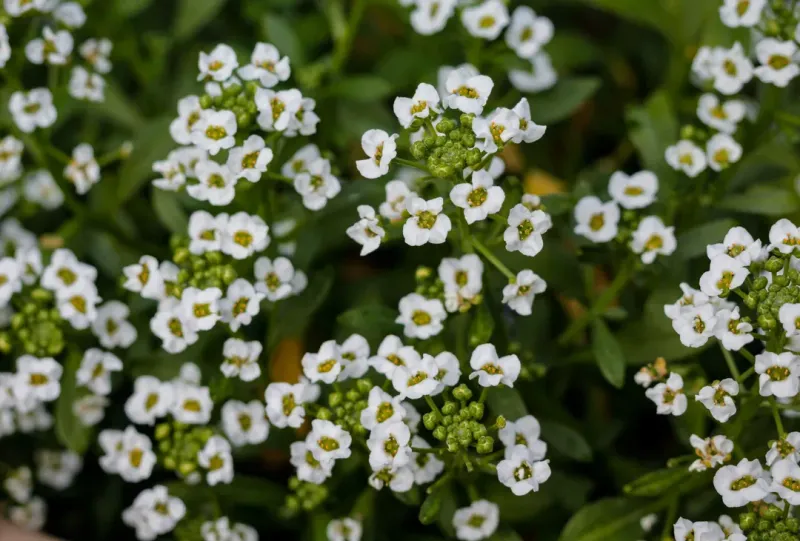
Sweet alyssum might be tiny, but its honey-sweet fragrance packs a powerful punch in California gardens.
This low-growing annual produces masses of small flowers in white, purple, or pink that smell absolutely delightful.
The scent is most noticeable on warm afternoons when the sun intensifies the honey-like perfume.
California gardeners use sweet alyssum as an edging plant, ground cover, or filler between larger perennials.
It self-sows readily in many areas, returning year after year without replanting.
The plant blooms nearly year-round in mild California climates, taking only brief breaks during the hottest or coldest periods.
Sweet alyssum attracts beneficial insects including tiny parasitic wasps that help control garden pests naturally.
It tolerates light foot traffic, making it useful for planting between stepping stones where its fragrance releases when stepped on.
The plant prefers cool weather and may look tired during peak summer heat, but it bounces back when temperatures moderate.
Shear it back if it gets leggy, and it will quickly regrow and rebloom.
Plant sweet alyssum in containers near seating areas where you can enjoy the sweet scent up close.
Your California yard gains a carpet of fragrance with this hardworking little plant that asks for almost nothing while giving back so much beauty and perfume.
8. Daphne
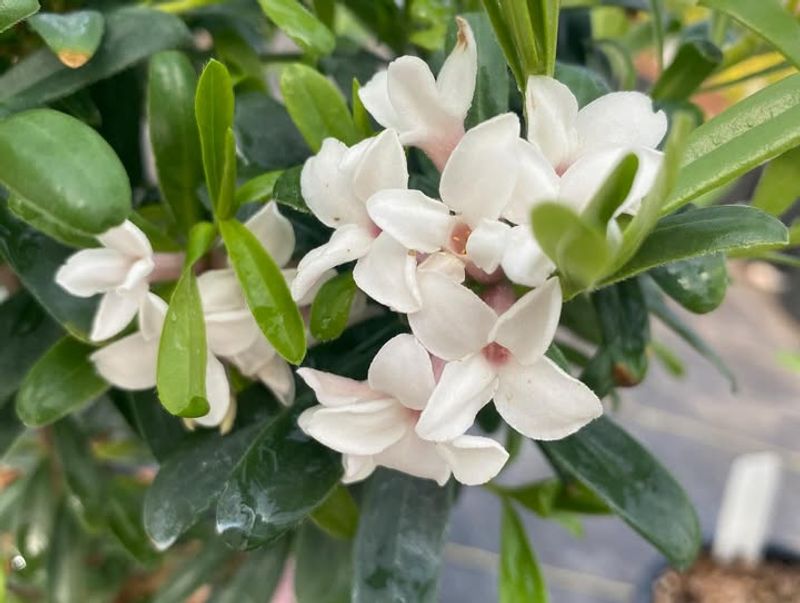
Daphne earns its place in California gardens through sheer fragrance power that seems almost magical.
The small pink or white flower clusters appear in late winter or early spring, releasing an intensely sweet perfume.
Just a few blooms can scent your entire yard, making this compact shrub a must-have for fragrance lovers.
California’s coastal regions provide excellent growing conditions for daphne, offering the cool roots and moderate temperatures it prefers.
Inland gardeners succeed by planting daphne in partial shade with consistent moisture and good drainage.
The evergreen foliage stays attractive year-round, forming a neat mound that fits well in smaller spaces.
Daphne has a reputation for being temperamental, but proper siting and care usually result in success.
It dislikes root disturbance, so choose your planting location carefully and avoid transplanting later.
Plant daphne near doorways, along pathways, or beneath windows where the powerful fragrance can be fully appreciated.
The scent is so strong that one plant often suffices for a small California yard.
Some varieties bloom sporadically throughout the year, providing occasional bursts of perfume beyond the main spring show.
Your California garden reaches new heights of fragrance with daphne, a plant that proves good things definitely come in small packages.
9. Lemon Verbena
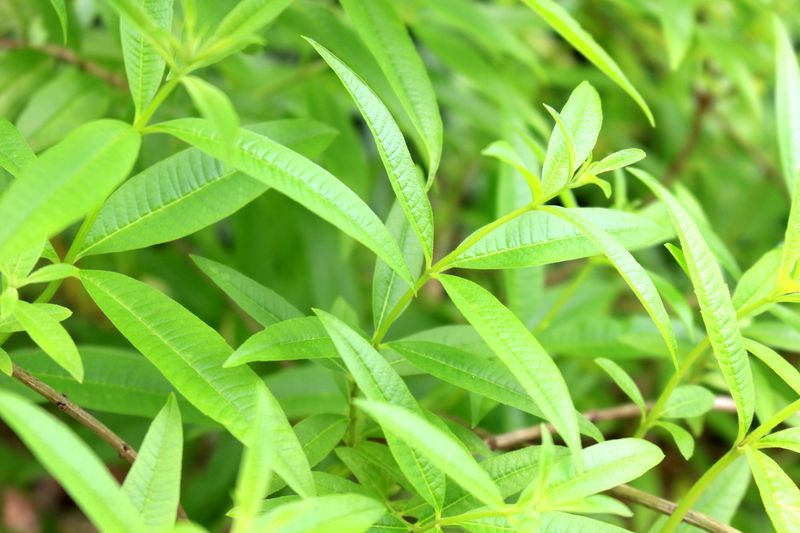
Lemon verbena releases one of the truest, most refreshing lemon scents found in any California garden plant.
The narrow leaves smell intensely citrusy when touched, releasing essential oils that smell like lemon candy.
This deciduous shrub grows enthusiastically in California’s warm climate, reaching four to six feet tall by summer’s end.
Gardeners throughout the state treasure lemon verbena for tea, potpourri, and simply brushing against for an instant mood lift.
The plant produces tiny white or pale purple flowers in summer, though the foliage provides the main fragrance attraction.
Lemon verbena needs regular water and benefits from afternoon shade in the hottest California regions.
It loses its leaves in winter, even in mild climates, but returns vigorously when spring warmth arrives.
Cut it back hard in late winter to encourage bushy new growth covered in aromatic leaves.
Plant lemon verbena near outdoor seating areas or along pathways where people can easily touch the leaves.
The fresh lemon scent is incredibly uplifting and energizing, making it perfect near entryways.
Harvest leaves throughout the growing season for drying, as they retain their fragrance beautifully when preserved.
Your California yard gains a living lemon air freshener with this vigorous, wonderfully scented herb that perfumes the air whenever the wind blows through its branches.
10. Angel’s Trumpet
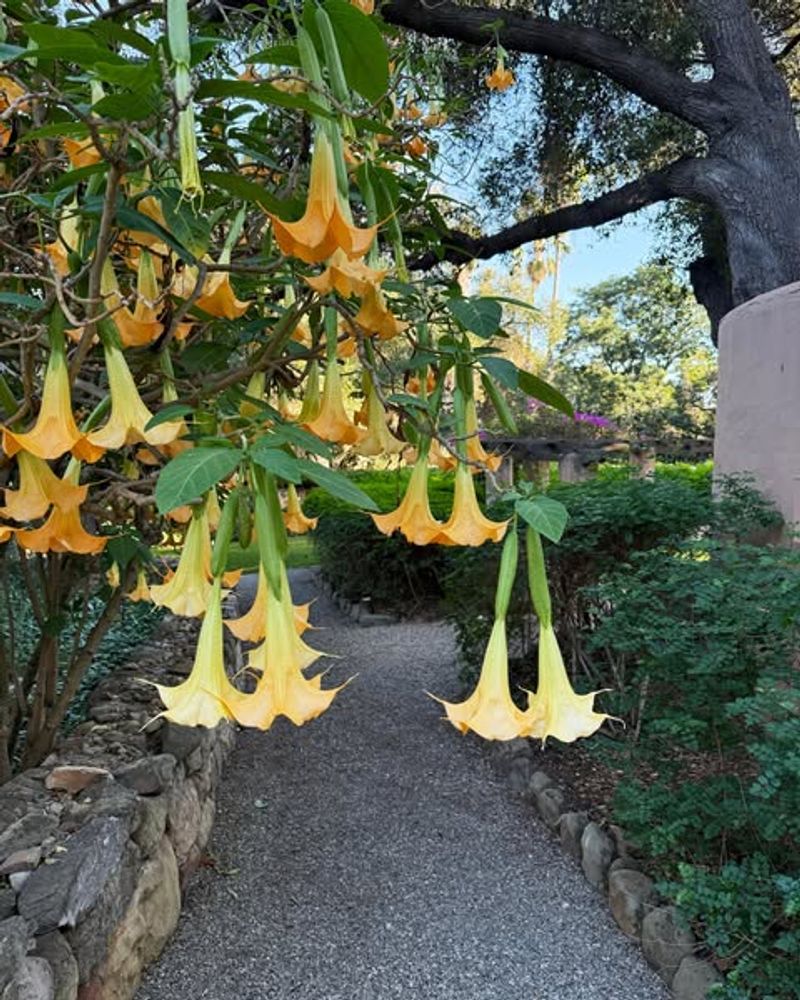
Angel’s trumpet creates drama in California gardens with enormous hanging flowers that release an intoxicating evening fragrance.
The trumpet-shaped blooms can reach ten inches long, appearing in white, yellow, peach, or pink depending on the variety.
The sweet, almost narcotic perfume intensifies at night, making patios and decks smell absolutely heavenly after sunset.
This fast-growing shrub or small tree thrives in California’s mild climate, blooming from summer through fall.
Coastal gardeners enjoy the most success, as angel’s trumpet appreciates humidity and moderate temperatures.
Inland areas work too with afternoon shade and generous watering during hot weather.
The large tropical-looking leaves create a lush backdrop for the spectacular pendant flowers.
Angel’s trumpet grows quickly, sometimes adding several feet in a single season when conditions suit it.
Plant it near outdoor entertaining spaces where the evening fragrance can be fully enjoyed.
The flowers attract hummingbirds and sphinx moths that pollinate blooms at dusk.
Note that all parts of this plant contain compounds that shouldn’t be consumed, so keep it away from curious pets and children.
Your California yard transforms into an exotic paradise with angel’s trumpet perfuming summer evenings with its powerful, unforgettable fragrance that neighbors will definitely notice and admire.
11. Stock
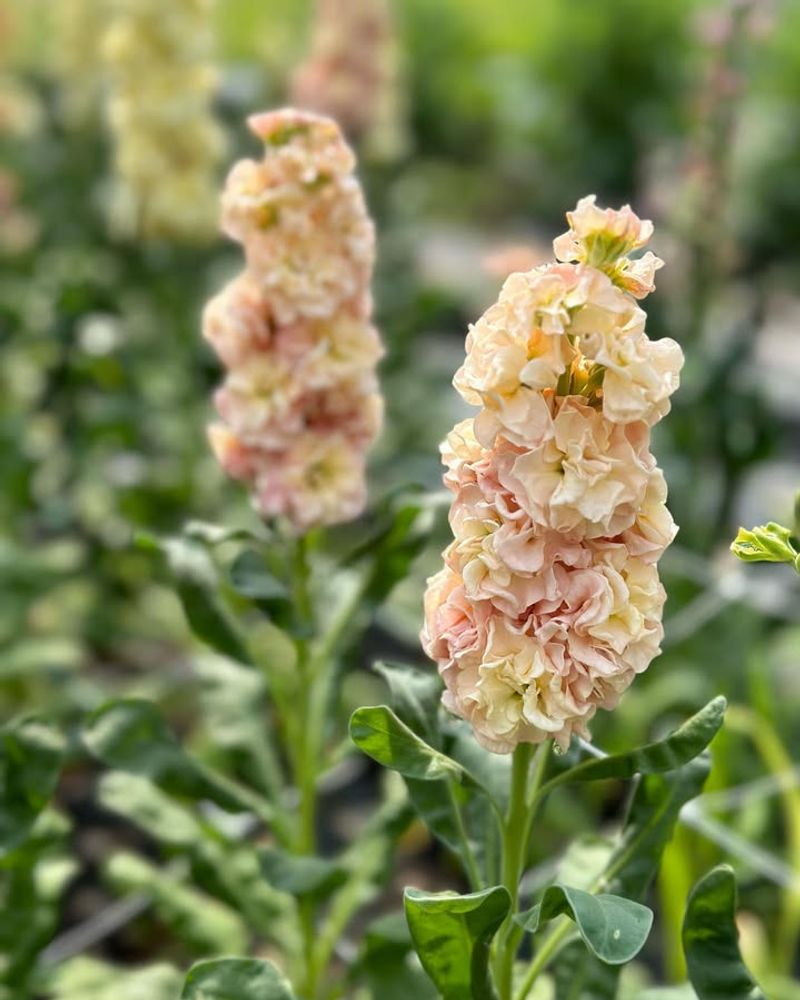
Stock brings old-fashioned charm and incredible spicy-sweet fragrance to California gardens during the cooler months.
The tall spikes of ruffled flowers appear in gorgeous shades of pink, purple, white, yellow, and red.
The clove-like scent is most powerful in the evening and on cloudy days when moisture holds fragrances close to the ground.
California gardeners plant stock in fall for winter and spring blooms, taking advantage of the mild climate.
The flowers last for weeks in the garden and make excellent cut flowers that perfume entire rooms.
Stock prefers cool weather and may struggle once summer heat arrives, but it delivers months of beauty beforehand.
Plant it in beds near windows or doors where the wonderful fragrance can drift indoors.
The flowers attract butterflies and bees during their long blooming period.
Stock grows best in full sun with rich, well-drained soil and regular water.
Taller varieties may need staking to prevent the heavy flower spikes from toppling over.
The fragrance is especially appreciated during California’s winter months when fewer plants bloom.
Your California yard gains a romantic cottage-garden feel with stock planted generously, filling the air with its distinctive spicy-sweet perfume that reminds many people of their grandmother’s gardens.
12. Night-Blooming Jasmine
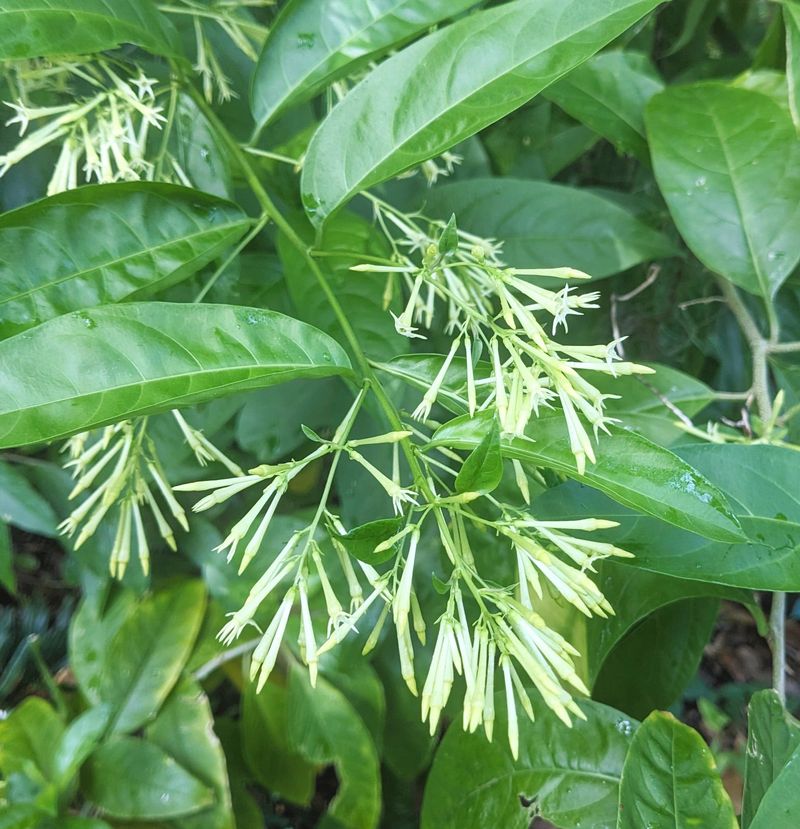
Night-blooming jasmine isn’t actually a true jasmine, but its evening perfume rivals any fragrant plant in California.
The small tubular flowers look unremarkable during the day, but after sunset they release an incredibly powerful sweet fragrance.
The scent is so intense that a single plant can perfume an entire neighborhood on warm California evenings.
This evergreen shrub grows happily throughout California, handling heat, drought, and various soil conditions with ease.
It blooms sporadically throughout the warm months, with peak flowering occurring in summer.
The plant grows quickly and can become quite large, reaching ten feet or more without pruning.
Night-blooming jasmine works beautifully near patios, bedroom windows, or anywhere you spend time during evening hours.
Some people find the fragrance overwhelming, so plant it where the scent can be enjoyed without being overpowering.
The flowers attract night-flying moths that pollinate the blooms under cover of darkness.
Prune it regularly to maintain size and encourage bushier growth with more flowering branches.
The plant tolerates neglect but looks better with occasional water and feeding during the growing season.
Your California yard becomes an evening paradise with night-blooming jasmine perfuming the air after dark, creating an unforgettable sensory experience that makes summer nights truly magical.