10 Ways Colorado Homes Ease Into Winter Decor After The Holidays
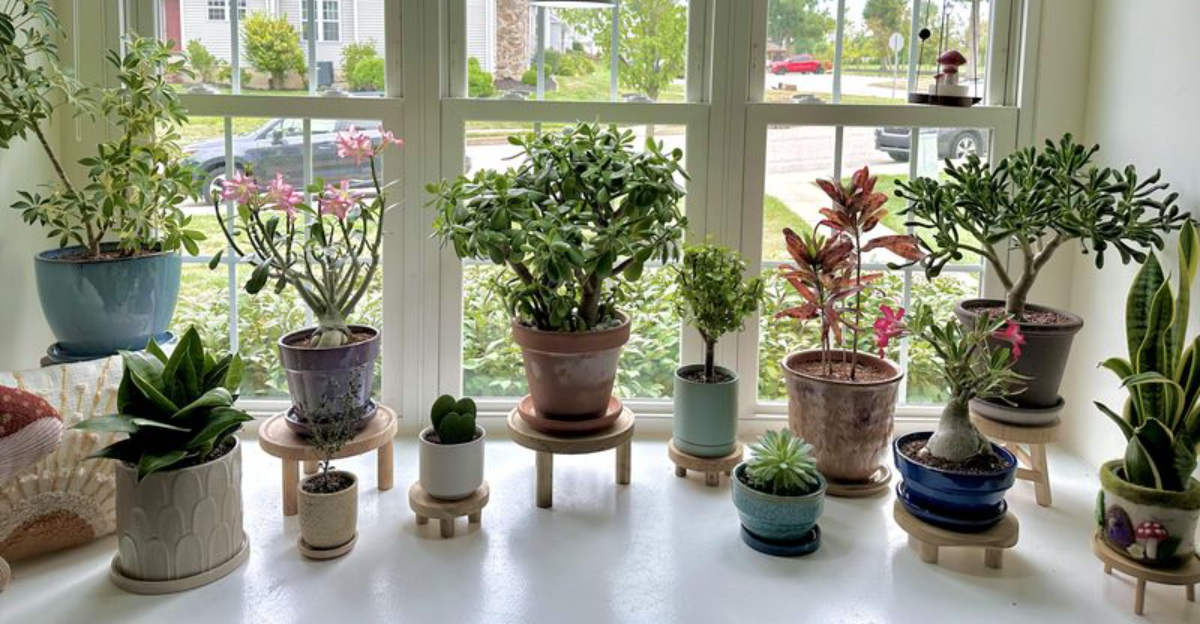
After the holidays wrap up, many Colorado homes don’t rush to strip everything away, letting winter settle in naturally with textures and greenery that still feel right.
There’s something comforting about easing out of festive decor slowly, keeping what works for cold, quiet days instead of forcing a hard reset.
These small choices reflect a relaxed, practical style that feels lived-in, seasonal, and perfectly suited to winter life in Colorado.
1. Evergreen Containers Stay In Place Longer Than Expected

Colorado homes often keep evergreen porch containers in place after the holidays because pine, spruce, and fir cuttings remain visually strong throughout much of winter.
Snow settles between evergreen branches in these containers because cold temperatures preserve structure rather than breaking foliage down quickly.
Many gardeners remove holiday decorations from containers while leaving plant material intact because greenery still frames entryways effectively.
Juniper and pine hold color well in freezing conditions because their needles are adapted to Colorado’s dry winter climate.
Outdoor containers continue providing structure near doors and walkways because surrounding garden beds remain dormant.
Homeowners rarely empty winter containers immediately because bare pots feel disconnected from the landscape during cold months.
Evergreen containers blend naturally with snow covered yards because they reflect plants already present in nearby landscapes.
These containers remain in place through winter because gardeners prioritize continuity over seasonal removal.
2. Houseplants Are Repositioned Based On Winter Sunlight
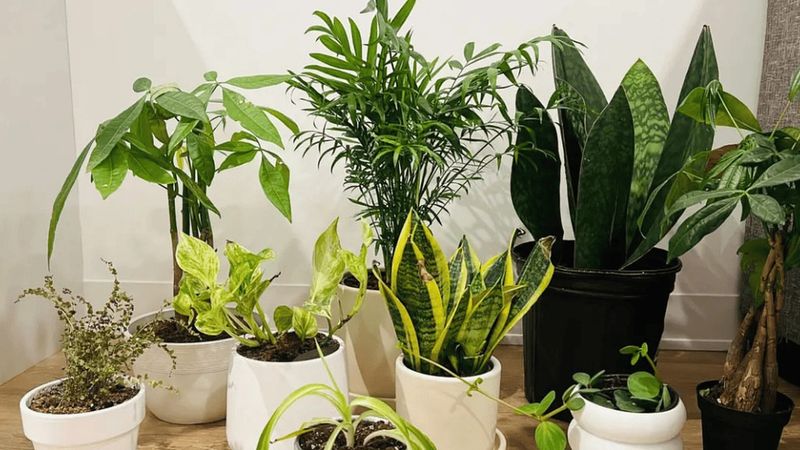
After holiday décor is removed, houseplants in Colorado homes are repositioned because winter sunlight reaches windows at lower angles.
South and west facing windows become more important after December because daylight hours shorten significantly.
Plants previously grouped for visual display are separated because crowded foliage restricts airflow during winter.
Cold glass influences placement decisions because leaves touching windows are easily damaged during overnight freezes.
Potted plants are often moved away from exterior walls because temperature fluctuations are stronger near poorly insulated surfaces.
Indoor gardeners adjust placement gradually because sudden movement can stress roots during cold months.
Plants receive clearer exposure to natural light because seasonal decorations no longer block windows.
Winter placement focuses on stability because consistent conditions support healthy foliage through dormancy.
3. Dried Garden Materials Replace Holiday Greenery
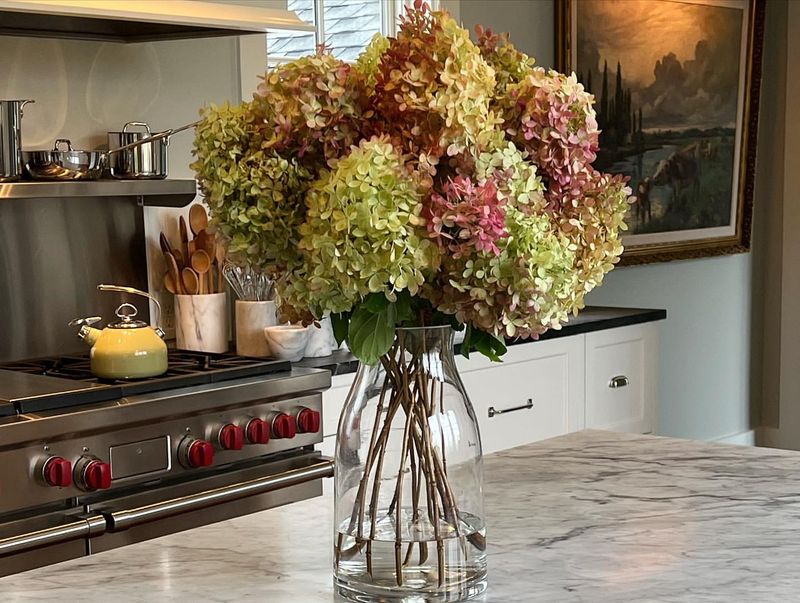
Dried branches, seed heads, and grasses step in naturally once fresh holiday greenery fades, giving homes a calmer seasonal look without the rush of replacing decorations immediately after celebrations end.
Bundles of dried hydrangea, eucalyptus, or ornamental grasses hold their shape for weeks, allowing containers and vases to stay styled without daily water checks or dropping needles.
Gardeners often save pruned stems from late fall cleanups, discovering that these materials already match winter light and muted indoor palettes better than glossy evergreens.
Dried materials bring texture rather than color, which helps rooms feel settled instead of festive, signaling a quiet shift from holiday display to everyday living.
Unlike fresh greenery, dried stems handle indoor heat and dry air without shedding, curling, or browning further, making them reliable through long winter stretches.
Arrangements can stay simple, with single branches or small groupings, since dried forms carry visual interest through shape and structure alone.
Your Colorado Garden Changes Every Week. Your Plan Should Too.
Gardening in Colorado changes quickly throughout the season. Every Friday you’ll receive a simple weekly plan showing exactly what to plant, prune, fertilize, harvest, and protect so you never miss the right timing.
Using garden leftovers also reduces waste, turning what would be compost into décor that feels intentional rather than seasonal clutter.
As weeks pass, dried materials blend easily with houseplants and neutral décor, creating a smooth transition that feels thoughtful instead of abrupt once the holidays end.
4. Windowsills Become Functional Plant Zones
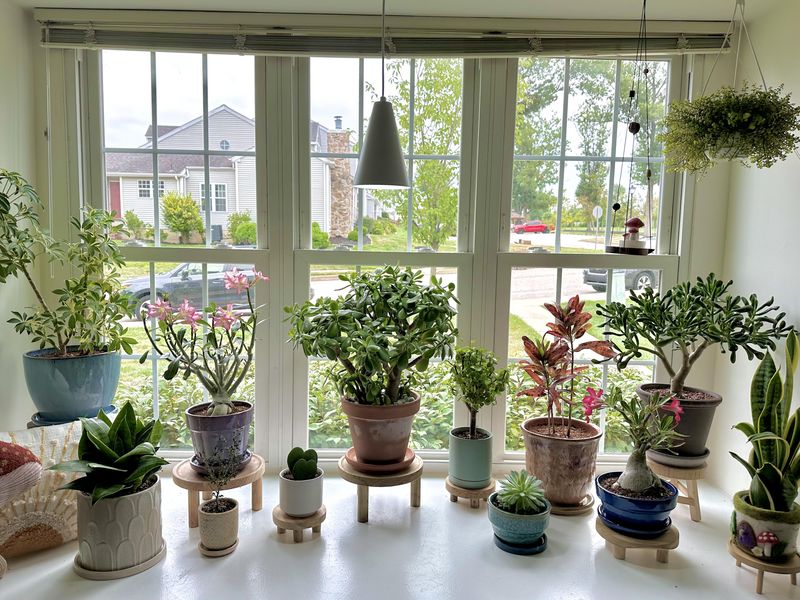
Windowsills shift from decoration to purpose as plants move closer to steady light during shorter winter days and darker interiors.
This spot offers consistent exposure without rearranging entire rooms, making it an easy adjustment once holiday décor is removed.
Plants placed on windowsills often show steadier growth because light reaches them directly rather than filtering across furniture and walls.
Cooler glass nearby can balance warm indoor air, helping prevent the stress that often follows sudden heating changes.
Grouping plants along one sill also simplifies care, keeping watering and observation contained in a single daily routine.
Smaller pots fit naturally in these narrow zones, encouraging gardeners to rotate plants based on light needs instead of aesthetics.
Windowsills become practical rather than decorative, serving as quiet workspaces for plant recovery after seasonal disruption.
Over time, these zones feel intentional, blending plant care into everyday living instead of treating greenery as movable accents.
5. Outdoor Garden Beds Are Left Intact Through Winter
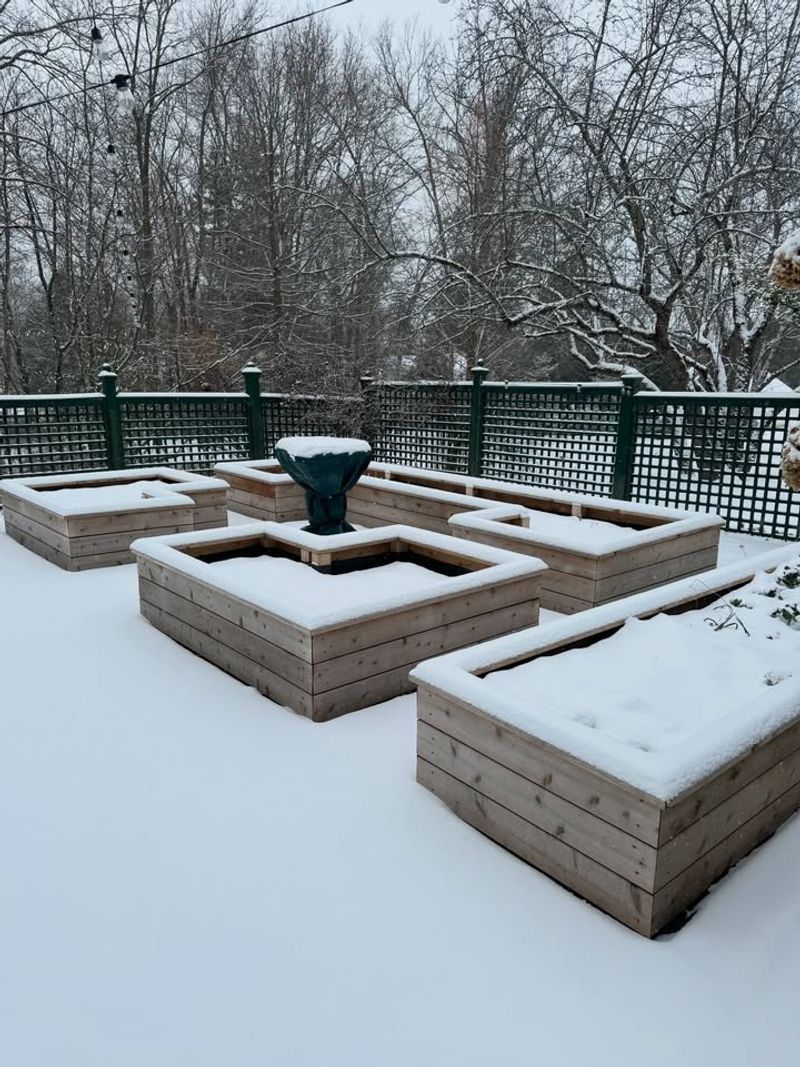
Colorado gardeners often leave outdoor garden beds intact through winter because dried stems, seed heads, and spent foliage help protect soil from wind exposure and temperature swings.
Seed heads and standing stalks remain visible across garden beds because they trap drifting snow that insulates perennial roots during repeated freeze cycles.
Many gardeners avoid cutting back perennials after the holidays because hollow stems provide shelter for beneficial insects throughout colder months.
Frozen soil benefits from plant debris left in place because exposed ground loses moisture quickly during dry Colorado winters.
Snow settling on dried plants adds visual structure to beds because upright forms remain visible even when the ground is fully covered.
Garden beds appear fuller during winter months because structural plant material remains instead of being cleared away.
Leaving organic material undisturbed reduces early spring workload because decomposition begins naturally as temperatures slowly rise.
Outdoor beds remain unchanged through winter because gardeners allow seasonal dormancy to guide cleanup timing.
6. Indoor Greenery Becomes More Minimal
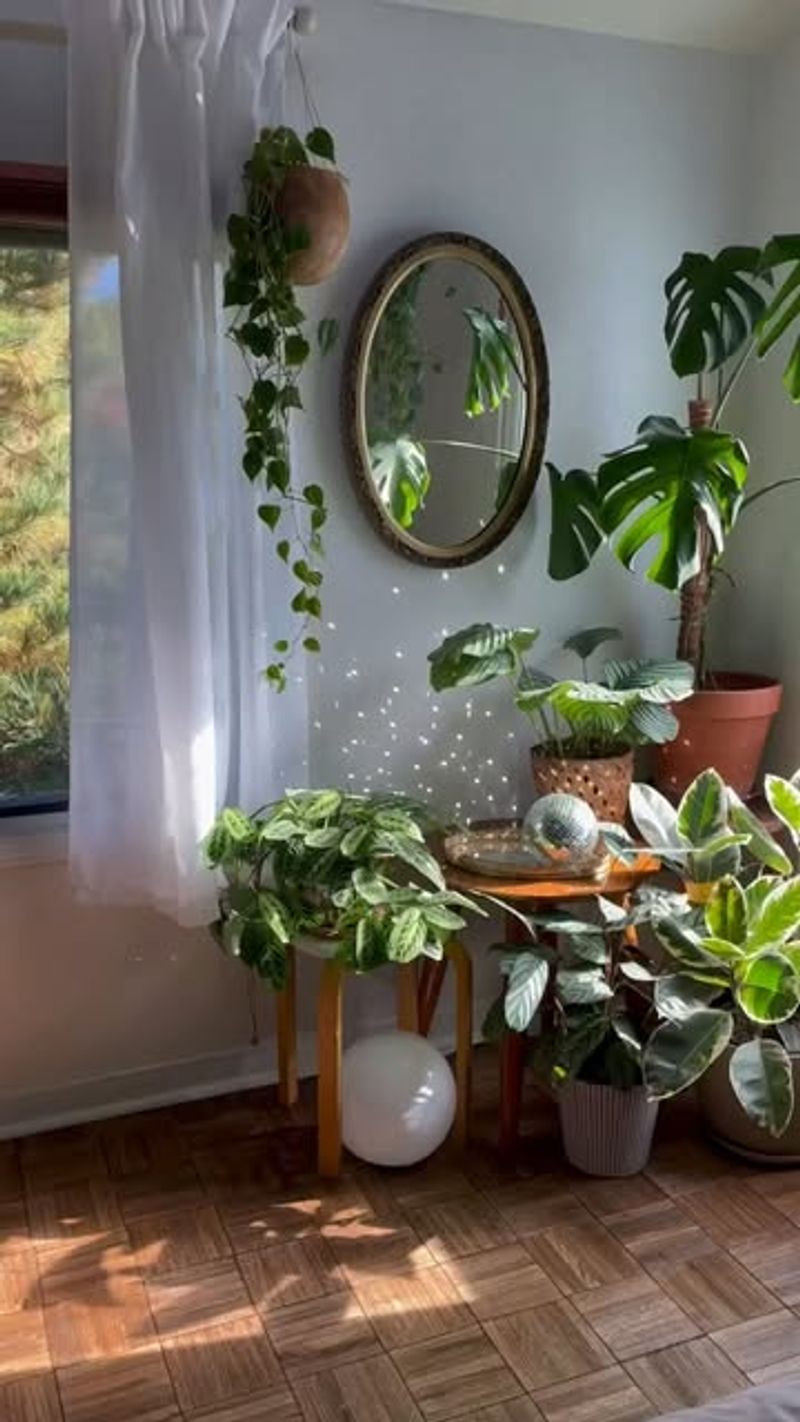
After holiday decorations are removed, indoor greenery in Colorado homes becomes more minimal because large plant groupings feel heavy during darker winter months.
Gardeners often reduce the number of displayed plants because caring for fewer containers is easier when light levels drop.
Single potted plants replace clustered arrangements because individual placement allows better access to available winter sunlight.
Foliage plants are favored over flowering varieties because blooms struggle to last in low light conditions.
Plants are spaced farther apart across rooms because airflow helps prevent issues caused by dry heated air.
Decorative containers are reused without added accents because visual simplicity matches winter gardening routines.
Smaller plant displays remain flexible because pots can be moved easily as light shifts throughout the season.
Indoor greenery stays restrained through winter because maintenance and plant health take priority over decoration.
7. Porch Pots Transition Toward Late Winter Use
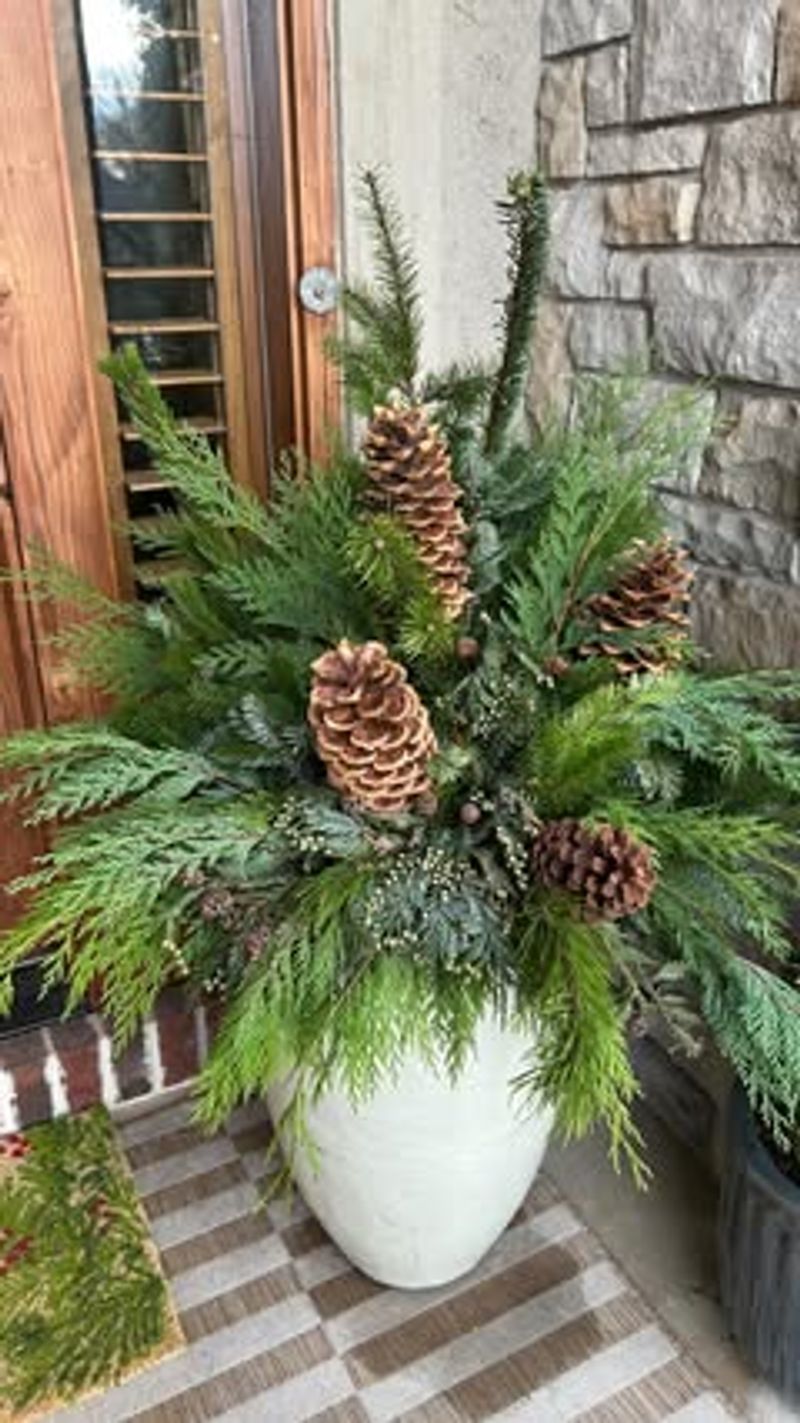
Rather than emptying porch pots after the holidays, Colorado gardeners keep them in place because winter conditions continue well beyond January in most regions.
Holiday accents are removed while soil and plant material remain because containers still provide structure and insulation during cold months.
Porch pots are often repositioned closer to walls or sheltered corners because wind exposure increases during frequent winter storms.
Gardeners add mulch, pine needles, or straw to containers because repeated freeze and thaw cycles can damage exposed roots.
Container placement is adjusted based on sun exposure because winter warmth varies greatly across porches and entryways.
Evergreen material left in pots softens hard architectural lines because outdoor spaces feel stark once decorations are gone.
These containers are monitored through winter because many gardeners plan to reuse them for early spring planting.
Porch pots stay part of the landscape because they help bridge the long gap between winter dormancy and the next growing season.
8. Natural Materials Replace Seasonal Decorations
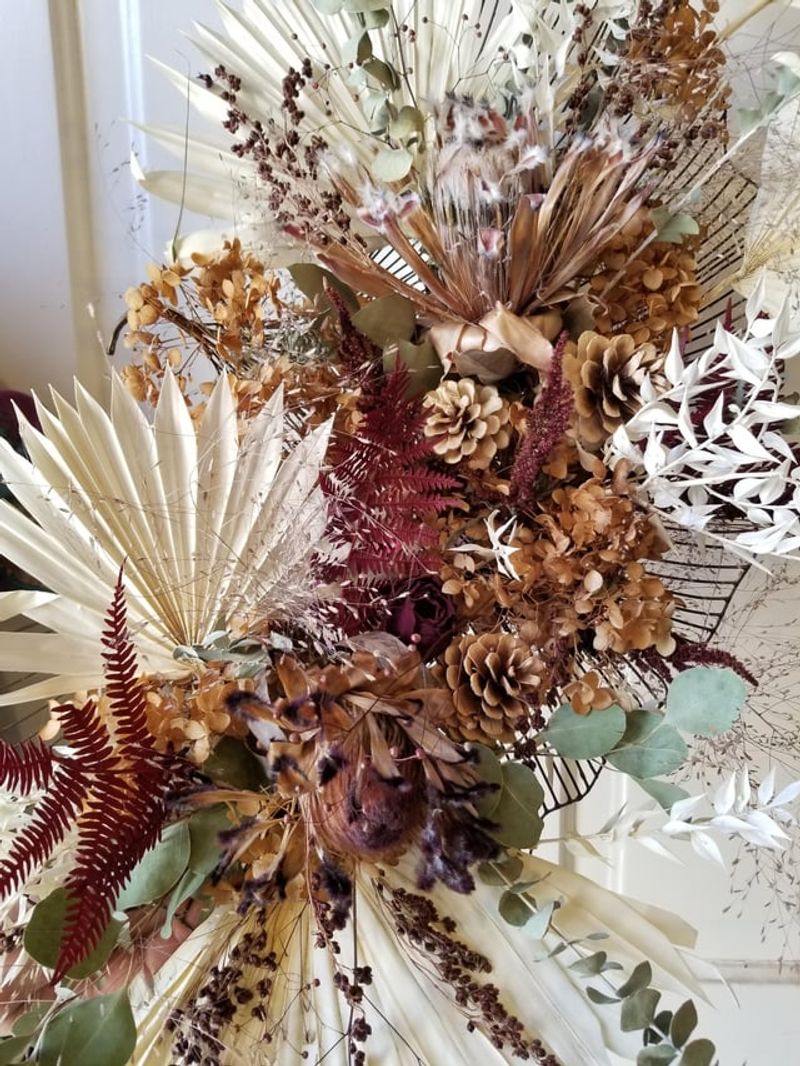
After the holidays, Colorado homes often shift toward natural materials because wood, stone, dried plants, and woven fibers reflect the winter landscape outside more accurately than seasonal décor.
Gardeners favor branches, seed pods, and dried grasses gathered earlier in the year because these materials already match local conditions and winter color palettes.
Natural materials are placed alongside houseplants because foliage contrasts well with rough textures like bark, clay, and unfinished wood.
Decorative items made from plant fibers remain visible longer because dry winter air preserves their structure without extra care.
Garden sourced materials feel appropriate indoors because they mirror what remains standing in dormant gardens and yards.
Homes rely less on artificial accents because natural elements blend easily with existing plants and containers.
These materials require minimal adjustment because they do not depend on water, light, or frequent maintenance.
Natural textures remain part of winter décor because they support a gardening focused approach rather than a holiday centered one.
9. Lighting Is Adjusted To Support Plant Growth
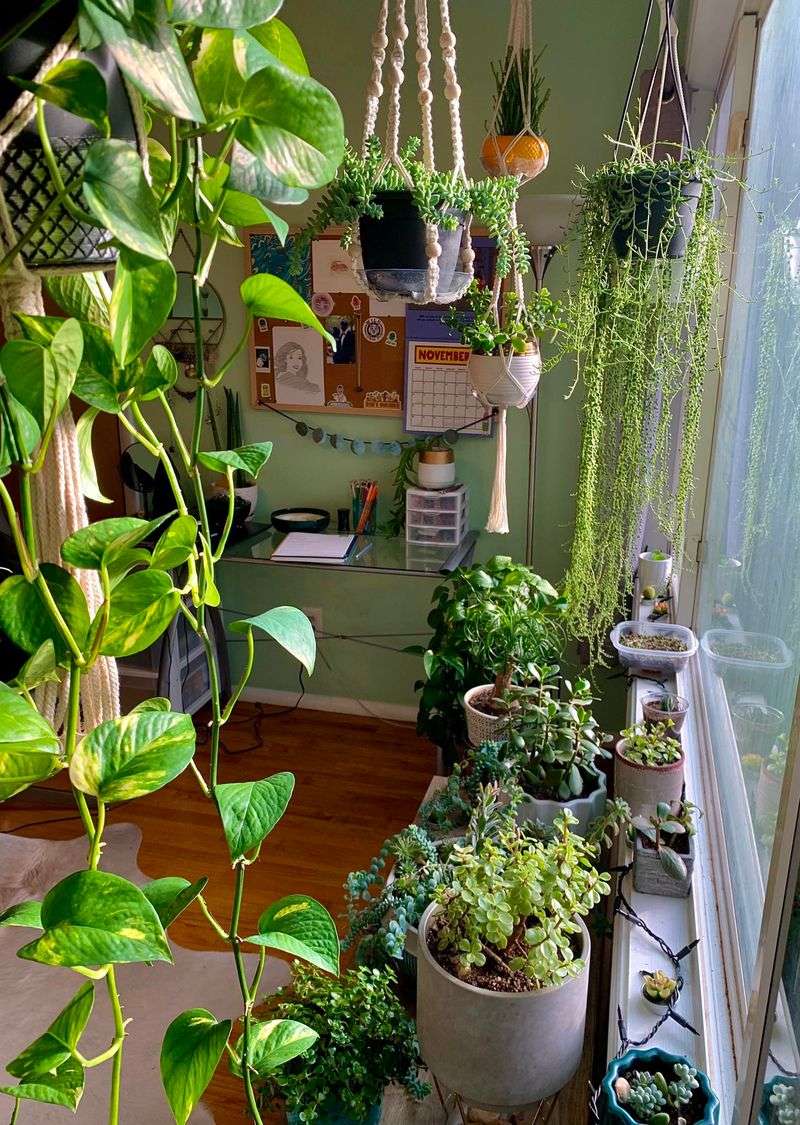
Once holiday lights are removed, lighting in Colorado homes is adjusted because houseplants rely more heavily on consistent light sources during short winter days.
Gardeners reposition plants closer to windows because unobstructed daylight becomes limited after decorations are taken down.
Grow lights are moved or added near plant groupings because natural sunlight alone is often insufficient during extended winter cloud cover.
Lighting schedules are reviewed because plants respond differently to shorter daylight hours and longer nights.
Reflective surfaces such as light walls or shelves are used because they help extend available light deeper into rooms.
Gardeners observe leaf color and growth patterns because changes can indicate whether lighting adjustments are effective.
Artificial lighting is kept moderate because excess heat can dry foliage in already low humidity conditions.
Lighting decisions remain focused on plant needs because winter growth depends heavily on stable exposure.
10. Gardening Focus Shifts Toward Late Winter Preparation
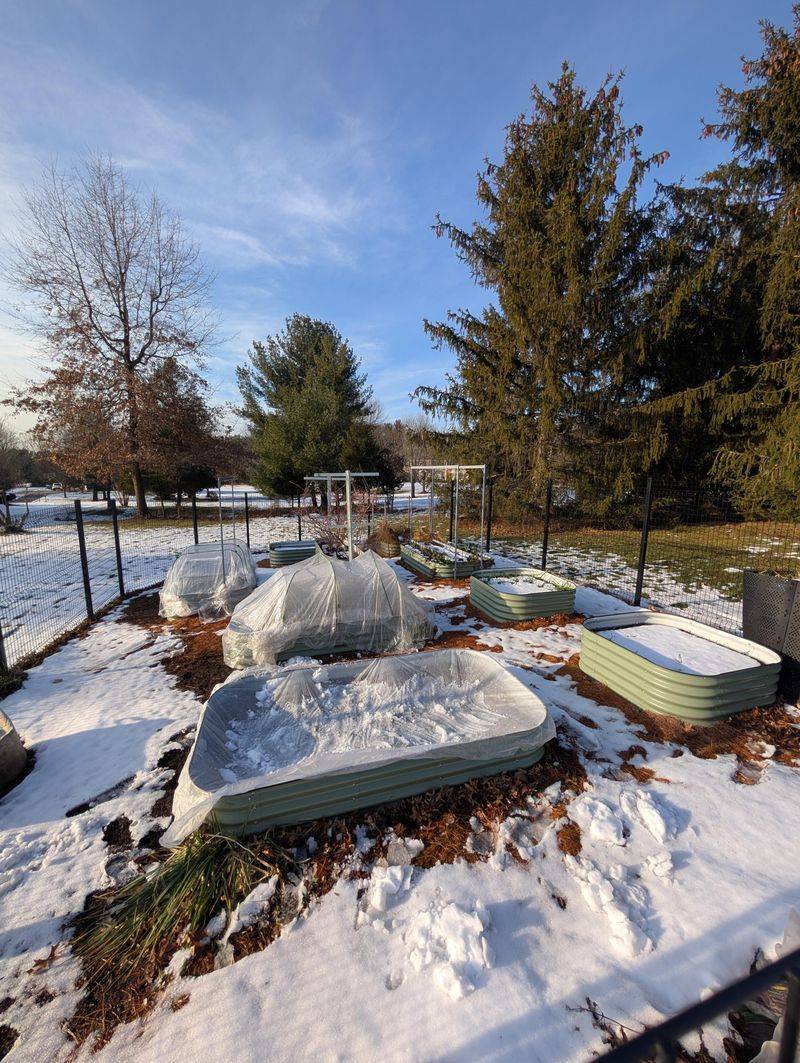
Colorado gardeners gradually turn attention toward late winter preparation because outdoor growth slows while indoor planning becomes more practical.
Houseplants become the main focus during this period because they remain actively growing while outdoor beds stay frozen.
Containers and pots are evaluated during winter weeks because many will be reused once early spring planting begins.
Seed inventories are reviewed indoors because ordering and organizing must happen long before soil becomes workable.
Gardening supplies are reorganized inside the home because tools, soil, and containers are used more frequently during winter.
Late winter planning gains importance because pruning schedules and container layouts are easier to assess without active growth.
Garden notes from the previous season are revisited because past results help guide upcoming planting decisions.
Preparation continues steadily through winter because Colorado’s growing season depends on early organization rather than early planting.