Why Minnesota Homes Put Holiday Plants To The Ultimate Test And What Helps
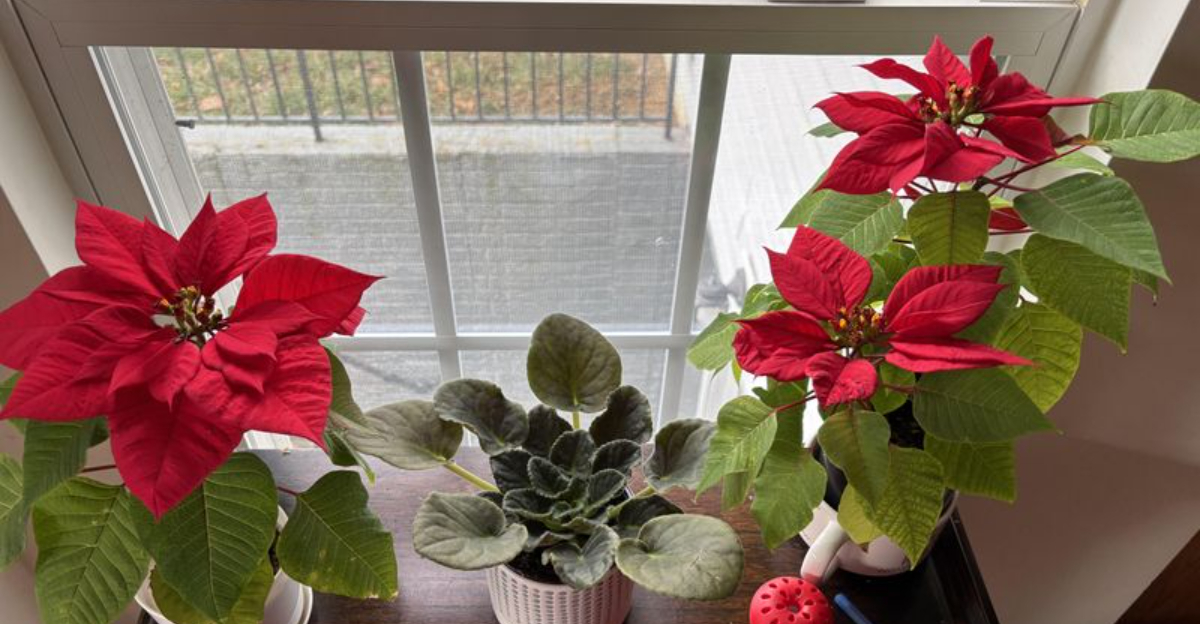
Minnesota homes quietly put holiday plants through a lot once celebrations end, with dry indoor air and sharp temperature changes testing how long greenery can truly hold on.
What looks fine during the holidays often starts struggling afterward, catching homeowners off guard when leaves droop or color fades.
The plants that last usually benefit from a few thoughtful habits that help them adjust to real winter living instead of short-term display.
1. Brutal Indoor Dryness From Furnace Heat
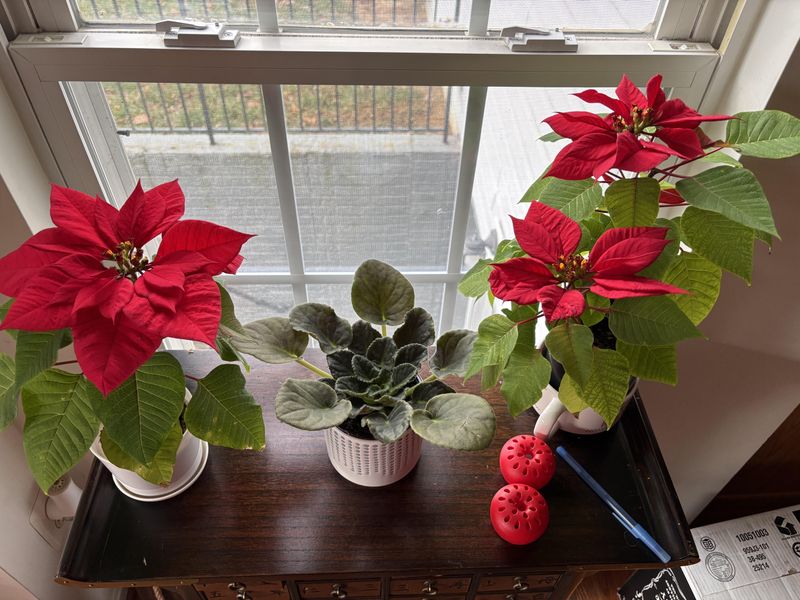
Furnaces running constantly during Minnesota winters strip moisture from indoor air faster than almost anywhere else in the country during holiday season.
Holiday plants evolved in humid environments where moisture surrounds leaves constantly, so bone-dry air causes immediate stress to delicate plant tissues everywhere.
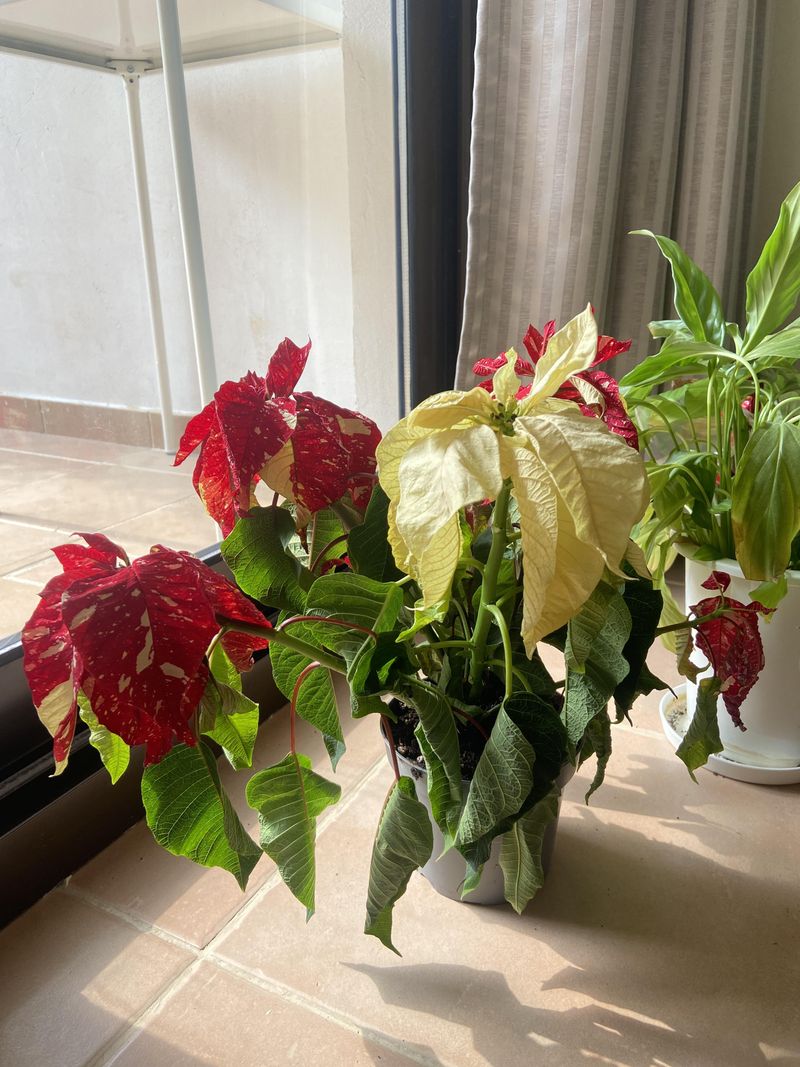
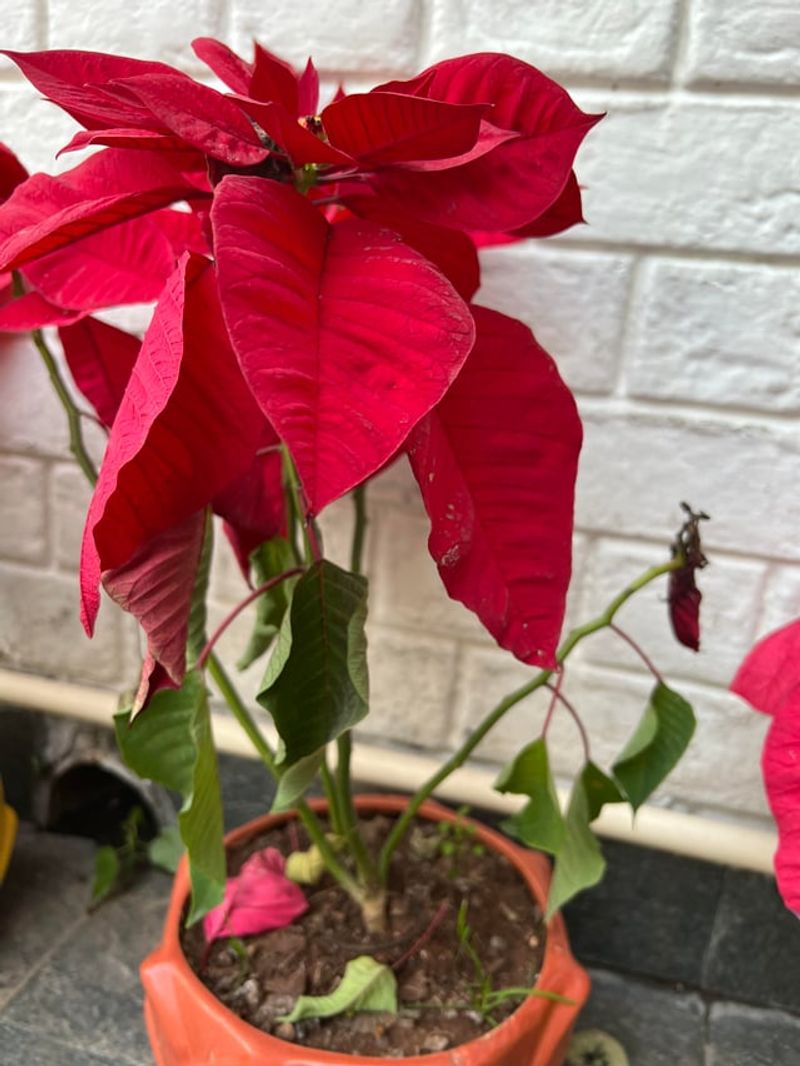
Poinsettias drop leaves within days when humidity falls below twenty percent, which happens frequently in heated homes across the North Star State.
Grouping plants together creates a microclimate where they share moisture through transpiration, providing mutual protection against the driest indoor air conditions.
Small humidifiers placed near plant displays add essential moisture without soaking furniture or creating mold problems in living spaces during winter months.
Pebble trays filled with water beneath pots increase local humidity as evaporation rises around leaves throughout the day and night continuously.
Misting plants seems helpful but actually provides only temporary relief that lasts minutes rather than hours, making it ineffective for serious dryness.
Bathrooms and kitchens naturally have higher humidity levels, making them surprisingly good temporary locations for struggling plants in Minnesota homes during brutal cold.
Monitoring humidity with inexpensive gauges helps families understand when conditions drop into dangerous zones that threaten plant health during extended cold snaps.
2. Extreme Temperature Fluctuations Near Windows
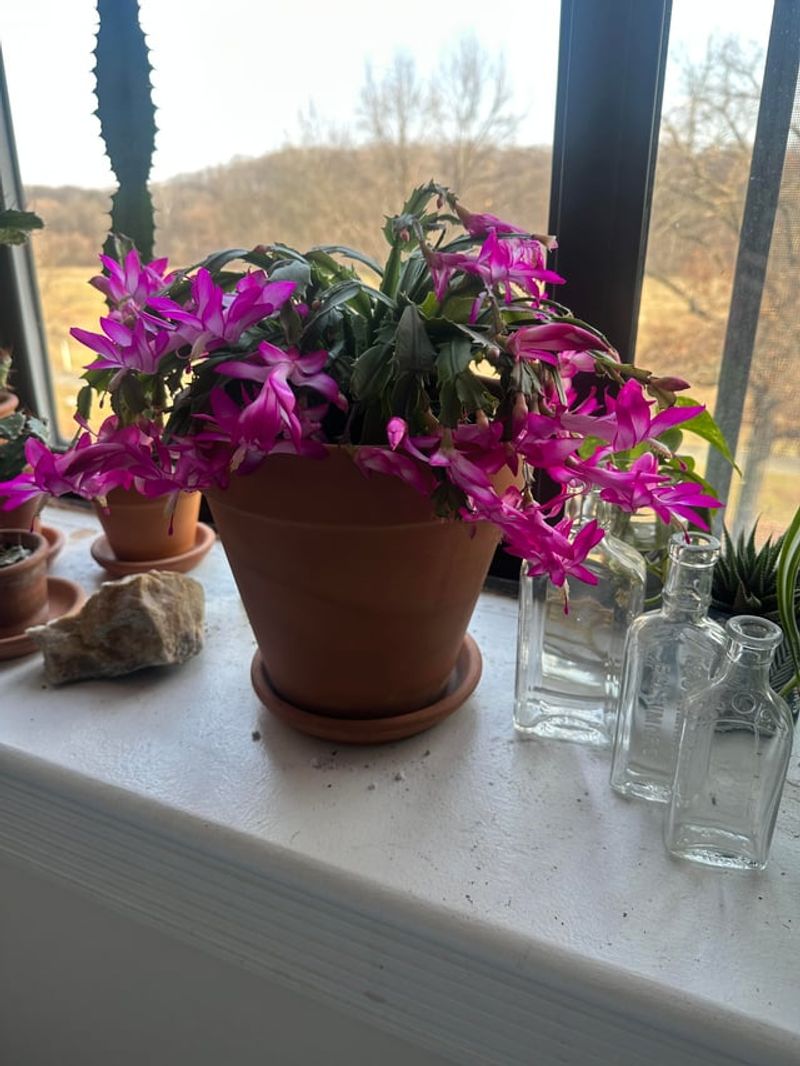
Windows in Minnesota homes create microclimates where temperatures swing wildly between day and night, confusing plants adapted to stable tropical conditions year-round.
Cold glass surfaces radiate chill that drops leaf temperatures ten to fifteen degrees lower than room air just inches away from windows.
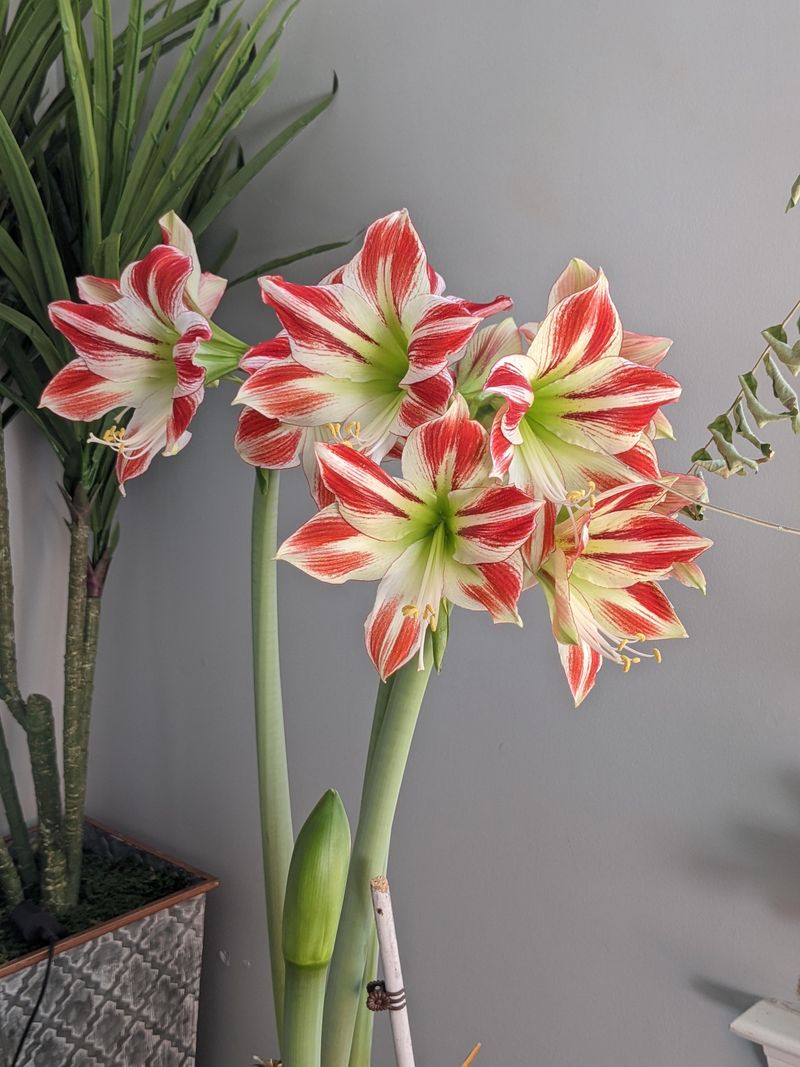
Christmas cacti and amaryllis experience shock when nighttime window temperatures plummet while central heating keeps the rest of rooms comfortably warm for residents.
Moving plants a few feet away from windows at night protects them from cold radiation without sacrificing the bright light they need.
Thick curtains or insulating window treatments create barriers between frigid glass and plants, moderating temperature swings that stress holiday greenery in northern climates.
Drafty windows compound problems by allowing cold air to flow directly onto leaves, creating conditions similar to outdoor exposure in the upper Midwest.
Checking for drafts with a candle flame or incense stick reveals problem areas where cold air infiltrates around window frames during Minnesota winter storms.
Double-paned windows perform much better than single-pane glass at protecting nearby plants from extreme cold radiating through from outside air temperatures.
Rotating plants away from windows during particularly cold nights prevents damage while still allowing them to enjoy sunny spots during warmer daytime hours.
3. Short Daylight Hours And Weak Winter Sun
December sunlight in Minnesota lasts barely eight hours daily, and even that weak light struggles to penetrate through windows at low angles.
Your Minnesota Garden Changes Every Week. Your Plan Should Too.
Gardening in Minnesota changes quickly throughout the season. Every Friday you’ll receive a simple weekly plan showing exactly what to plant, prune, fertilize, harvest, and protect so you never miss the right timing.
Holiday plants accustomed to tropical regions expect twelve or more hours of bright light, making Minnesota winters feel like perpetual darkness to them.
South-facing windows provide the best natural light during short winter days, though even these locations receive less intensity than summer months elsewhere.
Supplemental grow lights extend effective daylight hours, helping plants maintain energy production necessary for keeping blooms fresh and foliage healthy throughout celebrations.
LED grow bulbs fit standard lamps and fixtures, making it easy to add plant-friendly lighting without buying expensive specialized equipment for Minnesota homes.
Positioning plants within two feet of light sources ensures they receive adequate intensity, as light strength diminishes rapidly with distance from bulbs.
Timers automate lighting schedules, providing consistent fourteen-hour days that compensate for natural light deficits common in northern states during winter holiday seasons.
Reflective surfaces like mirrors or white walls behind plants amplify available light, helping maximize every photon that enters rooms during gloomy Minnesota days.
Rotating plants weekly ensures all sides receive equal light exposure, preventing lopsided growth patterns that develop when one side constantly faces windows or lamps.
4. Overwatering From Anxious Plant Parents
Worried families often overcompensate for harsh Minnesota conditions by drowning plants with excessive water, thinking more care equals better results for holiday greenery.
Cold temperatures and short days slow plant metabolism dramatically, meaning roots absorb water far more slowly than during summer growing seasons anywhere.
Soggy soil suffocates roots by displacing oxygen, leading to rot that mimics drought symptoms and confuses caretakers into watering even more frequently.
Checking soil moisture by inserting a finger two inches deep prevents overwatering mistakes, as surface dryness often disguises wet conditions below in containers.
Most holiday plants prefer soil that dries slightly between waterings, especially during cold months when growth slows throughout homes in northern regions.
Drainage holes in pots are absolutely essential, allowing excess water to escape rather than accumulating around roots and creating swampy conditions indoors.
Emptying saucers beneath pots fifteen minutes after watering prevents roots from sitting in standing water that leads to rot in Minnesota homes.
Decorative cache pots without drainage look beautiful but trap water dangerously, so using them requires extra vigilance about removing excess moisture after watering.
Reduced watering frequency during winter months reflects plants natural dormancy patterns, even for holiday bloomers that need less moisture than summertime care routines.
5. Shock From Traveling In Freezing Conditions
Transporting plants from stores to homes in subzero Minnesota weather exposes tropical species to temperatures that can damage tissues in mere minutes outside.
Even brief exposure to freezing air causes cellular damage in leaves and stems, leading to wilting or browning that appears days after purchase.
Wrapping plants completely in paper or plastic sleeves before leaving stores creates protective barriers against wind chill during the journey to vehicles parked outside.
Preheating cars before loading plants prevents temperature shock, though avoiding prolonged stops between store and home remains important in Minnesota winter conditions.
Placing plants in car interiors rather than trunks keeps them warmer, as passenger compartments retain heat better than cargo areas during cold drives.
Shopping for plants on relatively mild days above twenty degrees reduces transport risks, though true mild weather rarely exists during Minnesota holiday seasons.
Inspecting plants immediately after arriving home helps identify cold damage early, allowing families to return damaged specimens before symptoms worsen over following days.
Some garden centers offer curbside pickup where staff bring plants directly to warm cars, minimizing exposure time during bitter cold Minnesota December weather.
Ordering plants online with insulated shipping sometimes provides better protection than personal transport, as professional packaging guards against temperature extremes during northern winter deliveries.
6. Placement Near Heat Vents And Radiators
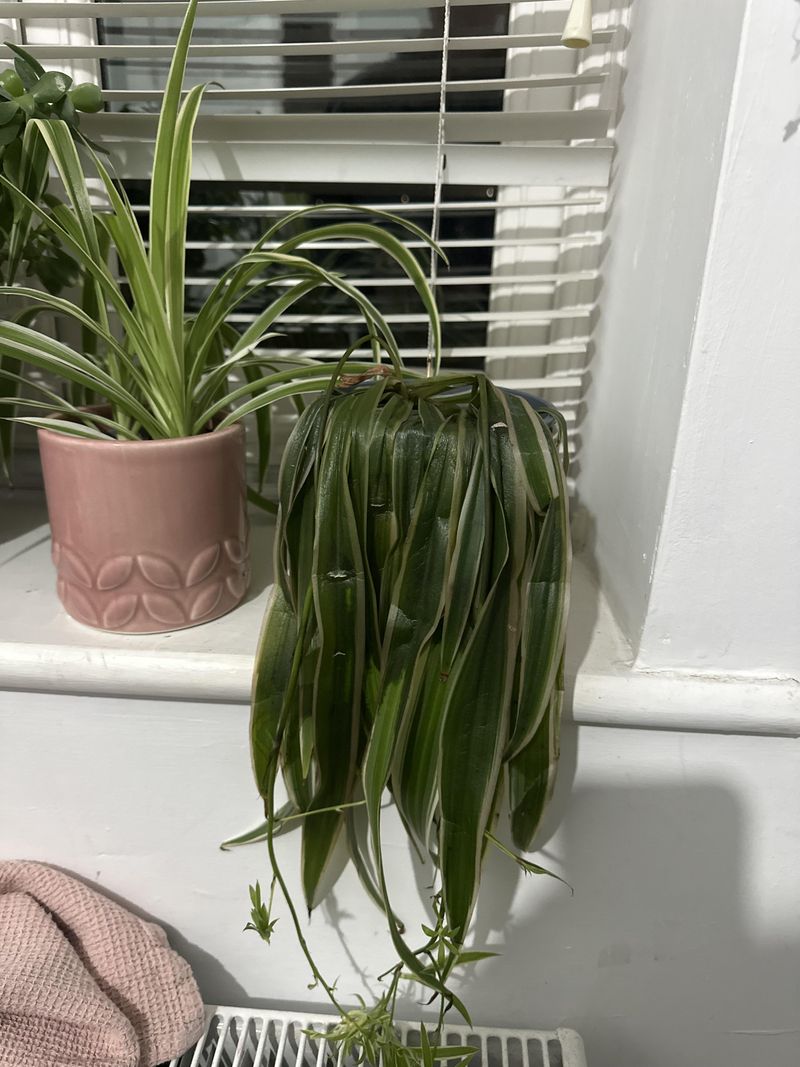
Heating vents blast hot, dry air directly onto nearby plants, creating desert conditions that dehydrate leaves faster than roots can replace lost moisture.
Radiators and baseboard heaters generate intense localized heat that literally cooks plant tissues, causing browning and premature flower drop in Minnesota holiday displays.
Families naturally place decorative plants in prominent locations that unfortunately often coincide with heating elements positioned throughout rooms for maximum warmth during winter.
Moving plants just three feet away from heat sources usually provides enough distance to avoid direct air blasts while maintaining comfortable room temperatures.
Observing airflow patterns with tissue paper or ribbons reveals invisible heat currents that affect plant placement decisions in living spaces across the state.
Redirecting vent airflow with deflectors protects plants without sacrificing home heating efficiency, offering simple solutions for unavoidable placement near heating elements in Minnesota houses.
Radiator covers with tops create display surfaces while blocking direct heat exposure, allowing plants to sit near but not directly on hot metal surfaces.
Monitoring leaf tips for browning provides early warning that plants are too close to heat sources, allowing repositioning before serious damage occurs.
Cooler rooms like bedrooms or dining areas often work better for holiday plants than main living spaces with constantly running heating systems throughout winter.
7. Neglect During Busy Holiday Schedules
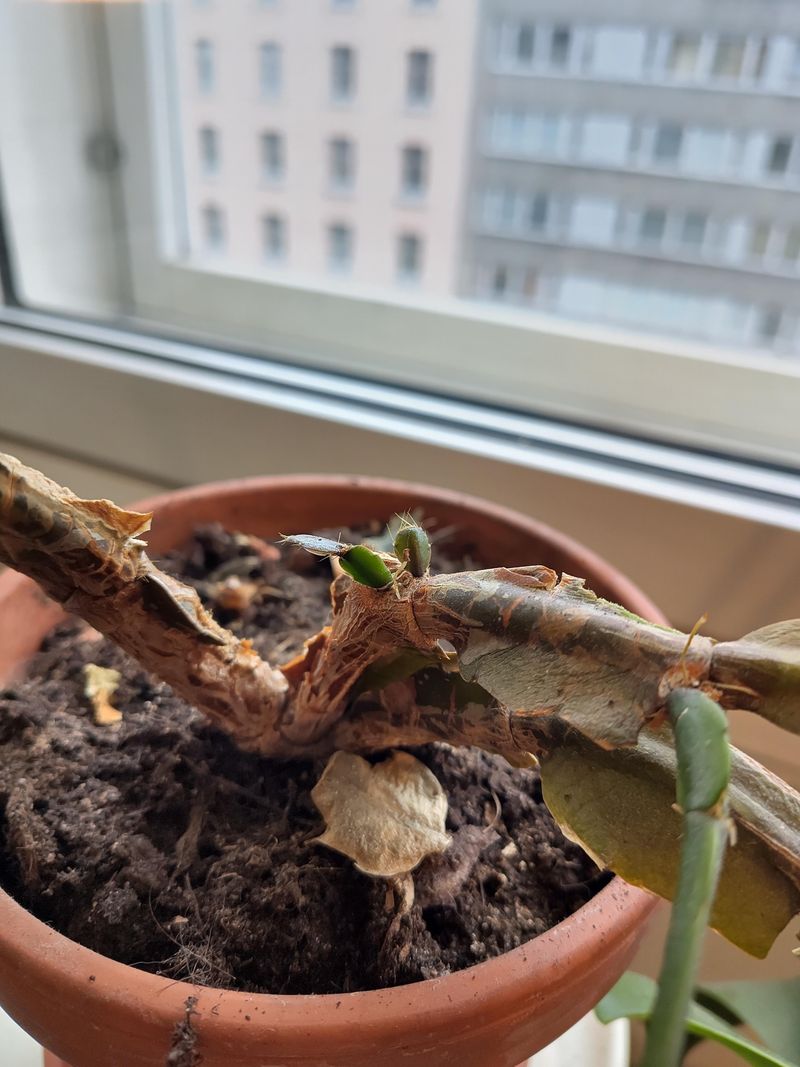
Hectic holiday schedules filled with cooking, shopping, and entertaining cause families to forget basic plant care routines during the busiest weeks of winter.
Plants quietly suffer from missed waterings and ignored needs while attention focuses on guests, gifts, and celebrations throughout homes in Minnesota communities everywhere.
Setting phone reminders for watering days helps busy families maintain consistency even when daily routines become chaotic during the demanding holiday season.
Enlisting children as plant monitors teaches responsibility while ensuring someone checks on greenery daily, creating helpful habits that benefit the entire household.
Self-watering pots with built-in reservoirs provide insurance against forgotten care, automatically supplying moisture during those crazy days before and after major celebrations.
Grouping plants in one location makes checking them easier and faster, requiring just one quick stop rather than touring the entire house daily.
Preparing plants before holiday travel by watering thoroughly and moving them away from windows helps them survive short periods of neglect in Minnesota homes.
Asking neighbors or friends to check plants during extended absences prevents returning from holiday trips to find shriveled decorations instead of thriving greenery.
Accepting that plants are living things requiring consistent attention helps families prioritize basic care even when December madness takes over schedules across the state.