The Overlooked Rain Garden Trick Reducing Winter Flooding In New Jersey
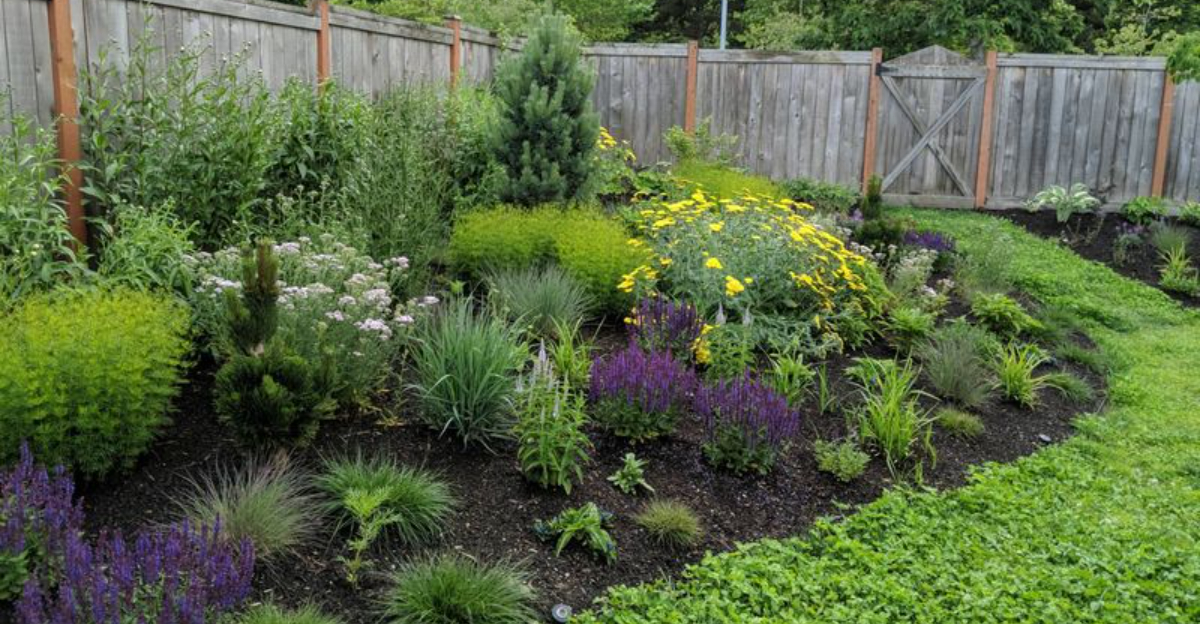
Many New Jersey homeowners deal with soggy winter yards without realizing a simple rain garden detail is often the missing piece.
When colder months bring frozen ground and sudden thaws, water has fewer places to go, which is why certain yards flood again and again.
A small, overlooked adjustment in rain garden design can quietly redirect runoff and make winter drainage far more manageable.
1. Natural Water Absorption Works Better Than Drains
Flooding happens when water has nowhere to go, and traditional drainage systems often fail during heavy winter storms that overwhelm pipes and gutters.
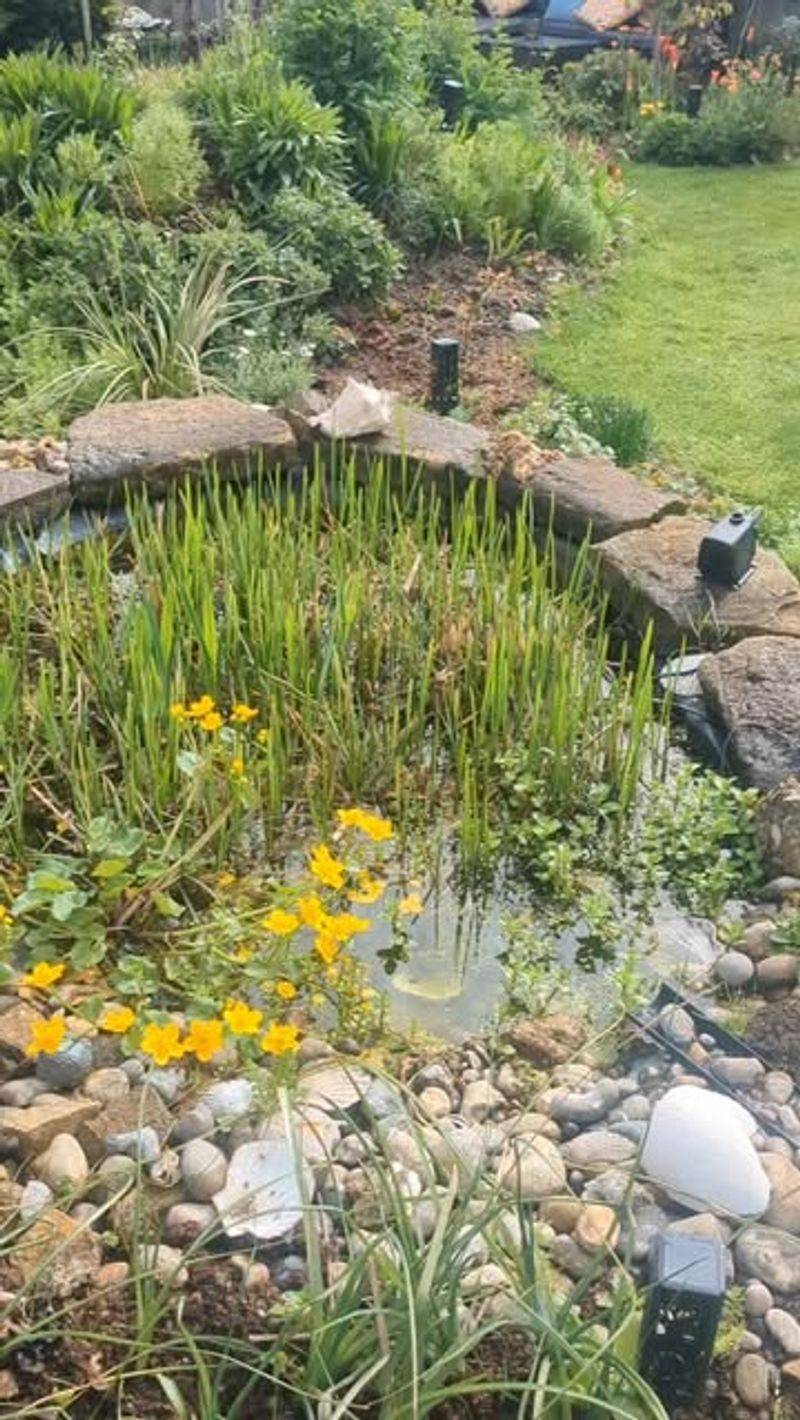
Rain gardens solve this problem by creating a natural depression in your yard filled with native plants that soak up water like sponges.
Homeowners across New Jersey have discovered that these gardens handle runoff more effectively than expensive underground drainage installations that clog or freeze.
Plants selected for rain gardens have deep root systems that create channels in the soil, allowing water to penetrate much deeper than regular grass.
This natural filtration process removes pollutants while preventing erosion that damages property foundations and landscaping during winter months when ground stays saturated.
Your yard essentially becomes a living filter that cleans and absorbs water instead of pushing problems downstream to neighbors or streets.
The garden typically drains within 24 to 48 hours after storms, preventing mosquito breeding while protecting your property from standing water damage.
Building one costs significantly less than installing complex drainage systems that require professional excavation and ongoing maintenance throughout harsh winter seasons.
2. Strategic Location Makes All The Difference
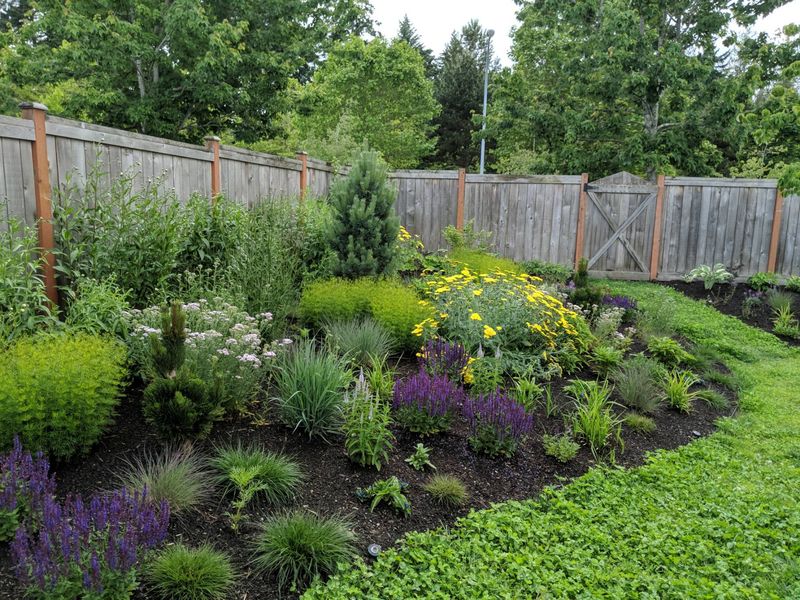
Placement determines whether your rain garden succeeds or becomes a muddy mess that creates more problems than it solves for your property.
Experts recommend positioning gardens at least ten feet away from your home’s foundation to prevent water from seeping into basements during winter thaw cycles.
Many New Jersey residents make the mistake of placing gardens too close to structures, which defeats the entire purpose of redirecting water.
Observe where water naturally flows during rainstorms by watching how puddles form and where runoff travels across your lawn and driveway areas.
Low-lying areas that already collect water make perfect spots because you’re working with natural drainage patterns instead of fighting against existing landscape contours.
Downspouts from gutters should direct water toward the garden through shallow channels or underground pipes that guide flow without erosion.
Avoid placing gardens over septic systems, utility lines, or tree roots that could interfere with excavation or cause future maintenance headaches during cold months.
Testing soil drainage before building helps ensure your chosen spot will absorb water quickly rather than becoming a permanent swamp throughout winter seasons.
3. Size Requirements Depend On Roof Area
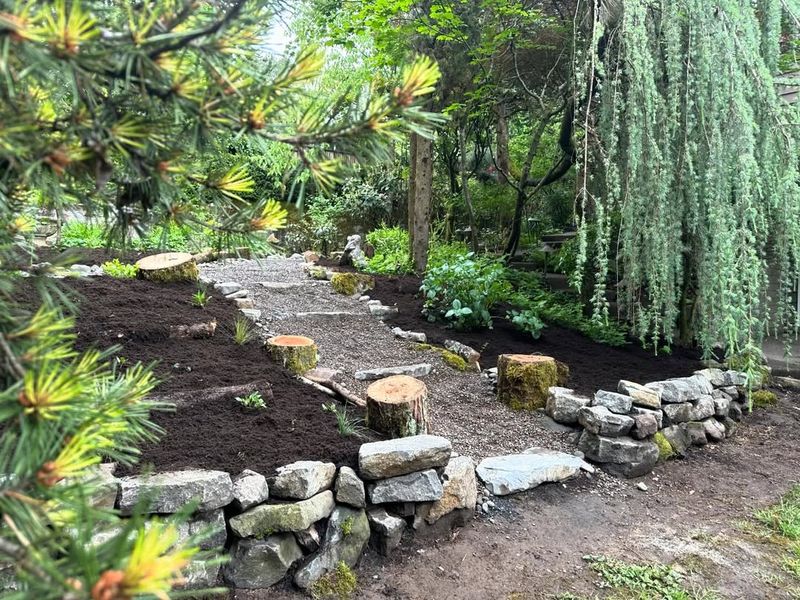
Calculating the correct dimensions prevents your rain garden from overflowing during heavy winter precipitation that regularly hits New Jersey coastal and inland communities.
A general rule suggests making the garden about 20 percent of the roof area that drains into it, though soil type affects this calculation.
Sandy soil absorbs water faster than clay, meaning gardens in clay-heavy areas need larger dimensions to handle the same amount of runoff.
Your New Jersey Garden Changes Every Week. Your Plan Should Too.
Gardening in New Jersey changes quickly throughout the season. Every Friday you’ll receive a simple weekly plan showing exactly what to plant, prune, fertilize, harvest, and protect so you never miss the right timing.
Measure the square footage of roof sections connected to downspouts that will feed your garden, then multiply by 0.2 to determine minimum garden size.
Most residential rain gardens range from 100 to 300 square feet with depths between four and eight inches at the center depression point.
Deeper gardens hold more water but may take longer to drain, which becomes problematic during consecutive winter storms that drop precipitation before previous water absorbs.
Shape matters less than total area, so feel free to create kidney-shaped, oval, or irregular designs that complement your existing landscaping aesthetics.
Sloping sides at a gentle three-to-one ratio prevent erosion while making maintenance easier when you need to add mulch or replace plants damaged by freezing temperatures.
4. Native Plants Survive Winter Conditions Best
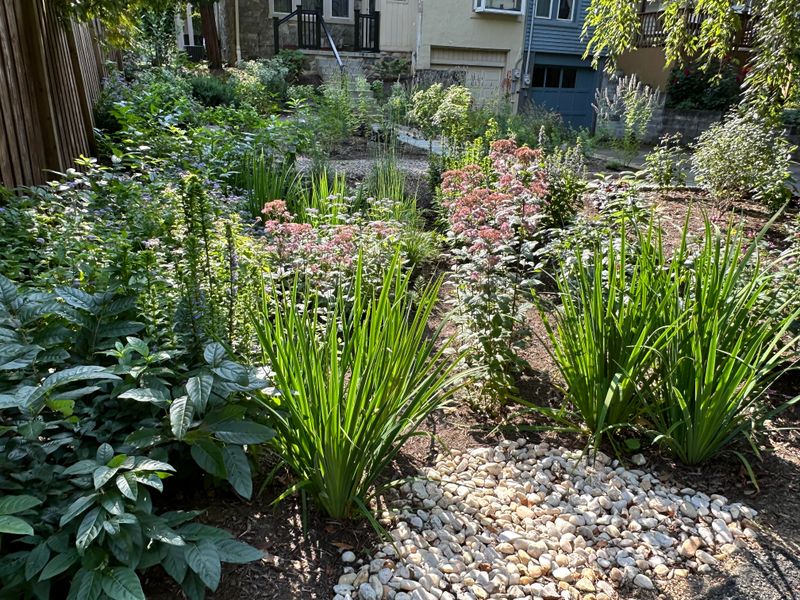
Choosing vegetation that thrives in New Jersey’s climate zones ensures your garden functions year-round without constant replanting or expensive maintenance efforts.
Native species have adapted to local temperature swings, soil conditions, and precipitation patterns that kill ornamental plants imported from warmer regions.
Switchgrass, blue flag iris, cardinal flower, and joe-pye weed all handle both flooding and drought while providing winter interest with seed heads.
Root systems of native plants extend several feet deep, creating permanent channels that improve soil drainage even after plants go dormant during cold months.
These species also support local wildlife including beneficial insects and birds that help control pests naturally throughout growing seasons without chemical interventions.
Avoid invasive species like purple loosestrife that spread aggressively and choke out beneficial vegetation that actually helps with water absorption.
Plant placement within the garden follows a zone system with water-tolerant species at the bottom and moderately drought-resistant plants along the edges.
Mulching around plants prevents weeds while insulating roots from freeze-thaw cycles that damage less hardy species during unpredictable winter weather patterns common across the state.
5. Soil Preparation Prevents Future Failures
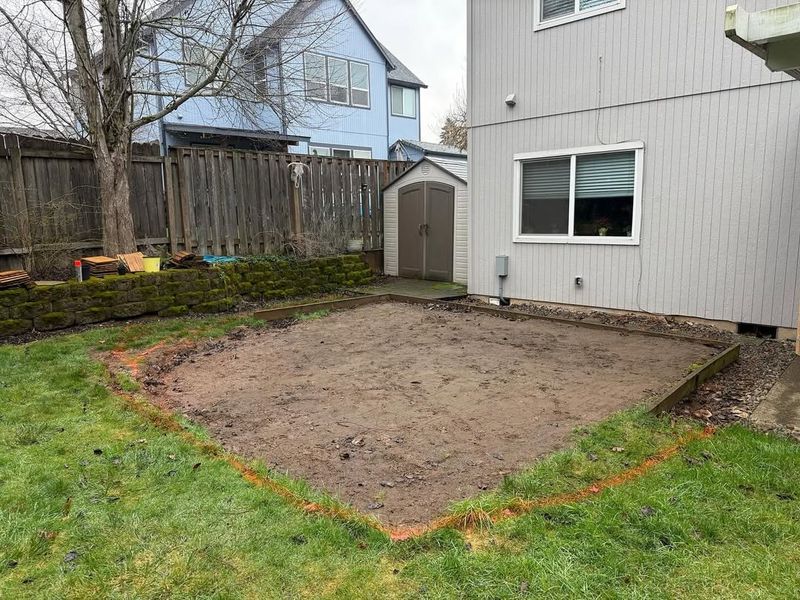
Ground composition determines how quickly water drains, making proper soil preparation the most critical step that homeowners in New Jersey often skip or rush through.
Testing drainage involves digging a hole about one foot deep, filling it with water, and measuring how long complete absorption takes to occur.
Ideal drainage happens within 12 to 24 hours, while slower rates indicate you need to amend soil before planting anything in the garden.
Clay-heavy soil common throughout central regions requires mixing in compost, sand, and topsoil to improve porosity and create pathways for water movement.
Remove existing lawn grass and excavate to your planned depth, then blend amendments thoroughly rather than layering them in distinct sections.
Some experts recommend a mixture of 50 percent sand, 30 percent topsoil, and 20 percent compost for optimal drainage in problem areas.
Avoid using regular garden soil or potting mix, which compacts over time and reduces the garden’s ability to handle winter runoff effectively.
Creating a slight berm around the garden’s perimeter helps contain water while it percolates downward instead of running off before absorption occurs during heavy storms.
6. Winter Maintenance Keeps Systems Functional
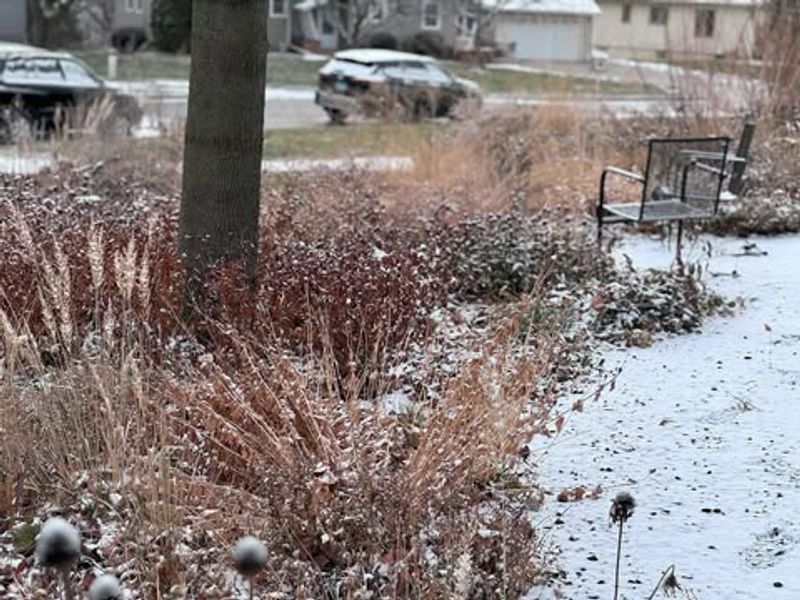
Seasonal care ensures your rain garden continues working efficiently when New Jersey experiences freeze-thaw cycles that damage unprepared landscapes throughout cold months.
Remove fallen leaves and debris regularly because decomposing organic matter clogs soil pores and reduces water infiltration rates that make gardens effective.
Checking inlet areas where water enters prevents ice dams from forming and redirecting flow away from the garden during winter precipitation events.
Inspect plants after major storms to ensure they remain upright and roots haven’t become exposed by erosion or shifting soil conditions.
Adding mulch in late fall provides insulation that protects plant crowns from temperature extremes while preventing weed seeds from germinating when conditions warm.
Avoid walking through the garden when ground is frozen or saturated because foot traffic compacts soil and destroys the porous structure necessary for proper drainage.
Some plants may die back completely during winter, which is normal for perennials that return each spring with vigorous new growth.
Resist the urge to cut back all dead vegetation immediately because seed heads provide food for overwintering birds and structural interest in otherwise barren winter landscapes across residential neighborhoods.
7. Cost Savings Outweigh Initial Investment
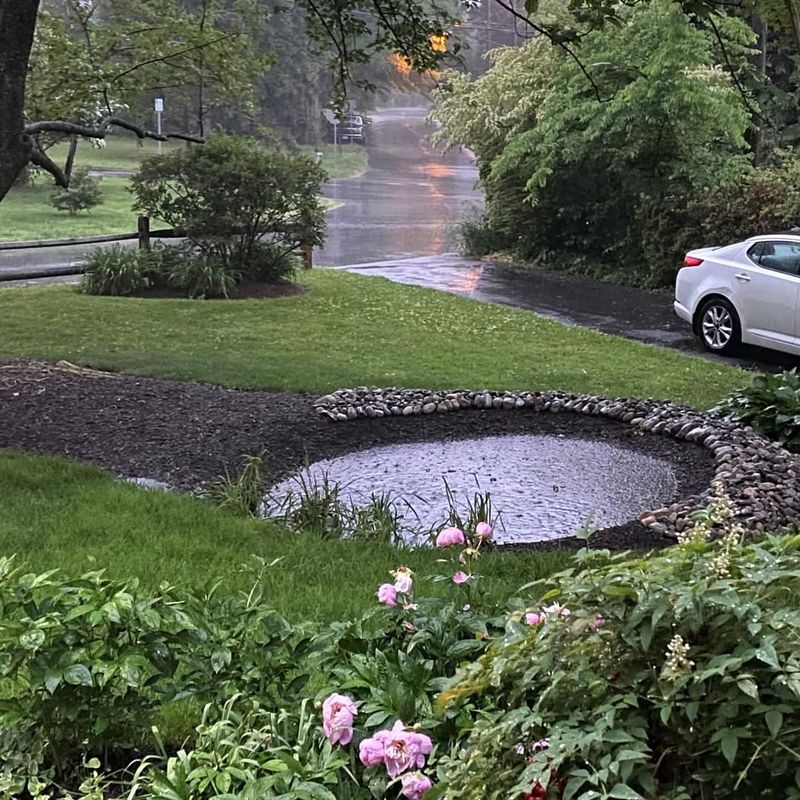
Building a rain garden requires upfront expenses that many New Jersey homeowners hesitate to spend, but long-term savings make this improvement financially sensible.
Professional installation typically costs between $3 and $5 per square foot, while DIY projects reduce expenses to roughly $1 per square foot for materials.
These figures compare favorably against underground drainage systems that cost $2,000 to $6,000 for similar-sized properties requiring excavation and pipe installation.
Reduced water bills benefit homeowners with metered municipal systems because rain gardens prevent runoff that would otherwise flow into storm sewers and treatment facilities.
Property values increase when buyers see established gardens that solve drainage problems, making homes more attractive during real estate transactions in competitive markets.
Insurance companies sometimes offer premium reductions for properties with flood mitigation features, though this varies by provider and policy type.
Preventing foundation damage, basement flooding, and erosion saves thousands in repair costs that result from unchecked water problems during winter storms.
Gardens also reduce lawn maintenance expenses because native plants require less fertilizer, pesticides, and watering than traditional turf grass that demands constant attention throughout growing seasons.
8. Environmental Benefits Extend Beyond Your Property
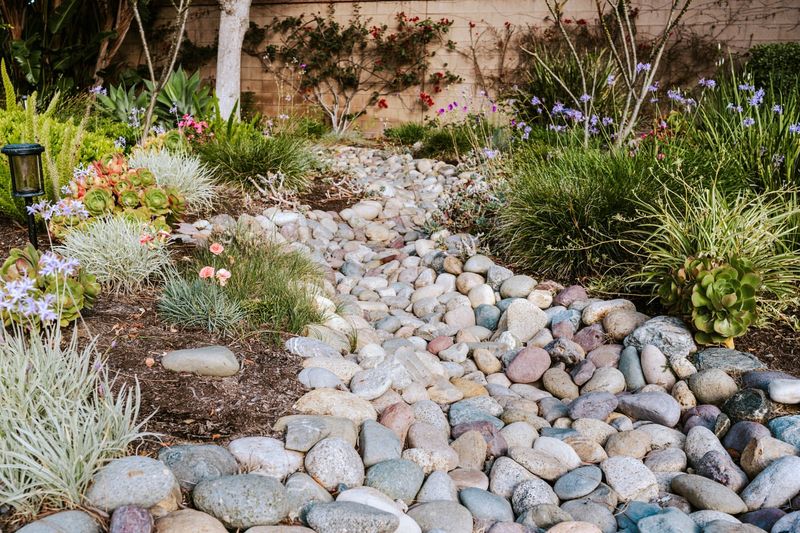
Individual rain gardens create cumulative effects that improve water quality throughout New Jersey watersheds, rivers, and coastal areas affected by urban runoff pollution.
Stormwater picks up fertilizers, motor oil, pesticides, and sediment as it flows across lawns, driveways, and streets before entering local waterways.
Gardens filter these contaminants through soil and plant roots, preventing chemicals from reaching streams where they harm aquatic ecosystems and drinking water sources.
Reducing runoff volume decreases stress on aging municipal infrastructure that struggles to handle increased precipitation from changing weather patterns affecting the region.
Combined sewer systems in older communities overflow during heavy rains, sending untreated sewage into rivers and bays when treatment plants become overwhelmed.
Every garden that captures water at its source reduces the burden on these systems and prevents pollution events that close beaches and contaminate shellfish beds.
Native plants in gardens provide habitat for pollinators, butterflies, and beneficial insects that have declined due to suburban development replacing natural areas.
Creating these small oases throughout residential neighborhoods helps maintain biodiversity and supports food webs that keep ecosystems healthy despite ongoing urban expansion across the state’s landscape.