9 Houseplant Resolutions I Didn’t Quit On In 2026 In New York Apartments
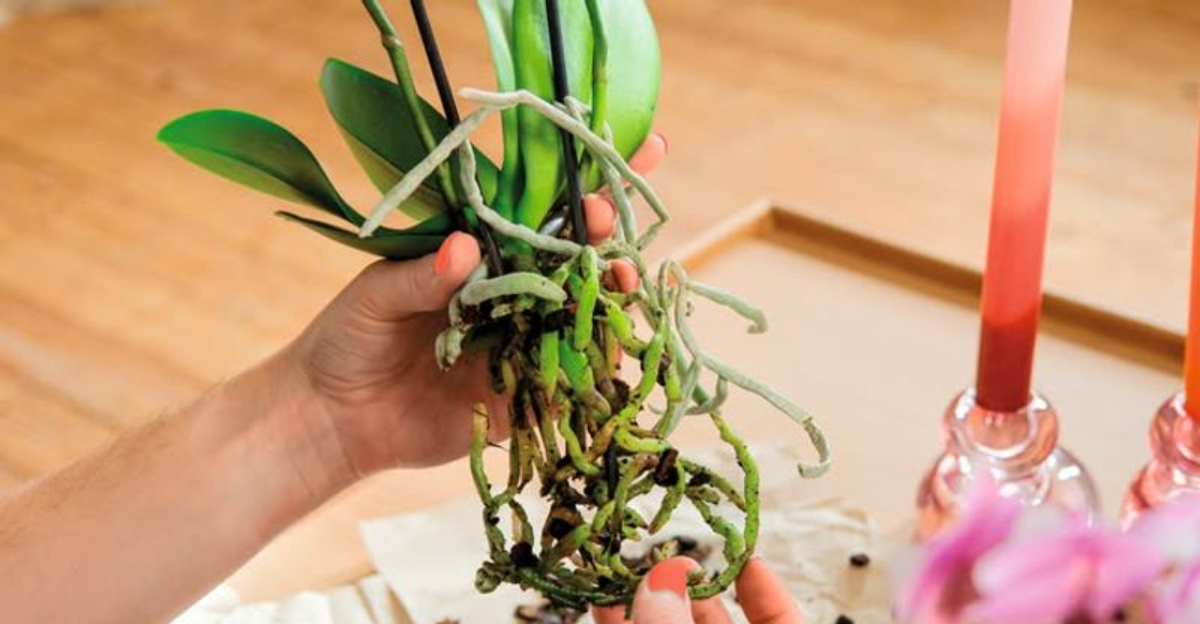
Living in a New York apartment makes it easy to start big plant goals and quietly abandon them once space, light, and real life step in.
These resolutions stuck because they worked with apartment routines instead of fighting limited windowsills and busy schedules.
Each one came from paying attention to what truly fits everyday city living rather than chasing perfect setups.
1. Watering On A Consistent Schedule
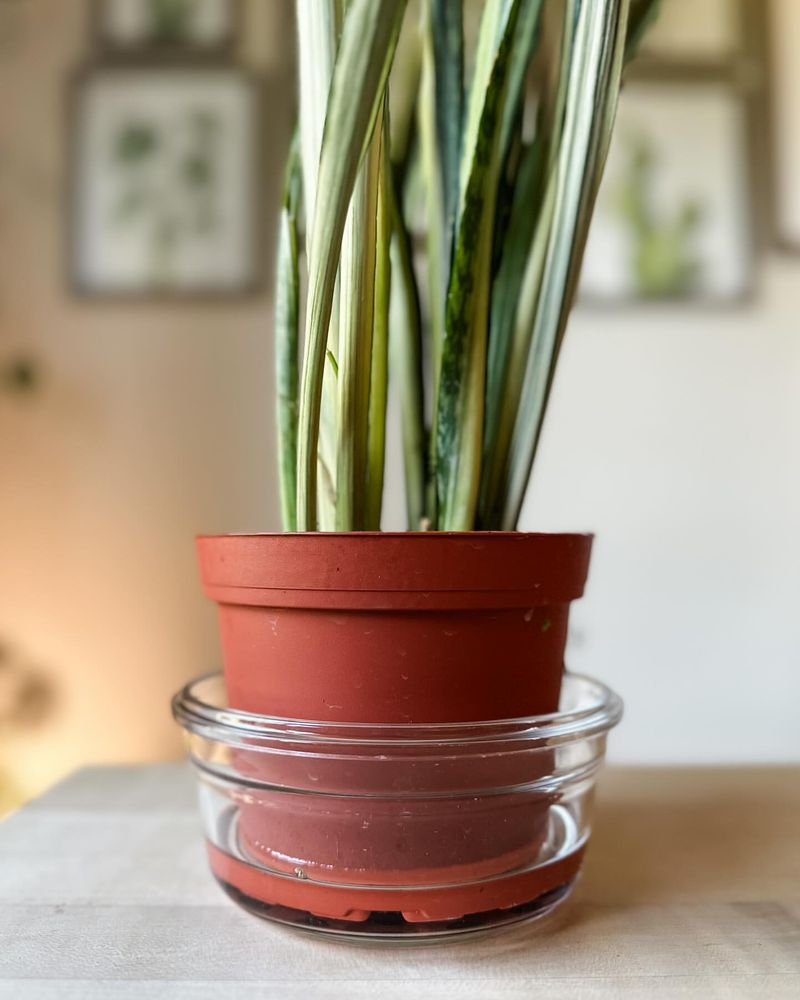
Creating a regular watering routine saved my plants from the constant cycle of drought and drowning that plagued my earlier attempts at gardening.
Most beginners either water too much or forget completely, but setting specific days for each plant type solved this problem for me.
My succulents get attention every two weeks while my ferns receive moisture twice weekly, which works perfectly in New York humidity levels.
Using my phone calendar with reminders meant I never missed a watering day even during my busiest work weeks or travel periods.
The consistency helped me learn each plant’s unique needs rather than guessing when the soil looked dry or felt somewhat damp.
My apartment plants responded with stronger roots and healthier leaves once they could rely on predictable moisture instead of random watering sessions.
Tracking water amounts in a simple notebook also taught me seasonal adjustments needed as New York weather changed throughout the year.
This resolution became the foundation for all my other plant care habits because proper hydration affects growth, pest resistance, and overall vitality.
2. Rotating Plants For Even Light Exposure
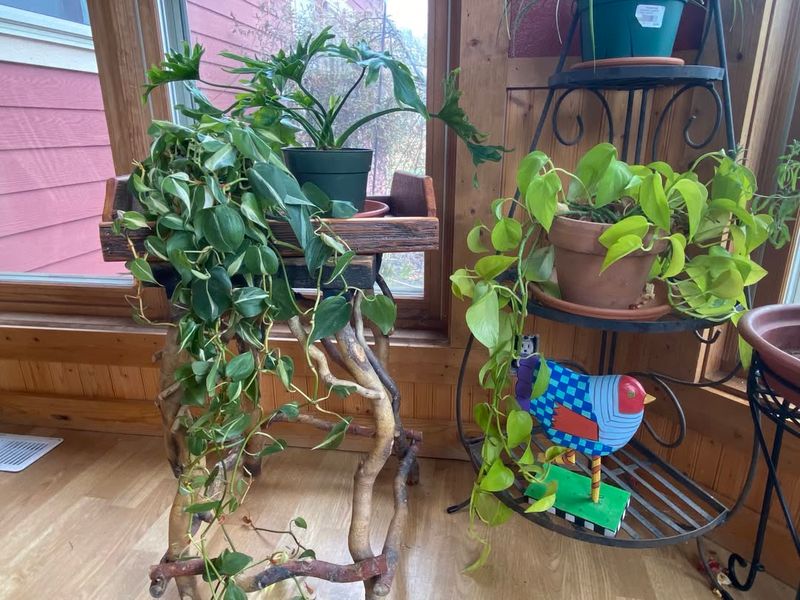
Turning my plants regularly prevented the lopsided growth that made my earlier houseplants look awkward and reach desperately toward window light.
Every Sunday morning became rotation day when I spun each pot a quarter turn to ensure all sides received equal sunlight.
Windows in New York apartments often provide light from only one direction, making this practice essential for balanced and attractive plant development.
My fiddle leaf fig especially benefited from this attention, growing symmetrically instead of leaning dramatically toward the brightest spot in my room.
The routine took less than ten minutes weekly but made an enormous difference in how professional and healthy my indoor garden appeared.
I noticed fewer yellow leaves on the shaded sides and more uniform color across all foliage once rotation became my regular habit.
Some plants like snake plants tolerate uneven light better, but even they looked more vibrant when given equal exposure to available sunshine.
This simple resolution transformed my understanding of how light affects growth patterns and taught me to observe plants more carefully each week.
3. Checking Soil Before Every Watering
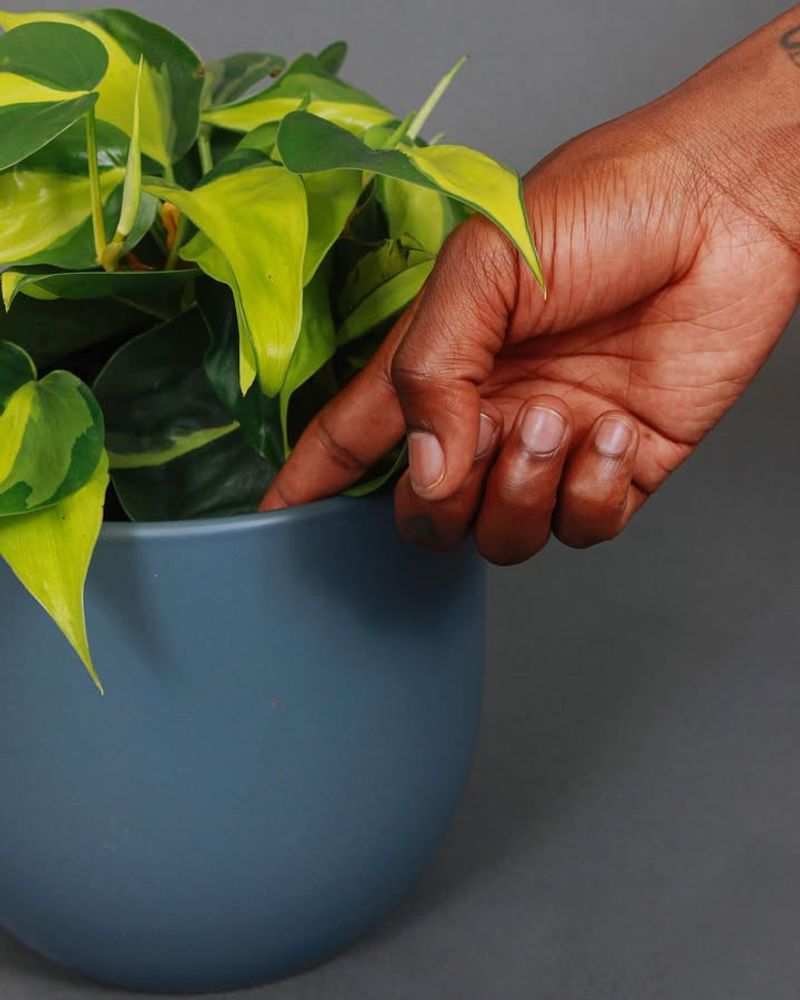
Sticking my finger into the soil became my most reliable method for preventing overwatering, which kills more houseplants than any other mistake.
Before this resolution, I watered based on appearance alone, often drowning plants whose soil stayed wet beneath a dry surface layer.
The finger test involves pushing down about two inches to feel actual moisture levels rather than trusting what the top looks like.
New York apartments with heating systems can create deceptive surface dryness while roots sit in soggy soil that causes rot and fungal problems.
Your New York Garden Changes Every Week. Your Plan Should Too.
Gardening in New York changes quickly throughout the season. Every Friday you’ll receive a simple weekly plan showing exactly what to plant, prune, fertilize, harvest, and protect so you never miss the right timing.
Learning this tactile skill helped me understand different soil textures and how various potting mixes retain or release water at different rates.
My peace lily stopped getting brown tips once I waited for the soil to dry properly between waterings instead of following rigid schedules.
Some plants prefer consistently moist conditions while others need complete drying periods, and finger testing reveals these preferences better than any guidebook.
This hands-on approach connected me more deeply with my plants and made me a more attentive caretaker who responds to actual needs.
4. Dusting Leaves Monthly For Better Photosynthesis
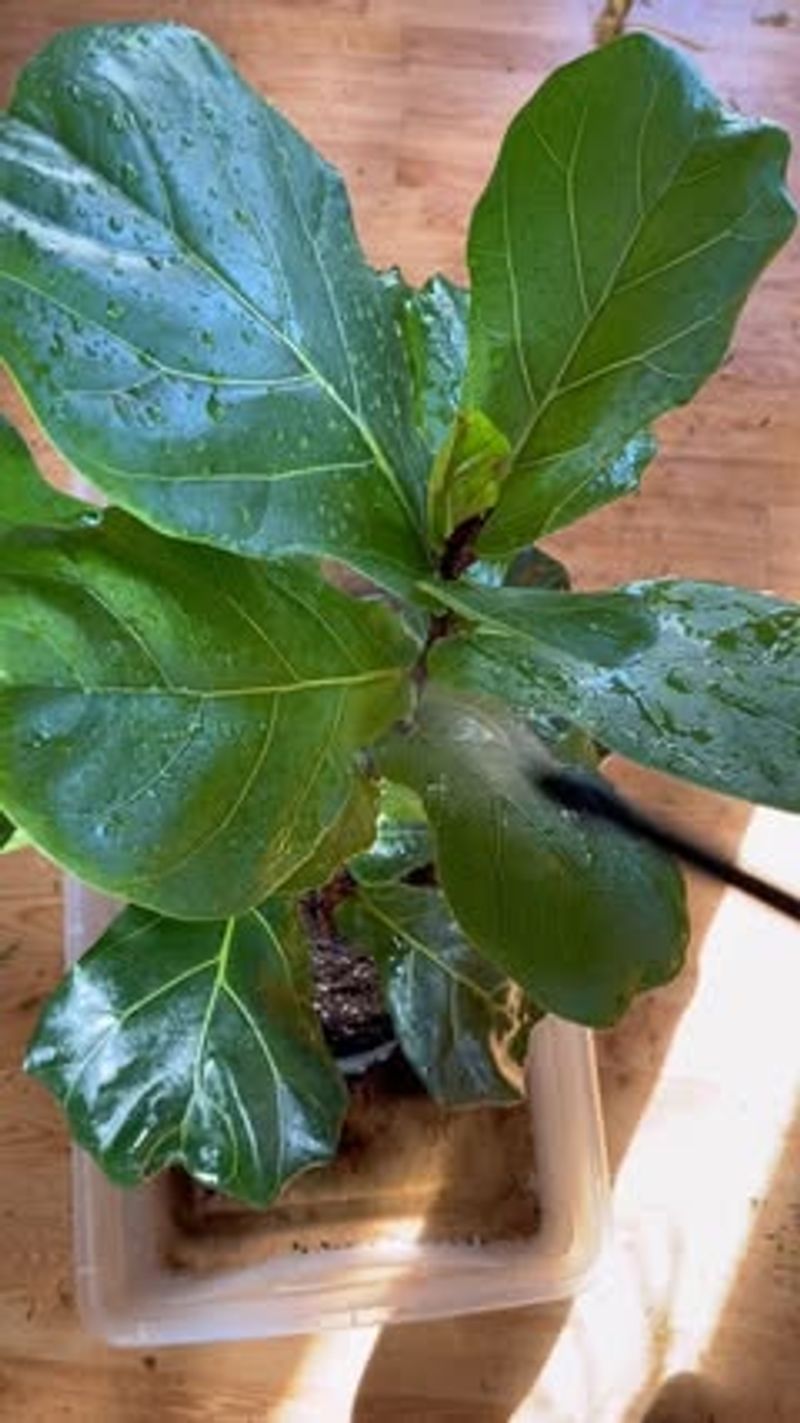
Wiping down foliage once a month removed the surprising amount of dust that accumulates in city apartments and blocks essential light absorption.
I never realized how much New York air pollution and indoor dust settled on leaves until I started this cleaning routine regularly.
Clean leaves can photosynthesize more efficiently, leading to faster growth and richer green colors that make plants look vibrant and well-maintained.
Using a damp microfiber cloth worked best for large-leaved plants like monsteras and rubber trees without damaging their delicate surface coatings.
Smaller plants got a gentle shower in my kitchen sink, which both cleaned them and provided humidity they appreciated in dry apartment air.
The cleaning sessions also became inspection time when I spotted early signs of pests or disease before they spread to other plants.
My roommate commented on how much healthier and more attractive my plant collection looked once I started maintaining clean, glossy foliage consistently.
This resolution taught me that plant care involves more than just water and light but includes basic hygiene that supports their biological functions.
5. Fertilizing During Growing Season Only
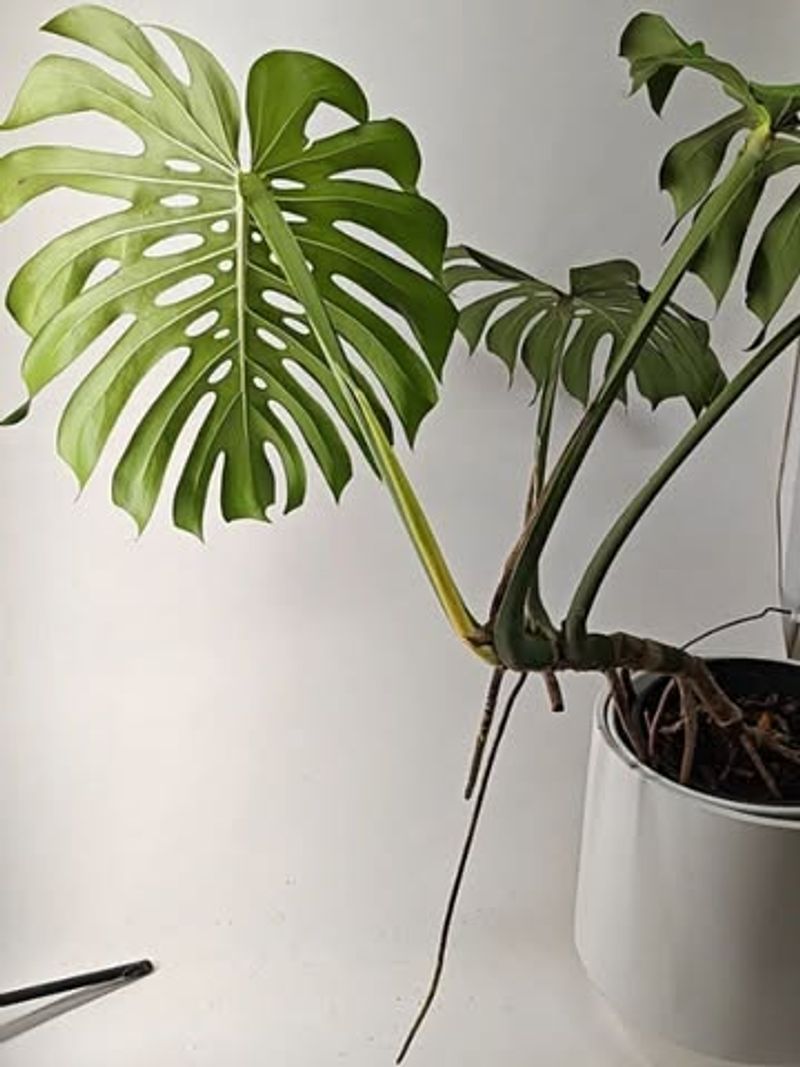
Understanding when to feed my plants prevented the nutrient burn and salt buildup that damaged my collection before I learned proper timing.
Most houseplants need fertilizer only from spring through early fall when they actively grow rather than during winter dormancy periods in New York.
I switched to a diluted liquid fertilizer applied monthly during growing months, which provided steady nutrition without overwhelming sensitive root systems.
Over-fertilizing causes brown leaf tips and crusty white deposits on soil surfaces that indicate dangerous salt accumulation in the potting medium.
My plants showed noticeably improved growth rates and deeper leaf colors once they received appropriate nutrition matched to their active growing cycles.
Reading each plant species’ specific needs helped me understand that cacti require less frequent feeding than fast-growing pothos or philodendrons do.
Winter rest periods are natural for many houseplants, and forcing growth with fertilizer during dormancy actually weakens them rather than helping them.
This resolution connected me to natural plant rhythms and taught me that sometimes the best care means doing less rather than more.
6. Repotting When Roots Outgrow Containers
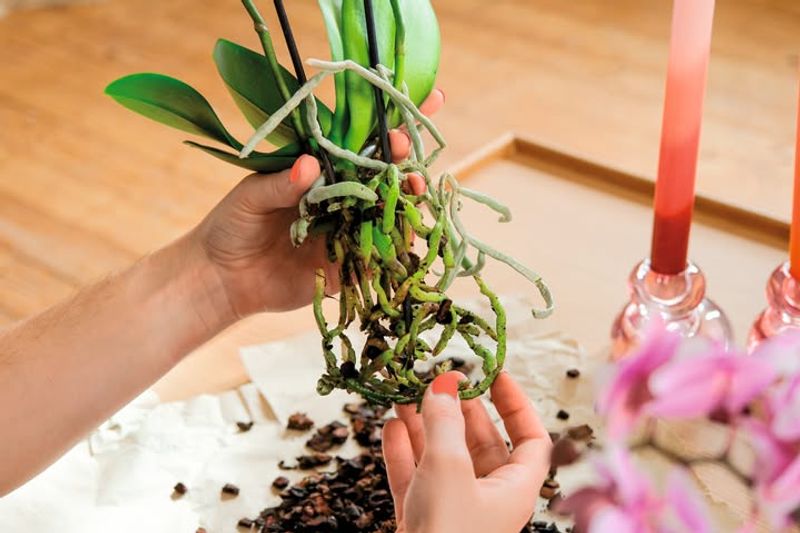
Recognizing when plants needed bigger homes prevented the stunted growth and constant wilting that plagued my rootbound specimens in previous years.
Roots circling the inside of pots or growing through drainage holes signaled time for an upgrade to containers one size larger.
Spring became my designated repotting season in New York when plants entered active growth and recovered quickly from the stress of transplanting.
Using fresh potting mix during repotting provided renewed nutrients and better drainage than old, compacted soil that had broken down over time.
My snake plant and spider plant both exploded with new growth after finally getting the space their expanding root systems desperately needed.
Waiting too long to repot causes plants to become stunted and unable to support healthy foliage no matter how perfect other care conditions are.
The process seemed intimidating initially, but watching tutorial videos and starting with easy plants built my confidence for handling more delicate specimens.
This resolution taught me that containers are temporary homes and recognizing upgrade timing is crucial for long-term plant health and happiness.
7. Grouping Plants With Similar Care Needs
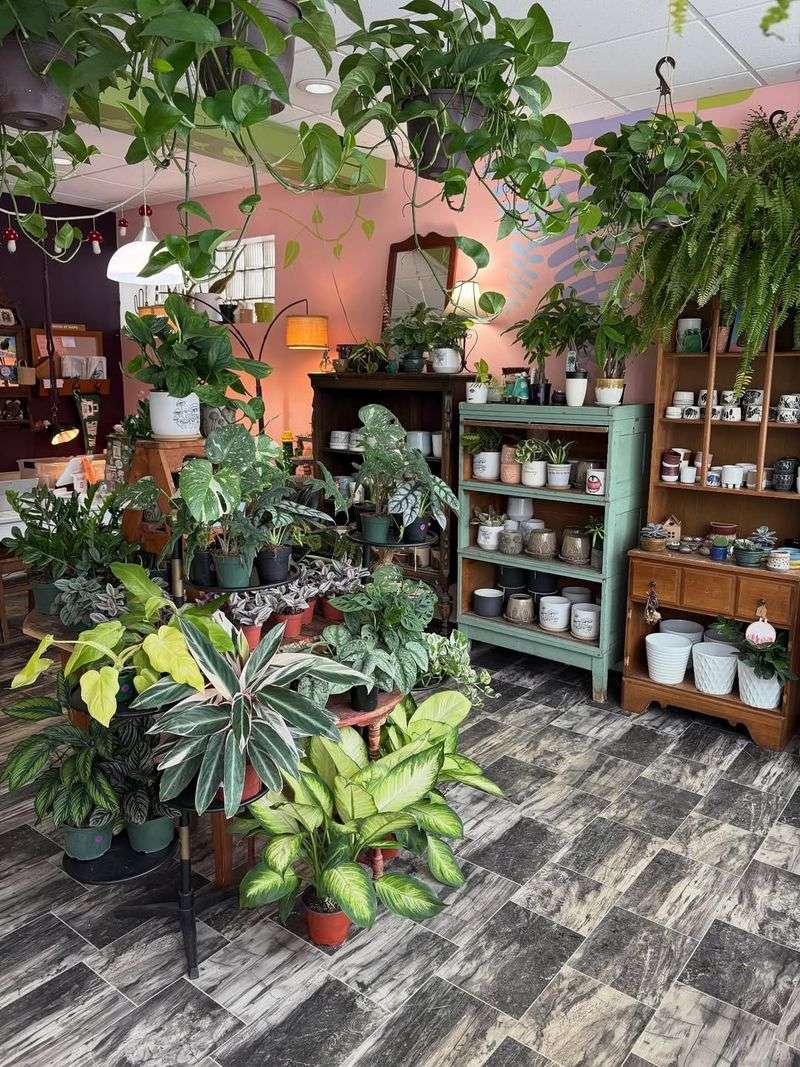
Organizing my collection by water and light requirements simplified care routines and created microclimates that benefited plants with similar environmental preferences.
Humidity-loving ferns and calatheas thrived when placed together where their transpiration created a moister atmosphere than isolated placement would provide.
My sunny windowsill became home to succulents and cacti while shade-tolerant pothos occupied corners farther from direct light in my New York space.
This strategic arrangement meant I could water entire groups at once rather than remembering individual schedules for dozens of scattered plants.
Grouping also made my apartment look more intentionally designed rather than having random plants placed wherever space happened to be available.
Plants naturally grow in communities in their native habitats, and recreating this clustering often improves their health and growth rates indoors too.
My mistake-prone early days involved mixing desert and tropical plants together, which meant some always received incorrect care no matter what I did.
This organizational resolution transformed plant care from an overwhelming chore into a manageable system that worked with natural needs rather than against them.
8. Monitoring For Pests During Weekly Inspections
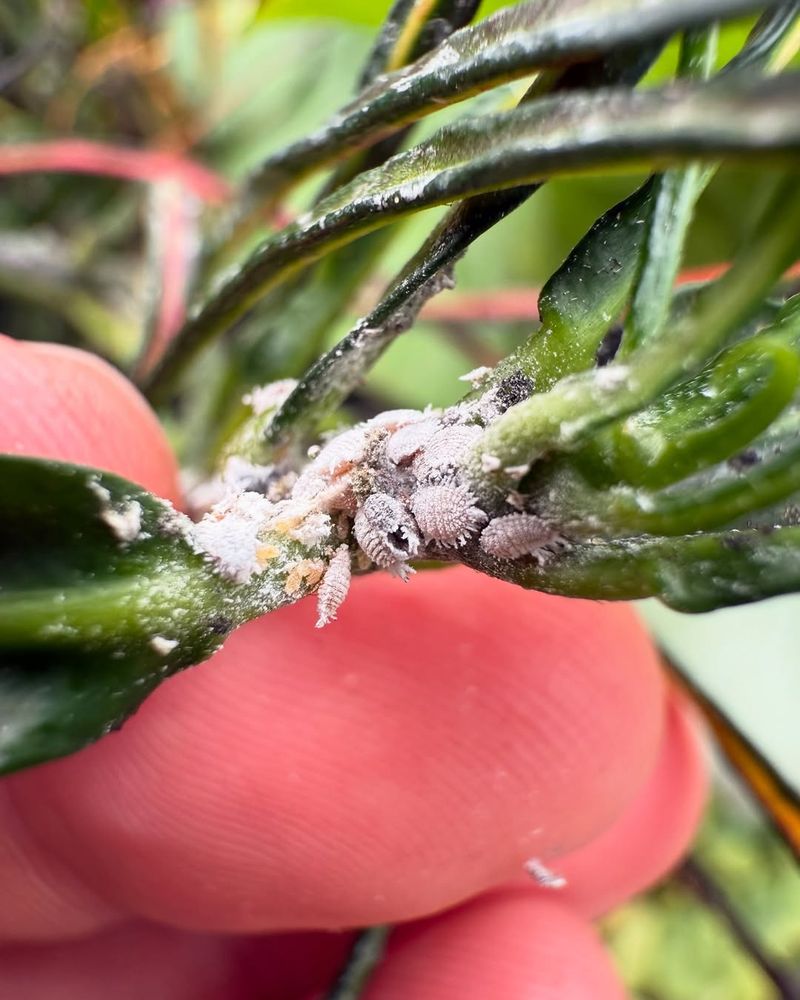
Regular scouting for insects and disease prevented small problems from becoming infestations that could destroy my entire collection in cramped apartment conditions.
Every week I examined both sides of leaves, stems, and soil surfaces for spider mites, aphids, or fungus gnats that commonly plague New York.
Catching pests early meant I could treat individual plants with simple soap sprays rather than resorting to harsh chemicals or discarding specimens.
My vigilance paid off when I spotted mealybugs on my jade plant before they spread to neighboring succulents sitting just inches away.
Indoor environments lack the natural predators that control pest populations outdoors, making human monitoring essential for maintaining healthy houseplant collections in apartments.
Learning to identify common pests and their damage patterns helped me respond quickly with appropriate treatments rather than watching helplessly as plants declined.
Quarantining new plants for two weeks before adding them to my main collection became standard practice after one infested purchase nearly ruined everything.
This protective resolution taught me that prevention and early detection are infinitely easier than trying to rescue heavily damaged plants from established infestations.
9. Adjusting Care With Seasonal Changes
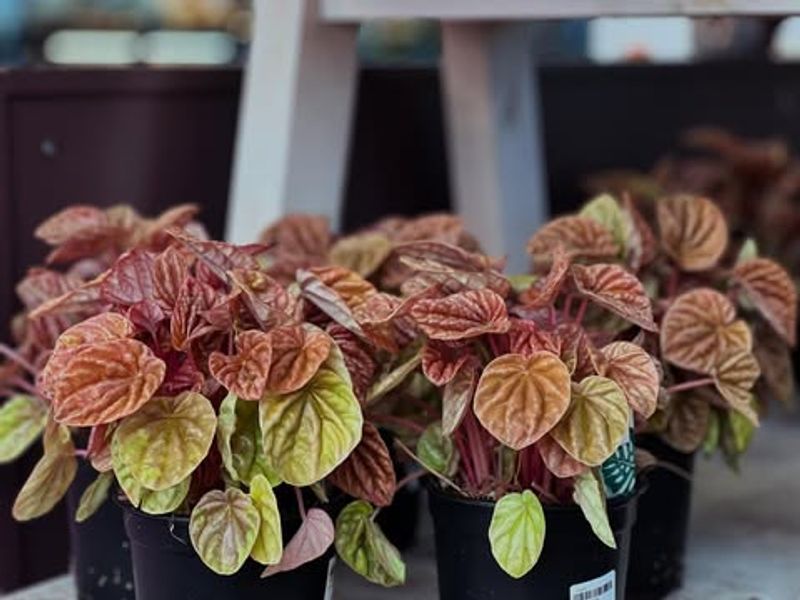
Recognizing that plants need different care in winter versus summer prevented the confusion and failures that came from rigid year-round routines.
New York apartments get significantly less natural light during winter months, which slows plant growth and reduces their water and fertilizer needs.
My watering frequency dropped by nearly half during cold months when heating systems dried the air but plants used moisture much more slowly.
Summer brought increased light intensity and warmth that accelerated growth and meant more frequent watering and feeding to support vigorous development patterns.
Understanding these natural cycles helped me work with plant biology rather than fighting against seasonal rhythms that affect all living things deeply.
Some plants like Christmas cacti actually require specific seasonal conditions to trigger blooming, which I never achieved until respecting their natural requirements.
Tracking seasonal adjustments in my plant journal created a personalized guide that improved my care effectiveness year after year in my apartment.
This adaptive resolution transformed me from a rule-following beginner into an observant gardener who responds to what plants actually need in changing conditions.