Hawaii-Inspired Houseplants California Designers Use For A White Lotus Feel
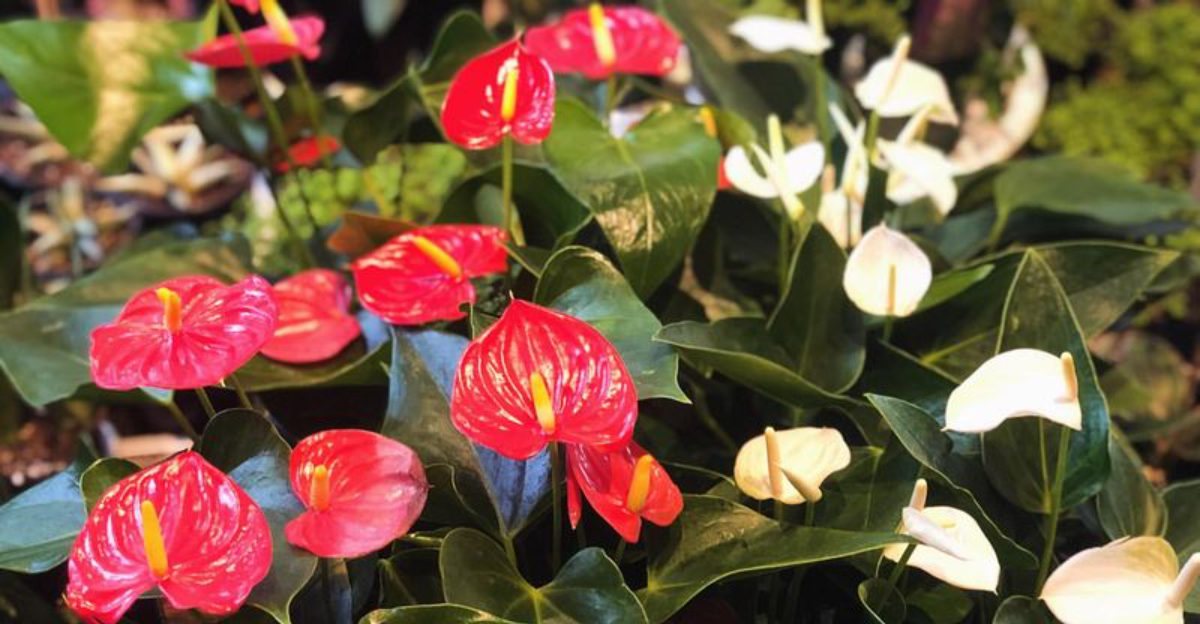
California designers often turn to Hawaii-inspired houseplants to bring a relaxed, resort-like mood indoors without changing the structure of a space.
Lush leaves, sculptural shapes, and soft movement help rooms feel layered and intentional rather than styled for a single season.
That subtle tropical influence creates a calm, elevated atmosphere that feels effortless while still making a strong visual statement.
1. Bird of Paradise
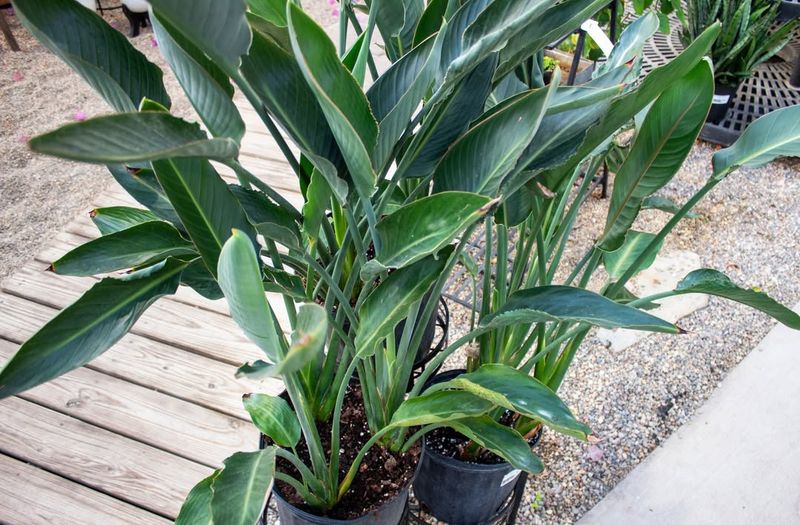
Stunning orange and blue blooms make this plant an instant showstopper that brings bold Hawaiian energy into any California living room or sunroom.
Large paddle-shaped leaves create dramatic vertical interest while filling empty corners with lush tropical greenery that designers absolutely adore for resort-style spaces.
California homeowners love how this plant thrives in bright indirect light and tolerates the state’s warm climate with minimal fussing or complicated care routines.
Watering once weekly during warmer months keeps the soil moist but never soggy, which prevents root problems and encourages healthy growth throughout the year.
Position your Bird of Paradise near south-facing windows where it receives plenty of sunshine without harsh afternoon rays that might scorch those beautiful leaves.
Designers often pair this plant with neutral furniture and white walls to let the vibrant flowers and dramatic foliage become the focal point.
Regular misting helps recreate humid Hawaiian conditions, especially during California’s drier seasons when indoor air tends to lose moisture and plants need extra humidity.
Expect slow but steady growth as your Bird of Paradise matures into a statement piece that commands attention and transforms ordinary rooms into luxurious escapes.
2. Monstera Deliciosa

Iconic split leaves instantly transport you to Hawaiian jungles where these plants climb trees and create dense canopies filled with shade and tropical mystery.
California designers rely on Monstera to add architectural interest and organic shapes that soften modern spaces while maintaining that effortlessly cool island vibe everyone craves.
Fast-growing vines can be trained upward on moss poles or allowed to cascade naturally, giving you flexibility in styling based on your room layout.
Bright indirect light works best for encouraging those signature leaf splits, though Monstera tolerates lower light better than many other tropical houseplant varieties available.
Water when the top two inches of soil feel dry to the touch, which usually means once every week or ten days depending on humidity.
California’s mild climate makes growing Monstera incredibly easy since temperatures rarely drop low enough to stress these tropical beauties or stunt their impressive growth.
Wipe leaves monthly with a damp cloth to remove dust and keep them glossy, which also helps the plant absorb more light efficiently.
Pair Monstera with rattan furniture, woven textiles, and natural wood tones to complete that White Lotus-inspired aesthetic designers use in high-end California homes.
3. Hawaiian Ti Plant
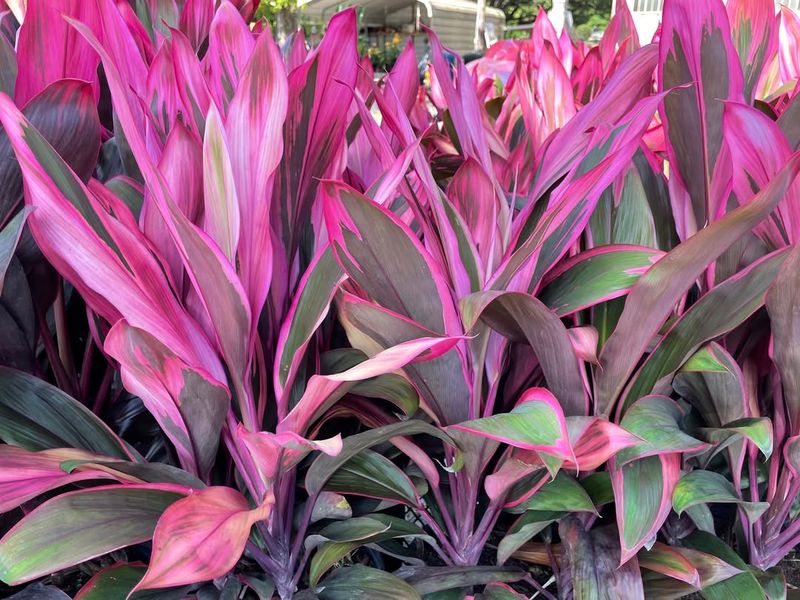
Vibrant pink, red, and green striped leaves bring authentic Hawaiian flair that immediately elevates any California space from ordinary to absolutely extraordinary and unforgettable.
Compact size makes this plant perfect for tabletops, shelves, or small corners where you want a punch of tropical color without overwhelming the room.
Your California Garden Changes Every Week. Your Plan Should Too.
Gardening in California changes quickly throughout the season. Every Friday you’ll receive a simple weekly plan showing exactly what to plant, prune, fertilize, harvest, and protect so you never miss the right timing.
Designers appreciate how Ti Plants add vertical lines and bold hues that complement neutral California interiors while injecting personality and warmth into minimalist designs.
Medium to bright indirect light keeps the colors vibrant and prevents fading, though Ti Plants adapt surprisingly well to various lighting conditions throughout your home.
Keep soil consistently moist but not waterlogged by watering whenever the top inch feels dry, which maintains healthy roots and prevents browning leaf tips.
California’s temperate climate suits Ti Plants perfectly since they prefer warmth and humidity similar to their native Hawaiian growing conditions and tropical island origins.
Mist leaves regularly or place the pot on a pebble tray filled with water to increase humidity, which mimics the misty Hawaiian mornings beautifully.
Rotate your Ti Plant weekly so all sides receive equal light exposure, encouraging balanced growth and preventing the plant from leaning awkwardly toward windows.
4. Philodendron Xanadu
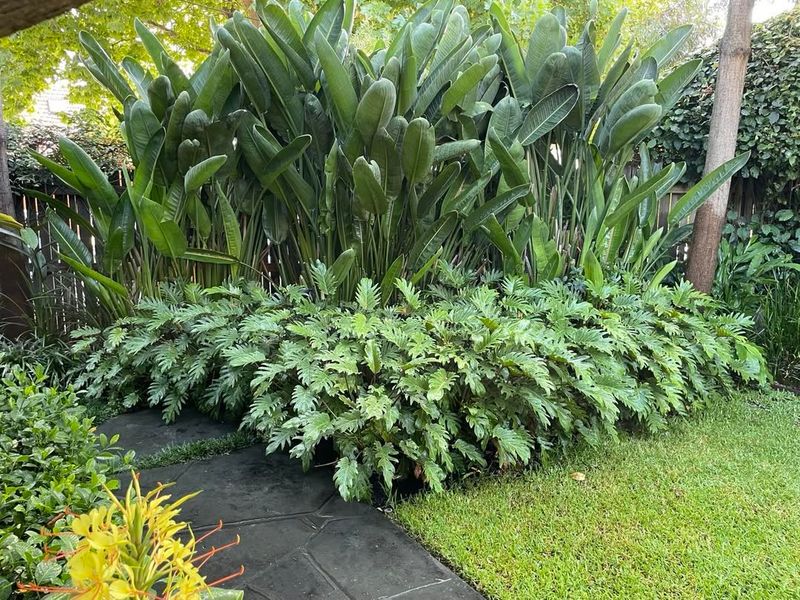
Deeply lobed leaves create a lush, compact mound that brings Hawaiian jungle vibes without requiring the massive space that larger tropical plants demand indoors.
California designers favor Xanadu for its manageable size and low-maintenance nature, making it ideal for busy homeowners who want beauty without constant attention.
Glossy green foliage stays attractive year-round and never drops leaves dramatically, which keeps your space looking polished and resort-like regardless of the season.
Bright indirect light promotes dense, healthy growth, though Xanadu tolerates lower light conditions better than many other philodendron varieties you might consider for interiors.
Water when the top inch of soil dries out, which typically happens every five to seven days depending on temperature and humidity levels.
California’s indoor environments suit Xanadu perfectly since temperatures remain stable and comfortable, mimicking the consistent warmth these plants enjoy in their native tropical habitats.
Remove yellowing leaves promptly to maintain a tidy appearance and encourage the plant to direct energy toward producing fresh, vibrant new growth instead.
Group Xanadu with other tropical plants like ferns and palms to create layered, jungle-inspired displays that designers use to evoke those luxurious White Lotus resort settings.
5. Anthurium
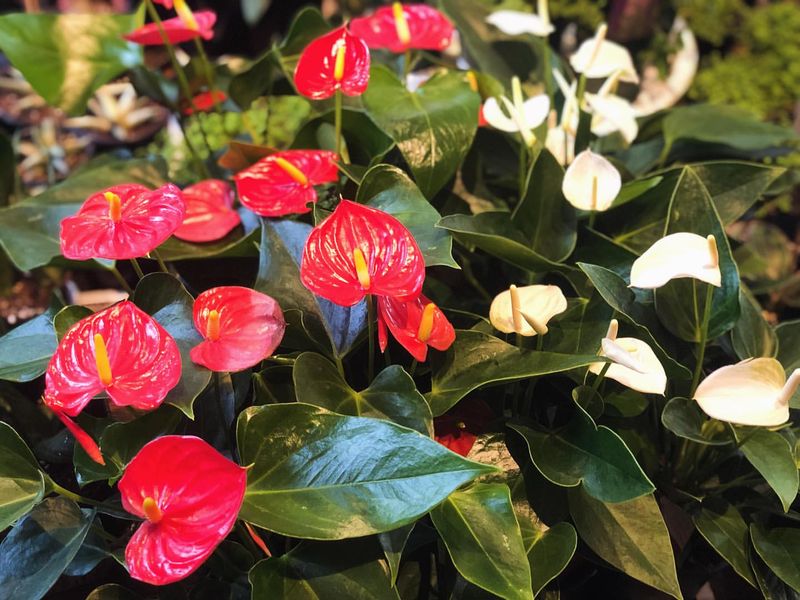
Glossy heart-shaped blooms in red, pink, or white add romantic Hawaiian charm that designers use to create focal points in California bedrooms and living areas.
Long-lasting flowers can persist for weeks or even months, providing consistent color and visual interest that few other houseplants can match with such reliability.
California homeowners love Anthurium because it combines stunning beauty with relatively simple care requirements that fit perfectly into busy modern lifestyles and hectic schedules.
Bright indirect light encourages continuous blooming, while direct sun can scorch leaves and flowers, so positioning near east-facing windows works best for success.
Keep soil evenly moist but never soggy by watering when the top half-inch feels dry, which usually means watering two or three times weekly.
California’s mild climate supports Anthurium growth beautifully since these plants prefer consistent warmth and moderate humidity similar to their native Hawaiian and tropical rainforest environments.
Feed monthly with diluted liquid fertilizer during spring and summer to promote vigorous blooming and healthy foliage that stays vibrant and eye-catching throughout the year.
Pair Anthurium with neutral linens and natural textures to recreate that serene, sophisticated White Lotus atmosphere that makes every day feel like a luxury vacation.
6. Kentia Palm
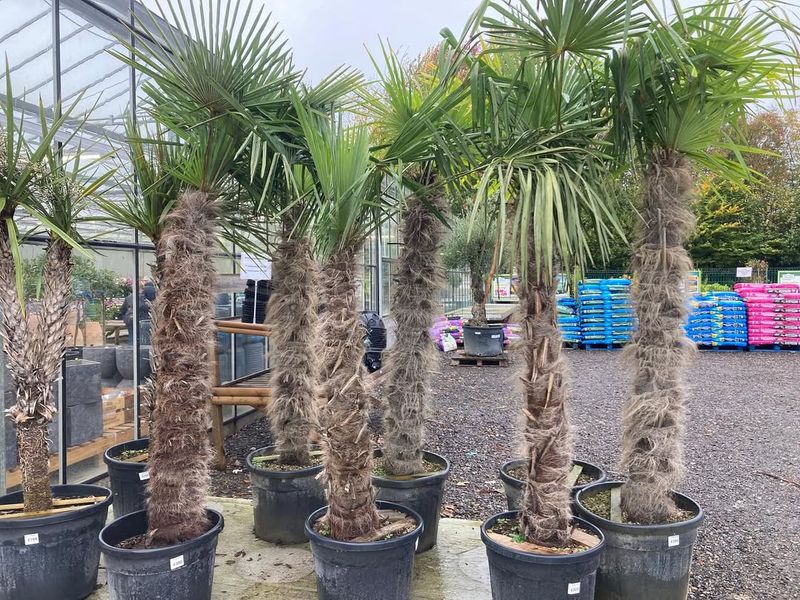
Elegant arching fronds instantly evoke Hawaiian beachfront resorts where palms sway gently in ocean breezes and create shaded retreats for relaxation and peaceful contemplation.
California designers choose Kentia Palm for its graceful silhouette and forgiving nature, making it perfect for both experienced plant enthusiasts and complete beginners alike.
Slow growth means you won’t need to repot frequently, which saves time and effort while still providing that lush tropical look everyone wants in their homes.
Low to bright indirect light suits Kentia Palm, though it performs best with moderate light that mimics the dappled shade found beneath Hawaiian forest canopies.
Water when the top two inches of soil dry out completely, which prevents root rot while ensuring the palm receives adequate moisture for healthy growth.
California’s stable indoor temperatures create ideal conditions for Kentia Palm since these plants dislike sudden temperature fluctuations or drafts from air conditioning and heating systems.
Wipe fronds monthly with a damp cloth to remove dust and keep them looking fresh, which also helps the plant photosynthesize more efficiently throughout the year.
Place Kentia Palm in entryways or living room corners to create dramatic height and instant tropical ambiance that welcomes guests with island-inspired sophistication.
7. Ficus Elastica
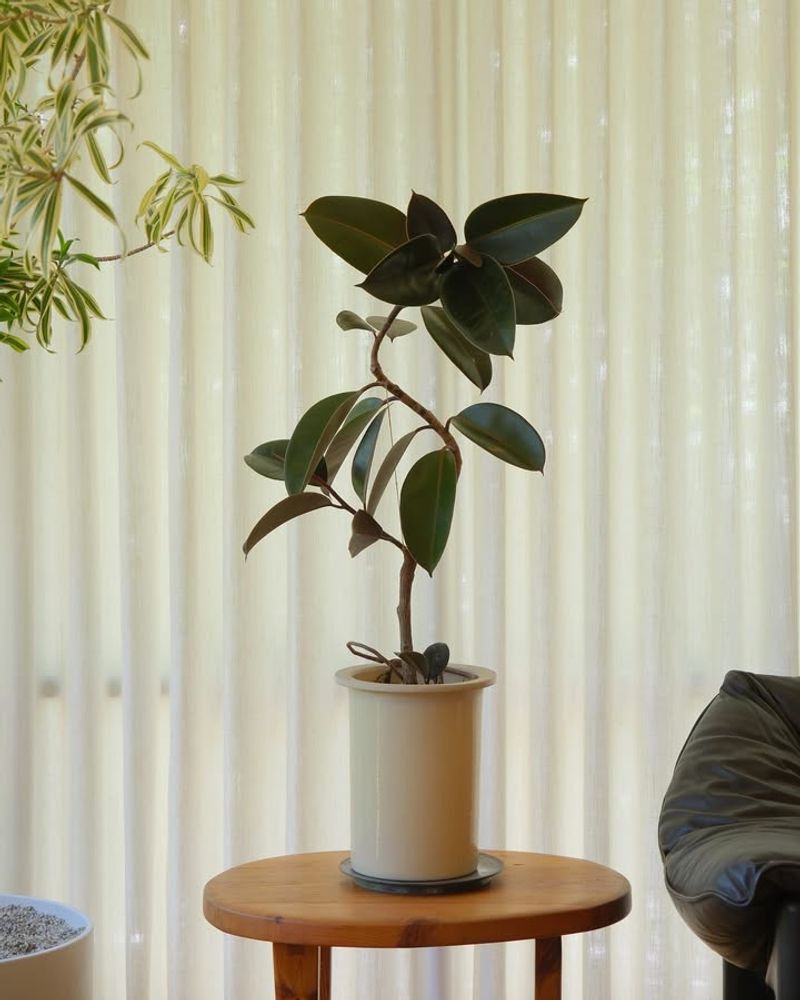
Bold burgundy or variegated leaves provide striking contrast that California designers use to break up neutral color schemes and add depth to minimalist interiors.
Rubber Plant grows quickly and can reach impressive heights, creating vertical interest that draws the eye upward and makes rooms feel more spacious and open.
California’s bright, sunny climate suits Ficus Elastica perfectly since these plants thrive in abundant light and warm temperatures similar to their native tropical Asian habitats.
Bright indirect light keeps leaves vibrant and encourages healthy growth, though Rubber Plant tolerates some direct morning sun without suffering leaf damage or discoloration.
Water when the top inch of soil dries out, which typically happens every week during warmer months and less frequently during California’s cooler winter season.
Wipe leaves regularly with a damp cloth to maintain their signature glossy sheen and remove dust that can block light and reduce photosynthesis efficiency.
Prune occasionally to control height and encourage bushier growth, which creates a fuller appearance that designers prefer for creating balanced, harmonious tropical-inspired room compositions.
Pair Ficus Elastica with woven baskets, natural fibers, and earthy tones to capture that effortless White Lotus aesthetic that blends luxury with organic simplicity beautifully.
8. Calathea
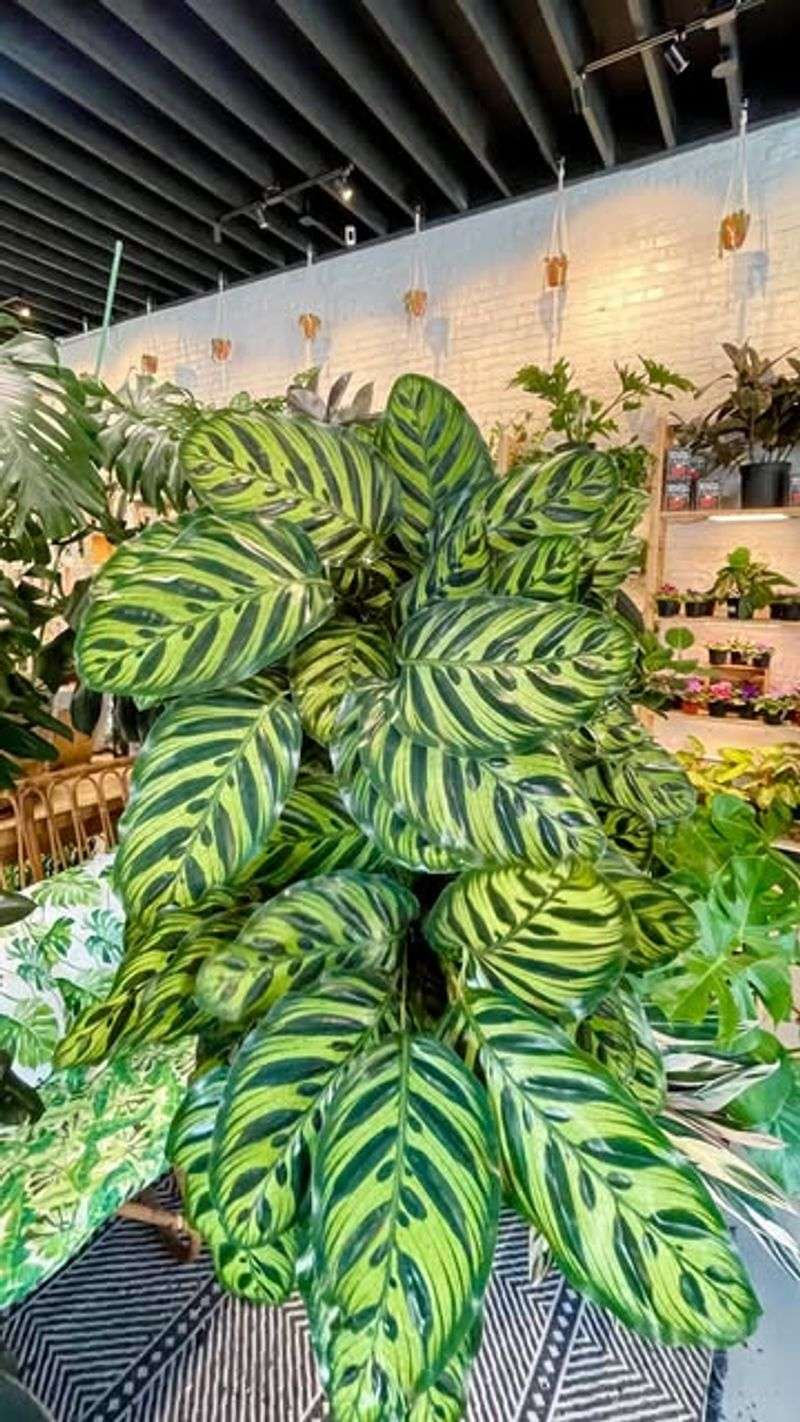
Intricately patterned leaves in shades of green, pink, and purple create living artwork that brings Hawaiian rainforest magic into California homes with stunning effect.
Calathea’s unique foliage moves throughout the day, folding upward at night and opening again at dawn, which fascinates plant lovers and adds dynamic interest.
California designers appreciate how Calathea adds texture and pattern without requiring bright light, making it perfect for rooms with limited natural sunlight or north-facing windows.
Medium indirect light works best for maintaining vibrant patterns, while direct sun can fade colors and cause unsightly brown spots on those delicate, beautiful leaves.
Keep soil consistently moist by watering whenever the top half-inch feels dry, which usually means watering two or three times per week depending on humidity.
California’s indoor environments can be dry, so regular misting or using a humidifier helps Calathea thrive and prevents crispy, brown leaf edges that detract.
Use distilled or filtered water to avoid mineral buildup that can damage sensitive roots and cause leaf discoloration, which keeps your plant looking pristine always.
Group Calathea with ferns and other humidity-loving plants to create a microclimate that mimics Hawaiian rainforests and supports healthy growth for all your tropical beauties.
9. Strelitzia Nicolai
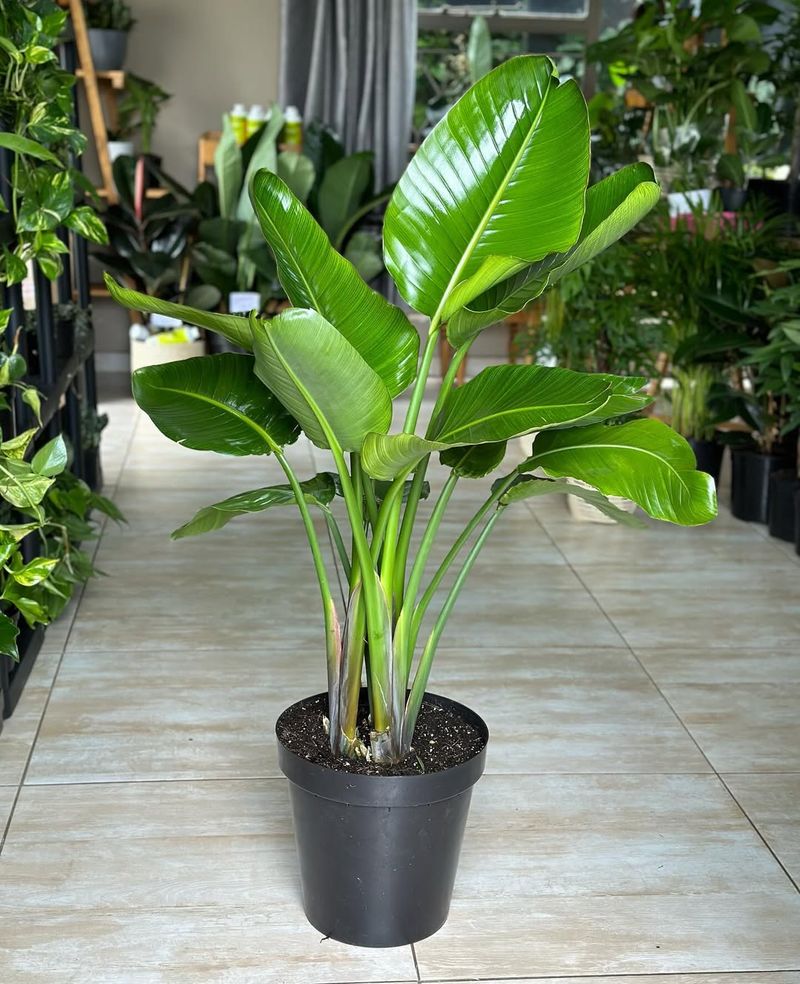
Massive banana-like leaves create bold architectural statements that California designers use to fill large spaces and add dramatic tropical impact to open-concept living areas.
White Bird of Paradise grows tall and wide, making it perfect for homes with high ceilings where smaller plants would disappear and fail to create impact.
California’s warm climate allows Strelitzia Nicolai to thrive indoors and even outdoors in protected patios, offering flexibility for seasonal decorating and plant placement options.
Bright indirect to direct light encourages vigorous growth and maintains those stunning oversized leaves that make this plant such a popular choice among interior designers.
Water deeply when the top two inches of soil dry out, which typically happens weekly during warmer months and less frequently during California’s mild winters.
Wipe leaves regularly with a damp cloth to remove dust and keep them looking glossy and healthy, which also helps prevent pests from taking hold.
Provide support stakes as the plant grows taller to prevent tipping, especially when placed in high-traffic areas where accidental bumps might occur frequently throughout the day.
Pair Strelitzia Nicolai with low-profile furniture and minimal décor to let the plant become the star attraction, just like in those beautifully designed White Lotus resort interiors.
10. Pothos
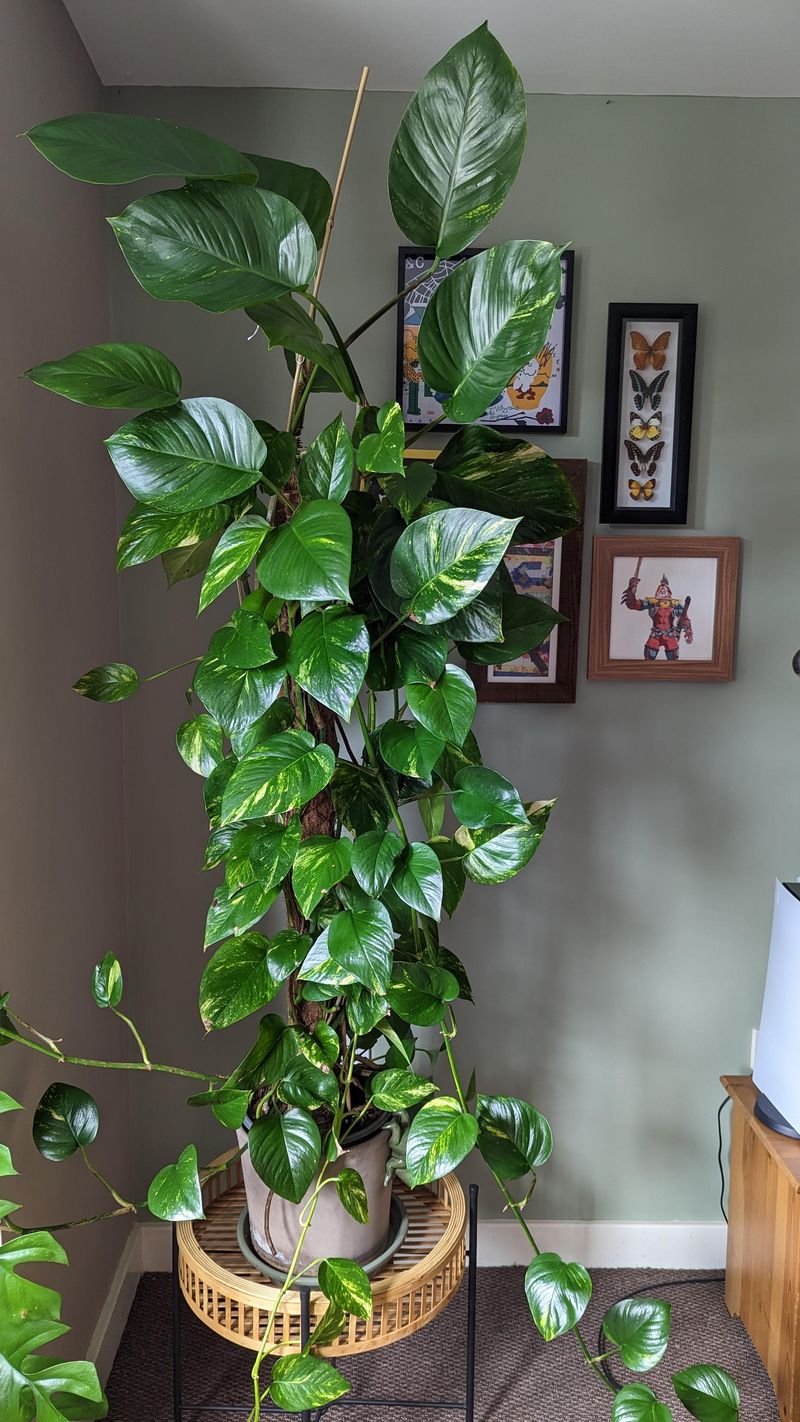
Cascading vines with heart-shaped leaves bring easygoing Hawaiian charm that California designers use to soften hard edges and add greenery to vertical spaces effortlessly.
Pothos ranks among the most forgiving houseplants available, making it ideal for beginners or anyone who wants tropical beauty without complicated care routines or schedules.
California homes provide perfect conditions for Pothos since these plants tolerate a wide range of light levels and temperature fluctuations without complaining or declining.
Low to bright indirect light suits Pothos, though variegated varieties need more light to maintain their striking color patterns and prevent reverting to solid green.
Water when the top inch of soil dries out completely, which usually happens every seven to ten days depending on pot size and environmental conditions.
Trailing vines can grow several feet long, creating lush curtains of greenery that designers use to frame windows or define spaces within open floor plans.
Trim vines occasionally to encourage bushier growth and prevent legginess, which keeps your Pothos looking full and healthy rather than sparse and stretched out awkwardly.
Hang Pothos from ceiling hooks or place on high shelves to create layered, jungle-inspired displays that capture that relaxed, luxurious White Lotus atmosphere perfectly and beautifully.