How Washington Homeowners Are Creating Mossy Woodland Garden Rooms
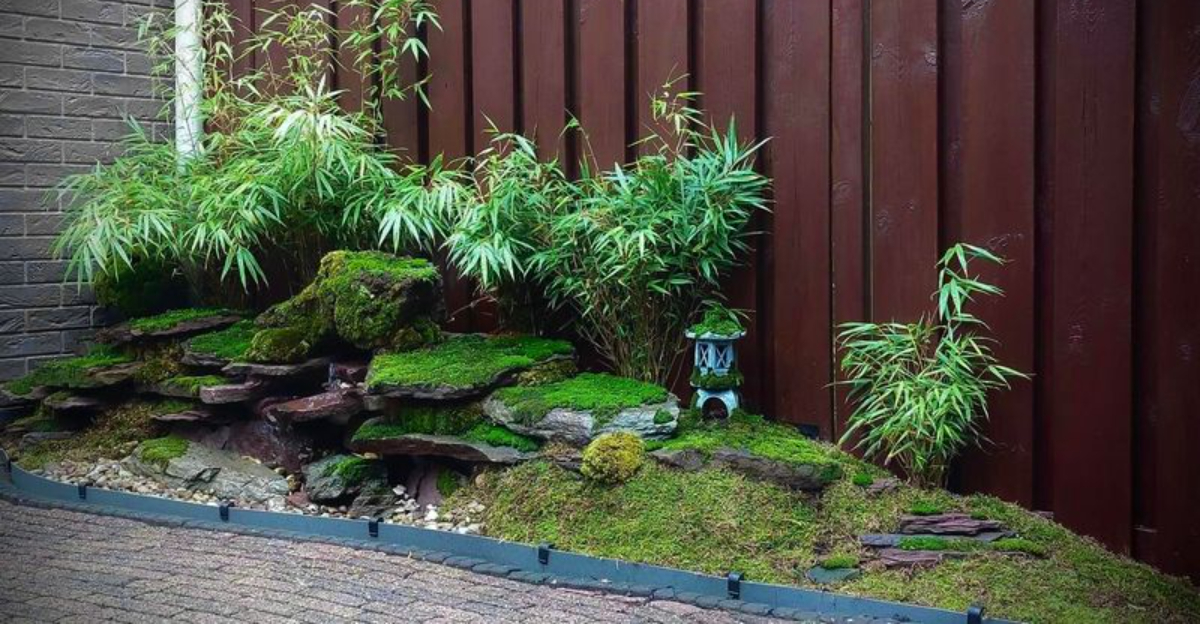
Washington homeowners are leaning into mossy garden rooms that feel tucked away, natural, and deeply connected to the surrounding landscape.
These spaces grow slowly over time, using shade, moisture, and layered greenery to create a calm woodland feel close to home.
Instead of polished finishes, the focus stays on texture, softness, and letting nature lead the design.
1. Embracing Native Moss Species for Authentic Forest Floors
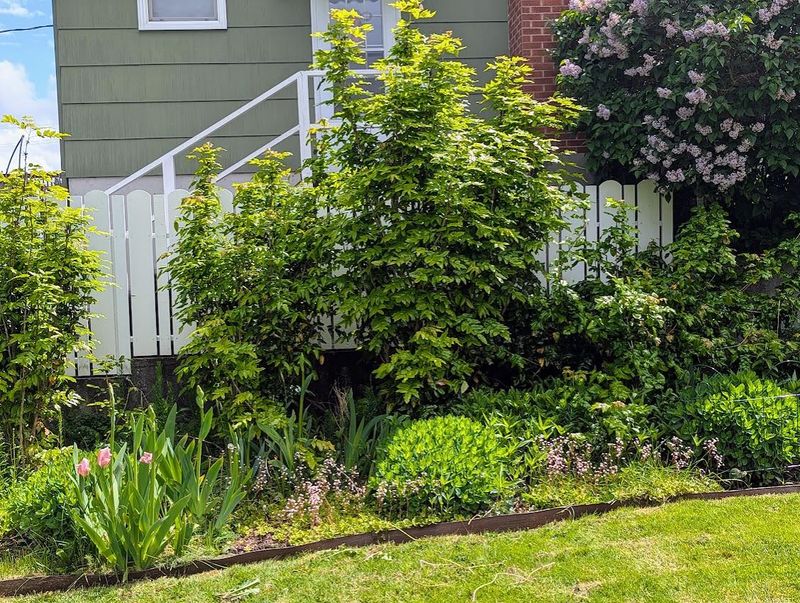
Natural moss varieties native to Washington create the foundation for authentic woodland garden rooms that look like they have existed for centuries already.
Pacific Northwest moss species adapt easily to shaded yards because they evolved in similar conditions found throughout forests across western Washington and beyond.
Homeowners collect moss from fallen logs or purchase it from local nurseries that specialize in native plants suited for regional climate patterns.
Sheet moss and cushion moss varieties spread quickly across bare soil, creating soft green carpets that require minimal maintenance once properly established.
Moss thrives without fertilizers or frequent watering, making it an eco-friendly choice for homeowners seeking sustainable landscaping solutions in rainy Washington regions.
Preparing the ground by removing weeds and adding acidic soil amendments helps moss take root faster and spread more evenly across garden areas.
Misting moss lightly during dry summer weeks keeps it healthy, though Washington rainfall usually provides enough moisture for vigorous growth throughout seasons.
Creating moss pathways between garden features adds texture and visual interest while maintaining the natural woodland aesthetic homeowners desire for their outdoor spaces.
2. Selecting Shade-Loving Plants That Complement Mossy Landscapes
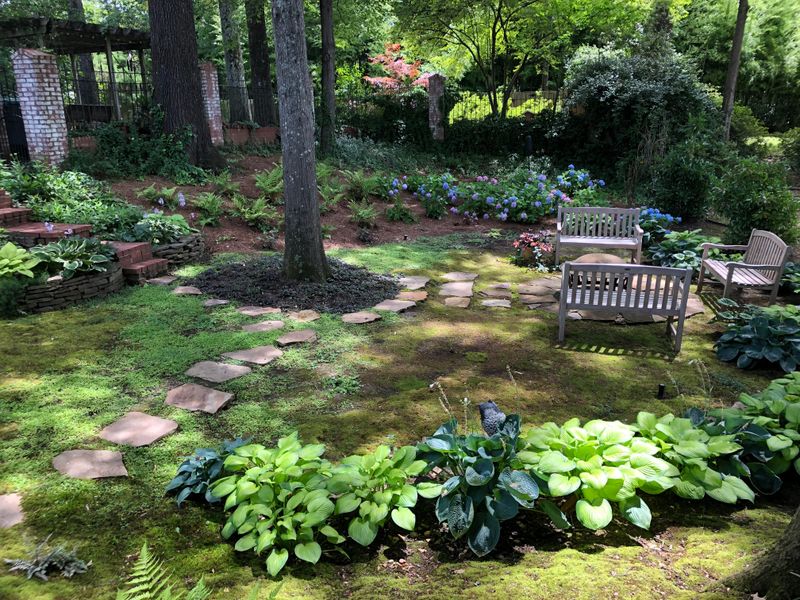
Ferns become the stars of Washington woodland gardens, with sword ferns and lady ferns offering graceful fronds that sway gently in breezes.
Hostas add bold foliage in various shades of green and blue, creating contrast against delicate moss while tolerating deep shade conditions perfectly.
Wild ginger spreads as groundcover beneath taller plants, producing heart-shaped leaves that hide small flowers close to the mossy forest floor below.
Trilliums bloom in spring with striking three-petaled flowers, bringing seasonal color to shaded garden rooms throughout western Washington neighborhoods and rural properties.
Bleeding hearts dangle pink or white blossoms from arching stems, adding vertical interest above low-growing moss and groundcovers in shaded garden areas.
Coral bells offer colorful foliage ranging from lime green to deep burgundy, thriving in partial shade while requiring little care from busy homeowners.
Astilbes produce feathery plumes in summer, filling garden rooms with soft textures and colors that complement the earthy tones of moss-covered ground.
Combining plants with different heights and textures creates layered woodland scenes that feel natural and inviting for relaxation and quiet contemplation outdoors.
3. Incorporating Natural Stone and Wood Elements for Structure
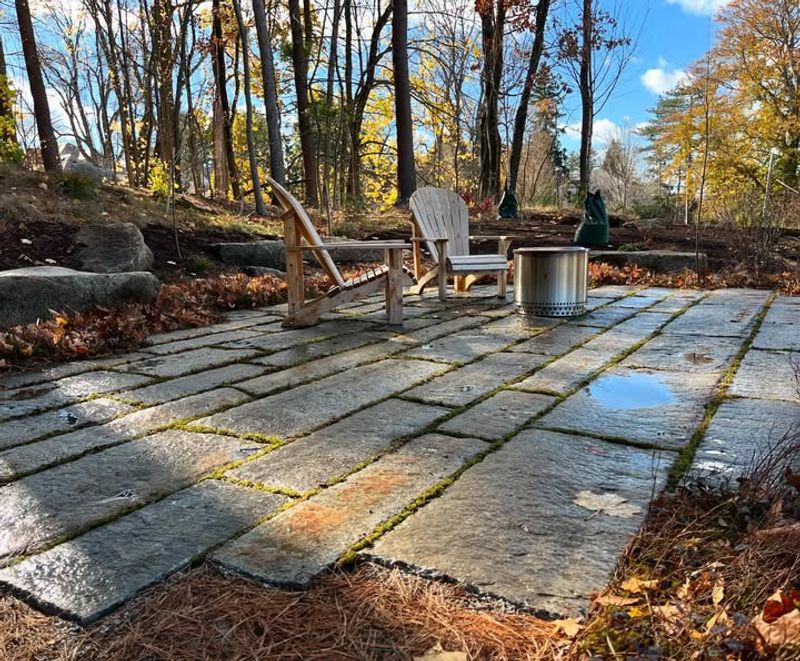
Weathered logs and stumps become natural seating areas or plant stands, adding rustic charm while blending seamlessly into mossy woodland garden designs.
Flat stones create winding pathways that guide visitors through garden rooms without disturbing delicate moss growing between carefully placed stepping stones throughout.
Boulders arranged in clusters mimic natural rock formations found in Washington forests, providing focal points that anchor garden designs with timeless appeal.
Your Washington Garden Changes Every Week. Your Plan Should Too.
Gardening in Washington changes quickly throughout the season. Every Friday you’ll receive a simple weekly plan showing exactly what to plant, prune, fertilize, harvest, and protect so you never miss the right timing.
Reclaimed wood benches offer comfortable spots for sitting and enjoying peaceful garden views while encouraging moss to colonize their weathered surfaces over time.
Driftwood collected from Washington beaches adds sculptural elements that contrast beautifully with soft moss and lush green foliage surrounding garden features below.
Stone walls built without mortar allow moss to grow between cracks, creating living walls that look ancient and perfectly integrated into woodland landscapes.
Fallen branches arranged as borders define garden beds while decomposing slowly to enrich soil and support beneficial insects and small wildlife nearby.
Natural materials age gracefully in Washington climate, developing patinas and moss coatings that enhance the authentic woodland atmosphere homeowners work to create.
4. Creating Layers of Canopy for Proper Light Filtration
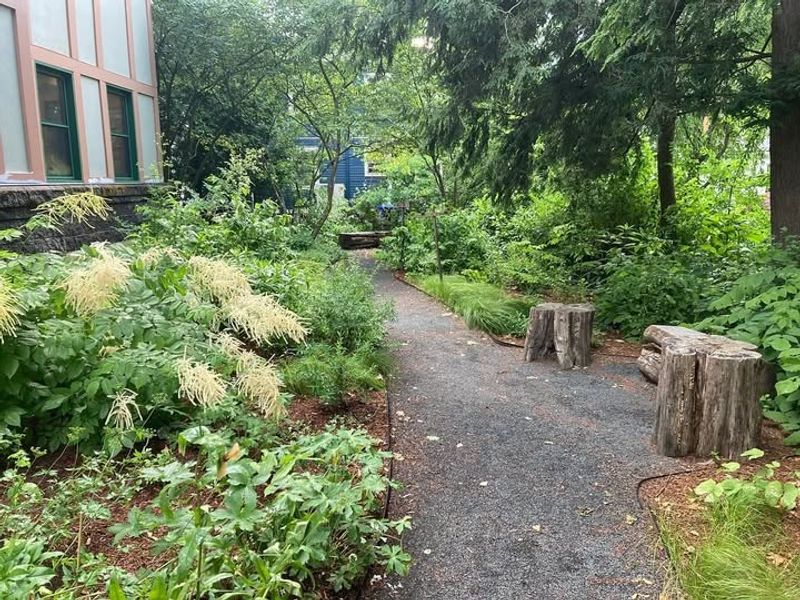
Tall evergreen trees like western red cedar and Douglas fir provide upper canopy layers that filter sunlight into dappled patterns across Washington gardens.
Smaller understory trees such as vine maple and dogwood create middle layers, adding seasonal color while protecting delicate moss from harsh direct sunlight.
Shrubs including rhododendrons and azaleas fill lower canopy spaces, blooming beautifully in spring while maintaining year-round structure in shaded garden rooms below.
Layered planting mimics natural forest ecosystems found throughout Washington, creating habitats for birds and beneficial insects while shading moss-covered ground effectively throughout seasons.
Pruning lower branches on mature trees allows more light to reach garden floors, helping moss and shade plants thrive without becoming too dark.
Deciduous trees lose leaves in fall, providing natural mulch that decomposes and enriches soil while allowing more winter light to reach evergreen groundcovers.
Balancing evergreen and deciduous species ensures garden rooms remain attractive throughout all seasons, with changing light patterns creating visual interest year-round for homeowners.
Proper canopy design prevents excessive shade that might limit plant diversity while maintaining the cool, moist conditions moss requires for healthy growth.
5. Managing Moisture Levels for Optimal Moss Growth
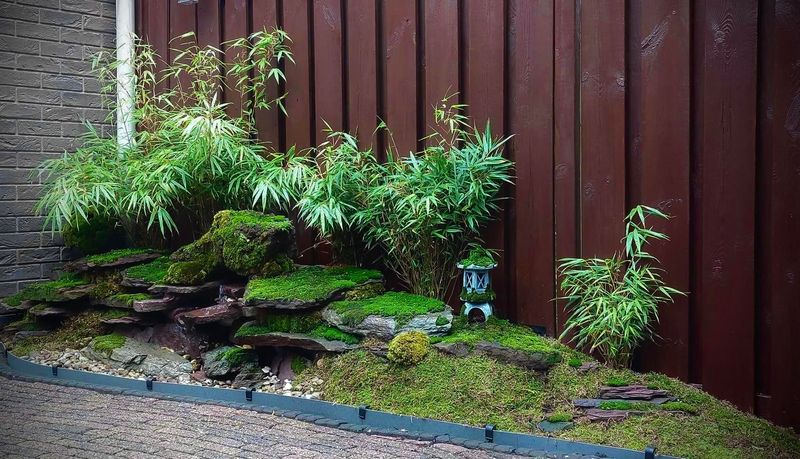
Washington rainfall provides natural irrigation for moss gardens, but homeowners monitor dry periods during summer months when supplemental watering becomes necessary occasionally.
Drip irrigation systems installed beneath moss layers deliver consistent moisture without disturbing delicate growth or washing away newly established moss colonies in gardens.
Soaker hoses hidden under mulch or moss provide gentle watering that mimics natural rain, keeping soil evenly moist without creating standing water problems.
Redirecting downspouts from roofs into garden areas channels rainwater naturally, taking advantage of Washington precipitation to maintain ideal moisture levels year-round consistently.
Mulching around plants helps retain soil moisture while slowly decomposing to add organic matter that benefits both moss and companion plants growing nearby.
Avoiding overwatering prevents moss from becoming waterlogged or developing fungal issues that can damage growth and diminish the lush green appearance homeowners desire.
Installing rain barrels allows homeowners to collect water during wet seasons for use during drier summer weeks, conserving resources while maintaining healthy gardens.
Testing soil moisture regularly helps gardeners understand when watering is needed, preventing guesswork and ensuring moss receives optimal conditions for vigorous growth always.
6. Designing Intimate Seating Areas Within Garden Rooms

Small clearings within woodland gardens become cozy seating nooks where homeowners relax surrounded by moss, ferns, and the soothing sounds of nature.
Rustic benches made from reclaimed wood or stone provide comfortable perches for reading, meditating, or simply enjoying the peaceful atmosphere of Washington gardens.
Arranging seating near focal points like interesting rock formations or beautiful plant groupings creates destinations that draw people deeper into garden spaces.
Adding soft cushions in weather-resistant fabrics makes seating areas more inviting while introducing subtle color accents that complement natural green tones surrounding them.
Low-growing plants around seating areas create natural boundaries without blocking views, maintaining the open yet enclosed feeling characteristic of successful garden rooms.
Fire pits built with natural stone extend garden use into cooler evenings, allowing Washington homeowners to enjoy outdoor spaces throughout more months each year.
String lights hung overhead add magical ambiance after dark, transforming garden rooms into enchanting spaces perfect for evening gatherings with family and friends.
Positioning seating to capture morning sun or afternoon shade maximizes comfort, making garden rooms usable during different times throughout the day in Washington.
7. Attracting Wildlife to Enhance the Woodland Experience
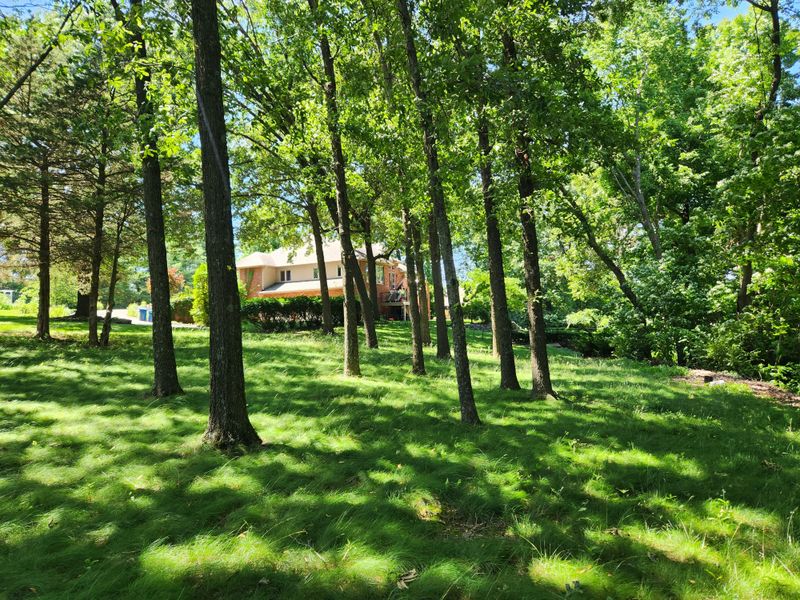
Bird feeders strategically placed throughout Washington woodland gardens attract chickadees, nuthatches, and other native species that add life and movement to outdoor spaces.
Providing water sources like shallow birdbaths or small ponds invites birds and beneficial insects while creating focal points that enhance garden aesthetics.
Native plants produce berries and seeds that feed wildlife naturally, reducing reliance on feeders while supporting local ecosystems throughout changing seasons.
Leaving dead wood and leaf litter in place creates habitat for insects, salamanders, and small mammals that contribute to healthy garden ecosystems.
Avoiding pesticides protects beneficial insects like bees and butterflies, allowing natural pest control to develop within balanced Washington woodland garden environments over time.
Installing bat houses encourages these helpful creatures to roost nearby, providing natural mosquito control while adding educational interest for families with curious children.
Creating brush piles from pruned branches offers shelter for rabbits, chipmunks, and ground-dwelling birds that make gardens feel more alive and connected to nature.
Observing wildlife becomes a rewarding hobby for homeowners, turning garden rooms into living classrooms where families learn about Pacific Northwest ecology firsthand daily.
8. Maintaining Garden Rooms with Minimal Intervention
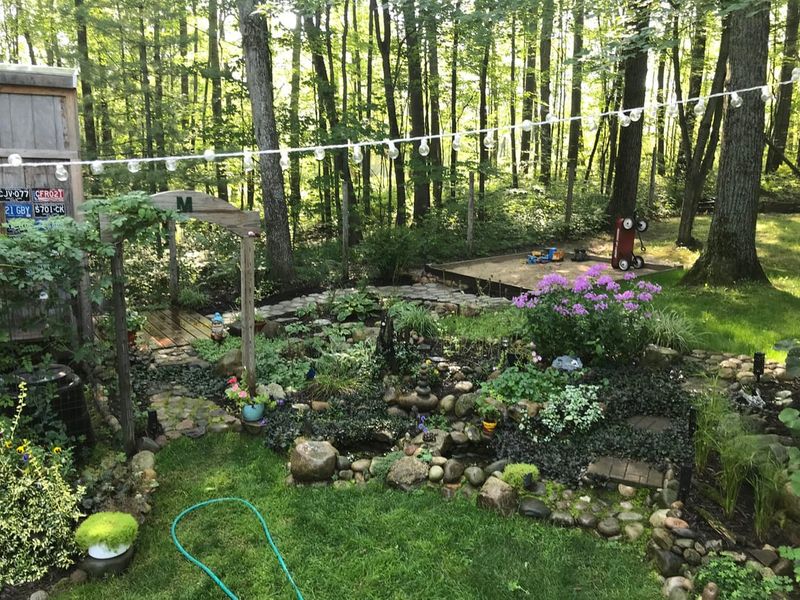
Moss gardens require far less maintenance than traditional lawns, needing no mowing, fertilizing, or intensive care once established properly in Washington yards.
Removing fallen leaves occasionally prevents them from smothering moss, though some leaf litter can remain to decompose and enrich soil naturally over time.
Pulling weeds by hand when they appear keeps garden rooms looking tidy without introducing chemicals that might harm delicate moss or beneficial organisms.
Trimming back overgrown plants maintains desired shapes and prevents aggressive species from crowding out slower-growing moss and shade-loving companions in gardens.
Refreshing mulch annually around shrubs and trees suppresses weeds while adding organic matter that improves soil structure and supports healthy plant growth.
Monitoring for pests or diseases allows early intervention when problems arise, though healthy Washington woodland gardens typically experience few serious issues naturally.
Raking gently in spring removes winter debris without disturbing moss roots, preparing gardens for new growth as temperatures warm and daylight hours increase.
Embracing natural processes and imperfections creates low-stress gardens that evolve beautifully over time, reflecting the wild character of Pacific Northwest forests authentically always.
9. Adapting Garden Rooms to Different Property Sizes and Styles
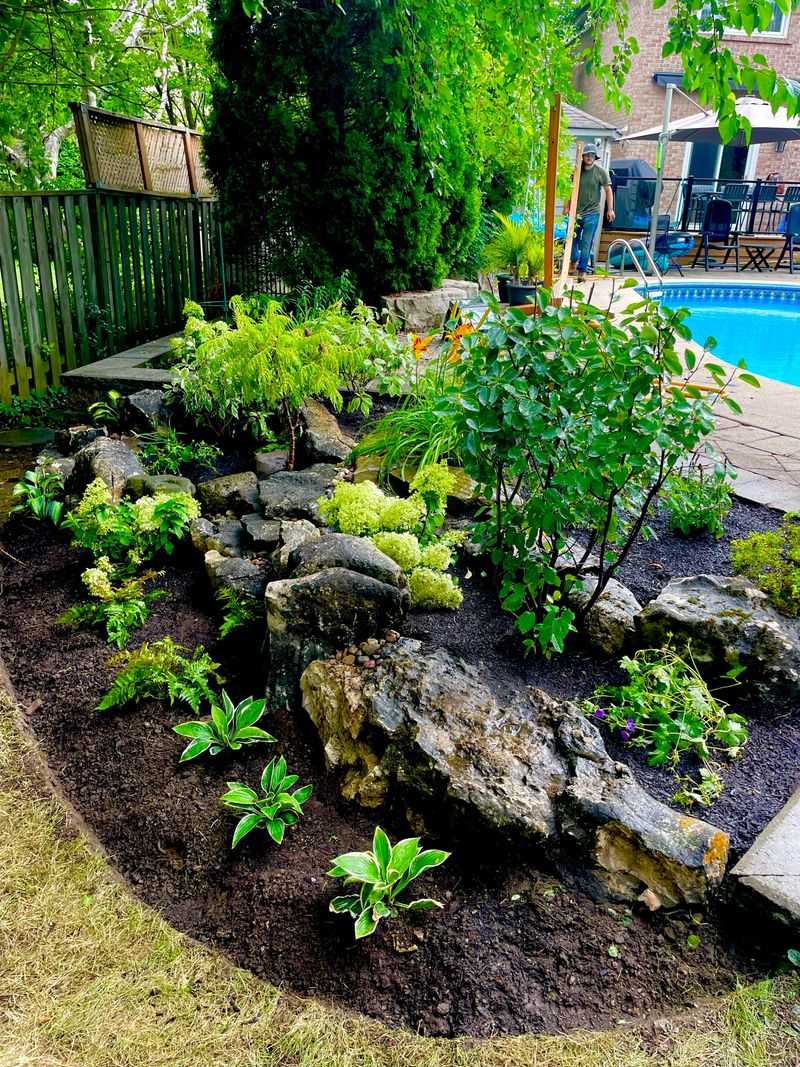
Small urban yards in Washington cities can accommodate miniature woodland gardens, using containers and vertical plantings to maximize limited space creatively and effectively.
Large suburban properties allow expansive garden rooms with winding paths connecting multiple seating areas and diverse plant collections throughout the landscape beautifully.
Steep slopes become ideal locations for woodland gardens, with moss and shade plants stabilizing soil while creating terraced levels that add visual interest.
Shaded side yards often neglected in traditional landscaping transform into productive garden rooms filled with moss, ferns, and flowering shade perennials year-round.
Integrating woodland elements into existing landscapes creates transition zones between formal garden areas and wild spaces, blending different styles harmoniously throughout Washington properties.
Cottage-style homes pair beautifully with romantic woodland gardens featuring meandering paths, rustic arbors, and abundant flowering plants among moss-covered ground below naturally.
Modern architectural styles benefit from clean-lined woodland gardens with minimalist plantings and sculptural elements that complement contemporary design aesthetics while maintaining natural character.
Adapting design principles to individual properties ensures every Washington homeowner can create personalized woodland garden rooms reflecting their unique tastes and lifestyle preferences perfectly.