Virginia Homeowners Are Spotting A Strange Metallic Bug In Their Yards
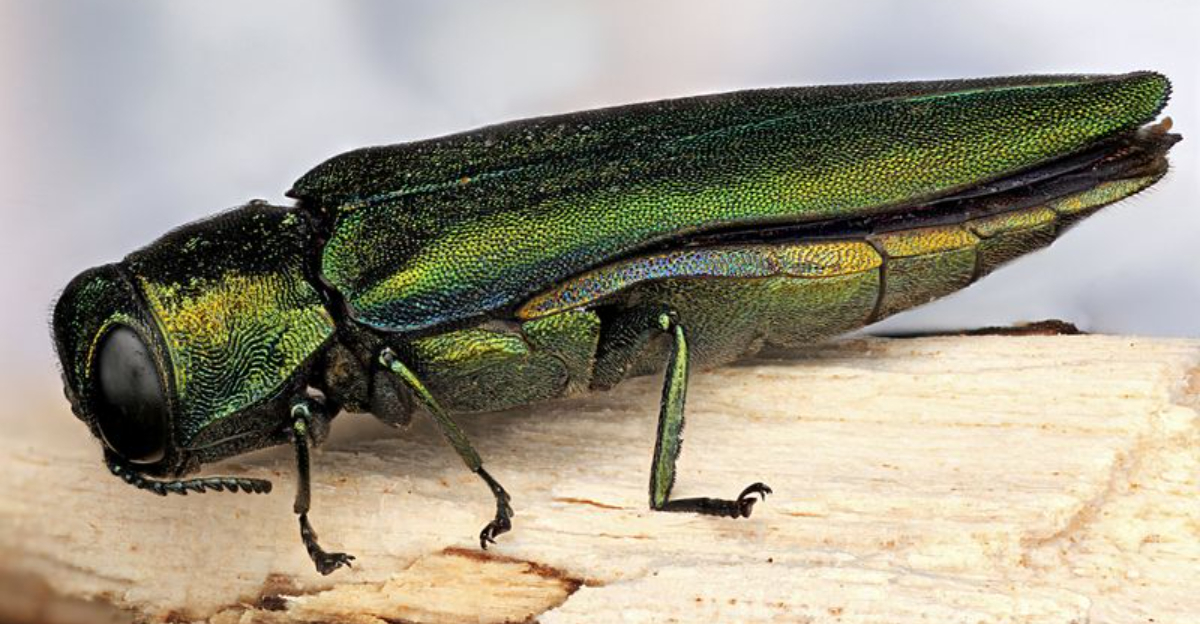
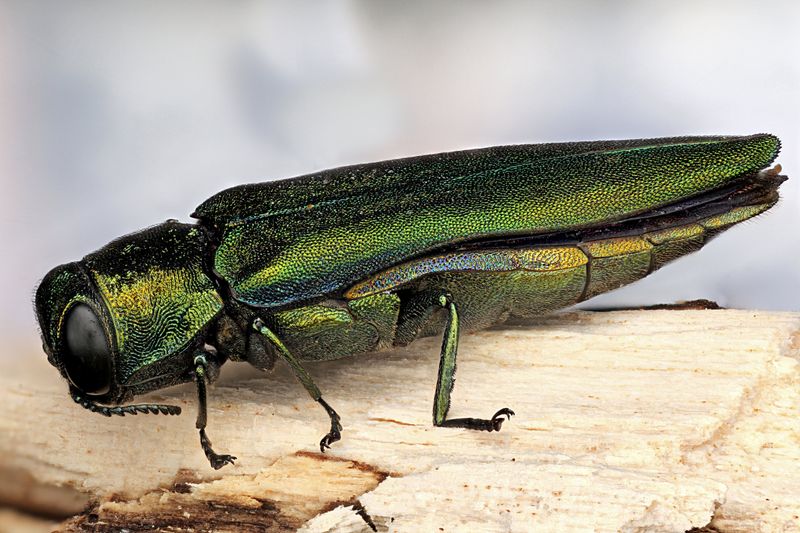
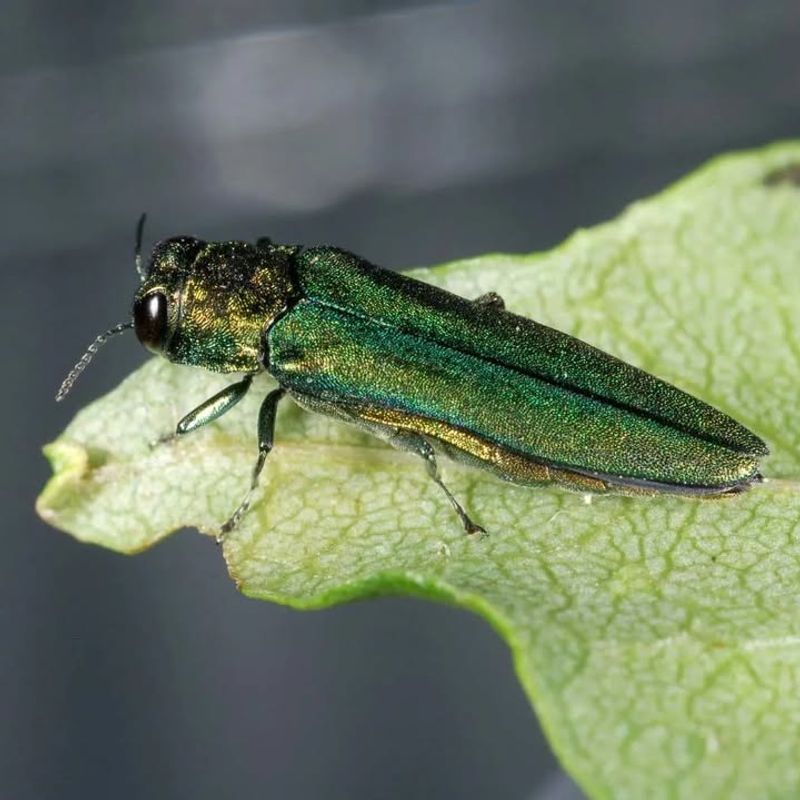
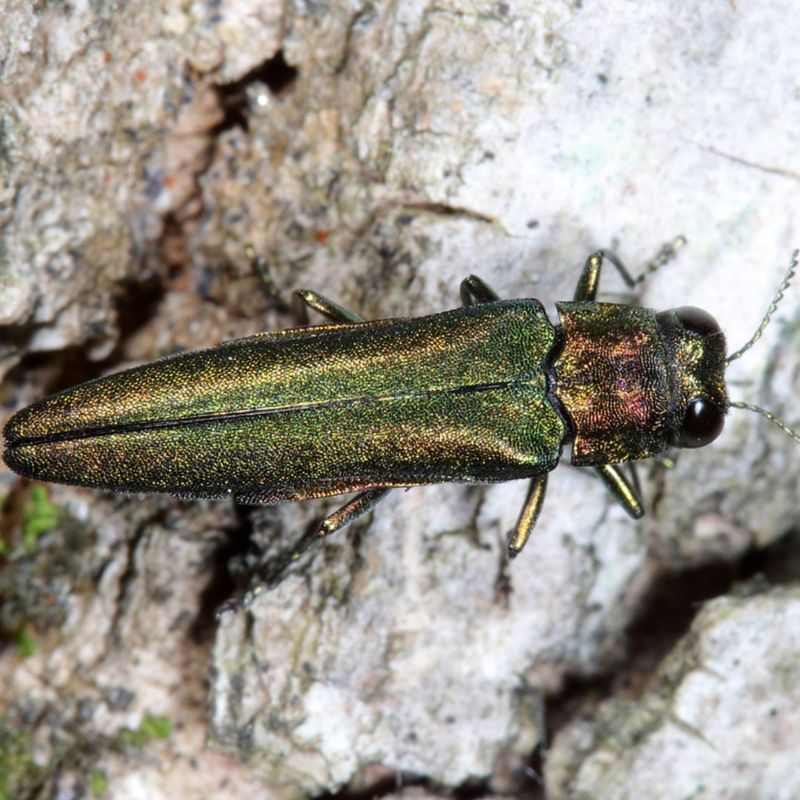
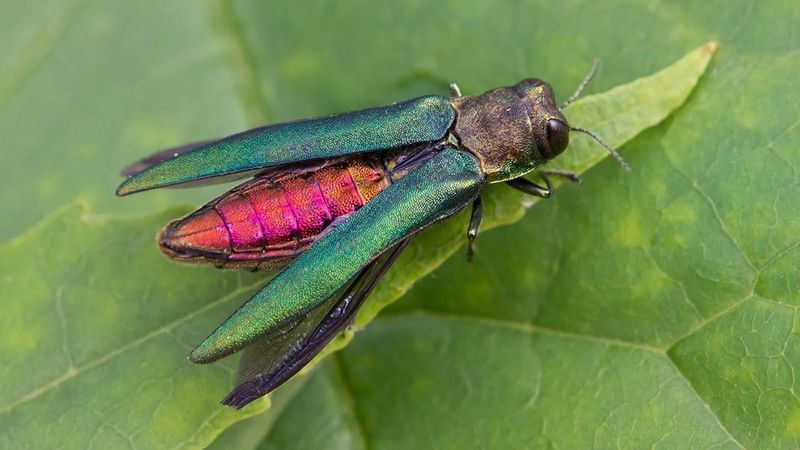
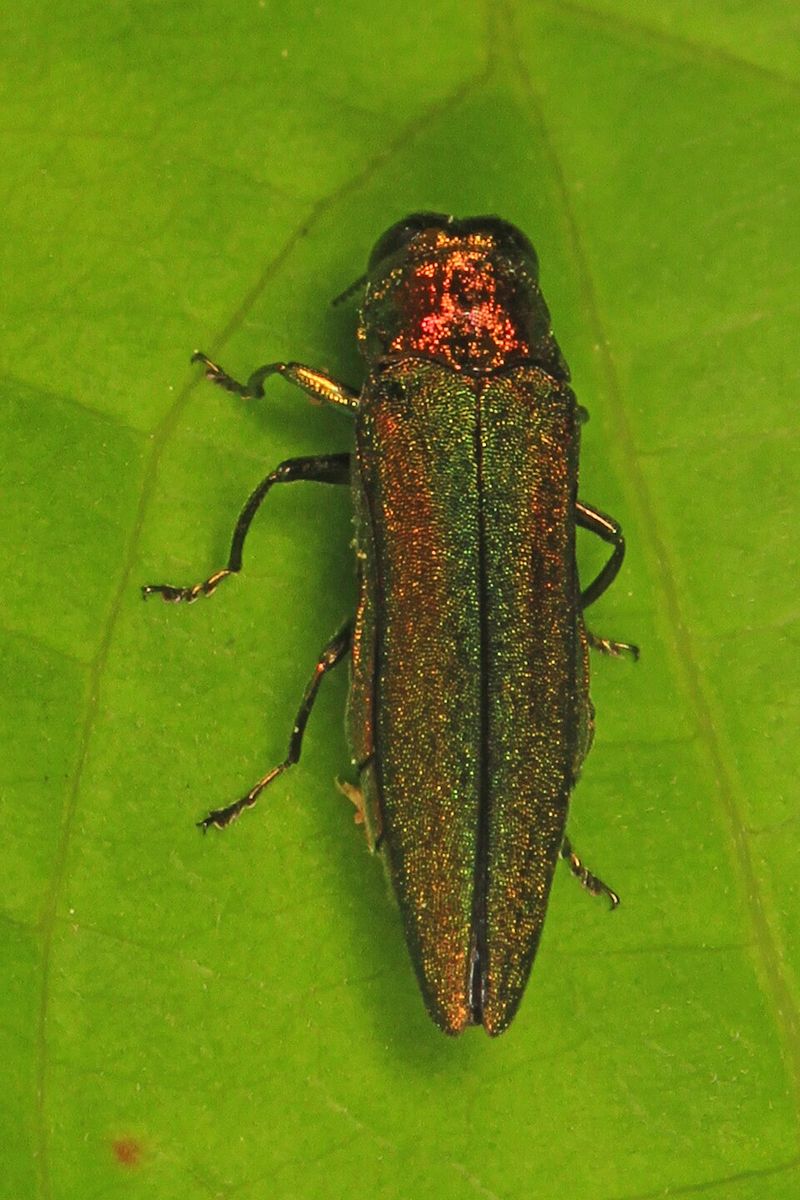
Virginia homeowners are starting to notice a small, metallic-green insect showing up on trees, fences, and siding, often catching attention because it looks out of place.
At first glance it seems harmless or even interesting, which is why many people don’t connect it to the quiet changes happening in nearby trees.
That strange metallic bug is the emerald ash borer, an invasive pest known for causing serious damage to ash trees across the region.
Its arrival often goes unnoticed until ash trees begin thinning and losing strength much faster than expected across Virginia neighborhoods.
1. D-Shaped Exit Holes in the Bark
Adult emerald ash borers leave very distinctive holes when they emerge from inside the tree, and these marks are easy to spot once you know what to look for on your property.
The holes measure about one-eighth of an inch across and have a unique D shape lying on its side, which helps distinguish them from other insect damage seen in Virginia.
You will usually find these exit holes on the trunk and larger branches of ash trees, often clustered where multiple beetles emerged from the same area of bark.
Fresh holes may show lighter wood beneath the surface, while older ones darken over time, so regular checks help catch infestations before they spread across your yard.
Homeowners should inspect ash trees at least twice a year, carefully scanning the bark for new holes that signal active beetle activity.
Seeing D-shaped exit holes means adult beetles have already developed inside the tree and flown off to infest nearby ash trees.
Taking clear photos of the holes and noting their locations helps arborists assess infestation severity and recommend treatment options based on tree condition.
These holes rarely appear alone, and nearby signs like bark splitting or woodpecker damage often confirm that the infestation is already established.
Ignoring exit holes allows beetle populations to expand quickly, increasing the risk of losing multiple ash trees within the same area.
2. Unusual Woodpecker Activity on Ash Trees
Birds like woodpeckers are natural predators of emerald ash borer larvae, and they often locate infested trees before homeowners realize a problem is developing in Virginia yards.
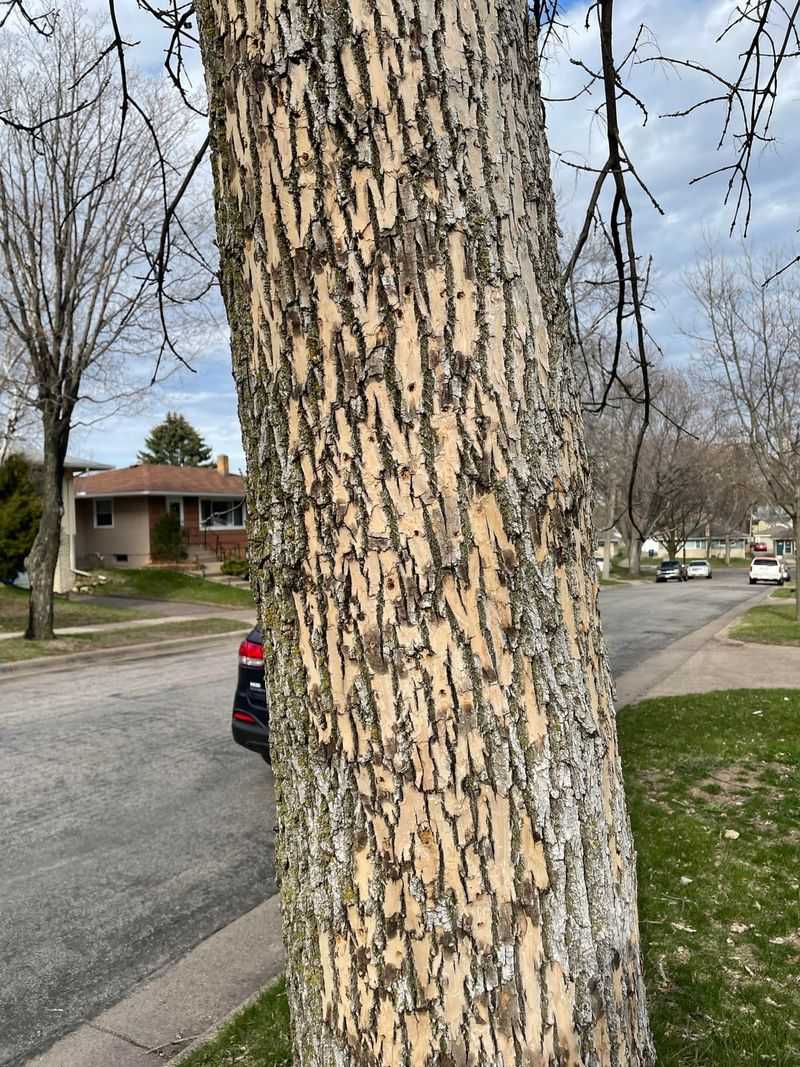
When woodpeckers find ash borer larvae feeding beneath the bark, they peck away sections of bark to reach the insects, leaving rectangular or irregularly shaped holes and rough patches.
Heavy woodpecker activity on ash trees is a useful early warning sign because these birds can detect larvae completely hidden beneath the outer bark.
You may notice large areas of bark stripped away, exposing lighter-colored wood underneath, with damage most common on trunks and major branches.
Although this woodpecker damage can look alarming, the birds are feeding on beetle larvae and are not the original cause of the tree’s decline.
Woodpeckers help reduce larval numbers but cannot stop a full infestation without additional treatment or management.
Virginia homeowners should take note when woodpeckers spend unusual amounts of time on ash trees, as this behavior strongly suggests active emerald ash borer feeding.
Your Virginia Garden Changes Every Week. Your Plan Should Too.
Gardening in Virginia changes quickly throughout the season. Every Friday you’ll receive a simple weekly plan showing exactly what to plant, prune, fertilize, harvest, and protect so you never miss the right timing.
Watching for woodpecker damage along with exit holes or canopy thinning gives a clearer picture of tree health and helps guide next treatment steps.
3. Thinning Canopy And Branch Decline
One of the most visible signs of emerald ash borer damage is when the upper branches of an ash tree lose leaves and appear sparse compared to previous years in a Virginia yard.
Canopy thinning usually starts at the top of the tree and slowly moves downward as the infestation worsens because larvae interfere with water and nutrient movement.
Affected trees often produce fewer leaves each spring, and the leaves that do emerge may appear smaller, weaker, or lighter in color due to stress.
Branch decline occurs when entire sections stop producing leaves altogether, and these bare branches stand out sharply against healthier areas.
Homeowners should compare ash trees from year to year and watch for gradual changes in fullness, especially during the growing season.
Canopy thinning can be misleading because drought or disease may cause similar symptoms, making it important to look for additional warning signs.
When thinning appears alongside exit holes or woodpecker damage, it becomes a strong indicator of emerald ash borer activity.
Catching canopy changes early improves treatment options and increases the chances of saving the tree through consistent spring and summer monitoring.
4. S-Shaped Larvae Tunnels Under the Bark
Beneath the outer bark of infested ash trees, emerald ash borer larvae carve distinctive serpentine tunnels called galleries as they feed on inner wood layers across Virginia.
These galleries form winding, S-shaped patterns unique to emerald ash borers and become visible when loose bark is carefully peeled back from an affected tree.
The larvae feed on the cambium layer that transports water and nutrients, and their tunneling gradually disrupts these vital functions, weakening the tree over time.
Fresh galleries often contain cream-colored or light brown frass, a sawdust-like material produced by feeding larvae and tightly packed inside the tunnels.
Virginia homeowners who notice loose bark on ash trees can gently remove a small section to look for these telltale S-shaped gallery patterns.
As larvae grow, the galleries widen, and heavily infested trees may develop so many overlapping tunnels that the inner bark resembles a dense maze.
Spotting these galleries early helps determine infestation severity and whether treatment is still possible or tree removal becomes the safest option.
5. Epicormic Sprouting on the Trunk
Stressed ash trees often respond to emerald ash borer damage by producing clusters of small shoots from the trunk or lower branches, a process known as epicormic sprouting in Virginia.
These sprouts form as the tree tries to compensate for upper canopy loss by creating new paths for photosynthesis and nutrient production.
The shoots emerge from dormant buds beneath the bark and can grow quickly in tight clusters, giving the tree an unusual appearance.
Although they may look like healthy growth at first, epicormic sprouts are a clear distress signal and usually appear alongside canopy thinning or weakened branch structure.
These shoots are commonly seen on the lower trunk or near major branch bases and often differ in leaf size or color from normal foliage.
Virginia homeowners should treat epicormic sprouting as a serious warning sign because it indicates advanced internal damage from feeding larvae.
While sprouting shows the tree is still alive, it does not mean recovery, and without treatment the tree will continue to decline.
Epicormic growth often increases as the infestation worsens, appearing more frequently as the tree loses its ability to support normal canopy growth.
By the time heavy sprouting is visible, significant internal damage has usually already occurred within the tree.
6. Vertical Bark Splits and Cracks

As emerald ash borer larvae tunnel beneath the bark, they cause the outer bark to loosen and split, creating vertical cracks along the trunks of ash trees in Virginia.
These splits form when larvae break the connection between bark and inner wood, and as the tree attempts to heal, the bark separates and cracks open.
Vertical bark splits are often several inches long and may appear anywhere on the trunk, though they are most common where larval activity and gallery formation are heaviest.
Over time, these cracks can become more noticeable, with surrounding bark looking loose, discolored, or ready to peel away with little effort.
In some cases, lighter-colored inner wood is visible through the splits, increasing vulnerability to pests, disease, and environmental stress.
Regularly checking ash trees for new or widening bark splits helps track infestation progression and guides treatment decisions for Virginia properties.
When vertical splits appear alongside exit holes or woodpecker damage, they strongly indicate an active emerald ash borer infestation requiring professional evaluation.
7. Increased Ash Tree Decline During Summer
Emerald ash borer infestations often become most visible during summer, when healthy trees should look full, but infested ash trees instead show rapid decline across Virginia landscapes.
Affected ash trees may develop yellowing or browning leaves earlier than normal, with foliage wilting or dropping while nearby trees remain fully leafed out.
Summer is when larvae feed most aggressively beneath the bark, and their tunneling causes the greatest disruption to water and nutrient movement.
Homeowners should be especially alert during hot, dry periods because stressed, infested trees show clearer and more severe symptoms in these conditions.
As summer progresses, an infested ash tree may deteriorate quickly, with thinning foliage, stressed branches, and an overall weakened appearance.
Comparing how an ash tree looks in summer to previous years can reveal whether decline is abnormal and worsening across a Virginia yard.
Rapid summer decline is a critical warning sign that calls for immediate action, since delaying until cooler seasons can make the tree impossible to save.
In many cases, summer decline appears suddenly, even in trees that looked relatively healthy earlier in the growing season.
Once this level of decline is visible, the infestation is often well established and progressing quickly inside the tree.