7 Vegetables Los Angeles California Gardeners Are Planting This Winter
Winter in Los Angeles brings mild temperatures and gentle rains that create perfect growing conditions for cool-season vegetables.
While gardeners in colder regions bundle up and wait for spring, Southern California gardeners roll up their sleeves and get planting.
The cooler months from November through February offer ideal weather for crops that would wilt under summer heat.
These seven vegetables thrive in LA’s winter climate and will reward you with fresh harvests throughout the season.
1. Leafy Lettuce Varieties For Continuous Harvests
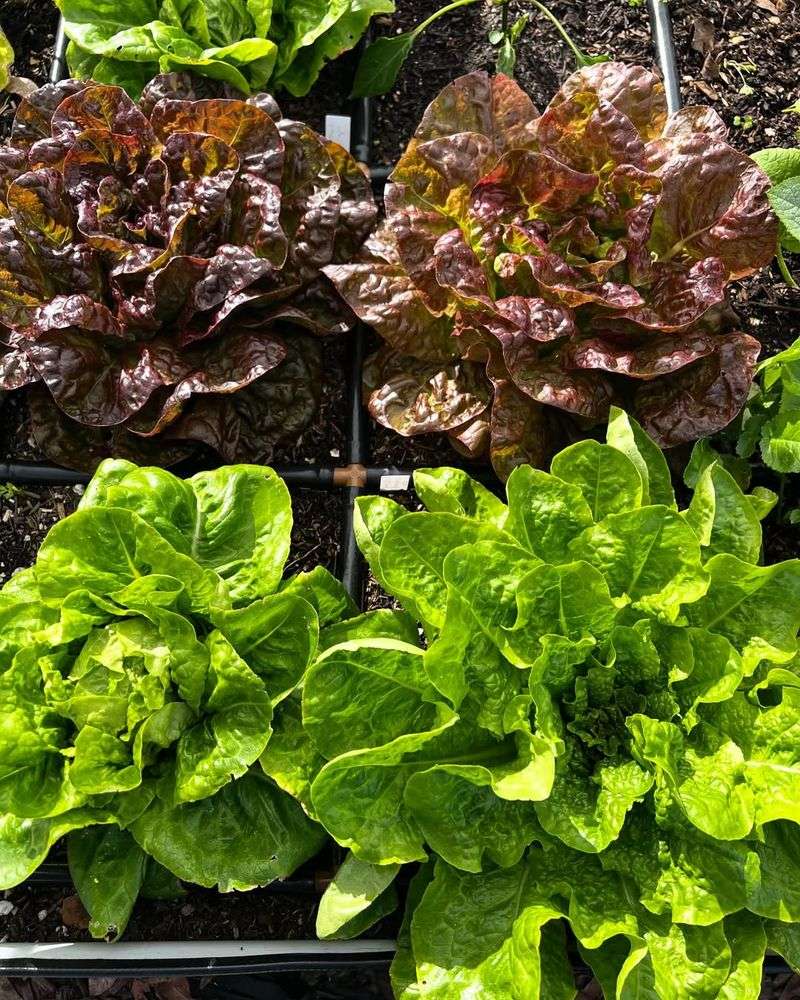
Lettuce loves the cool, mild weather that Los Angeles winters provide, making it one of the easiest vegetables to grow during this season.
You can start planting lettuce seeds directly in the ground or use transplants from your local nursery.
The beauty of lettuce is that you can harvest outer leaves while the plant continues producing new growth from the center.
Romaine, butterhead, and loose-leaf varieties all perform wonderfully in Southern California’s winter gardens.
Plant seeds every two weeks to ensure you have fresh salad greens throughout the entire season.
Lettuce grows quickly, often ready to harvest in just 30 to 45 days from planting.
Choose a spot in your garden that receives morning sun and afternoon shade for best results.
The plants prefer consistent moisture, so water them regularly but avoid letting the soil become waterlogged.
Space your lettuce plants about six to eight inches apart to allow proper air circulation.
Watch for aphids and slugs, which sometimes bother lettuce during the cooler months.
You can grow lettuce in containers on patios or balconies if you have limited garden space.
Mix different varieties together for colorful salads straight from your backyard.
The mild temperatures prevent lettuce from bolting, which happens when plants flower and turn bitter in hot weather.
Harvest leaves in the morning when they are crisp and full of moisture for the best flavor and texture.
2. Crunchy Carrots That Sweeten In Cool Weather
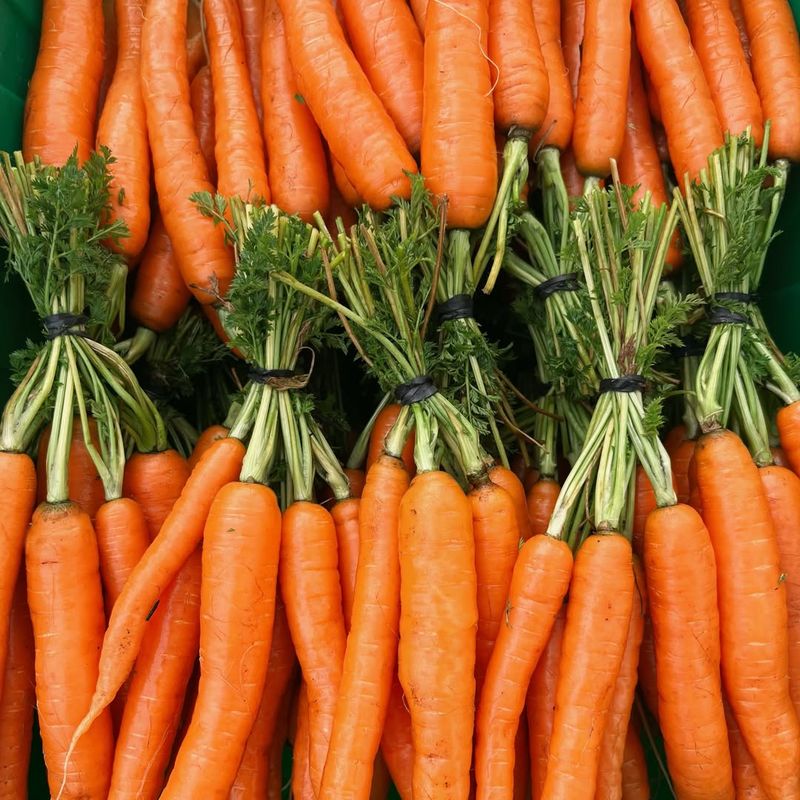
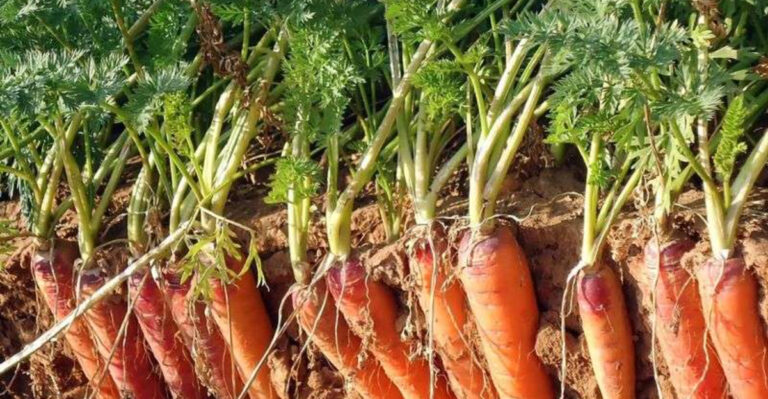
Carrots develop their sweetest flavor when grown in cooler temperatures, making winter the perfect time to plant them in Los Angeles.
The cold nights actually cause carrots to convert more starches into sugars, resulting in exceptionally tasty roots.
Choose varieties suited to your soil type, with shorter types working better in heavy clay soils.
Nantes and Chantenay varieties perform particularly well in Southern California gardens during winter months.
Prepare your soil deeply, removing rocks and breaking up clumps so carrots can grow straight and long.
Sow seeds directly into the garden because carrots do not transplant well once their roots begin developing.
Keep the soil consistently moist until seeds germinate, which usually takes about two weeks.
Thin seedlings to about two inches apart once they reach a few inches tall to give each carrot room to grow.
Carrots take longer than many winter vegetables, typically requiring 60 to 80 days to reach full size.
You can start harvesting baby carrots earlier if you prefer smaller, tender roots.
The green tops should be healthy and vibrant, indicating the roots below are developing properly.
Plant carrots in full sun locations where they will receive at least six hours of direct sunlight daily.
Your California Garden Changes Every Week. Your Plan Should Too.
Gardening in California changes quickly throughout the season. Every Friday you’ll receive a simple weekly plan showing exactly what to plant, prune, fertilize, harvest, and protect so you never miss the right timing.
Rotate where you plant carrots each year to prevent soil-borne diseases from building up.
Pull carrots gently from loose soil, or use a garden fork to lift them without breaking the roots.
3. Sweet Peas For Climbing Garden Beauty
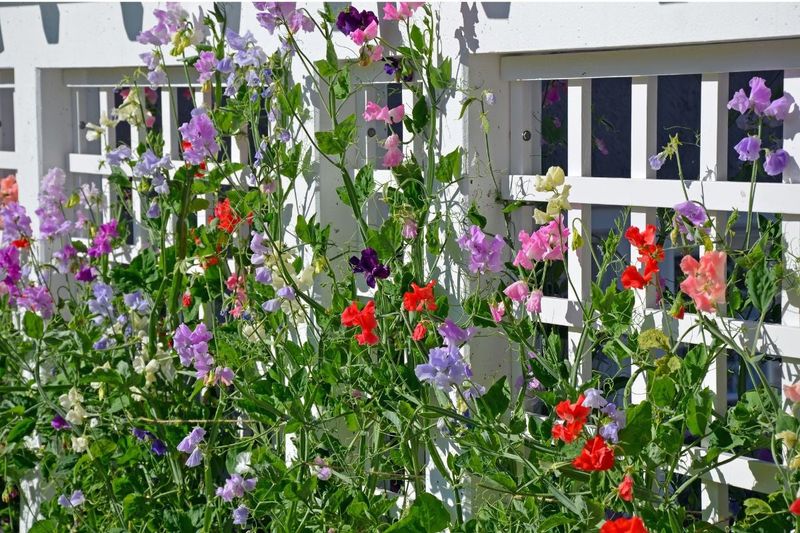
Peas bring vertical interest to winter gardens while producing delicious pods packed with nutrition.
Both snap peas and snow peas flourish in Los Angeles during the cooler months when temperatures stay moderate.
These climbing plants need support structures like trellises, fences, or bamboo poles to grow upward.
Planting peas along a sunny fence creates a productive green wall that looks beautiful and saves garden space.
Sow pea seeds about one inch deep and two inches apart in rows or clusters around support structures.
The plants will quickly send out tendrils that grab onto anything nearby as they climb skyward.
Peas prefer full sun but can tolerate some afternoon shade in warmer microclimates around the city.
Water regularly to keep soil moist but not soggy, especially during dry winter weeks without rain.
You can harvest snap peas when pods are plump and crisp, usually about 60 days after planting.
Snow peas should be picked while still flat before the peas inside fully develop.
Harvesting frequently encourages plants to produce more flowers and pods throughout the season.
Peas actually add nitrogen to soil through their root systems, improving soil health for future plantings.
Watch for powdery mildew on leaves during humid periods and provide good air circulation to prevent it.
Children especially enjoy growing peas because they can watch the plants climb and pick sweet pods to eat fresh.
4. Robust Broccoli With Multiple Harvests
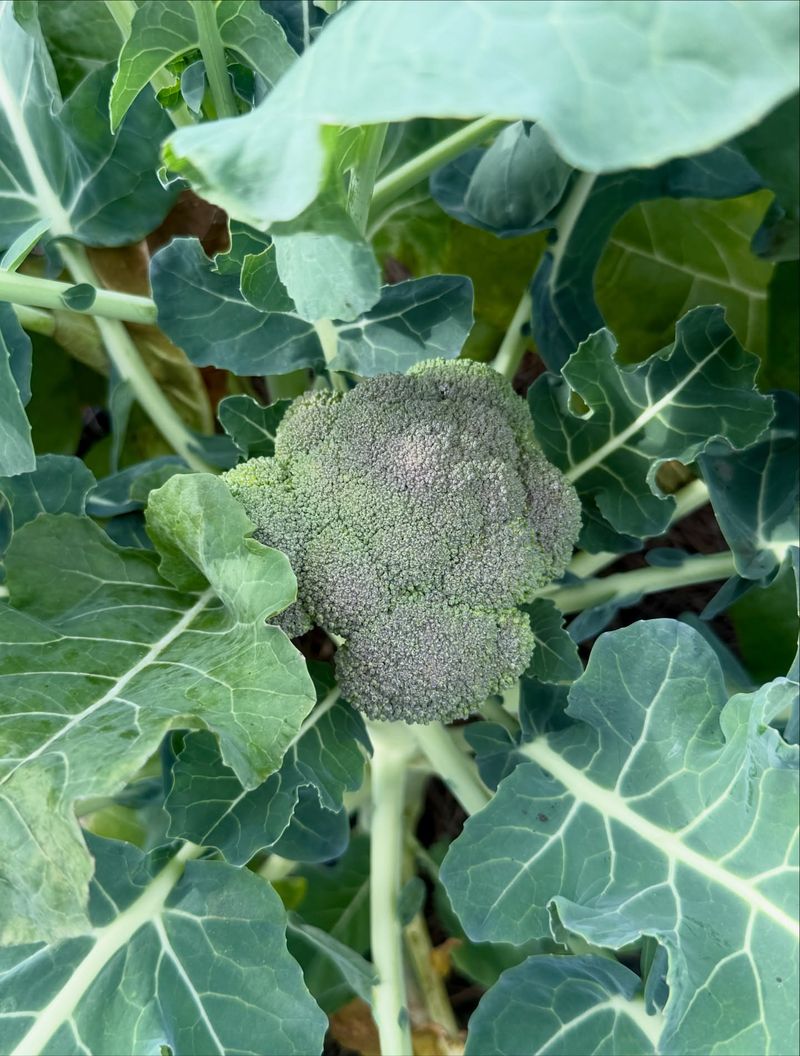
Broccoli transforms from tiny transplants into impressive plants that produce nutritious crowns all winter long.
This cool-season superstar actually tastes better when grown in chilly weather rather than warm conditions.
Start with transplants from a nursery rather than seeds to get a head start on the growing season.
Plant broccoli seedlings about 18 inches apart to give each plant plenty of room to spread its large leaves.
The main head forms at the center of the plant, typically ready to harvest when it reaches the size of your fist.
Cut the main head at an angle just below the crown, leaving the plant in the ground afterward.
Smaller side shoots will develop after you harvest the main head, extending your harvest for weeks.
Broccoli needs consistent water and benefits from mulch around plants to retain soil moisture.
Feed plants with balanced fertilizer every few weeks to support steady growth and head development.
Choose a spot with full sun exposure where plants receive at least six hours of direct sunlight daily.
Watch for cabbage worms, which are green caterpillars that blend in with broccoli leaves and munch on foliage.
Row covers can protect young plants from pests while still allowing light and water to reach them.
Harvest broccoli heads in the morning when they are cool and crisp for the best texture and flavor.
Different varieties mature at different rates, so planting several types extends your harvest season even further.
5. Colorful Swiss Chard For Year-Round Greens
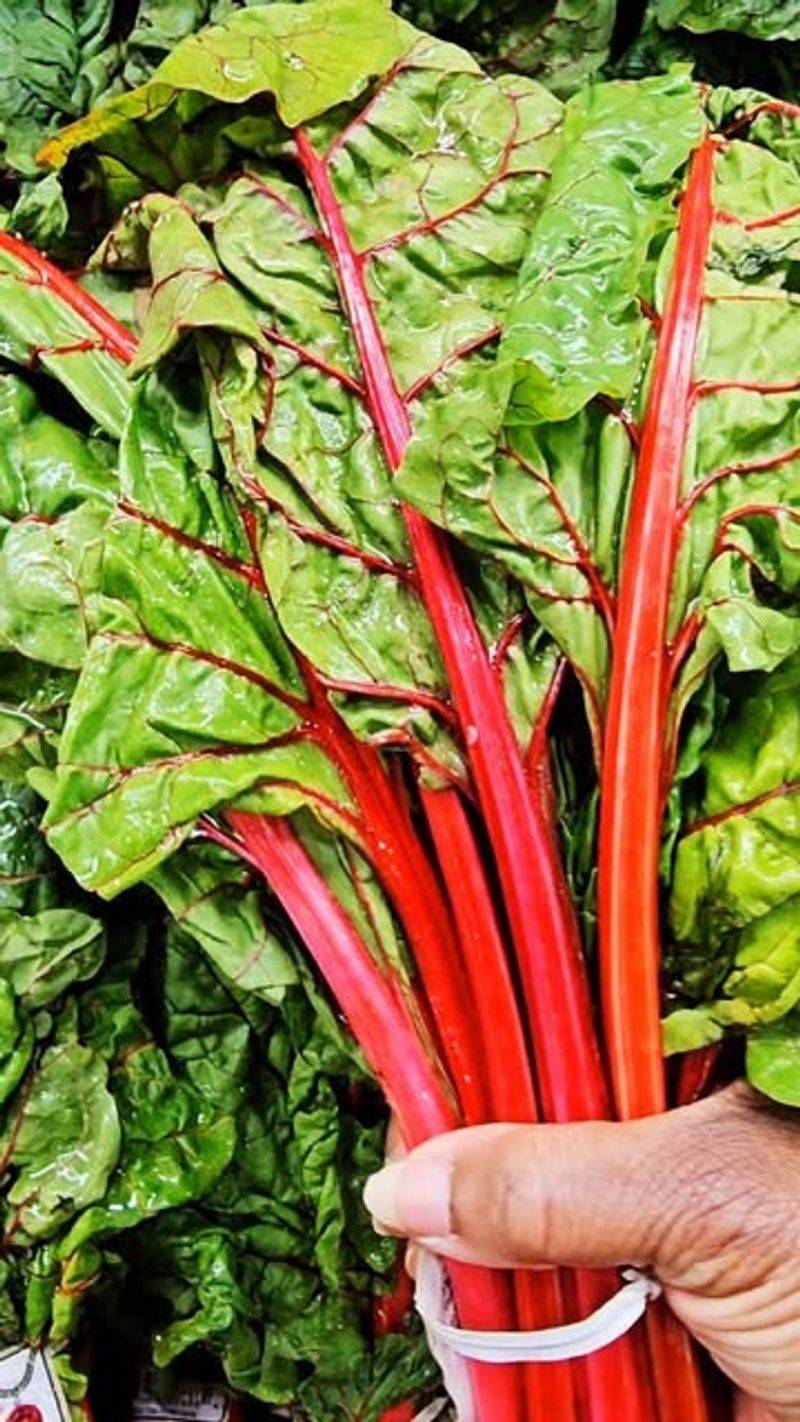
Swiss chard brings stunning colors to winter gardens with stems in shades of red, yellow, orange, and white.
This hardy green tolerates both cool and warm weather, making it incredibly reliable throughout Los Angeles winters.
Rainbow chard varieties look so ornamental that many gardeners plant them in flower beds alongside decorative plants.
The large, crinkled leaves grow quickly from seeds or transplants and can be harvested continuously.
Plant chard in full sun or partial shade, making it versatile for different areas of your garden.
Seeds germinate easily when sown directly into prepared garden beds about half an inch deep.
Thin seedlings to about six inches apart once they develop their first true leaves.
Harvest outer leaves by cutting them near the base, allowing the center to continue producing new growth.
Younger, smaller leaves taste mild and tender, while larger, older leaves have a stronger, earthier flavor.
Both the leaves and colorful stems are edible and can be prepared like spinach or used in stir-fries.
Chards rarely suffer from serious pest problems, making them low-maintenance additions to vegetable gardens.
The plants tolerate some neglect and will keep producing even if you forget to water occasionally.
Use chard as a substitute for spinach in recipes, or enjoy the colorful stems sautéed with garlic and olive oil.
Plants can grow quite large, sometimes reaching two feet tall and wide when given proper space and care.
6. Flavorful Radishes Ready In Just Weeks
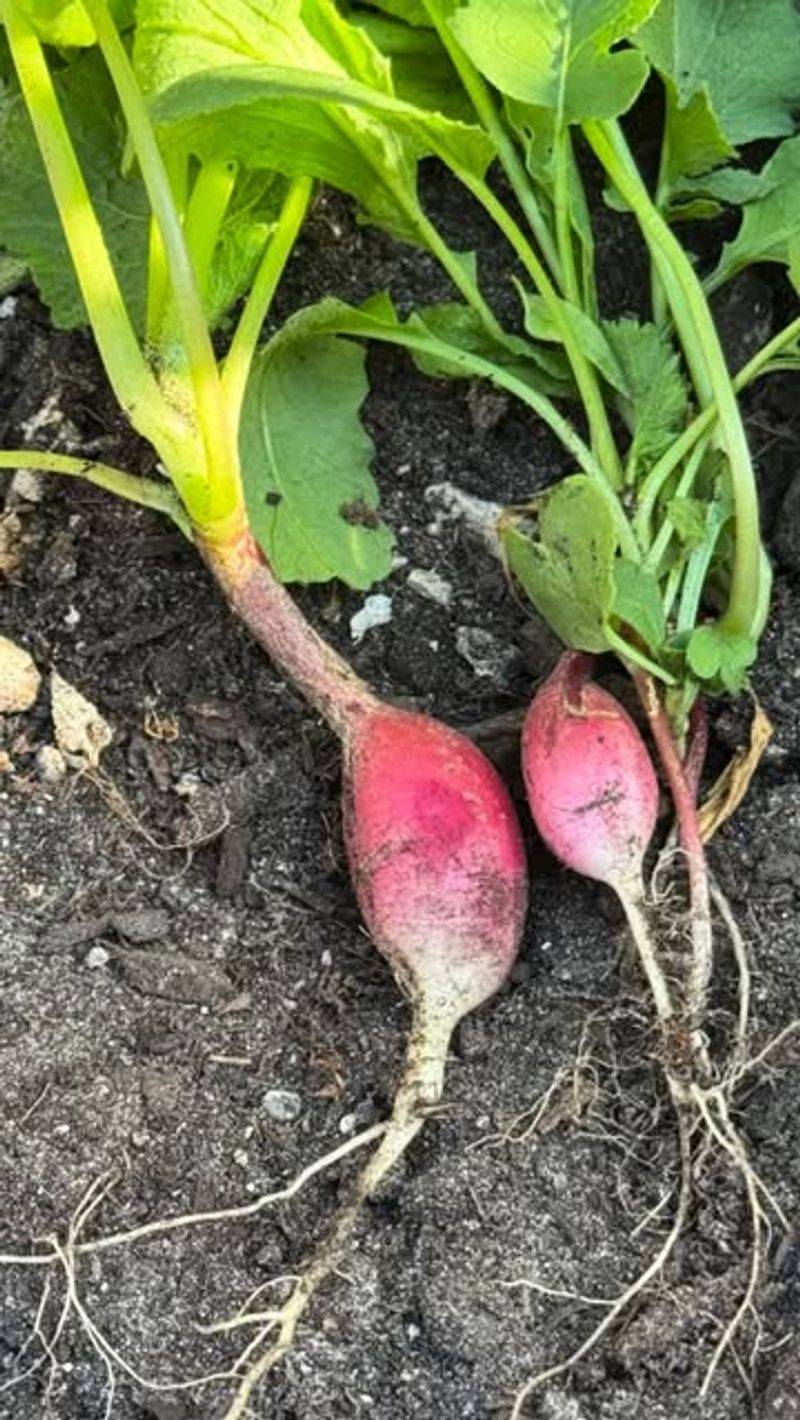
Radishes rank among the fastest-growing vegetables you can plant, often ready to harvest in just three to four weeks.
Kids love growing radishes because they see results so quickly, making them perfect for introducing children to gardening.
The crisp, peppery roots add crunch and flavor to salads, tacos, and vegetable platters.
Sow radish seeds directly into garden beds about half an inch deep and one inch apart.
You can plant radishes between slower-growing vegetables to maximize garden space during winter months.
The quick-growing roots will be harvested long before neighboring plants need the space.
Radishes prefer cooler weather and will develop the best flavor and texture during Los Angeles winters.
Keep soil consistently moist to prevent roots from becoming woody or developing a harsh, bitter taste.
Harvest radishes promptly once they reach mature size, as they become pithy if left in the ground too long.
Try different varieties beyond the common red globe types, including white, purple, and elongated French breakfast radishes.
Succession planting every week or two ensures you have fresh radishes available throughout the entire season.
The green tops are also edible and can be added to salads or sautéed like other leafy greens.
Radishes grow well in containers, making them suitable for small spaces like apartment balconies or patios.
Loosen soil before planting to allow radish roots to expand easily without encountering hard, compacted earth.
7. Versatile Kale For Nutritious Winter Meals
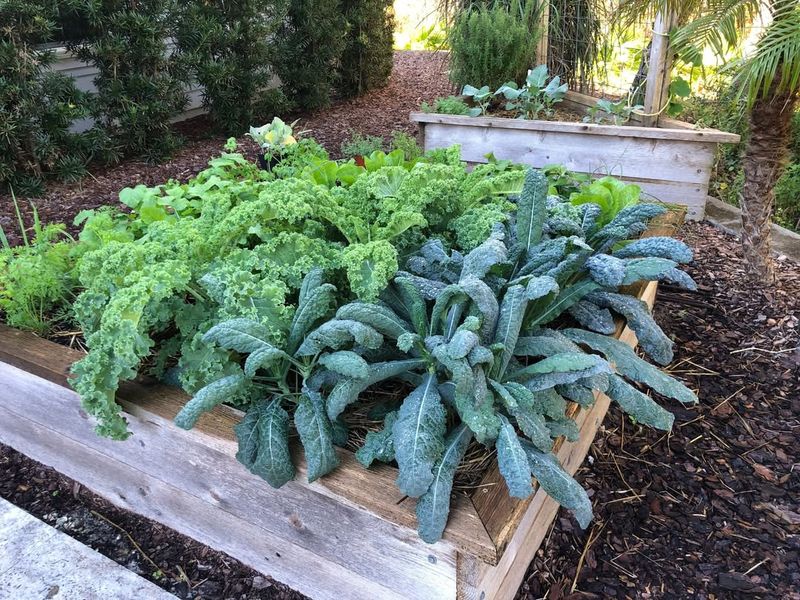
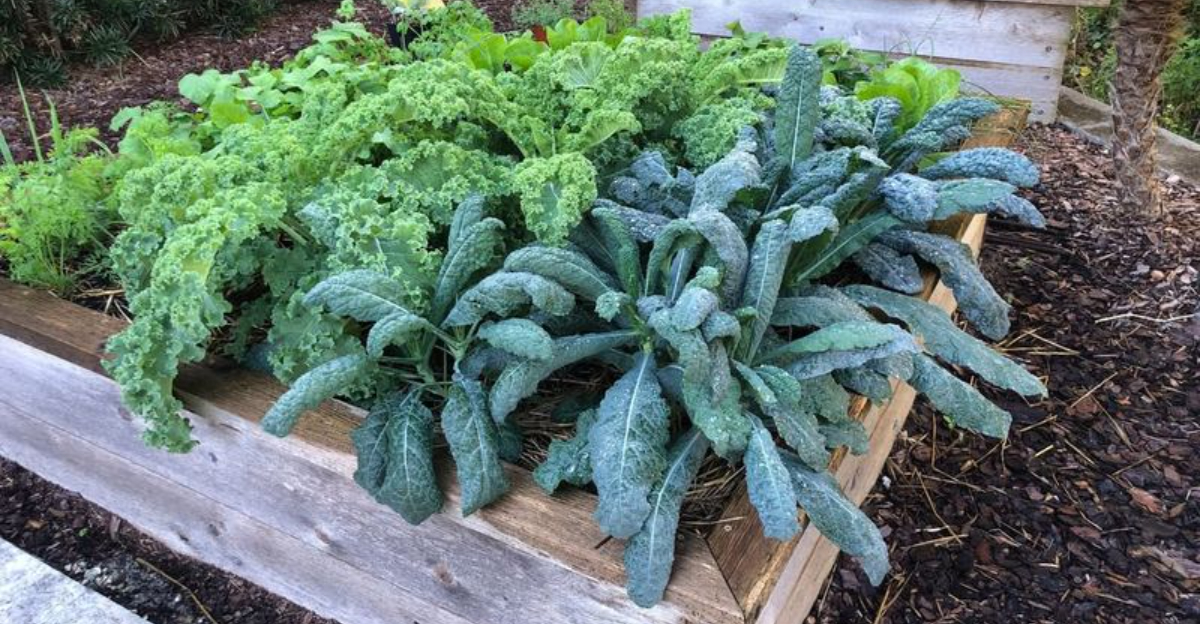
Kale has earned its reputation as a superfood packed with vitamins, minerals, and antioxidants that support good health.
This tough, cold-hardy green actually improves in flavor after exposure to cooler temperatures.
Los Angeles winters provide ideal conditions for growing tender, sweet kale leaves without the bitterness that heat can cause.
Curly, dinosaur, and red Russian varieties all grow successfully in Southern California winter gardens.
Start with transplants or sow seeds directly into garden beds in a location with full sun exposure.
Space plants about 12 to 18 inches apart to allow air circulation and room for the large leaves to develop.
Kale grows slowly at first but eventually forms impressive plants that can produce for months.
Harvest lower leaves first, leaving the growing crown at the top to continue producing new foliage.
Younger leaves taste milder and work well in raw salads, while older leaves are better cooked in soups or sautés.
Kale tolerates light frosts, which actually makes the leaves sweeter by converting starches into sugars.
Feed plants with nitrogen-rich fertilizer every few weeks to encourage lush, dark green leaf production.
Watch for aphids and cabbage worms, which sometimes appear on kale during the growing season.
Massage raw kale leaves with a bit of olive oil and salt to break down tough fibers before using in salads.
Plants can grow quite tall, sometimes reaching three feet in height when given proper care and adequate growing time.