How To Make Your Minnesota Home Feel Fresh After The Holiday Decor Comes Down
Once the holiday décor comes down, Minnesota homes can feel a little bare, like the party left without saying goodbye.
Twinkling lights vanish, evergreen scent fades, and rooms suddenly look flat and quiet.
That moment offers a perfect chance to breathe new life into the space without a full overhaul.
Houseplants step in where ornaments step out, adding color, texture, and warmth when winter still grips tight outside.
A well-placed plant softens empty corners, brightens gray days, and brings a sense of calm that winter often steals.
Even a single leafy statement can flip the mood of a room faster than flipping a switch.
Plants also bridge the gap between seasons, keeping homes from feeling stuck in the cold months.
Think of them as a fresh coat of paint for the soul, minus the mess.
Fill Empty Corners With Tall Statement Plants
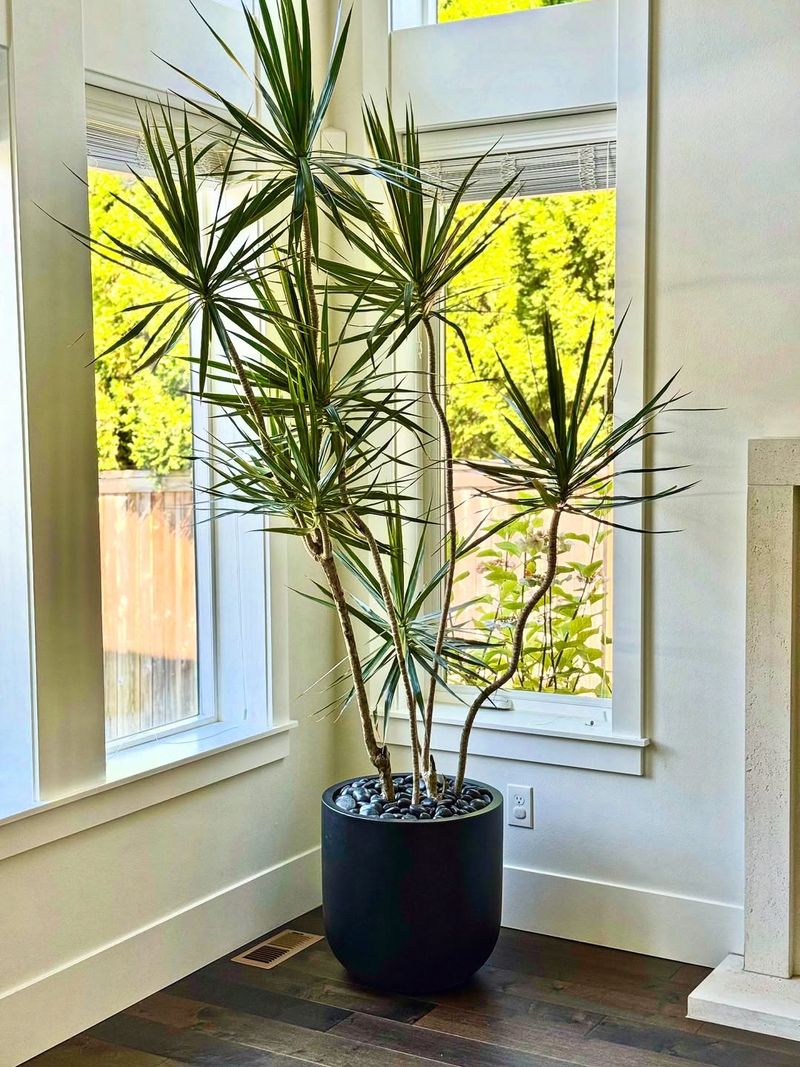
Large floor plants work wonders in spaces where your Christmas tree once stood.
A fiddle leaf fig or a rubber plant can reach impressive heights and become the new focal point of your living room.
Minnesota winters mean less natural light, so pick varieties that tolerate lower light conditions.
Snake plants and ZZ plants are excellent choices because they need minimal care and survive even when you forget to water them for a week or two.
Position your tall plant near a window if possible, but avoid cold drafts that sneak through older Minnesota homes.
The vertical presence of a statement plant draws the eye upward and makes your ceiling feel higher.
You can place a decorative pot or basket around the plain nursery container to match your home style.
Tall plants also help divide open spaces naturally without putting up walls or curtains.
During Minnesota’s dark winter afternoons, the greenery provides a refreshing contrast to bare walls and furniture.
Rotate your plant every few weeks so all sides receive equal light exposure and grow evenly.
With just one or two tall plants, your home transforms from holiday bare to naturally elegant.
Create A Kitchen Herb Garden On Your Windowsill

Fresh herbs bring both greenery and flavor to your Minnesota kitchen during the cold season.
Basil, parsley, cilantro, and mint grow happily on a sunny windowsill with proper care.
South-facing windows work best because they receive the most sunlight during short winter days.
Start with small pots or use a long planter that fits your windowsill dimensions perfectly.
Herb gardens add a pleasant aroma every time you brush past them or water them.
You can snip leaves whenever you cook, making your meals taste fresher and more vibrant.
Minnesota tap water works fine for watering, but let it sit overnight so chlorine evaporates first.
Herbs need consistent moisture but not soggy soil, so check them every couple of days.
The bright green leaves contrast beautifully against snowy views outside your window.
If your kitchen lacks strong natural light, consider adding a small grow light above your herbs.
Growing your own herbs saves money compared to buying fresh bunches from the grocery store each week.
Your Minnesota Garden Changes Every Week. Your Plan Should Too.
Gardening in Minnesota changes quickly throughout the season. Every Friday you’ll receive a simple weekly plan showing exactly what to plant, prune, fertilize, harvest, and protect so you never miss the right timing.
This living kitchen decoration serves a practical purpose while making your space feel alive and productive.
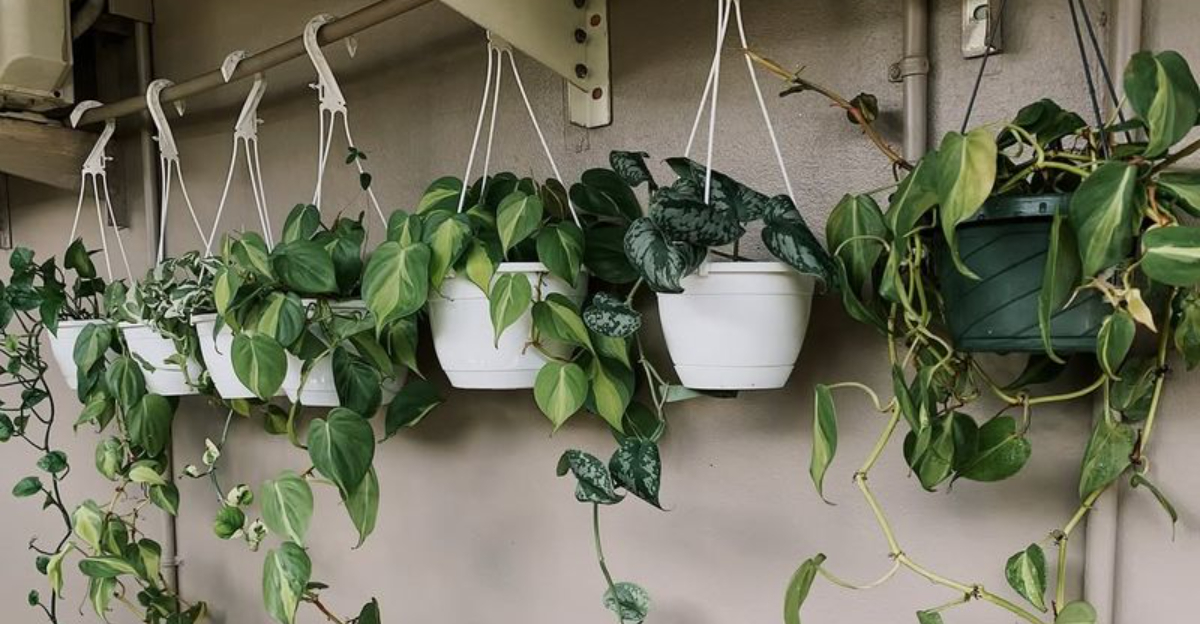
Hang Trailing Plants Where Garlands Used To Be

Pothos, string of pearls, and philodendrons cascade beautifully from shelves and hooks.
After removing holiday garlands, these trailing plants fill the same visual space with year-round beauty.
Hanging planters come in many styles, from macrame holders to modern ceramic designs.
Position them near doorways, above kitchen cabinets, or along stair railings for maximum impact.
Trailing plants soften hard edges in your home and add movement as their vines grow longer.
Many varieties tolerate the dry indoor air that Minnesota furnaces create during winter months.
Misting your trailing plants once or twice weekly helps them stay hydrated and healthy.
The cascading greenery draws attention upward and makes rooms feel more spacious and airy.
You can train vines to grow along command hooks or small nails for a custom look.
Pothos plants are nearly impossible to harm, making them perfect for beginners or busy households.
Trim back any leggy growth to encourage fuller, bushier vines that look more attractive.
Swapping temporary holiday decorations for permanent living plants creates a home that feels fresh all year long.
Group Small Plants On Coffee Tables And Shelves
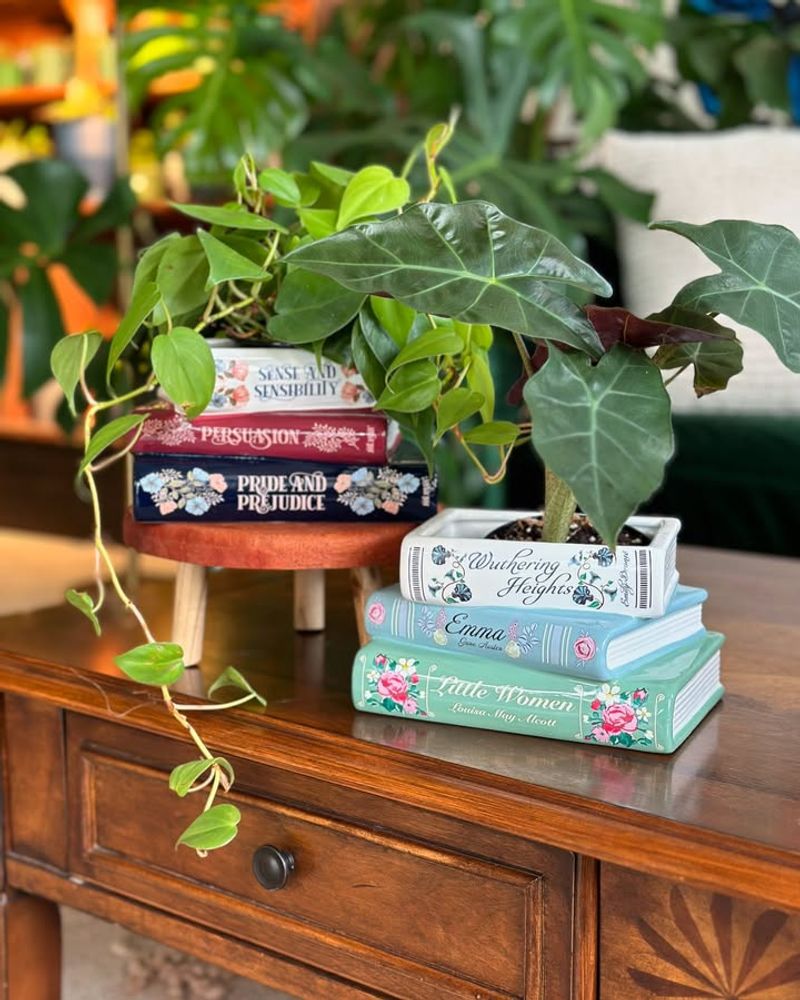
Collections of smaller plants create visual interest without overwhelming your space.
Succulents, air plants, and small ferns work perfectly when arranged together in odd-numbered groups.
After the holiday centerpieces disappear, plant groupings fill that empty spot on your coffee table naturally.
Mix different heights, textures, and pot styles to make the arrangement feel intentional and curated.
Terrariums add another layer of interest and require very little maintenance throughout the winter.
Small plants fit easily on bookshelves between your favorite novels and family photos.
They bring life to surfaces that might otherwise collect dust or clutter.
Succulents need bright light but very infrequent watering, making them ideal for forgetful plant owners.
You can rearrange your plant groupings whenever you want a fresh look without buying anything new.
Minnesota’s dry winter air actually benefits succulents since they prefer low humidity conditions.
Choose decorative pots that match your home’s color scheme for a cohesive appearance.
This approach lets you experiment with different plants without committing to large, expensive specimens right away.
Add A Pop Of Color With Blooming Houseplants
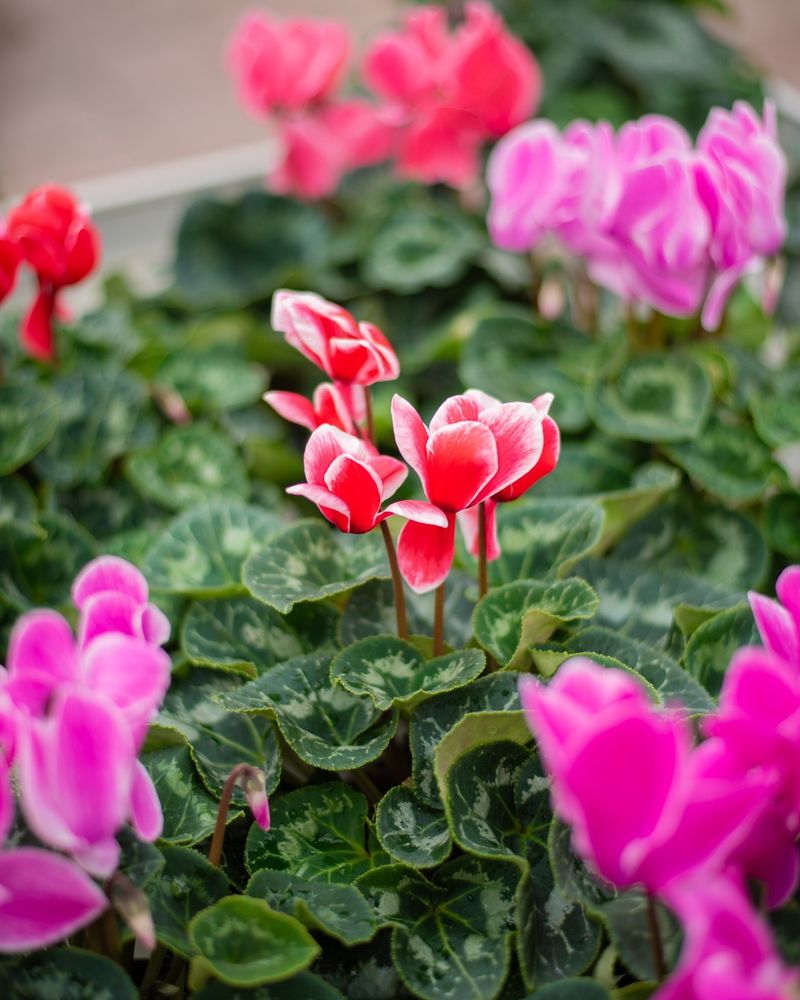
Orchids, African violets, and peace lilies provide flowers even during Minnesota’s coldest months.
Blooming plants bring the cheerful colors you miss from holiday decorations without the seasonal limitations.
Orchids can bloom for several months with proper care, offering long-lasting beauty.
Place them in bright, indirect light and water only when the potting medium feels dry.
African violets come in purple, pink, and white varieties that brighten any windowsill or desk.
The vibrant petals provide a welcome contrast to the white snow and gray skies outside.
Peace lilies produce elegant white flowers and also help purify the air in your home.
Flowering plants need slightly more attention than foliage-only varieties, but the reward is worth it.
Deadhead spent blooms to encourage new flowers and keep your plant looking tidy.
Many blooming houseplants prefer temperatures between 65 and 75 degrees, perfect for heated Minnesota homes.
You can find these plants at local garden centers or grocery stores throughout the winter.
Colorful flowers lift your mood and make your home feel like spring even when snow piles up outside.
Refresh Your Bathroom With Humidity-Loving Plants

Ferns, spider plants, and bamboo thrive in the moist environment your bathroom provides.
Most Minnesota homes run dry during winter, but bathrooms maintain higher humidity from showers and baths.
A lush fern on the counter or hanging near the shower creates a spa-like atmosphere.
Spider plants produce baby plants on long stems, giving you extras to share or spread throughout your home.
Bamboo grows happily in water alone, requiring no soil and minimal care.
Bathroom plants soften the hard surfaces of tile, mirrors, and porcelain fixtures.
They also help absorb excess moisture that might otherwise lead to mildew problems.
Choose plants that tolerate lower light if your bathroom has only a small window or none at all.
Pothos and philodendrons adapt well to bathroom conditions and look beautiful cascading from shelves.
Keep plants away from direct blasts of cold air if you have a bathroom exhaust fan.
The greenery transforms a purely functional space into a relaxing retreat after long Minnesota winter days.
Adding plants to your bathroom costs very little but makes a noticeable difference in how the room feels.
Bring Nature Inside With A Living Wall Or Plant Shelf
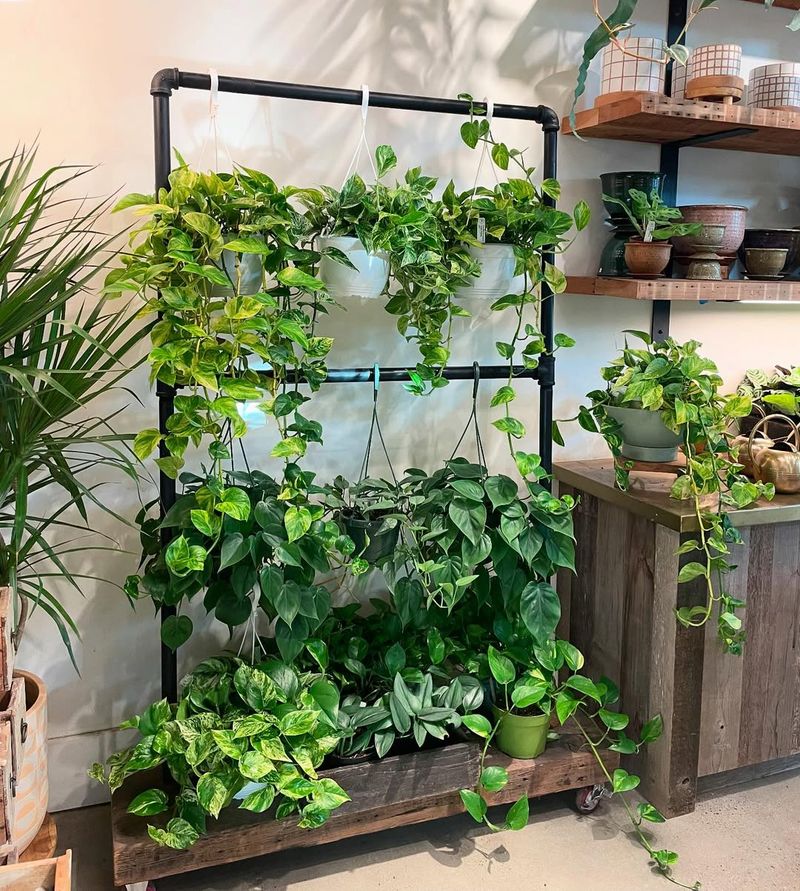
Vertical gardens maximize your plant collection without taking up valuable floor space.
A dedicated plant shelf near a window creates a stunning focal point in any room.
You can install floating shelves at different heights to display various plant sizes and types.
Living walls use special pockets or frames to hold multiple plants in a vertical arrangement.
This approach works especially well in Minnesota homes with limited square footage.
The concentrated greenery makes a bold statement that replaces the visual impact of holiday decorations.
Mix foliage plants with trailing varieties to create depth and movement in your display.
Proper lighting is essential, so position your plant wall near a bright window or add grow lights.
Watering vertical arrangements requires care to prevent drips, so use saucers or a drip tray system.
The living wall becomes a conversation piece that guests always notice and comment on.
You can start small with just a few shelves and expand your collection as you gain confidence.
This method lets you enjoy dozens of plants while keeping your floors and tables clear for other uses.
Rotate Plants Seasonally To Keep Your Space Dynamic
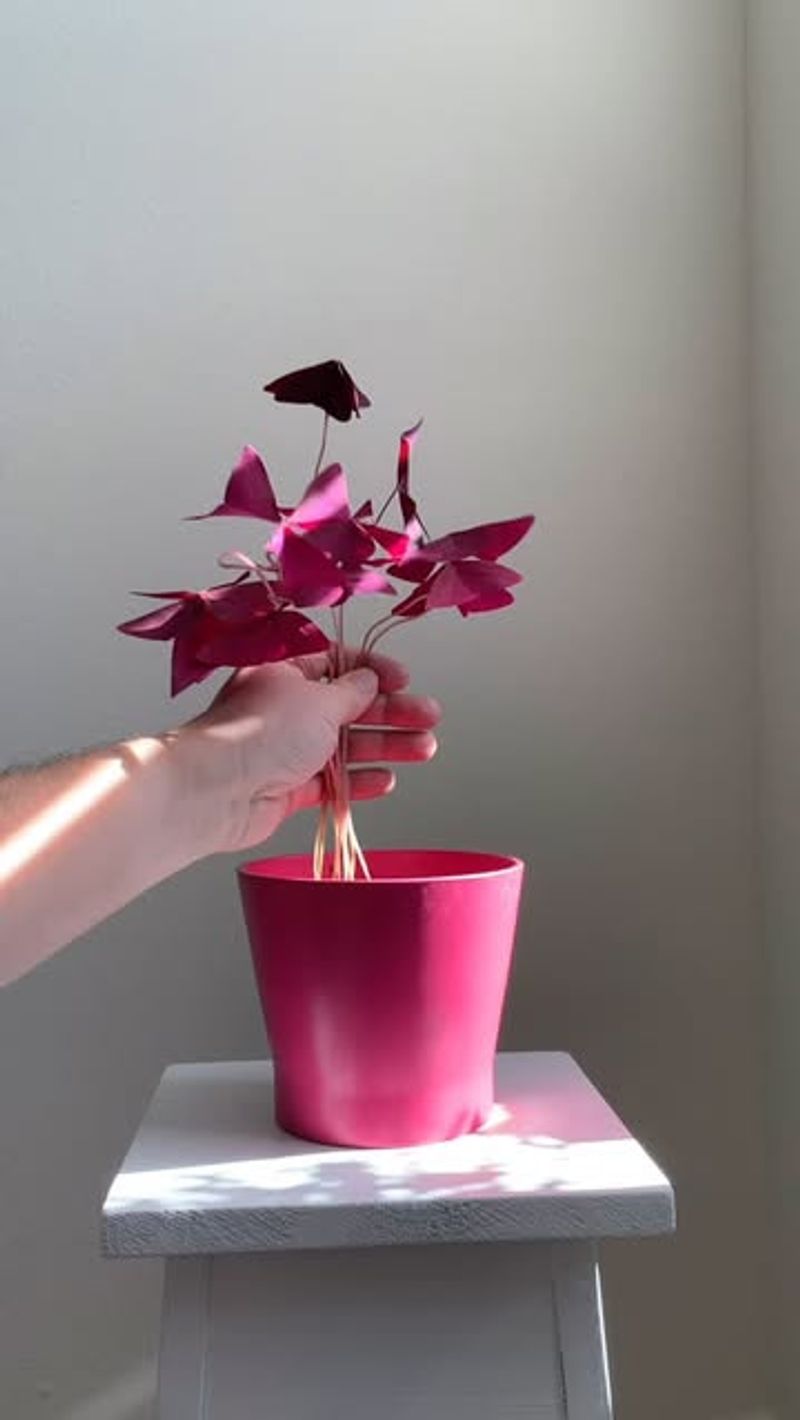
Moving plants to different rooms prevents you from getting bored with your indoor garden.
After the holiday rush, take time to evaluate which plants thrive in which locations.
Some plants might do better with the bright light in your bedroom while others prefer your dimmer living room.
Rotating plants also ensures each one gets optimal growing conditions throughout the year.
You can swap plants between rooms every month or two to create fresh looks without spending money.
This practice helps you learn which plants prefer which spots in your Minnesota home.
Seasonal rotation keeps you engaged with your plants and more likely to notice if they need care.
Move sun-loving plants closer to south-facing windows during the darkest winter months.
As spring approaches, you can shift them to locations with less intense light.
Rotating plants makes your home feel new and interesting even when the outdoor landscape stays frozen.
You might discover unexpected plant-and-room combinations that work beautifully together.
This flexible approach to indoor gardening keeps your post-holiday home feeling fresh and full of life all winter long.