These Cold-Season Garden Tasks Are Worth Doing in North Carolina

Cold days don’t mean the garden shuts down in North Carolina, and a little attention now can make spring feel surprisingly easy and rewarding.
There’s something satisfying about stepping outside on a crisp morning, knowing these small cold-season tasks quietly set the stage for healthier plants later.
This is the slower, calmer side of gardening, where simple actions still make a real difference without the pressure of summer heat.
If you enjoy feeling a step ahead while everyone else is waiting for spring, this is the perfect time to give your garden some thoughtful care.
1. Mulching Garden Beds and Tree Bases
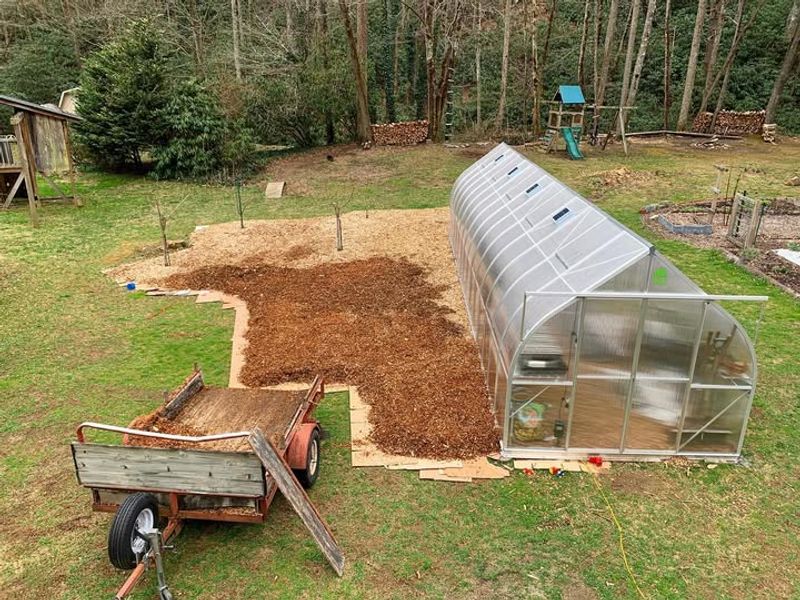
Applying a thick layer of mulch around your plants during winter creates an insulating blanket that protects roots from temperature swings common across North Carolina.
Organic materials like shredded leaves, pine straw, or wood chips work wonderfully to regulate soil temperature and prevent frost heaving that damages plant crowns.
Mulch also helps retain moisture during dry winter spells, which can be surprisingly common in the Tar Heel State even during colder months.
Spread mulch about three to four inches deep around perennials, shrubs, and trees, keeping it a few inches away from plant stems to prevent rot.
This simple task reduces weed growth come spring, saving you hours of backbreaking labor when you would rather be planting new flowers and vegetables.
Many North Carolina gardeners use locally sourced pine straw, which is abundant, affordable, and breaks down slowly to enrich soil over time with valuable nutrients.
Mulching now means healthier plants later, making this one of the most worthwhile cold-season tasks you can tackle in your garden this winter.
2. Pruning Dormant Trees and Shrubs
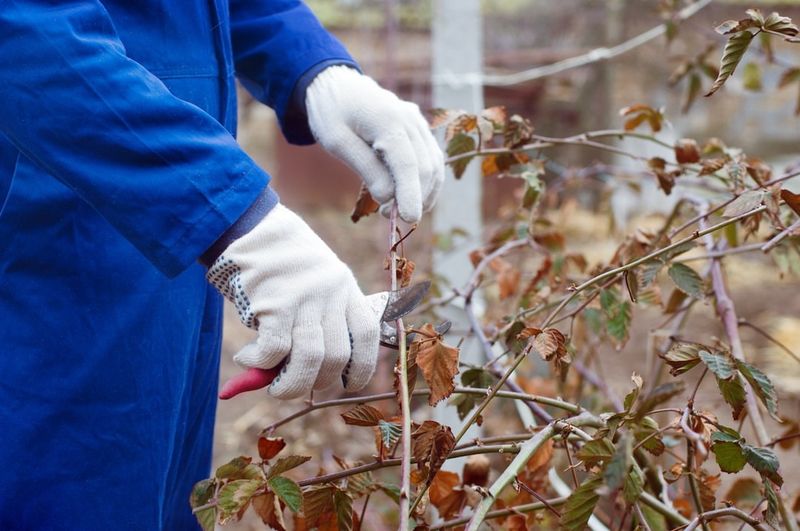
Late winter offers the perfect opportunity to prune most deciduous trees and shrubs while they rest in their dormant state without leaves blocking your view.
North Carolina gardeners can easily spot damaged, diseased, or crossing branches when foliage has dropped, making strategic cuts that improve plant structure and health significantly.
Pruning during dormancy minimizes stress on plants and reduces sap loss, helping them recover quickly and burst into vigorous growth when spring warmth arrives.
Focus on removing dead wood first, then address branches that rub against each other or grow inward toward the center of the plant canopy.
Clean, sharp pruning tools make smooth cuts that heal faster, so take time to sterilize your shears between plants to prevent spreading diseases throughout your garden.
Fruit trees especially benefit from winter pruning in North Carolina, as proper shaping encourages better air circulation and sunlight penetration for improved fruit production next season.
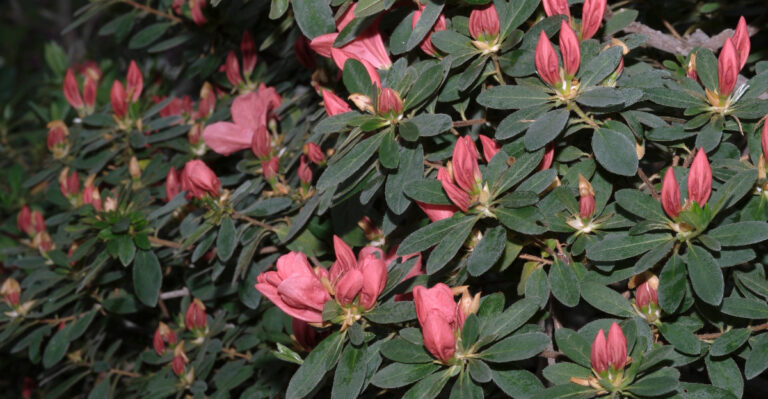
Avoid pruning spring-blooming shrubs like azaleas now, since they have already set buds, and cutting them removes this year’s spectacular flower show completely.
3. Testing and Amending Garden Soil
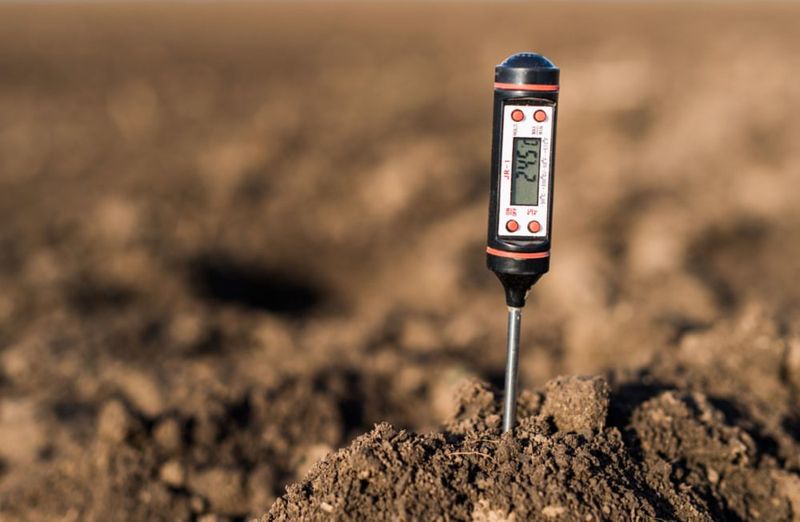
Cold months provide an ideal window for testing your garden soil and making amendments that have time to integrate before spring planting begins in earnest.
North Carolina Cooperative Extension offices offer affordable soil testing services that reveal pH levels, nutrient deficiencies, and organic matter content in your specific garden beds.
Your North Carolina Garden Changes Every Week. Your Plan Should Too.
Gardening in North Carolina changes quickly throughout the season. Every Friday you’ll receive a simple weekly plan showing exactly what to plant, prune, fertilize, harvest, and protect so you never miss the right timing.
Results typically recommend specific amendments like lime to raise pH or sulfur to lower it, along with fertilizer suggestions tailored to your soil’s unique needs.
Adding compost, aged manure, or other organic matter during winter allows microorganisms to break down materials slowly, enriching soil structure and fertility over several cold months.
Spread amendments evenly across garden beds and lightly work them into the top few inches of soil, avoiding deep tilling that disrupts beneficial organisms living below.
Winter rains in North Carolina help wash amendments deeper into the soil profile, distributing nutrients where plant roots will access them during the upcoming growing season.
Taking time now to improve soil quality pays enormous dividends later, resulting in stronger plants, better yields, and fewer pest and disease problems throughout summer.
4. Planting Cold-Hardy Vegetables and Greens
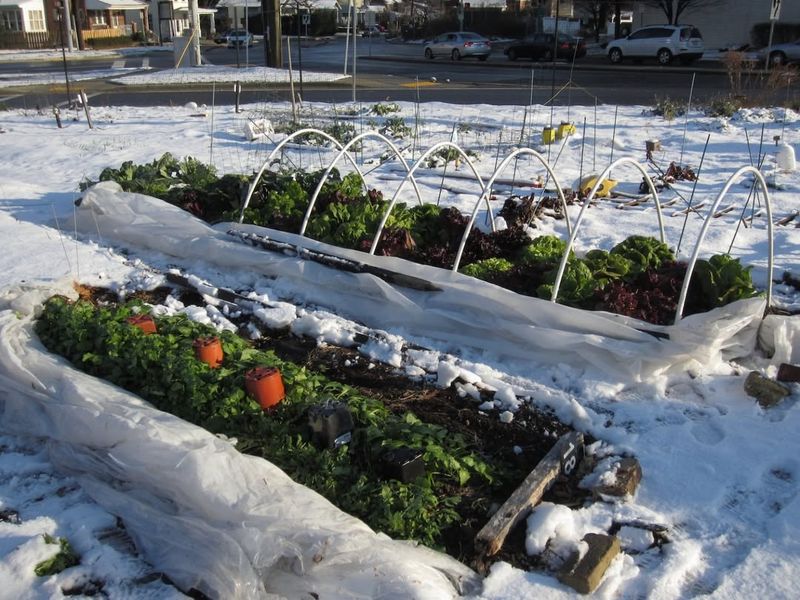
Many gardeners forget that North Carolina’s mild winter climate allows continued cultivation of numerous cold-tolerant vegetables that actually taste sweeter after light frost exposure.
Leafy greens like kale, collards, spinach, and lettuce thrive in cooler temperatures, providing fresh harvests throughout winter when grocery store produce prices skyrocket dramatically.
Root vegetables such as carrots, turnips, and radishes also grow well during cold months across most of North Carolina, especially in protected or raised beds.
Planting these crops in late fall or early winter extends your growing season significantly, turning your garden into a productive space year-round instead of sitting idle.
Use row covers or cold frames to protect tender seedlings from occasional hard freezes, creating microclimates that keep plants growing even during harsh weather snaps.
Succession planting every few weeks ensures a continuous supply of fresh greens and vegetables, so you always have something ready to harvest for healthy winter meals.
North Carolina gardeners who embrace cold-season planting discover that winter gardens require less watering, fewer pest controls, and minimal maintenance compared to demanding summer crops.
5. Protecting Tender Perennials from Freezes
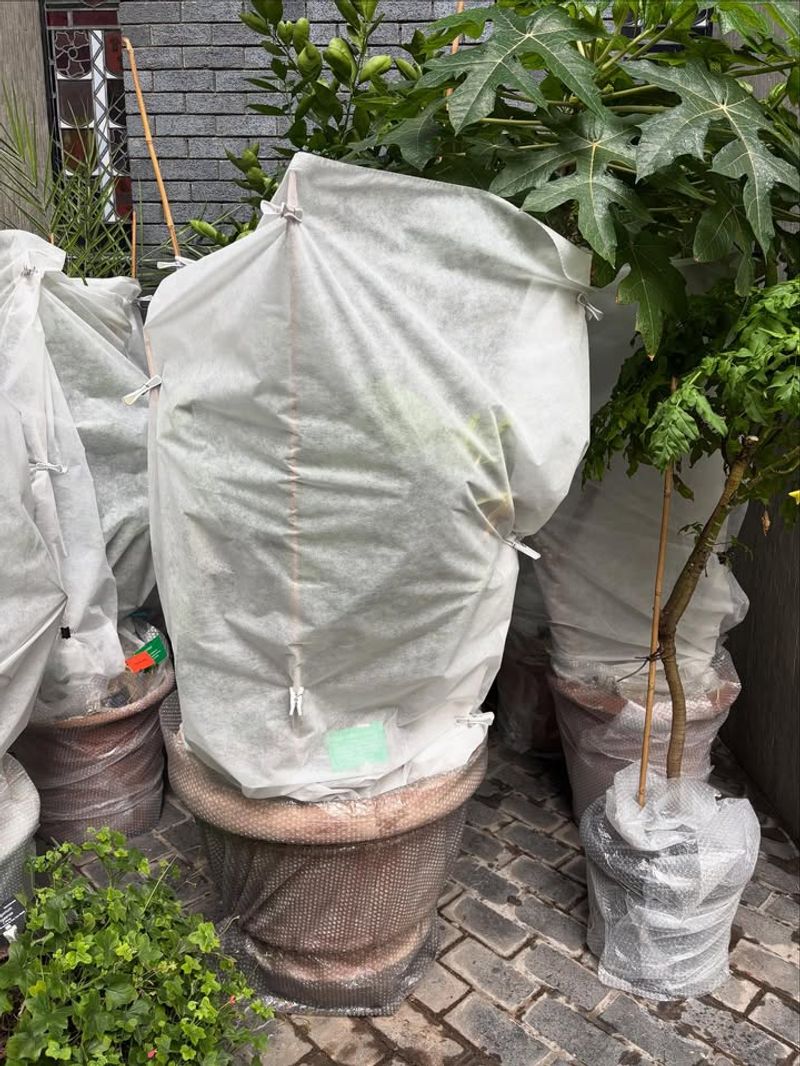
Borderline-hardy perennials that survive most North Carolina winters sometimes need extra protection during unusually cold snaps that occasionally sweep through the state unexpectedly.
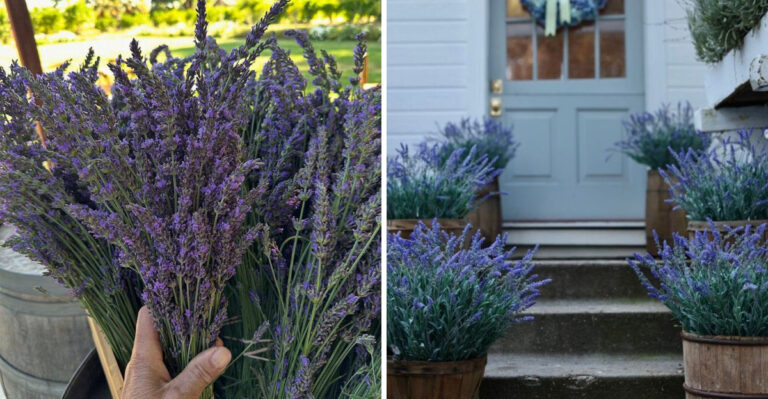
Plants like rosemary, lavender, fig trees, and certain ornamental grasses benefit from temporary insulation during the coldest nights to prevent tissue damage or complete loss.
Wrapping plants loosely with burlap or frost cloth allows air circulation while providing several degrees of temperature protection that can make the difference between survival and setback.
Avoid using plastic directly against foliage, as condensation buildup creates conditions favorable for fungal diseases that can damage or weaken plants over winter months.
Mounding extra mulch around the base of tender perennials insulates root zones where cold damage often begins, giving plants their best chance at successful overwintering success.
Container-grown tender perennials should be moved to protected locations like unheated garages or covered porches during extreme cold events forecasted for North Carolina regions.
Monitoring weather forecasts and acting quickly before hard freezes arrive saves beloved plants that might otherwise require replacement, protecting your gardening investment and preserving established specimens.
6. Cleaning and Organizing Garden Tools
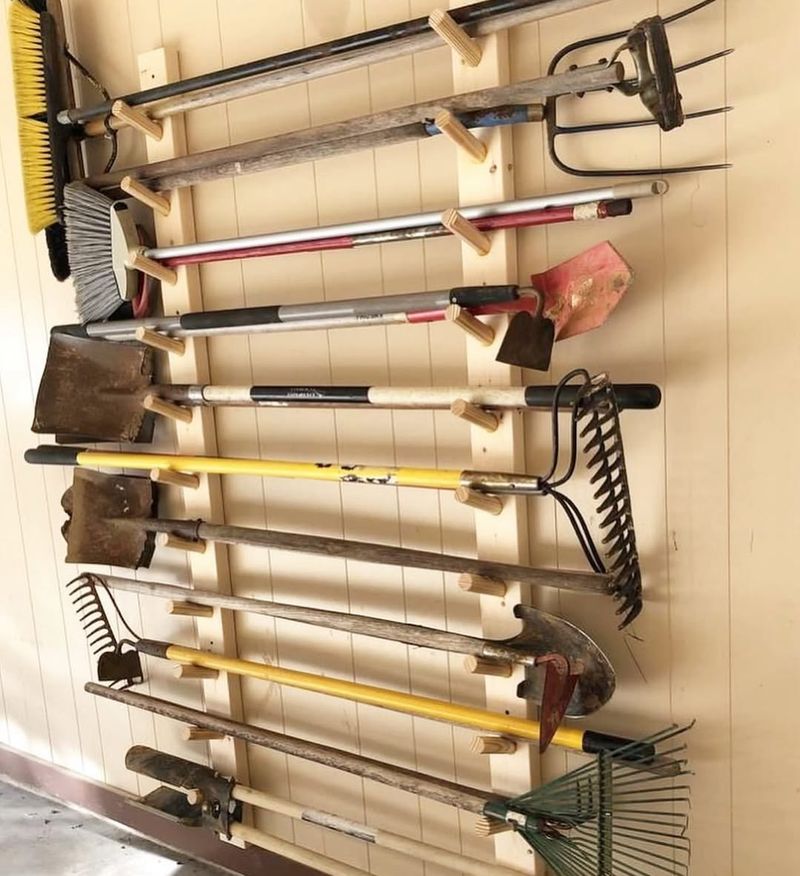
Winter downtime presents the perfect opportunity to clean, sharpen, and organize garden tools that have endured heavy use throughout the previous growing season in your yard.
Removing soil, rust, and plant residue from shovels, hoes, and pruners prevents corrosion and extends tool life significantly, saving money on replacements over the long term.
Sharpening blade edges on pruners, shears, and hoes makes spring work easier and more efficient, allowing clean cuts that promote plant health rather than ragged tears.
Applying a light coat of oil to metal surfaces protects against rust formation during humid North Carolina winters when moisture can quickly degrade unprotected steel tools.
Organizing tools in designated spaces makes them easy to find when spring arrives and you are eager to start planting without wasting time searching for misplaced equipment.
Replace broken handles, tighten loose bolts, and repair minor damage now rather than discovering problems mid-task during your busiest planting season when time is precious and limited.
Well-maintained tools work better, last longer, and make gardening more enjoyable, turning routine maintenance into a worthwhile investment that pays off with every use throughout coming seasons.
7. Planning Next Season’s Garden Layout
Cold months offer uninterrupted time to thoughtfully plan your next garden layout, selecting varieties and mapping beds before spring planting rushes arrive with overwhelming urgency.
Reviewing last season’s successes and failures helps North Carolina gardeners make informed decisions about which crops to repeat, relocate, or replace with better-performing alternatives entirely.
Crop rotation planning prevents soil nutrient depletion and reduces pest and disease buildup, important considerations for maintaining healthy, productive gardens over multiple growing seasons here.
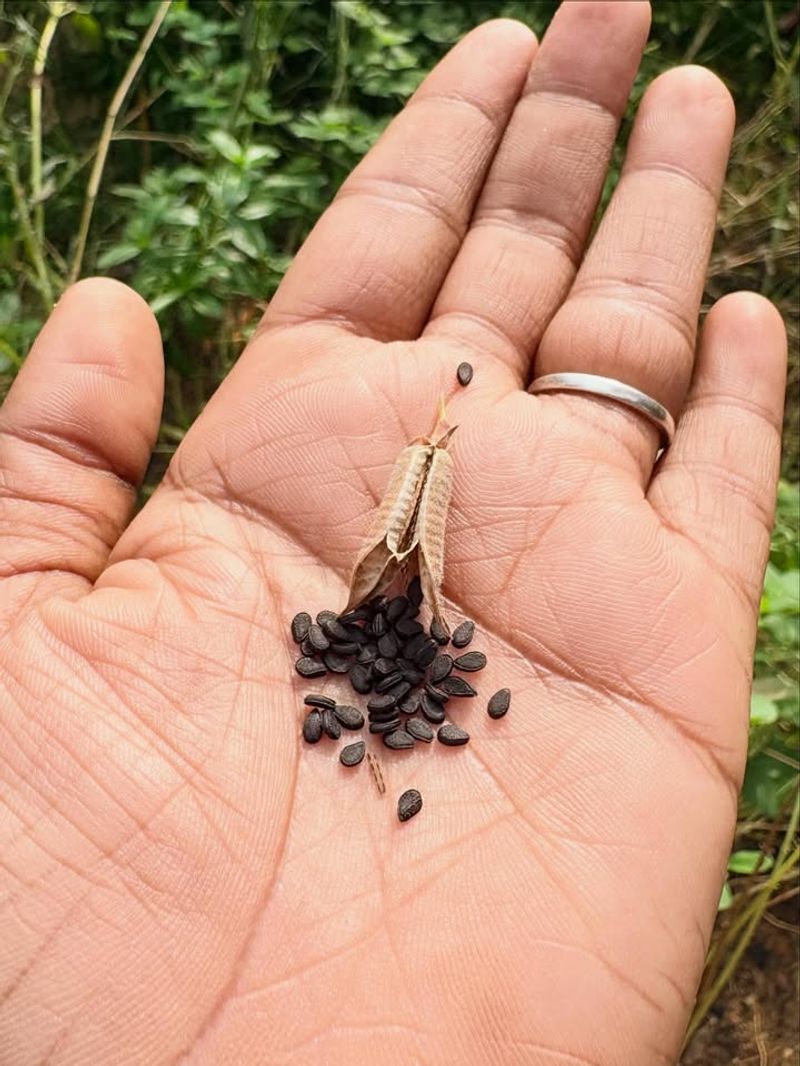
Browsing seed catalogs during winter provides access to wider variety selections than local stores typically stock, including heirloom and specialty varieties perfect for North Carolina conditions.
Sketching garden beds on paper helps visualize spacing requirements, companion planting opportunities, and succession planting schedules that maximize harvest yields throughout the entire growing season ahead.
Ordering seeds and plants early ensures availability of popular varieties that often sell out quickly once spring fever hits gardeners across the region simultaneously.
Taking time now to plan thoughtfully results in a more organized, productive, and enjoyable gardening experience later, eliminating guesswork and last-minute scrambling when weather turns warm.
8. Building or Repairing Garden Structures
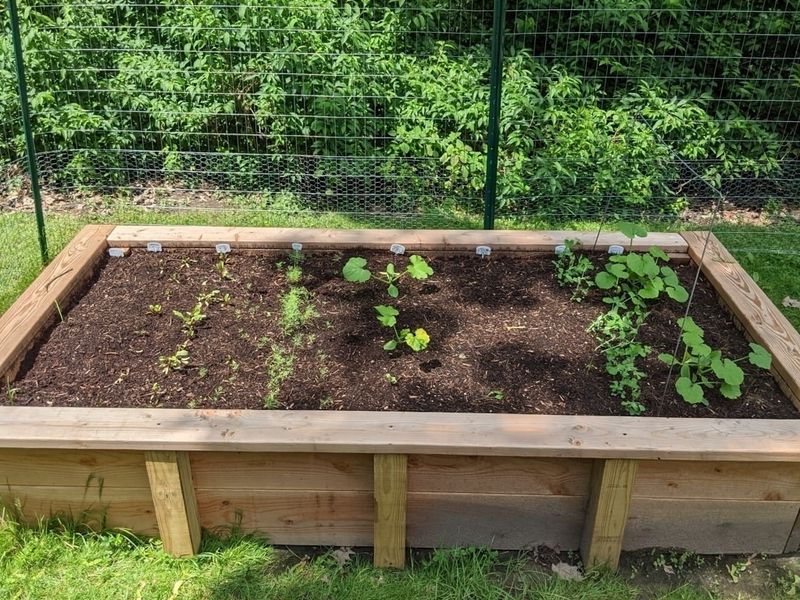
Winter provides ideal conditions for constructing or repairing garden structures like raised beds, trellises, and cold frames without competing with active growing season demands and priorities.
Building raised beds during cold months in North Carolina allows wood to weather slightly before planting, and gives you time to fill them with quality soil mixtures.
Repairing damaged fencing, gates, and arbors now prevents problems during growing season when plants depend on these structures for support, protection, or climbing surfaces they require.
Constructing cold frames or hoop houses extends your growing season dramatically, providing protected spaces for starting seeds early or sheltering cold-tolerant crops through occasional freezes and frosts.
Winter construction projects can proceed at a comfortable pace without the pressure of waiting plants or impending planting deadlines that make spring building projects stressful and rushed.
Using weather-resistant materials like cedar or treated lumber ensures structures withstand North Carolina’s humid summers and occasional harsh winters for many years of reliable service and functionality.
Completing structural projects before spring arrives means you can focus entirely on planting and tending crops when warm weather returns, rather than dividing attention between construction and cultivation.