Post-Holiday Winter Decor Ideas That Still Feel Thoughtful In Illinois Homes
After the holidays fade, Illinois homes don’t have to feel bare or forgotten, especially when winter decor still carries warmth and intention.
This in-between season is perfect for subtle touches that feel calm, cozy, and quietly stylish without leaning on festive leftovers.
A few thoughtful changes can shift the mood indoors while winter lingers outside, making everyday spaces feel cared for rather than packed away.
If you enjoy decor that feels lived-in and meaningful even after the lights come down, winter is actually when it shines most.
1. Evergreen Branches That Still Look Fresh After The Holidays
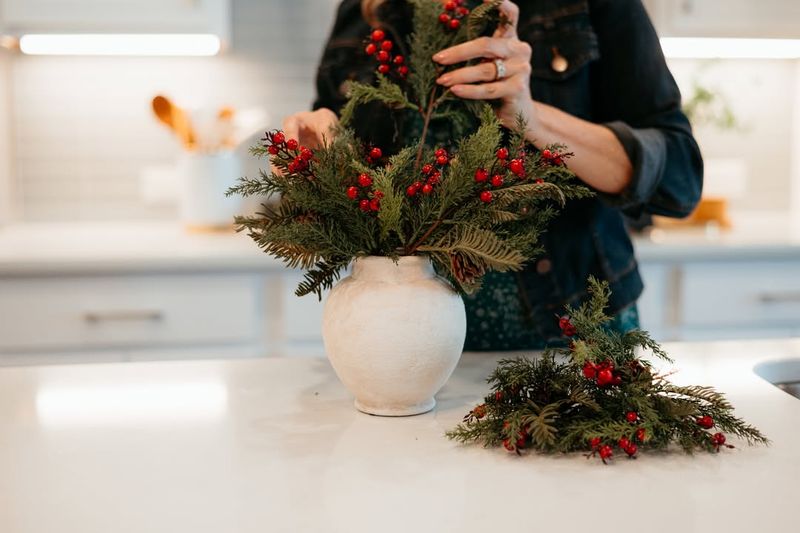
Clipping a few branches from your yard gives you instant texture without spending money on store displays that feel too formal or overdone for everyday life.
Illinois winters provide plenty of pine, cedar, and spruce options that hold their needles well past January if you keep them hydrated in clean water.
Arrange them loosely in tall vases or pitchers so they look gathered rather than arranged, creating a relaxed vibe that feels more cabin than Christmas.
The scent alone transforms a room, reminding you that nature continues its cycle even when snow blankets the ground outside your windows each morning.
Rotate branches every two weeks to keep them looking vibrant, and toss them into your compost bin when they start to dry out completely.
Pairing evergreens with neutral containers lets the greenery become the focal point without competing with your existing furniture or wall colors throughout the space.
This approach works beautifully on mantels, dining tables, or entryway consoles where you need something living but not fussy or high maintenance at all.
2. Potted Winter Greens That Carry The Space Through February
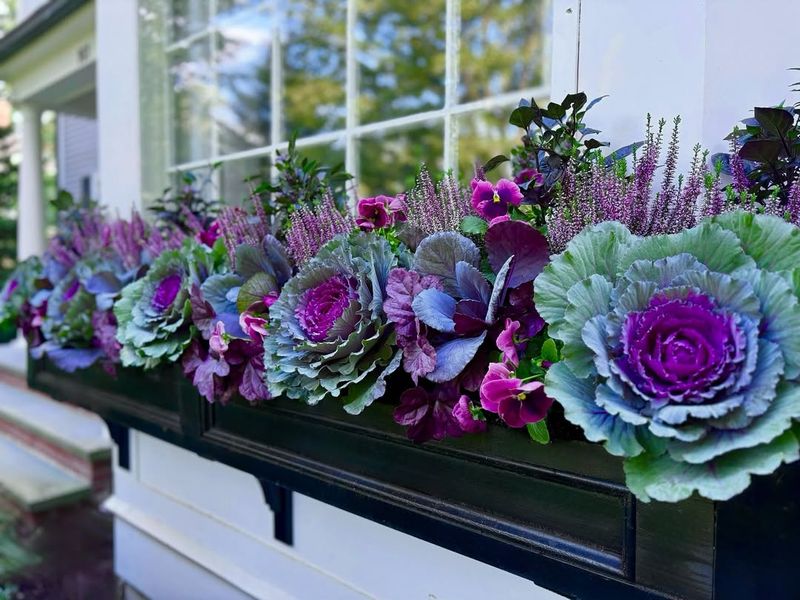
Ornamental kale and cabbage thrive in cool temperatures, making them perfect companions for Illinois homes during the coldest stretch of the year when other plants struggle.
Their ruffled leaves come in shades of cream, purple, and deep green, adding visual interest without requiring bright blooms or constant sunlight to stay attractive.
Place them near windows where they can soak up whatever daylight February offers, and water sparingly since they prefer drier soil during dormant months.
These hardy greens last for weeks indoors and can even be moved outside on milder days if you want to refresh your front porch arrangements.
Unlike poinsettias that fade quickly, winter greens maintain their structure and color, giving you consistent beauty without the pressure of keeping something delicate alive.
Grouping several pots together creates a mini indoor garden that feels intentional and grounded, especially when you use mismatched containers for a collected-over-time aesthetic.
Illinois gardeners appreciate how these plants bridge the gap between holiday excess and spring planting season with effortless grace and minimal fuss required.
3. Houseplants Used As Subtle Seasonal Decor Instead Of Ornaments
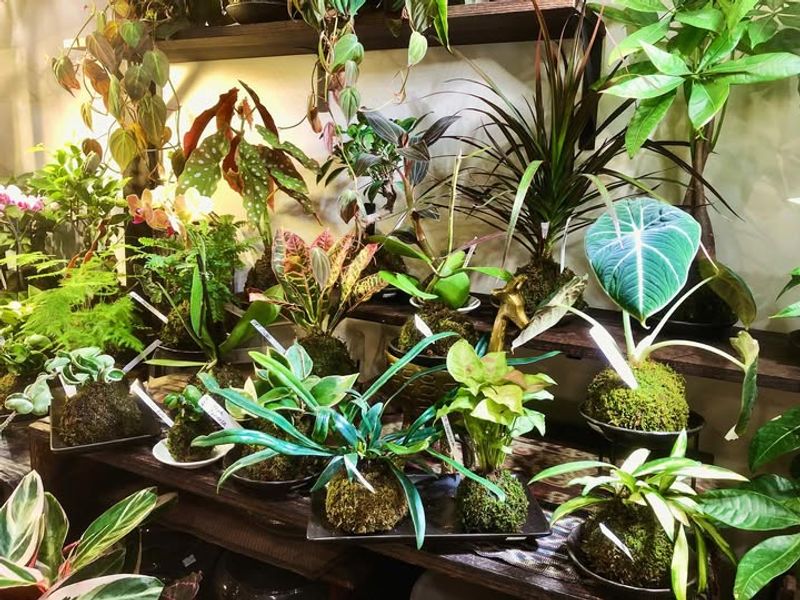
Shifting focus to your existing houseplants after removing holiday decorations helps you appreciate the greenery that has been there all along, quietly improving air quality daily.
Rearranging them into prominent spots formerly occupied by festive displays gives your Illinois home a fresh perspective without requiring new purchases or major design overhauls.
Your Illinois Garden Changes Every Week. Your Plan Should Too.
Gardening in Illinois changes quickly throughout the season. Every Friday you’ll receive a simple weekly plan showing exactly what to plant, prune, fertilize, harvest, and protect so you never miss the right timing.
Consider elevating smaller plants on stacks of books or wooden risers to create varying heights that draw the eye upward and make rooms feel taller.
Wiping down leaves and repotting overgrown specimens turns plant care into an intentional winter activity that connects you to living things during months when outdoor gardening stops.
Grouping plants by texture creates visual interest, like pairing feathery ferns with waxy succulents or trailing pothos with upright snake plants for contrast.
Illinois homes tend to get dry during winter heating season, so misting plants regularly benefits both their health and your skin while adding a spa-like ritual.
This approach costs nothing if you already own plants, yet it completely transforms how your space feels by celebrating growth instead of glitter.
4. Bare Branch Arrangements That Feel Intentional, Not Festive
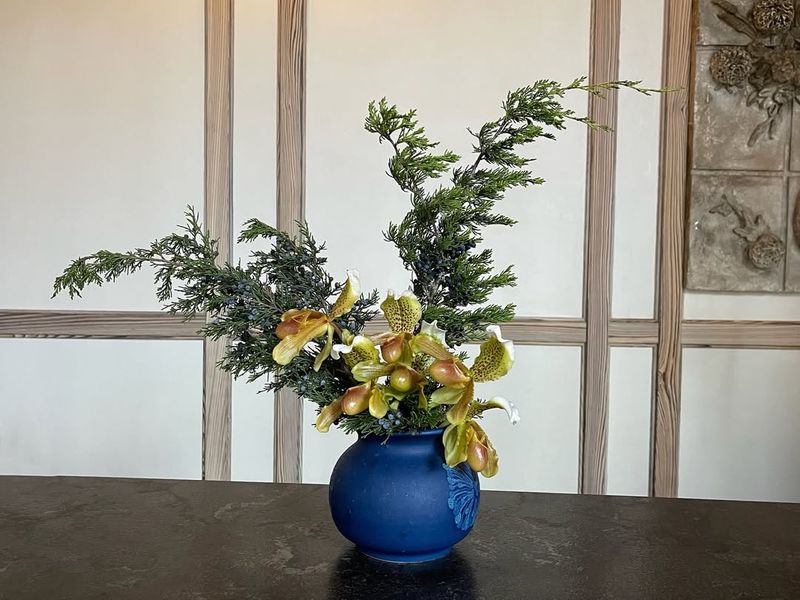
Collecting bare branches from your Illinois property during winter walks gives you sculptural elements that cost nothing yet add dramatic height to any empty corner or tabletop.
Look for interesting shapes with natural curves or multiple offshoots that create visual movement, avoiding perfectly straight sticks that feel too stiff or formal for everyday living.
Birch, willow, and dogwood branches work especially well because their bark adds color and texture even without leaves attached to the stems.
Spray them lightly with water and let them dry completely before bringing them inside to prevent any hidden insects from waking up in your warm home.
Tall floor vases showcase longer branches beautifully, while shorter cuttings fit perfectly in smaller vessels on shelves or mantels where you need subtle height.
The simplicity of bare branches feels almost meditative, stripping away the busyness of holiday decor and replacing it with quiet elegance that mirrors the landscape outside.
Illinois winters offer abundant branch options after storms, so you can refresh your arrangements throughout the season without repeating the same look twice at all.
5. Herb Pots That Add Life To Kitchens During Cold Months
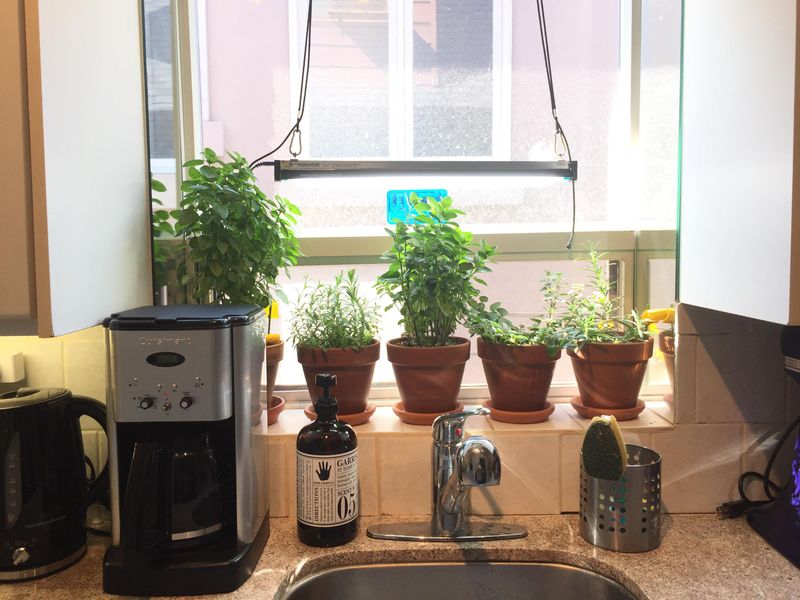
Growing herbs indoors during Illinois winters serves double duty by providing fresh flavor for cooking while filling your kitchen with vibrant green life that feels purposeful and practical.
Rosemary, thyme, and parsley tolerate indoor conditions well, especially when placed on south-facing windowsills where they receive maximum sunlight during short winter days.
Their fragrance activates every time you brush past them or snip a few leaves for dinner, creating a sensory experience that connects you to growing things.
Unlike purely decorative plants, herbs invite interaction and use, making them feel less like decor and more like functional elements that earn their space in your home.
Terracotta pots add warmth and texture while allowing soil to breathe properly, preventing the root rot that often kills indoor plants during cold months.
Labeling each pot with handwritten tags adds a charming touch that feels homemade rather than store-bought, especially if you use wooden stakes or chalkboard markers.
Illinois cooks appreciate having fresh herbs within reach when winter farmers markets slow down and grocery store options become limited or expensive to purchase regularly.
6. Dried Seed Heads And Grasses Brought Indoors For Texture
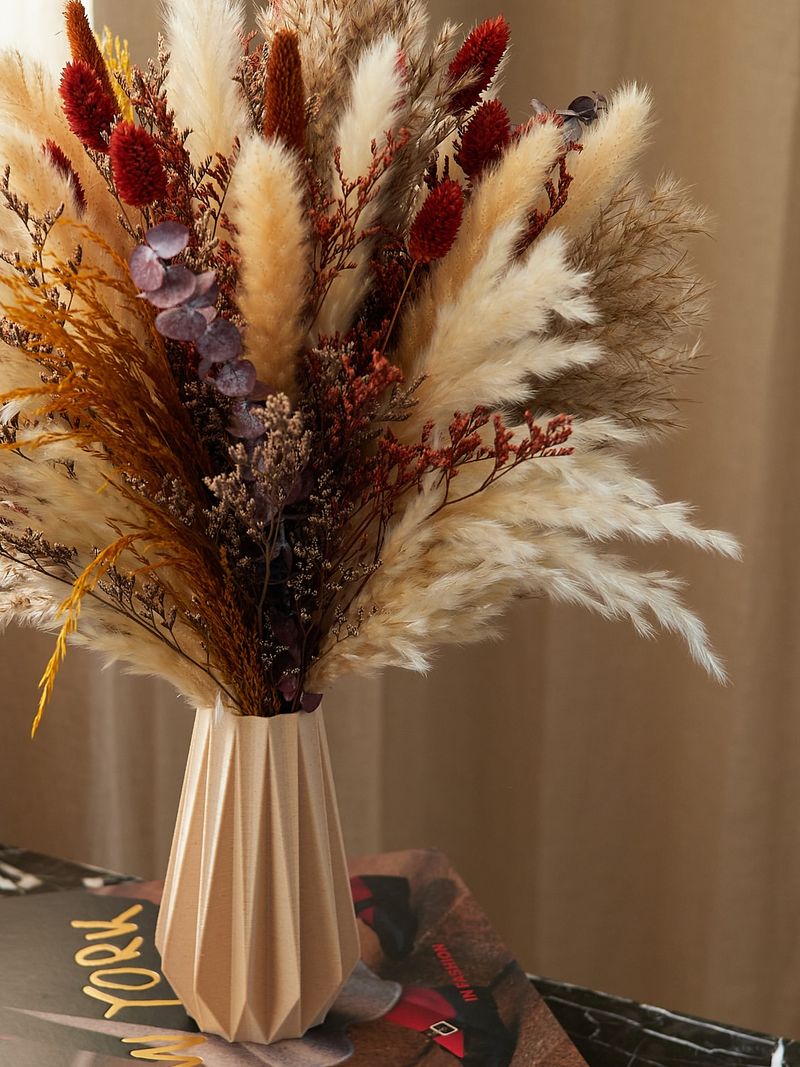
Harvesting seed heads from your Illinois garden before heavy snow arrives preserves their architectural beauty and brings an organic element indoors that feels earthy and unrefined.
Black-eyed Susan cones, echinacea seed heads, and ornamental grass plumes dry naturally and hold their shape for months without water or special care required at all.
Their neutral tones in shades of tan, brown, and silvery gray blend seamlessly with any color scheme, making them incredibly versatile for changing seasonal displays.
Arranging them loosely in wide-mouthed vessels creates a wild, just-gathered look that contrasts beautifully with the clean lines of modern furniture or the cozy warmth of traditional decor.
Illinois prairies and roadsides offer abundant foraging opportunities if your own yard lacks options, just be sure to collect responsibly from areas where it is permitted.
The texture of dried materials adds dimension that flat surfaces cannot achieve, catching light differently throughout the day as the sun moves across your windows.
This type of decor celebrates the end of the growing cycle rather than fighting against winter, embracing the season’s natural rhythm with honesty.
7. Windowsill Plants That Replace Holiday Displays Naturally
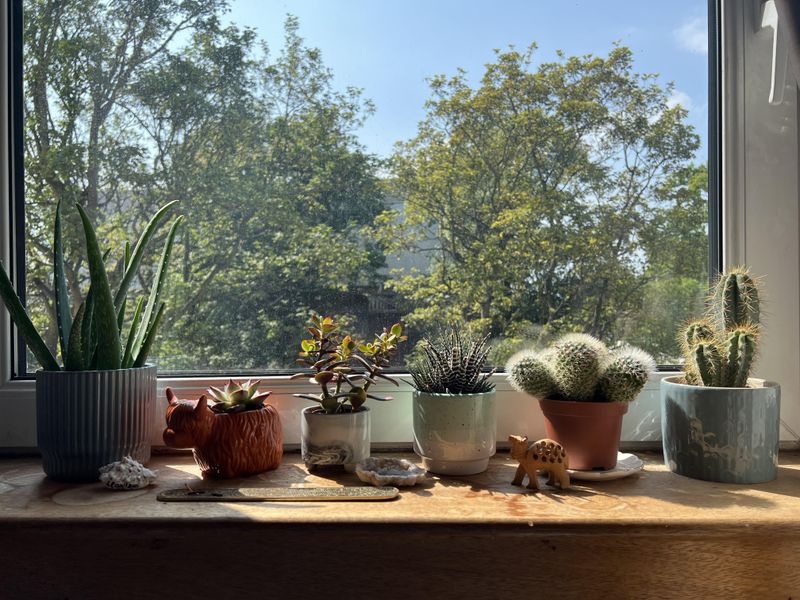
Transforming your windowsills from holiday display space into mini plant galleries shifts the focus from temporary decor to living elements that grow and change over time naturally.
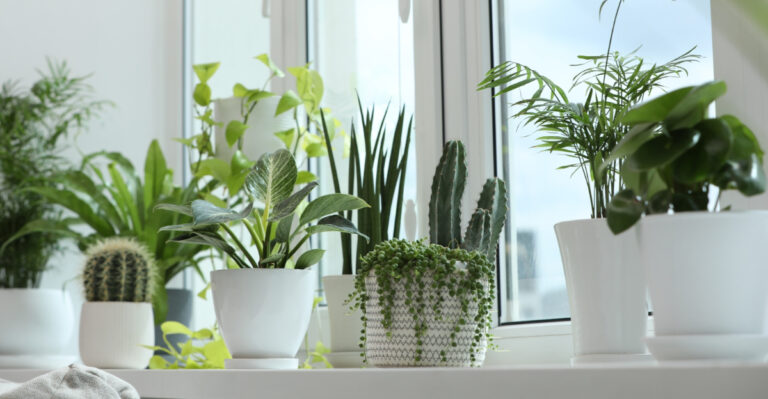
Succulents, African violets, and small ferns thrive in the bright indirect light that Illinois windows provide during winter months when the sun sits lower in the sky.
Grouping plants of similar care needs together makes watering routines simpler while creating cohesive visual clusters that feel intentional rather than randomly placed around the house.
Layering plants at different heights using small stands or overturned pots adds depth and prevents the flat, lined-up look that can feel too rigid or formal.
The beauty of windowsill plants lies in their accessibility; you see them constantly throughout the day, which encourages regular care and attention to their needs.
Illinois winters can be gray and dreary for weeks at a time, making these pockets of green incredibly valuable for mental well-being and mood improvement.
Rotating plants occasionally prevents them from leaning toward the light and ensures even growth on all sides, keeping them looking balanced and healthy throughout the season.
8. Neutral Planters That Let Winter Foliage Stand Out

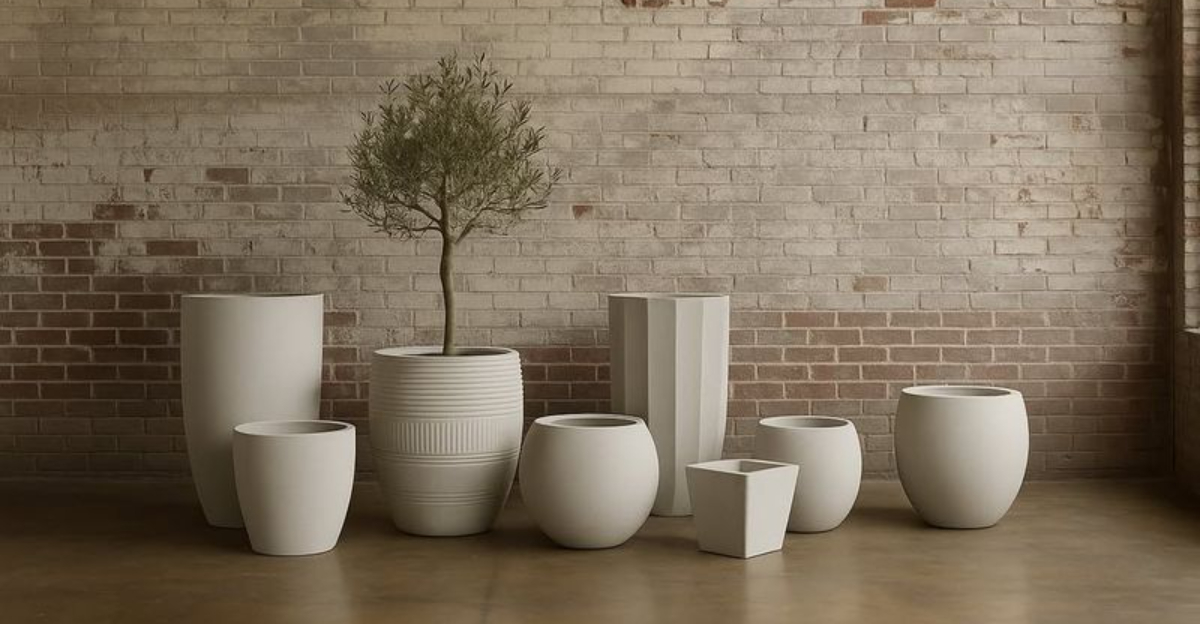
Swapping colorful pots for neutral containers in shades of white, cream, gray, or natural terracotta allows the plants themselves to become the focal point in your Illinois home.
This simple change creates a cohesive look that ties together different plant varieties without the visual noise of competing patterns or bright colors that distract from the greenery.
Neutral planters work with any decorating style, from farmhouse to modern, making them a versatile investment that transitions easily between seasons and changing design preferences over time.
Concrete, ceramic, and stoneware options add weight and substance to plant displays, giving them a grounded quality that feels permanent rather than temporary or makeshift in nature.
Grouping several neutral planters together creates a gallery-like effect that elevates houseplants from afterthoughts to intentional design elements worth noticing and appreciating daily.
Illinois winters demand simplicity after the visual overload of holiday decorations, and neutral containers provide the perfect backdrop for celebrating plant life without extra fuss.
The beauty of this approach lies in its timelessness; these planters will never look dated or trend-driven, ensuring your winter decor feels classic and thoughtful year after year.