10 Purple Perennials With Stunning Blooms For California Gardens
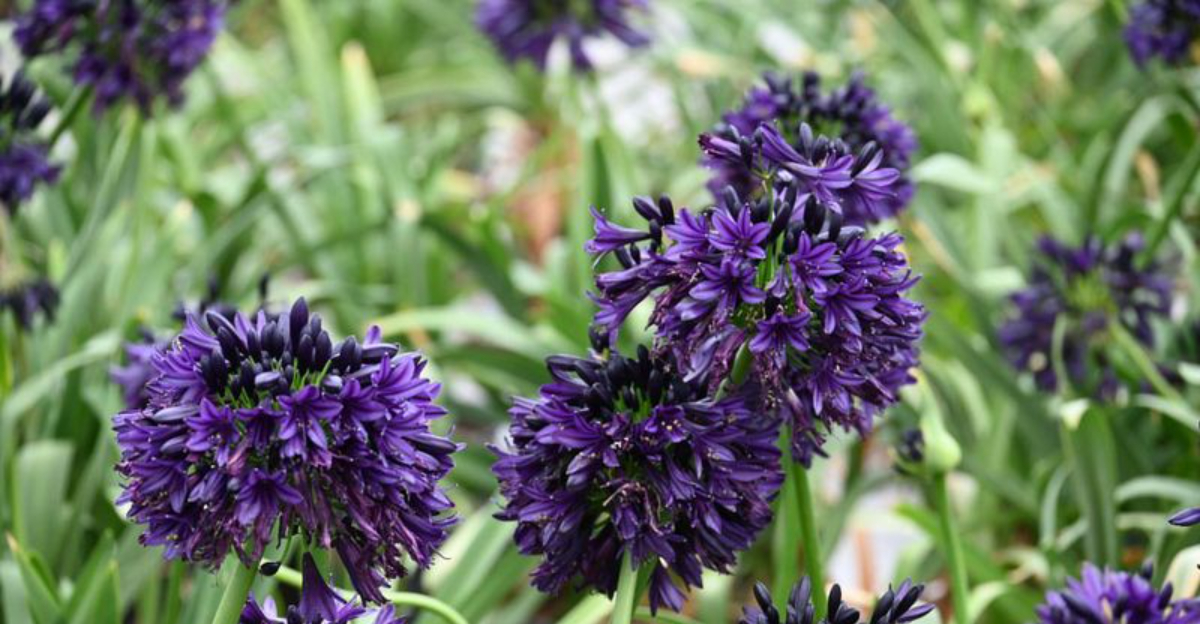
Purple perennials bring a special kind of drama to California gardens, standing out against sunshine, stone, and greenery without feeling overdone.
From coastal yards to inland landscapes, these plants keep returning each year with color that feels rich, confident, and impossible to ignore.
They handle California’s climate with ease while still delivering blooms that stop people mid-walk for a closer look.
If you love plants that feel bold yet dependable, these purple perennials earn their place season after season.
1. Salvia ‘May Night’
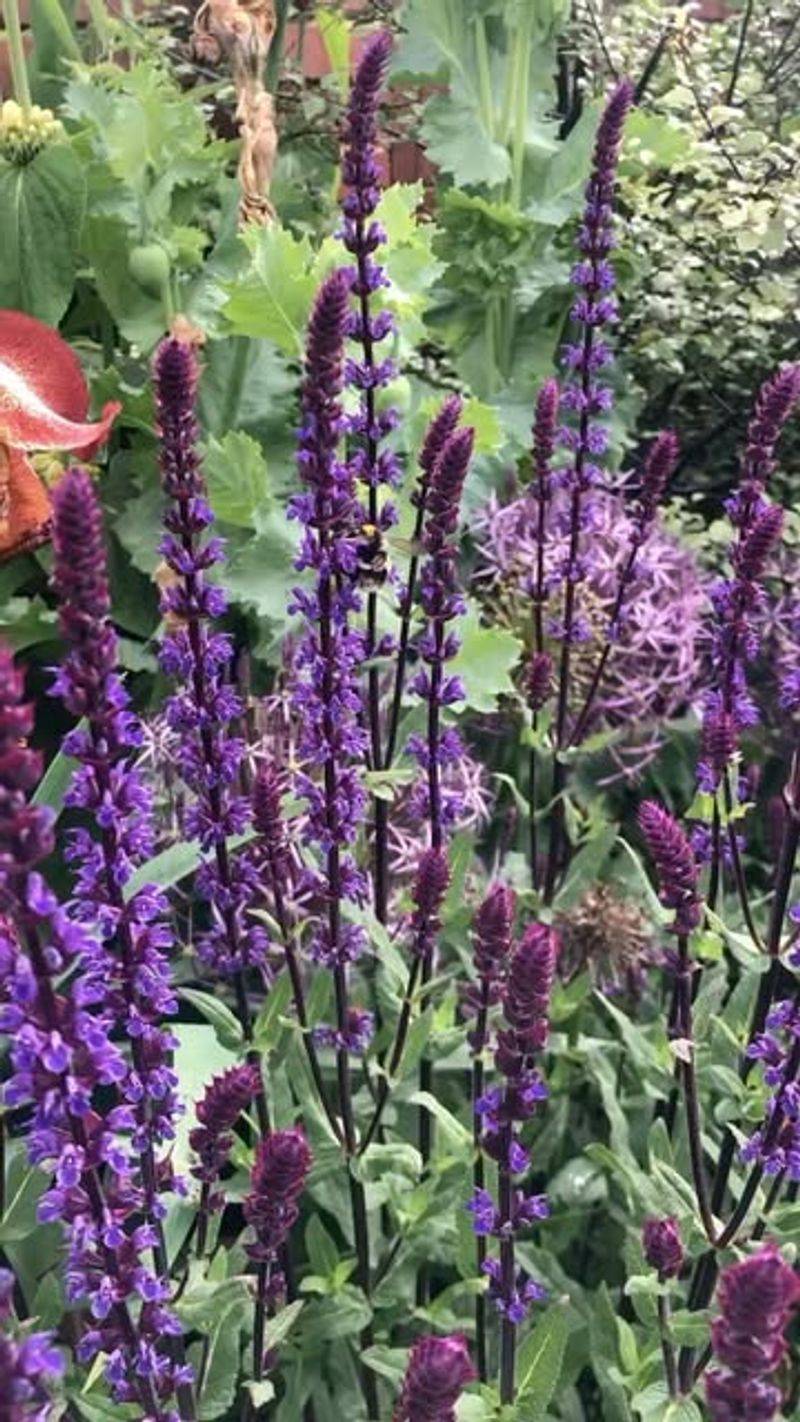
Salvia ‘May Night’ produces deep violet-blue flower spikes that stand tall and proud throughout late spring and into early summer months.
This award-winning perennial thrives in California’s sunny gardens, handling heat and drought conditions once established in well-draining soil types.
Hummingbirds and bees flock to these nectar-rich blooms, making your garden a lively hub for beneficial pollinators and wildlife visitors.
Growing between eighteen and twenty-four inches tall, this compact sage fits perfectly into borders, containers, or mixed perennial bed arrangements.
Deadheading spent flowers encourages additional blooming waves, extending the colorful display well into the warmer months across California’s diverse regions.
Pair this beauty with yellow coreopsis or white shasta daisies for a striking contrast that highlights each plant’s unique characteristics.
Minimal water needs after establishment make it an eco-friendly choice for water-wise landscapes throughout the Golden State’s varied climate zones.
Aromatic foliage releases a pleasant scent when brushed, adding another sensory dimension to your garden experience during evening strolls outdoors.
2. Russian Sage
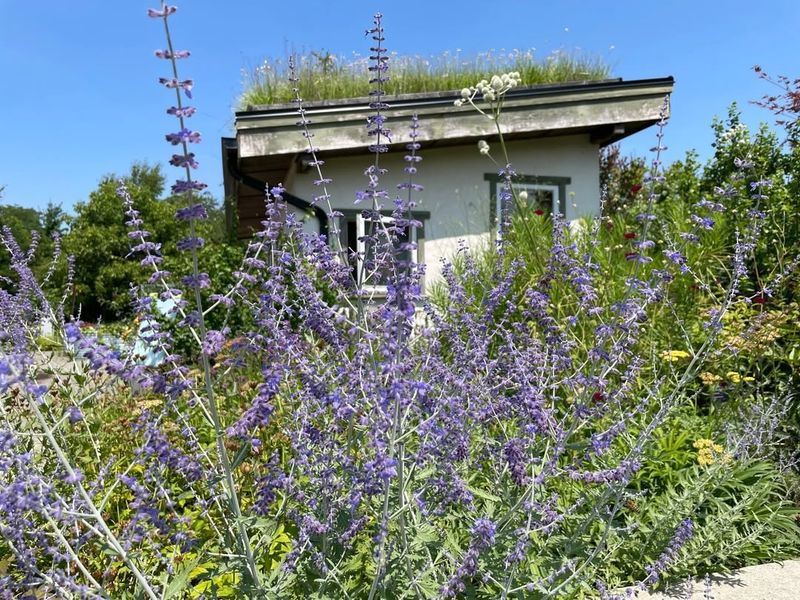
Silvery-gray foliage creates a stunning backdrop for the delicate lavender-purple flower spikes that seem to float above Russian Sage plants.
California gardeners appreciate this tough perennial because it tolerates poor soils, intense heat, and extended dry periods without losing its charm.
Reaching heights of three to four feet, Russian Sage adds vertical interest and movement when gentle breezes rustle through the garden.
Butterflies adore the tiny tubular blooms that appear from mid-summer through fall, providing continuous color during the hottest months in California.
Cutting back woody stems in late winter promotes fresh growth and maintains the plant’s attractive shape for the upcoming growing season.
Aromatic leaves release a pleasant sage-like fragrance when touched, deterring deer and rabbits from munching on your carefully cultivated landscape plants.
Excellent drainage is essential, making Russian Sage perfect for rocky slopes, gravel gardens, or raised beds throughout California’s Mediterranean climate.
Combine it with ornamental grasses or bright yellow rudbeckia for a naturalistic prairie-style design that feels effortlessly beautiful and relaxed.
3. Lavender
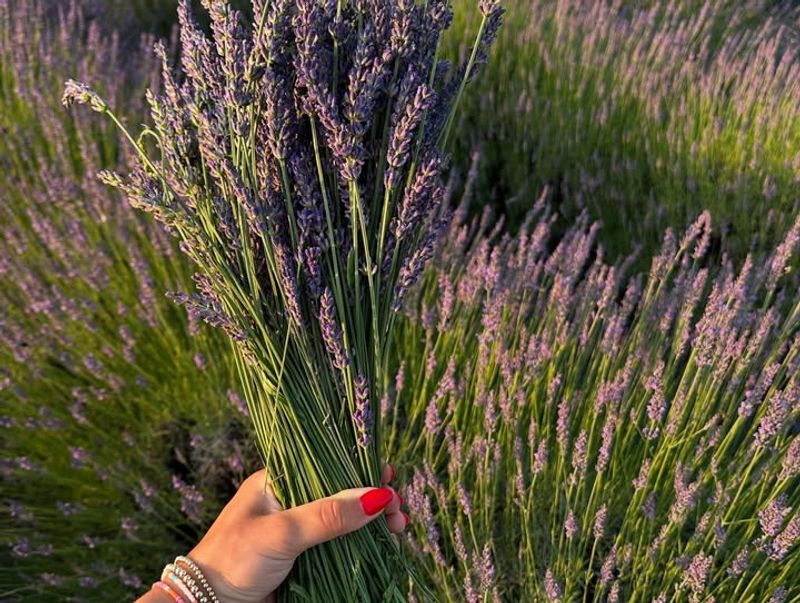
Few plants capture the essence of Mediterranean gardening quite like lavender, with its iconic purple spikes and intoxicating fragrance filling the air.
English lavender varieties perform exceptionally well in California, blooming profusely from late spring through summer in full sun locations with excellent drainage.
Compact varieties stay under two feet tall, while larger cultivars can reach three feet, offering options for various garden spaces and designs.
Harvesting stems at peak bloom provides fresh or dried flowers for sachets, culinary uses, and homemade beauty products that smell absolutely divine.
Your California Garden Changes Every Week. Your Plan Should Too.
Gardening in California changes quickly throughout the season. Every Friday you’ll receive a simple weekly plan showing exactly what to plant, prune, fertilize, harvest, and protect so you never miss the right timing.
Pruning after flowering prevents woody growth and encourages bushier plants that produce even more blooms in subsequent years across California’s regions.
Bees buzz constantly around lavender flowers, making it an essential pollinator plant for eco-conscious gardeners supporting beneficial insect populations in their yards.
Heat and drought tolerance make lavender a smart choice for water-conserving landscapes throughout California, requiring minimal irrigation once roots establish deeply.
Plant multiple varieties with staggered bloom times to enjoy purple flowers and heavenly scents from early spring all the way through autumn.
4. Verbena
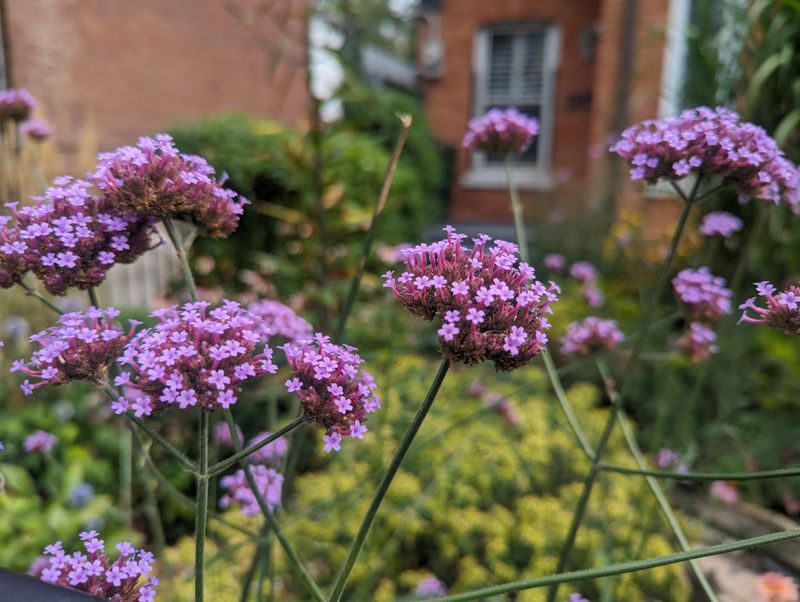
Verbena spreads cheerfully across garden beds, creating carpets of vivid purple blooms that brighten even the dullest corners of outdoor spaces.
California’s mild winters allow many verbena varieties to bloom nearly year-round, providing consistent color when other perennials take seasonal breaks from flowering.
Low-growing types reach only six to twelve inches tall, making them ideal groundcovers, edging plants, or trailing beauties in hanging baskets.
Butterflies visit verbena flowers constantly, drawn by the sweet nectar and bright colors that signal a reliable food source for pollinators.
Deadheading isn’t necessary for continuous blooming, which means less maintenance work for busy gardeners who want beautiful results without constant fussing.
Heat-loving verbena thrives in California’s summer temperatures, maintaining vibrant blooms even when other plants start looking tired and stressed from warmth.
Well-draining soil is critical because verbena roots dislike sitting in moisture, making raised beds or amended clay soils the best planting locations.
Combine verbena with upright perennials like salvia or penstemon to create layered designs that showcase different plant heights and textures beautifully together.
5. Catmint
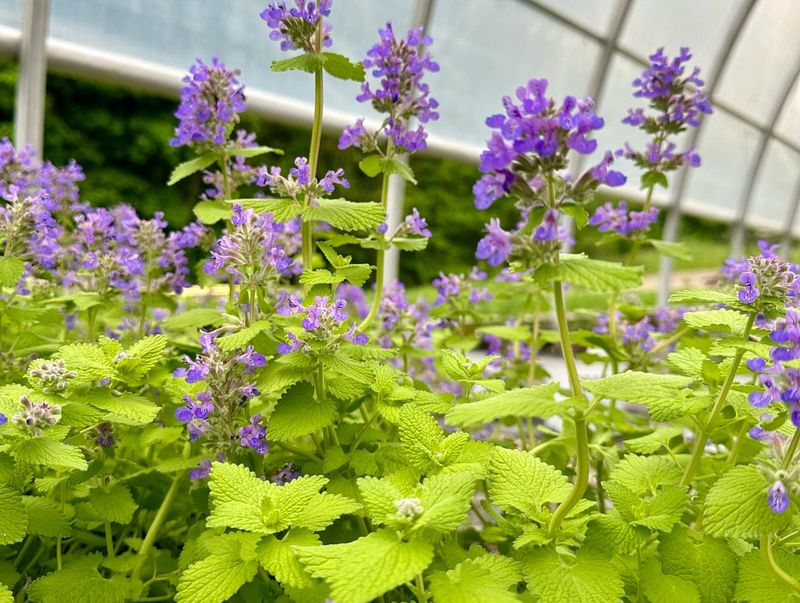
Catmint produces clouds of small lavender-blue flowers that create a soft, romantic effect in California gardens from late spring through early fall.
Aromatic gray-green foliage releases a minty scent when brushed, though it’s actually more pungent than true culinary mint varieties you’d use.
Growing twelve to eighteen inches tall and spreading wider, catmint works beautifully as an edging plant or filler between taller perennials in beds.
Cats may roll in catmint occasionally, but they’re far less interested in it compared to true catnip, so damage is usually minimal.
Shearing plants back by one-third after the first bloom flush encourages fresh growth and a second wave of flowers in California’s extended season.
Drought tolerance improves significantly once roots establish, making catmint a practical choice for water-wise gardens throughout the state’s various climate zones.
Bees and butterflies visit the tiny tubular flowers constantly, supporting pollinator populations that help your entire garden ecosystem thrive and flourish naturally.
Pair catmint with roses for a classic cottage garden combination, where the purple blooms soften the base of rose bushes beautifully.
6. Penstemon
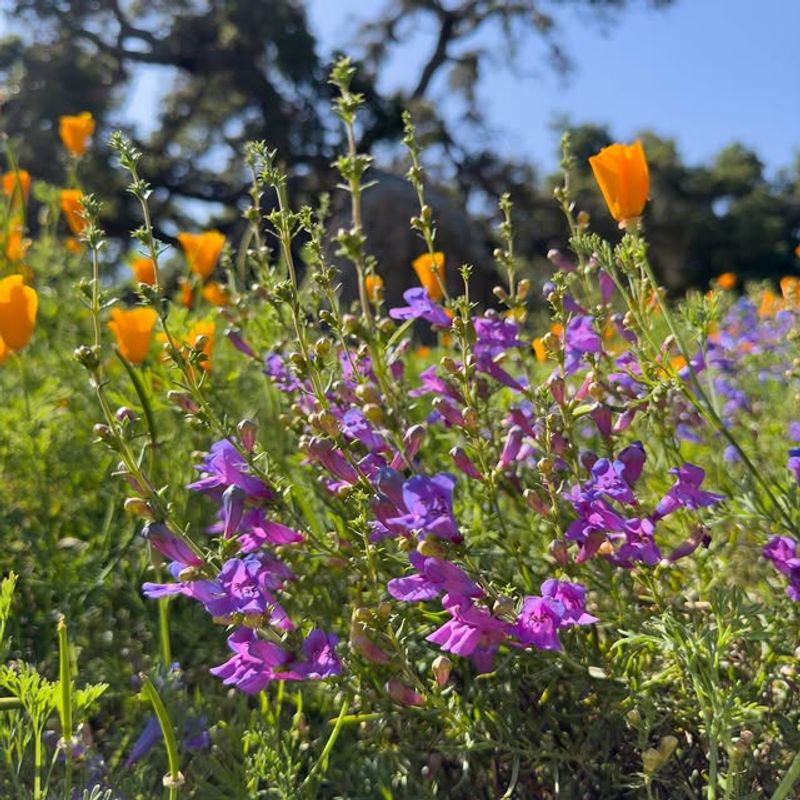
Native California penstemons offer tubular purple flowers that hummingbirds absolutely cannot resist, creating lively garden scenes filled with these energetic visitors.
Numerous species and cultivars provide options ranging from deep violet to soft lavender shades, allowing you to customize your color palette perfectly.
Heights vary from compact twelve-inch varieties to towering three-foot specimens, giving flexibility for front-of-border placements or dramatic background displays in landscapes.
Flowering occurs primarily in spring and early summer across California, though some varieties continue producing sporadic blooms into the fall months.
Excellent drainage is absolutely essential for penstemon success, as soggy roots quickly lead to problems that can compromise plant health and vigor.
Pairing native penstemons with other California natives like sages and buckwheat creates habitat gardens that support local wildlife populations and ecological balance.
Once established, these perennials require minimal supplemental water, making them champions for sustainable landscaping practices throughout California’s drought-prone regions and communities.
Cutting back flower stalks after blooming keeps plants looking tidy and may encourage additional flowering depending on the specific variety you’ve chosen.
7. Bearded Iris
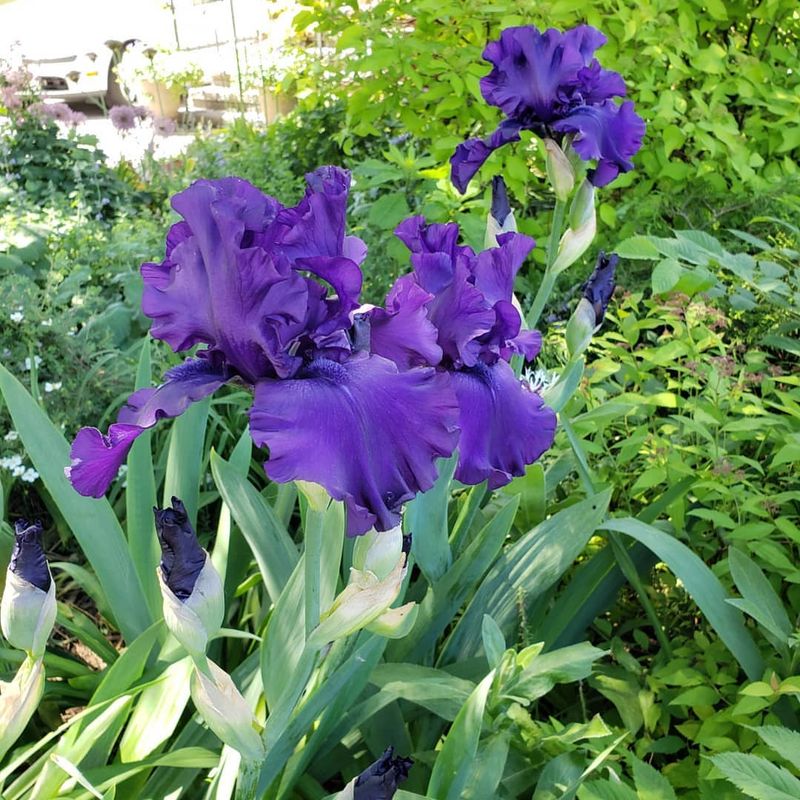
Bearded iris flowers unfurl in spectacular fashion each spring, displaying ruffled purple petals with distinctive fuzzy beards that give them their name.
Rhizomes planted in late summer or early fall establish roots during California’s mild winters, preparing to produce stunning blooms come springtime.
Tall varieties reach three feet in height, while intermediate and dwarf types stay shorter, offering choices for different garden locations and designs.
Flower colors range from pale lilac to deep royal purple, with many cultivars featuring dramatic patterns, contrasting edges, or multicolored combinations.
Plant rhizomes with the tops slightly exposed above soil level in California gardens, ensuring good air circulation that prevents rot in our climate.
Dividing clumps every three to four years maintains vigorous blooming and prevents overcrowding that can reduce flower production over time in established plantings.
Sword-like foliage remains attractive after blooms fade, providing vertical architectural interest throughout the growing season in perennial borders and mixed beds.
Deer typically avoid iris plants, making them valuable additions to California gardens where wildlife browsing can pose challenges for other ornamental plant choices.
8. Scabiosa
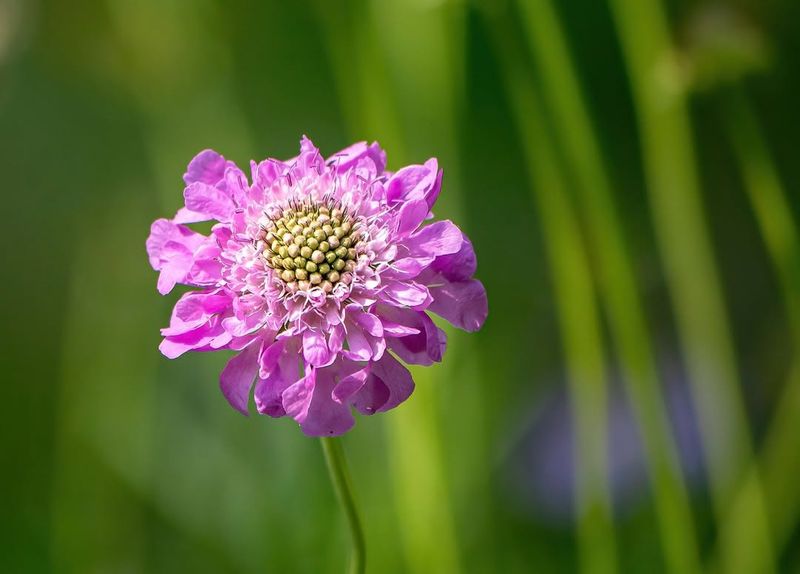
Scabiosa flowers resemble whimsical pincushions with their rounded centers and protruding stamens, creating unique textures that add interest to California gardens.
Lavender-purple blooms appear continuously from late spring through fall, providing one of the longest flowering periods among perennials in our region.
Long, wiry stems make scabiosa exceptional for cutting gardens, as flowers last beautifully in vases and arrangements for up to two weeks indoors.
Butterflies and bees visit these nectar-rich blooms constantly, making your garden a vibrant ecosystem that supports important pollinator species throughout California’s landscapes.
Plants grow eighteen to twenty-four inches tall with an airy, informal habit that works perfectly in cottage garden designs or naturalistic plantings.
Deadheading spent blooms regularly encourages continuous flower production, though it’s not strictly necessary if you prefer a more relaxed maintenance approach outdoors.
Well-draining soil and full sun exposure produce the healthiest plants in California, where excessive moisture can sometimes cause problems with root health.
Combine scabiosa with ornamental grasses and other wispy perennials for romantic, movement-filled garden compositions that sway gracefully in coastal or inland breezes.
9. Agapanthus
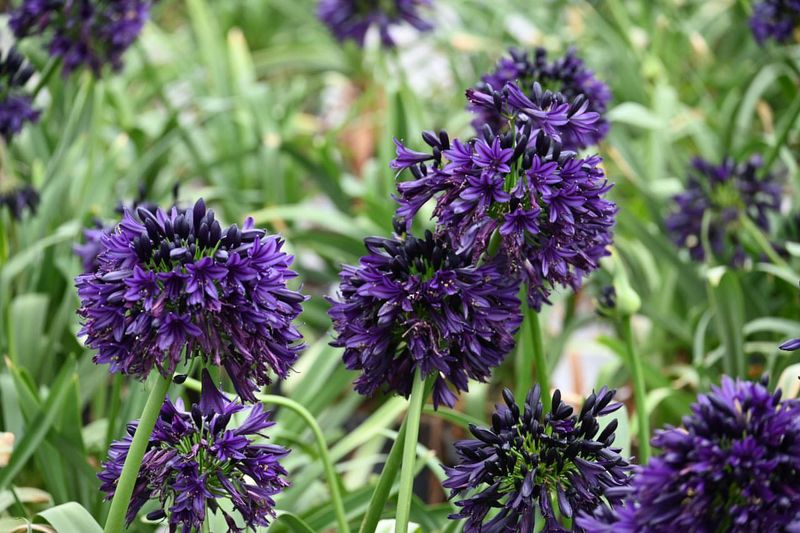
Agapanthus sends up dramatic flower stalks topped with spherical clusters of tubular purple-blue blooms that command attention in any California landscape.
Evergreen strap-like foliage forms attractive clumps year-round, providing structure and greenery even when plants aren’t actively flowering during cooler months.
Flower stalks can reach two to four feet tall depending on variety, creating stunning vertical accents that rise above surrounding plants dramatically.
Blooming occurs primarily in summer across California, when the bold purple spheres provide welcome color during the hottest months of the year.
Established clumps tolerate drought well, though occasional deep watering during extended dry spells helps maintain the healthiest foliage and most abundant blooms.
Dividing overcrowded clumps every five to six years rejuvenates plants and provides extras to share with friends or expand your plantings elsewhere.
Deer and rabbits typically ignore agapanthus, making it a reliable choice for California gardens where wildlife browsing can limit plant selection options significantly.
Mass plantings create spectacular displays, while single clumps work beautifully as focal points in containers or positioned strategically within mixed perennial borders.
10. Echinacea
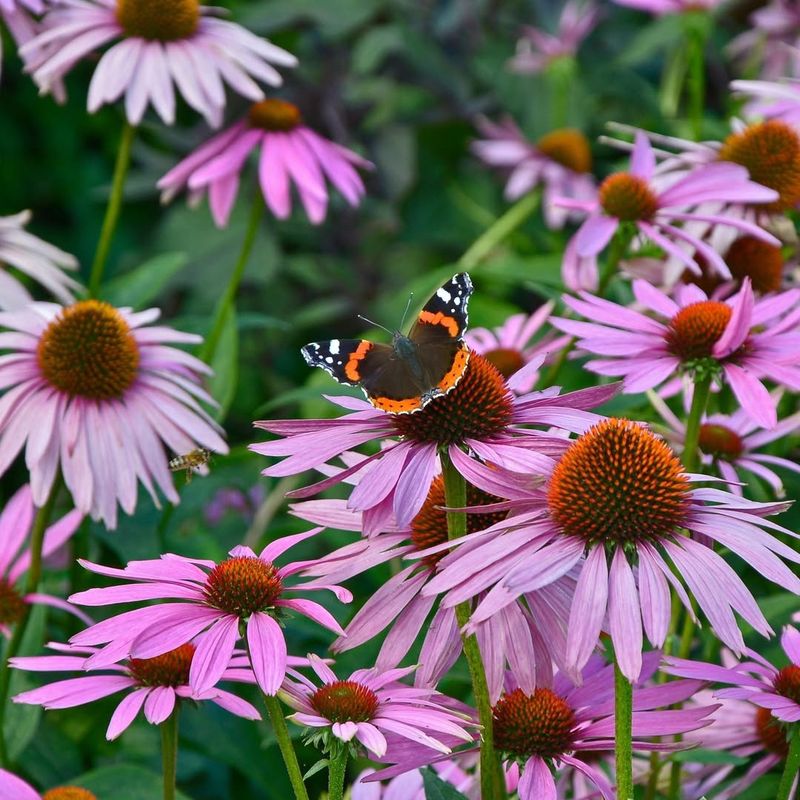
Echinacea’s distinctive daisy-like flowers feature drooping purple petals surrounding prominent cone-shaped centers that goldfinches adore for their seeds in fall.
Native to prairies, coneflowers adapt remarkably well to California gardens, tolerating heat and requiring minimal care once roots establish in appropriate locations.
Plants grow two to three feet tall with sturdy stems that rarely need staking, making them low-maintenance additions to perennial borders statewide.
Blooming begins in early summer and continues for weeks, providing consistent color and nectar for butterflies, bees, and other beneficial insects visiting.
Leaving spent flower heads standing through winter provides food for birds and adds architectural interest to California gardens during the dormant season.
Purple coneflowers combine beautifully with yellow rudbeckia, white shasta daisies, or ornamental grasses for prairie-inspired designs that feel natural and relaxed.
Well-draining soil is important because echinacea dislikes constantly wet conditions, though established plants tolerate California’s typical summer dryness quite well overall.
Several cultivars offer color variations from pale lavender to deep magenta, allowing you to fine-tune your garden’s purple palette precisely.