6 Things To Do When You Spot A Deer In Your New Jersey Yard (And 3 To Avoid)

Seeing a deer in your New Jersey yard can be surprising, especially when it freezes mid-step and locks eyes with you.
That quiet moment can quickly turn stressful if you’re unsure what the deer might do next or how close is too close.
A calm response helps protect your yard, your pets, and the animal itself from unnecessary trouble.
Knowing what actions actually help, and which ones make things worse, can change how that encounter ends.
1. Bring Pets Indoors Immediately
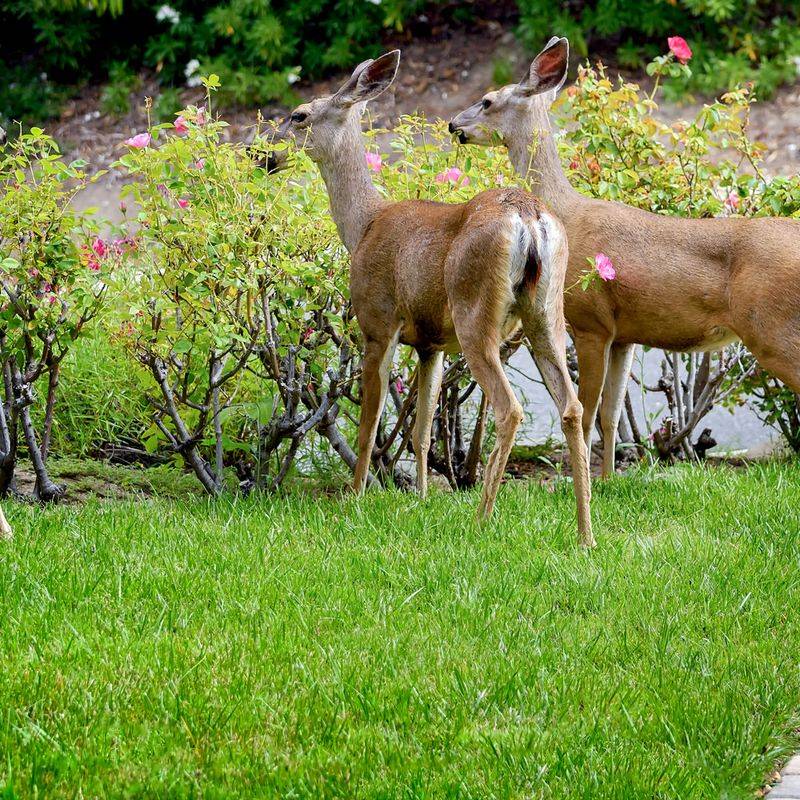
When a deer enters your yard in New Jersey, bringing pets indoors right away protects them from sudden wildlife reactions and keeps the situation from escalating unnecessarily.
Dogs and cats often react instinctively, and even calm pets can trigger fear or defensive behavior in a deer that feels threatened or cornered.
Deer are strong animals with sharp hooves, and a quick kick or charge can seriously injure a pet in just a moment.
Moving pets inside reduces noise and movement, helping the deer stay calmer and find a safe way out of the yard.
This step also lowers the risk of the deer crashing into fences, windows, or garden areas while trying to escape stress.
Keeping pets indoors limits the chance of disease or parasites spreading through close contact during the encounter.
It also prevents you from stepping into danger while trying to separate a pet from a frightened wild animal.
Securing pets first creates a safer environment that allows the deer to move on without panic while keeping everyone protected in New Jersey neighborhoods.
2. Give The Deer A Clear Exit Path
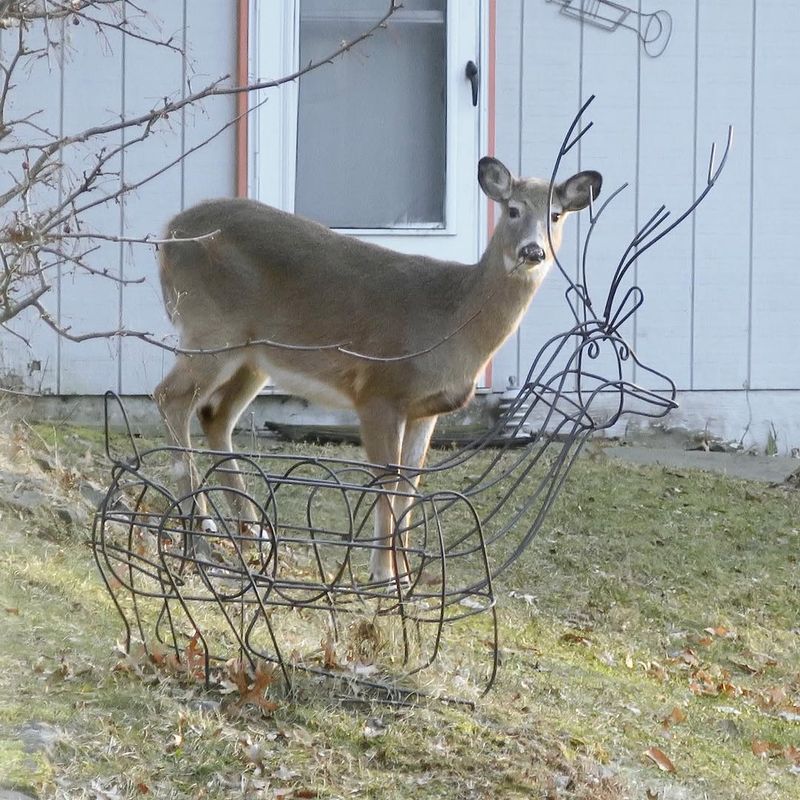
When a deer wanders into a New Jersey yard, keeping pathways open gives it space to leave calmly and helps prevent sudden movements that could cause injuries or damage.
Deer feel safest when they can clearly see a way out, and blocked paths often make them freeze or react unpredictably.
Stepping back from gates, fence openings, or wide spaces allows the animal to identify a natural escape route without pressure.
Keeping people indoors and avoiding movement near exits helps the deer stay focused on leaving rather than defending itself.
Removing obstacles like furniture, tools, or vehicles gives the deer enough room to move without crashing into objects.
Crowding or surrounding the deer can increase stress, making it more likely to jump fences or run into dangerous areas.
A calm, open environment encourages the deer to move through the yard quickly instead of lingering in confusion.
By allowing a clear and unobstructed exit, you help the deer leave safely while reducing risk for everyone involved in New Jersey neighborhoods.
3. Observe Quietly From Inside
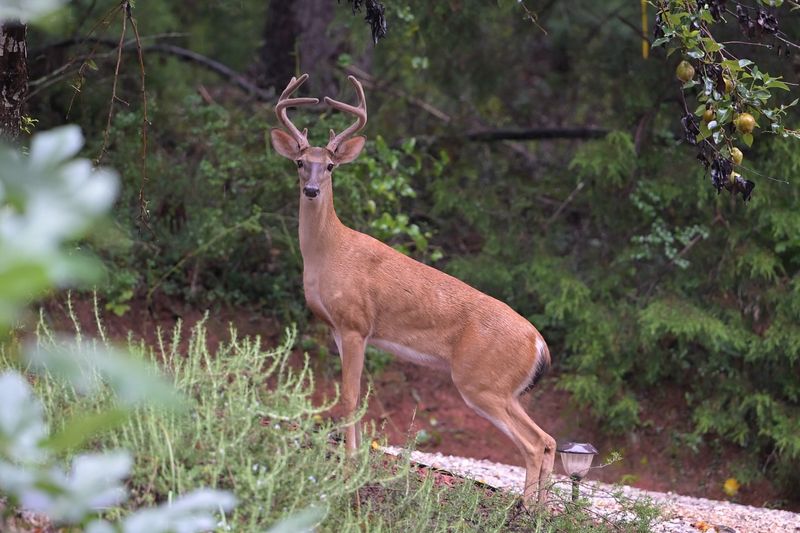
Observing quietly from inside keeps human presence from escalating the situation and allows the deer to remain focused on navigating the yard without feeling watched, challenged, or pressured into defensive behavior.
Deer are extremely sensitive to changes in sound and movement, so activity outside, even slow walking or talking, can trigger panic responses that lead to erratic movement or aggressive reactions.
Your New Jersey Garden Changes Every Week. Your Plan Should Too.
Gardening in New Jersey changes quickly throughout the season. Every Friday you’ll receive a simple weekly plan showing exactly what to plant, prune, fertilize, harvest, and protect so you never miss the right timing.
Watching through a window minimizes visual stress and prevents the deer from interpreting human proximity as a threat it needs to confront or escape from immediately.
Staying indoors also protects you from unpredictable reactions, since a startled deer can charge, kick, or bolt without warning when it feels cornered.
A quiet yard reduces the risk of the deer crashing into fences, vehicles, garden structures, or landscaping while trying to flee sudden noise or movement, which is especially important in New Jersey neighborhoods where yards are often close together.
Less activity outside gives the deer time to calmly assess its surroundings, recognize safe exit routes, and avoid making split-second decisions driven by fear.
Allowing space and silence often shortens the encounter, as the deer is more likely to move on once it no longer feels pressure from nearby people.
Observing quietly from inside creates a safer outcome for your household and the deer by reducing stress, preventing injuries, and letting the situation resolve naturally.
4. Secure Trash And Food Sources
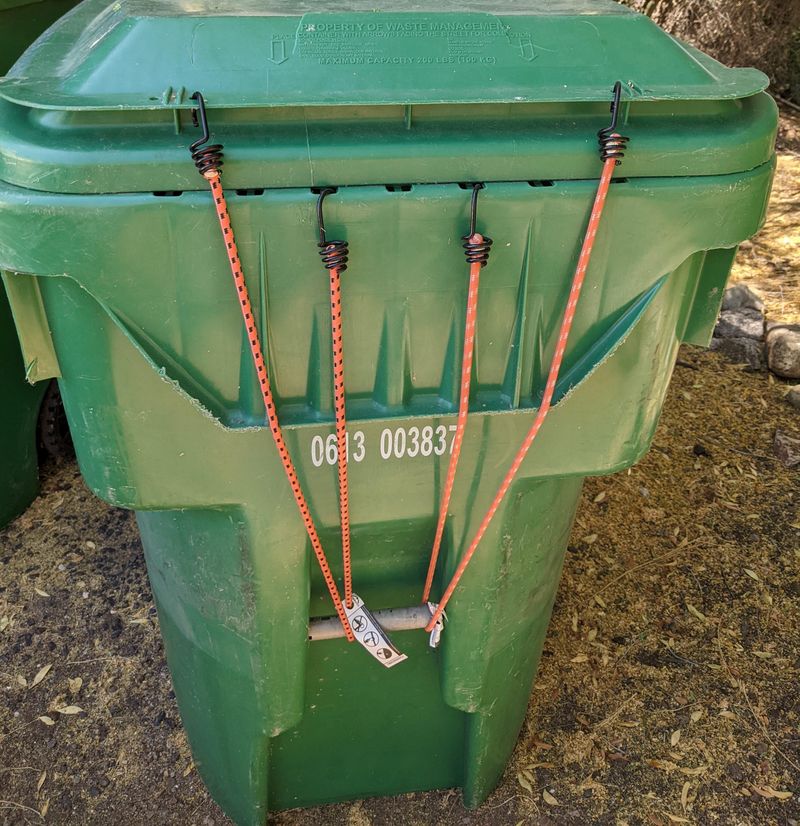
Securing trash and food sources removes strong smells that can attract a deer to linger, increasing the chance of repeated visits and more risky encounters near your home.
Open garbage bins, fallen birdseed, and pet food left outside can signal an easy meal, encouraging the deer to stay longer instead of moving on naturally.
Once a deer associates your yard with food, it may return regularly, raising the likelihood of property damage and closer contact with people or pets.
Food rewards can also alter natural behavior, making the deer less cautious and more likely to approach houses, patios, or entryways without fear.
Loose food sources increase competition and stress, especially if multiple animals are drawn to the same area at the same time.
Securing trash lids and removing attractants helps keep the encounter brief and reduces pressure on the deer to defend a valuable food spot.
A cleaner yard lowers the risk of aggressive behavior that can occur when wildlife feels it must guard or fight for resources, which is especially important in New Jersey neighborhoods where yards are often smaller and close together.
By eliminating food temptations, you help the deer pass through without settling in while protecting your property and reducing future problems.
5. Use Motion Or Noise To Encourage Movement

Using gentle motion or controlled noise can prompt a deer to move along without causing panic, helping shift its attention toward leaving rather than freezing in place.
Sudden silence followed by light movement, such as opening a door or clapping once from a distance, signals human presence without overwhelming the animal.
Deer respond better to predictable sounds than sharp or aggressive noises, which can trigger defensive reactions or frantic escape attempts.
Motion lights, waving arms from far away, or tapping on a window can be enough to encourage movement while maintaining a safe boundary, especially in New Jersey yards where space between homes can be tight.
The goal is to apply just enough stimulus to interrupt lingering behavior without making the deer feel cornered or chased.
Overdoing noise or rushing toward the animal increases stress and raises the risk of erratic movement or injury.
Calm, deliberate signals help the deer reassess the area and choose a safer route away from the yard.
When motion or noise is used thoughtfully, it guides the deer out efficiently while reducing danger for both people and the animal.
6. Notify Local Wildlife Authorities If Needed
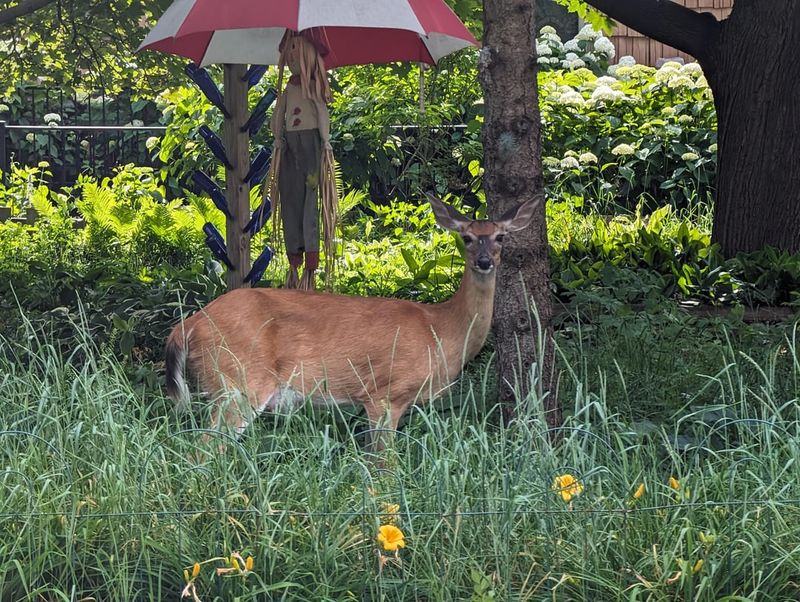
Notifying local wildlife authorities becomes important when a deer appears injured, trapped, aggressive, or unable to leave the area safely on its own.
Wildlife officials are trained to assess situations involving stressed animals and can determine whether intervention is necessary without putting residents at risk.
Calling for help is especially appropriate if the deer has been struck by a vehicle, tangled in fencing, or showing signs of exhaustion or disorientation in New Jersey neighborhoods.
Authorities have proper equipment and experience to handle wildlife calmly, reducing the chance of injury to the animal or damage to nearby property.
Attempting to manage a dangerous situation without professional support can escalate quickly and lead to avoidable harm.
Early reporting helps prevent prolonged distress for the deer and limits the chance of repeated incidents in the same area.
Local wildlife services also track patterns and can address broader issues such as migration disruptions or urban safety concerns.
Reaching out when needed ensures the situation is handled responsibly while protecting both the animal and the people nearby.
7. Avoid Chasing Or Cornering The Deer
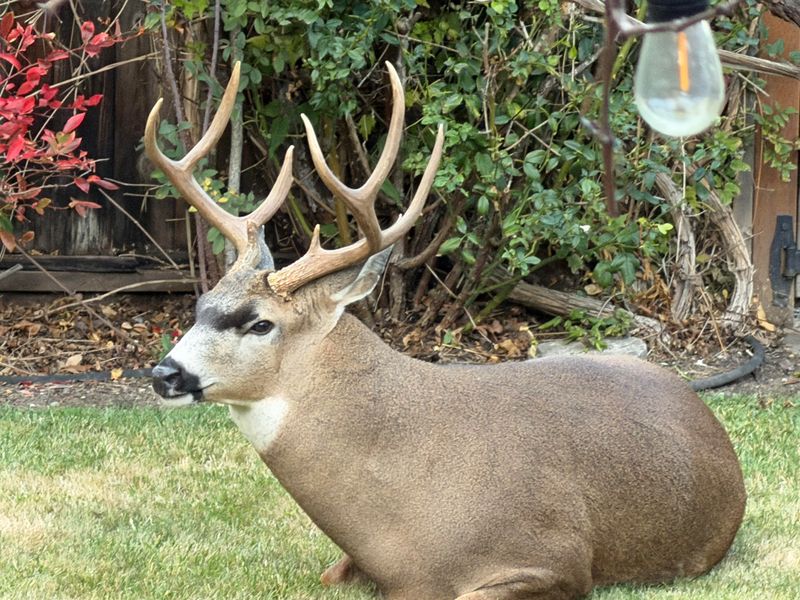
Chasing or cornering a deer can quickly turn a calm situation into a dangerous one, since the animal may feel forced to defend itself when escape options disappear.
Deer rely on distance and open space to feel safe, and closing that space can trigger panic-driven reactions that are fast and unpredictable.
When a deer believes it is trapped, it may charge, kick, or jump blindly in an attempt to break free, putting people and property at risk.
Even well-meaning attempts to scare the animal away can escalate stress and increase the chance of injury for anyone nearby.
Cornering a deer near fences, walls, or buildings often leads to frantic movement that causes damage or physical harm, which is especially concerning in New Jersey yards where homes are close together.
A frightened deer does not think logically, and instinct takes over once it senses it cannot retreat.
Keeping distance and avoiding pursuit allows the animal to calm itself and look for a safe way out.
By resisting the urge to chase or block the deer, you reduce danger and give the situation a better chance to resolve without incident.
8. Never Feed Or Attempt To Approach The Animal
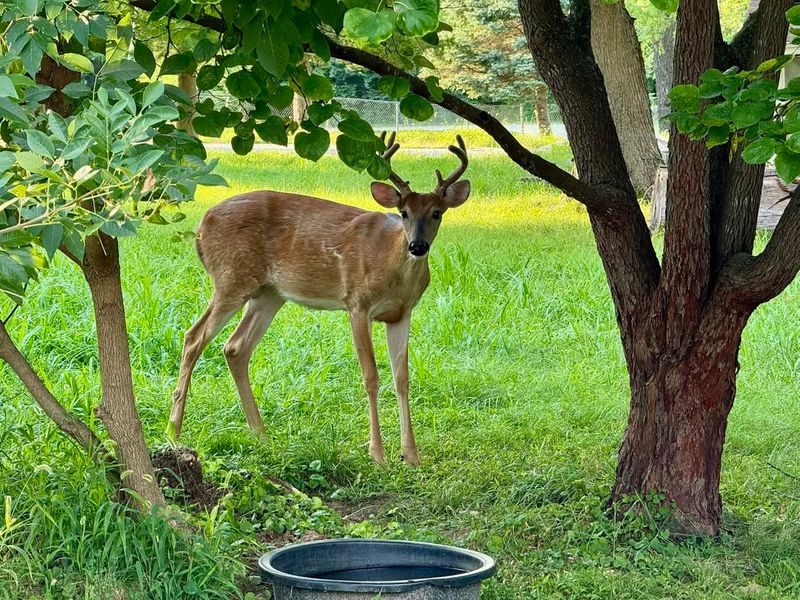
Feeding or attempting to approach a deer creates serious risk because it removes the natural fear that keeps wild animals cautious around people.
Deer that associate humans with food may linger longer in residential areas, increasing the chance of close encounters and dangerous situations in New Jersey neighborhoods.
Approaching the animal, even slowly or calmly, can be misinterpreted as a threat and trigger sudden defensive reactions.
A deer that feels pressured at close range may kick, charge, or bolt without warning, putting anyone nearby in immediate danger.
Offering food disrupts natural foraging behavior and can make the deer dependent on human-provided sources instead of moving on.
Habituated deer often lose boundaries, becoming more likely to wander onto porches, driveways, or busy streets.
Close interaction also raises the risk of disease transmission and parasites spreading between wildlife and humans.
By avoiding feeding or approach altogether, you protect yourself while allowing the deer to retain natural behavior and leave the area safely.
9. Avoid Trying To Handle The Situation Yourself
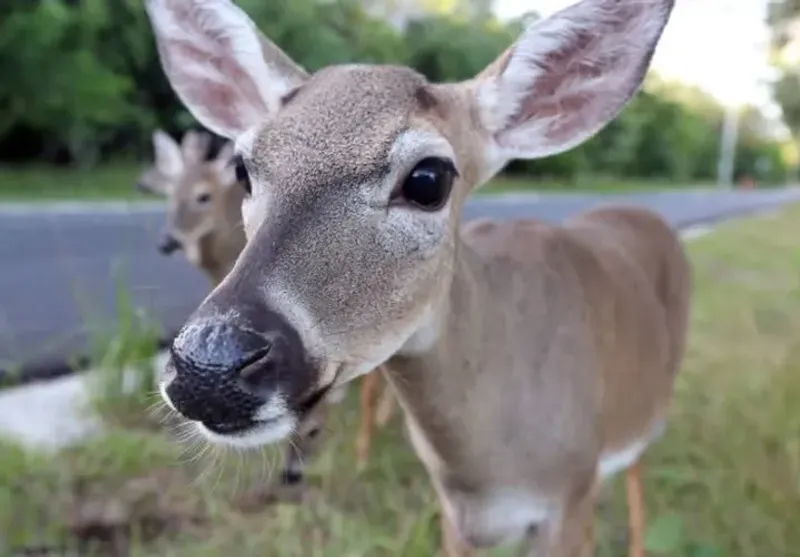
Trying to manage a deer encounter on your own often increases risk, because wild animals do not respond to logic, instructions, or good intentions the way people expect.
Deer behavior can shift rapidly from calm to defensive, and without training it is easy to misread warning signs that appear subtle but signal rising stress in New Jersey yards where homes and fences are close together.
Stepping in personally places you closer to an unpredictable animal that may bolt, kick, or charge if it feels threatened or confused.
Well-intended actions, such as guiding the deer or attempting to scare it gently, can unintentionally escalate tension rather than resolve the situation.
Without proper equipment or experience, attempts to control the encounter often limit the deer’s ability to assess its surroundings safely.
Wildlife encounters require patience and distance, not quick problem-solving or hands-on intervention.
Allowing the deer time and space to move naturally reduces the chance of panic-driven reactions that lead to injuries or damage.
Avoiding direct involvement keeps you safer while giving the situation the best chance to resolve without escalation.