Garden Ideas That Make The Most Of Small Urban Homes In Illinois
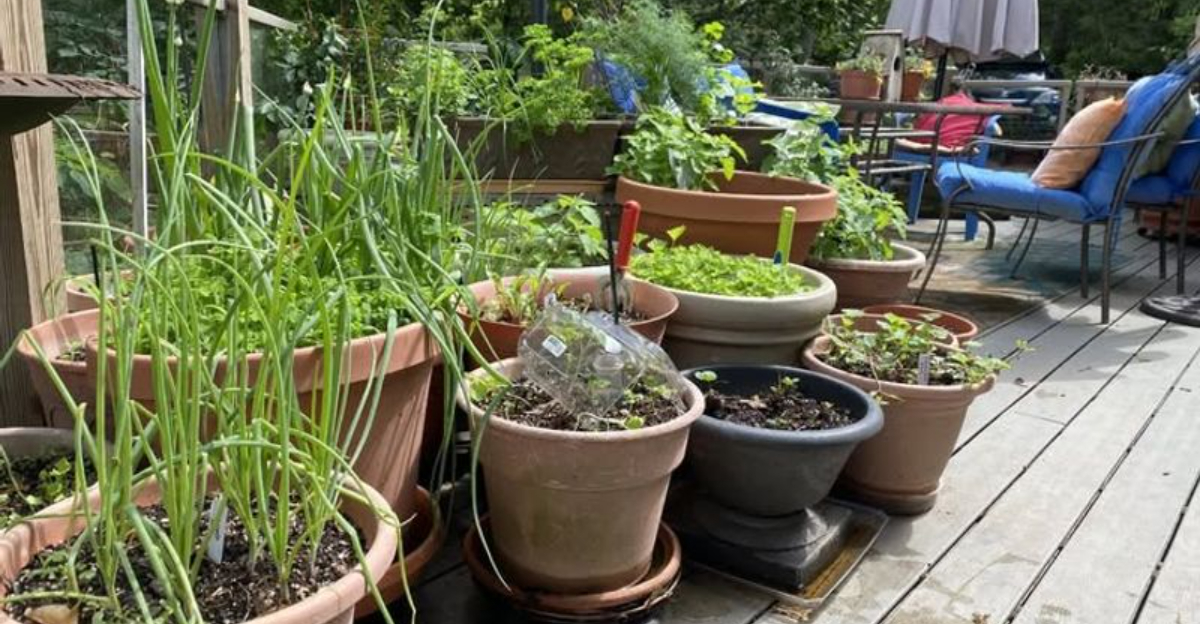
Small urban homes in Illinois often come with tight outdoor spaces, but those spaces can still feel layered, inviting, and thoughtfully designed with the right garden ideas.
City gardens thrive when every corner serves a purpose, blending greenery, structure, and function instead of leaving space unused or overlooked.
Vertical elements, smart plant placement, and intentional layouts help compact areas feel balanced rather than cramped or chaotic.
These garden ideas focus on making limited outdoor space feel intentional, lived-in, and surprisingly generous despite urban boundaries.
1. Vertical Garden Walls
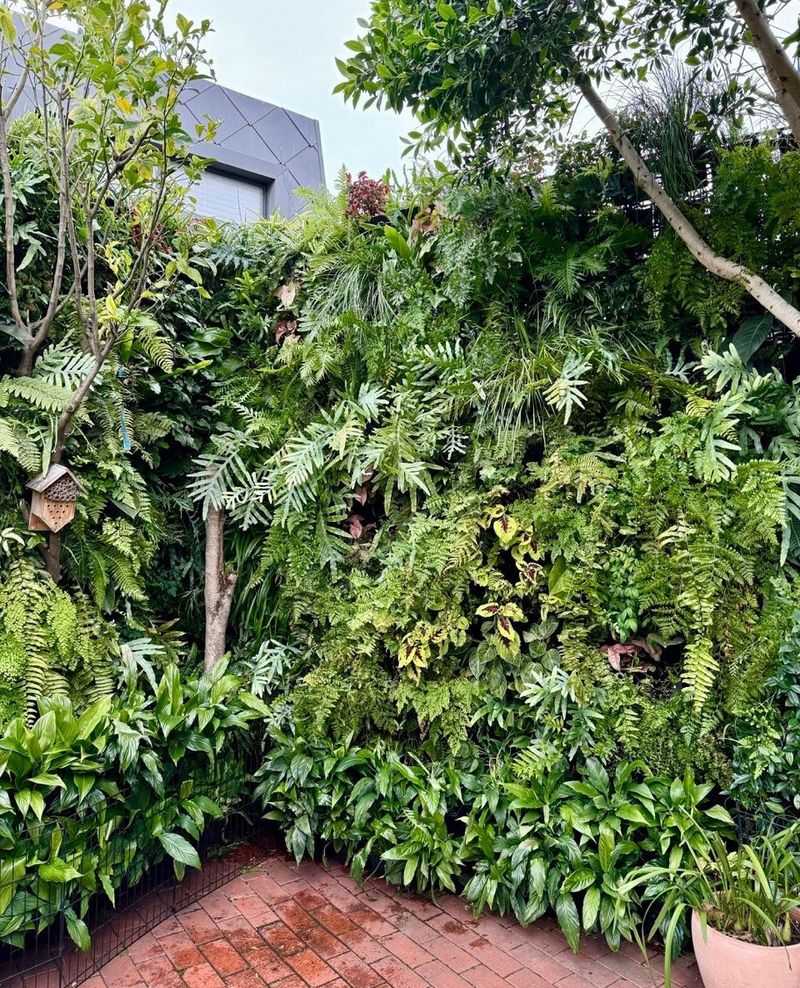
Walls become your new garden beds when you start thinking upward instead of outward in cramped urban spaces across Illinois cities.
Vertical gardens use hanging planters, wall-mounted pockets, or trellises to grow plants without taking up valuable floor space in your yard.
Chicago residents have mastered this technique by transforming blank brick walls into lush green displays that add beauty and privacy to small patios.
Installing a vertical garden requires sturdy mounting hardware that can support the weight of soil, plants, and water over time safely.
Choose lightweight containers and potting mix specifically designed for vertical growing to reduce strain on your wall or fence structure today.
Herbs like basil, thyme, and oregano thrive in vertical arrangements and stay within easy reach when you need fresh ingredients for cooking.
Strawberries, lettuce, and small peppers also adapt well to vertical growing conditions and produce abundant harvests throughout the Illinois growing season.
Regular watering becomes essential since vertical gardens dry out faster than traditional ground-level beds, especially during hot summer months in the state.
2. Container Gardening on Patios
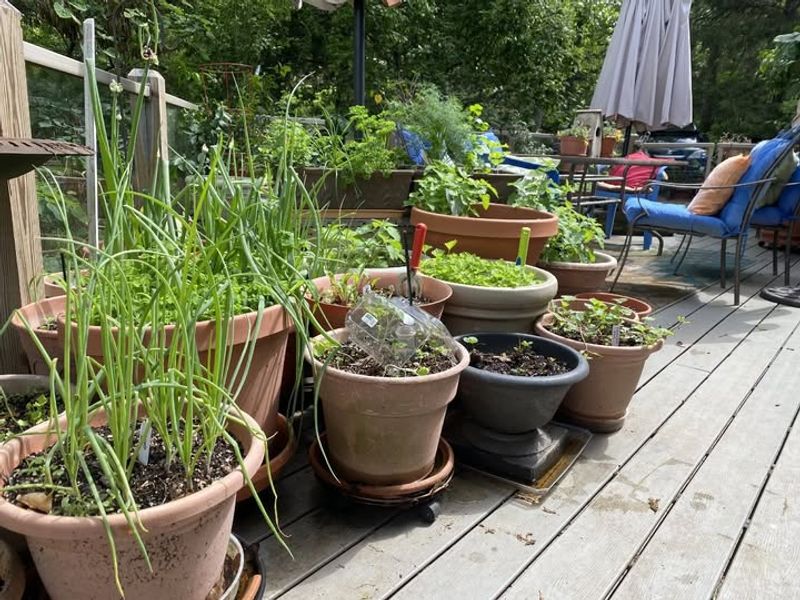
Containers offer flexibility that traditional garden beds simply cannot match when you live in a small urban home anywhere in Illinois.
Moving pots around lets you chase sunlight, protect tender plants from harsh weather, or redesign your space whenever inspiration strikes you fresh.
Springfield homeowners love container gardening because it requires no permanent commitment and works perfectly for renters who might relocate in the future.
Selecting the right container size matters tremendously since roots need adequate space to spread and access nutrients for healthy plant growth overall.
Drainage holes prevent waterlogged soil that leads to root rot, so always ensure your pots allow excess water to escape freely underneath.
Tomatoes, peppers, and cucumbers grow remarkably well in large containers when provided with proper support structures and consistent care throughout summer.
Mixing different container sizes and materials creates visual interest while maximizing the number of plants you can fit into limited patio space.
Ceramic, plastic, and fabric pots each offer unique benefits, so experiment to discover which types work best for your specific gardening goals.
3. Window Box Gardens
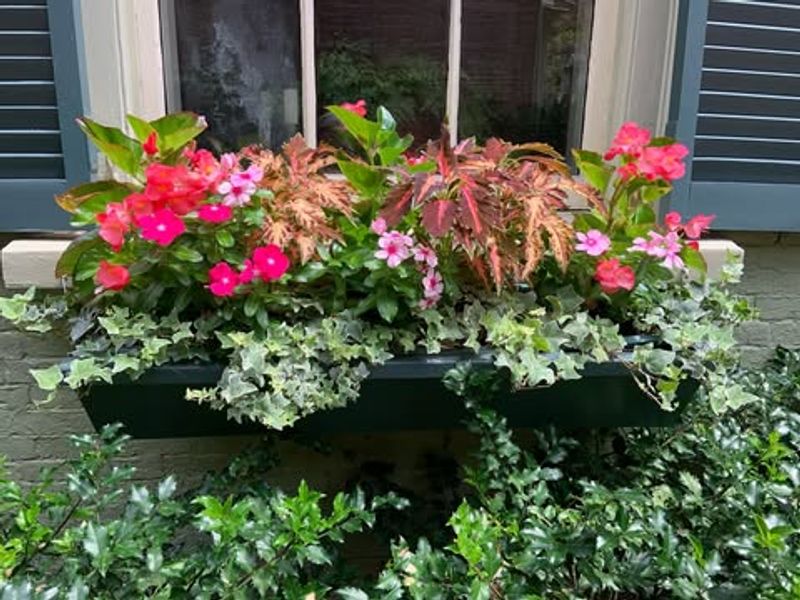
Windows become productive garden spaces when you install boxes that overflow with colorful blooms and edible plants throughout the growing season.
Attaching planters directly beneath windows adds curb appeal while keeping your favorite herbs and flowers within easy reach from inside your home.
Residents across Rockford have discovered that window boxes transform plain exterior walls into eye-catching displays that neighbors admire and compliment regularly.
Your Illinois Garden Changes Every Week. Your Plan Should Too.
Gardening in Illinois changes quickly throughout the season. Every Friday you’ll receive a simple weekly plan showing exactly what to plant, prune, fertilize, harvest, and protect so you never miss the right timing.
Proper installation ensures boxes stay securely fastened even when filled with wet soil and mature plants that gain considerable weight over time.
Brackets designed specifically for window boxes distribute weight evenly and prevent damage to siding or window frames during Illinois wind and storms.
Petunias, geraniums, and marigolds create stunning color combinations that bloom continuously when deadheaded regularly and fed with appropriate fertilizer applications.
Combining flowers with culinary herbs like parsley, chives, and mint gives you beauty and functionality in one compact growing space today.
Morning sun exposure works best for most window box plants, though shade-loving varieties thrive on north-facing windows where direct sunlight rarely reaches.
4. Raised Bed Micro Gardens
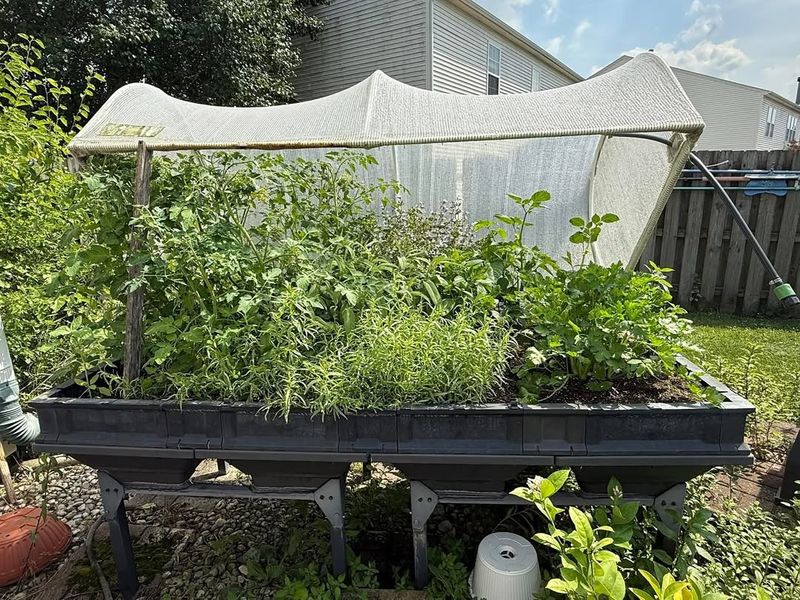
Building upward in small raised beds lets you maximize every square inch of available yard space in cramped urban lots throughout Illinois.
Raised structures improve drainage, warm up faster in spring, and make gardening easier on your back and knees during planting and harvesting.
Peoria gardeners swear by compact raised beds because they concentrate soil amendments exactly where plants need them most without wasting resources unnecessarily.
Constructing beds from untreated wood, composite materials, or galvanized metal ensures durability while keeping harmful chemicals away from your edible crops safely.
Square foot gardening techniques work brilliantly in raised beds by dividing space into grids that accommodate specific numbers of each plant variety.
Carrots, radishes, and beets grow beautifully in the loose, well-draining soil that raised beds provide when properly filled with quality compost.
Even a single four-by-four-foot raised bed produces surprising amounts of fresh vegetables when planted intensively and succession-planted throughout the Illinois season.
Adding trellises to raised bed sides creates vertical growing space for beans, peas, and cucumbers that would otherwise sprawl across valuable ground.
5. Hanging Basket Collections
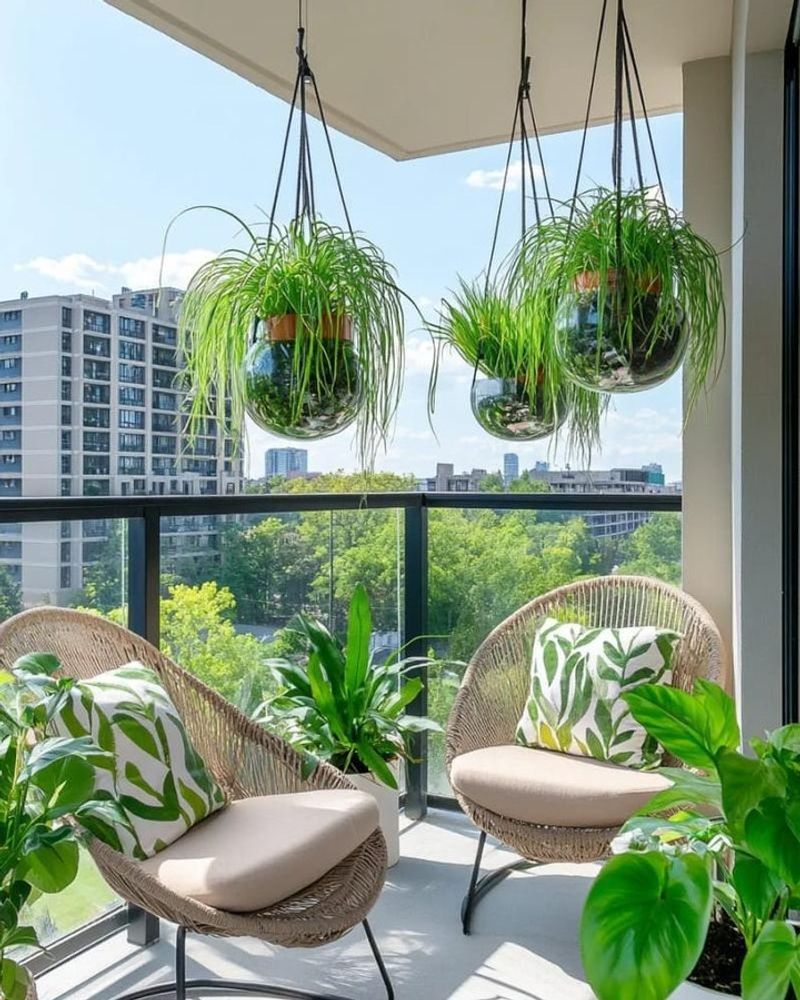
Overhead space often goes completely unused in small urban gardens, yet it offers tremendous potential for growing beautiful and productive plants.
Hanging baskets bring greenery to eye level and above, creating layers of interest that make tiny spaces feel lush and abundant.
Aurora homeowners hang baskets from porch ceilings, shepherd hooks, and wall brackets to multiply their growing area without sacrificing precious floor space.
Choosing self-watering baskets or installing drip irrigation systems reduces maintenance time and prevents baskets from drying out during hot Illinois summers.
Trailing varieties like petunias, lobelia, and sweet potato vine cascade gracefully over basket edges and create stunning visual displays that change throughout seasons.
Cherry tomatoes and strawberries also thrive in hanging baskets when positioned where they receive at least six hours of direct sunlight daily.
Rotating baskets periodically ensures all sides receive equal light exposure and plants develop evenly without becoming lopsided or leggy over time.
Fertilizing hanging baskets more frequently than ground plants becomes necessary since frequent watering washes nutrients from soil faster than traditional beds.
6. Herb Spiral Designs
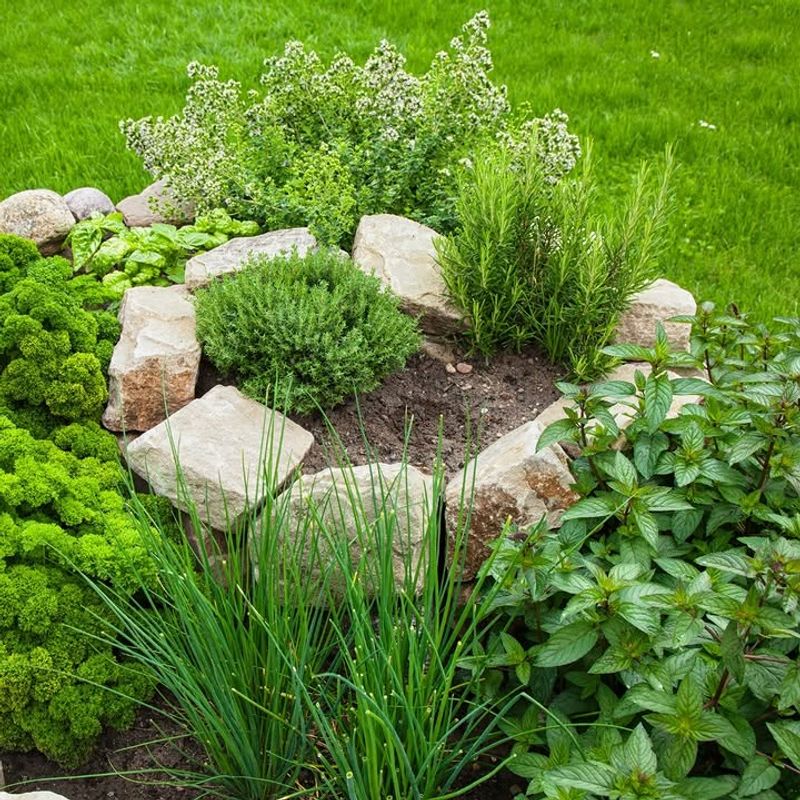
Spiraling upward creates multiple microclimates within a single compact structure that accommodates herbs with different moisture and sunlight preferences perfectly.
Building an herb spiral from stacked stones or bricks takes just a few hours but provides years of productive growing space.
Naperville gardeners appreciate how spirals fit into corners or along fences where traditional rectangular beds would feel cramped or awkward looking.
Mediterranean herbs like rosemary, thyme, and oregano thrive at the sunny, well-drained top of the spiral where water drains quickly.
Moisture-loving herbs such as mint, parsley, and cilantro flourish near the base where soil stays damper and receives partial shade relief.
Creating zones within your spiral lets you grow a diverse herb collection without needing separate beds scattered throughout your limited Illinois yard.
Spirals add architectural interest that transforms functional gardens into artistic focal points that guests notice and ask about during outdoor gatherings regularly.
Harvesting becomes simple since everything grows within easy reach, and you can quickly snip fresh herbs while cooking dinner on busy weeknights.
7. Balcony Rail Planters
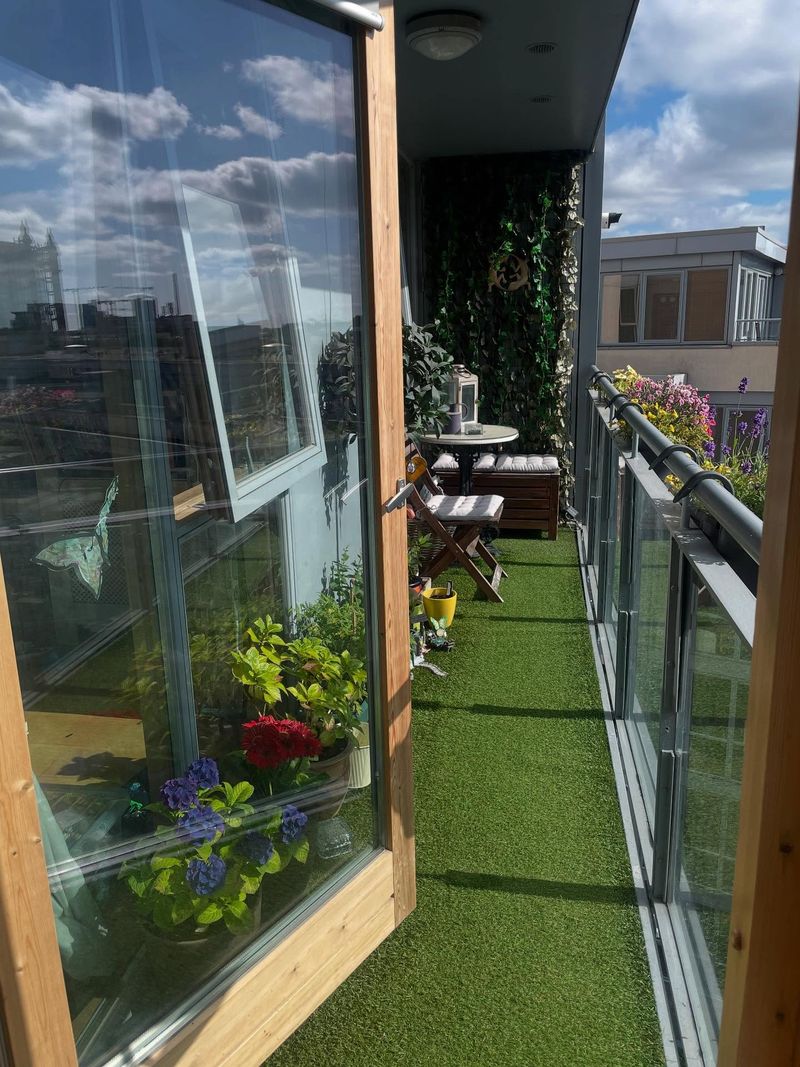
Railings provide ready-made mounting points for planters that expand your growing area without cluttering already limited balcony floor space whatsoever.
Special brackets designed for rails hold containers securely while allowing you to adjust placement based on sunlight patterns and plant needs.
Champaign apartment residents rely on rail planters to create privacy screens and add natural beauty to otherwise stark concrete balconies throughout the year.
Ensuring planters attach firmly prevents accidents caused by strong Illinois winds that can dislodge poorly secured containers and create dangerous situations below.
Adjustable designs accommodate various rail widths and shapes, making them versatile enough for almost any balcony configuration you might encounter today.
Compact flowers like pansies, violas, and alyssum create cheerful displays that bloom prolifically without requiring excessive space or complicated maintenance routines.
Lettuce, spinach, and other salad greens also grow beautifully in rail planters when positioned where they receive morning sun and afternoon shade.
Regular watering becomes crucial since rail planters dry out quickly due to increased air circulation and exposure to wind on elevated balconies.
8. Compact Greenhouse Structures
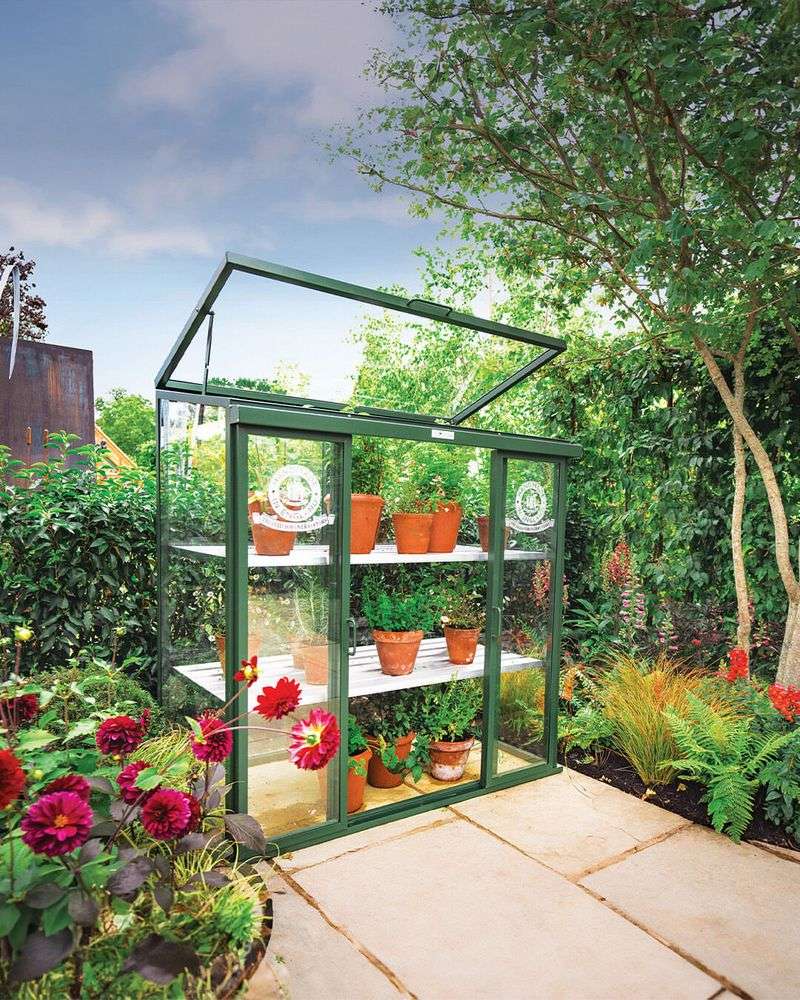
Extending your growing season becomes possible even in tiny yards when you invest in a compact greenhouse or cold frame structure.
Mini greenhouses protect tender seedlings from late spring frosts and allow you to start seeds weeks earlier than outdoor planting dates.
Decatur gardeners use small greenhouse structures to keep herbs alive through winter and enjoy fresh basil even when snow covers Illinois landscapes.
Portable designs let you move greenhouses to follow sunlight or store them away during months when you do not need extra protection.
Polycarbonate panels provide excellent insulation while remaining lightweight and virtually unbreakable, unlike traditional glass that shatters easily and poses safety risks.
Ventilation becomes essential on sunny days when temperatures inside small greenhouses rise rapidly and can damage or stress plants within minutes.
Cold frames offer similar benefits as greenhouses but cost less and require minimal space along south-facing walls or in protected corners.
Starting tomatoes, peppers, and eggplants indoors under protection gives you stronger transplants and earlier harvests compared to direct-sown outdoor plants exposed to weather.
9. Edible Landscaping Techniques
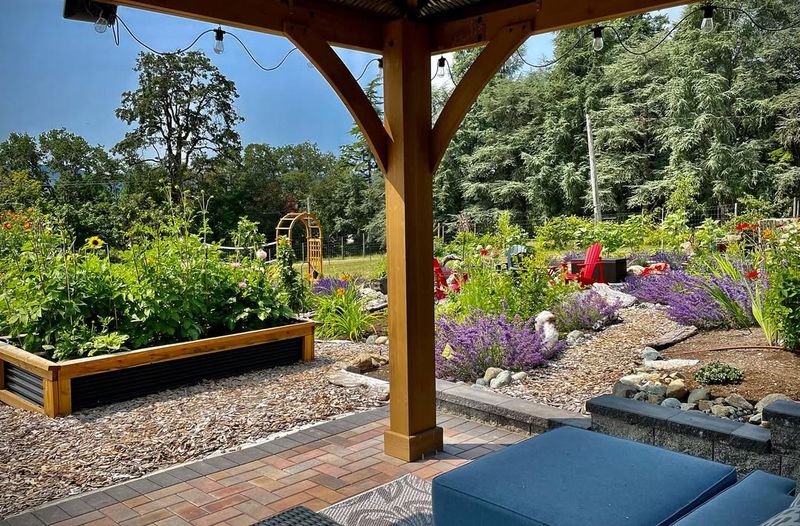
Blending food plants with ornamental landscaping creates beautiful yards that feed your family while maintaining attractive curb appeal throughout the season.
Blueberry bushes produce gorgeous spring flowers, lush summer foliage, and brilliant fall colors alongside delicious fruit that tastes amazing fresh or baked.
Joliet homeowners plant edibles in front yards where traditional landscaping once stood, creating conversations with neighbors and inspiring community-wide gardening movements.
Ornamental kale and chard varieties add vibrant colors to flower beds while providing nutritious greens for salads and cooking during cool months.
Dwarf fruit trees fit perfectly into small Illinois yards and produce full-sized fruit without the massive canopy that standard trees develop.
Mixing edibles among flowers confuses pests naturally and creates polyculture systems that support beneficial insects and healthier plants overall without chemical interventions.
Strawberries make excellent ground covers that suppress weeds, produce runners, and yield sweet berries while looking attractive along walkways and borders.
Planning edible landscapes carefully ensures you maintain visual appeal while maximizing food production from every square foot of your limited urban property.