Georgia Homeowners Find Out The Difference Between Pruning Shears And Hand Pruners
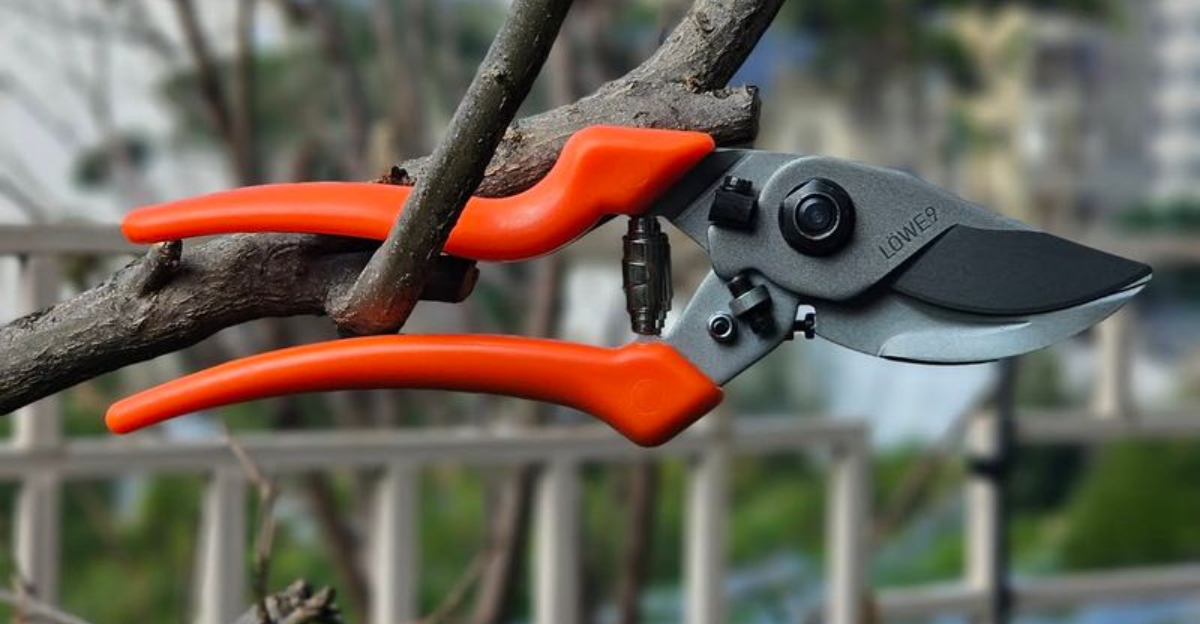
In Georgia yards, pruning tools often sit in the shed like forgotten friends—until it’s time to tame unruly growth or shape a favorite shrub.
At first glance, pruning shears and hand pruners might look interchangeable, but they’re actually built for different jobs.
One delivers precision and control on small stems, while the other handles tougher cuts without crushing tissue.
Using the wrong tool feels like trying to drive a nail with a screwdriver—slow, frustrating, and often leaving a mess behind.
In Georgia’s long growing season, knowing which tool suits which task makes maintenance faster, cleaner, and healthier for plants.
Sharp, well‑matched tools help wounds heal faster, reduce stress on stems, and keep landscapes looking intentional instead of ragged.
1. Hand Pruners Fit Comfortably In One Hand
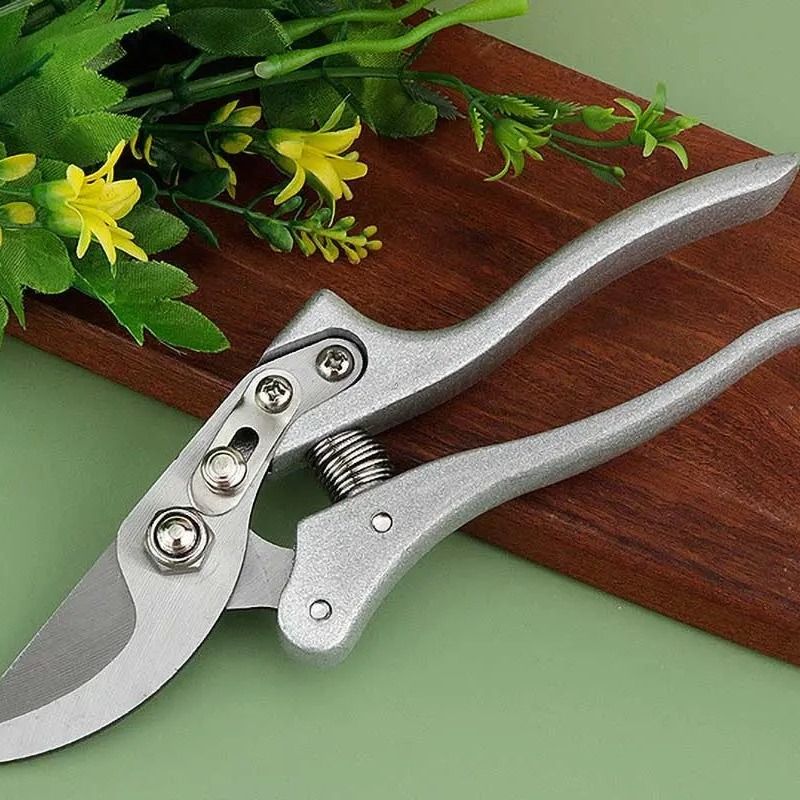
Most gardeners discover that hand pruners work just like scissors you can hold in your palm.
The design allows you to operate them with a simple squeezing motion using just your thumb and fingers.
This compact size makes them perfect for detailed work around delicate flowers and small branches.
Georgia homeowners love how easy these tools slip into a pocket or tool belt while moving around the yard.
You can quickly grab them when you spot a branch that needs attention without carrying heavy equipment.
The lightweight nature means your hand stays comfortable even after trimming dozens of plants.
Many models feature cushioned grips that prevent blisters during extended use.
This portability makes hand pruners ideal for everyday maintenance tasks around your property.
You can trim roses, cut back perennials, and shape small shrubs without switching tools.
The one-handed operation leaves your other hand free to hold branches or steady plants while you work.
For homeowners who enjoy spending hours in their gardens, this convenience factor becomes incredibly valuable.
The compact design also means they store easily in small spaces without taking up much room in your shed or garage.
2. Pruning Shears Require Two Hands For Operation

Picture a pair of giant scissors with handles that extend well beyond your reach.
Pruning shears, sometimes called loppers, demand both hands to operate effectively because of their extended handles.
The long design creates leverage that helps you cut through thicker branches without exhausting yourself.
Georgia homeowners with mature trees and established landscapes find these tools absolutely essential.
The two-handed grip distributes the cutting force across your arms and shoulders rather than just your fingers.
This mechanical advantage means you can slice through branches up to two inches thick with reasonable effort.
The extended handles keep you at a safe distance from thorny bushes and allow you to reach higher branches without a ladder.
Many people appreciate how the design protects their face and body from scratches while working in dense vegetation.
The cutting power comes from the length of the handles rather than just your hand strength.
This makes pruning shears perfect for clearing overgrown areas or maintaining larger shrubs.
Your Georgia garden benefits from having both tools available since different plants require different approaches to proper care and maintenance.
Your Georgia Garden Changes Every Week. Your Plan Should Too.
Gardening in Georgia changes quickly throughout the season. Every Friday you’ll receive a simple weekly plan showing exactly what to plant, prune, fertilize, harvest, and protect so you never miss the right timing.
3. Blade Styles Affect Cutting Performance
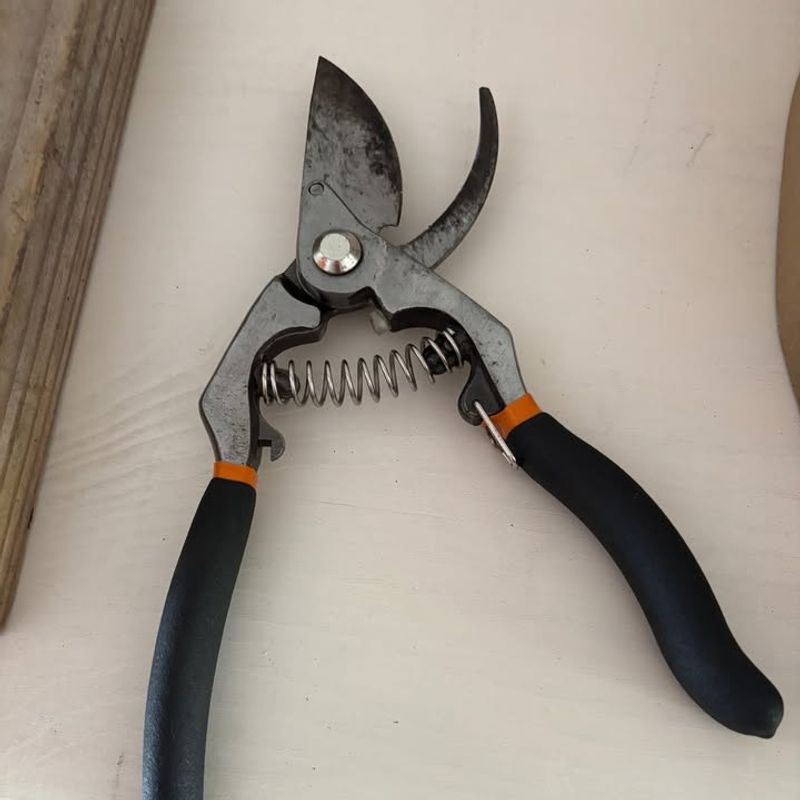
Both hand pruners and pruning shears come in two main blade configurations that work very differently.
Bypass blades slide past each other like scissors, creating a clean cut that heals quickly on living plants.
Anvil blades use a single sharp edge that presses down onto a flat surface, crushing the branch as it cuts.
Georgia gardeners quickly learn that bypass styles work better for green, living wood because they create minimal damage to plant tissue.
The clean cut from bypass blades helps prevent disease from entering through rough, torn edges.
Anvil designs excel at cutting through older, harder wood that might be too tough for bypass blades.
Some homeowners keep both styles in their tool collection for different situations around their property.
Bypass pruners need sharper blades and require more frequent maintenance to stay effective.
Anvil styles stay functional longer but can crush softer stems if you apply too much pressure.
Understanding which blade type you have helps you choose the right tool for each job.
Your roses and flowering shrubs deserve the precision of bypass blades, while clearing brush might work fine with anvil types.
4. Handle Length Determines Reach And Power
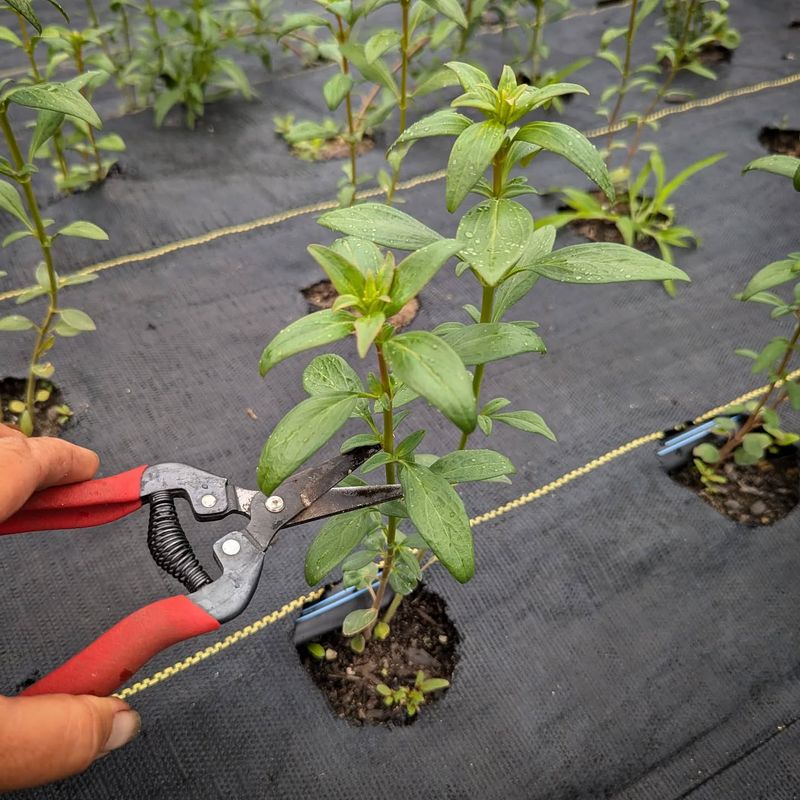
The distance from blade to handle grip makes a huge difference in how these tools function.
Hand pruners typically measure six to eight inches total, keeping everything compact and manageable.
Pruning shears stretch anywhere from fifteen to thirty-six inches, giving you extended reach and cutting force.
Georgia homeowners with tall crepe myrtles and oak trees appreciate the extra length when trimming high branches.
Longer handles create leverage that multiplies your strength, making tough cuts feel easier.
This physics principle means you can accomplish more work without wearing out your muscles.
Short handles on hand pruners provide better control for detailed work where precision matters more than power.
You can maneuver around tight spaces and make exact cuts without accidentally damaging nearby stems.
The trade-off comes down to what you need most for each particular task in your yard.
Some experienced gardeners own multiple sizes of pruning shears for different situations.
Shorter loppers work well for medium branches while longer versions tackle the really thick stuff.
Thinking about your typical yard work helps you decide which handle lengths make sense for your Georgia property.
5. Branch Diameter Capacity Varies Significantly
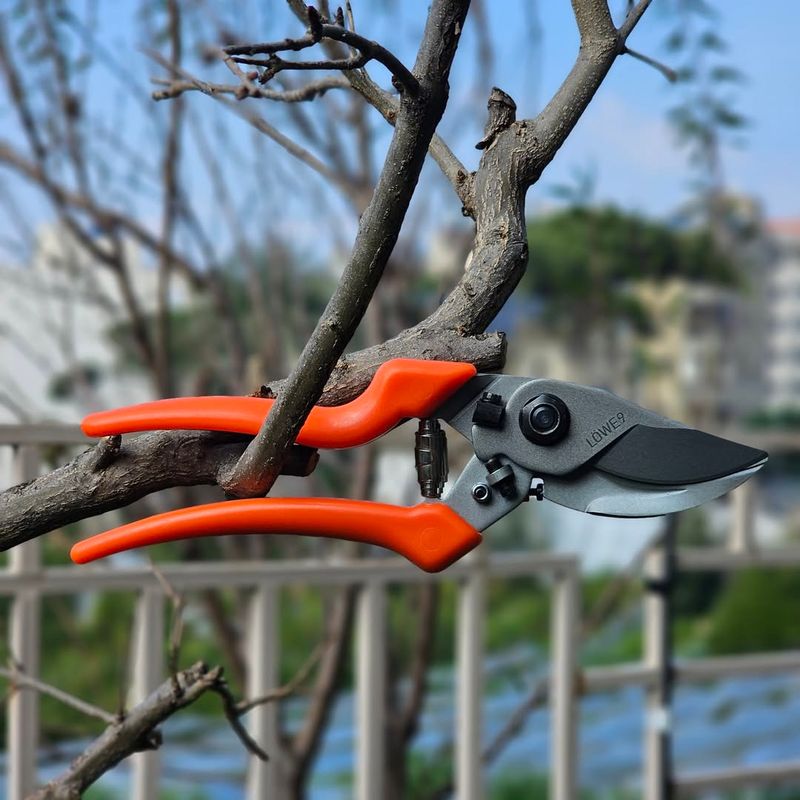
Every cutting tool has limits on how thick a branch it can handle before the job becomes impossible.
Hand pruners typically max out at branches around half an inch to three-quarters of an inch in diameter.
Forcing them to cut thicker branches damages the blade and can even break the tool completely.
Pruning shears handle much larger branches, usually up to two inches depending on the model and your strength.
Georgia homeowners learn through experience which tool matches each branch size in their landscape.
Using the wrong tool frustrates you and often results in ragged cuts that harm your plants.
A good rule involves comparing the branch thickness to your finger size before choosing your tool.
Anything thinner than your pinky finger works fine with hand pruners for quick, easy cuts.
Branches closer to thumb thickness or larger call for the extra power of pruning shears.
Really thick branches beyond two inches need a pruning saw instead of either type of pruner.
Respecting these capacity limits keeps your tools working properly for many years.
Your Georgia garden stays healthier when you make appropriate cuts with properly matched equipment.
6. Price Points Reflect Design Complexity
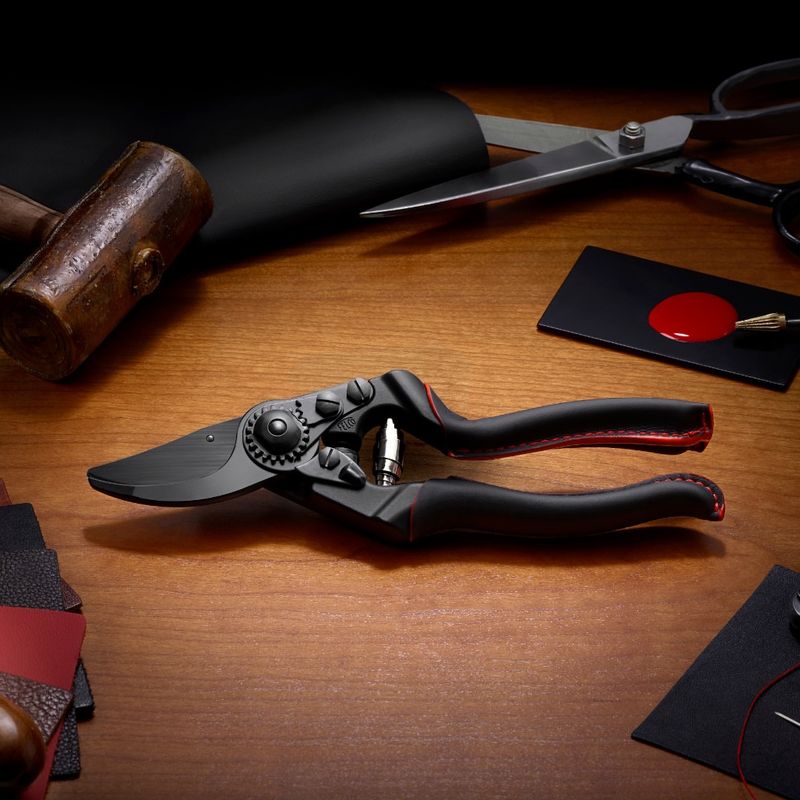
Walking into any Georgia garden center reveals a wide range of prices for cutting tools.
Basic hand pruners start around ten to fifteen dollars for simple models that work fine for occasional use.
Professional-grade hand pruners with ergonomic designs and premium materials can cost fifty dollars or more.
Pruning shears generally cost more because they use additional materials and more complex construction.
Budget loppers begin around twenty dollars while high-end models reach seventy-five dollars or higher.
The price difference reflects factors like blade quality, handle materials, and overall durability.
Homeowners who garden frequently find that investing in better tools pays off through years of reliable service.
Cheap tools often feel uncomfortable, require more effort to use, and break after minimal use.
Mid-range options usually offer the best balance between affordability and quality for most Georgia gardeners.
Features like replaceable blades, cushioned grips, and adjustable handles add to the cost but improve your experience.
Consider how often you garden and how much physical work your landscape requires before deciding on a budget.
Quality tools make yard work more enjoyable and help you maintain your property more effectively.
7. Maintenance Requirements Differ Between Tool Types

Both hand pruners and pruning shears need regular care to stay sharp and functional.
Hand pruners require cleaning after each use to remove sap and plant material that can gum up the mechanism.
The small size makes them easy to wipe down and oil in just a few minutes.
Pruning shears demand similar attention but take longer because of their larger size and more complex pivot points.
Georgia homeowners should sharpen blades at least once per season or whenever cuts start looking ragged.
Dull blades crush stems instead of slicing cleanly, which stresses plants and invites disease.
A simple sharpening stone or file keeps edges in good condition without professional help.
Oiling the moving parts prevents rust and keeps the action smooth, especially in humid Georgia weather.
Some tools feature replaceable blades that you can swap out instead of sharpening the originals.
Storing your tools in a dry place protects them from moisture damage between uses.
Taking a few minutes for basic maintenance extends tool life dramatically and improves cutting performance.
Well-maintained equipment makes every gardening session more productive and less physically demanding.
8. Specific Tasks Call For Specific Tools
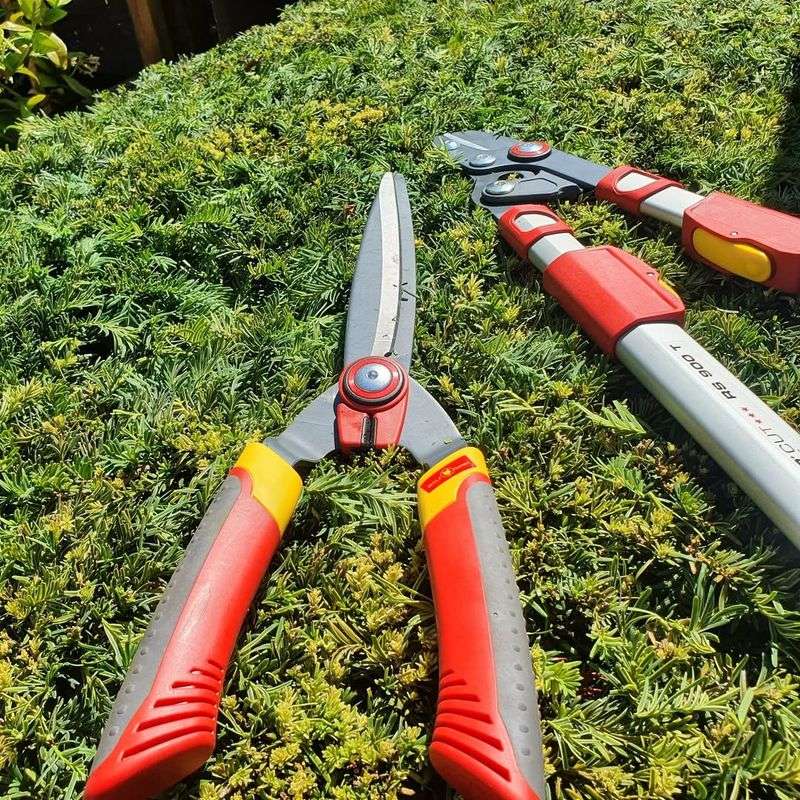
Experienced Georgia gardeners match their tool choice to the job rather than trying to use one tool for everything.
Hand pruners excel at deadheading flowers, harvesting vegetables, and shaping small ornamental plants.
Their precision and control make them perfect for tasks where you need to avoid damaging surrounding growth.
Pruning shears tackle jobs like cutting back overgrown hedges, removing thick branches, and clearing brush.
The extra power handles tough cuts that would strain or break smaller hand pruners.
Trying to use hand pruners on thick branches wastes time and energy while producing poor results.
Similarly, pruning shears feel awkward and imprecise for delicate work among flowers and vegetables.
Smart homeowners keep both tools accessible so they can grab the right one for each situation.
Your azaleas need the gentle touch of hand pruners while your crape myrtles benefit from the muscle of loppers.
Seasonal tasks also influence which tool you reach for most often throughout the year.
Spring flowering shrub maintenance relies heavily on hand pruners for careful shaping.
Fall cleanup of woody growth and storm damage calls for the heavy-duty cutting power of pruning shears.