11 Shrubs That Grow More Beautiful Blooms When Pruned In Winter In Georgia
In Georgia gardens, winter doesn’t mean hibernation—certain shrubs use this quiet season to gear up for a spectacular spring and summer show.
Cutting back at the right time can feel like flipping a switch: sparse branches become lush, air circulates through the framework, and energy shifts toward sending out bigger, brighter blooms.
Pick the wrong moment or tool, and growth can falter instead of flourish.
But when winter pruning aligns with plant biology, the payoff shows up in flowers that rival garden dreams.
From classic favorites to colorful natives, the right shrubs respond to winter cuts by blooming with extra vigor once warmer days arrive.
1. Crape Myrtle
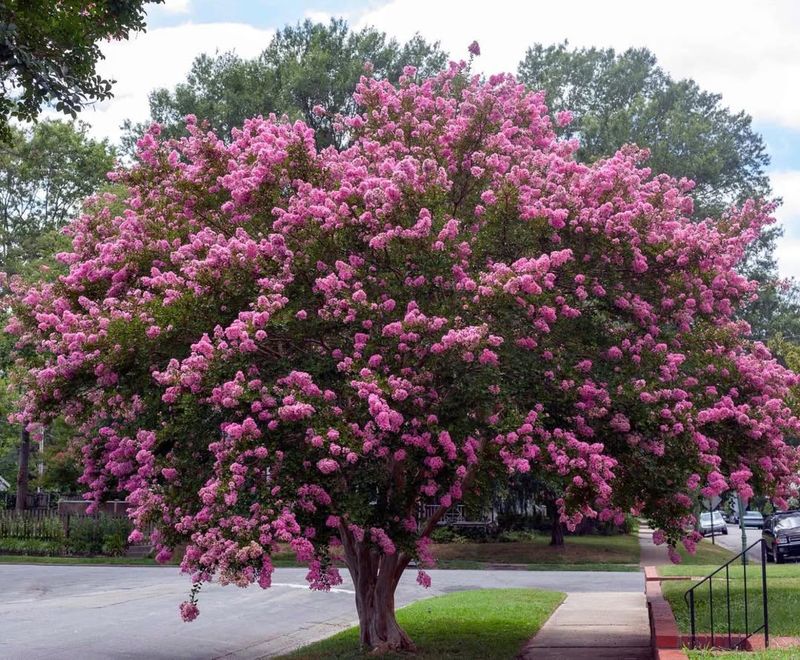
Few shrubs capture the heart of Southern gardening quite like crape myrtle, with its papery blooms cascading in shades of pink, purple, red, and white.
Winter pruning encourages this beloved plant to develop stronger branches that support heavier flower clusters come summer.
Trimming back the previous season’s growth during dormancy redirects energy toward root development and new bud formation.
Georgia gardeners should wait until late February or early March, after the coldest weather passes but before new growth emerges.
Focus on removing thin, crossing branches and any stems smaller than a pencil in diameter.
This selective approach prevents the notorious “crape murder” technique that leaves ugly stubs and weakens the plant.
Proper winter cuts result in a balanced canopy that produces abundant blooms throughout the hot months.
The shrub rewards careful attention with vibrant color displays that last from June through September.
Bark texture also improves with age, adding winter interest even when flowers fade.
Remember to sterilize your pruning shears between cuts to prevent disease spread.
Crape myrtles pruned correctly become more resistant to powdery mildew and other common issues.
2. Butterfly Bush
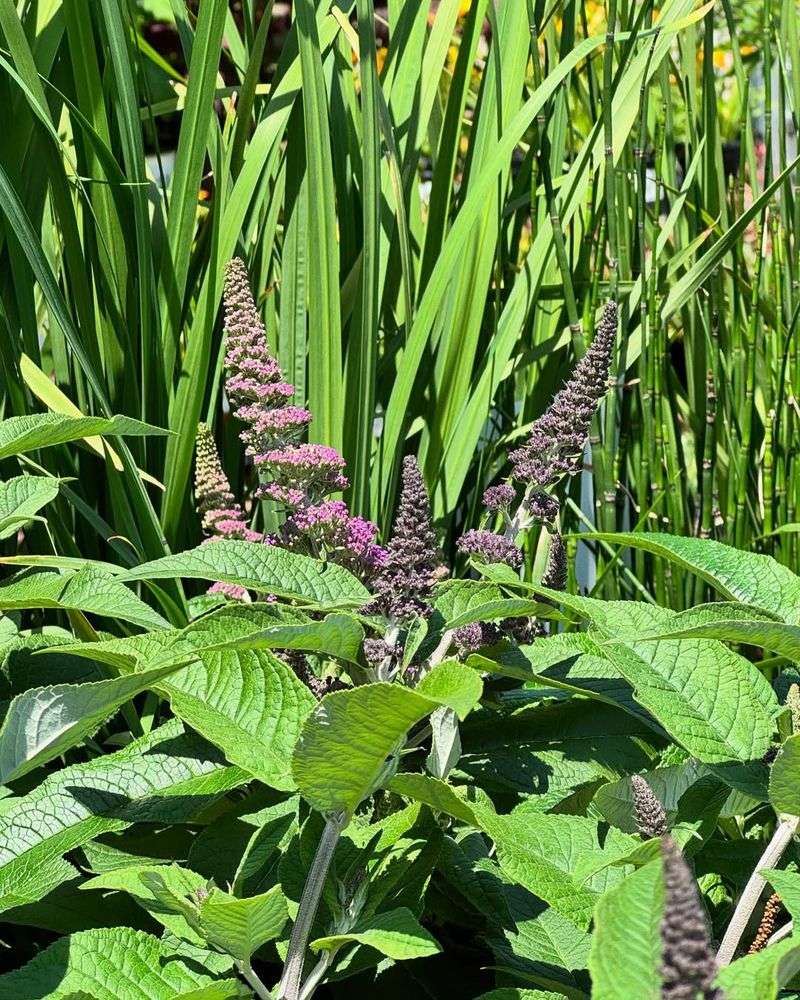
Pollinators flock to butterfly bush like nowhere else, drawn by fragrant flower spikes that smell like honey and vanilla combined.
Winter pruning transforms this fast-growing shrub from a lanky mess into a compact powerhouse of blooms.
Cutting stems back to about twelve inches above ground level during January or February stimulates vigorous spring growth
This aggressive trimming might seem harsh, but butterfly bush blooms exclusively on new wood, making old stems useless for flower production.
Georgia’s mild winters allow the plant to survive even severe pruning without protection.
Fresh shoots emerge quickly once temperatures warm, reaching four to six feet by early summer.
Each new branch tip produces cone-shaped flower clusters that attract monarchs, swallowtails, and hummingbirds throughout the season.
Unpruned butterfly bushes become woody and produce fewer, smaller blooms on weak stems.
Regular winter cutting keeps the plant youthful and productive for many years.
Dispose of trimmings carefully, as butterfly bush can spread aggressively in some areas.
The reward for this annual chore comes in waves of purple, pink, or white flowers that brighten any landscape.
3. Rose of Sharon
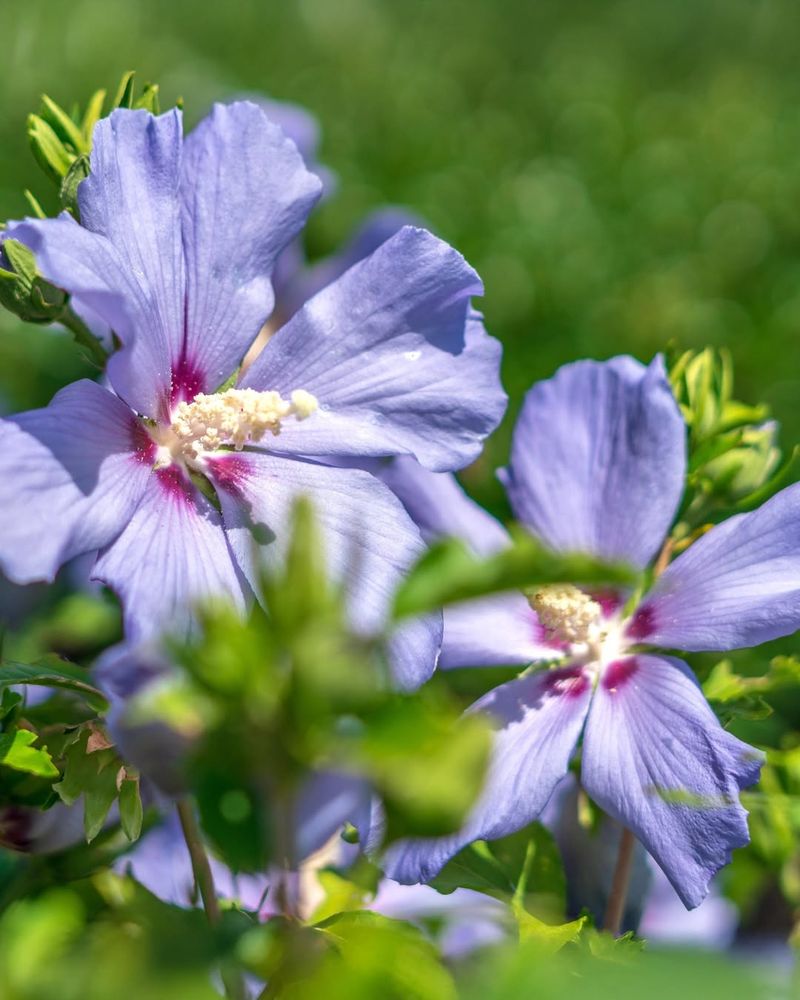
Tropical-looking blooms appear surprisingly late in summer on Rose of Sharon, filling a gap when many other shrubs have finished flowering.
This hardy hibiscus relative benefits tremendously from winter pruning that shapes its naturally upright form.
Your Georgia Garden Changes Every Week. Your Plan Should Too.
Gardening in Georgia changes quickly throughout the season. Every Friday you’ll receive a simple weekly plan showing exactly what to plant, prune, fertilize, harvest, and protect so you never miss the right timing.
Removing about one-third of the oldest stems each winter prevents overcrowding and improves air circulation through the canopy.
Georgia gardeners should prune in late winter, cutting selected branches back to ground level or to a strong outward-facing bud.
This renewal pruning encourages the shrub to produce fresh growth loaded with flower buds.
Rose of Sharon blooms on current-season wood, so winter cuts never sacrifice flowers.
The plant responds by developing sturdier branches that support larger, more vibrant blooms from July through September.
Unpruned specimens become dense and twiggy, with flowers hidden inside the foliage where nobody can appreciate them.
Selective winter trimming opens up the structure, allowing light to penetrate and flowers to display prominently.
This shrub tolerates Georgia’s summer heat exceptionally well when properly maintained.
Regular pruning also reduces the abundance of seedpods that can create volunteer plants throughout your garden.
4. Oakleaf Hydrangea
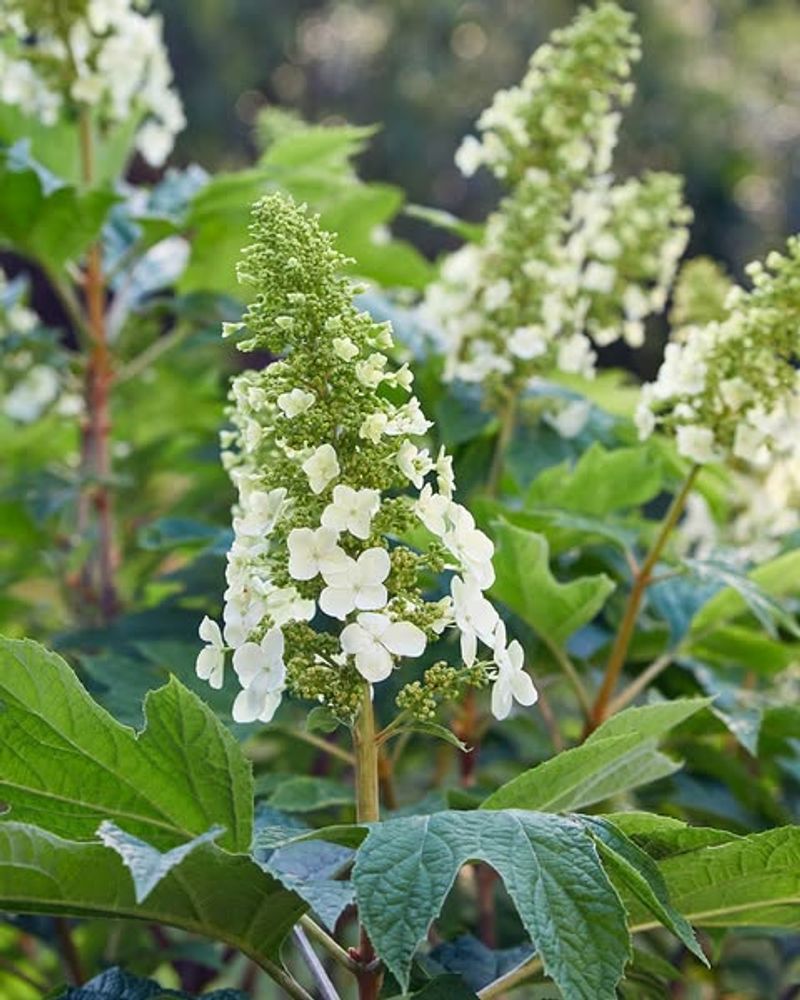
Native to the southeastern United States, oakleaf hydrangea brings four-season interest with its distinctive foliage, peeling bark, and dramatic flower cones.
Winter pruning should focus on removing damaged or crossing branches rather than aggressive shaping.
This shrub blooms on old wood, so timing becomes critical for Georgia gardeners who want maximum flower production.
The best approach involves light maintenance pruning in late winter, after the coldest weather passes but before buds swell.
Remove only branches that suffered winter damage or those rubbing against each other.
Thinning out the oldest canes at ground level every few years rejuvenates the plant without sacrificing blooms.
Oakleaf hydrangea responds to careful winter attention by producing larger flower panicles that age from white to pink to bronze.
The shrub naturally develops an attractive vase shape that requires minimal intervention.
Overpruning forces the plant to spend energy on vegetative growth instead of flower bud development.
Georgia’s climate suits this native perfectly, providing enough winter chill for proper dormancy without excessive cold damage.
Properly maintained specimens reward gardeners with stunning blooms from late spring through early summer, followed by burgundy fall foliage.
5. Forsythia
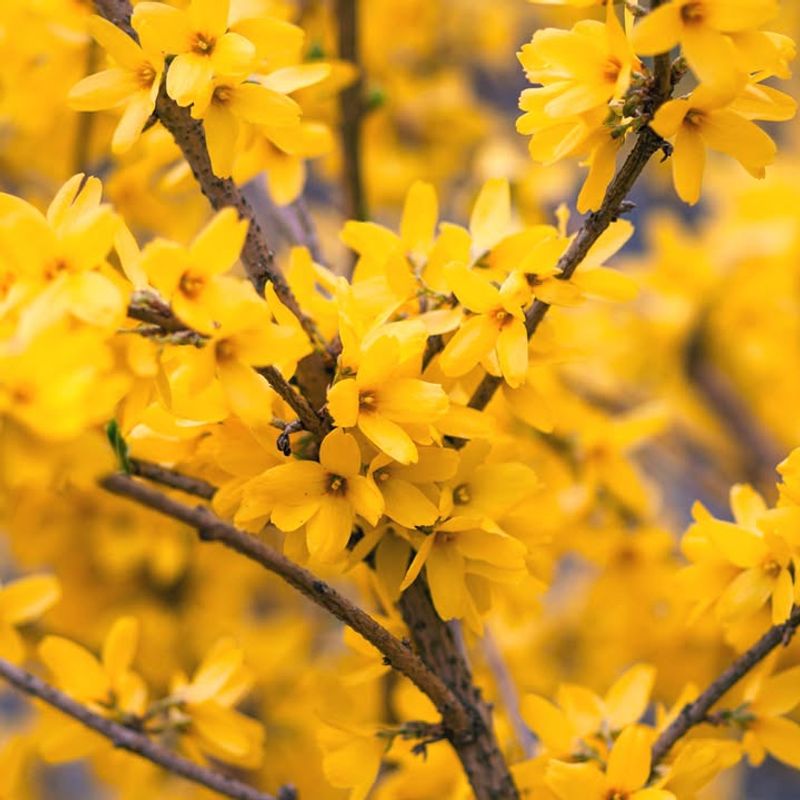
Sunshine yellow flowers burst forth on bare branches each spring, announcing winter’s end with cheerful abandon.
Forsythia blooms on previous year’s growth, making post-bloom pruning the traditional recommendation.
However, Georgia gardeners can perform light structural pruning in late winter if they’re willing to sacrifice some early flowers for better long-term plant health.
Removing the oldest, thickest canes at ground level during dormancy stimulates fresh growth that will bloom abundantly the following year.
This renewal approach prevents forsythia from becoming an overgrown tangle of unproductive wood.
The shrub grows vigorously in Georgia’s climate, often producing long, arching branches that root where they touch soil.
Winter pruning controls this enthusiastic growth habit while maintaining the plant’s graceful fountain shape.
Cut back about one-quarter of the oldest stems each year to keep the shrub youthful and floriferous.
Forsythia responds to this treatment by developing stronger branches that support heavier flower displays.
Unpruned specimens become dense and woody, with blooms appearing only on the outer edges.
Strategic winter cuts open up the interior, allowing light penetration that encourages blooming throughout the canopy.
6. Weigela
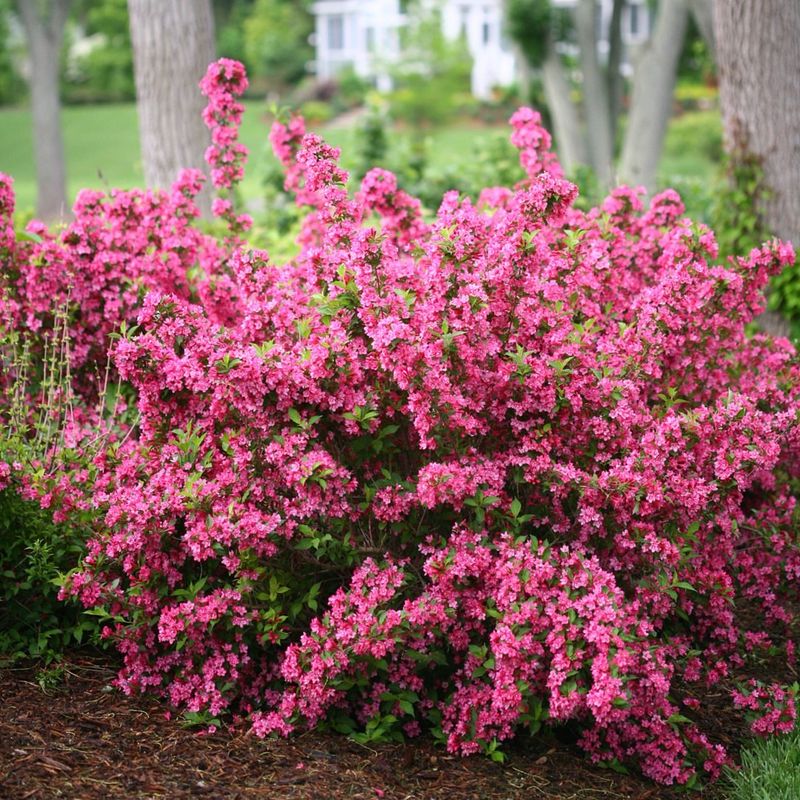
Trumpet-shaped flowers in shades ranging from white to deep red make weigela a hummingbird magnet in late spring.
This old-fashioned shrub blooms primarily on previous year’s wood but benefits from strategic winter pruning for shape and vigor.
Georgia gardeners should remove about one-third of the oldest stems each winter, cutting them back to ground level.
This renewal pruning prevents the shrub from becoming leggy and sparse in the center.
Weigela responds by sending up fresh shoots that will bloom heavily the following year.
The plant naturally develops an arching, fountain-like form that requires minimal shaping.
Winter pruning maintains this graceful habit while encouraging more compact growth.
Cutting back overly long branches to a strong outward-facing bud prevents the shrub from sprawling beyond its intended space.
Unpruned weigela becomes woody and produces fewer flowers over time.
Regular winter maintenance keeps the plant productive and attractive for many years.
Some newer varieties rebloom sporadically throughout summer if deadheaded after the main spring flush.
Proper winter pruning strengthens these repeat bloomers, giving them energy reserves for multiple flowering cycles.
7. Abelia
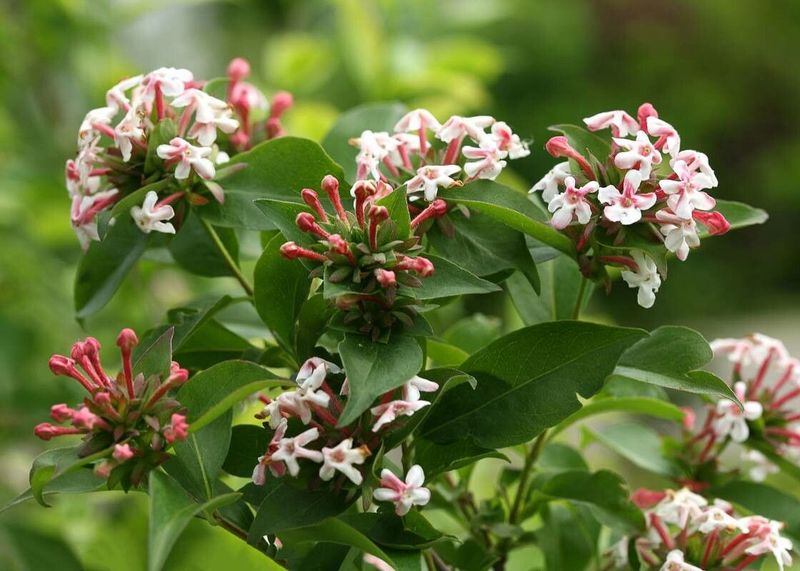
Glossy leaves with bronze undertones provide year-round interest, while delicate tubular flowers perfume the garden from summer through fall.
Abelia blooms on new wood, making winter pruning an excellent strategy for maximizing flower production.
Georgia gardeners can cut this shrub back by one-third to one-half in late winter without sacrificing blooms.
The plant responds vigorously to pruning, producing fresh growth covered in flower buds by early summer.
Removing weak or crossing branches during dormancy improves air circulation and reduces disease pressure.
Abelia’s naturally rounded form requires minimal shaping, but winter cuts keep it compact and tidy.
This semi-evergreen shrub may drop some leaves during cold Georgia winters, making late winter the ideal time to clean up its appearance.
Pruning stimulates new foliage growth that emerges with attractive bronze coloring before maturing to glossy green.
Unpruned specimens become rangy and produce flowers mainly on outer branch tips.
Strategic winter cutting encourages blooming throughout the canopy, creating a fuller display.
The shrub tolerates Georgia’s summer heat exceptionally well when properly maintained.
Regular pruning also enhances the plant’s cold hardiness by promoting vigorous growth before winter arrives.
8. Caryopteris
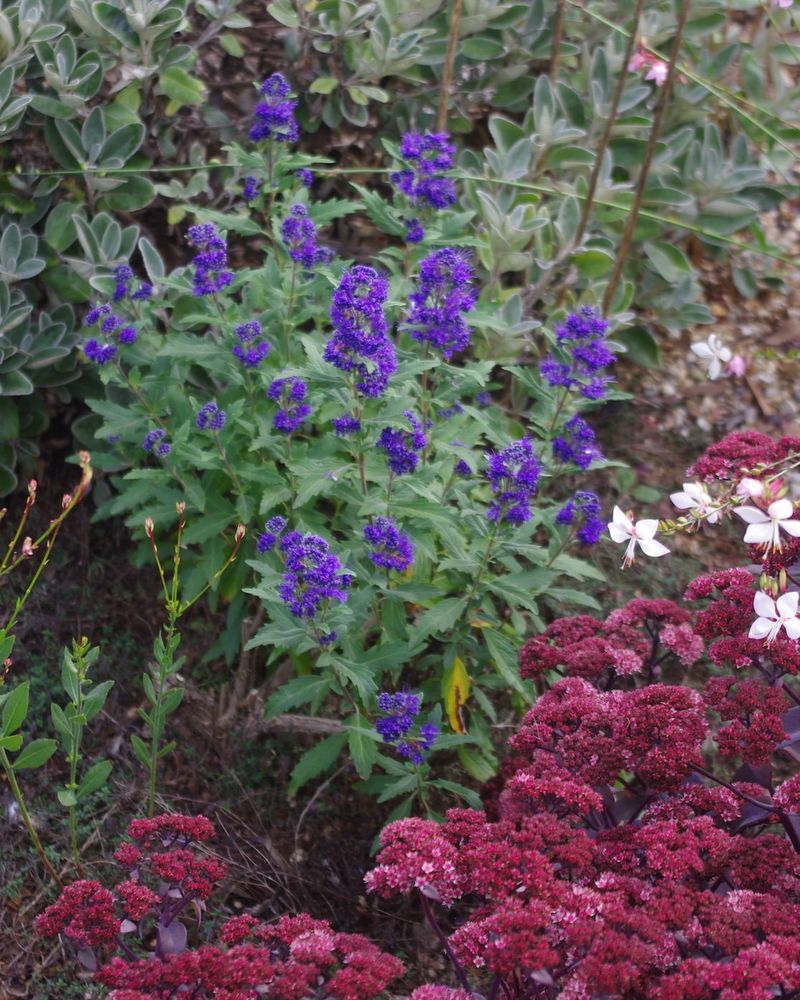
Electric blue flowers appear in late summer when few other shrubs offer such vivid color, earning this plant the common name bluebeard.
Caryopteris blooms exclusively on new wood, making aggressive winter pruning the key to spectacular flower production.
Cut the entire shrub back to six to twelve inches above ground level in late winter.
This severe pruning might look drastic, but the plant responds with vigorous growth that reaches three feet tall by summer.
Every new stem produces clusters of blue flowers that attract bees and butterflies in August and September.
Georgia’s climate suits caryopteris perfectly, providing enough summer heat for strong growth and abundant blooming.
Unpruned plants become woody and sparse, with flowers appearing only on weak branch tips.
Annual winter cutting keeps the shrub compact, productive, and covered in blooms from top to bottom.
The aromatic gray-green foliage releases a pleasant fragrance when brushed or crushed.
Caryopteris tolerates drought and poor soil once established, making it ideal for challenging Georgia landscapes.
Regular winter pruning also improves the plant’s cold hardiness by preventing the accumulation of old, vulnerable wood.
This low-maintenance shrub rewards minimal effort with maximum late-season impact.
9. Vitex
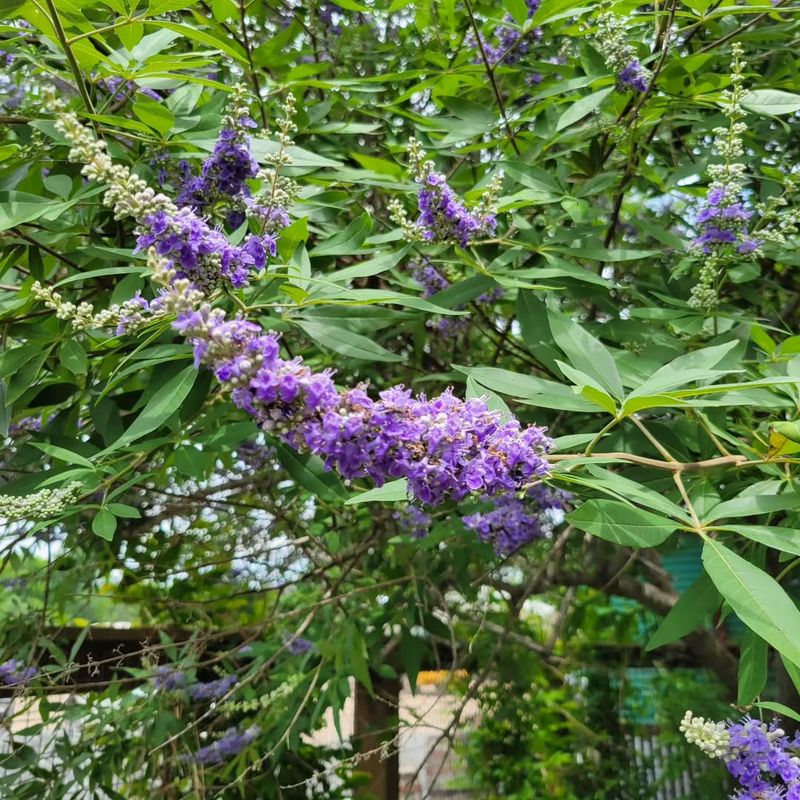
Spires of lavender-blue flowers reach skyward in summer, giving vitex the appearance of a small tree rather than a shrub.
This Mediterranean native blooms on new wood, making winter pruning essential for controlling size and maximizing flowers.
Georgia gardeners can cut vitex back severely in late winter, reducing it to a framework of main branches or even to ground level.
The plant responds with explosive growth, producing multiple stems covered in aromatic palmate leaves.
Each branch tip develops flower spikes that bloom continuously from June through September if deadheaded regularly.
Unpruned vitex quickly grows into a small tree fifteen feet tall, often with weak branches that break in storms.
Annual winter pruning maintains shrub size while promoting stronger stems that support heavy flower clusters.
The plant’s aromatic foliage releases a spicy scent when touched, adding sensory interest beyond the visual blooms.
Vitex tolerates Georgia’s summer heat and humidity exceptionally well, never wilting or showing stress during dry spells.
This drought-tough shrub actually blooms more profusely when grown in lean soil with minimal fertilizer.
Winter pruning redirects energy from vegetative growth into flower production, resulting in more abundant blooms on a compact plant.
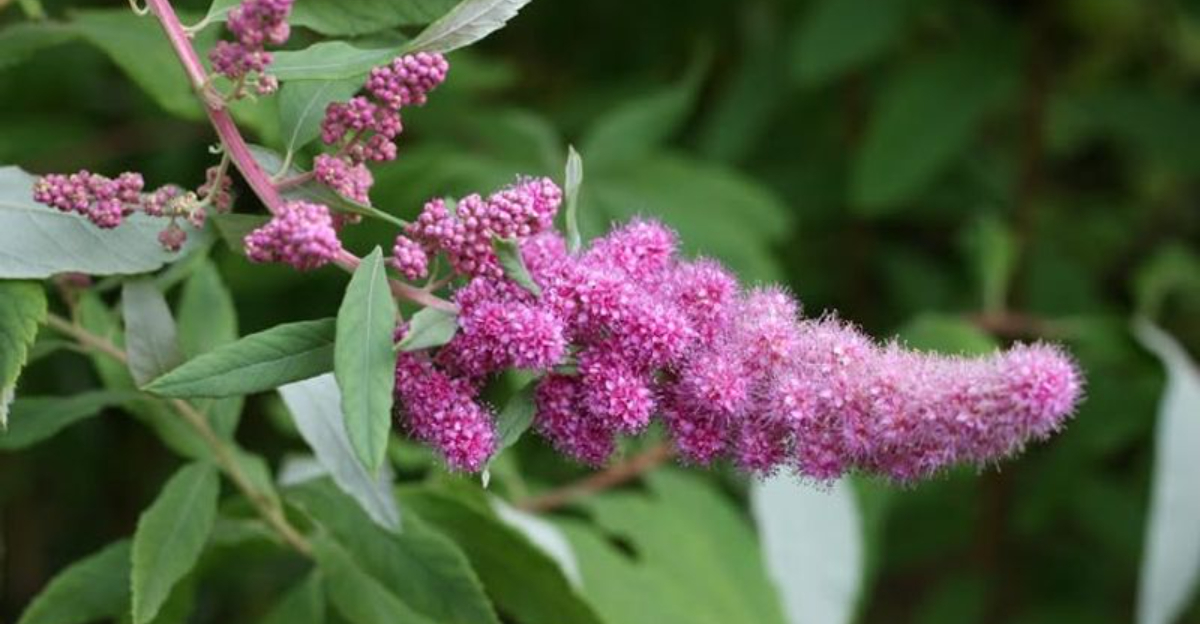
10. Spiraea
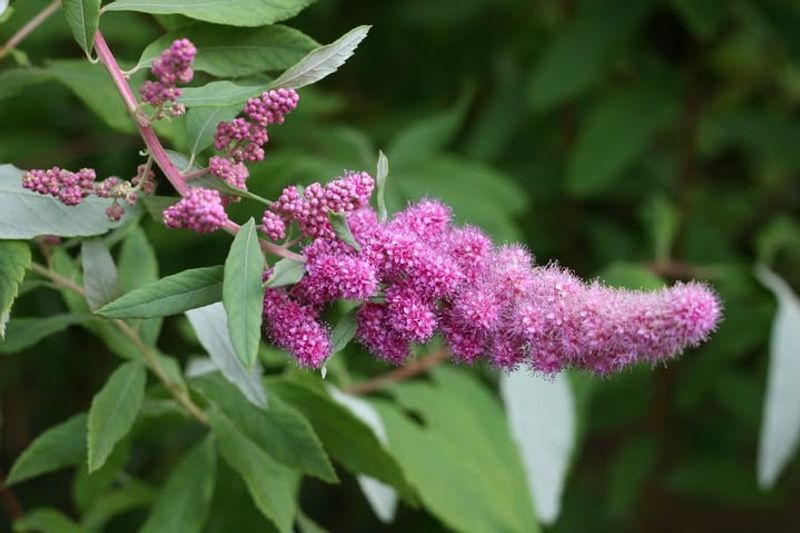
Delicate clusters of pink or white flowers smother spiraea branches in spring, creating clouds of color that brighten any landscape.
Different spiraea varieties bloom on either old or new wood, so knowing your specific type determines the best pruning approach.
Spring-blooming types like bridal wreath should receive only light winter pruning to avoid removing flower buds.
Summer-blooming varieties such as Japanese spiraea bloom on new wood and benefit from aggressive winter cutting.
Georgia gardeners can cut summer bloomers back to six inches above ground in late winter.
This severe pruning produces vigorous new growth covered in flowers from June through August.
Both types respond well to renewal pruning that removes the oldest stems at ground level each winter.
This approach maintains plant vigor while preventing the shrub from becoming overgrown and woody.
Spiraea’s naturally graceful, mounding form requires minimal shaping beyond basic maintenance cuts.
The shrub tolerates a wide range of soil conditions and adapts easily to Georgia’s climate.
Regular winter pruning keeps plants compact and covered in blooms from base to tip.
Unpruned specimens become leggy with flowers appearing only on outer branch ends where they’re difficult to appreciate.
11. Beautybush
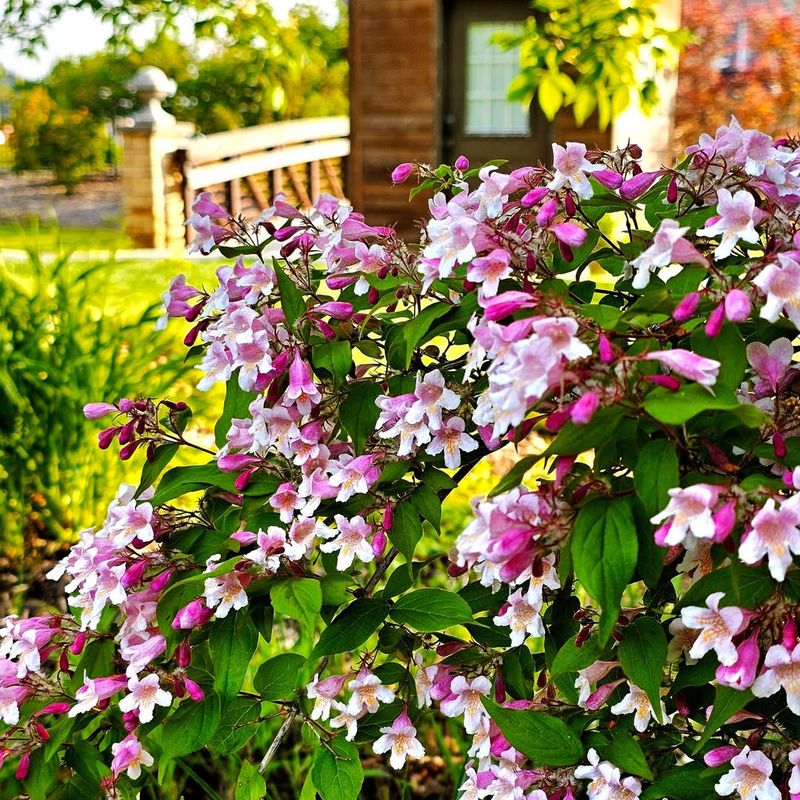
Arching branches cascade with pink bell-shaped flowers each spring, living up to this shrub’s descriptive common name.
Beautybush blooms on previous year’s growth, but selective winter pruning improves flower quality without sacrificing quantity.
Remove about one-quarter of the oldest, thickest canes at ground level each winter to maintain plant vigor.
This renewal approach prevents beautybush from becoming an impenetrable thicket of unproductive wood.
Georgia’s climate provides ideal conditions for this old-fashioned shrub, which thrives with minimal care.
Winter pruning opens up the interior structure, allowing light penetration that encourages blooming throughout the canopy.
The plant responds by producing stronger new canes that support larger, more vibrant flower clusters.
Unpruned specimens often develop weak, crowded stems that produce sparse blooms hidden inside dense foliage.
Strategic winter cuts create an open, vase-shaped form that displays flowers prominently.
Beautybush’s exfoliating bark adds winter interest even when the shrub stands bare.
The plant tolerates a wide range of soil types and adapts well to Georgia’s variable weather patterns.
Regular winter maintenance keeps this underutilized shrub looking its best and blooming abundantly for decades.