14 Easy Plants That Bring Big Impact To North Carolina Backyards
North Carolina backyards offer incredible opportunities for gardening because the climate supports many beautiful and low-maintenance plants that thrive year-round without much effort.
Choosing the right plants can transform your outdoor space into a colorful sanctuary that attracts butterflies, birds, and admiring neighbors with minimal work required.
Easy-care plants save you time and money while still delivering stunning visual appeal, fragrant blooms, and lush greenery that enhance your property value.
This guide features fourteen reliable plant varieties perfectly suited for North Carolina gardens, ensuring your backyard becomes a vibrant, inviting retreat you’ll absolutely love.
1. Black-Eyed Susan
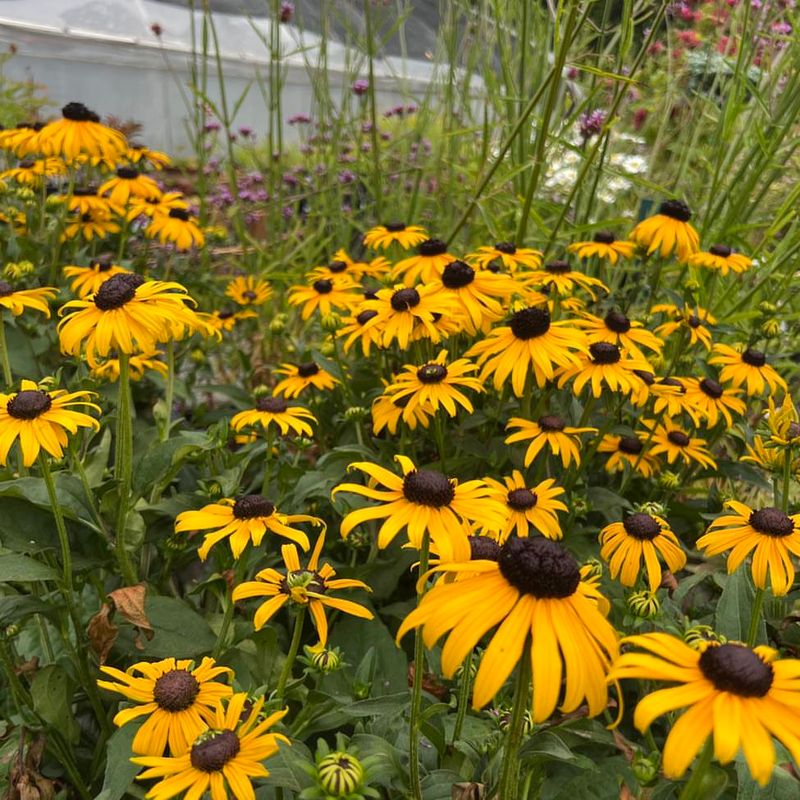
Bright golden petals surrounding dark chocolate centers make this wildflower a showstopper in any North Carolina garden setting throughout the warm months.
Native to the eastern United States, this perennial blooms from early summer until the first frost, providing continuous color with almost no maintenance needed.
Pollinators adore these cheerful flowers, so expect plenty of butterflies and bees visiting your yard daily, creating a lively and buzzing atmosphere.
Black-Eyed Susans tolerate drought conditions remarkably well once established, making them perfect for busy gardeners who occasionally forget to water their plants regularly.
Plant them in full sun with well-draining soil, and watch them spread naturally over time, filling bare spots with vibrant golden hues.
They grow between one and three feet tall, creating beautiful vertical interest without overwhelming smaller garden spaces or competing with other plantings.
Deadheading spent blooms encourages even more flowers, but leaving some seed heads provides winter food for hungry songbirds that visit your backyard regularly.
This native beauty requires minimal fertilizer and resists most common pests, making it an ideal choice for beginner gardeners seeking maximum impact.
2. Coneflower
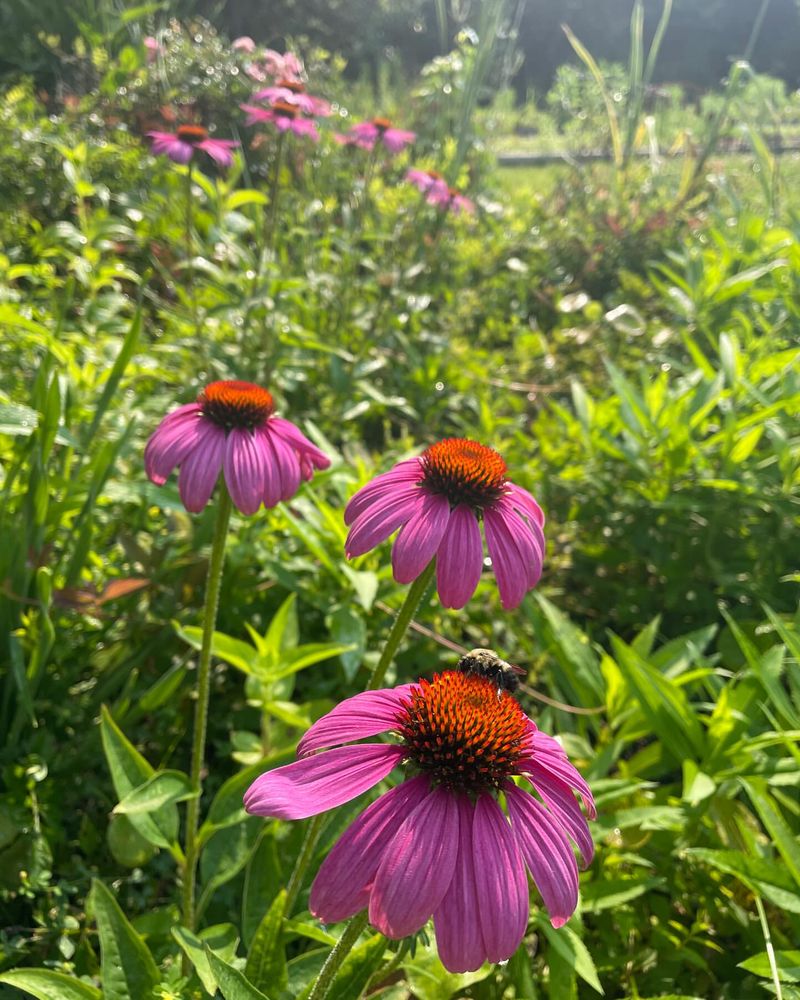
Purple coneflowers bring bold color and incredible resilience to North Carolina landscapes, thriving in heat and humidity while attracting countless beneficial pollinators to gardens.
Also known as Echinacea, this native perennial produces stunning daisy-like blooms with raised, spiky centers that add fascinating texture to flower beds and borders.
Blooms appear in midsummer and continue through early fall, providing months of visual interest with petals ranging from classic purple to pink shades.
Coneflowers grow happily in full sun to partial shade, adapting easily to various soil types as long as drainage remains adequate for healthy roots.
Once established, they tolerate drought exceptionally well, requiring water only during prolonged dry spells, making them perfect for water-conscious gardeners in the state.
These plants reach heights between two and four feet, creating wonderful vertical layers when combined with shorter groundcovers or taller ornamental grasses nearby.
Goldfinches particularly love the seed heads in autumn and winter, providing entertainment as you watch them feast from your kitchen window daily.
3. Daylily
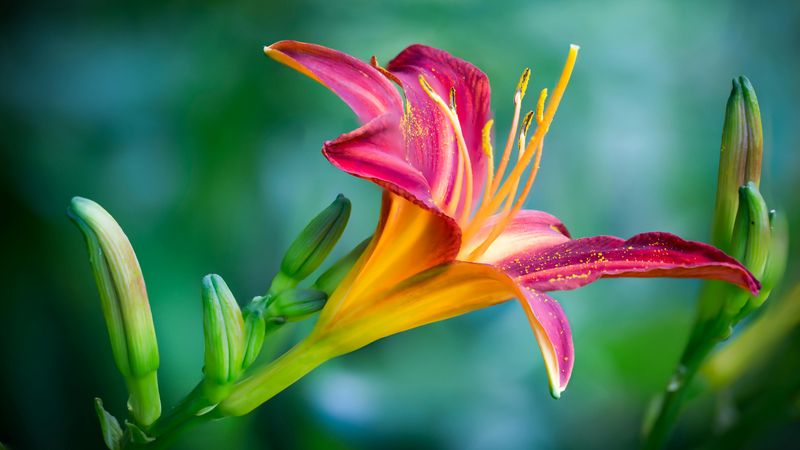
Daylilies earn their reputation as the ultimate carefree perennial, producing stunning trumpet-shaped blooms in nearly every color imaginable throughout the growing season reliably.
Each individual flower lasts only one day, but mature clumps produce so many buds that continuous blooming occurs for weeks without interruption.
Available in thousands of cultivars, you can select varieties with different bloom times, ensuring color from late spring through early autumn effortlessly.
Your North Carolina Garden Changes Every Week. Your Plan Should Too.
Gardening in North Carolina changes quickly throughout the season. Every Friday you’ll receive a simple weekly plan showing exactly what to plant, prune, fertilize, harvest, and protect so you never miss the right timing.
These hardy perennials tolerate poor soil, drought, and even occasional flooding, adapting to whatever conditions your North Carolina backyard presents without complaint or decline.
Plant them in full sun for maximum blooms, though they’ll perform reasonably well in partial shade, making them versatile for various garden locations.
Daylilies multiply quickly, forming dense clumps that suppress weeds naturally while creating bold statements with their arching, grass-like foliage and showy flowers above.
Divide overcrowded clumps every few years to share with friends or expand your collection into new garden areas, spreading beauty economically and generously.
4. Hydrangea

Massive flower clusters in shades of blue, pink, white, or purple create breathtaking focal points in North Carolina gardens from early summer through autumn.
Hydrangeas thrive in the state’s climate, particularly in locations with morning sun and afternoon shade, protecting delicate blooms from scorching heat damage.
Soil pH dramatically affects bloom color in some varieties, with acidic soils producing blue flowers while alkaline conditions create pink hues naturally.
These deciduous shrubs grow between three and six feet tall depending on variety, providing substantial visual weight and structure to landscape designs throughout seasons.
Regular watering keeps foliage lush and flowers abundant, though established plants tolerate brief dry periods better than many gardeners expect from them.
Prune hydrangeas carefully according to their specific type, as some bloom on old wood while others flower on new growth each spring.
Their large leaves and abundant blooms create a cottage garden feel that softens hardscapes and adds romantic charm to outdoor living spaces beautifully.
5. Lantana
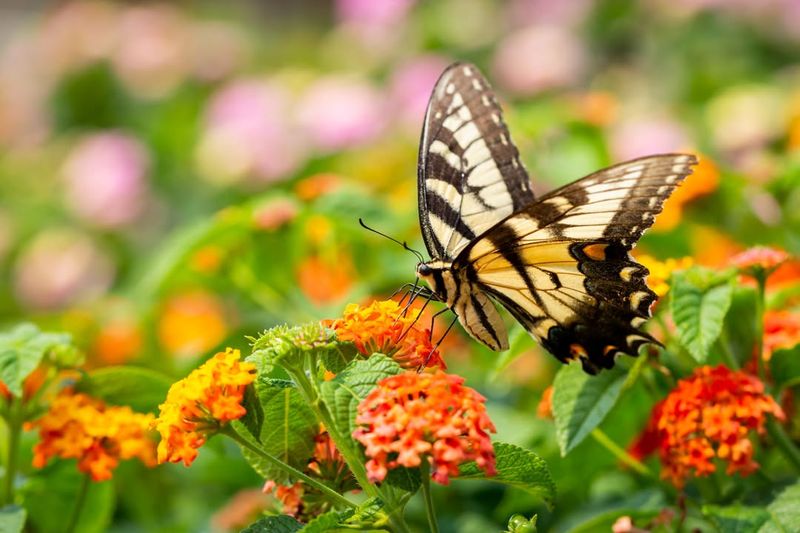
Vibrant flower clusters in ever-changing color combinations make lantana a dynamic addition that continuously evolves throughout the growing season in southern gardens beautifully.
Individual blooms start in one shade and mature into different colors, creating multicolored clusters that attract butterflies and hummingbirds like few other plants can.
Lantana thrives in North Carolina’s heat and humidity, blooming nonstop from late spring until the first hard frost without requiring deadheading or fussing.
This tough perennial (or annual in colder areas) tolerates drought, poor soil, and neglect while still producing masses of colorful flowers that brighten borders.
Plant lantana in full sun for best performance, spacing them adequately to allow air circulation that prevents potential fungal issues in humid conditions.
Varieties range from low-growing groundcovers to upright shrubs reaching three feet tall, offering options for different landscape needs and design preferences statewide.
Deer typically avoid lantana due to its aromatic foliage, making it an excellent choice for gardens where browsing wildlife poses challenges for other plants.
6. Ornamental Grass

Graceful plumes and flowing foliage add movement and texture to North Carolina landscapes, creating dynamic interest that changes with every breeze and seasonal shift.
Ornamental grasses require virtually no maintenance once established, thriving in full sun with minimal water and fertilizer throughout the growing season reliably.
Varieties like fountain grass, maiden grass, and switchgrass offer different heights, textures, and colors to suit various design needs and personal preferences.
These plants provide year-round interest, with fresh growth in spring, airy plumes in summer, golden tones in fall, and architectural structure in winter.
Birds feast on grass seeds during colder months, while the dense foliage provides shelter for beneficial insects and small wildlife throughout the year.
Ornamental grasses tolerate heat, humidity, drought, and poor soil, making them ideal for challenging spots where other plants struggle to survive and thrive.
Cut back withered foliage in early spring before new growth emerges, and divide clumps every few years to maintain vigor and manageable sizes.
7. Salvia
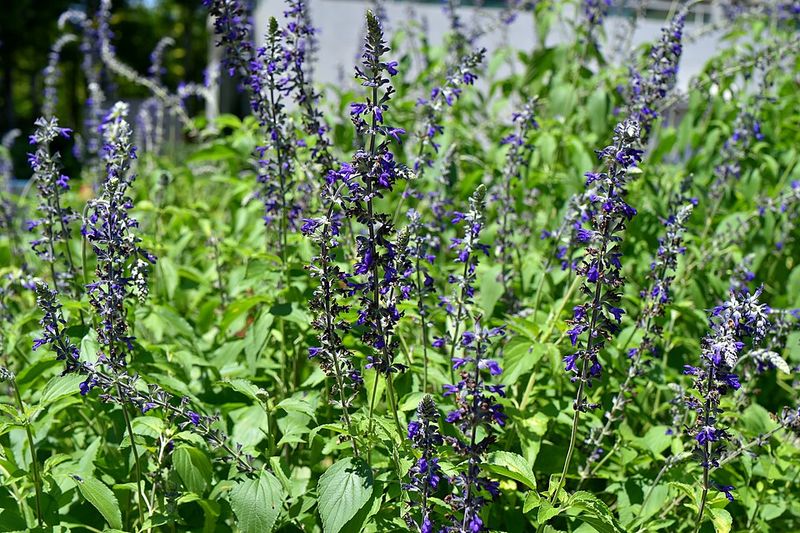
Vertical spikes of tubular flowers in electric blues, purples, reds, and pinks create stunning displays that hummingbirds simply cannot resist visiting repeatedly daily.
Salvia varieties range from low-growing annuals to tall perennials, offering options for every garden style and space constraint in North Carolina backyards statewide.
These plants bloom prolifically from late spring through fall, especially when spent flower spikes are removed regularly to encourage continuous bud production.
Heat and drought tolerance make salvia perfect for sunny spots where less resilient plants struggle, requiring only occasional watering during extended dry periods.
The aromatic foliage naturally repels deer and rabbits, protecting your garden investment while adding pleasant fragrance when brushed against or crushed lightly.
Plant salvia in well-draining soil and full sun for optimal performance, spacing them to allow good air circulation that prevents fungal problems.
Their upright form creates wonderful vertical accents when paired with mounding plants or used as border edging along pathways and garden bed perimeters.
8. Sedum
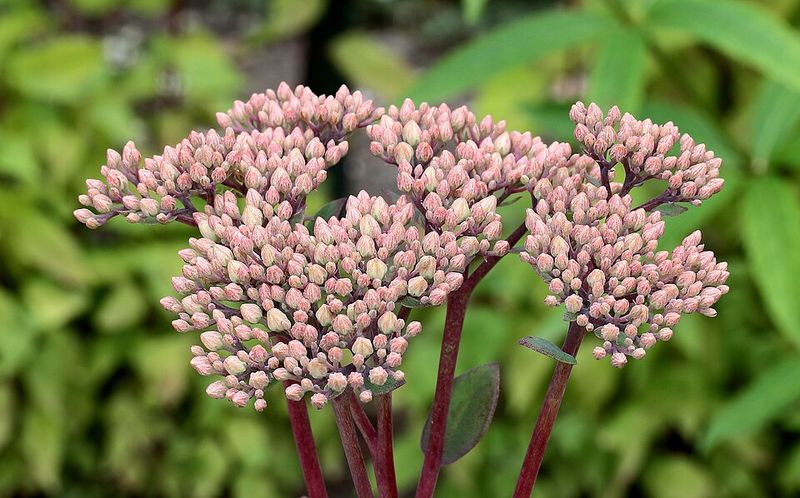
Fleshy leaves and stunning late-season blooms make sedum an invaluable asset for North Carolina gardens, particularly in rocky or dry areas where others fail.
Often called stonecrop, these succulents store water in their thick leaves, allowing them to survive extended periods without rain or supplemental irrigation.
Low-growing varieties create excellent groundcovers that suppress weeds, while upright types produce showy flower clusters that attract butterflies and bees in abundance.
Sedum flowers appear in late summer and early fall when many other perennials have finished blooming, extending garden color into cooler months.
The blooms transition from green buds to pink or red flowers, eventually drying to attractive russet tones that provide winter interest standing.
These plants thrive in full sun and well-draining soil, even tolerating shallow, rocky conditions that challenge most other garden plants significantly.
Virtually pest and disease-free, sedum requires no fertilizer, minimal water, and almost no maintenance beyond occasional division every few years for propagation.
9. Crape Myrtle
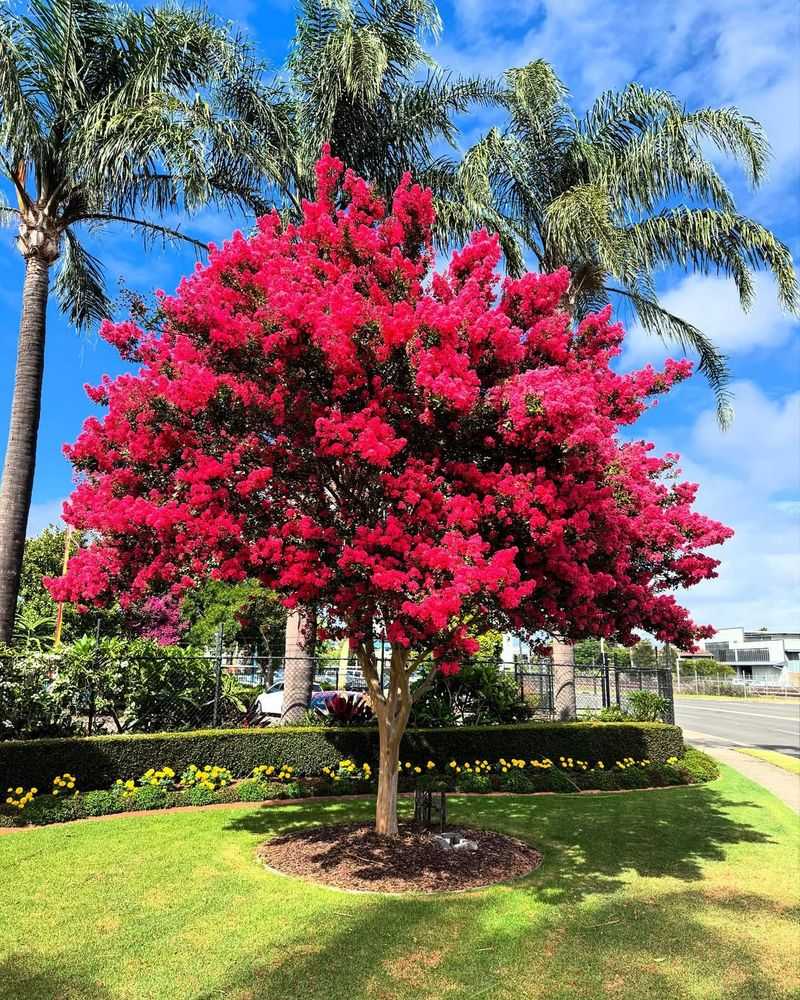
Spectacular summer blooms lasting for months, attractive peeling bark, and brilliant fall foliage make crape myrtle a three-season star in southern landscapes.
These small trees or large shrubs produce massive clusters of crepe-paper-like flowers in shades of white, pink, red, purple, or lavender throughout summer.
Crape myrtles thrive in North Carolina’s climate, tolerating heat, humidity, and drought once their root systems become established in the ground securely.
Sizes range from dwarf varieties perfect for containers to tall trees reaching twenty-five feet, offering options for every landscape need and space.
The smooth, mottled bark becomes increasingly attractive as trees mature, peeling to reveal beautiful cinnamon, gray, and tan patterns that shine in winter.
Plant crape myrtles in full sun with well-draining soil, providing adequate spacing to ensure good air circulation that minimizes powdery mildew problems.
Pruning should be minimal, removing only deceased wood and crossing branches rather than the severe topping that ruins their natural graceful form unnecessarily.
10. Hosta
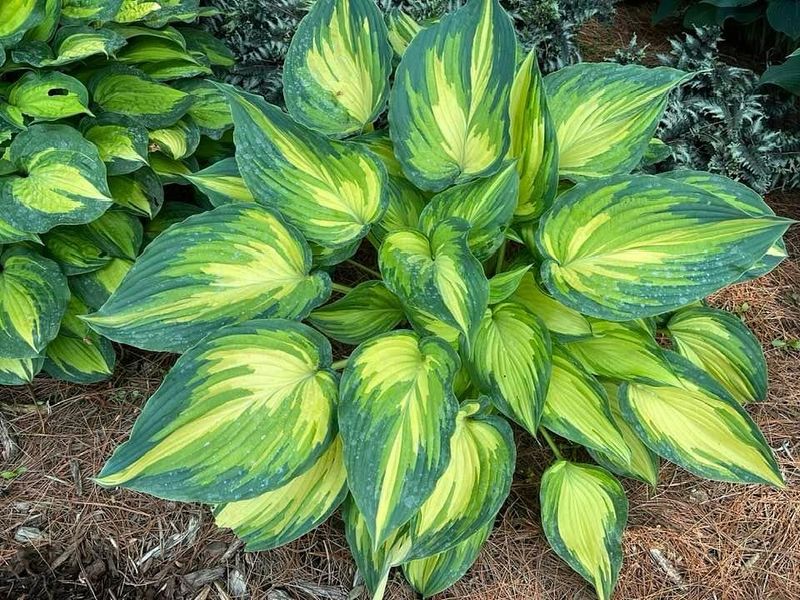
Lush foliage in countless colors, patterns, and sizes makes hostas the undisputed champions of North Carolina shade gardens, thriving where sun-lovers cannot.
Leaves range from tiny to enormous, in shades of green, blue, gold, or white, with variegated patterns adding extra visual interest.
While hostas produce lovely lavender or white flower spikes in summer, their main attraction remains the stunning foliage that emerges fresh each spring.
These herbaceous perennials prefer partial to full shade and consistently moist soil, though many tolerate more sun than commonly believed.
Hostas grow slowly but steadily, eventually forming substantial clumps that suppress weeds and create bold textural statements in shaded borders and woodland settings.
Slugs occasionally damage hosta leaves, but proper garden sanitation and natural predators usually keep populations manageable without resorting to harsh chemical controls.
Divide large clumps every few years to create new plants or control spread, sharing extras with friends who appreciate low-maintenance shade solutions.
11. Phlox
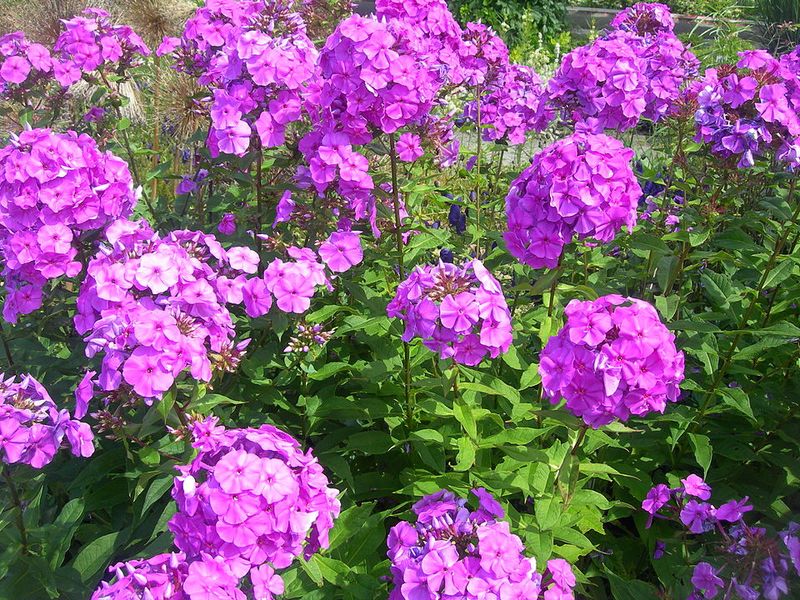
Fragrant flower clusters in cheerful colors create cottage-garden charm while attracting butterflies and hummingbirds to North Carolina backyards throughout the growing season consistently.
Garden phlox produces large, domed flower heads atop sturdy stems in midsummer, filling the air with sweet perfume that enhances outdoor living spaces.
Colors include white, pink, purple, red, and bicolors, with many varieties offering excellent disease resistance that earlier cultivars lacked significantly.
Plant phlox in full sun to light shade with rich, well-draining soil, spacing them adequately to promote air circulation that reduces powdery mildew.
Regular deadheading extends the blooming period and prevents unwanted self-seeding that can produce inferior offspring with washed-out colors over time gradually.
Creeping phlox varieties create spectacular spring groundcovers, forming carpets of color perfect for rock gardens, slopes, or border edges statewide.
These hardy perennials return reliably year after year, gradually expanding to fill spaces with minimal care required from busy gardeners seeking maximum results.
12. Azalea
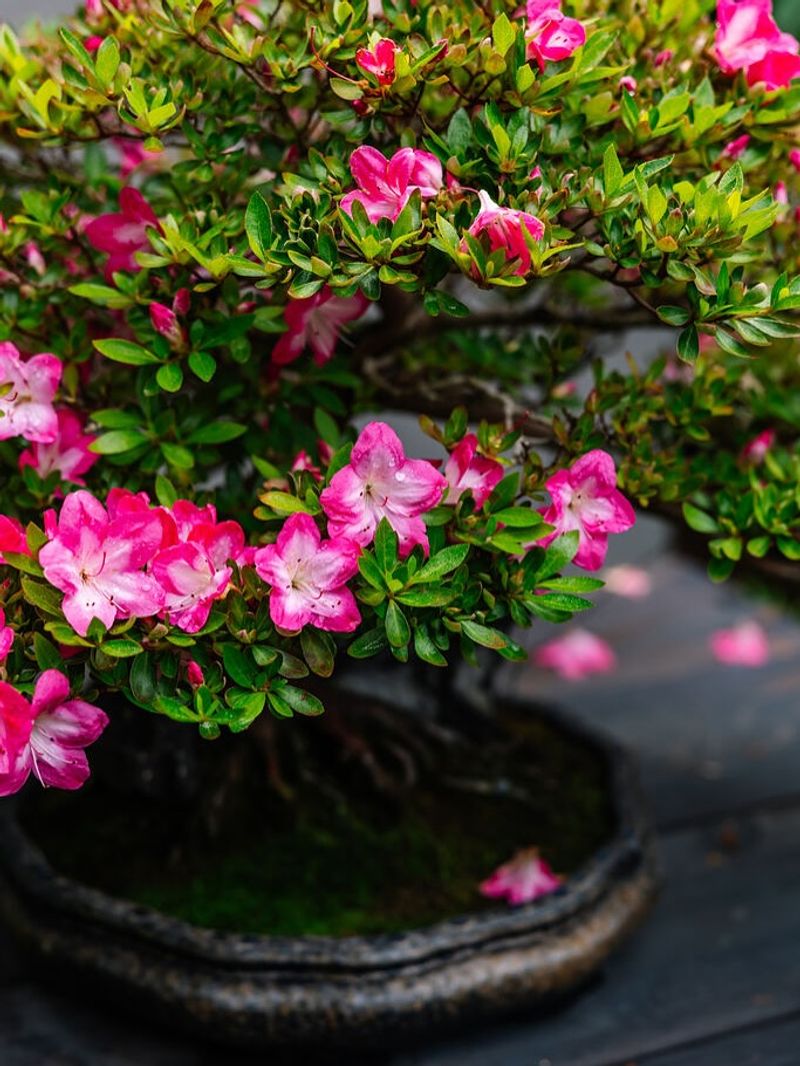
Brilliant spring blooms in eye-popping colors transform North Carolina landscapes into breathtaking displays that rival any botanical garden or professional landscape design installation.
Azaleas thrive in the state’s acidic soil and moderate climate, preferring partial shade and consistent moisture for optimal growth and flower production.
Thousands of varieties offer flowers in nearly every color except true blue, with bloom times ranging from early spring through summer depending.
These evergreen or deciduous shrubs provide year-round structure and foliage interest, not just seasonal flowers that fade after a few weeks of display.
Plant azaleas in well-draining, acidic soil enriched with organic matter, mulching heavily to maintain cool, moist root zones throughout hot summers.
Prune immediately after flowering if necessary, as buds for next year’s blooms form shortly after current flowers fade away completely each season.
Azaleas pair beautifully with hostas, ferns, and other shade-lovers, creating layered plantings that offer continuous interest throughout the year.
13. Zinnia
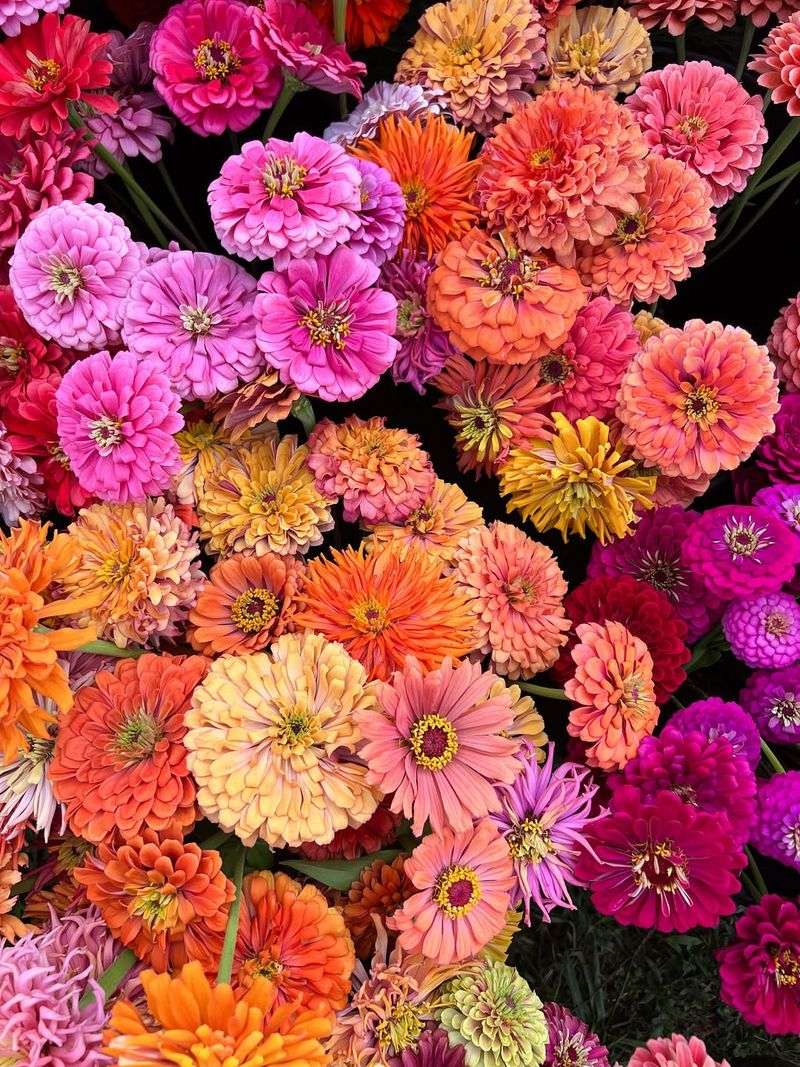
Bold, cheerful blooms in every color imaginable make zinnias the ultimate easy annual for North Carolina gardeners seeking maximum impact with minimal effort required.
These fast-growing flowers bloom continuously from early summer until frost, requiring only occasional deadheading to maintain peak performance throughout the entire growing season.
Zinnias tolerate heat, humidity, and drought remarkably well once established, making them perfect for the challenging southern summers North Carolina regularly experiences.
Plant zinnia seeds directly in the garden after the last frost, or start transplants indoors for earlier blooms and a head start.
They prefer full sun and well-draining soil but adapt to less-than-ideal conditions better than many other annual flowers grown in home gardens.
Butterflies, bees, and hummingbirds flock to zinnia blooms, creating a lively, active garden atmosphere that children and adults find equally fascinating to observe.
Excellent as cut flowers, zinnias bring garden color indoors, lasting over a week in vases when stems are cut in the morning hours.
14. Fern
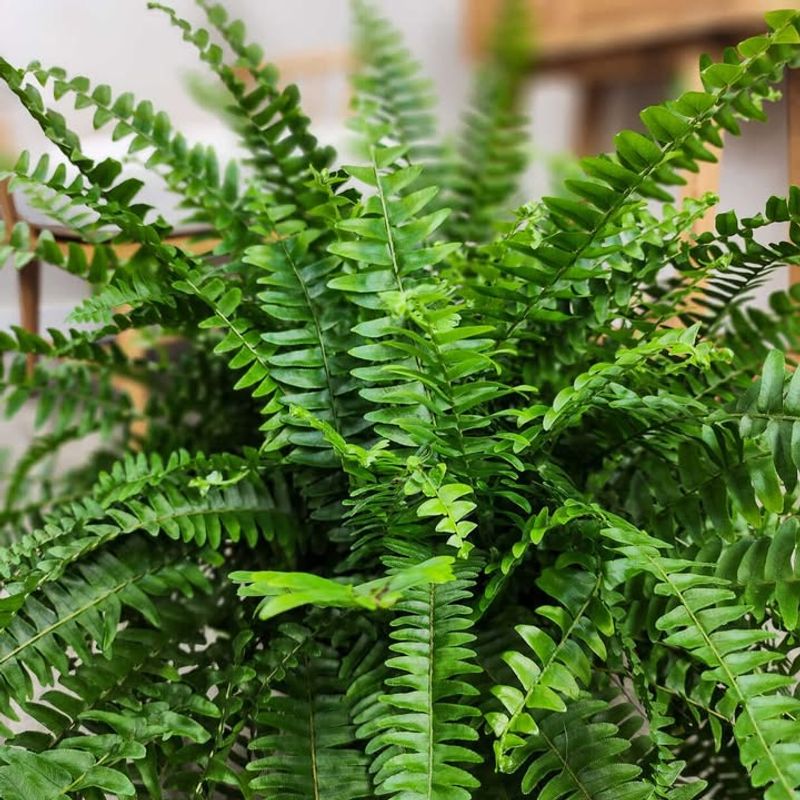
Graceful fronds add elegant texture and lush greenery to shaded North Carolina gardens, creating peaceful, woodland atmospheres that transport you to natural forest settings.
Native ferns like Christmas fern, autumn fern, and lady fern thrive in the state’s climate, requiring minimal care once established in appropriate locations.
These ancient plants prefer shade and consistent moisture, though many tolerate drier conditions better than commonly believed by most casual gardeners and beginners.
Ferns provide excellent companions for hostas, azaleas, and other shade-lovers, filling spaces with delicate foliage that contrasts beautifully with bolder leaf shapes.
They remain attractive from spring through fall, with some evergreen varieties providing winter interest when most other perennials have gone dormant.
Plant ferns in rich, organic soil amended with compost or leaf mold, mulching heavily to maintain cool, moist root zones throughout seasons.
These low-maintenance plants resist pests and diseases, requiring no fertilizer beyond annual mulch applications that slowly decompose and enrich the surrounding soil naturally.