9 Berry Shrubs That Are Safe For Georgia Birds And Wildlife
In Georgia, gardens are more than a place to plant flowers, they are small ecosystems that support life all around.
Berry shrubs are a favorite among gardeners who want to add color, texture, and a natural food source for wildlife.
Safe berry shrubs not only brighten landscapes with vibrant colors but also provide nourishment for birds, pollinators, and other small creatures that call the garden home.
These shrubs do double duty.
They create visual interest with rich foliage and bright berries while offering shelter and sustenance for wildlife throughout the year.
Birds flock to the berries, insects buzz around blooms, and small mammals find refuge in dense branches.
Gardens that embrace wildlife-friendly plants feel alive and dynamic, with constant movement and life that changes with the seasons.
Choosing berry shrubs that are safe for wildlife ensures that gardens thrive without causing harm.
Hardy, adaptable, and low-maintenance varieties suit Georgia’s climate, making them an easy addition for any backyard.
A few well-placed berry shrubs transform ordinary landscapes into vibrant habitats that attract wildlife, support pollinators, and bring gardeners closer to the natural rhythms of the South.
1. American Beautyberry
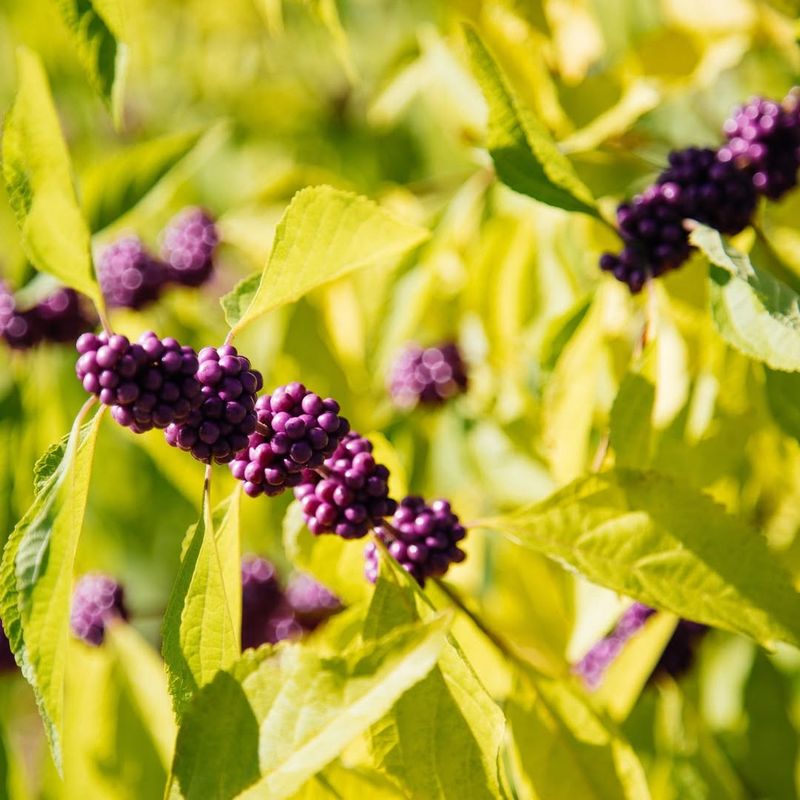
Bright purple berries make this native Georgia shrub absolutely unforgettable during fall months.
American beautyberry produces clusters of vibrant magenta fruits that practically glow against autumn foliage, creating a stunning visual display in any landscape.
Birds such as mockingbirds, cardinals, and robins feast on these nutritious berries, especially after the first frost softens them.
This deciduous shrub grows between four and eight feet tall, making it perfect for borders or naturalized areas.
The berries appear in dense clusters wrapped around the stems, creating an eye-catching effect that lasts from September through November.
Georgia gardeners love how easy this plant is to grow in partial shade or full sun.
Beautyberry tolerates various soil types and requires minimal maintenance once established.
The shrub produces small lavender flowers in summer that attract pollinators before transforming into those signature purple fruits.
Wildlife appreciate the high-fat content of the berries, which provides essential energy for migration and winter survival.
Deer tend to leave this plant alone, making it ideal for areas where browsing animals are common.
You can propagate beautyberry easily from cuttings or seeds, allowing you to expand your wildlife-friendly plantings throughout your Georgia property without significant expense.
2. Elderberry
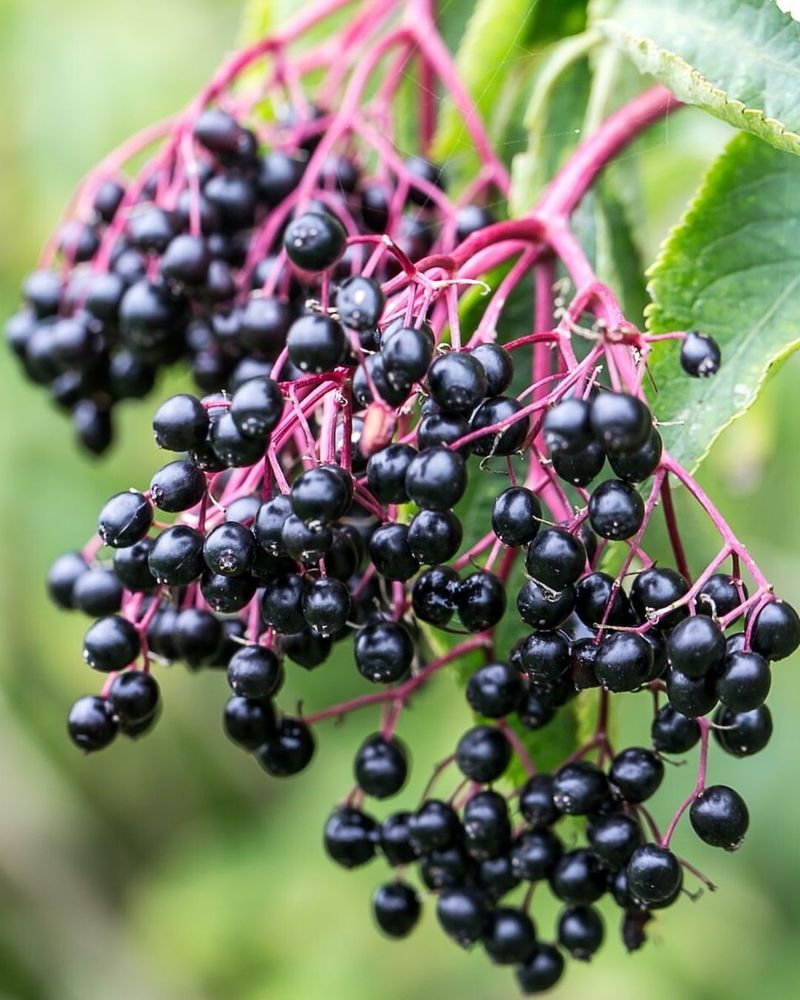
Dark purple clusters hang heavy on elderberry branches during late summer, offering abundant food for dozens of bird species.
This fast-growing native shrub can reach heights of twelve feet, creating excellent screening while providing critical nutrition for wildlife.
Elderberries rank among the most valuable plants for supporting Georgia’s ecosystem because so many creatures depend on them.
The flat-topped flower clusters appear in early summer, attracting countless pollinators with their creamy white blooms and sweet fragrance.
These flowers eventually transform into drooping clusters of tiny berries that ripen to deep purple-black by August.
Thrushes, waxwings, and woodpeckers eagerly consume these fruits, often stripping branches clean within days.
Elderberry prefers moist soil and full sun but adapts well to various conditions across Georgia.
Your Georgia Garden Changes Every Week. Your Plan Should Too.
Gardening in Georgia changes quickly throughout the season. Every Friday you’ll receive a simple weekly plan showing exactly what to plant, prune, fertilize, harvest, and protect so you never miss the right timing.
The compound leaves provide additional value by hosting butterfly caterpillars and other beneficial insects.
Planting multiple elderberry shrubs increases fruit production through cross-pollination, resulting in heavier berry yields.
This shrub spreads through suckers, gradually forming thickets that offer excellent cover for ground-nesting birds and small mammals.
Regular pruning keeps elderberry manageable while encouraging vigorous new growth that produces the most abundant fruit clusters for your feathered visitors.
3. Wax Myrtle
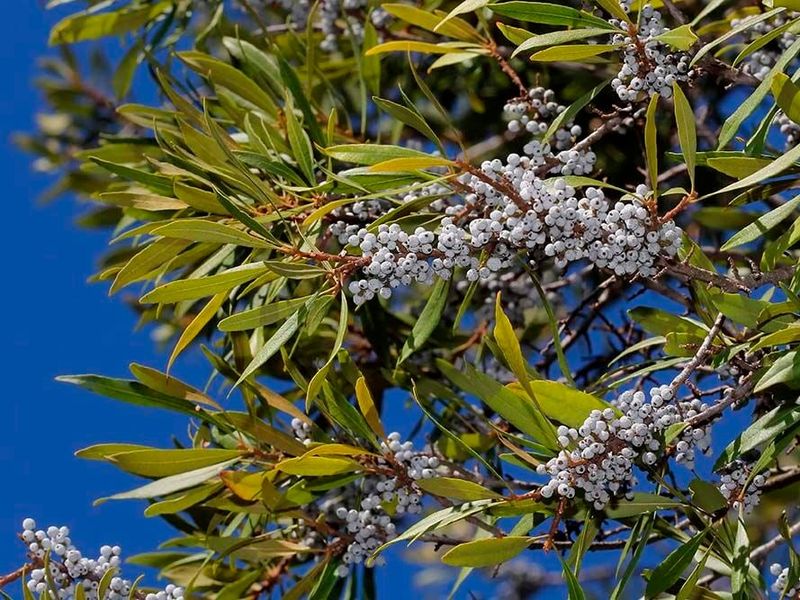
Evergreen foliage provides year-round shelter while small waxy berries feed birds throughout winter in Georgia landscapes.
Wax myrtle grows naturally along Georgia’s coast but adapts beautifully to inland gardens, offering versatility that few other berry shrubs can match.
The aromatic leaves release a pleasant fragrance when brushed or crushed, adding sensory interest to your outdoor space.
Female plants produce small blue-gray berries coated in a waxy substance that gives this shrub its common name.
These berries persist through cold months when other food sources disappear, making wax myrtle absolutely essential for overwintering birds.
Yellow-rumped warblers, also called myrtle warblers, depend heavily on these berries and can often be spotted feasting in large flocks.
This adaptable shrub tolerates salt spray, drought, and poor soil, thriving in challenging conditions where other plants struggle.
Wax myrtle grows quickly, reaching heights of fifteen feet or more, though it responds well to pruning for size control.
The dense branching structure provides excellent nesting sites for cardinals, mockingbirds, and other songbirds.
Planting both male and female wax myrtles ensures good berry production, as this species requires cross-pollination.
Georgia gardeners appreciate how this low-maintenance native handles heat, humidity, and occasional flooding without complaint.
4. Virginia Creeper
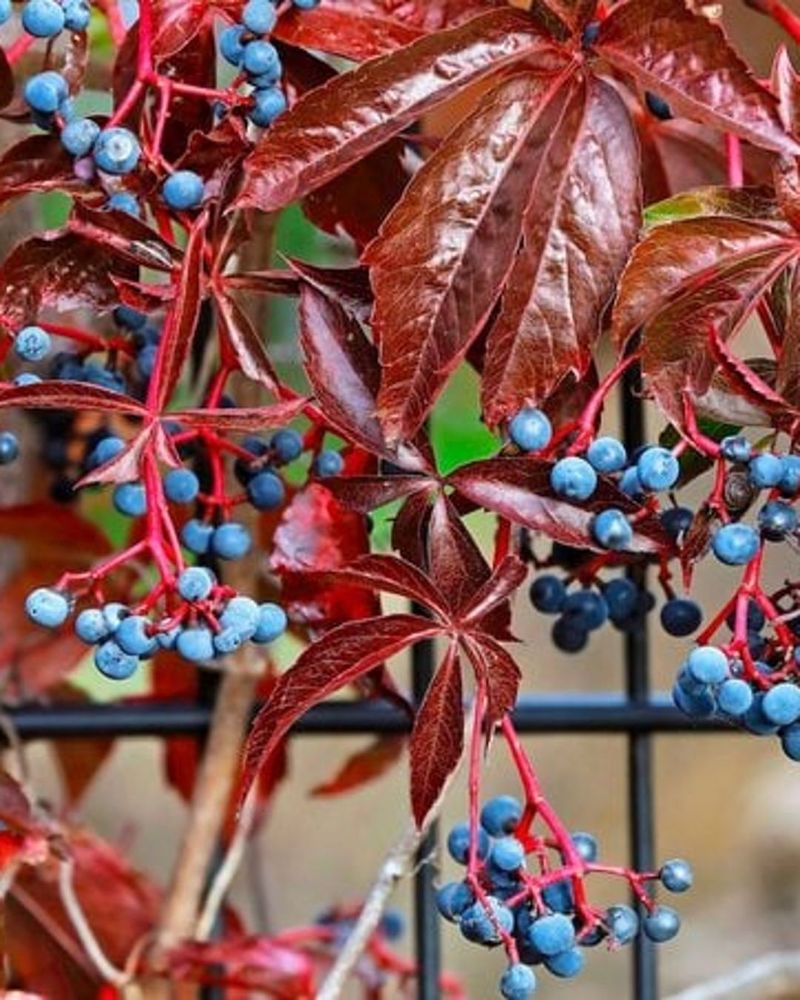
Brilliant red fall color steals the show, but the dark blue berries provide critical nutrition for migrating birds passing through Georgia.
Virginia creeper isn’t technically a shrub but rather a vigorous vine that climbs fences, trees, and structures using adhesive tendrils.
This native plant transforms ordinary surfaces into vertical wildlife habitats that support numerous species.
The small blue-black berries ripen in late summer and persist into fall, coinciding perfectly with migration season.
Woodpeckers, thrushes, and vireos consume these high-fat fruits to fuel their long journeys.
Each berry cluster sits atop a bright red stem, creating striking contrast against the changing leaf colors.
Virginia creeper grows rapidly in sun or shade, covering large areas within a single growing season.
The five-leaflet compound leaves turn spectacular shades of crimson and burgundy in autumn, rivaling any ornamental plant for visual impact.
Georgia landscapes benefit from this plant’s ability to soften hard surfaces while creating habitat layers.
This vine provides excellent cover for nesting birds and hunting perches for insect-eating species.
The flowers attract native bees and butterflies during summer months, adding ecological value beyond the berry production.
Managing Virginia creeper requires occasional pruning to prevent it from overwhelming smaller plants or structures in your garden.
5. Spicebush
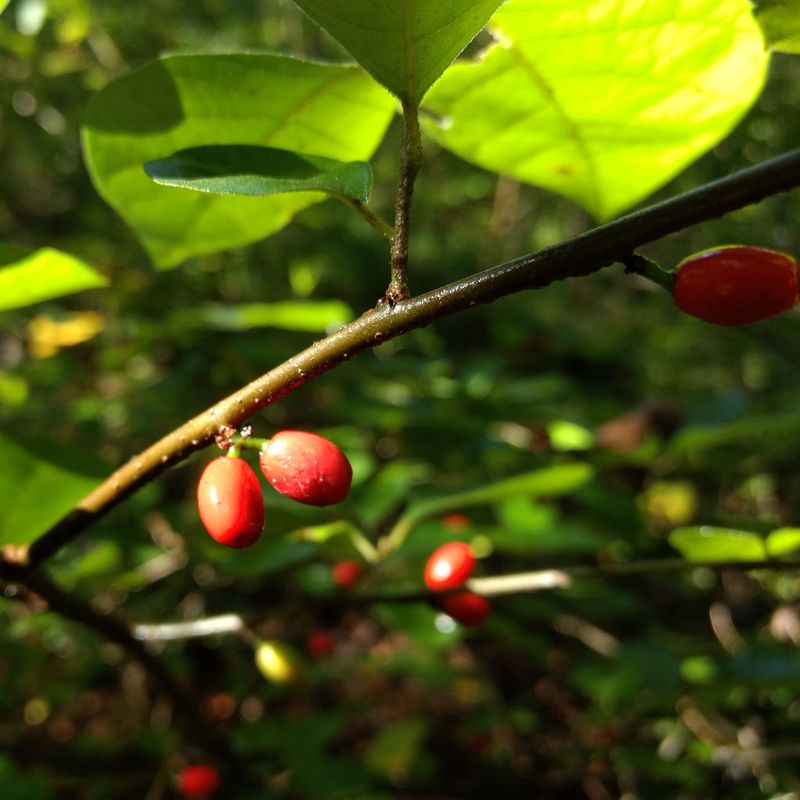
Glossy red berries dangle from branches in early fall, offering high-energy food just when Georgia birds need it most.
Spicebush grows naturally in woodland understories throughout the state, making it perfectly adapted to shaded garden areas where many berry shrubs struggle.
The aromatic bark and leaves emit a spicy fragrance when crushed, explaining this plant’s distinctive common name.
Thrushes, especially wood thrushes and veeries, eagerly seek out spicebush berries during migration.
The bright red color signals ripeness to hungry birds scanning the forest floor and understory.
Each berry contains a single large seed surrounded by fatty flesh that provides concentrated calories.
This deciduous shrub reaches heights of six to twelve feet with a rounded, spreading form.
Yellow flowers appear in early spring before leaves emerge, providing nectar for early-season pollinators.
Spicebush serves double duty by hosting the beautiful spicebush swallowtail butterfly, whose caterpillars feed exclusively on its foliage.
Georgia gardeners appreciate how this native tolerates deep shade, clay soil, and occasional flooding.
The golden yellow fall foliage adds warmth to autumn landscapes before dropping to reveal berry-laden branches.
Deer generally avoid spicebush due to its aromatic oils, making it reliable in areas with heavy browsing pressure on other plants.
6. Yaupon Holly
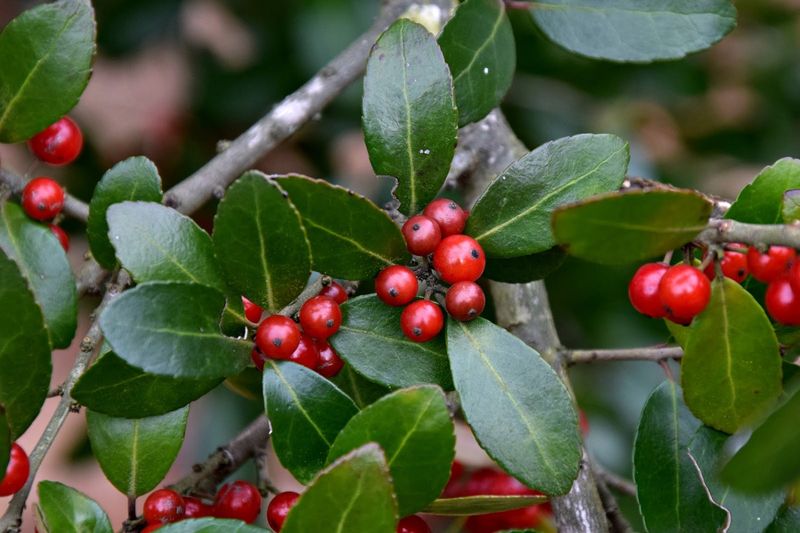
Countless bright red berries cover female plants from fall through spring, creating a reliable food source during Georgia’s coldest months.
Yaupon holly ranks among the most valuable native shrubs for wildlife, supporting over forty bird species that consume its persistent fruits.
The small evergreen leaves create dense cover year-round, offering shelter from predators and harsh weather.
This incredibly adaptable holly thrives in full sun or partial shade, tolerating drought, salt spray, and various soil types.
Yaupon grows naturally along Georgia’s coast but performs equally well in Piedmont and mountain regions.
The compact form works beautifully as a foundation plant, hedge, or specimen in wildlife gardens.
Robins, cedar waxwings, and bluebirds gather in large flocks to feast on yaupon berries, creating lively activity in winter landscapes.
The berries ferment slightly as they age, and birds sometimes appear intoxicated after consuming large quantities.
Only female plants produce berries, so planting one male nearby ensures good pollination and heavy fruit set.
Yaupon holly tolerates aggressive pruning, allowing gardeners to shape it into formal hedges or maintain it as a small tree.
The tiny white flowers attract native bees in spring, adding pollinator value to this already exceptional wildlife plant for Georgia gardens.
7. Blackberry
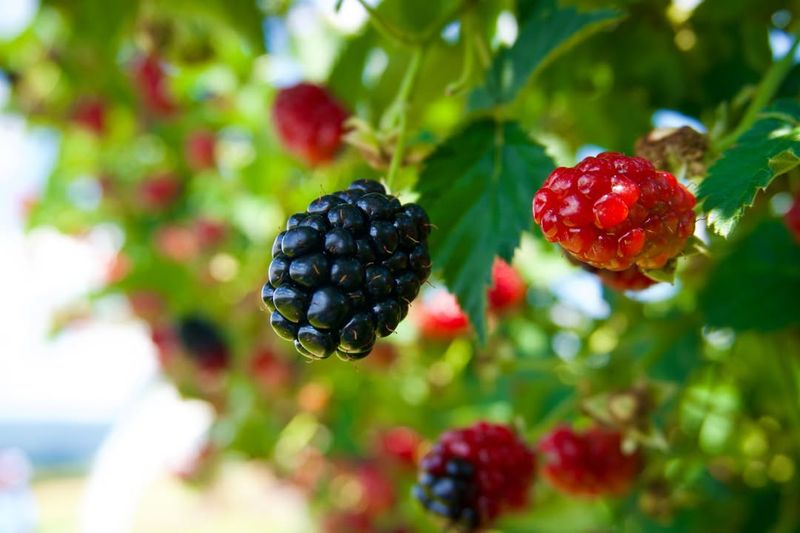
Sweet, juicy berries ripen in early summer, creating a feeding frenzy among Georgia birds, mammals, and humans alike.
Wild blackberry canes grow prolifically throughout the state, forming dense thickets along field edges, fence rows, and woodland borders.
The thorny branches provide excellent protective cover for ground-nesting birds and small animals seeking refuge from predators.
Catbirds, thrashers, and orioles devour ripe blackberries, often competing with human foragers for the choicest fruits.
The berries progress from green to red to glossy black as they ripen, with birds instinctively knowing exactly when they reach peak sweetness.
Each compound fruit consists of many tiny drupelets clustered together.
Blackberry canes follow a two-year growth cycle, producing fruit on second-year stems before those canes decline.
New shoots called primocanes emerge each spring, growing vigorously throughout summer before overwintering.
White or pale pink flowers appear in spring, attracting numerous pollinators essential for fruit development.
These vigorous plants spread through underground rhizomes and tip-rooting, quickly colonizing disturbed areas.
Georgia gardeners can manage blackberries by confining them to specific areas or growing thornless cultivars that are easier to maintain.
The foliage hosts butterfly larvae and provides browse for deer and rabbits throughout the growing season.
8. Pokeweed
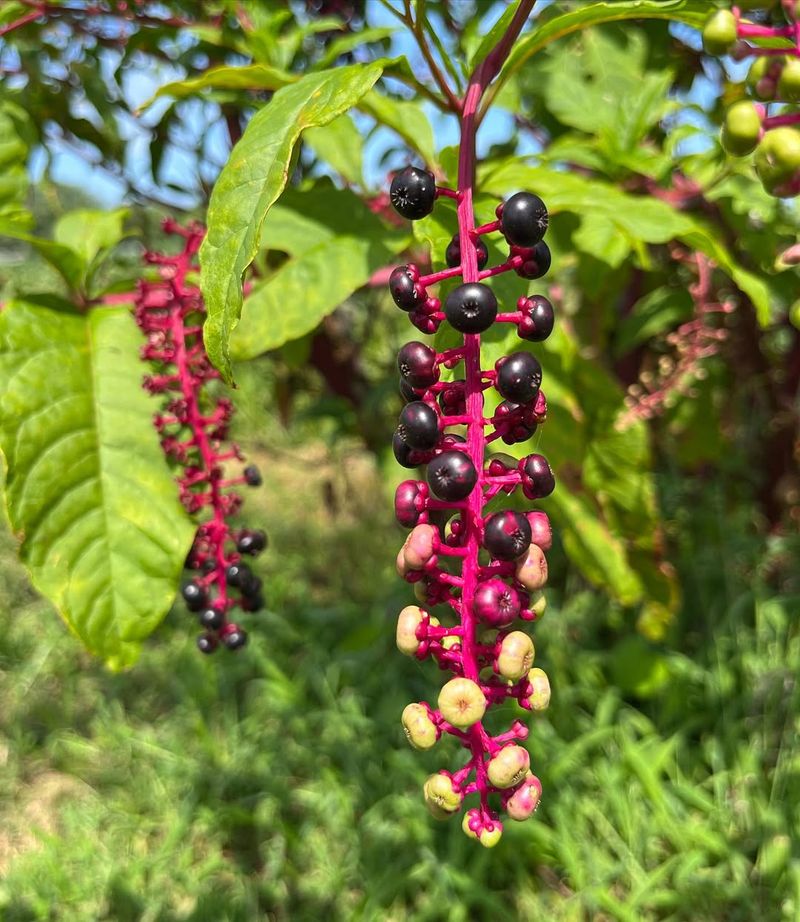
Deep purple berries hang in drooping clusters, attracting over thirty bird species to Georgia gardens and wild areas.
Pokeweed emerges vigorously each spring from a massive taproot, quickly growing into a substantial herbaceous plant that can reach ten feet tall.
The burgundy-red stems and large leaves create bold texture in naturalized landscapes.
Mockingbirds, catbirds, and mourning doves eagerly consume pokeweed berries despite the fruits being toxic to humans and most mammals.
Birds possess digestive systems that safely process the berries, gaining valuable nutrition while dispersing seeds across the landscape.
The dark juice stains everything it touches, including bird droppings that turn distinctive purple.
This aggressive self-seeder appears in disturbed soil, fence rows, and garden edges throughout Georgia.
Small white flowers bloom in summer on long racemes that eventually transform into heavy berry clusters.
Each berry contains a ring of flat black seeds that remain viable in soil for many years.
Pokeweed tolerates poor soil, drought, and neglect, thriving where more finicky plants struggle.
The massive leaves provide cover for ground-dwelling creatures during summer months before frost causes the plant to collapse.
Georgia gardeners should locate pokeweed away from areas where children and pets play, as all plant parts except ripe berries are toxic to mammals.
9. Dogwood
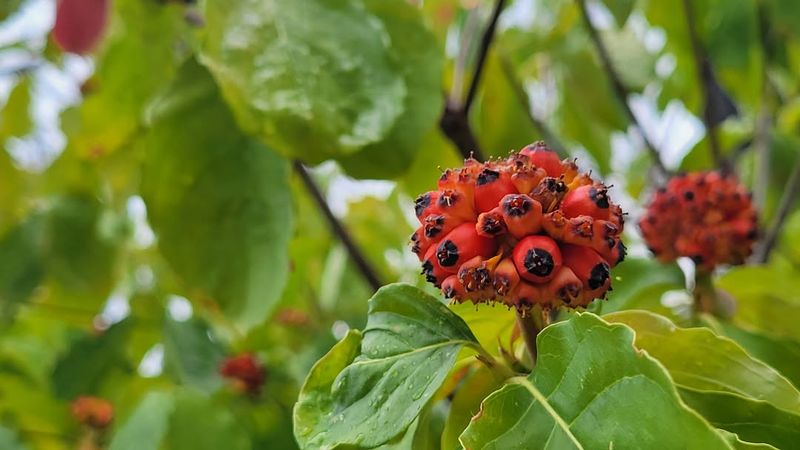
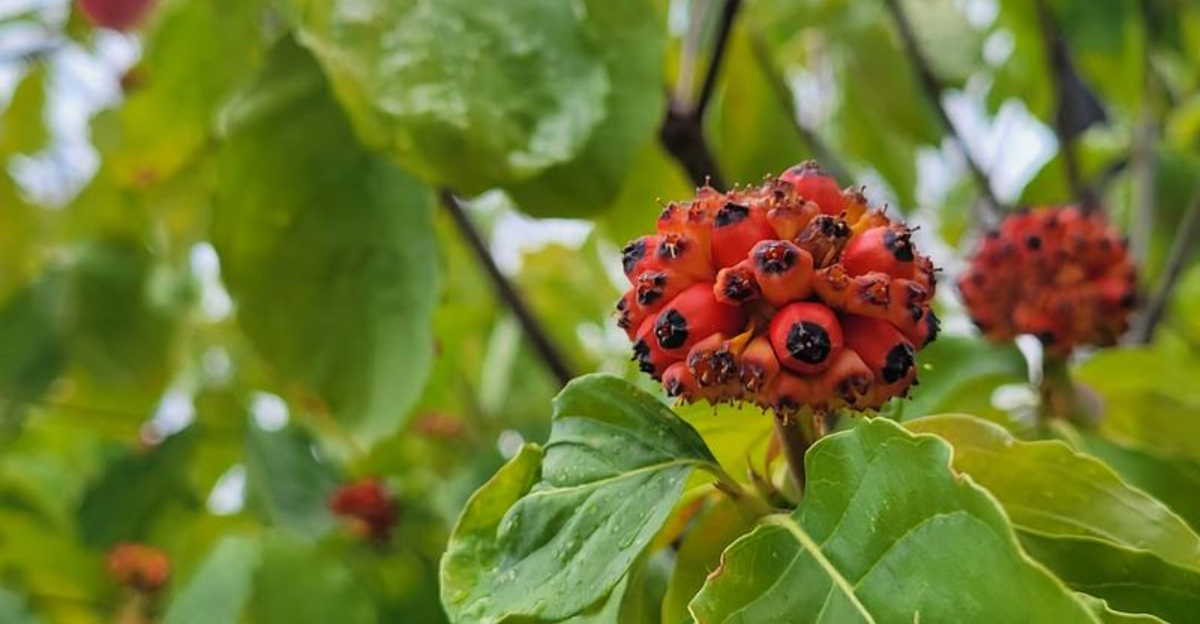
Bright red berries arranged in small clusters provide essential fall nutrition for birds preparing for Georgia winters and migration.
Flowering dogwood serves as the state tree of Virginia and North Carolina, but it thrives equally well throughout Georgia’s varied regions.
The distinctive four-petaled spring flowers create spectacular displays long before berries develop.
Wood thrushes, tanagers, and grosbeaks target dogwood berries as a preferred food source during autumn months.
The high-fat content helps birds build energy reserves needed for cold weather survival or long-distance travel.
Each berry cluster typically contains two to five fruits that ripen to glossy scarlet in September.
This understory tree grows naturally in filtered shade beneath taller hardwoods, making it perfect for layered woodland gardens.
The horizontal branching pattern creates distinctive architecture that looks beautiful in all seasons.
Georgia landscapes gain tremendous value from dogwood’s multi-season interest, including spring blooms, summer foliage, fall color, and winter berries.
Dogwood requires well-drained soil and protection from harsh afternoon sun, particularly in southern Georgia where heat stress can cause problems.
The tree typically reaches heights of twenty to thirty feet with equal spread.
Planting native dogwoods supports numerous insects that depend on this keystone species, which in turn provides food for insect-eating birds raising young.