Why Ghost Pipe Is Suddenly Appearing Across Virginia Forests, And What It Really Means
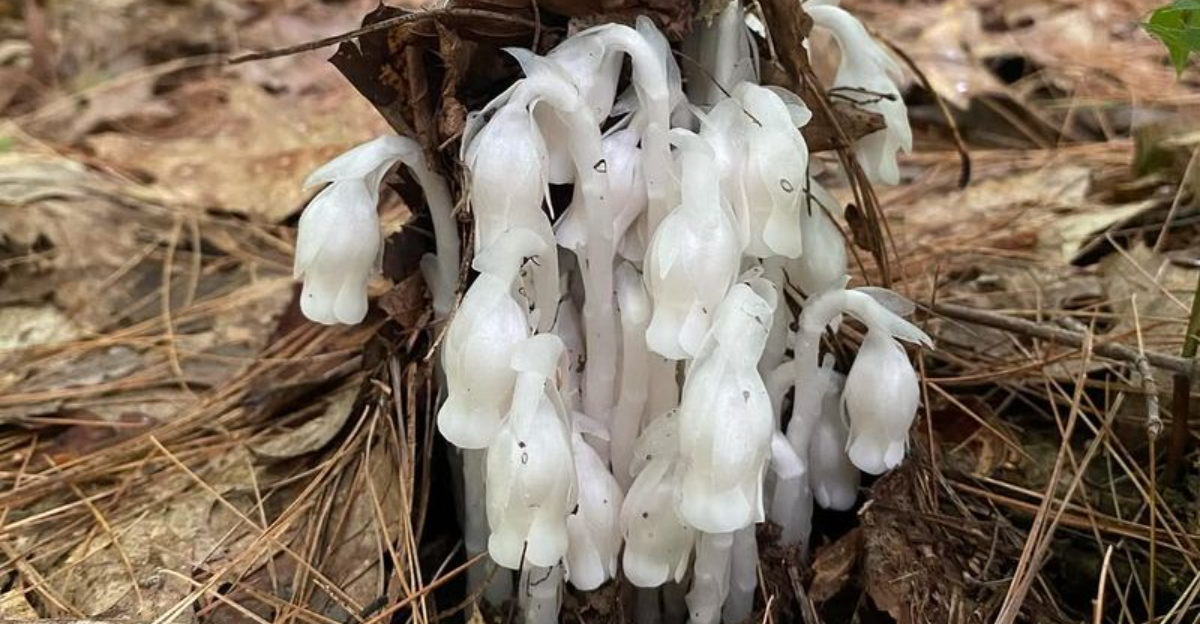
Ghost pipe looks like something from another world—pale, translucent, and unsettlingly beautiful.
Its sudden appearance across Virginia forests has left many hikers and gardeners curious, even concerned.
But ghost pipe isn’t a sign of decay or disaster. It’s a rare, misunderstood plant with a unique relationship to its environment.
Its emergence often points to deeper ecological shifts happening quietly beneath the forest floor.
Understanding what ghost pipe really means helps replace fear with fascination.
This strange plant tells a story about soil health, fungal networks, and the hidden connections that keep forests alive.
Sometimes, the most unusual sights carry the most important messages.
What Ghost Pipe Is—And Why It Looks So Unusual
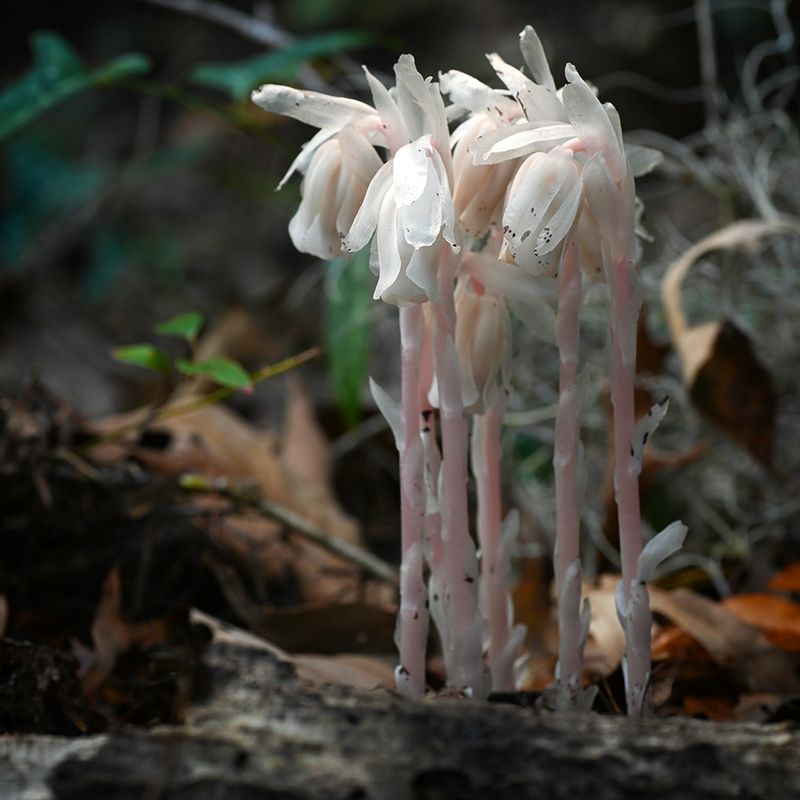
Ghost pipe earns its spooky name from its pure white, almost translucent appearance that makes it look more like a fungus than a flowering plant.
Unlike most plants you encounter on a forest hike, ghost pipe contains absolutely no chlorophyll—the green pigment that allows plants to make their own food through photosynthesis.
Instead of soaking up sunlight, this peculiar plant gets all its nutrients by tapping into an underground network of fungi.
The stems stand upright with a single nodding flower that faces downward, giving it an eerie, pipe-like shape.
When you first spot ghost pipe, it might remind you of a cluster of tiny white pipes or even bent candy canes emerging from the leaf litter.
Its waxy texture and ghostly color make it stand out dramatically against the dark browns and greens of the forest floor.
Many people mistake it for a mushroom at first glance because of its pale coloring.
Ghost pipe typically grows in small clusters, and touching it can cause the plant to turn black almost immediately.
This fascinating plant has captured the imagination of Virginians for generations, and its sudden appearances continue to spark wonder and curiosity among forest explorers today.
Increased Rainfall Creating Perfect Conditions
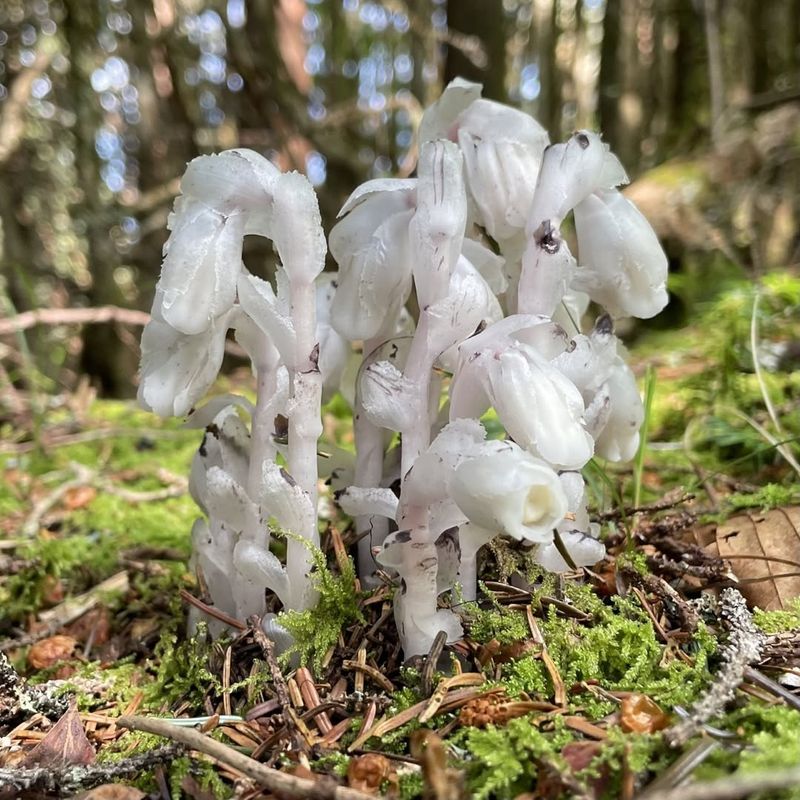
Virginia has experienced wetter weather patterns in recent years, and all that extra moisture creates ideal conditions for ghost pipe to thrive.
This plant loves damp, consistently moist soil that stays cool throughout the growing season.
When summer rains arrive more frequently, the forest floor retains moisture longer, providing the perfect environment for ghost pipe to emerge.
The thick layer of decomposing leaves and organic matter on the forest floor acts like a sponge, holding water and creating the humid microclimate ghost pipe prefers.
Drought conditions make it nearly impossible for ghost pipe to appear, but steady rainfall transforms the forest understory into prime ghost pipe territory.
The fungi that ghost pipe depends on also flourish when soil moisture levels remain high and steady.
Periods of consistent rain followed by warm temperatures create the perfect storm of conditions that trigger ghost pipe blooms.
Forest floors that stay soggy but not flooded provide just the right balance of moisture and oxygen in the soil.
If you’ve noticed more ghost pipe lately, check the rainfall records—chances are Virginia has been getting more precipitation than usual during the growing season.
Your Virginia Garden Changes Every Week. Your Plan Should Too.
Gardening in Virginia changes quickly throughout the season. Every Friday you’ll receive a simple weekly plan showing exactly what to plant, prune, fertilize, harvest, and protect so you never miss the right timing.
Healthy Forest Ecosystems Support Ghost Pipe Growth
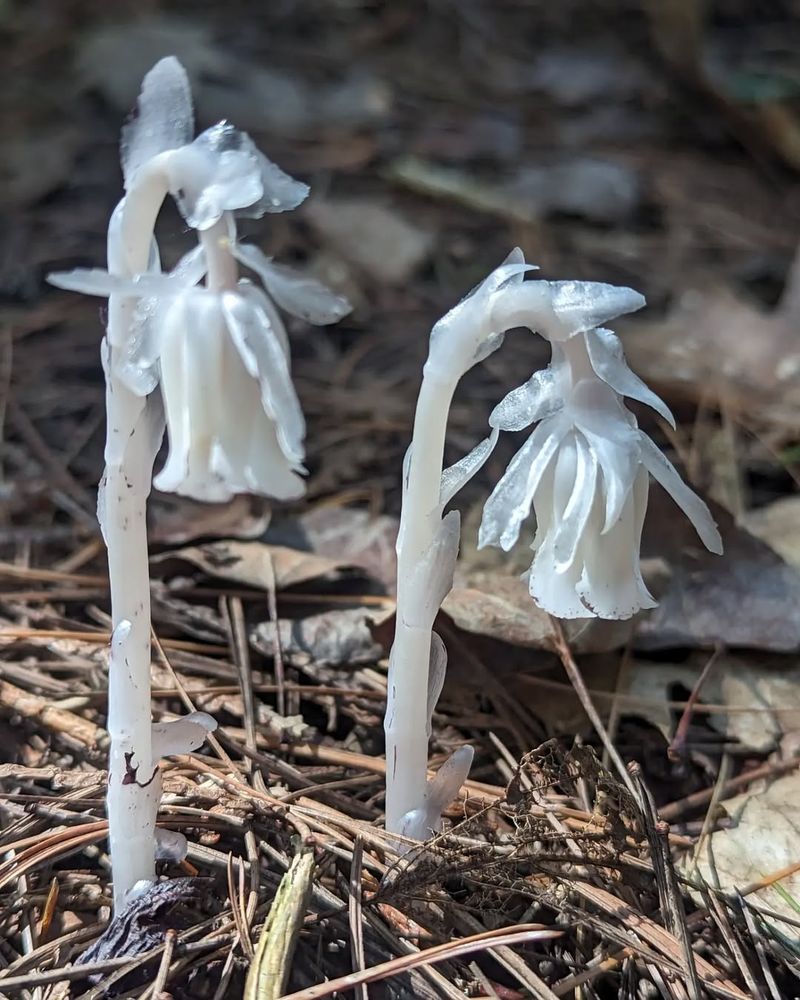
Spotting ghost pipe in a Virginia forest is actually a wonderful sign that the ecosystem is functioning beautifully.
This plant only appears in forests that have remained relatively undisturbed for many years, where complex ecological relationships have had time to develop.
Ghost pipe serves as a living indicator that the forest has a rich, diverse community of plants, fungi, and trees all working together underground.
Forests that have been heavily logged, cleared, or otherwise disrupted rarely support ghost pipe populations.
The presence of this unusual plant tells us that the soil food web is intact and thriving with countless organisms we never see.
Healthy forests maintain stable temperature and moisture levels under their canopy, creating the consistent conditions ghost pipe requires.
When you find ghost pipe, you’re standing in a place where nature has been allowed to follow its own rhythms for quite some time.
Conservation areas and protected forests in Virginia are prime locations for ghost pipe sightings precisely because these spaces haven’t been disturbed.
The more ghost pipe you spot, the more confident you can feel that Virginia’s forest ecosystems are resilient and flourishing beneath the surface.
The Role Of Mycorrhizal Fungi Beneath Virginia Forests

Beneath every Virginia forest lies an invisible world of fungal threads called mycorrhizae that connect trees and plants in a vast underground network.
Ghost pipe has evolved a fascinating strategy—it doesn’t photosynthesize but instead taps into this fungal network to steal nutrients that fungi share with trees.
Scientists call this relationship mycoheterotrophy, which means ghost pipe is essentially a parasite on the fungi, which in turn partner with trees.
The fungi form relationships with tree roots, trading nutrients and water for sugars the trees produce through photosynthesis.
Ghost pipe cleverly intercepts some of those nutrients flowing through the fungal highways beneath the forest floor.
Changes in the fungal community—whether from increased moisture, temperature shifts, or tree health—can suddenly make conditions perfect for ghost pipe to appear.
When the mycorrhizal network is particularly active and robust, ghost pipe has more opportunities to tap in and gather the resources it needs to bloom.
This three-way relationship between trees, fungi, and ghost pipe is incredibly complex and still not fully understood by scientists.
The sudden appearance of ghost pipe might simply mean the underground fungal network has reached a particularly productive phase in its seasonal cycle.
Mature Hardwood Forests Are Expanding In Some Areas
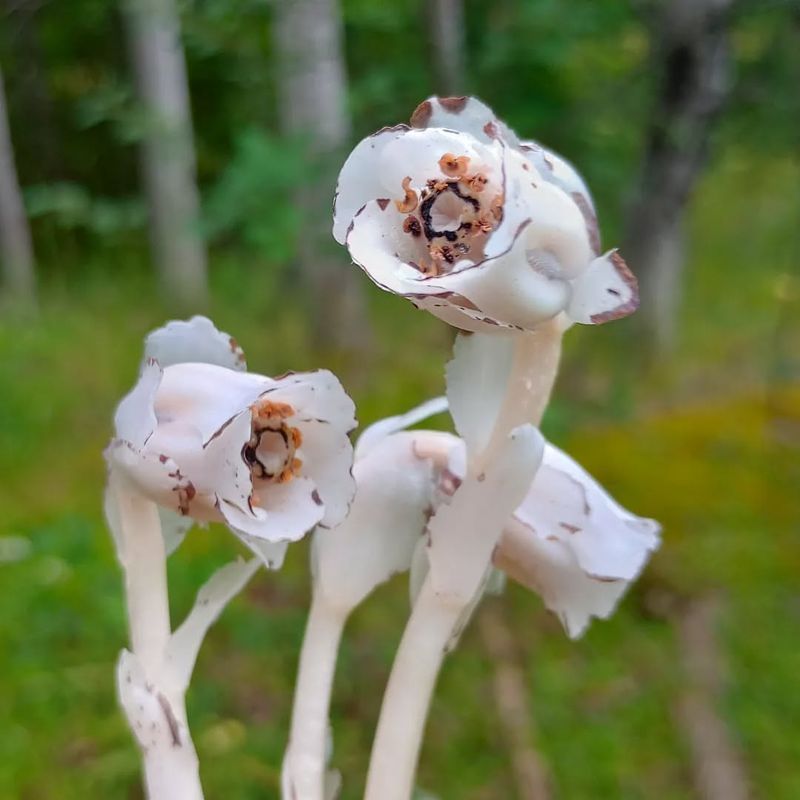
Virginia’s hardwood forests are recovering and maturing in many regions, thanks to conservation efforts and natural forest succession.
Older forests with well-established oak, beech, and maple trees create the perfect conditions for ghost pipe to flourish.
These mature trees have spent decades building extensive root systems and strong partnerships with mycorrhizal fungi.
As forests age, their underground networks become more complex and interconnected, providing more opportunities for ghost pipe to plug into the system.
Areas that were once farmland or logged forests are now reaching maturity, with trees old enough to support the rich fungal communities ghost pipe needs.
State parks, national forests, and private conservation lands across Virginia have protected forests that are growing older and more biodiverse each year.
The expansion of forest canopy coverage means more shaded, stable environments where ghost pipe can emerge.
Young forests rarely host ghost pipe because they lack the established tree-fungi relationships necessary for this plant to survive.
If you’re seeing more ghost pipe in Virginia, it might be because our forests are finally reaching the maturity level where these plants can thrive in greater numbers than before.
Cooler, Shadier Summers Favor Ghost Pipe Emergence
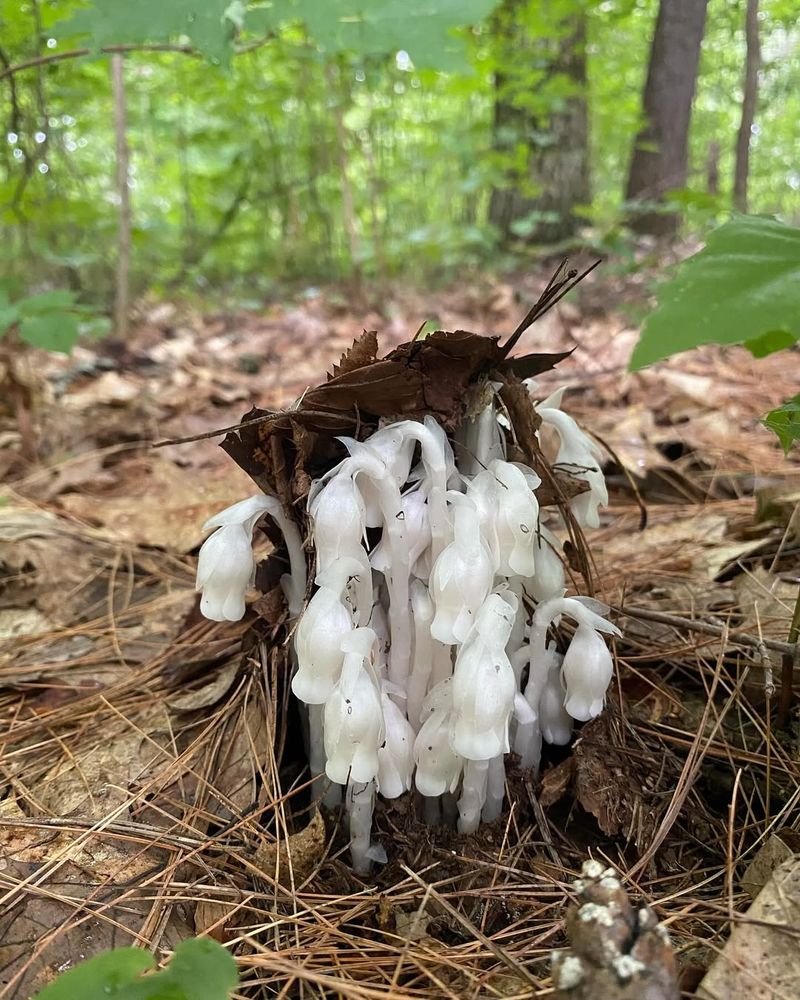
Some Virginia summers bring relief from extreme heat, with more cloud cover and cooler temperatures that benefit shade-loving plants like ghost pipe.
When temperatures remain moderate and the forest canopy stays thick and leafy, the forest floor stays cooler and more hospitable.
Ghost pipe struggles in hot, dry conditions but absolutely loves the cool, damp shade found under dense tree cover.
Summers with less intense heat stress allow the forest understory to maintain the consistent moisture and temperature ghost pipe requires.
Extended periods of cloud cover can keep the forest floor from drying out, even during months that are typically warmer.
The thick canopy of a healthy forest acts like nature’s air conditioner, keeping ground temperatures surprisingly stable even on warm days.
When Virginia experiences a particularly mild summer, ghost pipe populations can explode in numbers compared to hotter, drier years.
Climate variations from year to year mean that some summers simply provide better conditions for ghost pipe than others.
If you’re noticing more ghost pipe this year, consider whether the summer has been unusually cool or cloudy—that could explain the abundance of these ghostly blooms across Virginia forests.
Why Ghost Pipe Appears Suddenly—Then Vanishes
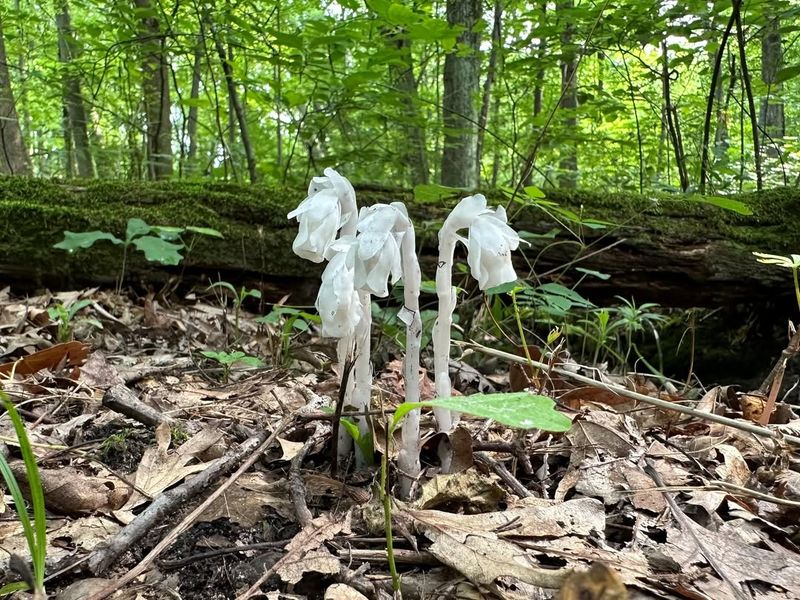
One of the most mystifying things about ghost pipe is how it seems to materialize overnight and then disappear just as quickly.
Ghost pipe spends most of its life completely underground, existing only as a network of roots connected to fungi.
When conditions align perfectly—the right moisture, temperature, and nutrient availability—the plant rapidly sends up its white flowering stems.
The entire above-ground portion of the plant’s lifecycle lasts only a few weeks before it withers and turns black.
This brief appearance makes ghost pipe easy to miss, which is why it can seem like the plant is suddenly showing up when it’s actually been there all along.
After flowering and producing seeds, ghost pipe quickly retreats underground where it continues living in its hidden fungal partnership.
The timing of emergence varies depending on local conditions, so ghost pipe might pop up at different times in different parts of Virginia.
Many hikers walk past the same spot repeatedly and only notice ghost pipe during that narrow window when it’s above ground.
This vanishing act adds to the plant’s mysterious reputation and explains why sightings feel so special and fleeting to those lucky enough to witness them.
Increased Awareness Is Leading To More Sightings
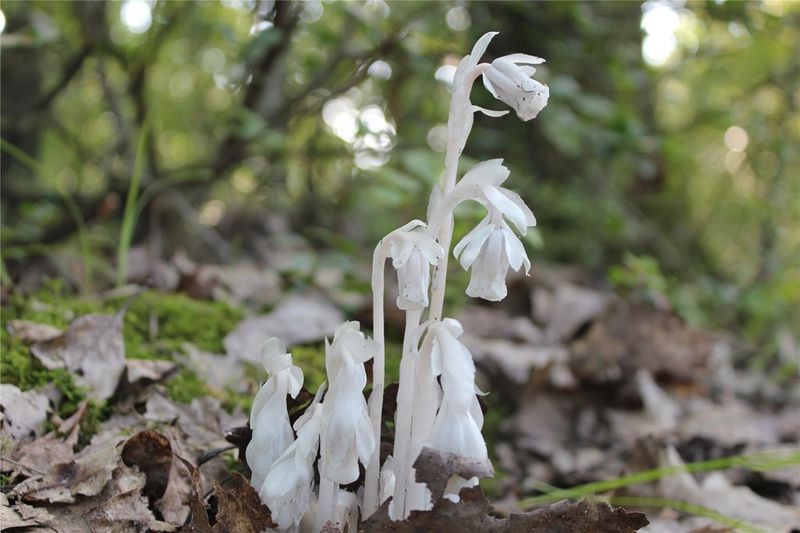
Social media has transformed how people share and discover unusual plants, and ghost pipe has become something of an internet sensation.
Plant identification apps make it easier than ever for casual hikers to identify and share photos of ghost pipe when they encounter it.
Nature groups on social media platforms light up with ghost pipe sightings every summer, creating the impression that the plant is appearing more frequently.
In reality, ghost pipe has always been present in Virginia forests—people are just noticing it more now than ever before.
The rise of nature photography and hiking culture means more people are paying attention to the forest floor and the small wonders it holds.
When someone posts a photo of ghost pipe, it often inspires others to look for it on their own hikes, leading to a cascade of reported sightings.
Local naturalist groups and guided nature walks specifically highlight ghost pipe, teaching people what to look for and when to find it.
This increased awareness creates a feedback loop where more people know about ghost pipe, so more people spot it and share it.
The plant itself hasn’t necessarily become more common—we’ve simply become better at recognizing and appreciating this forest treasure that was hiding in plain sight all along.
What Ghost Pipe Is NOT A Sign Of

Despite its ghostly appearance, many people worry that ghost pipe signals something wrong with the forest, but nothing could be further from the truth.
Ghost pipe is not a sign of forest disease, pollution, or environmental damage—quite the opposite, actually.
Some folks mistakenly believe that parasitic plants like ghost pipe harm their host trees, but the impact is negligible and part of natural forest dynamics.
The plant’s pale color doesn’t mean the forest is lacking nutrients or suffering from soil problems.
Ghost pipe is not toxic to other plants and doesn’t spread aggressively or crowd out native species.
Its presence doesn’t indicate that the forest is haunted, cursed, or experiencing supernatural phenomena, despite the spooky folklore surrounding it.
Some people worry that ghost pipe appearing suddenly means climate change is harming forests, but its presence actually indicates ecosystem health.
The plant has been part of Virginia’s forests for thousands of years and is a natural, native species that belongs here.
Rather than signaling trouble, ghost pipe’s appearance confirms that complex ecological relationships are functioning exactly as they should beneath the forest floor.
Understanding what ghost pipe truly represents helps us appreciate it as the fascinating natural phenomenon it is, rather than fearing it as a bad omen.
What Ghost Pipe’s Presence Really Means For Virginia Forests
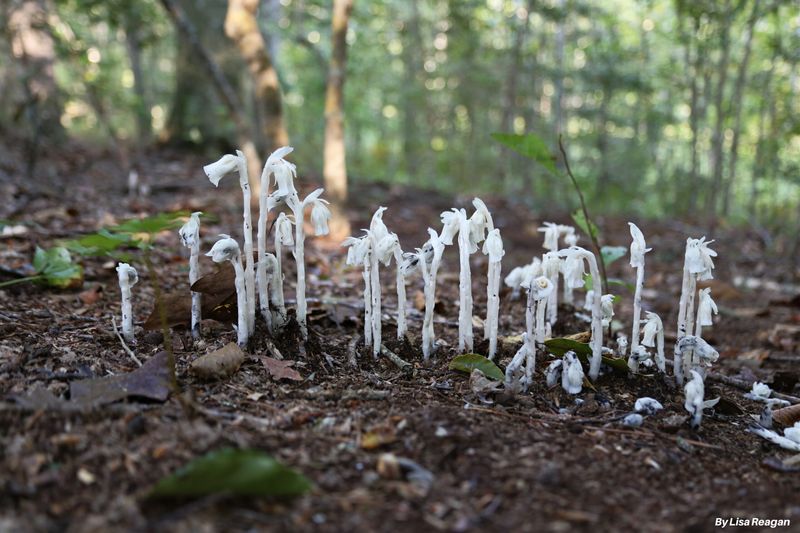
When you spot ghost pipe in a Virginia forest, you’re witnessing visible proof of invisible ecological connections working beautifully beneath your feet.
This plant serves as a living reminder that forests are far more complex than the trees and plants we see above ground.
Ghost pipe’s presence confirms that the forest has mature trees, thriving fungal networks, and the stable conditions necessary for rare plants to flourish.
Finding ghost pipe should fill you with appreciation for the health and biodiversity of Virginia’s protected forest spaces.
The plant reminds us that nature operates on timelines and through relationships we’re only beginning to understand.
Ghost pipe deserves our admiration and respect, but it should never be picked or disturbed—it wilts almost immediately and cannot survive outside its fungal partnerships.
Photographing ghost pipe and leaving it undisturbed allows others to experience the same wonder and helps the plant complete its reproductive cycle.
The increasing number of ghost pipe sightings across Virginia tells a hopeful story about forest recovery, conservation success, and growing public interest in native plants.
Rather than fearing these ghostly blooms, we should celebrate them as indicators that our forests are thriving and that nature’s hidden networks continue their ancient work beneath the leaf litter.