7 Beginner-Friendly Tips For Growing Lucky Bamboo In Washington Homes
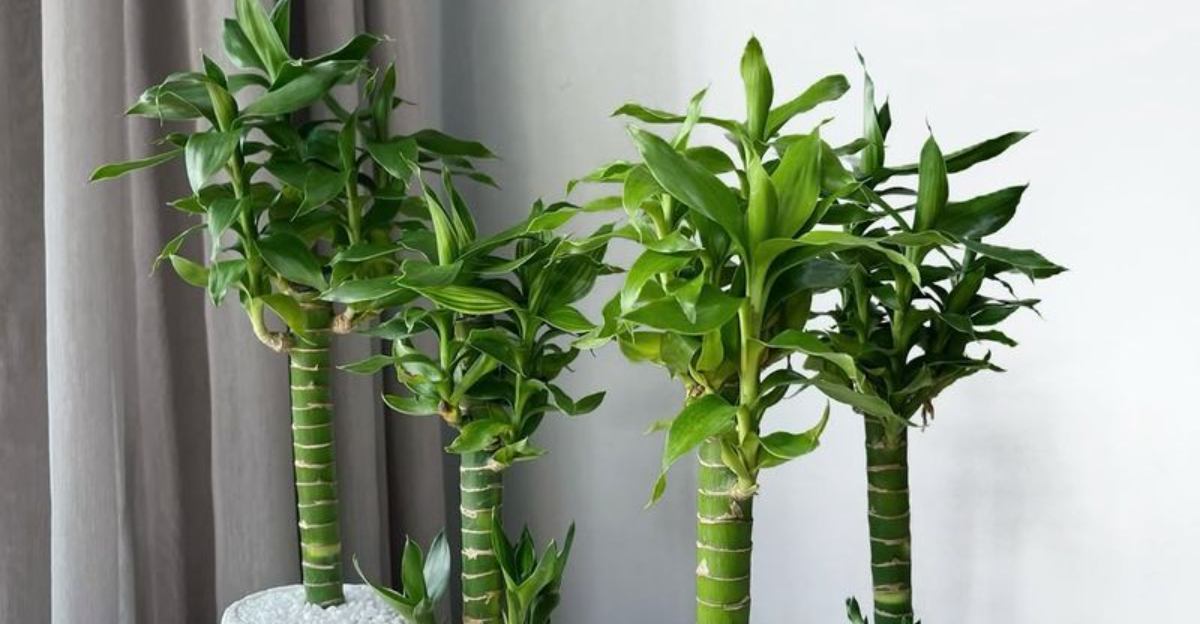
Winter in Washington keeps people indoors, and houseplants become a welcome touch of life and color.
Lucky bamboo has grown in popularity because it brings calm, beauty, and a hint of good fortune to any room.
For beginners, it offers a forgiving way to enjoy greenery without feeling overwhelmed, making it perfect for apartments, condos, or cozy homes.
Lucky bamboo thrives when it receives steady care.
A consistent water routine, indirect sunlight, and occasional trimming keep stems strong and leaves vibrant.
Its roots respond well to clean water or well-draining soil, giving new plant parents an easy path to success.
The plant’s upright growth and graceful leaves bring a sense of balance, making indoor spaces feel calmer and more inviting.
For Washington homes, lucky bamboo adds more than aesthetic appeal.
It brightens corners, softens edges, and provides a living focal point that lifts mood and encourages mindfulness.
Simple, beginner-friendly tips ensure the plant thrives through shorter winter days and cooler indoor temperatures.
With a little attention, lucky bamboo becomes a low-maintenance companion that offers greenery, calm, and a touch of luck all year round.
1. Choose The Right Water For Your Plant
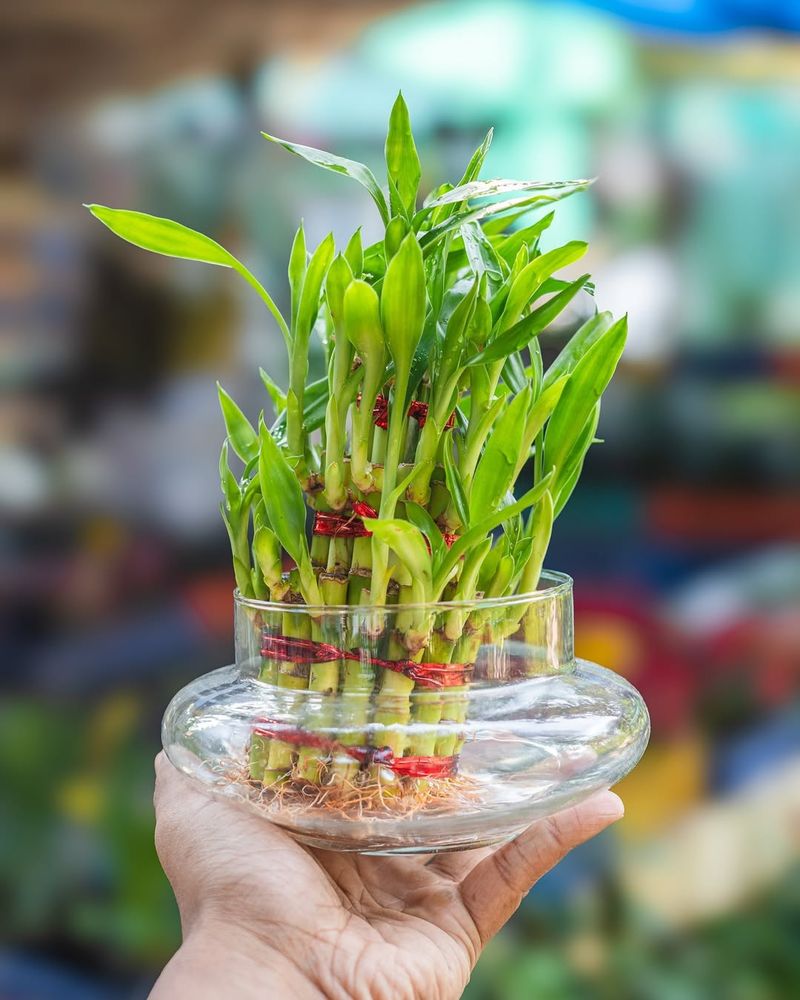
Water quality makes a huge difference when growing lucky bamboo in Washington homes, and many beginners overlook this crucial detail.
Tap water in many Washington cities contains chlorine, fluoride, and other chemicals that can cause the leaves to turn yellow or brown over time.
Your best bet is using filtered water, distilled water, or even rainwater collected during our frequent Pacific Northwest showers.
If you must use tap water, let it sit in an open container for 24 hours so the chlorine can evaporate before adding it to your plant.
The water level should cover the roots by about an inch, but the stalks themselves shouldn’t be submerged too deeply.
Change the water every week or two to prevent bacteria buildup and keep things fresh.
During Seattle’s rainy season, you might notice your indoor air is more humid, which your lucky bamboo will appreciate.
Room temperature water works best since cold water can shock the roots.
Some Washington gardeners swear by adding a tiny drop of liquid fertilizer to the water once a month, but this isn’t necessary for healthy growth.
Keep an eye on the water clarity as well.
Cloudy or smelly water means it’s definitely time for a change.
Remember that lucky bamboo grown in water needs more frequent attention than plants in soil, but the payoff is a stunning, low-maintenance addition to your home.
Washington’s soft water in some regions can actually be beneficial, but always monitor how your plant responds to your specific water source.
2. Find The Perfect Lighting Spot
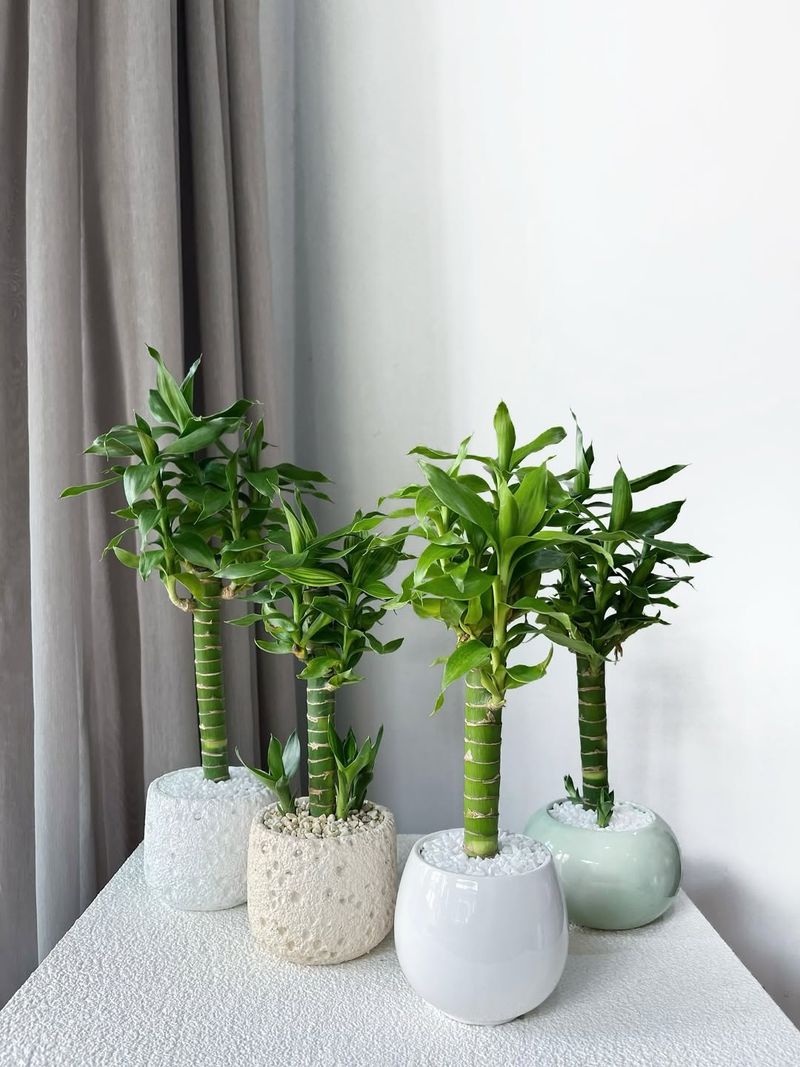
Lighting can be tricky for Washington residents since our weather shifts dramatically between seasons, but lucky bamboo is surprisingly adaptable.
Bright, indirect light is the sweet spot for this plant.
Think of a location near a window but not directly in the sun’s path.
Direct sunlight will scorch the leaves and turn them yellow, which is one of the most common mistakes new plant owners make.
Your Washington Garden Changes Every Week. Your Plan Should Too.
Gardening in Washington changes quickly throughout the season. Every Friday you’ll receive a simple weekly plan showing exactly what to plant, prune, fertilize, harvest, and protect so you never miss the right timing.
During Washington’s gray winter months, your lucky bamboo will do just fine with the lower light levels that come through your windows.
In fact, this plant evolved as an understory species, meaning it naturally grows beneath taller plants in the wild.
If your home feels particularly dark, especially in north-facing rooms common in older Washington houses, you might consider adding a simple grow light.
East-facing windows work wonderfully because they provide gentle morning light without the intense afternoon rays.
South and west-facing windows in Tacoma or Vancouver can be too bright during summer, so you may need sheer curtains to diffuse the light.
Pay attention to how your plant responds over a few weeks.
If the leaves start turning pale or yellowish, it might be getting too much light.
Conversely, if growth seems stunted or the green color fades, try moving it slightly closer to a light source.
Many Washington residents successfully grow lucky bamboo in bathrooms where humidity is high and light is moderate.
3. Maintain Comfortable Temperature Levels
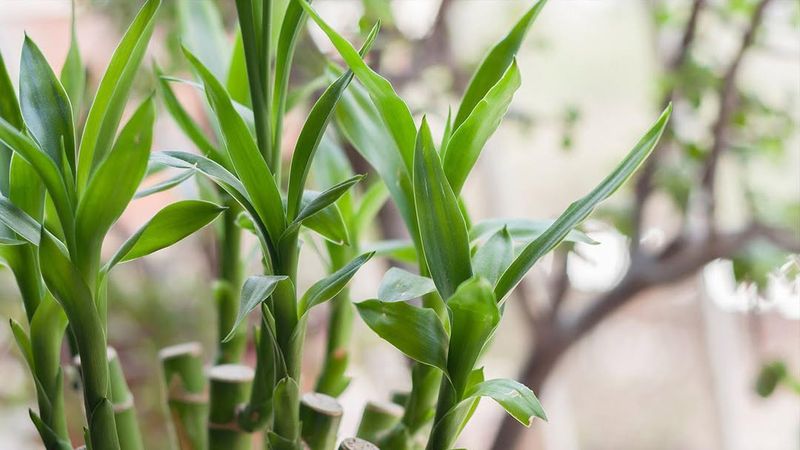
Temperature control is easier than you might think when growing lucky bamboo in Washington homes, since our climate rarely reaches extremes indoors.
Lucky bamboo thrives in temperatures between 65 and 90 degrees Fahrenheit, which matches the comfort range for most people.
Your plant will be perfectly happy in the same conditions that keep you comfortable throughout the year.
Avoid placing your bamboo near heating vents, radiators, or air conditioning units that blast directly on the plant.
These sudden temperature changes can stress the plant and cause leaf damage.
Similarly, drafty windows during Washington’s chilly winters can create problems if cold air constantly hits your plant.
Most homes in Olympia, Bellingham, and throughout the state maintain indoor temperatures that work perfectly for lucky bamboo.
During summer, when some Washington homes can get warm without air conditioning, your bamboo will handle it fine as long as you keep up with watering.
The key is consistency rather than perfection.
Sudden temperature drops below 55 degrees can cause damage, so if you’re going away during winter and plan to lower your thermostat, consider moving your plant to a warmer spot.
Interestingly, lucky bamboo can tolerate slightly cooler temperatures than many tropical houseplants, making it ideal for Washington’s moderate climate.
Avoid placing your plant near fireplaces or wood stoves common in Pacific Northwest homes, as the heat can dry out the leaves quickly.
Room temperature stability is your friend here.
4. Use The Right Container And Growing Medium
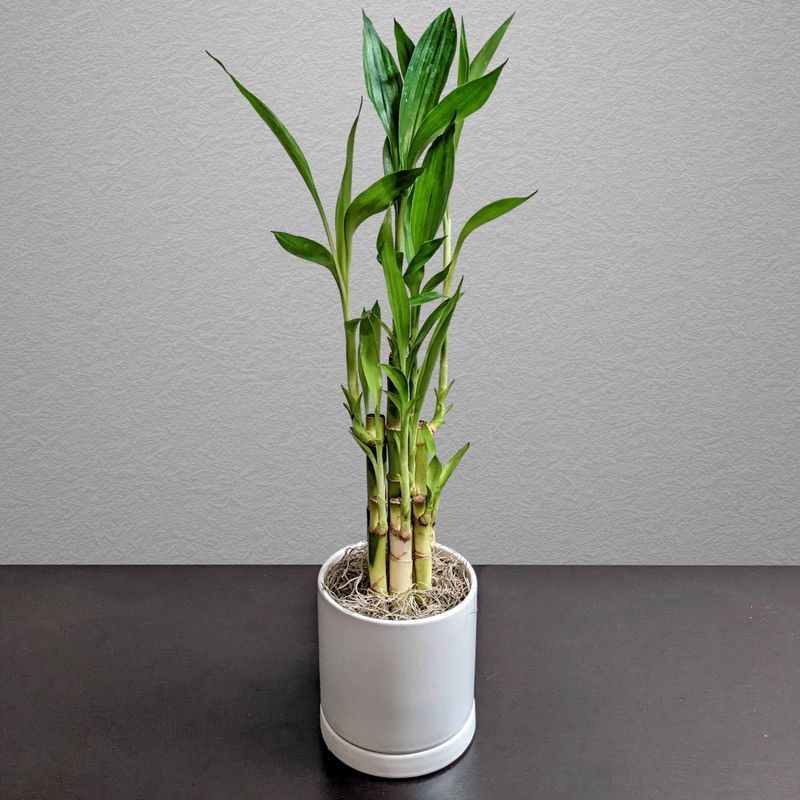
Container choice might seem like a small detail, but it actually impacts your lucky bamboo’s health significantly.
Most people in Washington start with lucky bamboo in water, which works beautifully and looks elegant in clear glass vases.
Glass containers let you monitor water levels and root health easily, plus they complement any decor style.
Make sure your container is clean and free from soap residue before adding your plant.
The container should be deep enough to support the bamboo stalks without tipping, especially if you’re arranging multiple stalks together.
Some Washington gardeners prefer transitioning their lucky bamboo to soil after a few months, which can lead to even more vigorous growth.
If you choose soil, use a well-draining potting mix and a container with drainage holes.
Keep the soil consistently moist but never waterlogged, as soggy conditions can lead to root problems.
Pebbles or decorative stones at the bottom of a water container help anchor the roots and add visual interest.
Rinse these stones thoroughly before use to remove any dust or debris.
Ceramic pots work wonderfully for soil-grown bamboo and come in styles that match Washington’s popular home aesthetics from modern to rustic.
Whatever container you choose, make sure it’s stable enough that pets or children won’t easily knock it over.
Many Spokane and Seattle plant shops sell containers specifically designed for lucky bamboo, often with multiple compartments for creative arrangements.
5. Prune And Shape For Healthy Growth
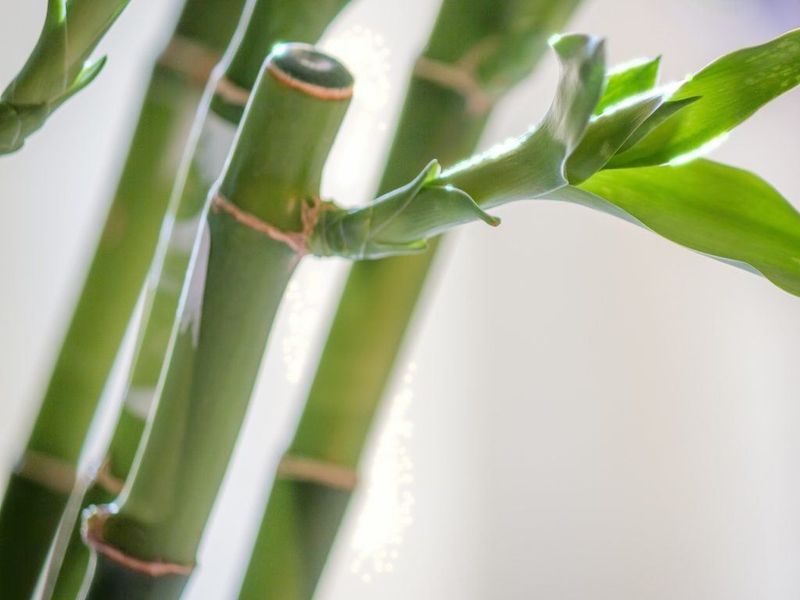
Pruning lucky bamboo might sound intimidating if you’re new to plant care, but it’s actually quite straightforward and helps maintain your plant’s appearance.
Over time, your bamboo may grow taller than you want or develop offshoots that make it look crowded.
Regular trimming keeps your plant looking tidy and encourages fuller growth.
Use clean, sharp scissors or pruning shears to make your cuts.
You can trim the main stalk if it gets too tall, cutting just above one of the growth nodes where you see a ring around the stalk.
The plant won’t grow taller from that stalk after cutting, but it may sprout new shoots from the sides.
Remove any yellow or brown leaves as soon as you notice them by gently pulling them off or cutting them at the base.
These discolored leaves won’t recover and removing them helps the plant focus energy on healthy growth.
If offshoots develop along the main stalk, you can leave them for a bushier look or remove them for a cleaner appearance.
Many Washington plant enthusiasts enjoy propagating these offshoots by placing them in water until they develop roots.
Pruning is best done during spring and summer when the plant is actively growing.
Don’t be afraid to shape your lucky bamboo into creative arrangements.
With patience and regular rotation, you can even encourage spiral growth patterns that look stunning in any Tacoma or Vancouver home.
6. Watch For Common Problems And Fix Them Early
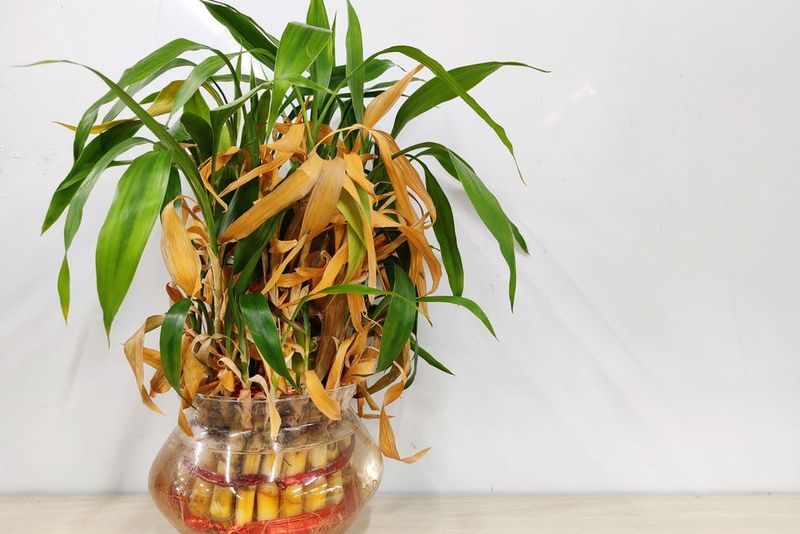
Catching problems early makes all the difference when caring for lucky bamboo in your Washington home.
Yellow leaves are the most common issue and usually signal too much light, chemicals in the water, or over-fertilizing.
If you notice yellowing, first check your water source and consider switching to filtered or distilled water.
Move the plant away from direct sunlight if it’s getting too much exposure.
Brown leaf tips often indicate low humidity or fluoride in tap water.
Washington’s indoor air can get quite dry during winter when heaters run constantly, so consider misting your plant occasionally or using a small humidifier nearby.
If the stalks themselves start turning yellow or brown and feel mushy, this indicates a more serious problem with root health.
This usually happens when water isn’t changed regularly or if the plant is kept in standing water that’s become stagnant.
Trim away any affected areas with sterile scissors and refresh the water immediately.
Slow growth isn’t necessarily a problem since lucky bamboo grows at its own pace.
However, if your plant hasn’t shown any new growth in months, it might need more light or a tiny amount of fertilizer.
Algae growth in the water is common, especially in clear containers exposed to light.
It won’t harm your plant but looks unsightly.
Regular water changes and keeping the container out of direct light help prevent this issue in Bellingham, Olympia, and throughout Washington.
7. Understand Fertilizing Needs And Schedules
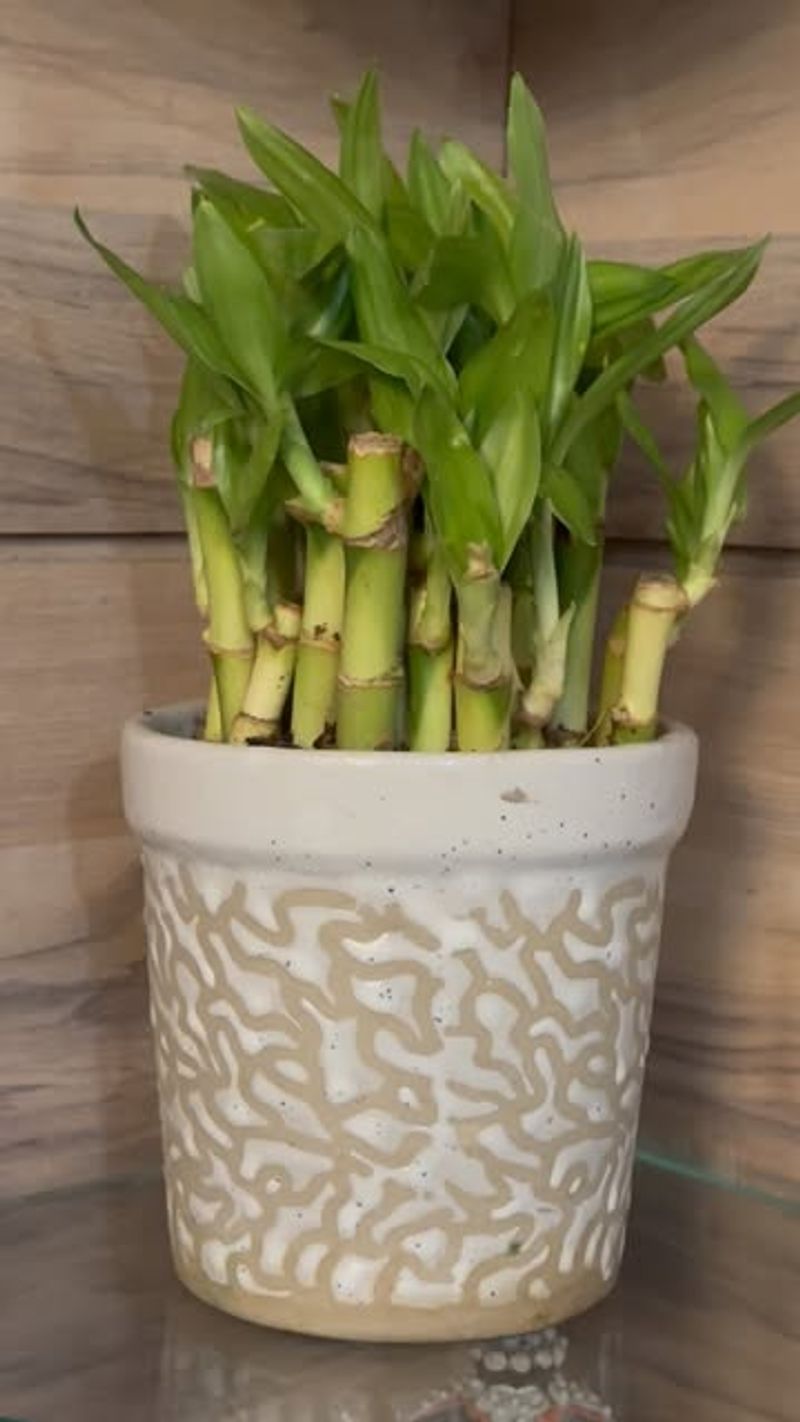
Fertilizing lucky bamboo requires a light touch since this plant doesn’t demand heavy feeding like many other houseplants.
In fact, over-fertilizing causes more problems than under-fertilizing and can lead to leaf burn and other issues.
If you’re growing your bamboo in water, which most Washington residents do, you can add a very diluted liquid fertilizer about once a month during the growing season.
Use only a drop or two of fertilizer formulated for aquatic plants or general houseplants, diluted to quarter strength.
More is definitely not better in this case.
Lucky bamboo grown in soil needs slightly more nutrition since soil depletes over time.
Feed soil-grown plants every two months with a balanced, diluted fertilizer during spring and summer.
Skip fertilizing altogether during fall and winter when growth naturally slows down.
Washington’s cloudy winters mean less light for photosynthesis, so your plant won’t need extra nutrients during these months.
Signs of over-fertilizing include brown leaf tips, yellowing leaves, and white crust forming on the stalks or container.
If you notice these symptoms, immediately change the water completely and skip fertilizing for several months.
Many successful lucky bamboo growers in Seattle and Spokane never fertilize at all and still maintain healthy, beautiful plants.
The plant naturally absorbs nutrients from its environment and doesn’t require constant feeding.
When in doubt, err on the side of less fertilizer rather than more, and your lucky bamboo will thank you with steady, healthy growth.