10 Rare Garden Plants Washington Gardeners Are Obsessed With
Washington gardeners have a flair for the unusual.
Common plants fill beds, but rare garden plants turn ordinary spaces into something extraordinary.
Their unusual colors, striking foliage, and unique blooms give gardens personality and a sense of discovery that keeps every season exciting.
For serious gardeners, rare plants are the crown jewels of any landscape.
Tracking down these special varieties is part of the thrill.
From hidden nurseries to carefully sourced seeds, gardeners know that patience pays off.
Rare plants reward effort with unexpected textures, eye-catching flowers, and growth patterns that make every corner of a garden feel curated.
Each plant adds character, and placing it in just the right spot can turn a simple backyard into a conversation starter.
Washington’s climate supports a wide range of rare species, from delicate perennials to bold shrubs that thrive in sun, shade, or coastal conditions.
Gardeners embrace the challenge, knowing that these plants do more than decorate, they create living works of art that evolve with the seasons.
For those willing to go the extra mile, rare plants bring intrigue, beauty, and a touch of magic to every Washington garden.
1. Cardiocrinum Giganteum (Giant Himalayan Lily)
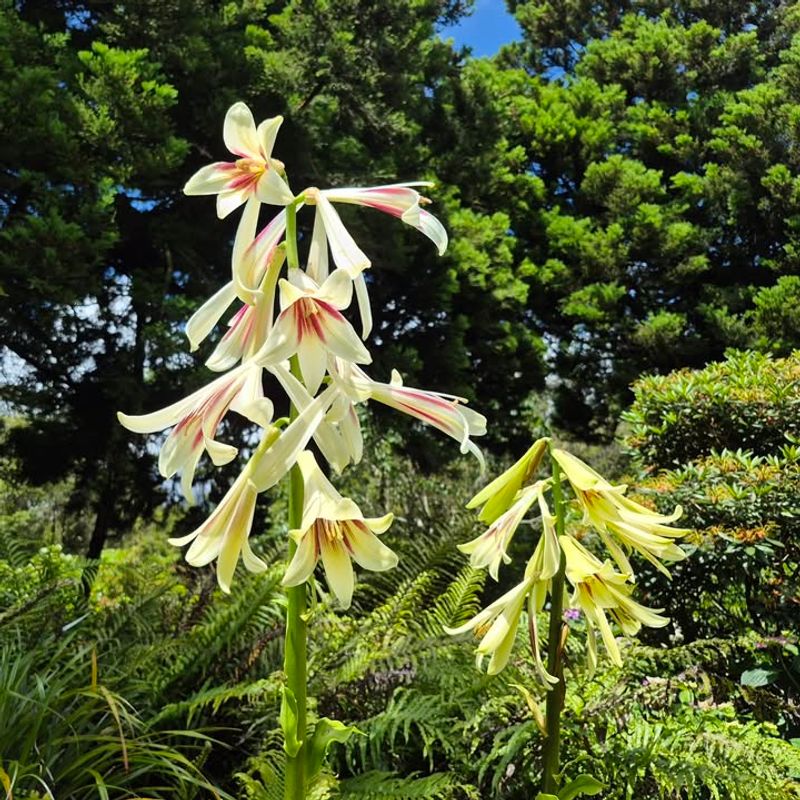
Standing up to twelve feet tall, this magnificent lily transforms any Washington garden into a fairytale landscape.
The Giant Himalayan Lily produces enormous white trumpet flowers that can measure up to eight inches long, filling the air with an intoxicating fragrance that attracts every pollinator in the neighborhood.
What makes this plant particularly fascinating is its unique life cycle.
After spending several years building up strength through its bulb and foliage, it finally sends up one spectacular flowering stalk before the main bulb completes its cycle.
However, it thoughtfully leaves behind offset bulbs that continue the legacy, so your garden will never be without this stunning specimen.
Washington’s woodland gardens provide ideal conditions for this shade-loving giant.
Plant the bulbs in rich, humus-filled soil beneath tall trees where they’ll receive dappled sunlight.
The consistent rainfall throughout spring and early summer keeps the soil perfectly moist, which this plant absolutely requires.
Local gardeners often plant them in groups of three or five for maximum impact.
When those towering stalks burst into bloom in midsummer, they create a vertical accent that no other plant can match.
2. Meconopsis Betonicifolia (Himalayan Blue Poppy)

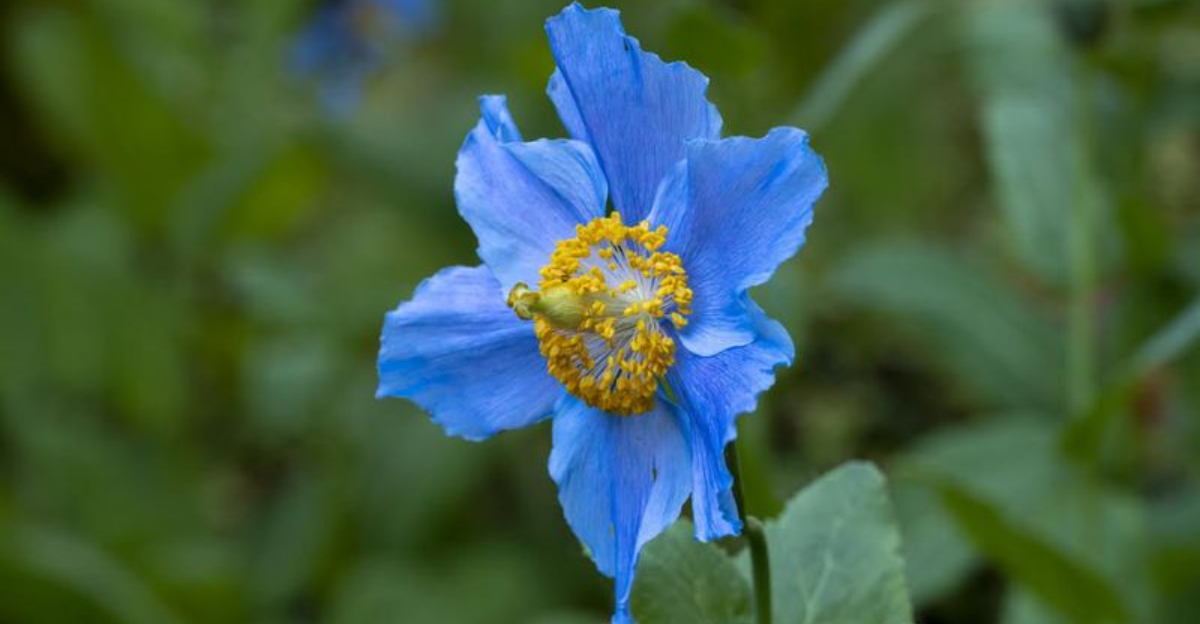
Imagine a flower so blue it looks like a piece of sky fell into your garden.
That’s exactly what the Himalayan Blue Poppy delivers to Washington gardeners lucky enough to master its particular needs.
Originally from high mountain regions of Tibet and China, this stunning perennial has found a second home in the Pacific Northwest.
Washington’s cool summers and consistent moisture create conditions remarkably similar to its native habitat, making it one of the few places in America where this plant actually thrives.
The blooms appear in late spring and early summer, displaying petals of the most incredible sky-blue shade you’ve ever seen.
Each flower measures about three to four inches across and sits atop stems that can reach two to four feet tall.
Your Washington Garden Changes Every Week. Your Plan Should Too.
Gardening in Washington changes quickly throughout the season. Every Friday you’ll receive a simple weekly plan showing exactly what to plant, prune, fertilize, harvest, and protect so you never miss the right timing.
Gardeners in Seattle and surrounding areas have particular success with this beauty because it absolutely hates hot weather.
Plant it in partial shade with rich, well-draining soil that stays consistently moist but never waterlogged.
Adding organic matter helps recreate the forest floor conditions it loves.
Many Washington gardeners treat this plant as their crown jewel, and visitors always stop to admire its otherworldly color.
3. Actaea Simplex ‘Brunette’ (Black Bugbane)

Dark, dramatic foliage makes this perennial an absolute showstopper in shaded Washington gardens.
The leaves emerge in deep purple-bronze shades that look almost black in certain lighting, creating stunning contrast against the typical green backdrop of woodland plantings.
Come late summer and early fall, tall wands of fragrant white flowers rise above the foliage, creating a striking display that lasts for weeks.
These bottle-brush blooms reach heights of four to five feet, swaying gracefully in the breeze.
Washington gardeners particularly appreciate how this plant performs beautifully in full shade, where many other flowering perennials struggle.
The consistent moisture and cool temperatures throughout the region suit its preferences perfectly.
Plant it in rich, organic soil that retains moisture without becoming soggy.
It pairs wonderfully with hostas, ferns, and other shade-loving companions.
The dark foliage provides visual interest throughout the entire growing season, not just during bloom time.
Butterflies and beneficial insects flock to the late-season flowers, providing valuable nectar when many other plants have finished blooming.
This tough perennial handles Washington’s wet winters without complaint and returns reliably year after year, growing more impressive with age.
4. Trillium Chloropetalum (Giant Wakerobin)
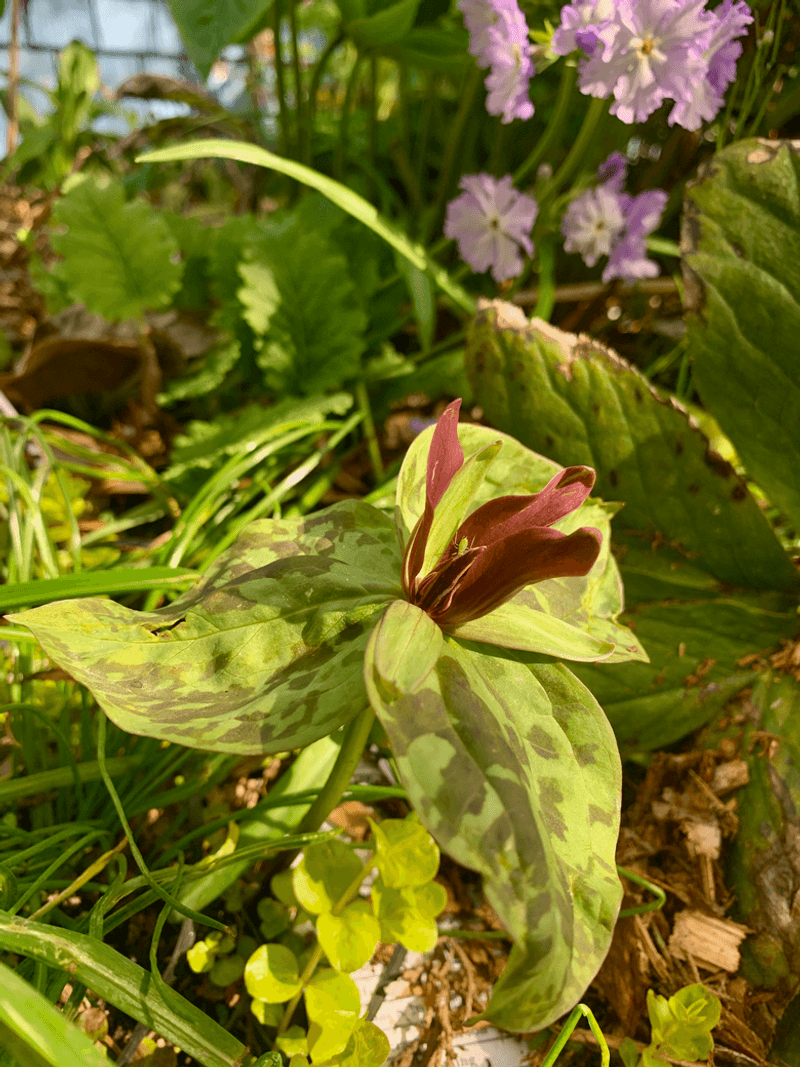
Native to the western United States, this spectacular trillium has become a treasure among Washington plant collectors.
Each plant produces three large, mottled leaves that look like they’ve been hand-painted with silvery patterns.
Rising from the center sits a single flower with three petals that can range from deep maroon to burgundy, occasionally appearing in white or pale pink forms.
What sets this species apart from other trilliums is its upright flower that stands tall rather than nodding downward.
Washington’s native plant enthusiasts seek out this species because it represents the region’s incredible botanical heritage.
Growing it successfully means recreating forest floor conditions with rich, slightly acidic soil loaded with leaf mold and organic matter.
Plant the rhizomes in fall, positioning them about four inches deep in a shaded location.
Patience is essential because trilliums take several years to reach blooming size, but the wait is absolutely worth it.
Once established in your Washington garden, these plants can live for decades, slowly forming impressive colonies.
They bloom in early spring, often appearing alongside other woodland wildflowers.
The mottled foliage remains attractive throughout the growing season, even after the flowers fade.
5. Kirengeshoma Palmata (Yellow Waxbells)
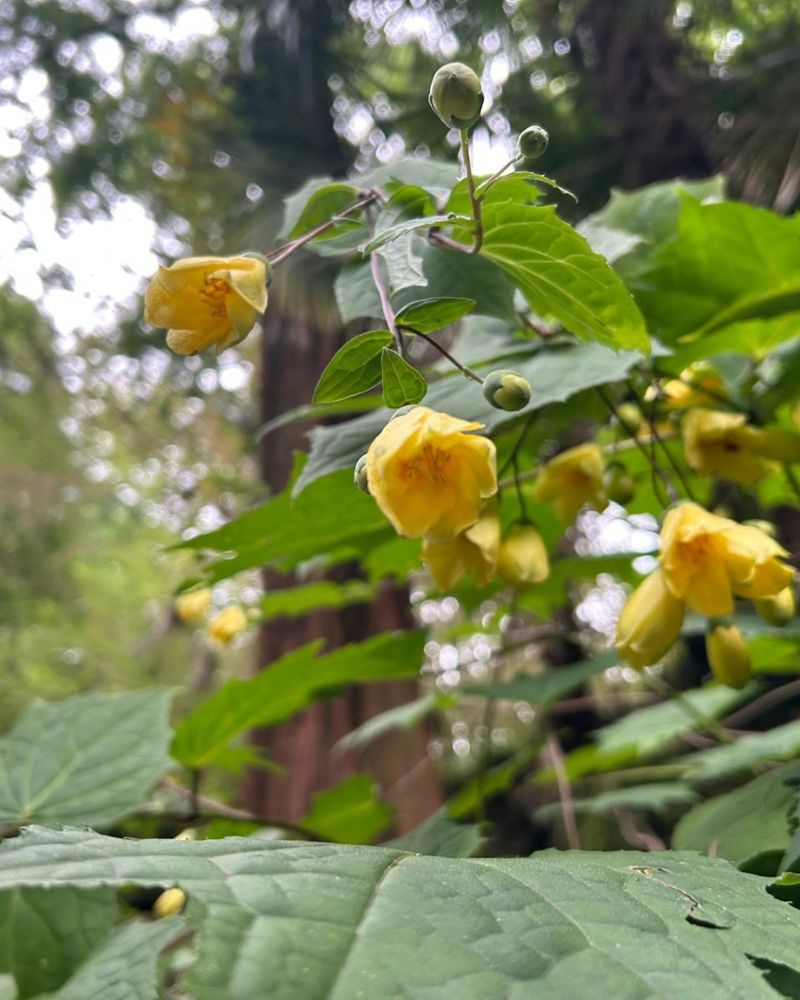
Originating from the mountain forests of Japan and Korea, this elegant perennial has captured the hearts of Washington shade gardeners.
The plant features large, maple-like leaves that create a lush, tropical appearance throughout the growing season.
But the real magic happens in late summer when clusters of pale yellow, waxy bell-shaped flowers dangle gracefully from arching stems.
These delicate blooms seem to glow in the shade, creating an almost ethereal effect in low-light conditions.
Washington’s climate provides exactly what this plant craves: cool temperatures, high humidity, and protection from intense sun.
Gardeners in the region report exceptional success when planting it in woodland settings or on the north side of buildings.
The soil should be rich, acidic, and consistently moist throughout the growing season.
Adding plenty of compost or leaf mold at planting time helps establish strong root systems.
Plants typically reach heights of three to four feet with an equal spread, creating substantial presence in shaded borders.
The late-season bloom time is particularly valuable because it provides fresh color when many other shade plants have finished their show.
This architectural beauty requires minimal maintenance once established and proves reliably hardy throughout Washington State.
6. Roscoea Cautleyoides (Hardy Ginger Lily)

Looking remarkably like a tropical orchid, this unexpected beauty actually handles Washington winters with surprising toughness.
The flowers emerge in shades of yellow, purple, or white depending on the variety, each bloom displaying the exotic appearance of plants you’d expect to find in much warmer climates.
Lance-shaped leaves unfurl in late spring, followed by the stunning blooms that continue appearing throughout summer.
Washington gardeners treasure this plant because it brings tropical flair to gardens without requiring greenhouse protection.
The tuberous roots rest safely underground during winter, emerging reliably each spring once soil temperatures warm up.
Plant them in partially shaded locations with rich, well-draining soil that stays moderately moist during the growing season.
Rock gardens and woodland edges provide ideal settings where the flowers can be admired up close.
These plants stay relatively compact, reaching only twelve to eighteen inches tall, making them perfect for front-of-border placements.
The exotic blooms attract hummingbirds and butterflies throughout their extended flowering period.
Many Washington collectors grow multiple varieties to enjoy the full range of available colors.
Mulching around the plants helps protect the roots during occasional cold snaps and maintains consistent soil moisture during summer months.
7. Disporum Cantoniense ‘Night Heron’ (Fairy Bells)
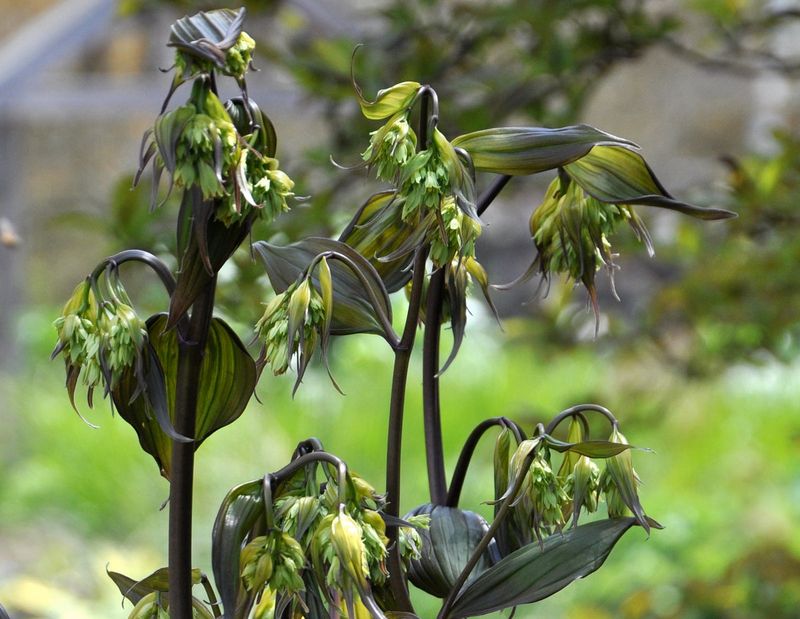
With foliage so dark it appears almost black, this stunning selection of fairy bells creates incredible drama in shaded Washington gardens.
The leaves emerge chocolate-purple in spring, darkening to near-black as they mature, providing a sophisticated backdrop for the small, creamy-white bell-shaped flowers that dangle beneath the stems.
These delicate blooms appear in late spring, eventually giving way to glossy black berries that extend the season of interest.
Washington’s shade gardeners have embraced this plant for its ability to illuminate dark corners with its unique coloring.
The arching stems create a graceful, fountain-like form that softens pathway edges and fills gaps between larger shrubs.
Plants typically reach heights of eighteen to twenty-four inches, spreading slowly to form attractive clumps.
Rich, humus-filled soil with consistent moisture suits this woodland native perfectly.
Plant it where you can appreciate the subtle flowers and dramatic foliage up close, perhaps alongside lighter-colored companions like golden hostas or chartreuse ferns.
The contrast creates stunning visual interest throughout the entire growing season.
This tough perennial handles Washington’s wet winters without issues and requires virtually no maintenance once established.
Birds appreciate the berries in late summer, adding another dimension to this exceptional plant’s appeal.
8. Deinanthe Bifida (Hydrangea Relative)

Rare even in its native Japan, this hydrangea relative has become a holy grail plant for serious Washington collectors.
Large, deeply textured leaves create bold statements in shaded areas, while clusters of nodding white flowers appear in midsummer, each bloom displaying a subtle beauty that rewards close inspection.
The flowers start as attractive buds that gradually open into star-shaped blooms, creating an extended period of interest.
What makes this plant particularly special is its extreme rarity in cultivation combined with its perfect adaptation to Pacific Northwest conditions.
Washington’s cool, moist climate mimics the mountain forests where this species naturally occurs.
Gardeners who successfully grow it often describe it as one of their most prized possessions.
Plant it in deep shade with rich, acidic soil that never completely dries out.
Adding generous amounts of leaf mold or compost at planting time helps establish strong growth.
Plants reach about two feet tall and wide, making them suitable for smaller garden spaces.
The foliage remains attractive throughout the season, providing texture and presence even when not in bloom.
Finding this plant requires connections with specialty nurseries or fellow collectors, but Washington gardeners consider the search absolutely worthwhile for such an unusual and beautiful specimen.
9. Podophyllum ‘Spotty Dotty’ (Mayapple Hybrid)
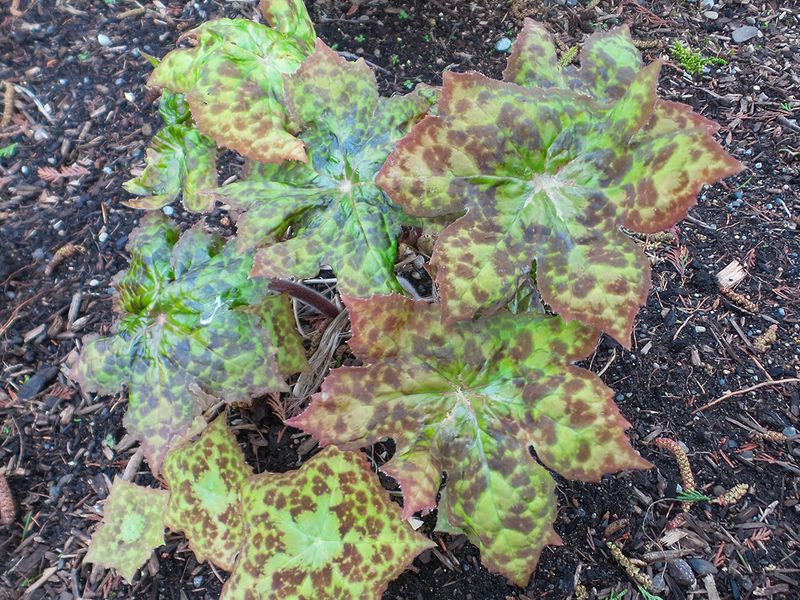
Forget everything you know about ordinary mayapples because this hybrid selection takes the genus to completely new levels of excitement.
Each plant produces large, umbrella-like leaves heavily splashed with chocolate-purple spots and blotches, creating a pattern so striking it looks hand-painted.
Dark red flowers hide beneath the foliage in spring, adding an element of surprise for those who take time to peek underneath.
Washington gardeners have fallen hard for this unusual perennial because it combines bold foliage with the toughness needed to handle regional conditions.
The plants emerge relatively late in spring, pushing up through the soil like small umbrellas unfurling.
As the leaves expand, the spectacular spotting becomes more pronounced, creating maximum visual impact.
Plant it in partial to full shade with rich, moisture-retentive soil.
Woodland gardens provide ideal settings where the dramatic foliage can be appreciated throughout the growing season.
Plants spread slowly through underground rhizomes, eventually forming attractive colonies that return reliably each spring.
The foliage typically reaches eighteen to twenty-four inches tall, creating substantial presence without overwhelming smaller companions.
Collectors across Washington State actively seek out this hybrid, trading divisions and sharing sources for obtaining this remarkable plant that transforms ordinary shade gardens into conversation pieces.
10. Arisaema Sikokianum (Japanese Cobra Lily)
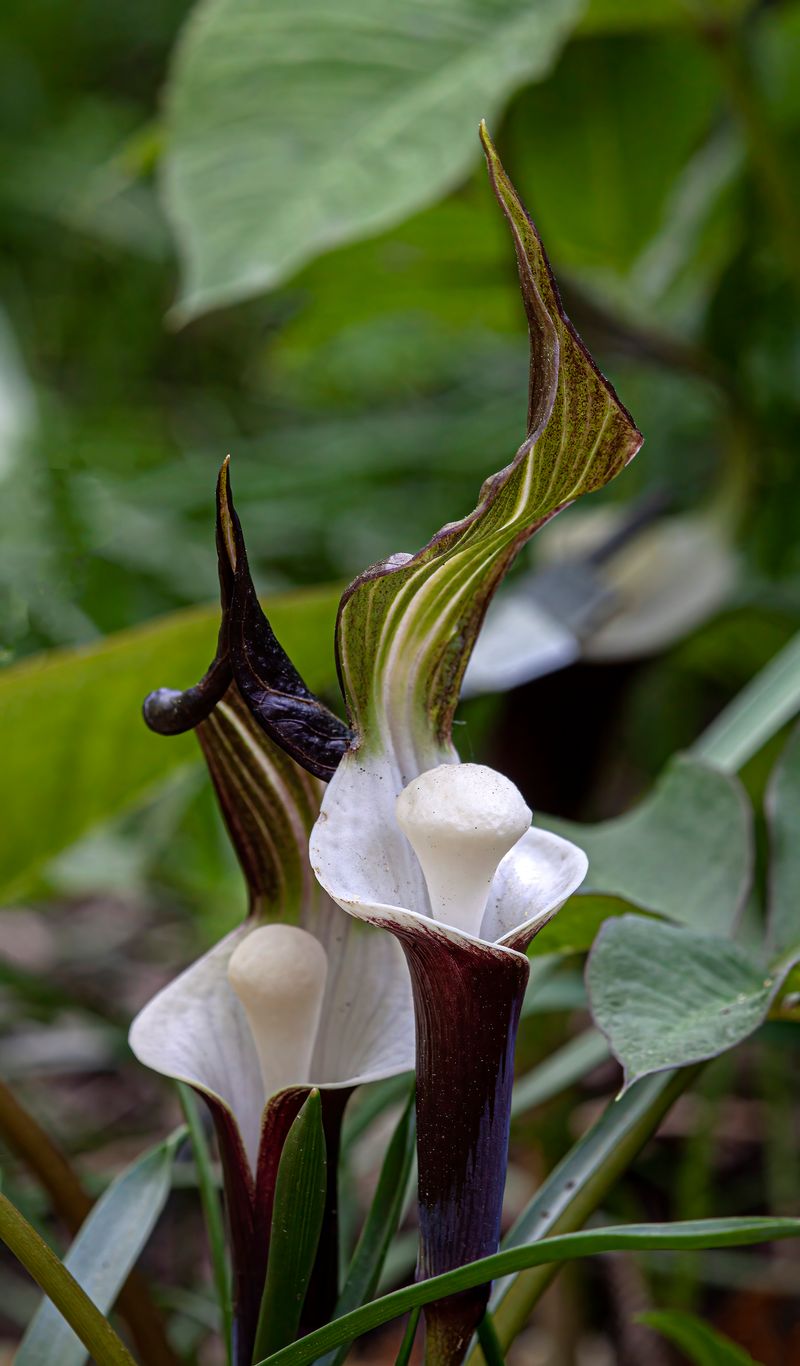
Part sculpture, part plant, this remarkable species produces flowers unlike anything else in Washington gardens.
Each bloom consists of a dramatic hood-like spathe in deep purple-brown with contrasting white stripes, sheltering a pure white club-shaped spadix inside that looks like a small snowman hiding beneath an umbrella.
The effect is absolutely mesmerizing and never fails to stop visitors in their tracks.
Following the spring flowers, attractive three-parted leaves unfurl, creating interest throughout the growing season.
Washington collectors prize this species for its architectural qualities and reliable performance in woodland settings.
The cool springs and consistent moisture of the region suit its preferences perfectly.
Plant the tubers in fall, positioning them about four inches deep in rich, well-draining soil with plenty of organic matter.
Partial shade provides ideal conditions, protecting the plants from intense afternoon sun.
The flowers appear in mid to late spring, creating focal points that draw the eye and spark curiosity.
Plants typically reach twelve to sixteen inches tall, making them perfect for front-of-border placements where their unique blooms can be properly appreciated.
Many Washington gardeners position them along pathways where visitors can stop and admire the intricate details of these botanical masterpieces that truly represent the pinnacle of rare plant collecting.