Ways To Make Your Massachusetts Home Feel Fresh After The Holidays
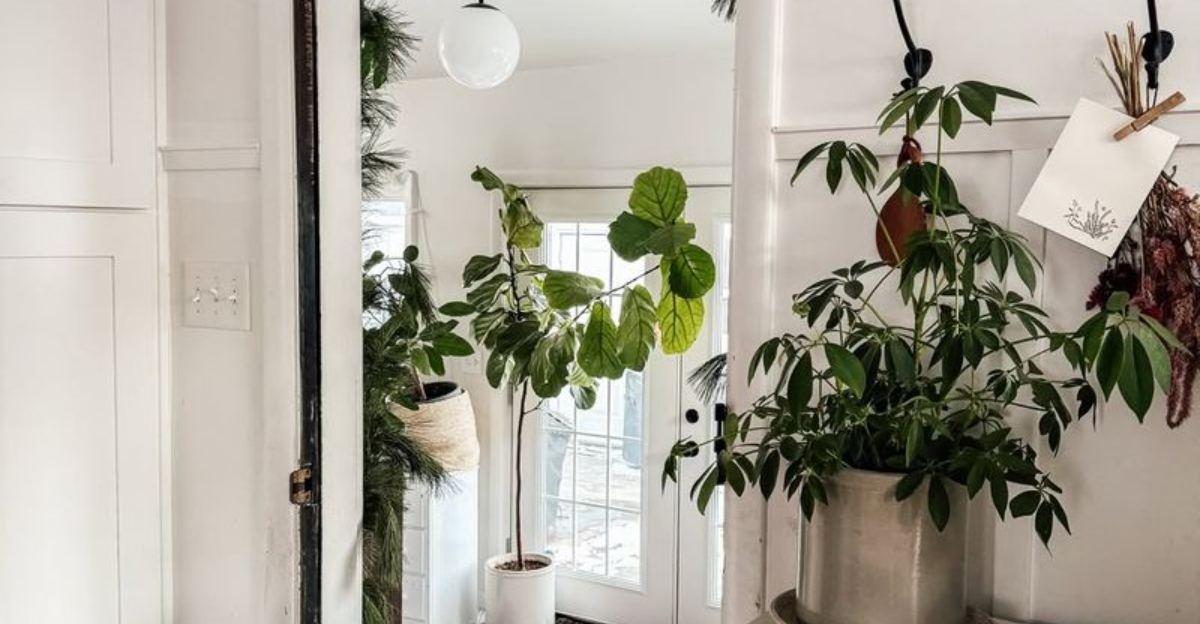
Once the holiday decorations come down, Massachusetts homes can feel bare, quiet, and a little lifeless.
Plants offer an easy way to restore energy, color, and life to indoor spaces without a full redesign.
A few well-placed houseplants brighten corners, soften empty rooms, and introduce natural texture that replaces the sparkle of holiday décor.
Seasonal favorites like evergreens, flowering bulbs, or leafy tropicals add warmth, balance, and freshness, while low-maintenance options ensure care stays simple during the winter months.
Even small touches—like a tabletop plant, hanging greenery, or a grouping of potted blooms—can transform a room’s mood, making interiors feel lively and inviting.
Beyond aesthetics, plants improve air quality and create a sense of calm, which helps counter the post-holiday slump.
Create A Living Room Jungle Corner
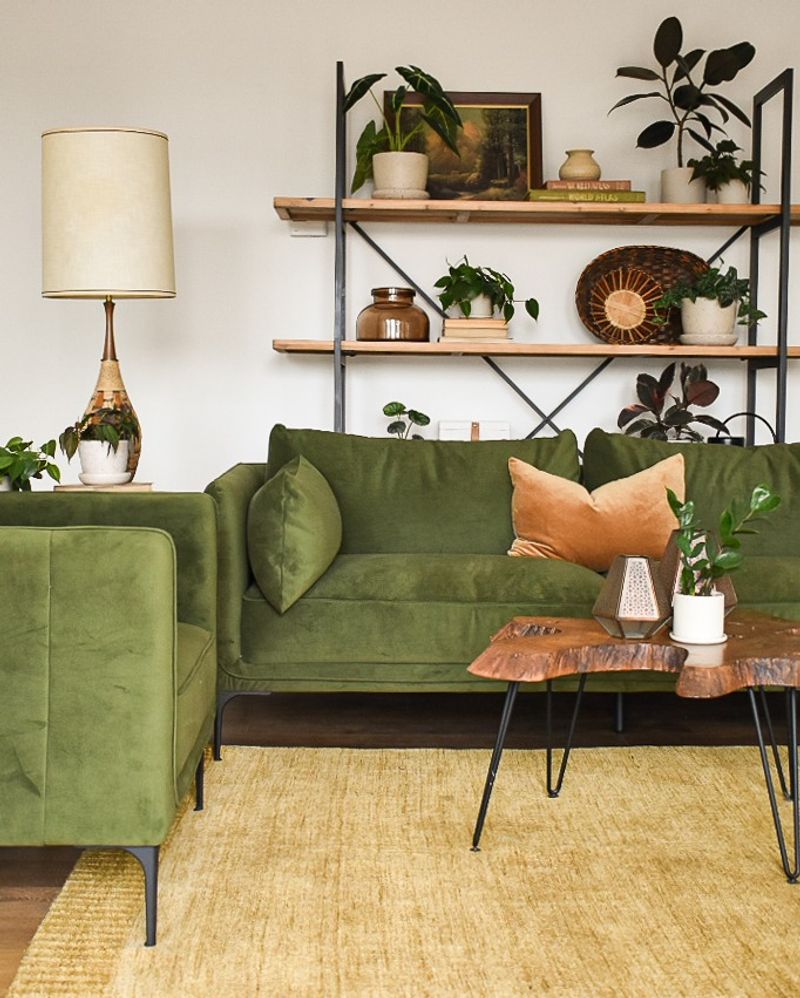
Transform one corner of your living room into a lush indoor oasis that immediately catches the eye when someone walks through the door.
Group several plants of varying heights together to create visual interest and depth.
Tall fiddle leaf figs or rubber plants work beautifully as anchor pieces, while smaller pothos or spider plants can fill in the lower levels.
Massachusetts homes often have excellent natural light during winter months, especially near south-facing windows where your jungle corner will thrive.
The layered look mimics how plants grow in nature and creates a cozy, inviting atmosphere.
Add a comfortable chair nearby where you can read or relax surrounded by greenery.
This arrangement also helps humidify the dry indoor air that heating systems create during cold New England winters.
You can find affordable plant stands at local garden centers or thrift stores throughout Massachusetts to display your collection at different heights.
Rotate your plants occasionally to ensure each one receives adequate sunlight.
Water them according to their individual needs, checking soil moisture regularly.
Your jungle corner will become a conversation starter and a peaceful retreat within your own home.
Refresh Your Kitchen With Herb Gardens
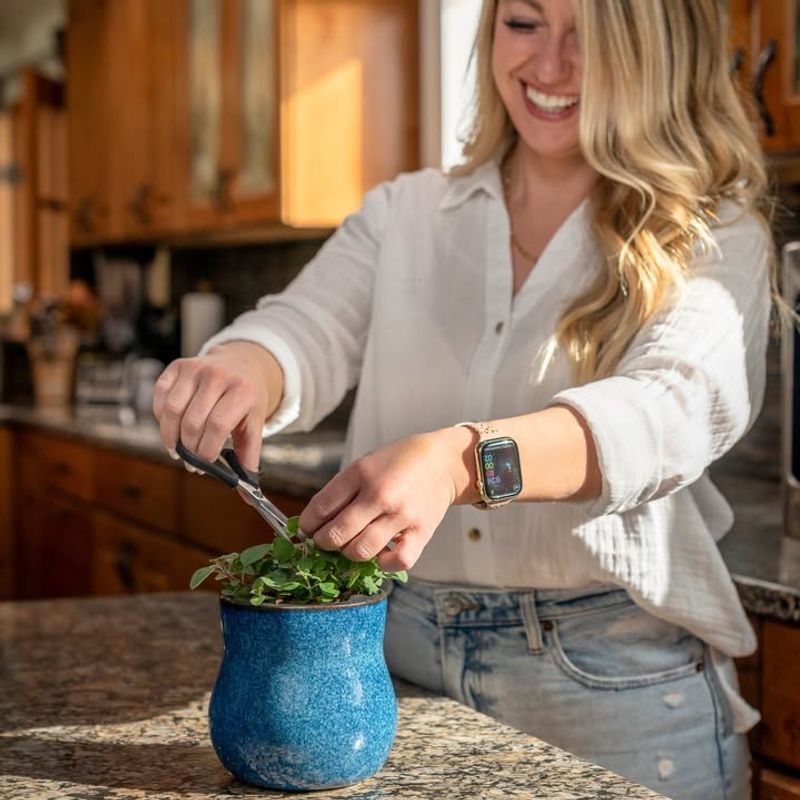
Nothing brightens a kitchen quite like fresh herbs growing right on your windowsill or countertop.
Basil, parsley, cilantro, and mint are easy to grow indoors and provide both beauty and practical benefits for your cooking.
Place small pots along a sunny kitchen window where they can soak up winter light throughout the day.
The vibrant green leaves and pleasant aromas instantly make your kitchen feel more alive and welcoming.
Many Massachusetts garden centers sell starter herb kits that include everything you need to begin growing immediately.
Snipping fresh herbs for your meals becomes incredibly convenient when they grow just steps away from your stove.
Herbs also help filter kitchen odors naturally, replacing them with clean, fresh scents.
Choose containers that match your kitchen decor, from rustic terracotta to modern ceramic planters.
Water your herbs when the top inch of soil feels dry to the touch.
Most culinary herbs prefer temperatures between 60-70 degrees, which aligns perfectly with typical indoor heating during Massachusetts winters.
Harvest regularly to encourage bushier growth and prevent your plants from becoming leggy.
Your Massachusetts Garden Changes Every Week. Your Plan Should Too.
Gardening in Massachusetts changes quickly throughout the season. Every Friday you’ll receive a simple weekly plan showing exactly what to plant, prune, fertilize, harvest, and protect so you never miss the right timing.
Your kitchen will feel like a cheerful, productive space all winter long.
Add Hanging Plants To Empty Spaces
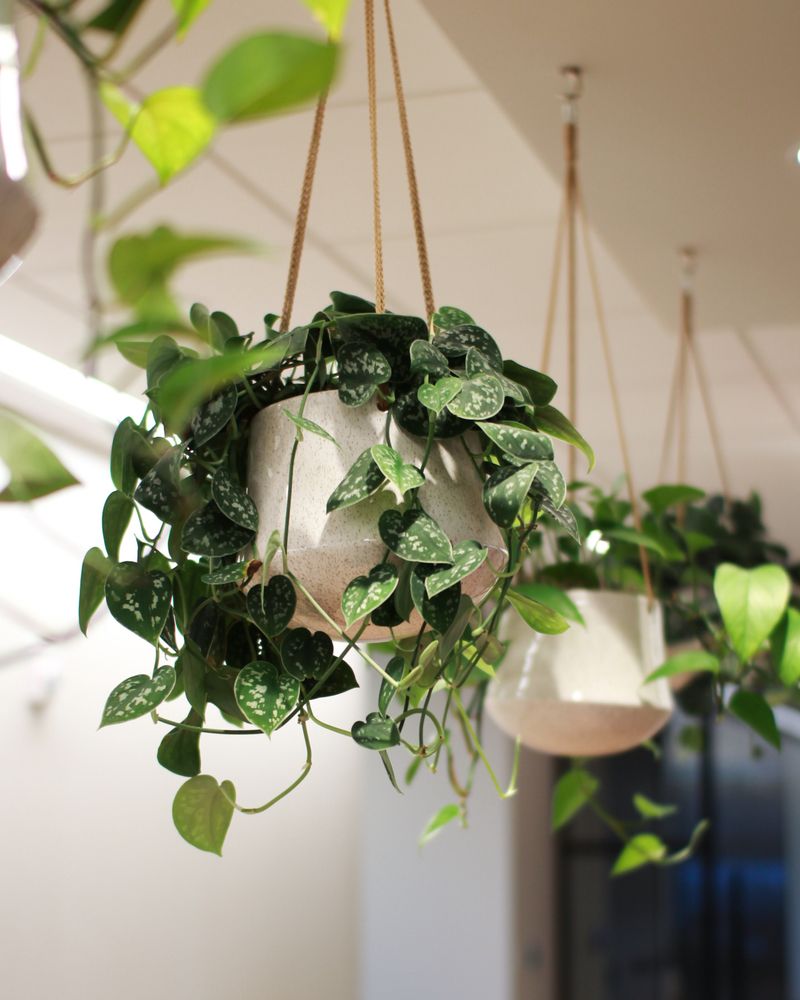
Vertical space often goes unused in our homes, but hanging plants can fill those empty areas with cascading beauty.
Trailing varieties like pothos, string of pearls, or English ivy create stunning visual effects as they grow downward.
Install ceiling hooks in rooms with high ceilings or hang planters from curtain rods for an easier alternative.
Massachusetts colonial and Victorian homes often feature beautiful architectural details that hanging plants can accentuate.
Bathrooms work especially well for hanging plants since many varieties thrive in humid environments created by showers.
The movement and flow of hanging plants softens hard edges and adds organic shapes to your decor.
Choose macrame hangers for a bohemian look or sleek metal holders for modern aesthetics.
Position hanging plants where they receive indirect light but avoid direct drafts from windows during cold months.
Check soil moisture by lifting the pot—if it feels light, your plant needs water.
Hanging plants draw the eye upward, making rooms feel larger and more dynamic.
They also keep greenery safely away from curious pets or small children.
Refresh any room instantly by adding one or two hanging plants in strategic locations.
Design A Bedroom Plant Sanctuary
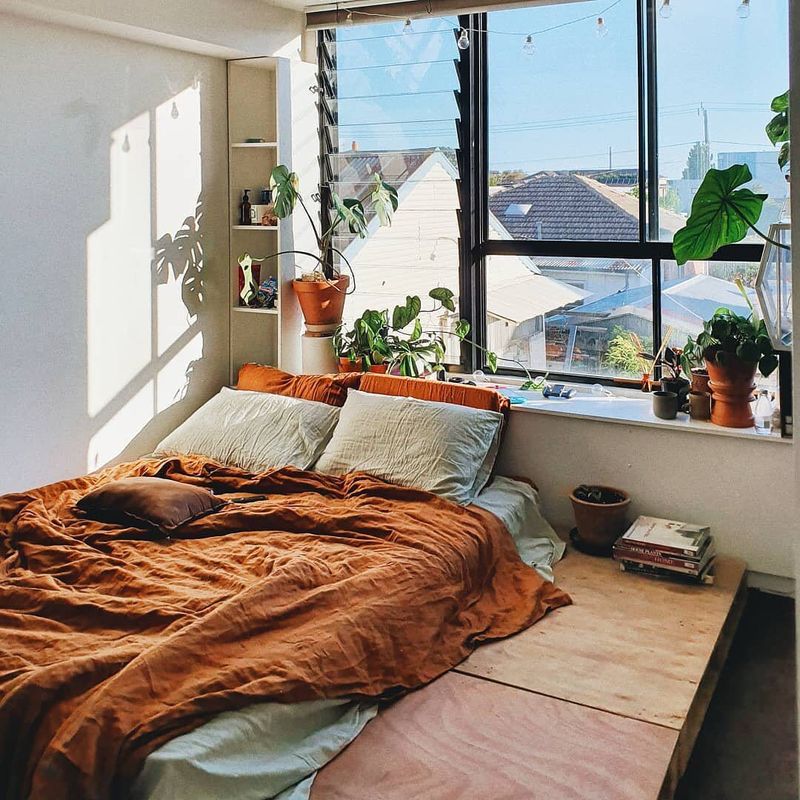
Your bedroom should feel like a peaceful retreat, and plants can help create that calming atmosphere you need for quality rest.
Snake plants and peace lilies are excellent choices because they actually release oxygen at night, unlike most other plants.
Place one or two medium-sized plants on nightstands or dressers where they can be easily appreciated.
The presence of living greenery in your bedroom reduces stress and promotes better sleep quality according to numerous studies.
Massachusetts winters can feel especially isolating, making your bedroom sanctuary even more important for mental wellness.
Choose plants with soft, rounded leaves rather than spiky varieties to maintain a gentle, relaxing vibe.
Keep your bedroom plants away from heating vents that might dry them out too quickly.
Low-maintenance varieties work best since you want your bedroom to remain a stress-free zone.
Water plants in the morning so excess moisture evaporates during the day rather than creating humidity at night.
Add a small plant mister nearby for occasional leaf cleaning, which helps plants breathe better.
The natural green colors promote tranquility and help counteract the winter blues common in New England.
Your bedroom will become a true oasis of calm.
Brighten Windowsills With Colorful Succulents
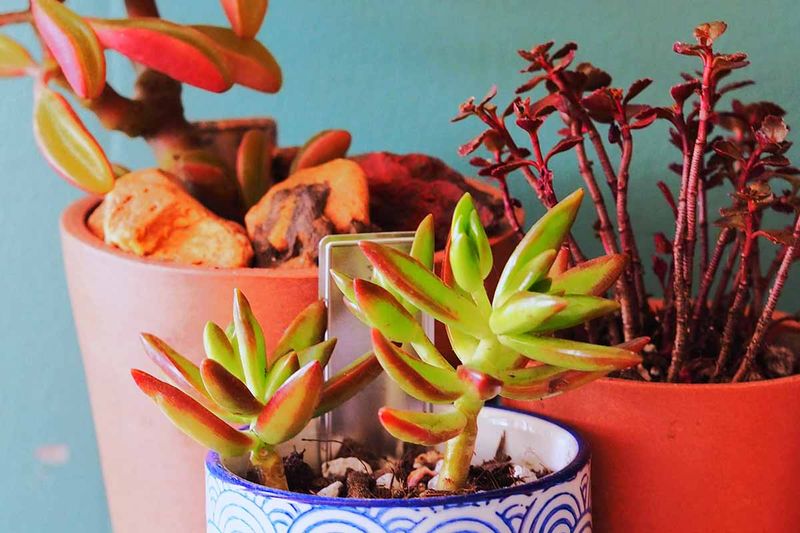
Succulents come in an amazing array of colors, shapes, and textures that can transform any windowsill into a miniature garden.
These hardy plants require minimal care, making them perfect for busy Massachusetts homeowners.
Arrange different varieties together in shallow trays or individual pots for a curated display.
Echeveria, jade plants, and aloe vera all thrive in the bright light that winter windows provide.
The geometric patterns and unique forms of succulents add architectural interest to your home decor.
Many succulents display stunning colors ranging from deep purples to bright pinks and silvery blues.
They store water in their leaves, so they forgive occasional watering mistakes that might harm other houseplants.
South-facing windows work best for succulents, giving them the strong light they crave during short winter days.
Use well-draining soil specifically formulated for cacti and succulents to prevent root problems.
Allow soil to dry completely between waterings, usually every two to three weeks during winter.
Succulents propagate easily, so you can grow your collection or share starts with friends and family.
Your windowsills will look cheerful and vibrant all season long with these low-maintenance beauties.
Incorporate Statement Plants As Focal Points
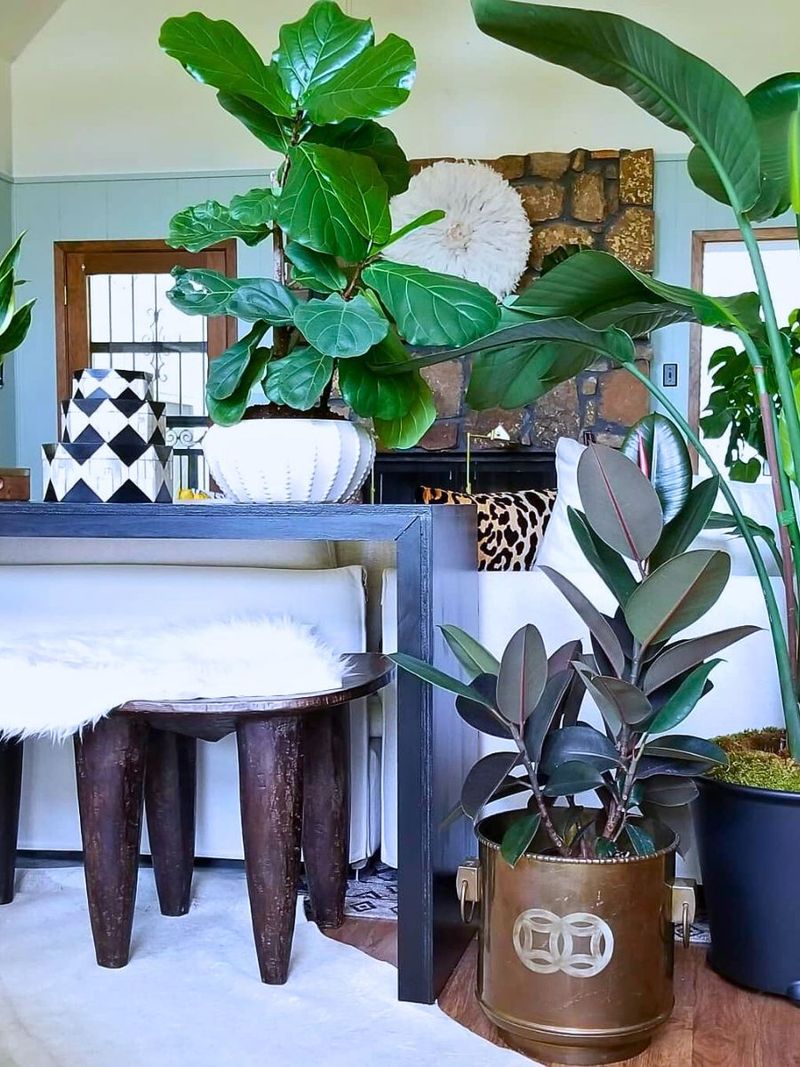
Sometimes one dramatic plant makes a bigger impact than several smaller ones scattered throughout a room.
Large statement plants like monstera, bird of paradise, or tall snake plants command attention and anchor your room design.
Position your statement plant in a spot where it naturally draws the eye, such as beside a fireplace or in an empty corner.
These bold plants fill space beautifully in homes with open floor plans that have become popular in Massachusetts renovations.
The sculptural quality of statement plants adds sophistication and elegance to any interior style.
Choose a decorative pot that complements your existing decor—woven baskets, ceramic planters, or modern concrete containers all work well.
Statement plants typically need more space to grow, so give them room to spread their leaves without crowding.
Dust large leaves regularly with a damp cloth to keep them looking glossy and healthy.
These plants appreciate consistent care, including regular watering schedules and occasional fertilizing during growing seasons.
Turn your statement plant a quarter rotation every few weeks to ensure even growth on all sides.
The presence of a large, healthy plant instantly elevates your entire room and becomes a proud feature of your home.
Guests will surely comment on your impressive green companion.
Revitalize Your Entryway With Welcoming Greenery
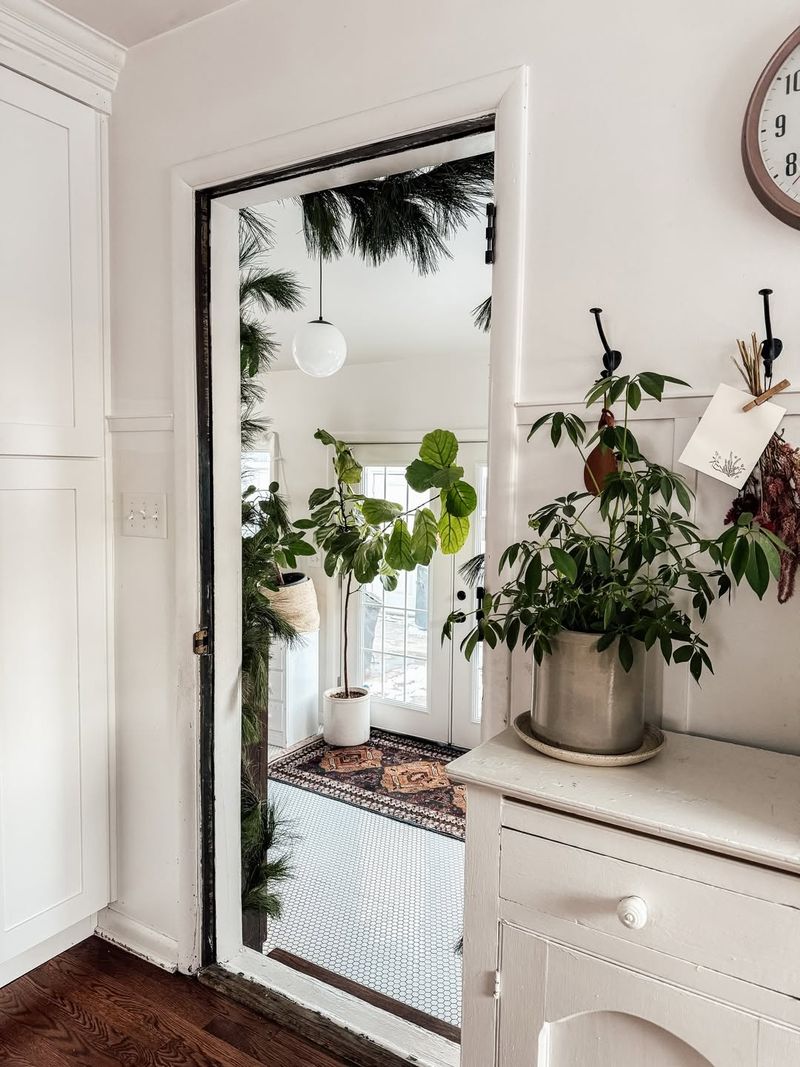
First impressions matter, and your entryway sets the tone for your entire home.
Adding plants near your front door creates an immediate sense of warmth and hospitality for visitors and family members alike.
Hardy varieties like ZZ plants or cast iron plants tolerate the temperature fluctuations that occur near exterior doors during Massachusetts winters.
A tall plant on one side of your entryway console table or a pair of matching plants flanking the door create symmetry and balance.
Entryway plants also help purify the air that enters your home, filtering out pollutants before they reach your main living spaces.
Choose containers that match your entry decor style, whether traditional, farmhouse, or contemporary.
Place plants away from direct drafts that occur when doors open, which can stress them unnecessarily.
Consider adding a small tray underneath pots to protect floors from water damage.
Greenery in your entryway makes coming home feel special every single day, especially during long winter months.
The pop of color and life immediately lifts spirits after a cold commute.
Maintain your entryway plants by wiping dust from leaves weekly and checking soil moisture regularly.
Your refreshed entryway will welcome everyone with natural beauty and positive energy.