How To Prune Fig Trees For Bigger Harvests In North Carolina

Fig trees in North Carolina reward careful attention, and pruning is one of the most powerful ways to boost harvests.
Done right, it opens the canopy to sunlight, improves air circulation, and directs energy into producing larger, sweeter fruit instead of excess leafy growth.
Timing is key: winter or early spring, while the tree is dormant, allows for clean cuts without stressing the plant.
Proper technique includes removing dead or crowded branches, thinning out weak shoots, and shaping the tree to maintain a balanced framework.
Overgrown or poorly pruned figs can struggle with disease, produce smaller fruit, or drop crops prematurely.
With consistent care each year, pruning turns fig trees into productive, manageable backyard treasures.
Prune During The Dormant Season

Winter provides the perfect window for major pruning work on your fig trees.
Between late December and early March, when the tree has dropped its leaves and entered its rest period, you can make significant cuts without stressing the plant.
The tree conserves its energy during this time, so removing branches won’t cause sap to bleed excessively or weaken the overall structure.
North Carolina winters are mild enough that you won’t damage the tree by working on it during cold months, but you should avoid pruning during active growth periods in spring and summer.
When you prune while the tree sleeps, you can see the branch structure clearly without leaves blocking your view.
This visibility helps you make better decisions about which branches to remove and which to keep.
Your cuts will heal faster when growth resumes in spring, and the tree will direct its awakening energy toward producing fruit rather than repairing damage.
Timing your pruning correctly sets the foundation for a productive growing season ahead, giving your fig tree the best chance to develop large, flavorful fruit throughout the summer months.
Remove Suckers At The Base
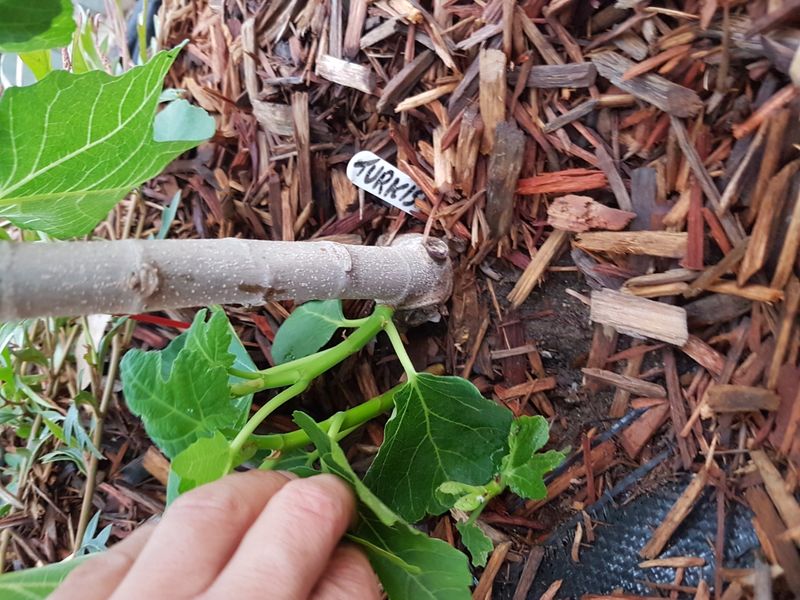
Suckers are those sneaky little shoots that pop up around the bottom of your fig tree, stealing valuable resources from the main trunk.
Your tree sends energy down to its roots, and sometimes those roots send up new growth that looks like it might become another tree.
While this might seem like a bonus, suckers actually drain nutrients and water that should go toward fruit production on the main branches.
Removing them as soon as you spot them keeps your tree focused on its primary job: making delicious figs.
You can pull small suckers off by hand when they first emerge, or use sharp pruners for larger ones that have developed woody stems.
Cut them as close to the base as possible, right where they connect to the root or trunk.
Some gardeners check for suckers every few weeks during the growing season because they can appear quickly, especially after rainfall or fertilization.
By keeping the base clean and sucker-free, you ensure that all the water and nutrients your tree absorbs go straight to the branches that will bear fruit, resulting in larger figs and a more abundant harvest throughout the season.
Your North Carolina Garden Changes Every Week. Your Plan Should Too.
Gardening in North Carolina changes quickly throughout the season. Every Friday you’ll receive a simple weekly plan showing exactly what to plant, prune, fertilize, harvest, and protect so you never miss the right timing.
Thin Out Crowded Interior Branches
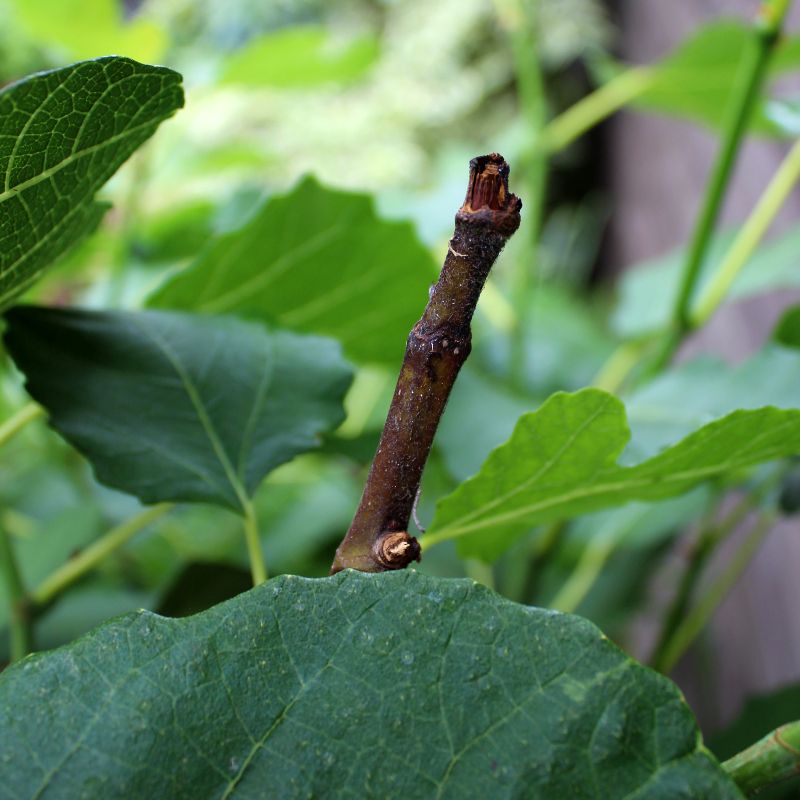
Did you know that sunlight and air circulation are just as important to your fig tree as water and nutrients?
When too many branches grow toward the center of the tree, they create a dense tangle that blocks light and traps moisture.
This crowded environment makes it harder for fruit to ripen properly and can create conditions where problems develop more easily.
Opening up the interior by removing some of those inward-growing branches allows sunshine to reach more parts of the tree.
Start by identifying branches that cross over each other or grow directly toward the trunk instead of outward.
Choose the weaker or less productive branch from each pair and remove it completely at its base.
You want to create an open, vase-like shape that lets light penetrate to the center and allows air to flow freely through the canopy.
Better air movement means leaves dry faster after rain or morning dew, which helps keep your tree healthier overall.
More sunlight reaching the inner branches means more places where figs can develop and ripen to perfection, significantly increasing your total harvest from the same tree.
Cut Back Long, Unproductive Wood
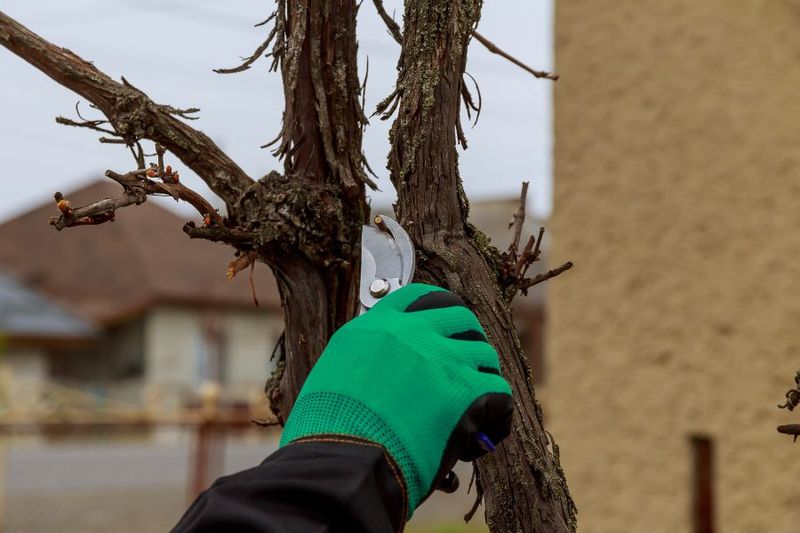
Some branches just keep growing and growing without ever producing much fruit, stretching far from the trunk like they’re trying to escape.
Your fig tree naturally wants to grow tall and wide, but excessive length doesn’t always mean more figs.
In fact, branches that extend too far often produce smaller fruit or none at all because the tree struggles to deliver enough nutrients to their distant tips.
Shortening these overachievers encourages the tree to develop fruit-bearing wood closer to the trunk where it can support it better.
Look for branches that have grown several feet without producing many figs or side shoots.
Cut them back by about one-third to one-half their length, making your cut just above a bud or side branch that points in the direction you want new growth to go.
This technique, called heading back, stimulates the tree to produce new lateral branches that will bear fruit the following season.
The energy that would have gone into extending that long branch now gets redirected into multiple shorter, more productive branches that can support larger figs and ripen them more reliably in North Carolina’s climate.
Maintain A Manageable Height
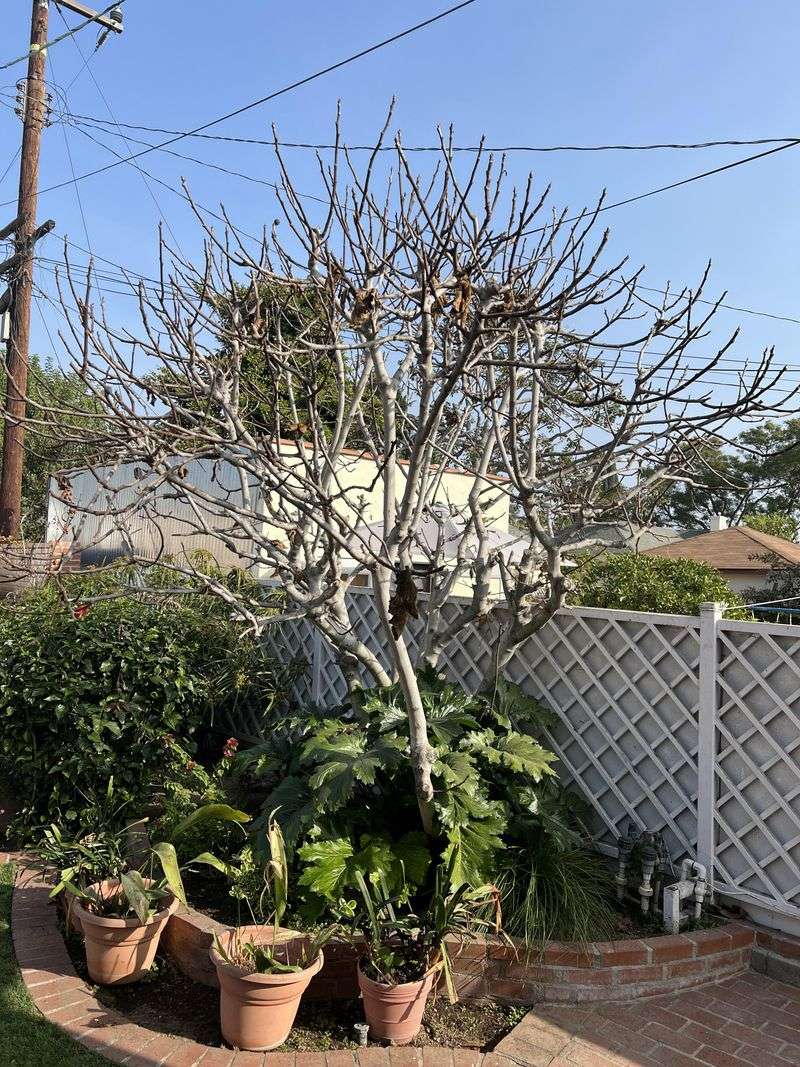
Towering fig trees might look impressive, but they create a real challenge when harvest time arrives.
Keeping your tree at a height you can reach comfortably without a ladder makes picking fruit safer and easier.
Most gardeners find that maintaining their fig trees between six and eight feet tall works perfectly for North Carolina conditions.
At this height, you can inspect the tree regularly, spot ripe figs easily, and perform routine maintenance without special equipment.
When the main trunk or tallest branches exceed your desired height, cut them back to a strong lateral branch that points outward.
This prevents the tree from continuing its upward climb while encouraging horizontal growth that’s more accessible.
Lower branches typically receive better sunlight and produce larger, sweeter figs than those growing high in the canopy.
You’ll also find that a shorter tree directs more energy into fruit production rather than supporting tall, heavy branches.
Regular height control means you can harvest every single fig your tree produces instead of watching birds and squirrels enjoy the ones you can’t reach, maximizing your yield and making garden maintenance a pleasure rather than a workout.
Prune Damaged Or Diseased Wood Promptly
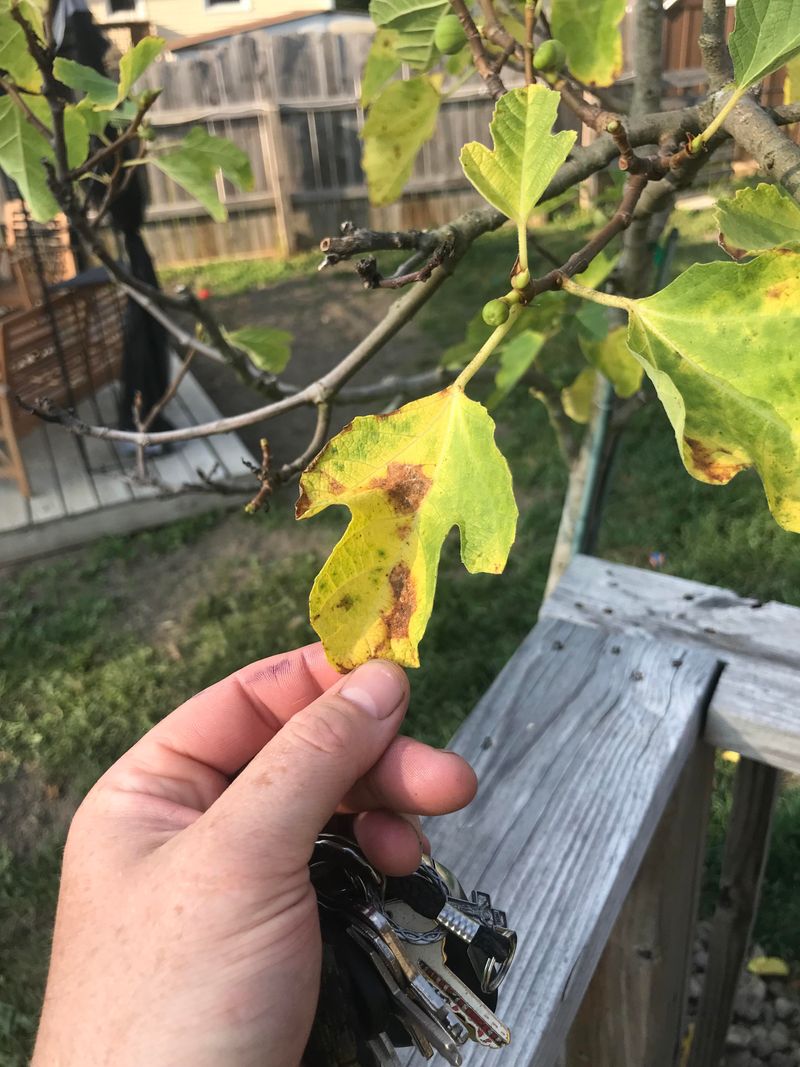
Broken branches and unhealthy wood act like warning signs that your tree needs immediate attention.
When winter storms, heavy winds, or other mishaps cause damage, those injured areas become weak points that can affect the entire tree.
Compromised wood drains resources as the tree attempts to repair itself, resources that could otherwise go toward producing big, beautiful figs.
As soon as you notice any damage, grab your clean, sharp pruners and remove the affected section.
Make your cut in healthy wood below the damaged area, where you can see clean, solid tissue without discoloration or splits.
Removing problematic wood quickly prevents issues from spreading to healthy parts of the tree.
Always sanitize your pruning tools with rubbing alcohol between cuts when working with compromised wood to avoid spreading problems.
After removing damaged sections, your tree can focus its healing energy on the remaining healthy branches.
This prompt action often makes the difference between a tree that struggles through the season and one that bounces back to produce an impressive harvest.
Regular inspections, especially after storms or harsh weather, help you catch problems early when they’re easiest to address.
Shape For Easy Harvest Access
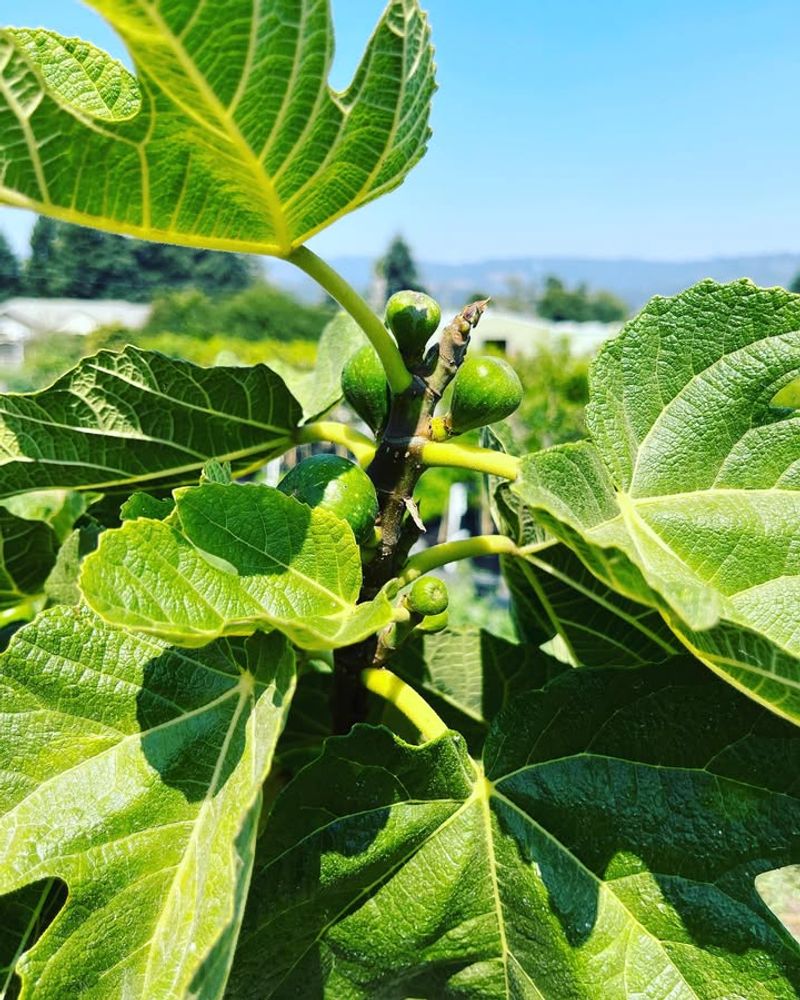
Imagine walking up to your fig tree and being able to see and reach every single ripe fruit without wrestling through a jungle of branches.
Strategic pruning creates exactly that kind of accessible, user-friendly tree structure.
When you shape your tree with harvest in mind, you develop a branching pattern that spreads outward rather than tangling inward.
This open framework allows you to spot ripening figs easily and pick them at their peak without scratching your arms or dropping fruit.
Work toward creating three to five main scaffold branches that spread from the trunk at comfortable angles.
Remove branches that grow straight up or hang down too low, as these create obstacles during harvest.
Keep the center relatively open so you can reach through from multiple angles.
Think about how you’ll move around the tree with a basket in hand when deciding which branches to keep.
A well-shaped tree not only produces more fruit but also makes the entire growing experience more enjoyable.
You’ll actually look forward to harvest time instead of dreading the struggle, and you’ll waste less fruit because everything will be within easy reach before it becomes overripe or attracts pests.
Avoid Heavy Pruning On Young Trees
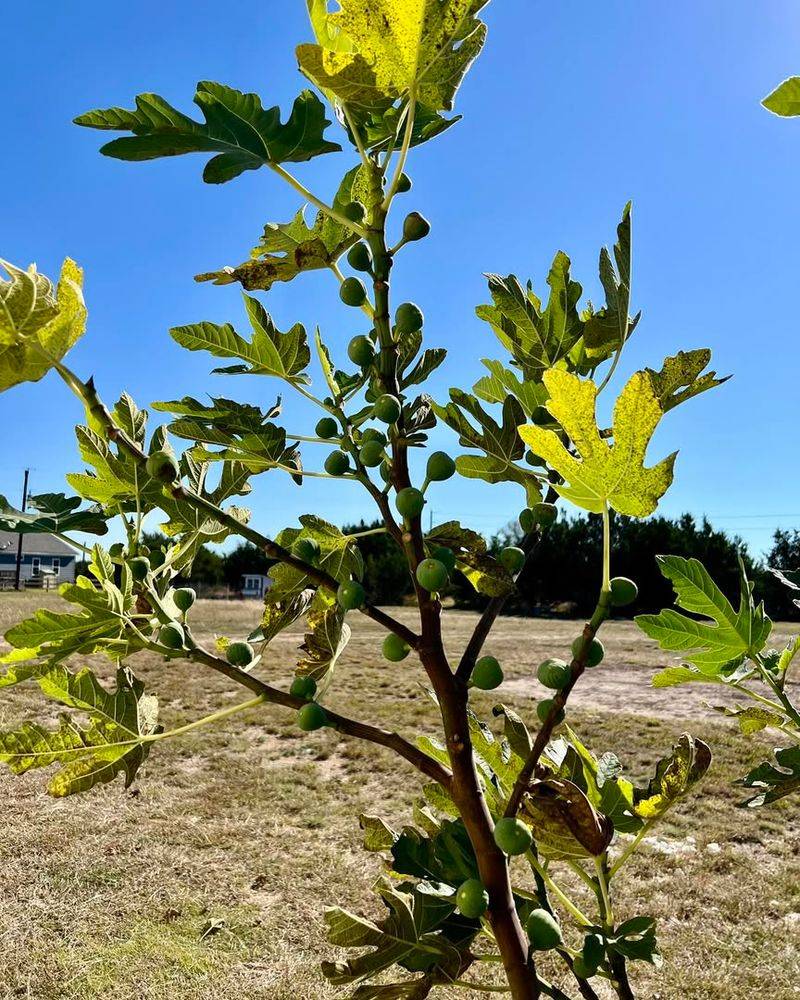
Young fig trees need a different approach than mature, established specimens.
When your tree is still developing its main structure during the first two or three years, aggressive pruning can actually slow down its progress toward becoming a productive fruit bearer.
Baby trees need their leaves and branches to gather energy through photosynthesis, building strong root systems and sturdy trunks.
Instead of making major cuts, focus on gentle guidance during these early years.
Remove only branches that are clearly damaged, growing in completely wrong directions, or competing with the main leader you want to establish.
Allow the tree to develop its natural shape while encouraging good structure through selective, minimal pruning.
You might feel tempted to shape it heavily right away, but patience pays off with fig trees.
A young tree that keeps most of its branches will establish faster and begin producing meaningful harvests sooner than one that receives heavy pruning.
Once your tree reaches about four feet tall and has developed a solid trunk and root system, you can begin more assertive shaping and maintenance pruning.
This patient approach results in a stronger, more productive tree that will reward you with abundant harvests for many years to come.