9 Houseplant Cuttings To Take And Root Indoors In Minnesota In January
Minnesota winters keep gardeners indoors, but January offers the perfect opportunity to propagate houseplants from cuttings and get a head start on spring growth.
Even while snow blankets the ground, stems, leaves, and roots can flourish in the warmth of a sunny windowsill or under grow lights.
Taking cuttings indoors allows gardeners to expand their collections, share plants with friends, and revive older specimens without buying new ones.
Some plants root faster than others, and choosing the right varieties ensures success while minimizing frustration.
Proper technique—selecting healthy stems, using clean tools, and providing consistent moisture—helps cuttings develop strong roots and thrive once ready for larger pots.
1. Pothos
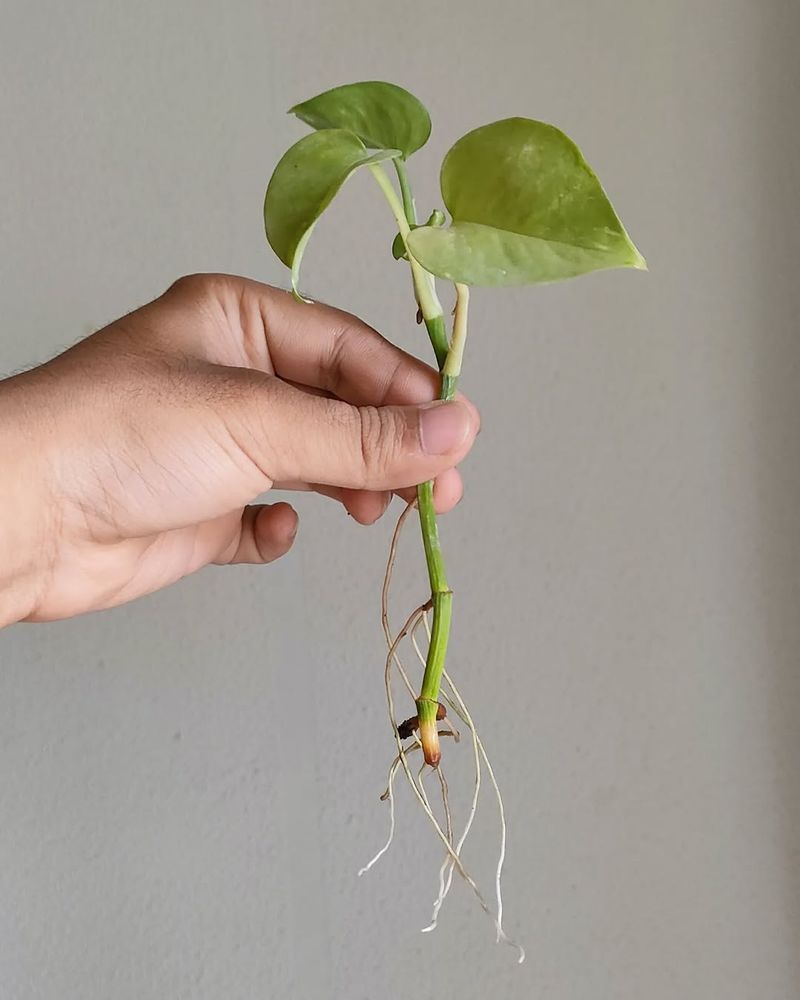
Pothos plants grow like crazy once you give them a little encouragement.
Snip a stem section that has at least three leaves and one node, which looks like a small bump where roots will sprout.
Pop your cutting into a glass of water and place it near a bright window, though not in direct sunlight.
Roots usually appear within two weeks, and you can watch them grow longer each day.
Change the water every few days to keep it fresh and prevent algae buildup.
Once the roots reach about two inches long, you can plant your cutting in soil or keep it growing in water indefinitely.
Pothos handles low light well, making it ideal for Minnesota winters when sunshine feels scarce.
The vines can trail from shelves or climb up moss poles, depending on your style.
This plant forgives mistakes and bounces back quickly if you forget to water.
Many people start their plant collection with pothos because it builds confidence.
You can create dozens of new plants from one healthy mother plant.
Friends and family will appreciate receiving rooted cuttings as thoughtful gifts.
2. Spider Plant
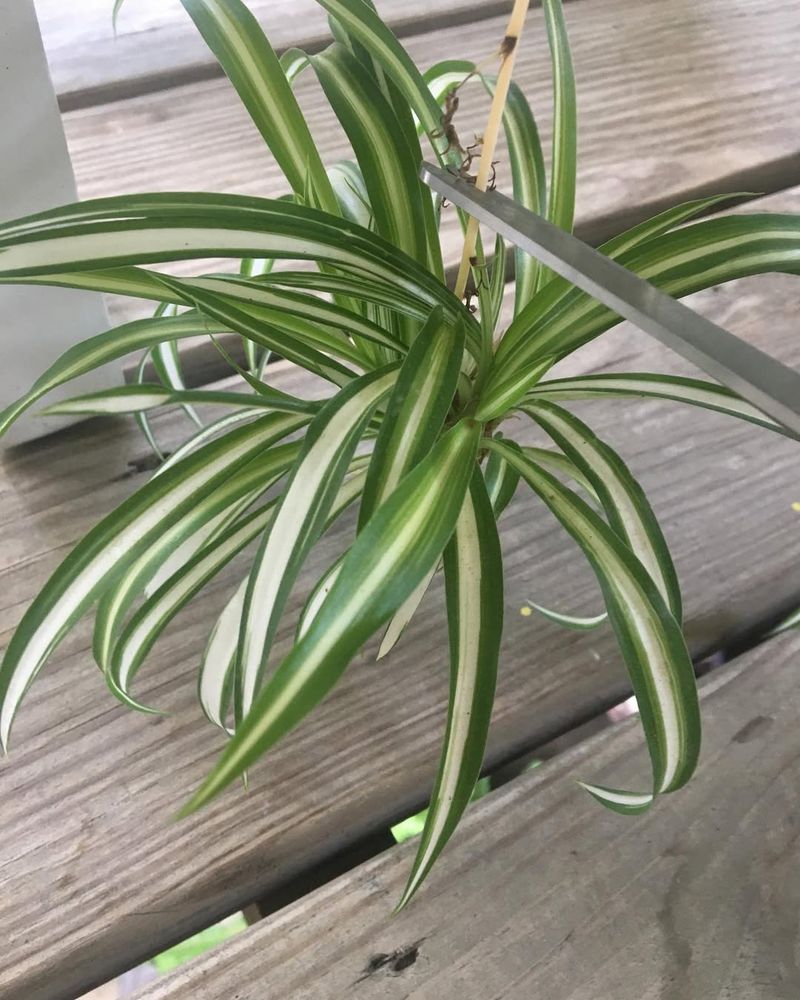
Spider plants produce tiny plantlets that dangle from long stems like little green spiders.
These babies already have small root nubs, which makes propagation incredibly simple.
You can snip off a plantlet and place it directly into soil or let it sit in water first.
Water propagation allows you to observe root development, which fascinates both kids and adults.
The roots grow quickly, often showing visible progress within just a few days.
Spider plants prefer bright, indirect light but adapt to various conditions throughout your home.
They thrive in Minnesota winters as long as you keep them away from cold drafts near windows.
The arching leaves create a fountain-like appearance that looks beautiful in hanging baskets.
Each mature plant produces multiple babies throughout the year, giving you endless propagation opportunities.
Some varieties feature white or yellow stripes running down the leaves, adding visual interest.
Spider plants also help clean indoor air by removing certain pollutants.
You can share rooted babies with neighbors or use them to fill empty spots in your plant collection.
3. Philodendron
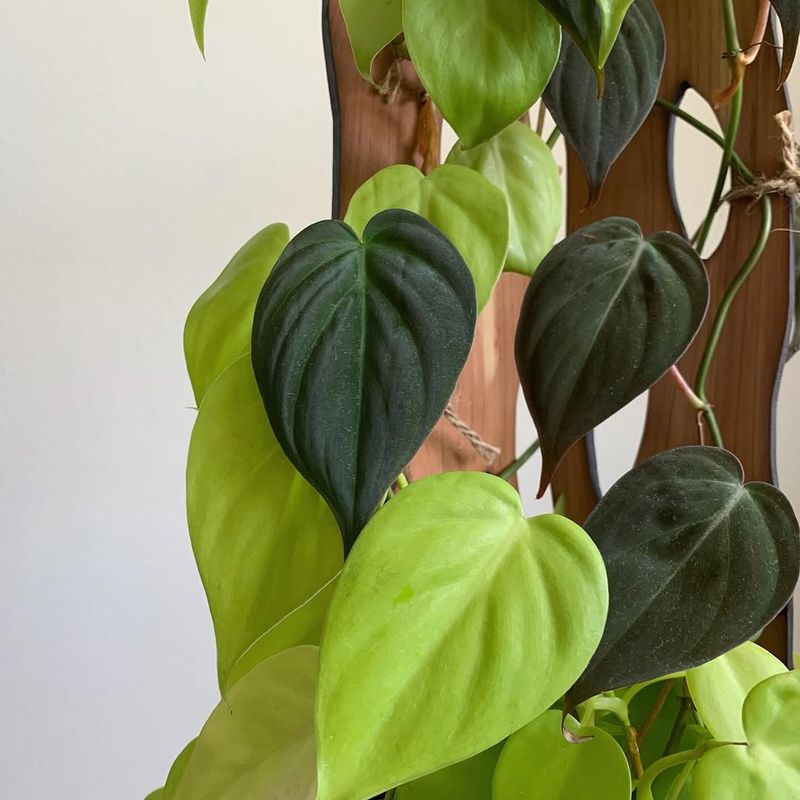
Philodendrons rank among the easiest houseplants to propagate, even for complete beginners.
Cut a stem section just below a node using clean scissors or pruning shears.
Each cutting should have two to four leaves attached to ensure healthy growth.
Your Minnesota Garden Changes Every Week. Your Plan Should Too.
Gardening in Minnesota changes quickly throughout the season. Every Friday you’ll receive a simple weekly plan showing exactly what to plant, prune, fertilize, harvest, and protect so you never miss the right timing.
Place your cuttings in water and watch as white roots emerge from the nodes within weeks.
The heart-shaped leaves add charm to any room and grow quickly once established.
Philodendrons tolerate lower light levels than many other houseplants, which helps during dark Minnesota winters.
You can train vining varieties to climb supports or allow them to cascade from shelves.
Room temperature water works perfectly for rooting, and you should refresh it weekly.
Once roots reach several inches long, transfer your cuttings to pots filled with well-draining soil.
These plants rarely experience problems and grow reliably in typical household conditions.
The glossy leaves catch light beautifully and add a tropical feel to winter spaces.
Taking cuttings also helps keep mother plants bushy and full rather than leggy.
4. English Ivy
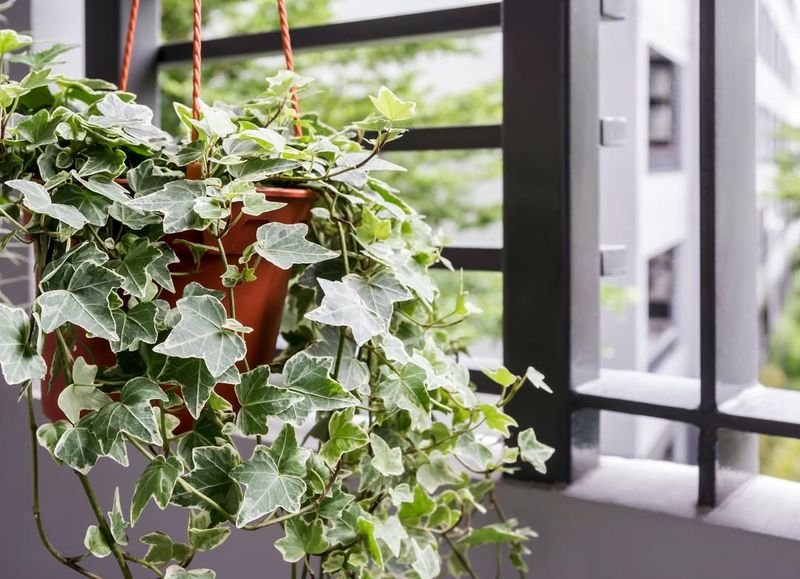
English ivy brings elegant trailing foliage that works wonderfully in hanging containers or climbing frames.
Snip stems that measure four to six inches long, making your cut just below a leaf node.
Remove the bottom leaves so they do not rot when submerged in water.
Roots develop within two to three weeks when you place cuttings in bright, indirect light.
Ivy prefers cooler temperatures, which actually makes January in Minnesota an ideal propagation time.
The plant handles dry indoor air better than many tropical species.
You can take multiple cuttings from one vine without harming the parent plant.
Some varieties feature variegated leaves with cream or white patterns that add visual appeal.
Once rooted, ivy grows steadily and can cover trellises or cascade down from shelves.
Change the water regularly to prevent bacterial growth and keep roots healthy.
This plant has been popular for centuries in homes and gardens worldwide.
You can create lush arrangements by planting several rooted cuttings together in one pot.
5. Coleus
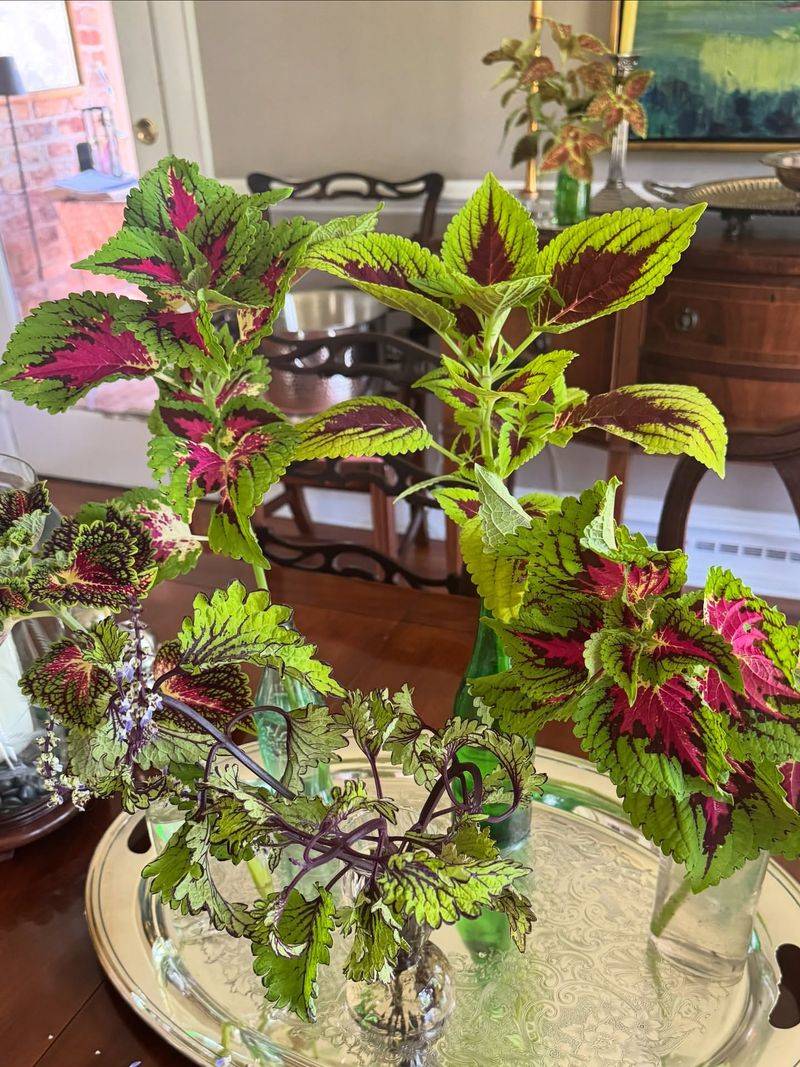
Coleus plants explode with color, featuring leaves in shades of pink, purple, red, yellow, and green.
Taking cuttings in January means you can grow stunning plants for outdoor gardens come summer.
Cut stems about four inches long, choosing sections with the most vibrant leaf colors.
Strip off the lower leaves and place stems in water where they will root within one to two weeks.
Coleus roots aggressively, often producing thick root systems faster than many other houseplants.
The plants need bright light to maintain their bold colors, so position them near south-facing windows.
Minnesota winters provide enough indoor light near windows to keep coleus happy.
You can pinch back the growing tips to encourage bushier growth and more leaves.
Some gardeners keep coleus as permanent houseplants while others use them as seasonal outdoor additions.
The dramatic foliage creates focal points in any plant collection.
Hundreds of varieties exist, each with unique color combinations and leaf patterns.
Rooted cuttings grow quickly and can reach impressive sizes within just a few months.
6. Begonia
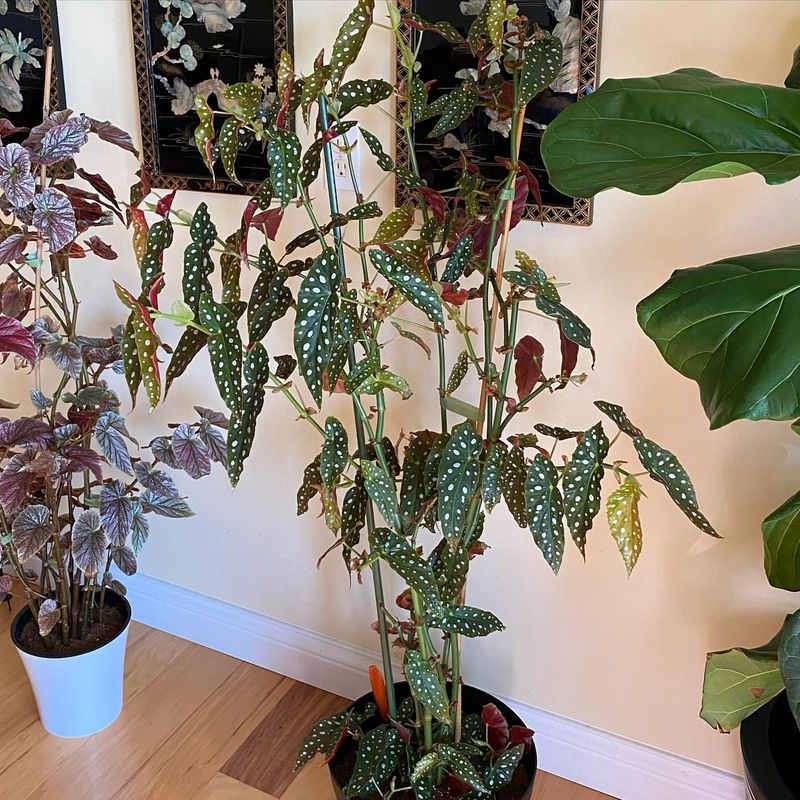
Begonias offer both beautiful flowers and interesting foliage, depending on the variety you choose.
Many types root successfully from stem cuttings taken during the quiet winter months.
Select healthy stems with several leaves and make clean cuts below leaf nodes.
Water propagation works well, though some gardeners prefer placing cuttings directly in moist potting mix.
Rex begonias feature especially stunning leaves with metallic sheens and bold patterns.
Cane begonias grow tall and produce clusters of flowers throughout the year.
Keep your cuttings in warm locations since begonias prefer temperatures above sixty-five degrees.
Most Minnesota homes maintain comfortable temperatures that suit begonia propagation perfectly.
Roots typically emerge within three weeks, though some varieties take longer.
High humidity helps cuttings establish faster, so consider placing a clear plastic bag loosely over them.
Remove any flowers or buds from cuttings so the plant focuses energy on root development.
Once established, begonias reward you with continuous growth and often bloom indoors during winter.
7. Swedish Ivy
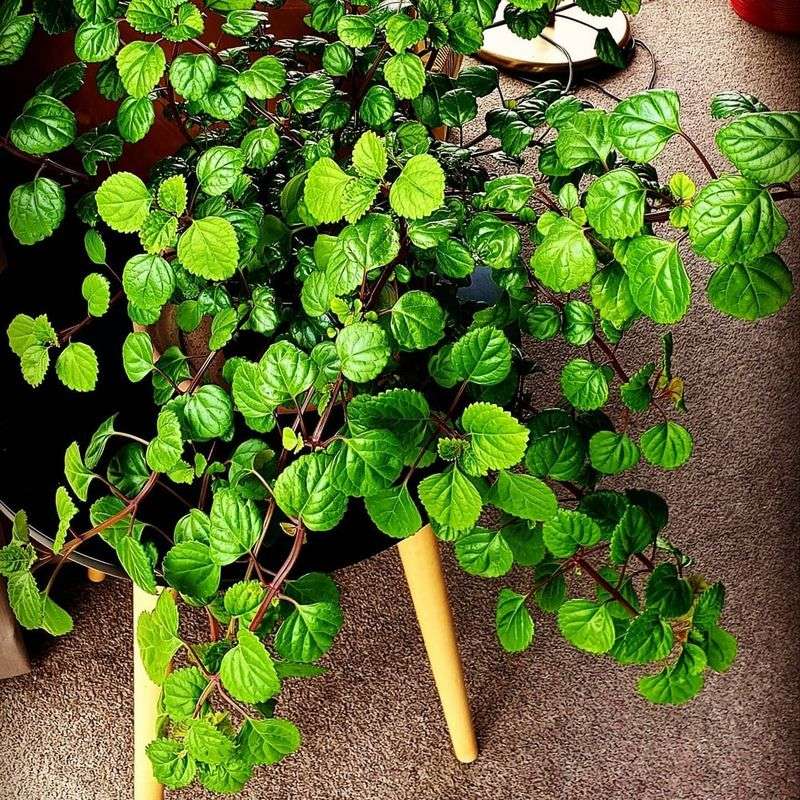
Swedish ivy is not actually ivy but rather a member of the mint family with cascading stems.
The round, scalloped leaves grow densely along stems that can trail several feet long.
Cuttings root incredibly fast, often showing visible roots within just five to seven days.
Snip stem sections about four inches long and remove the bottom leaves before placing in water.
This plant tolerates various light conditions but grows most vigorously in bright, indirect light.
The rapid root development makes Swedish ivy perfect for impatient gardeners or kids learning about plants.
You can take dozens of cuttings from one mature plant without causing any harm.
The trailing habit looks especially nice in hanging baskets or on high shelves.
Swedish ivy occasionally produces small tubular flowers, though people grow it mainly for foliage.
It handles the dry air common in heated Minnesota homes better than many tropical plants.
Regular pinching encourages fuller growth and prevents stems from becoming sparse.
This plant has been passed between friends and family for generations as a reliable, easy-care houseplant.
8. Tradescantia
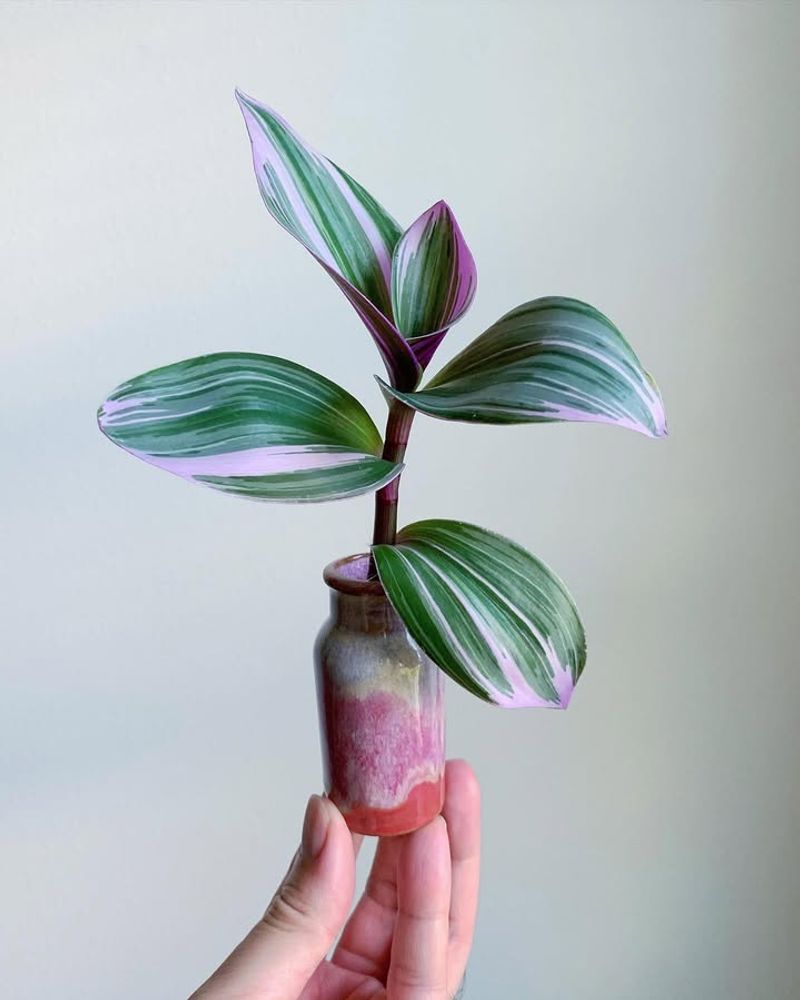
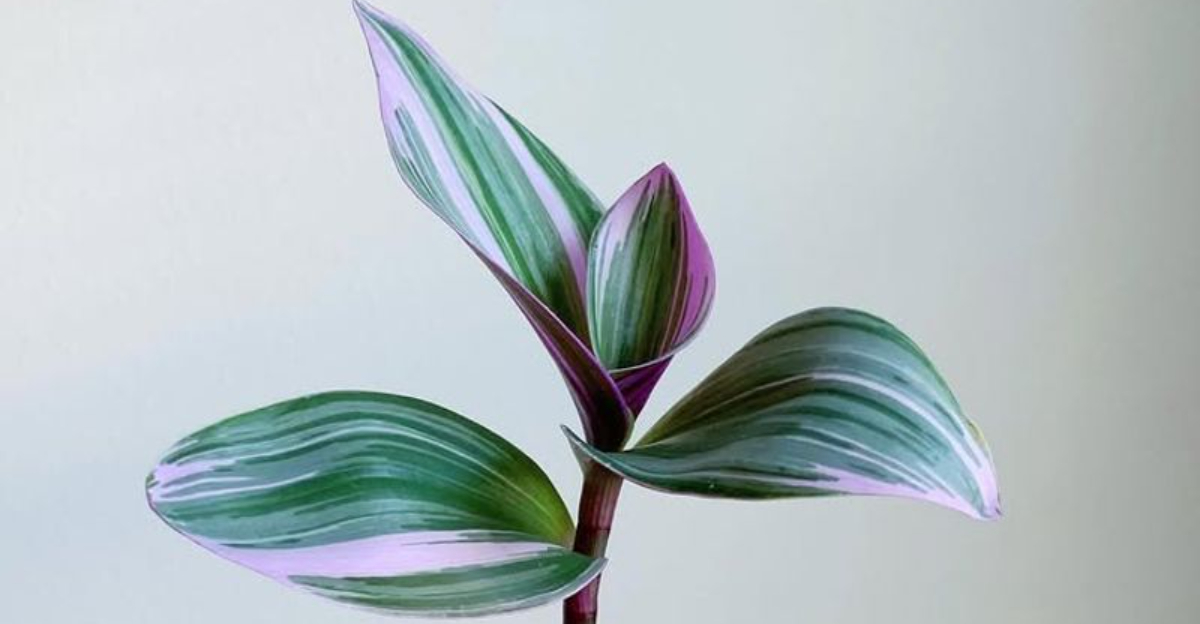
Tradescantia goes by several common names and features leaves in purple, green, silver, and pink combinations.
The striped and variegated patterns make each variety visually striking.
Taking cuttings is simple since almost any stem section will root when placed in water.
You can even propagate tiny pieces with just one or two leaves attached.
Roots appear within a week, making this one of the fastest plants to propagate.
Tradescantia grows vigorously once established and quickly fills in pots or baskets.
The stems cascade beautifully, creating living curtains of colorful foliage.
Bright light helps maintain the most intense leaf colors, though the plant adapts to medium light.
Purple varieties can fade to green in low light but regain color when moved to brighter spots.
Regular trimming keeps plants bushy and prevents them from becoming leggy.
You can use the trimmed pieces to create new plants, giving you an endless supply.
Tradescantia works well in mixed containers combined with other trailing or upright plants for varied textures.
9. African Violet
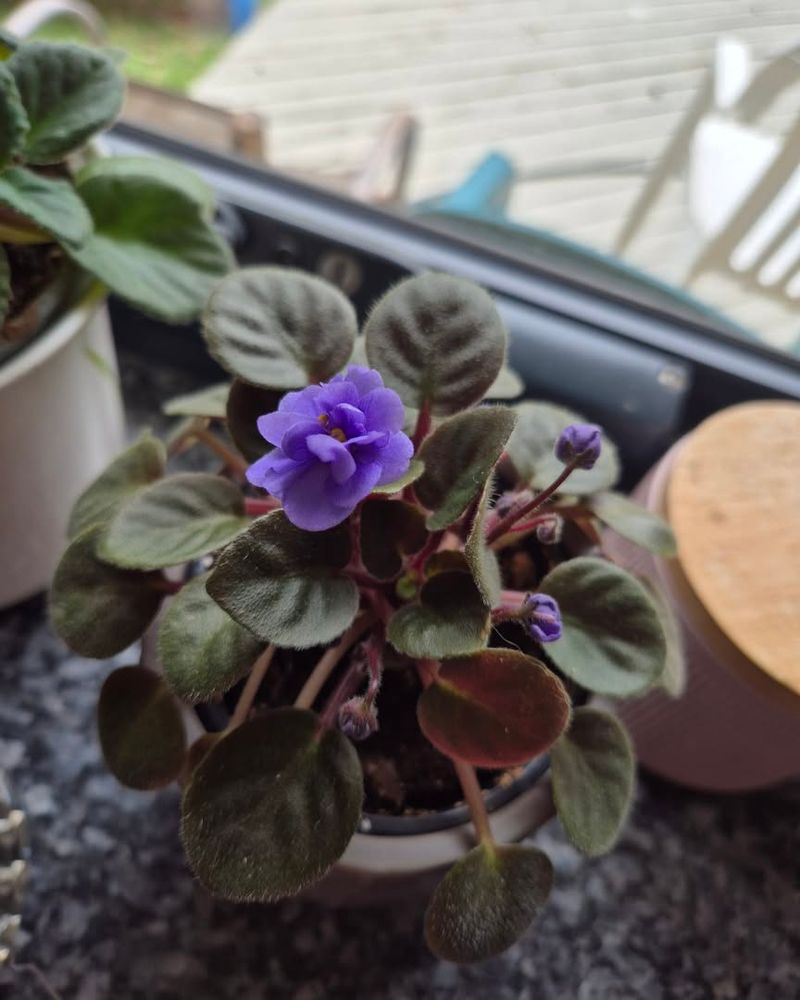
African violets bloom reliably indoors and can be propagated from single leaves rather than stem cuttings.
Select a healthy leaf from the middle rows of your plant, not the oldest or newest ones.
Cut the leaf with about an inch of stem attached using a clean, sharp blade.
Place the stem in water so just the stem sits below the surface, not the leaf itself.
Tiny plantlets will eventually form at the base of the stem where it meets the leaf.
This process takes longer than stem propagation, often requiring six to eight weeks.
African violets need consistent moisture and bright, indirect light to root successfully.
The fuzzy leaves should never get wet since water spots can damage the foliage.
Once plantlets develop roots and grow a few leaves, you can separate and pot them individually.
These plants bloom in purple, pink, white, and blue shades throughout the year.
Minnesota winters provide ideal conditions since African violets prefer moderate temperatures and humidity.
Many enthusiasts collect dozens of varieties and propagate them to share with fellow plant lovers.