10 Backyard Gardening Trends Transforming California Backyards In 2026

California gardeners are embracing exciting new methods that blend beauty, sustainability, and smart technology to create outdoor spaces that truly shine in fresh ways.
From water-saving plants to high-tech garden tools, these trends help homeowners grow food, conserve resources, and enjoy nature right in their yards.
Modern backyards are transforming into productive, eco-friendly havens where families can relax, harvest fresh produce, and support local wildlife all at once.
These ten innovative trends are reshaping how Californians think about gardening, making it easier, more rewarding, and better for our beautiful Golden State.
1. Drought-Tolerant Native Plant Gardens

Water scarcity continues pushing California homeowners toward native plants that thrive without constant irrigation, saving money and precious resources throughout the year.
Native species like California poppies, toyon, and ceanothus have adapted to local climates over thousands of years, requiring minimal care once established properly.
These plants attract beneficial pollinators such as butterflies, bees, and hummingbirds, creating lively ecosystems that support biodiversity right outside your back door.
Gardeners appreciate how native plants reduce maintenance time since they resist local pests and diseases naturally, eliminating the need for harsh chemical treatments.
Installing mulch around native plantings helps retain soil moisture, suppress weeds, and regulate temperature, making gardens even more resilient during hot California summers.
Many cities offer rebates for removing thirsty lawns and replacing them with drought-tolerant landscapes, providing financial incentives for sustainable choices that benefit everyone.
Native plant gardens showcase stunning seasonal blooms and textures, proving that water-wise landscaping can be just as colorful and attractive as traditional gardens.
By choosing species indigenous to California, homeowners contribute to preserving regional plant diversity and supporting wildlife populations that depend on these habitats.
2. Vertical Gardening And Living Walls
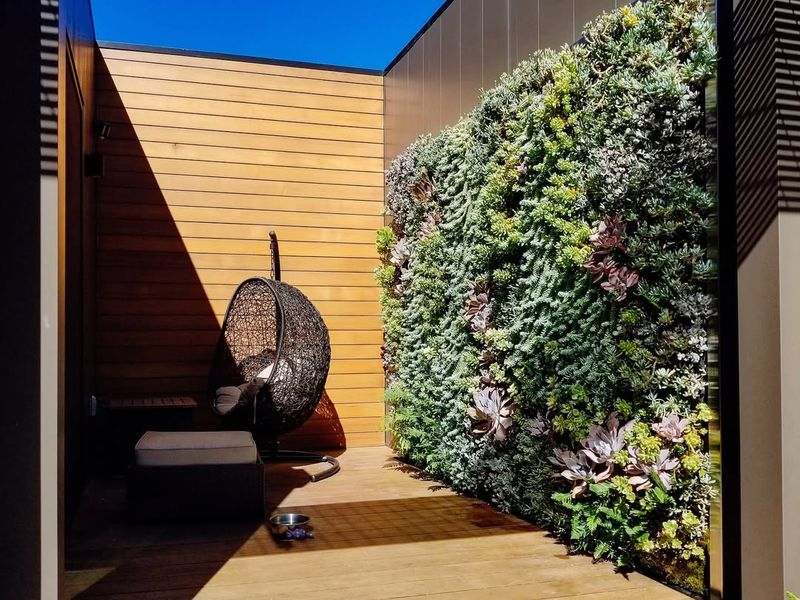
Limited space no longer prevents Californians from growing abundant produce, thanks to vertical gardening systems that maximize every square inch of available yard area.
Wall-mounted planters, trellises, and modular pocket systems transform fences, patios, and bare walls into productive green spaces bursting with herbs, vegetables, and flowers.
Vertical gardens improve air quality, reduce urban heat, and provide natural insulation, making outdoor spaces cooler and more comfortable during scorching summer months ahead.
Homeowners love how living walls add striking visual interest and texture to bland surfaces, turning ordinary backyards into Instagram-worthy retreats that impress guests.
These systems work perfectly for growing strawberries, lettuce, spinach, and trailing plants that cascade beautifully, creating edible art that tastes as good as it looks.
Automated drip irrigation can be integrated into vertical setups, ensuring consistent watering without wasting resources or requiring daily attention from busy gardeners with packed schedules.
Apartment dwellers and renters especially benefit from vertical gardens since many systems are portable, allowing people to take their gardens along when moving elsewhere.
Installing vertical gardens in California backyards demonstrates how creative design solutions help urban and suburban residents reconnect with nature despite limited square footage.
3. Smart Irrigation Technology
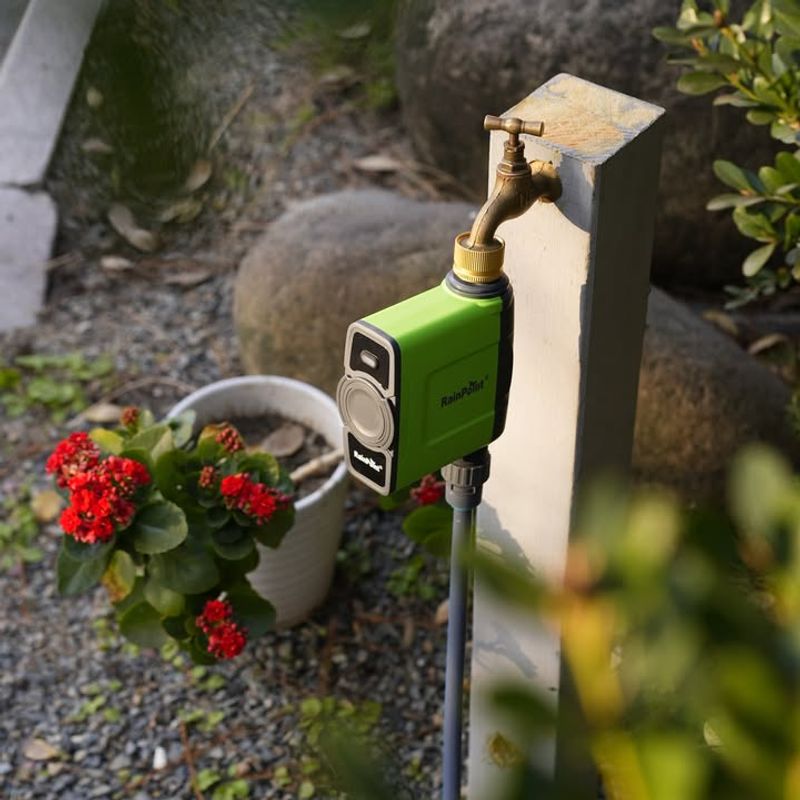
Technology-driven irrigation systems are revolutionizing how California gardeners water their plants, using sensors and weather data to optimize every drop for maximum efficiency.
Your California Garden Changes Every Week. Your Plan Should Too.
Gardening in California changes quickly throughout the season. Every Friday you’ll receive a simple weekly plan showing exactly what to plant, prune, fertilize, harvest, and protect so you never miss the right timing.
Smart controllers connect to local weather forecasts and soil moisture monitors, automatically adjusting watering schedules based on real-time conditions rather than fixed timers.
These systems prevent overwatering, which wastes resources and harms plant roots, while ensuring gardens receive adequate hydration during dry spells without human intervention.
Homeowners can control their irrigation remotely through smartphone apps, making adjustments from anywhere and receiving alerts about system malfunctions or unusual water usage patterns.
Drip irrigation paired with smart technology delivers water directly to plant roots, reducing evaporation and runoff while promoting healthier growth and stronger yields.
California water districts often provide rebates for installing smart irrigation systems, recognizing their role in reducing overall consumption and helping communities meet conservation goals.
Advanced systems learn garden-specific needs over time, becoming more efficient as they gather data about plant types, sun exposure, and seasonal changes throughout the year.
By embracing smart irrigation, California gardeners demonstrate how modern technology and environmental stewardship work together to create sustainable, thriving outdoor spaces for future generations.
4. Edible Front Yard Gardens
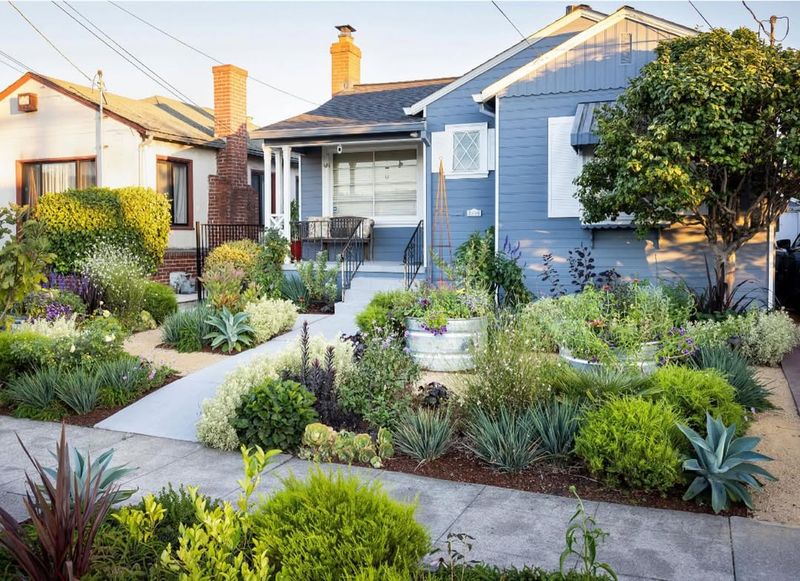
Californians are ditching traditional lawns in favor of edible front yard gardens that produce fresh food while showcasing creativity and commitment to sustainability.
Growing vegetables, herbs, and fruit trees in front yards maximizes sun exposure and available space, turning underutilized areas into productive mini-farms that feed families.
Neighbors often appreciate the visual appeal of well-designed edible landscapes, which can be just as attractive as ornamental gardens when planned with color and texture.
Many California cities have relaxed restrictions on front yard food gardens, recognizing their benefits for food security, water conservation, and community engagement in urban areas.
Raised beds filled with tomatoes, peppers, kale, and squash create orderly, attractive displays that demonstrate how practical gardening can enhance curb appeal significantly.
Fruit trees like citrus, figs, and pomegranates provide shade, beauty, and delicious harvests, making them perfect focal points for front yard edible landscapes.
Edible gardens encourage conversations among neighbors, fostering community connections as people share tips, seeds, and surplus harvests with those living nearby who also love gardening.
By transforming front yards into food-producing spaces, California homeowners challenge conventional landscaping norms and inspire others to rethink how they use their property creatively.
5. Pollinator-Friendly Garden Habitats
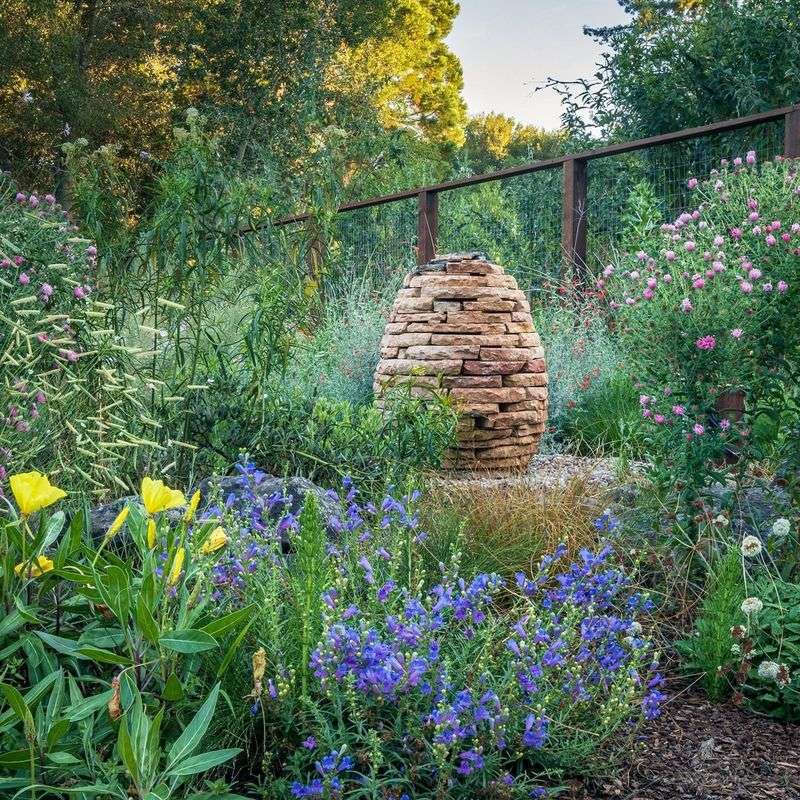
Creating pollinator-friendly habitats has become a priority for California gardeners who understand the critical role bees, butterflies, and other insects play in ecosystems.
Planting nectar-rich flowers like lavender, salvia, and milkweed provides food sources for pollinators throughout the year, supporting populations that face habitat loss and decline.
Avoiding pesticides and herbicides protects beneficial insects from harmful chemicals, allowing gardens to become safe havens where pollinators can thrive and reproduce successfully.
Adding shallow water sources, such as birdbaths with pebbles, gives pollinators places to drink and rest, making gardens even more welcoming and supportive of wildlife.
Native plants are especially valuable for pollinators since local insects have evolved alongside them, relying on specific species for food and shelter across generations.
Leaving some areas of the garden slightly wild, with leaf litter and bare ground, provides nesting sites for native bees that burrow underground during winter.
Gardeners report increased fruit and vegetable yields when pollinators visit regularly, demonstrating how supporting wildlife directly benefits human food production and garden success overall.
California homeowners embracing pollinator gardens contribute to broader conservation efforts, helping reverse declines in insect populations that threaten biodiversity and agricultural systems statewide and beyond.
6. Regenerative Composting Systems
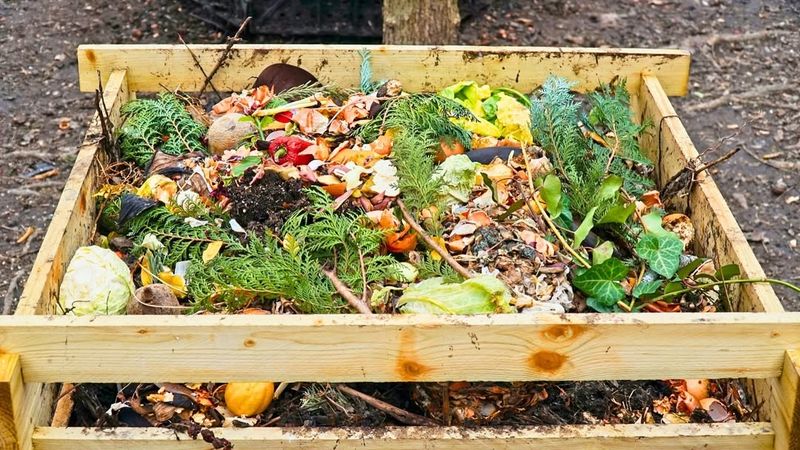
Composting has evolved beyond simple bins into sophisticated regenerative systems that transform kitchen scraps and yard waste into nutrient-rich soil amendments for thriving gardens.
California gardeners are embracing hot composting, vermicomposting, and Bokashi methods, each offering unique advantages for different lifestyles, space constraints, and gardening goals ahead.
Hot composting accelerates decomposition through careful layering of green and brown materials, producing finished compost in weeks rather than months with proper management and turning.
Worm bins process food scraps indoors or outdoors, creating nutrient-dense worm castings that supercharge plant growth while reducing household waste sent to landfills unnecessarily.
Bokashi fermentation handles meat, dairy, and cooked foods that traditional compost piles cannot, making it possible to compost virtually all kitchen waste without odors.
Using homemade compost improves soil structure, water retention, and microbial activity, reducing the need for synthetic fertilizers that can harm waterways and beneficial organisms alike.
Many California municipalities offer free or discounted composting bins and workshops, encouraging residents to participate in waste reduction efforts that benefit communities environmentally and economically.
By closing the loop between kitchen, compost, and garden, homeowners practice regenerative agriculture principles that build soil health and create sustainable food systems right at home.
7. Climate-Adaptive Micro-Orchards
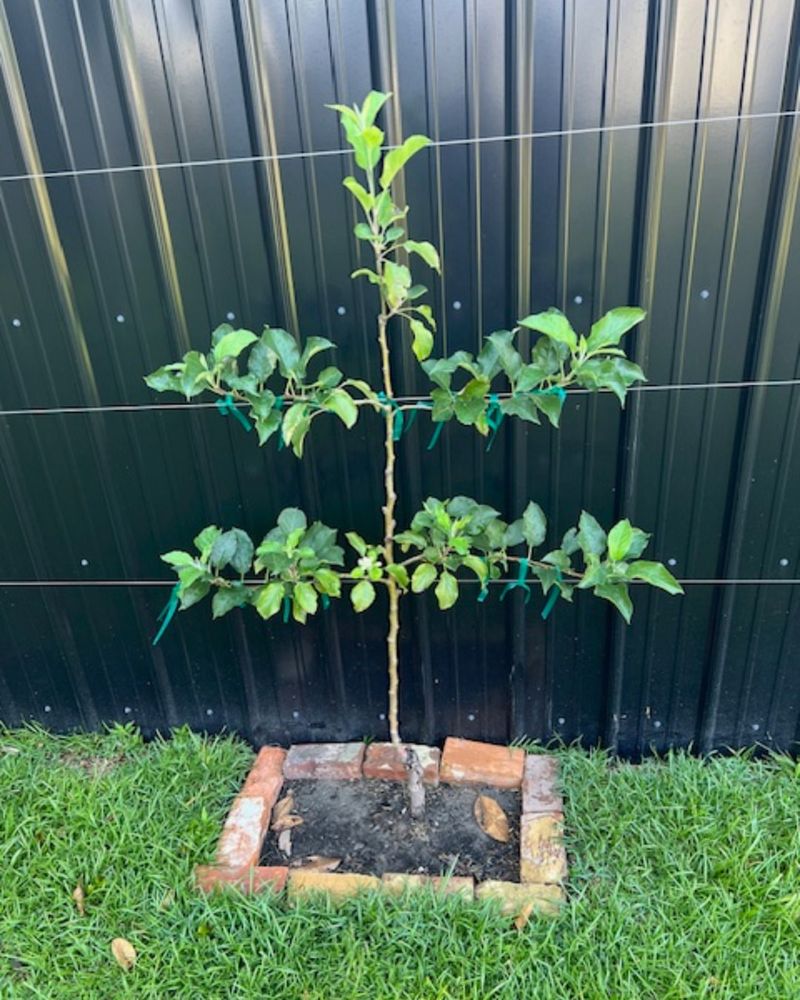
Micro-orchards featuring dwarf and semi-dwarf fruit trees are gaining popularity among California gardeners who want fresh fruit without needing acres of land for production.
These compact trees produce full-sized fruit while staying small enough for patios, balconies, and tiny yards, making fruit growing accessible to urban and suburban dwellers.
California’s diverse microclimates allow homeowners to grow everything from apples and peaches in cooler regions to avocados and citrus in warmer coastal and inland areas.
Choosing climate-adapted varieties ensures trees thrive with minimal intervention, producing abundant harvests while withstanding temperature fluctuations, droughts, and other environmental stresses common statewide.
Container-grown fruit trees offer flexibility for renters and those with limited space, as they can be moved to optimize sunlight or relocated when moving.
Espaliered fruit trees trained flat against walls or fences maximize space while creating stunning living art that produces delicious crops and enhances visual appeal dramatically.
Multi-grafted trees feature several fruit varieties on one rootstock, allowing gardeners to harvest different types of apples, plums, or citrus from a single tree.
Micro-orchards provide food security, reduce grocery bills, and connect families with seasonal rhythms, teaching children where food comes from and fostering appreciation for nature.
8. Rainwater Harvesting And Greywater Recycling
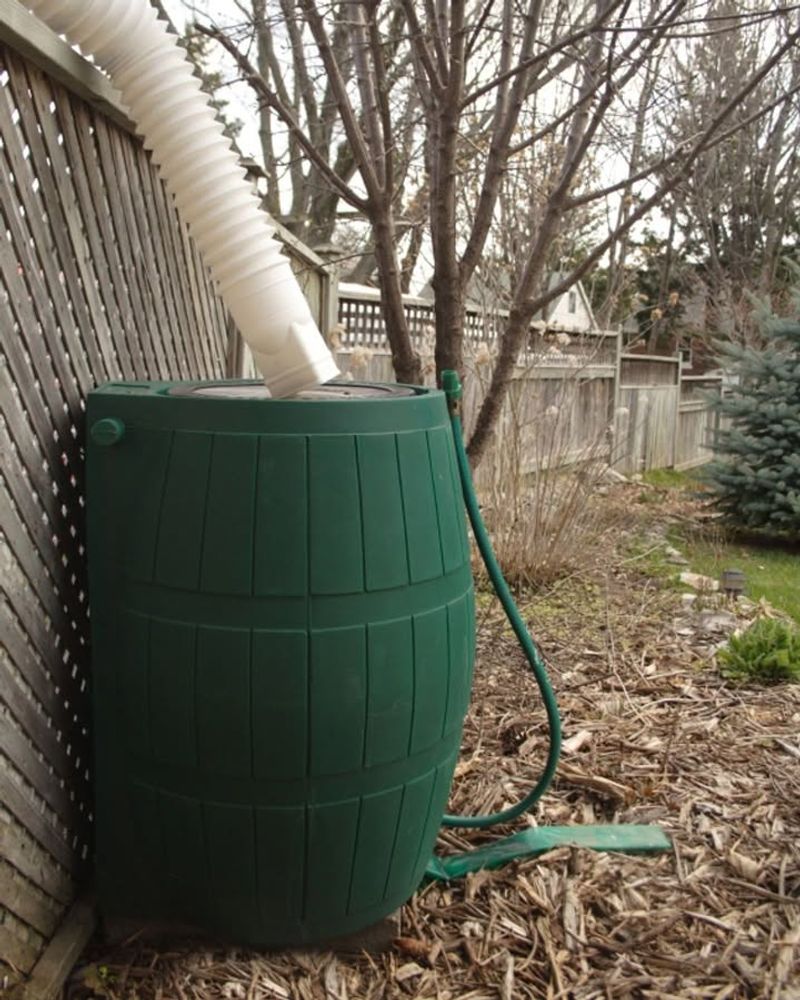
Water conservation remains critical in California, driving homeowners to install rainwater harvesting and greywater recycling systems that capture and reuse every possible drop efficiently.
Rain barrels and cisterns collect runoff from roofs during winter storms, storing water for summer irrigation when rainfall disappears and outdoor watering restrictions often take effect.
Greywater systems redirect water from sinks, showers, and washing machines to irrigate ornamental plants and trees, reducing demand on municipal supplies and lowering utility bills.
California regulations have simplified greywater installation requirements, making it easier for homeowners to legally implement these systems without expensive permits or complex professional installations required.
Captured rainwater is chlorine-free and naturally soft, making it ideal for plants that thrive better with untreated water compared to heavily processed municipal supplies.
Combining rainwater harvesting with drought-tolerant landscaping creates highly resilient gardens that remain green and productive even during extended dry periods and mandatory water restrictions.
First-flush diverters and filters ensure collected water stays clean and safe for garden use, preventing contaminants from entering storage tanks or irrigation systems.
By harvesting rainwater and recycling greywater, California gardeners reduce their environmental footprint while maintaining beautiful, productive outdoor spaces that flourish despite ongoing water challenges statewide.
9. Biophilic Design And Outdoor Living Spaces

Biophilic design principles are transforming California backyards into seamless extensions of indoor living spaces, blending nature with comfort for relaxation and entertainment purposes year-round.
Incorporating natural materials like wood, stone, and bamboo creates organic aesthetics that harmonize with surrounding plants, making outdoor areas feel cohesive and inviting always.
Living walls, potted plants, and vertical gardens soften hardscapes, bringing greenery into seating areas and patios where families gather to eat, play, and unwind together.
Water features such as fountains, ponds, and streams add soothing sounds that mask urban noise, creating peaceful retreats that promote mental well-being and stress reduction.
Outdoor kitchens, fire pits, and comfortable furniture encourage people to spend more time outside, strengthening connections with nature and improving overall health and happiness.
California’s mild climate allows for year-round outdoor living, making investments in biophilic design practical and rewarding as families enjoy their gardens daily rather than seasonally.
Incorporating edible plants into outdoor living spaces combines beauty with function, allowing homeowners to snack on fresh herbs and berries while relaxing in their backyards.
Biophilic backyards reduce stress, boost mood, and increase property values, demonstrating how thoughtful design enhances both quality of life and real estate investment returns significantly.
10. Regenerative Soil Building Practices

California gardeners are prioritizing soil health through regenerative practices that build fertility, sequester carbon, and create thriving ecosystems beneath the surface supporting all plant life.
Cover cropping with legumes, grasses, and brassicas protects soil from erosion, suppresses weeds, and adds organic matter when tilled under or cut back seasonally.
No-till gardening preserves soil structure and beneficial microorganisms, reducing labor while improving water retention and nutrient cycling within garden beds over time naturally.
Adding compost, aged manure, and organic amendments feeds soil microbes that break down nutrients into forms plants can absorb easily, creating biological fertility systems.
Mulching with wood chips, straw, or leaves moderates soil temperature, conserves moisture, and slowly decomposes to enrich the earth with organic matter continuously.
Crop rotation prevents nutrient depletion and pest buildup, ensuring gardens remain productive and healthy year after year without relying on synthetic inputs or chemicals.
Soil testing helps gardeners understand existing nutrient levels and pH, allowing targeted amendments that correct deficiencies without wasting resources or harming beneficial organisms present.
Regenerative soil practices create resilient gardens that withstand droughts, floods, and pests while producing abundant, nutrient-dense food that supports human health and environmental sustainability simultaneously.