13 Microgreens That Thrive Indoors During Illinois Winters
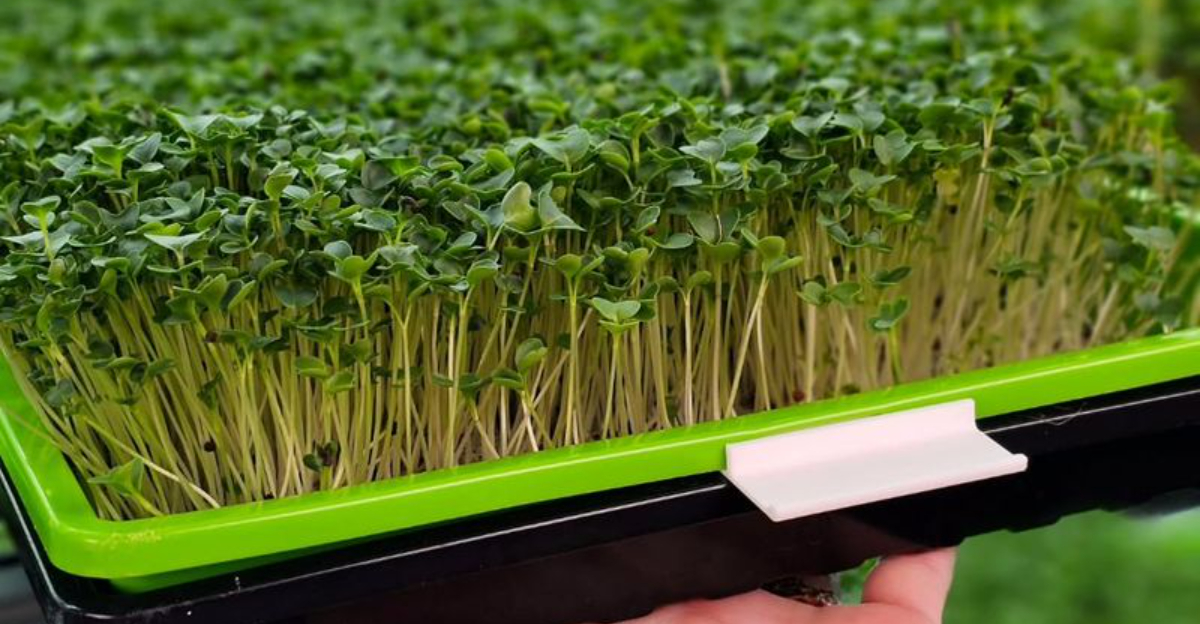
Growing fresh greens during cold Illinois winters might seem impossible, but microgreens make it surprisingly easy to enjoy homegrown nutrition year-round indoors.
These tiny plants pack incredible flavor and nutrients while requiring minimal space, making them perfect for apartment dwellers and homeowners alike during snowy months.
Microgreens grow quickly on windowsills or under simple lights, providing harvests in just one to three weeks without any outdoor garden space needed.
Discover which varieties handle indoor conditions best and learn how to keep your kitchen stocked with vibrant, crunchy greens all winter long.
1. Broccoli Microgreens
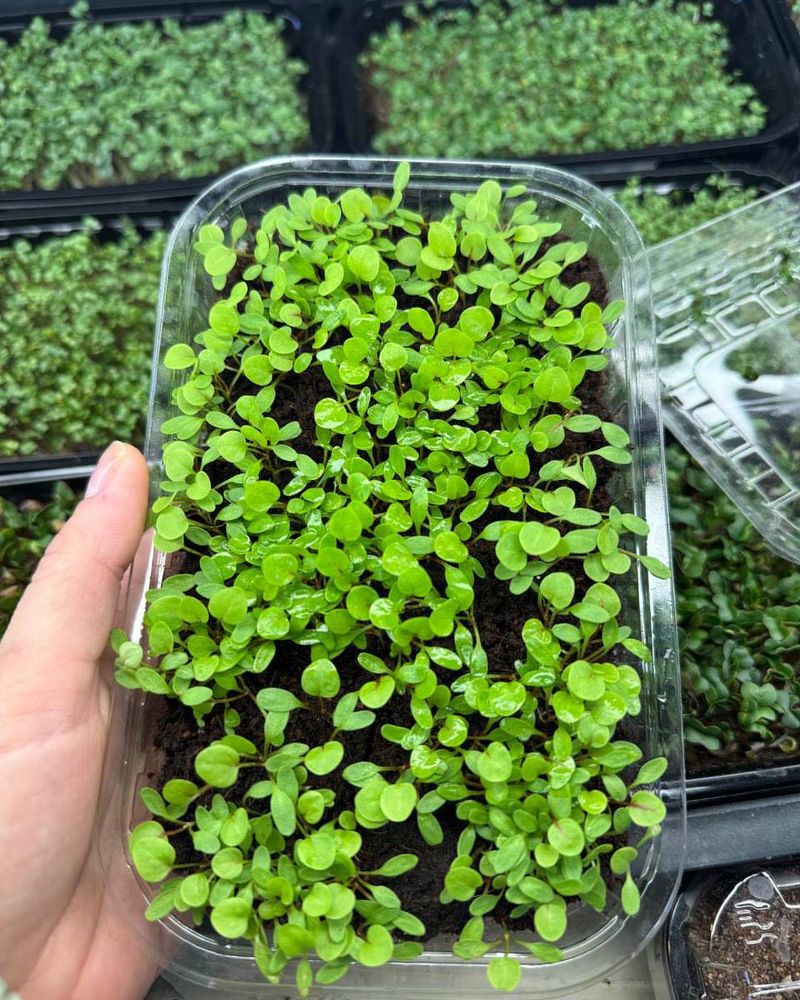
Broccoli microgreens bring a mild, slightly peppery taste that makes salads and sandwiches instantly more interesting without overwhelming other flavors in your dishes.
Illinois winters provide the perfect cool temperatures these greens prefer, as they actually struggle in excessive heat but flourish in moderate indoor conditions.
Growing them near a bright window or under LED lights ensures they develop rich green color and sturdy stems within seven to ten days.
These tiny plants contain concentrated amounts of sulforaphane, a compound researchers link to various health benefits, making them nutritional powerhouses despite their small size.
Kids often enjoy watching broccoli microgreens sprout quickly, transforming from seeds to harvest in less than two weeks with minimal effort required.
Harvest them when the first true leaves appear by snipping just above the soil line with clean scissors for the freshest taste possible.
Rinse gently, pat dry, and add them immediately to smoothies, omelets, or grain bowls for a nutrient boost that tastes garden-fresh even during snowstorms.
2. Radish Microgreens
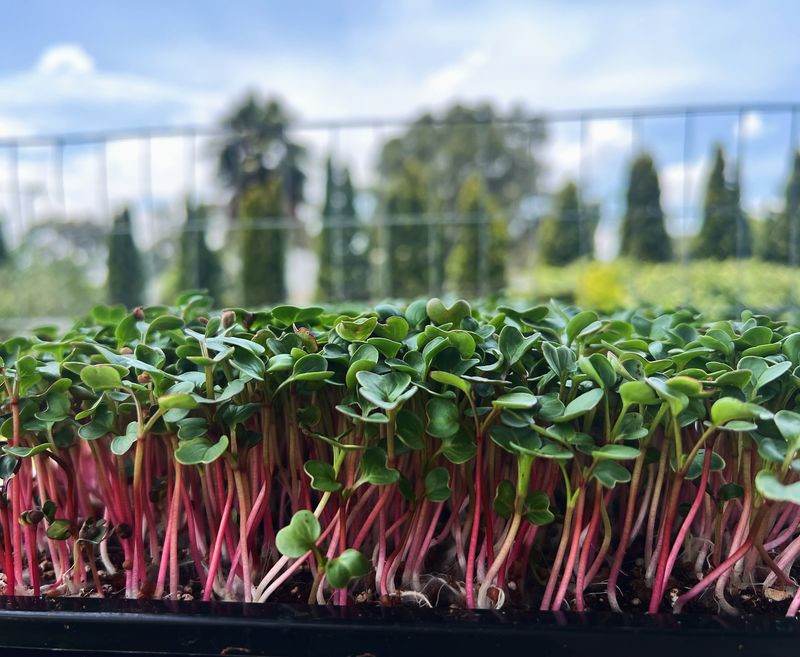
Spicy and bold, radish microgreens deliver a zesty kick that wakes up your taste buds faster than their full-grown counterparts ever could.
Their vibrant pink and purple stems add visual excitement to any plate, making even the simplest meals look restaurant-worthy with minimal effort or expense.
Growing radish varieties indoors during Illinois winters takes only four to six days, making them among the fastest microgreens you can cultivate at home.
These feisty little greens prefer consistent moisture and good air circulation to prevent any issues, so misting them daily and ensuring proper drainage works wonders.
Many home gardeners appreciate how forgiving radish microgreens are for beginners, as they germinate reliably and tolerate slight variations in temperature and light.
Their peppery flavor pairs beautifully with creamy foods like avocado toast, cream cheese bagels, or rich soups that need a contrasting punch of freshness.
Snip them when they reach about two inches tall and enjoy the satisfying crunch and heat they bring to winter meals throughout the season.
3. Sunflower Microgreens
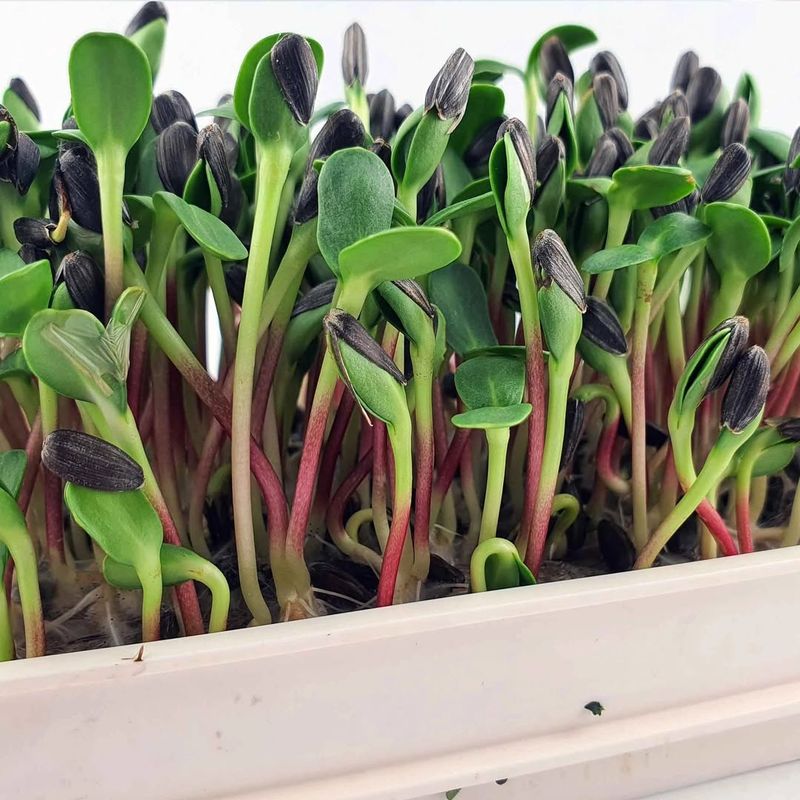
Crunchy, nutty, and surprisingly filling, sunflower microgreens offer a satisfying texture that sets them apart from more delicate varieties you might grow indoors.
These robust greens develop thick stems and substantial leaves that provide real substance to salads, wraps, and stir-fries without wilting immediately like some greens.
Illinois gardeners find sunflower microgreens particularly rewarding during winter months because they grow well under basic fluorescent or LED lighting without requiring expensive equipment.
Your Illinois Garden Changes Every Week. Your Plan Should Too.
Gardening in Illinois changes quickly throughout the season. Every Friday you’ll receive a simple weekly plan showing exactly what to plant, prune, fertilize, harvest, and protect so you never miss the right timing.
Soaking the seeds overnight before planting helps them germinate more uniformly and produces healthier, more vigorous plants that reach harvest size within ten days.
Their mild, slightly sweet flavor appeals to picky eaters and children who might reject more assertive greens, making them a family-friendly option for everyone.
Harvesting them just as the first true leaves emerge ensures maximum tenderness and flavor, though they remain tasty even if you wait slightly longer.
Add handfuls to smoothies for a protein boost, layer them on sandwiches for extra crunch, or simply snack on them straight from the tray.
4. Pea Shoots
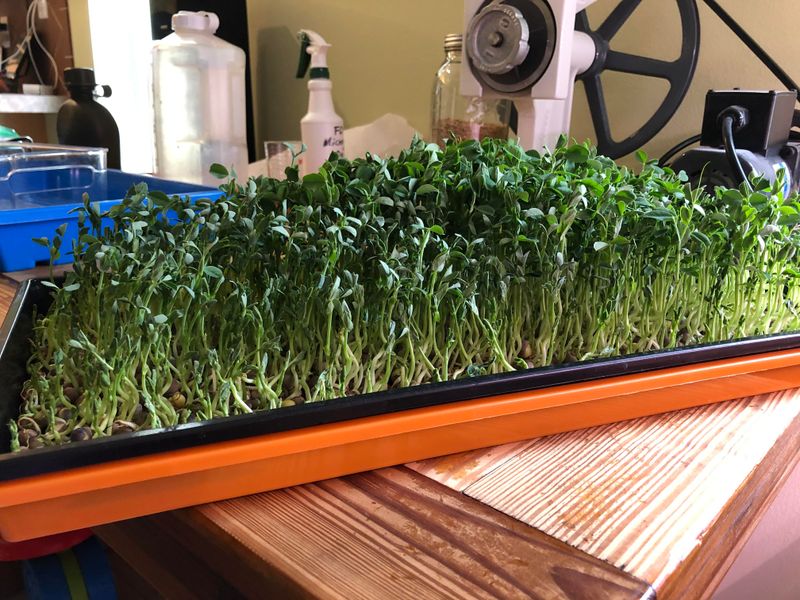
Sweet and tender, pea shoots taste like spring even when snow blankets your Illinois yard, bringing a touch of garden magic to dreary winter days.
Their delicate tendrils and bright green leaves add an elegant touch to any dish, making home-cooked meals feel special without requiring fancy ingredients.
Growing pea shoots indoors requires slightly more vertical space than some microgreens since they stretch upward as they grow, reaching heights of four to six inches.
These greens prefer cooler temperatures, which makes them ideal for Illinois winter growing when indoor heating might make rooms too warm for other plants.
Many home cooks love their versatility, as pea shoots work equally well raw in salads, lightly sautéed with garlic, or added to Asian-inspired noodle dishes.
Harvest them by snipping the top few inches once they develop several sets of leaves and those characteristic curly tendrils that make them recognizable.
Their sweet, fresh flavor and crisp texture make them a favorite among both adults and children who enjoy helping with indoor gardening projects.
5. Kale Microgreens
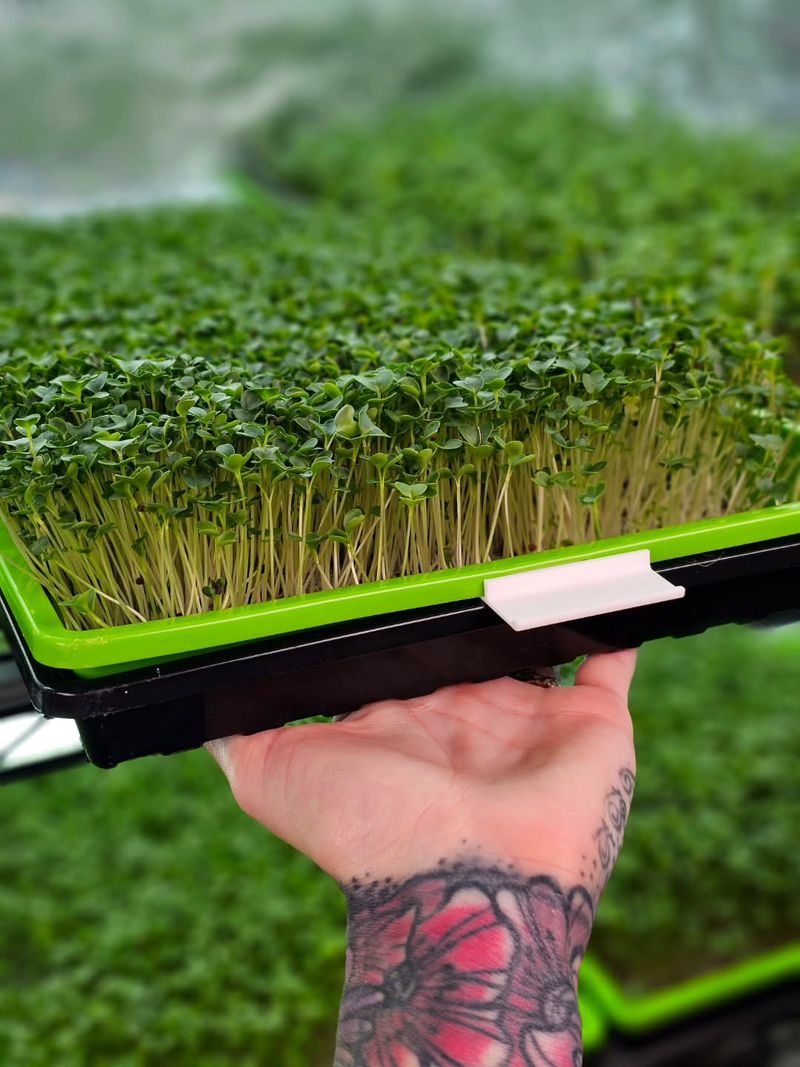
Packed with vitamins and minerals, kale microgreens deliver all the nutritional punch of mature kale without the tough texture that some people dislike.
These miniature versions feature tender leaves and mild flavor that even skeptics find surprisingly palatable, making them an easy way to boost nutrition.
Illinois winters provide ideal conditions for growing kale microgreens indoors since they actually prefer cooler temperatures and can tolerate less intense light than some varieties.
Their deep green color indicates high chlorophyll content, and they develop beautifully ruffled leaves that look attractive as garnishes on soups, casseroles, and grain bowls.
Growing them takes about ten to twelve days from seed to harvest, and they remain fresh in the refrigerator for nearly a week after cutting.
Many health-conscious families incorporate kale microgreens into morning smoothies, where their mild taste blends seamlessly with fruits and other ingredients without detection.
Snip them when the first true leaves fully open and the stems still feel tender rather than fibrous for the best eating experience.
6. Arugula Microgreens
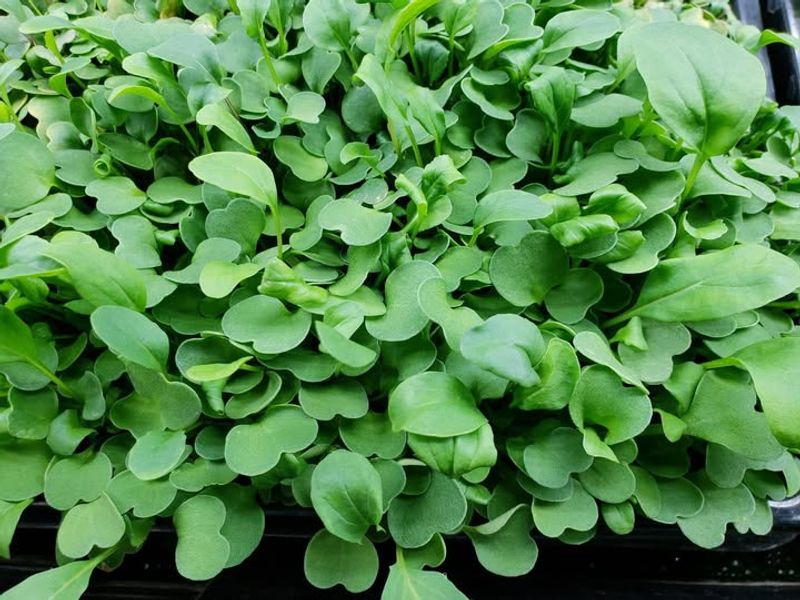
Bold and peppery, arugula microgreens pack intense flavor into tiny leaves that transform ordinary meals into something memorable with just a small handful.
Their distinctive taste adds sophisticated complexity to pizzas, pasta dishes, and sandwiches without requiring expensive ingredients or complicated cooking techniques at all.
Growing arugula microgreens indoors during Illinois winters takes only seven to ten days, making them perfect for impatient gardeners who want quick results.
These greens germinate reliably and grow vigorously under basic lighting conditions, making them an excellent choice for beginners experimenting with indoor winter gardening.
Their lobed leaves develop quickly and maintain their characteristic spicy bite even when harvested young, unlike some greens that taste bland at the microgreen stage.
Many home cooks appreciate how a small amount goes a long way in adding flavor, making them economical despite their gourmet appeal in restaurants.
Harvest them when the leaves reach about two inches tall and use them immediately for maximum flavor impact on salads, omelets, or as pizza toppings.
7. Red Cabbage Microgreens
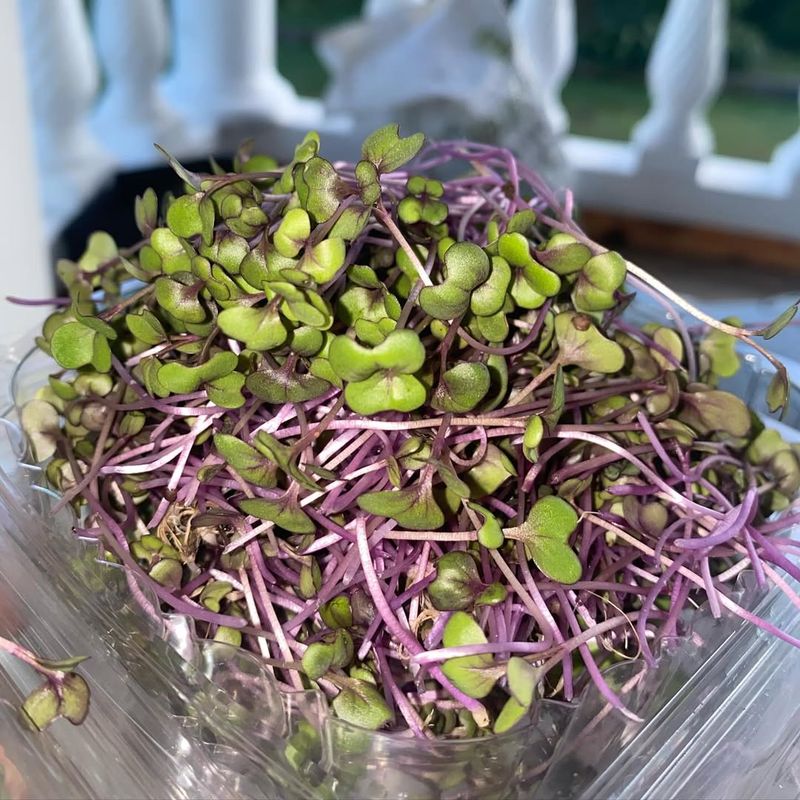
Visually stunning with deep purple and magenta hues, red cabbage microgreens make every plate look like a work of art without any special presentation skills.
Their mild, slightly sweet flavor surprises people who expect them to taste as strong as mature cabbage, making them appealing to various palates.
Illinois indoor gardeners love growing red cabbage microgreens during winter because their gorgeous color brightens up dreary days and adds visual interest to meals.
These colorful greens contain anthocyanins, the same beneficial compounds found in blueberries and other purple foods, making them both beautiful and nutritious additions.
Growing them takes about eight to twelve days, and they develop their most intense color when exposed to adequate light during their short growth period.
Their crunchy texture and mild taste make them perfect for children who might resist eating vegetables, as they seem more like fun garnishes than health foods.
Snip them just above the soil line when the first true leaves appear and scatter them over tacos, rice bowls, or salads for instant color.
8. Mustard Microgreens
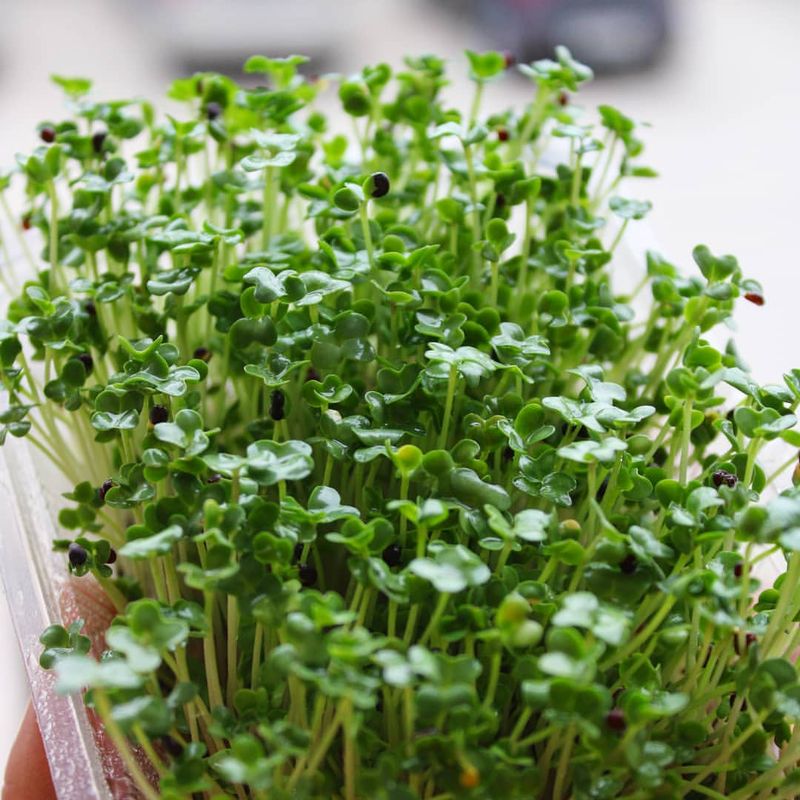
Fiery and bold, mustard microgreens bring serious heat that spice lovers crave, especially when fresh peppers become expensive during cold Illinois winter months.
Their intense flavor means a little goes a long way, so even a small tray provides enough harvest to season multiple meals throughout the week.
Growing mustard microgreens indoors requires minimal space and basic equipment, making them accessible to apartment dwellers with limited room for gardening projects or supplies.
These greens germinate quickly and grow vigorously, often ready to harvest in just five to seven days when conditions include adequate moisture and light.
Their pungent taste adds dimension to Asian-inspired dishes, spicy sandwiches, and any meal that needs an extra kick without adding actual hot sauce.
Many home gardeners appreciate how forgiving mustard microgreens are, as they tolerate slight variations in temperature and lighting better than more finicky varieties.
Harvest them when they reach about two inches tall and enjoy their sharp, wasabi-like bite that clears sinuses and wakes up tired taste buds instantly.
9. Basil Microgreens
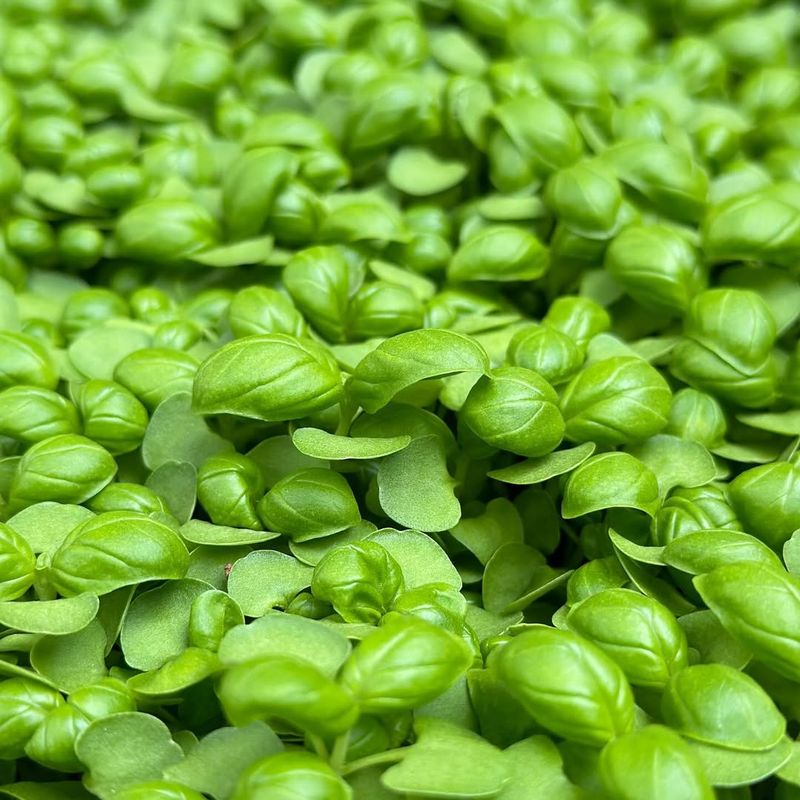
Aromatic and sweet, basil microgreens capture the essence of summer gardens even when Illinois temperatures drop below freezing and snow covers everything outside.
Their intense fragrance fills your kitchen with pleasant herbal scents that make cooking feel more enjoyable and remind you of warmer seasons ahead.
Growing basil microgreens indoors requires slightly warmer temperatures than some varieties, so placing them near a heat source or in a naturally warm room works well.
These delicate greens take about ten to fourteen days to reach harvest size, developing their characteristic basil flavor in concentrated form that enhances Italian dishes.
Their small, tender leaves work beautifully as garnishes on pizza, pasta, caprese salads, and tomato-based soups that benefit from fresh herb flavor.
Many families enjoy growing basil microgreens because they provide fresh herbs year-round without paying premium prices at grocery stores for tiny plastic containers.
Snip them carefully just above the soil line when the first true leaves appear and use them immediately for maximum aroma and flavor impact.
10. Cilantro Microgreens
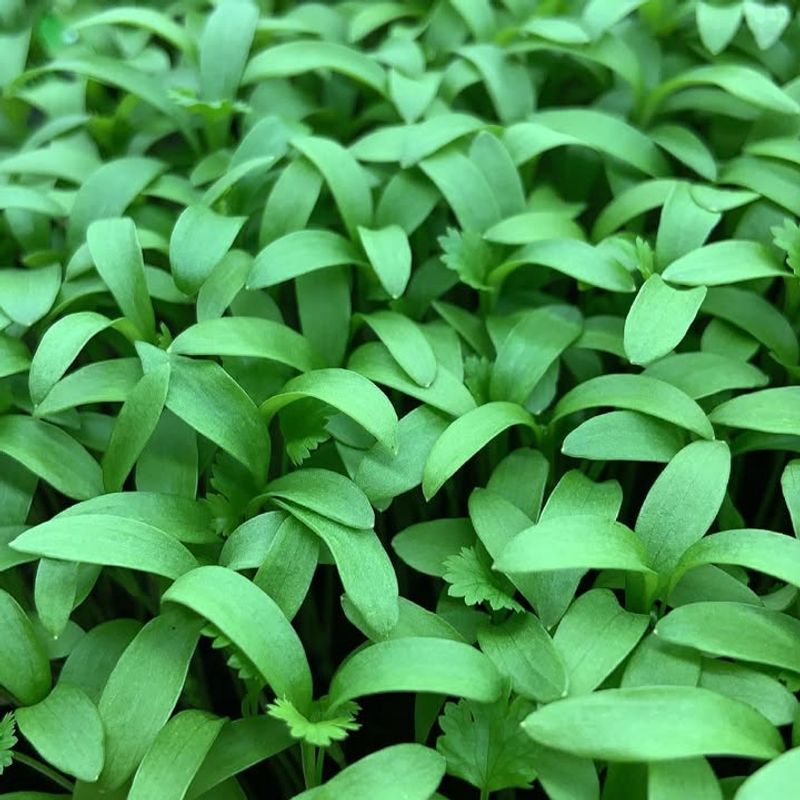
Bright and citrusy, cilantro microgreens offer intense flavor that Mexican, Indian, and Asian dishes require without needing bunches of fresh herbs constantly.
Their delicate, feathery leaves look beautiful as garnishes and provide authentic taste that dried herbs simply cannot match in tacos, curries, and stir-fries.
Illinois winter indoor growing suits cilantro microgreens well since they prefer cooler temperatures and can handle less intense light than sun-loving varieties require.
These greens germinate somewhat slowly compared to radishes or mustard, taking about twelve to eighteen days to reach harvest size, so patience pays off.
Their distinctive flavor divides people into lovers and haters due to genetic taste receptors, but fans find them absolutely essential for authentic cuisine.
Growing your own cilantro microgreens ensures you always have fresh herbs available without making special trips to the store during bad weather conditions.
Harvest them when the first true leaves fully develop and the plants reach about two to three inches tall for optimal flavor concentration.
11. Beet Microgreens
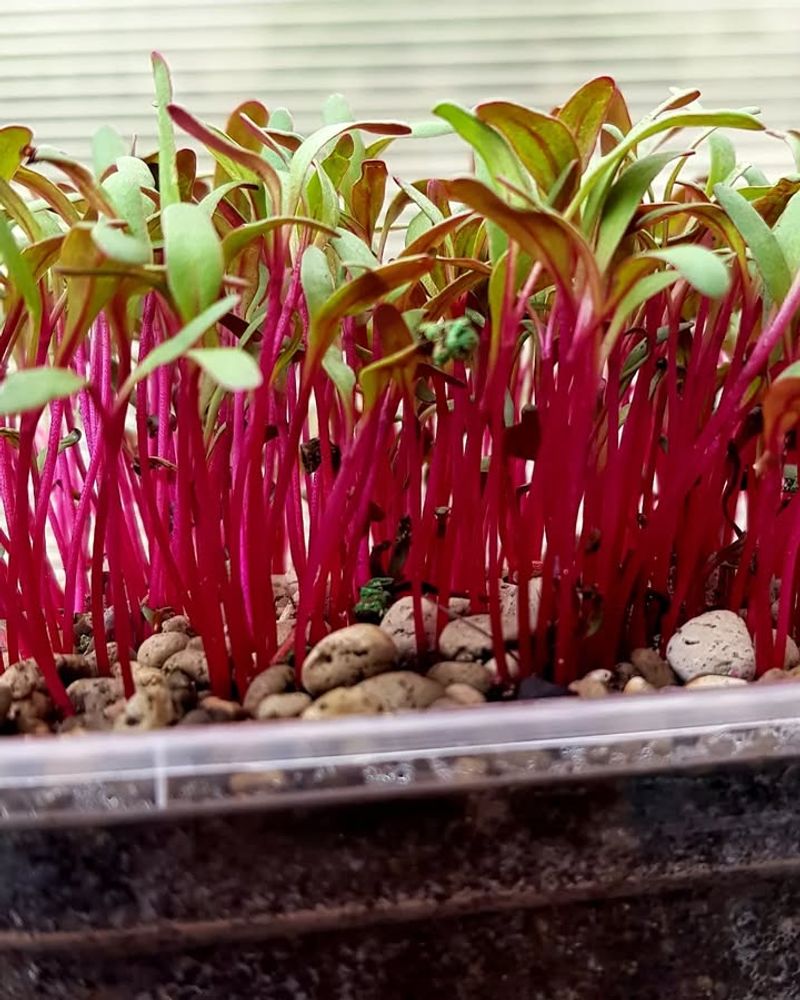
Earthy and slightly sweet, beet microgreens feature stunning red-veined leaves and pink stems that add both color and nutrition to winter meals indoors.
Their mild flavor surprises people who expect them to taste as strong as mature beets, making them more versatile than you might initially imagine.
Growing beet microgreens in Illinois during winter months provides a way to enjoy beet flavor without the long growing season that root vegetables typically require.
These colorful greens take about ten to fourteen days to reach harvest size and develop their most vibrant coloring when exposed to adequate lighting.
Their tender texture and subtle taste make them perfect for mixing into salads, layering on sandwiches, or using as attractive garnishes on various dishes.
Many health-conscious families appreciate the nutritional benefits beet microgreens provide, including vitamins, minerals, and the same beneficial compounds found in beetroot itself.
Harvest them when the first true leaves appear by cutting just above the soil line, then rinse gently and enjoy their beautiful appearance immediately.
12. Chard Microgreens
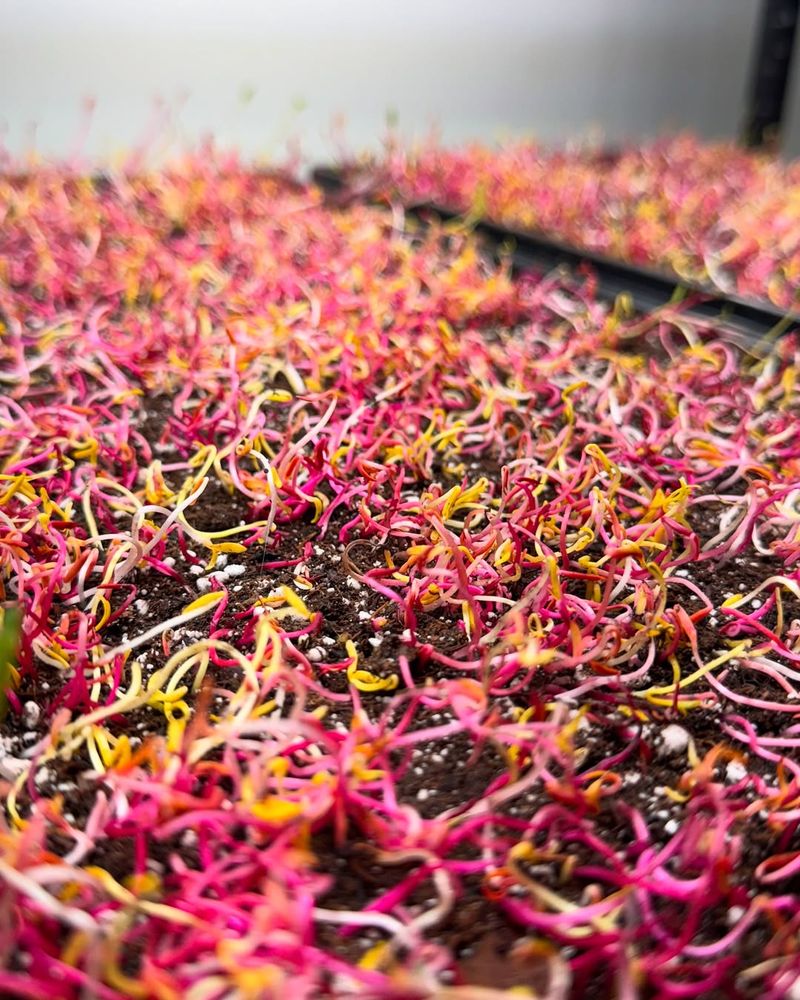
Colorful and mild, chard microgreens showcase rainbow stems that make meals visually exciting while providing gentle flavor that even vegetable skeptics can appreciate.
Their sturdy stems and substantial leaves offer satisfying texture that holds up well in cooked dishes, unlike more delicate microgreens that wilt immediately.
Illinois indoor gardeners find chard microgreens rewarding during winter because they tolerate variable light conditions and grow reliably without requiring perfect environmental control.
These greens take about eight to twelve days to reach harvest size and develop beautiful colors ranging from bright pink to golden yellow.
Their mild, slightly earthy taste works well in both raw and cooked applications, making them more versatile than strongly flavored microgreens.
Many families enjoy growing rainbow chard varieties specifically for their visual appeal, as the colorful stems make healthy eating seem more fun and interesting.
Harvest them when the first true leaves fully open and the stems show their characteristic bright colors for maximum visual and nutritional impact.
13. Kohlrabi Microgreens
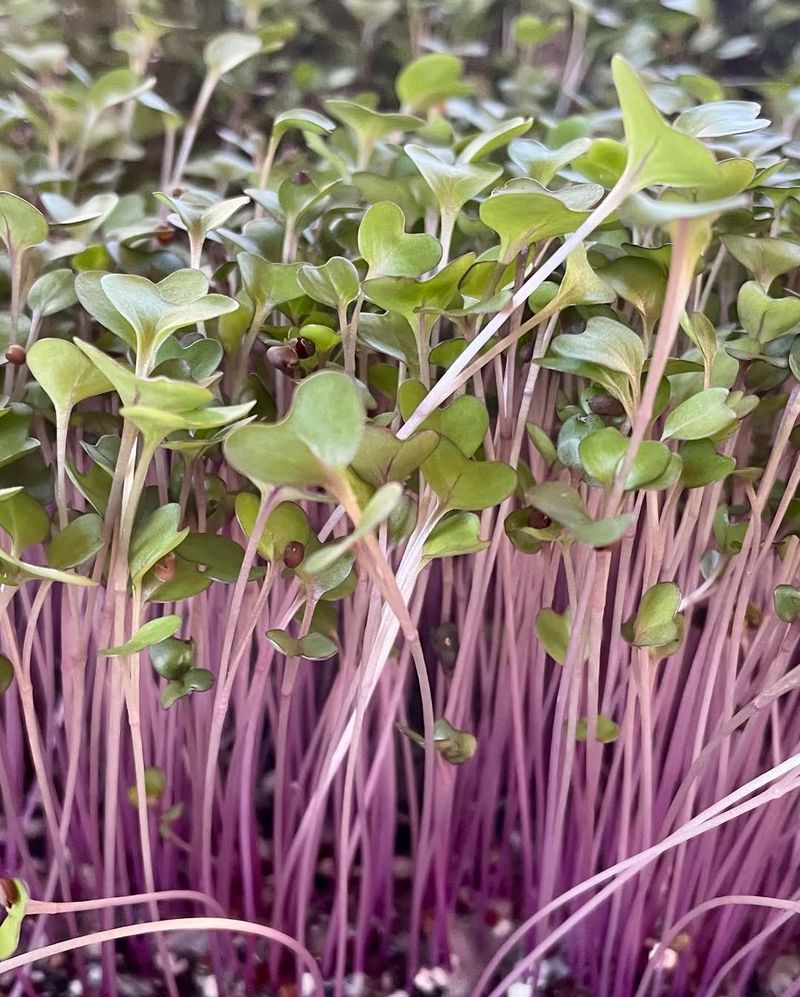
Crunchy and mildly sweet, kohlrabi microgreens provide a refreshing taste that reminds you of fresh broccoli stems without any bitterness whatsoever.
Their substantial texture makes them satisfying additions to salads and sandwiches, providing real crunch that holds up well rather than wilting into nothing.
Growing kohlrabi microgreens indoors during Illinois winters offers a way to enjoy this underappreciated vegetable without waiting months for bulbs to mature outside.
These greens germinate reliably and grow vigorously under basic lighting conditions, reaching harvest size in about eight to ten days with minimal fuss.
Their mild, pleasant flavor appeals to children and adults alike, making them an excellent choice for families trying to incorporate more fresh greens.
Many home gardeners appreciate how forgiving kohlrabi microgreens are for beginners, as they tolerate slight mistakes in watering or lighting without problems.
Harvest them when the cotyledon leaves look plump and healthy and the first true leaves just begin to emerge for optimal tenderness and flavor.