Christmas Cactus Care Tips For Keeping Your Plant Healthy After Blooming In Illinois
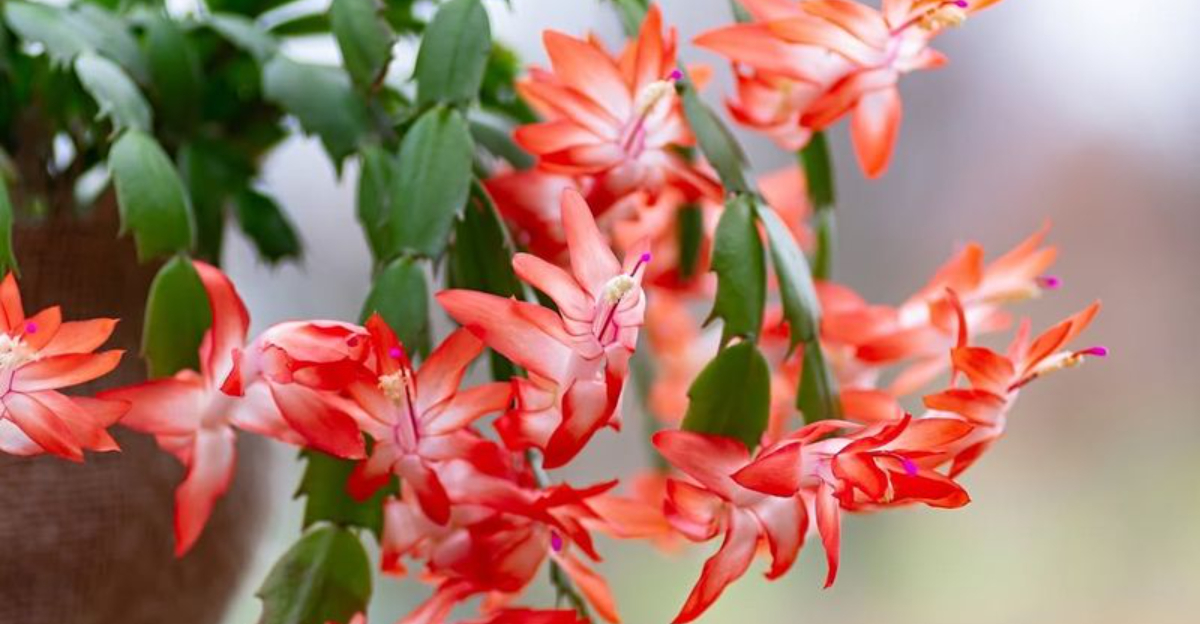
When a Christmas cactus finishes blooming, it can feel like the party is over and the decorations have been packed away.
Those bright flowers steal the spotlight, so once they fade, many plants get pushed to the sidelines and forgotten.
In Illinois, that is a mistake that can come back to bite you.
What you do after blooming sets the stage for how your cactus looks for the rest of the year and how well it blooms next winter.
This plant may look delicate, but it has more grit than it gets credit for.
With the right care, a Christmas cactus can live for decades and bloom like clockwork.
Ignore it, and it may sulk, drop segments, or refuse to flower again.
Post bloom care is where many growers miss the mark, often by overwatering, skipping rest time, or putting the plant in the wrong spot.
Think of this phase as the calm after the storm.
A few smart moves now can keep your Christmas cactus healthy, full, and ready to put on another show.
In Illinois homes, getting this part right makes all the difference.
1. Reduce Watering Frequency To Prevent Root Problems
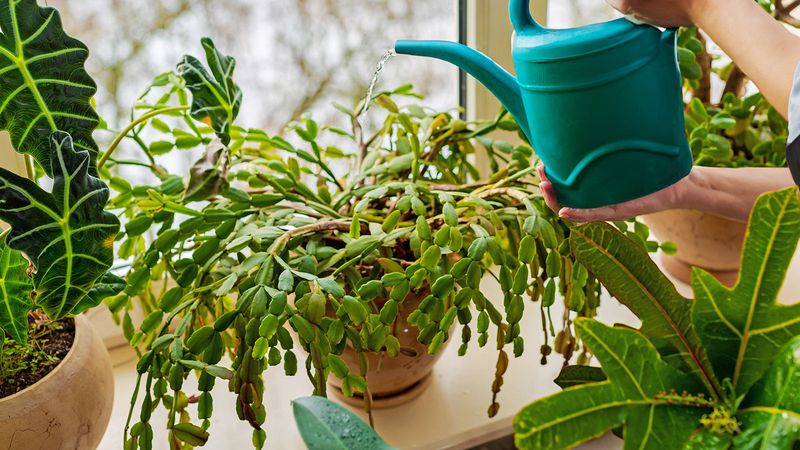
Once the flowers drop off, your Christmas cactus enters a rest period where it needs less water than during its blooming phase.
Many plant owners in Illinois make the mistake of continuing their regular watering schedule, which can lead to soggy soil and root rot.
Your plant is no longer working hard to support those colorful blooms, so it uses much less moisture from the soil.
Check the top inch or two of soil with your finger before adding any water.
The soil should feel dry to the touch before you water again.
During late winter and early spring in Illinois, this might mean watering only once every two to three weeks instead of weekly.
Indoor heating systems common in Illinois homes during this time create dry air, but that does not mean the soil dries out quickly.
The pot and soil retain moisture longer when the plant is resting.
Overwatering is one of the fastest ways to damage a healthy Christmas cactus after blooming ends.
When you do water, make sure to water thoroughly until excess drains from the bottom of the pot.
Empty the drainage tray after about 15 minutes so the roots are not sitting in standing water.
This watering method encourages healthy root growth without creating soggy conditions.
Room temperature water works best for your plant.
Cold water can shock the roots, especially when your Illinois home is warm from the furnace.
Adjusting your watering routine to match your plant’s rest period sets the foundation for healthy growth in the months ahead and prepares it for another round of beautiful blooms next winter.
2. Provide Bright Indirect Light Near East-Facing Windows

Light requirements shift for your Christmas cactus once the blooming period ends and spring approaches in Illinois.
Your plant still needs good light to photosynthesize and build energy, but direct afternoon sun can scorch the leaves.
Your Illinois Garden Changes Every Week. Your Plan Should Too.
Gardening in Illinois changes quickly throughout the season. Every Friday you’ll receive a simple weekly plan showing exactly what to plant, prune, fertilize, harvest, and protect so you never miss the right timing.
East-facing windows work wonderfully because they provide gentle morning sunlight without the harsh intensity of western or southern exposure.
Natural daylight increases as Illinois moves from winter into spring, giving your plant more hours of light each day.
This gradual increase helps your Christmas cactus transition from its blooming phase into active growth mode.
The segments will start to plump up and new growth may appear at the tips.
If you only have south or west-facing windows available, place your plant a few feet back from the window or use a sheer curtain to filter the light.
Too much direct sun causes the leaf segments to turn reddish or yellowish, which indicates stress.
Your plant prefers the dappled light it would receive under tree canopies in its native Brazilian habitat.
Illinois weather in late winter and early spring can be cloudy for days at a time.
During particularly gray stretches, you might consider moving your plant closer to the window temporarily to maximize whatever natural light is available.
Just remember to move it back when sunny days return.
Rotating your plant every few weeks ensures all sides receive equal light exposure, promoting balanced growth.
Even growth prevents your Christmas cactus from becoming lopsided or leaning heavily toward the light source, keeping it looking attractive and healthy throughout the year.
3. Maintain Moderate Temperature Between 60-70 Degrees Fahrenheit
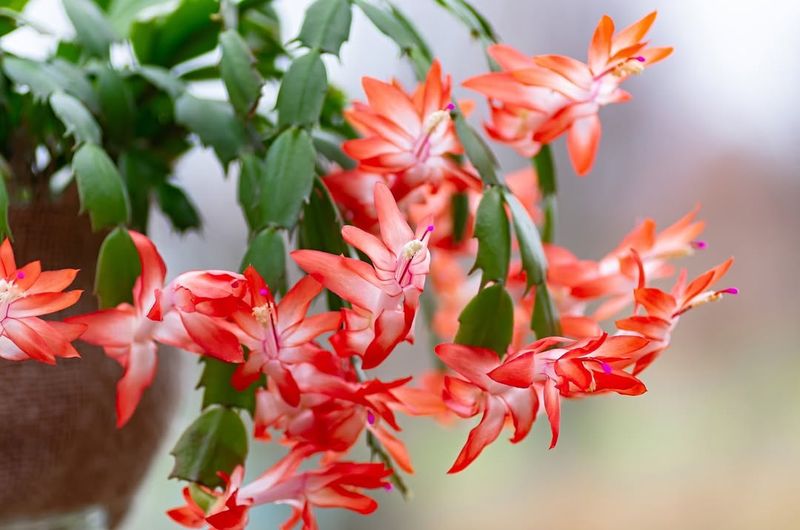
Temperature plays a crucial role in helping your Christmas cactus recover and prepare for future growth after blooming.
Illinois homes typically maintain comfortable temperatures during late winter, which works perfectly for these plants.
Your Christmas cactus thrives when temperatures stay consistently between 60 and 70 degrees Fahrenheit during the day.
Nighttime temperatures can drop slightly lower without causing problems, but avoid placing your plant near drafty windows or doors where cold air sneaks in.
Sudden temperature drops can stress the plant and slow down its recovery process.
Similarly, keep your Christmas cactus away from heating vents and radiators that blast hot, dry air.
The temperature stability inside Illinois homes during this season actually benefits your plant more than the fluctuating outdoor conditions.
Your Christmas cactus is not cold-hardy and cannot tolerate frost or freezing temperatures.
Never place it outside until Illinois weather warms reliably in late spring, and even then, only in shaded spots.
Consistent moderate temperatures allow your plant to rest properly without stress.
This rest period is essential for the plant to gather strength for the next growing season.
Extreme heat or cold forces the plant to expend energy adapting to uncomfortable conditions instead of recovering from its blooming effort.
Pay attention to temperature fluctuations near windows on particularly cold Illinois nights.
A plant sitting on a windowsill might experience much cooler temperatures than the rest of your room.
Moving it a few feet away from the glass during especially frigid nights protects it from cold stress while still allowing it to receive good light during the day.
4. Skip Fertilizer Until New Growth Appears In Spring
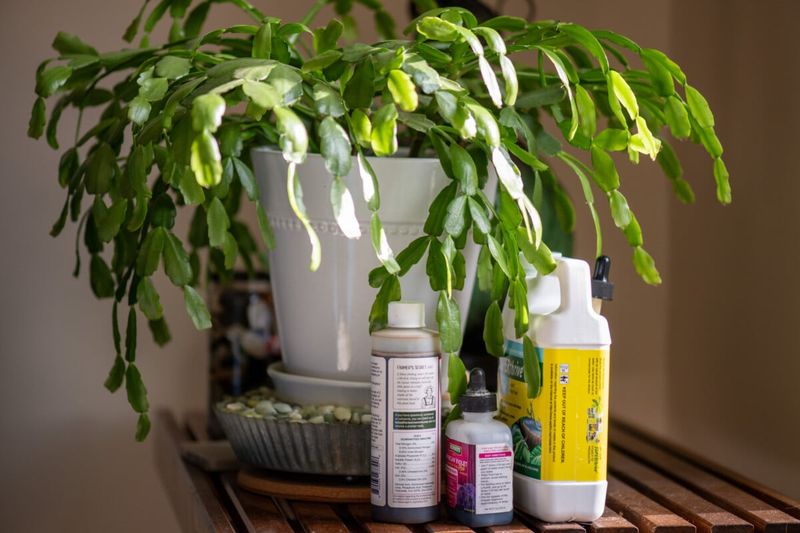
Fertilizing too soon after blooming is a common mistake that can actually harm your Christmas cactus rather than help it.
Right after the flowers fade, your plant needs time to rest and should not receive any fertilizer.
Pushing fertilizer on a resting plant forces unwanted growth and can burn the roots when the plant is not actively taking up nutrients.
Wait until you see signs of new growth emerging from the tips of the leaf segments before reaching for fertilizer.
In Illinois, this typically happens in late March or April as days lengthen and spring truly arrives.
Those small, bright green segments poking out signal that your plant has finished resting and is ready to grow again.
When you do start fertilizing, use a balanced, water-soluble fertilizer diluted to half the recommended strength.
Christmas cacti are light feeders and do not need heavy doses of nutrients.
Feeding once a month during the active growing season provides plenty of nutrition without overwhelming the plant.
Too much fertilizer causes salt buildup in the soil, which damages roots and can cause leaf segments to drop unexpectedly.
If you notice white crusty deposits on the soil surface or around the drainage holes, your plant may have excess fertilizer salts.
Flushing the pot with plain water several times helps remove this buildup.
The rest period after blooming allows your Christmas cactus to naturally regulate its growth cycle.
Respecting this rhythm by withholding fertilizer until new growth starts keeps your plant healthier in the long run and promotes stronger blooms next season.
5. Increase Humidity Levels During Illinois Heating Season
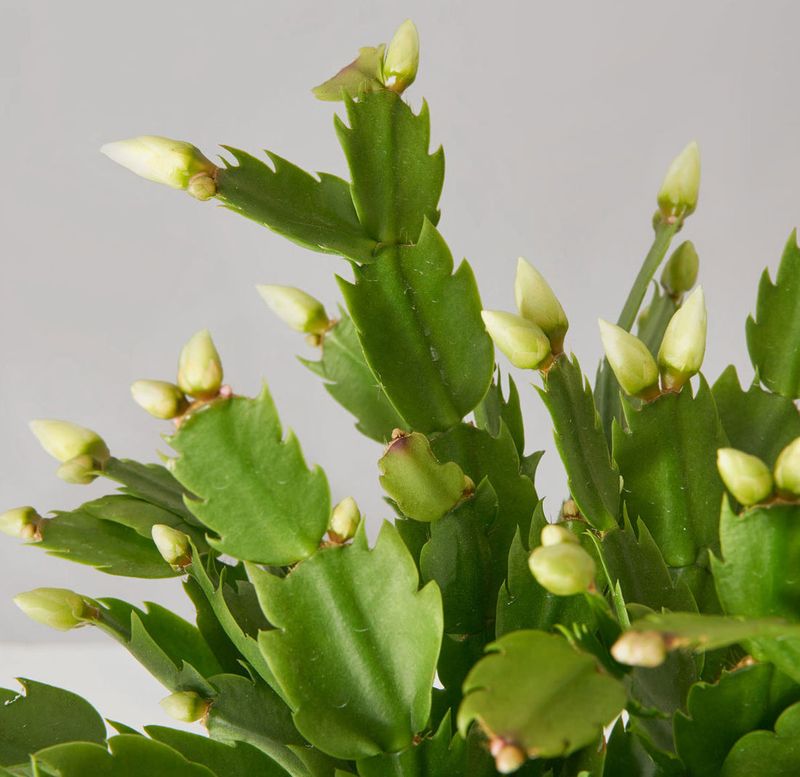
Indoor air in Illinois homes becomes extremely dry during the heating season, which extends well into March and sometimes April.
Your Christmas cactus originates from humid Brazilian forests and appreciates moisture in the air, even though it stores water in its leaves.
Dry air can cause the leaf segments to shrivel or develop brown, crispy edges.
Several simple methods can boost humidity around your plant without requiring expensive equipment.
Grouping several houseplants together creates a microclimate where plants release moisture through their leaves, benefiting each other.
This works especially well if you have multiple tropical plants in your Illinois home.
Another effective approach involves placing your Christmas cactus pot on a tray filled with pebbles and water.
Make sure the bottom of the pot sits on the pebbles above the water line, not in the water itself.
As the water evaporates, it increases humidity immediately around your plant.
Misting your Christmas cactus lightly once or twice a week provides temporary humidity relief, but avoid misting so heavily that water pools in the joints between leaf segments.
Standing water in those crevices can lead to fungal problems.
A light spritz that evaporates within an hour works best.
If you run a humidifier in your Illinois home for your own comfort during dry winter months, your Christmas cactus will benefit from that added moisture too.
Aim for humidity levels between 40 and 60 percent if possible.
Your plant will reward you with plumper, healthier-looking segments that are better prepared to produce flowers when the next blooming season arrives.
6. Prune And Shape Your Plant For Better Growth
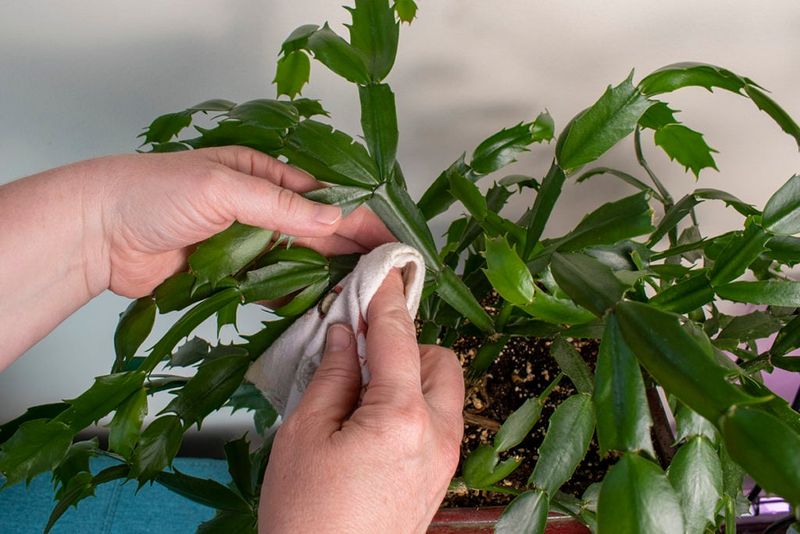
Late winter and early spring in Illinois offer the perfect opportunity to prune your Christmas cactus and encourage bushier, more attractive growth.
Pruning right after blooming takes advantage of the plant’s natural growth cycle.
Removing sections now allows the plant to focus energy on developing multiple new segments from each cut point.
You can simply twist off segments at the joints where they connect to each other.
Each segment or small group of segments you remove can actually become a new plant if you want to propagate.
Christmas cacti root easily, making them wonderful plants to share with friends and family in Illinois.
Focus your pruning on sections that look leggy, damaged, or misshapen.
Removing these portions improves the overall appearance of your plant and encourages growth in other areas.
Your Christmas cactus naturally becomes fuller and more balanced when you prune it regularly.
Some people hesitate to prune because they worry about harming their plant, but Christmas cacti are quite forgiving and respond well to pruning.
Each spot where you remove a segment will typically produce two or three new segments, making your plant bushier over time.
This increased branching means more potential bloom sites for next season.
After pruning, you might notice your plant looks a bit sparse temporarily.
Do not worry because new growth fills in quickly once spring arrives in Illinois and your plant exits its rest period.
The segments you removed can be stuck directly into moist potting soil to root, giving you backup plants or gifts for friends who admire your Christmas cactus.
7. Repot Only If Roots Are Crowded Or Soil Is Depleted
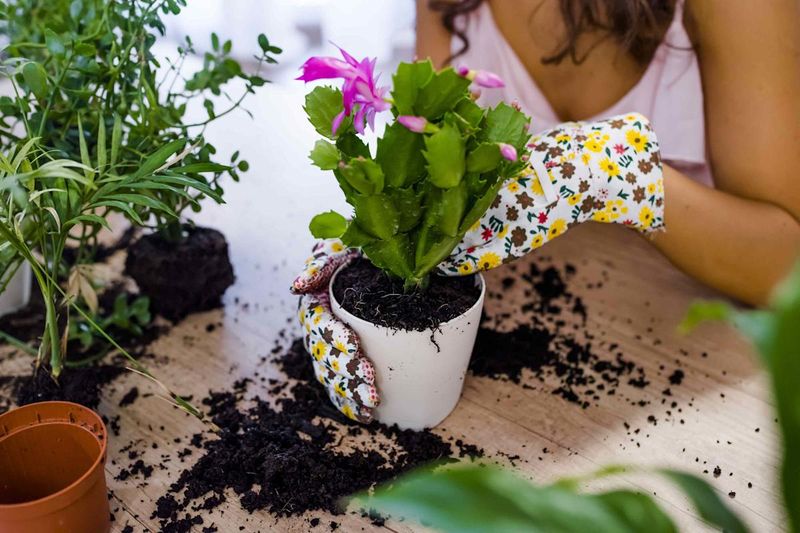
Repotting immediately after blooming is not necessary for most Christmas cacti, but early spring in Illinois provides good timing if your plant truly needs it.
Check whether roots are growing out of the drainage holes or circling tightly around the inside of the pot.
These signs indicate your plant has outgrown its current container and would benefit from more space.
Christmas cacti actually bloom better when slightly rootbound, so do not rush to repot unless the plant shows clear signs of crowding.
If your plant has been in the same soil for three or more years, the potting mix may be depleted of nutrients and breaking down.
Old soil compacts and drains poorly, which can cause root problems.
Choose a pot only one or two inches larger in diameter than the current one.
Too much extra soil around the roots stays wet too long and can lead to rot.
Make sure any new pot has drainage holes in the bottom because standing water is harmful to Christmas cactus roots.
Use a well-draining potting mix designed for cacti and succulents, or create your own by mixing regular potting soil with perlite or coarse sand.
The goal is soil that holds some moisture but allows excess water to drain quickly.
After repotting, water lightly and avoid fertilizing for at least a month while roots adjust to their new environment.
Late March or early April works well for repotting in Illinois because your plant is emerging from its rest period and beginning active growth.
This timing allows roots to establish quickly in the new soil as growing conditions improve with longer days and warmer temperatures throughout spring.