10 Fast-Growing Microgreens To Grow Indoors In Washington

Indoor gardening in Washington takes on a fresh, flavorful twist with microgreens—tiny, nutrient-packed plants that grow fast and bring vibrant color to any kitchen.
Ideal for windowsills or small indoor spaces, microgreens thrive even during gray winter months, offering a quick and rewarding harvest.
Fast-growing varieties allow gardeners to enjoy fresh greens in just a couple of weeks, making them perfect for salads, sandwiches, and garnishes.
Their compact size means minimal space and effort are required, while the variety of flavors—from mild to peppery—adds excitement to everyday meals.
With proper light, moisture, and care, microgreens can provide a steady supply of greens year-round.
1. Radish Microgreens
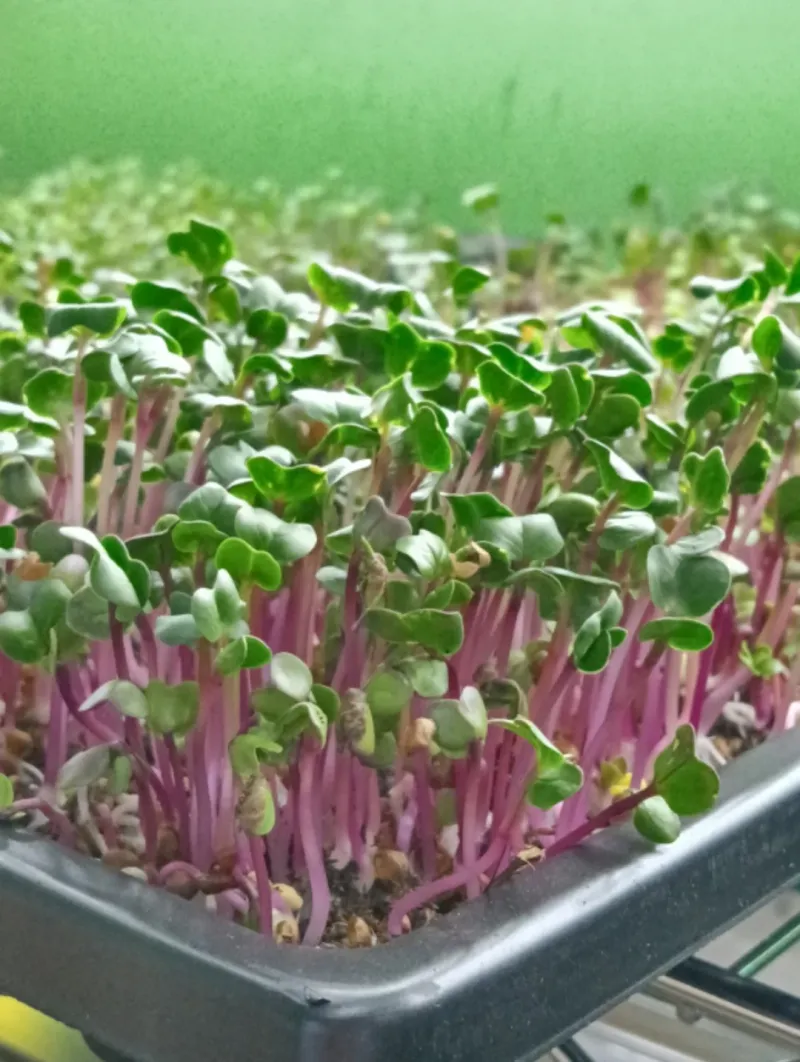
Spicy flavors burst from radish microgreens just days after planting, making them a favorite for beginners and experienced growers alike.
These colorful seedlings show their first leaves within three to five days, and you can harvest them in as little as six to ten days.
Their pink and purple stems add visual excitement to any dish, from tacos to salads.
Washington homes provide excellent conditions for radish microgreens since they grow well in moderate indoor temperatures between 60 and 70 degrees Fahrenheit.
You only need a shallow container, some potting soil, and a sunny windowsill to get started.
The seeds germinate quickly without much fussing, which builds confidence for new gardeners.
Radish microgreens taste peppery and crisp, similar to mature radishes but with a milder kick.
They work wonderfully as sandwich toppings, garnishes for soups, or mixed into grain bowls.
Their fast growth cycle means you can plant a new batch every week for continuous harvests throughout the year.
Watering requires attention but not complicated schedules—just keep the soil moist but not waterlogged.
Misting them gently once or twice daily works perfectly.
Within ten days, you can snip your first harvest with scissors and enjoy the fresh, homegrown flavor that makes indoor gardening so satisfying.
2. Broccoli Microgreens
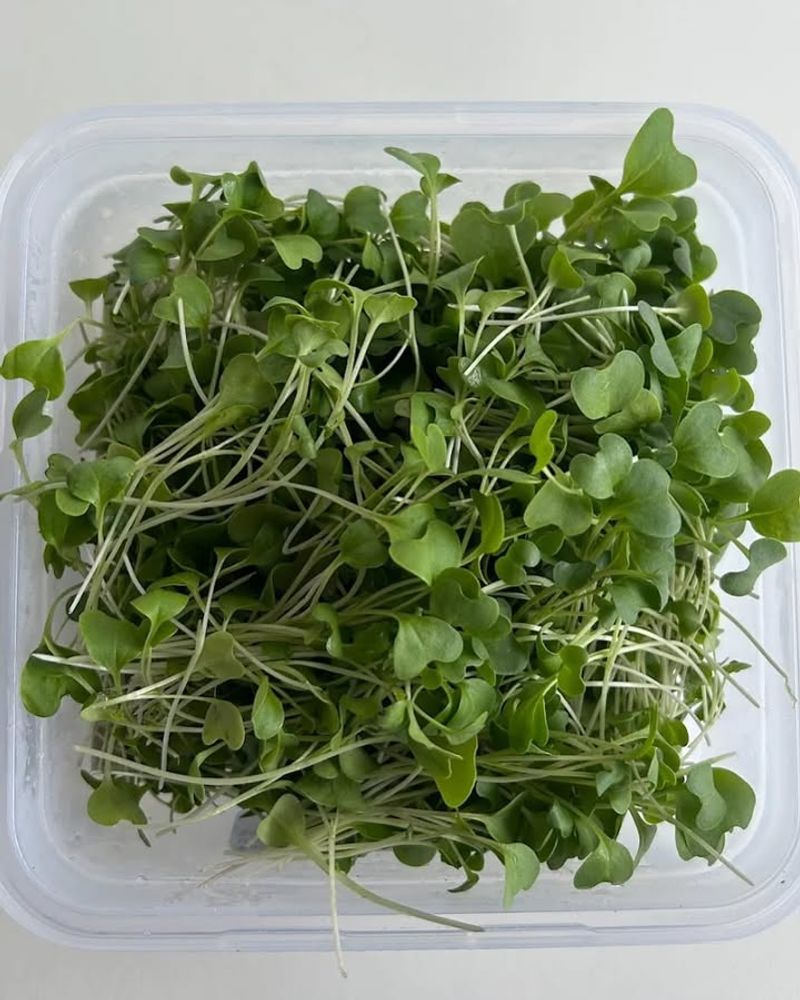
Nutritional powerhouses come in small packages, and broccoli microgreens prove this point beautifully.
Packed with vitamins A, C, and K, these little greens offer more nutrients per ounce than their full-grown counterparts.
Growing them indoors takes about eight to twelve days from seed to harvest, making them one of the quickest ways to boost your daily vegetable intake.
Their mild, slightly bitter flavor appeals to people who find mature broccoli too strong.
Kids often enjoy the tender texture and subtle taste, which makes sneaking vegetables into meals much easier.
You can blend them into smoothies, layer them on pizzas, or toss them into pasta dishes without overwhelming other flavors.
Washington’s cloudy winters never stop broccoli microgreens from thriving indoors.
They adapt well to artificial lighting if natural sunlight feels scarce during gray months.
Place them near a south-facing window or under a simple LED grow light for twelve to sixteen hours daily.
Broccoli seeds cost very little compared to buying fresh greens at the grocery store.
One packet can produce multiple harvests, saving money while reducing trips to the market.
The satisfaction of snipping fresh greens just minutes before dinner adds a special touch to every meal.
Your Washington Garden Changes Every Week. Your Plan Should Too.
Gardening in Washington changes quickly throughout the season. Every Friday you’ll receive a simple weekly plan showing exactly what to plant, prune, fertilize, harvest, and protect so you never miss the right timing.
Watching them sprout and grow creates a connection to your food that store-bought produce simply cannot match.
3. Sunflower Microgreens
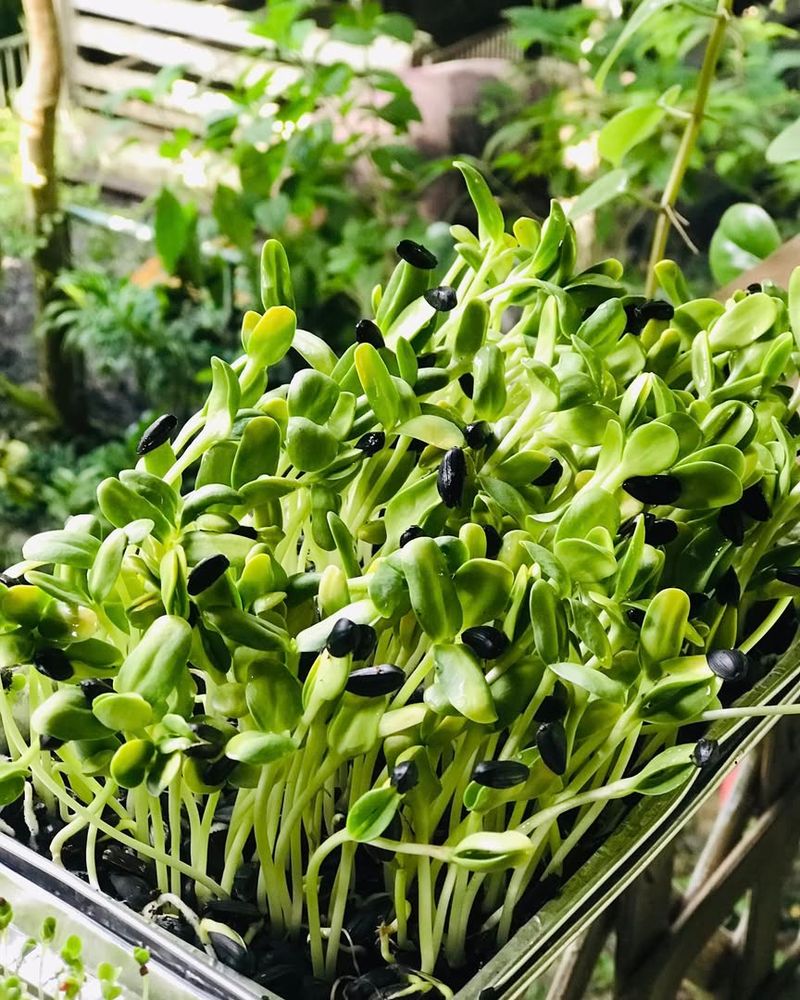
Crunchy and nutty flavors define sunflower microgreens, which grow larger than most other varieties.
Their thick stems and substantial leaves create satisfying texture in salads, wraps, and sandwiches.
Harvest time arrives between eight and twelve days after planting, giving you quick results with impressive yields.
Black oil sunflower seeds work best for microgreen production, though you must remove their hulls before eating.
Some growers prefer pre-hulled seeds to skip this step entirely.
The seeds need soaking for eight to twelve hours before planting, which softens them and speeds up germination.
These microgreens prefer slightly cooler temperatures, making Washington homes ideal for their growth.
Room temperatures between 65 and 75 degrees Fahrenheit keep them happy and productive.
They need more vertical space than smaller varieties since their stems stretch taller as they mature.
Sunflower microgreens contain protein, healthy fats, and vitamin E, making them excellent additions to plant-based diets.
Their substantial size means fewer plants fill a salad bowl compared to delicate varieties like arugula.
Many people enjoy their mild sweetness and satisfying crunch, which adds variety to daily meals.
Growing them feels rewarding because their impressive size shows visible progress each day.
Children especially love watching these giants among microgreens shoot up quickly in their trays.
4. Pea Shoots
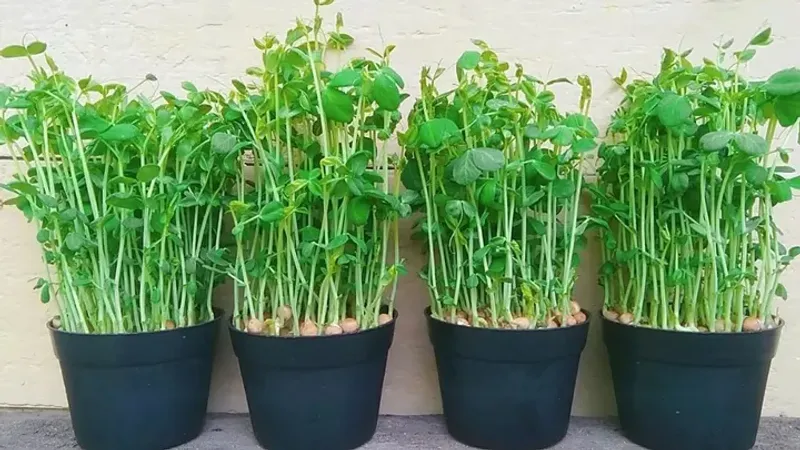
Sweet and tender, pea shoots bring springtime flavors to your kitchen any month of the year.
These climbing plants produce delicate tendrils and leaves that taste remarkably like fresh garden peas.
Harvest arrives in about ten to fourteen days, giving you plenty of greens from just a handful of seeds.
Did you know pea shoots rank among the most popular microgreens in Asian cuisine?
Restaurants use them in stir-fries, soups, and as elegant plate garnishes.
Growing them at home costs a fraction of restaurant prices while providing fresher flavor and better nutrition.
Washington gardeners appreciate how forgiving pea shoots are during the learning process.
They tolerate minor watering mistakes better than more delicate varieties.
Their seeds germinate reliably without requiring precise temperature control or fancy equipment.
Pea shoots grow tall and benefit from vertical support as they mature.
Some growers add small stakes or let them lean against each other naturally.
Their climbing nature creates beautiful, lush growth that looks decorative while growing.
The flavor stays mild and sweet, never bitter or overpowering, which makes them perfect for people new to eating microgreens.
Stir-frying them lightly preserves their tender texture while bringing out their natural sweetness.
Raw applications work equally well, especially in spring rolls or as bed lettuce replacements in sandwiches and burgers.
5. Arugula Microgreens

Peppery punch comes standard with arugula microgreens, which mature incredibly fast compared to their garden-grown relatives.
These zesty greens reach harvest size in just five to seven days, making them one of the speediest options available.
Their distinctive flavor adds sophisticated taste to simple meals without requiring complicated preparation.
Arugula microgreens contain high levels of calcium and iron, supporting bone health and energy production.
Their sharp, mustard-like taste mellows slightly when mixed with milder greens or paired with sweet fruits.
Try combining them with strawberries and balsamic vinegar for a restaurant-quality salad at home.
Growing conditions for arugula microgreens remain simple and straightforward.
They prefer cooler temperatures, which Washington homes naturally provide during most seasons.
Avoid overheating them near radiators or heating vents, as excessive warmth can make their flavor too intense.
These microgreens work beautifully as pizza toppings added after baking, preserving their fresh taste and crisp texture.
Their bold flavor stands up well to rich cheeses and savory meats.
Many home cooks use them to replace lettuce in wraps and tacos, adding extra nutrition and exciting flavor.
Their quick growth cycle means you can experiment with different planting schedules to match your eating habits.
Planting small amounts every few days ensures fresh harvests whenever you need them without waste or spoilage.
6. Kale Microgreens
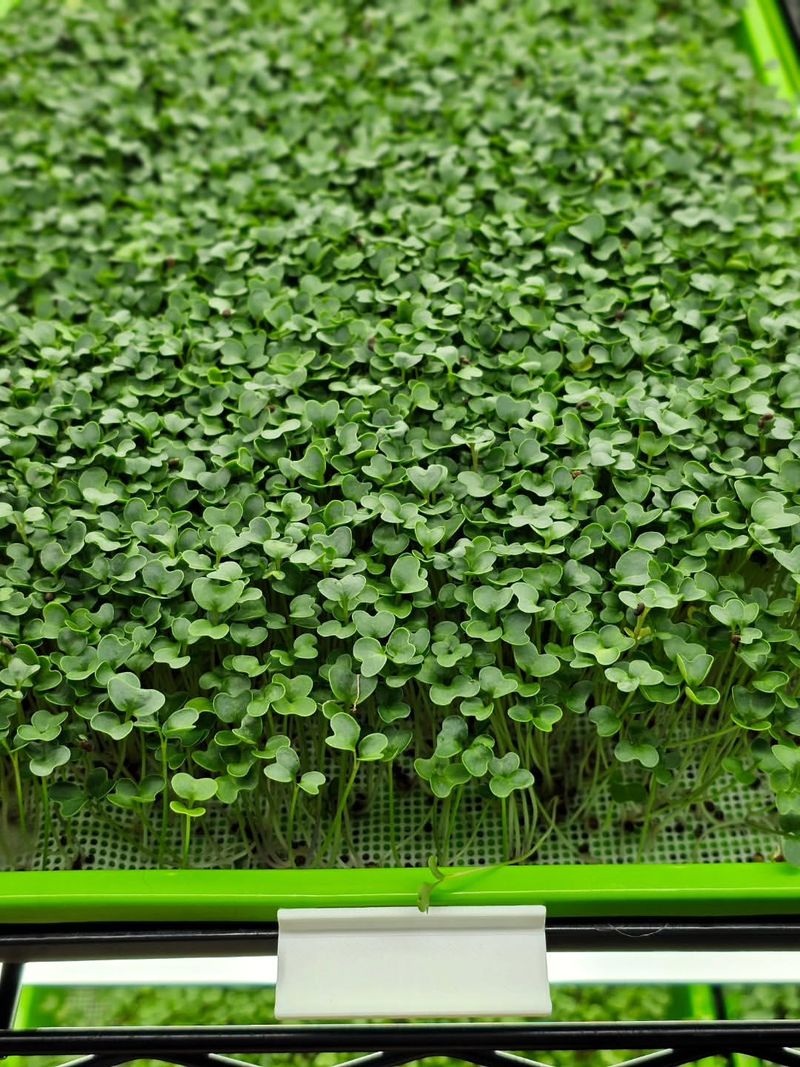
Superfood status belongs to kale microgreens, which concentrate the nutrition of mature kale into tiny, tender leaves.
These miniature versions contain even more vitamins and minerals than full-grown plants, particularly vitamins C and K.
Harvest happens between eight and twelve days after planting, giving you quick access to incredible nutrition.
Kale microgreens taste milder than adult kale, lacking the tough texture and bitter notes that some people find challenging.
Their tender leaves blend seamlessly into smoothies without leaving chunky bits behind.
Many parents find success introducing vegetables to picky eaters through these mild, soft microgreens.
Washington’s moderate indoor temperatures suit kale microgreens perfectly throughout the year.
They handle lower light conditions better than some varieties, making them excellent choices for homes with limited window space.
North-facing windows or rooms with indirect light still produce healthy crops.
These microgreens add beautiful color contrast to plates with their deep green hues and sometimes purple-tinged stems.
Their visual appeal makes ordinary meals look more appetizing and professionally prepared.
Nutritional benefits include antioxidants that support overall health and wellness.
Growing them creates opportunities to eat more vegetables without forcing yourself to consume large salads.
Just a small handful provides significant nutritional value, making them efficient additions to any diet focused on health and wellness.
7. Mustard Microgreens

Bold and spicy flavors explode from mustard microgreens, which add serious kick to any dish.
These fast growers reach harvest size in just six to ten days, providing quick satisfaction for impatient gardeners.
Their purple and green leaves create stunning visual displays that brighten up kitchen counters and dining tables.
Several mustard varieties work well as microgreens, including red giant, ruby streaks, and golden frills.
Each type offers slightly different heat levels and leaf colors, allowing you to customize your growing experience.
Experimenting with different varieties keeps indoor gardening interesting and prevents boredom.
Washington growers enjoy mustard microgreens because they tolerate the state’s typical indoor humidity levels without problems.
They resist common growing issues like mold better than some delicate varieties.
Their vigorous growth produces impressive yields from small spaces, maximizing your harvest from limited counter space.
Mustard microgreens contain compounds similar to horseradish and wasabi, giving them their characteristic heat.
This spiciness clears sinuses and adds excitement to sandwiches, burgers, and Asian-inspired dishes.
Using them as garnishes for soups and stews introduces layers of flavor complexity.
Their strong taste means a little goes a long way, so one tray produces enough microgreens for multiple meals.
Growing them alongside milder varieties creates opportunities for custom flavor blends tailored to your preferences.
8. Cabbage Microgreens

Mild and versatile, cabbage microgreens offer gentle flavors that appeal to almost everyone.
They mature in about eight to ten days, providing steady harvests without demanding complicated care routines.
Their light green color and delicate appearance make them attractive garnishes for various dishes.
Cabbage microgreens contain cancer-fighting compounds called glucosinolates, which research suggests support long-term health.
Their tender texture and subtle taste make them perfect for children and adults who find stronger greens overwhelming.
Blending them into dips, spreads, and sauces adds nutrition without changing familiar flavors.
These microgreens grow reliably in Washington homes without requiring special environmental controls.
Room temperature and normal indoor humidity suit them perfectly.
They respond well to both natural sunlight and artificial grow lights, giving you flexibility in placement.
Red cabbage varieties produce stunning purple microgreens that add dramatic color to white plates and pale foods.
Their anthocyanin content gives them their distinctive hue while providing additional health benefits.
Many home cooks use them to create Instagram-worthy meals that look professionally styled.
Cabbage microgreens work wonderfully in coleslaw recipes, replacing or supplementing shredded cabbage for extra nutrition and visual interest.
Their economical seeds produce abundant harvests, making them budget-friendly choices for families trying to eat healthier without spending more money on groceries.
9. Cilantro Microgreens
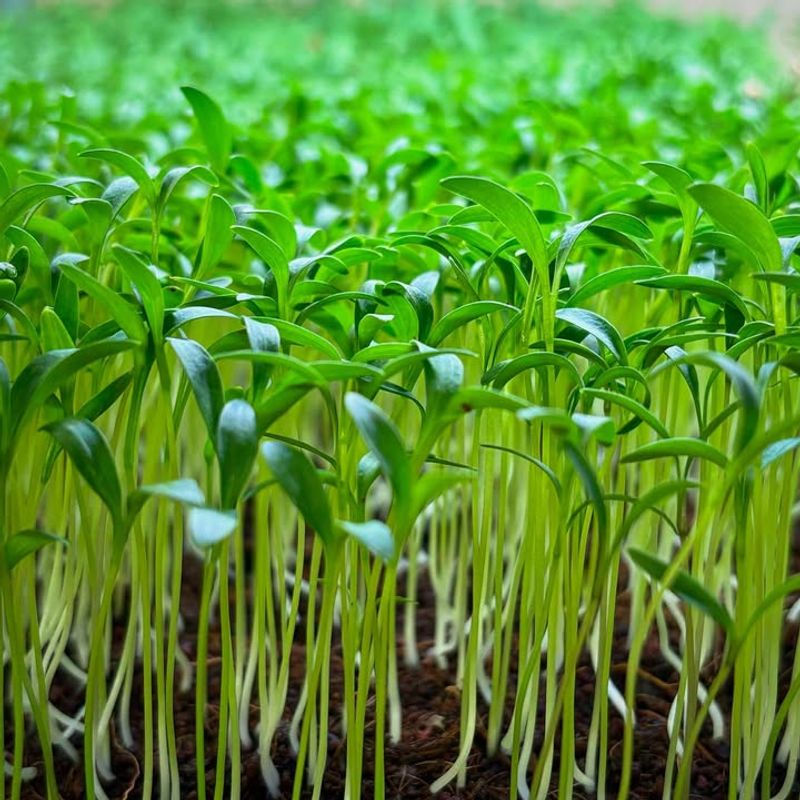
Herb lovers celebrate cilantro microgreens, which deliver familiar flavors in convenient, fast-growing form.
These aromatic greens take about twelve to eighteen days to mature, slightly longer than some varieties but worth the wait.
Their distinctive taste enhances Mexican, Indian, Thai, and Vietnamese dishes with authentic flavor profiles.
Cilantro microgreens taste similar to mature cilantro but with slightly milder intensity.
People who find adult cilantro too soapy sometimes enjoy the gentler flavor of microgreens.
Growing your own ensures fresh cilantro availability without buying large bunches that wilt before you use them.
Washington’s indoor growing conditions work well for cilantro microgreens, though they prefer slightly cooler temperatures than tropical varieties.
Keeping them between 60 and 68 degrees Fahrenheit produces the best flavor and growth rates.
They benefit from good air circulation, which prevents moisture problems in humid environments.
These microgreens add finishing touches to tacos, curries, pho, and salsa recipes.
Their feathery leaves create delicate visual texture on plates.
Cilantro seeds, also called coriander, cost very little and produce generous yields.
Growing them indoors means fresh herbs stay available even during Washington’s rainy winter months when outdoor herb gardens sleep.
Snipping them fresh just before serving preserves their aromatic oils and bright flavor, making homemade meals taste more vibrant and professionally prepared.
10. Beet Microgreens
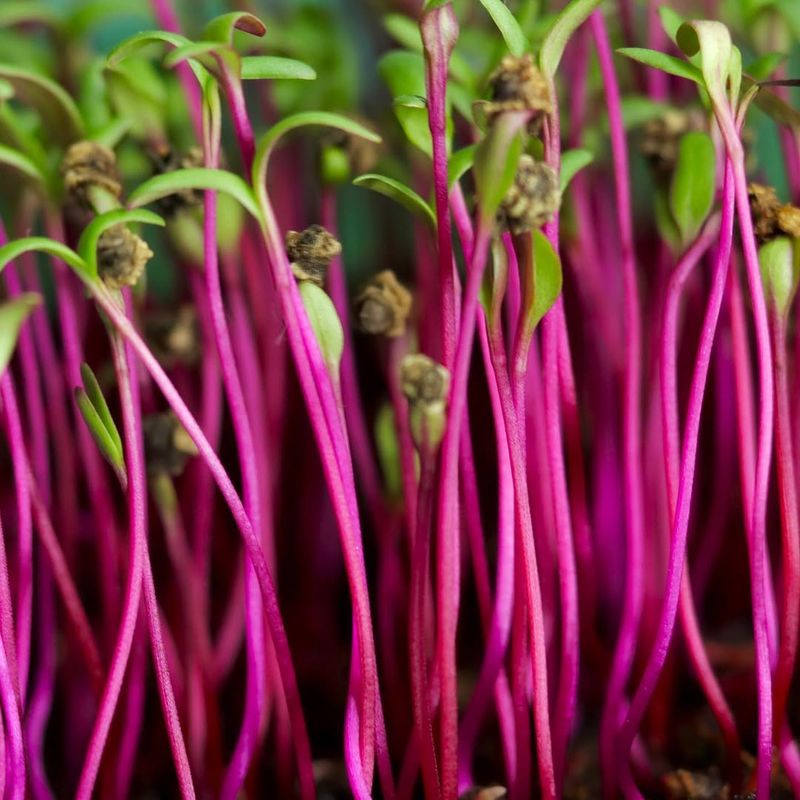
Colorful and earthy, beet microgreens bring gorgeous red stems and green leaves to your indoor garden.
They mature in about ten to fourteen days, offering reasonable speed with spectacular visual results.
Their mild, slightly sweet flavor tastes nothing like the strong earthiness of mature beets, making them approachable for skeptical eaters.
Beet microgreens contain betalains, powerful antioxidants that give them their characteristic red color.
These compounds support liver function and reduce inflammation throughout the body.
Eating them raw preserves their nutritional content better than cooking, making microgreens ideal for maximizing health benefits.
Washington growers find beet microgreens remarkably easy to cultivate indoors.
They tolerate variable light conditions and moderate temperatures without complaint.
Their seeds germinate reliably, building confidence for beginners while providing consistent results for experienced growers.
The stunning appearance of beet microgreens makes every dish look more sophisticated and carefully prepared.
Their red and green color combination adds visual interest to salads, grain bowls, and sandwich plates.
Many restaurants use them as signature garnishes because they photograph beautifully and signal fresh, quality ingredients.
Growing them at home costs pennies compared to buying specialty greens at farmers markets or gourmet stores.
Their unique flavor and appearance make meals feel special without requiring advanced cooking skills or expensive ingredients.