11 Rare Blooming Plants California Gardeners Can’t Stop Searching For

California gardeners are on the hunt. Across backyards, community plots, and plant forums, rare blooming plants are stirring excitement with dazzling colors, unusual shapes, and limited availability.
These aren’t your everyday annuals — they’re the botanical treasures that spark obsession.
From exotic bulbs that bloom only under specific conditions to heirloom varieties with breathtaking flowers, these sought-after plants are reshaping garden wish lists across the Golden State.
Some are prized for their fragrance, others for their show-stopping blooms that seem to defy the seasons.
Whether you’re a seasoned horticulturist or just love adding beauty to your outdoor space, this list highlights the elusive blossoms every California gardener dreams of growing.
1. Chocolate Cosmos

Chocolate cosmos earns its name from the rich, dark burgundy petals that smell exactly like cocoa on warm summer afternoons in gardens.
Native to Mexico, this perennial disappeared from wild habitats decades ago, making cultivated versions incredibly precious to collectors who treasure rare botanical specimens.
California’s mild climate suits these delicate flowers perfectly, allowing them to thrive when planted in well-draining soil with plenty of bright sunshine.
Gardeners love how the blooms appear from midsummer through fall, providing continuous color when many other plants have already finished their flowering cycles.
The chocolate scent intensifies during the hottest part of the day, attracting butterflies and curious neighbors who always ask about the unusual aroma.
These plants require regular watering but hate soggy roots, so careful moisture management keeps them healthy and producing flowers throughout the growing season.
Propagation happens through division rather than seeds, which explains why finding these beauties at local nurseries can be challenging for most California gardeners.
Pairing chocolate cosmos with silvery foliage plants creates stunning contrasts that highlight the deep, dramatic color of each velvety bloom in garden beds.
2. Middlemist Red Camellia
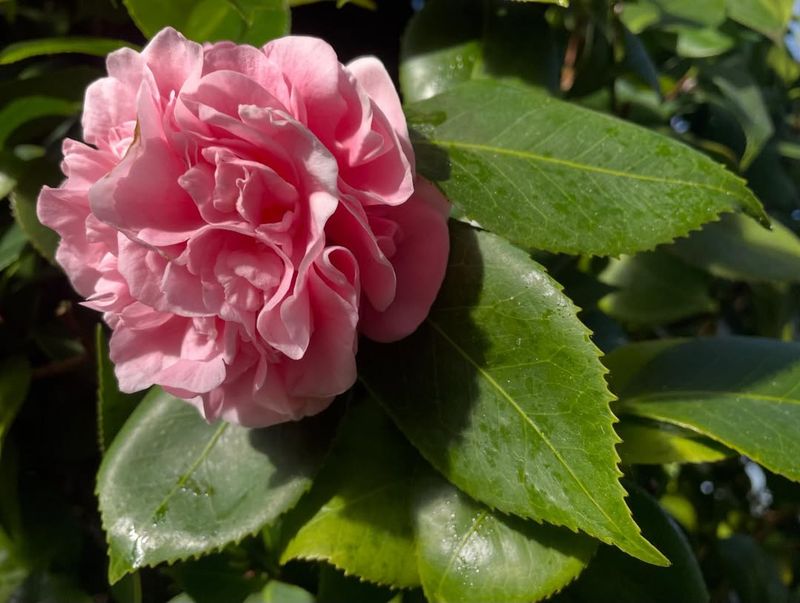
Only two known specimens of Middlemist red camellia exist worldwide, making this the most sought-after flowering plant among serious California botanical collectors today.
Despite its name, the blooms actually display gorgeous deep pink petals that resemble perfect roses, confusing many first-time viewers about the true identity.
A British botanist brought the original plant from China in 1804, and it vanished from its native habitat shortly after, creating scarcity worldwide.
California gardeners fortunate enough to obtain cuttings treat them like precious jewels, protecting them from frost and providing ideal acidic soil conditions always.
The flowers bloom in late winter through early spring, offering spectacular color when most gardens still look dormant and bare from cold weather.
Growing this camellia requires patience since young plants take several years before producing their first magnificent blooms, testing any gardener’s dedication and commitment.
Coastal California regions provide perfect humidity and temperature ranges, making propagation slightly easier than in hot inland valleys where conditions prove too harsh.
Collectors share cuttings through exclusive networks, creating waiting lists that sometimes stretch for years before new gardeners receive their prized plant material finally.
3. Parrot’s Beak
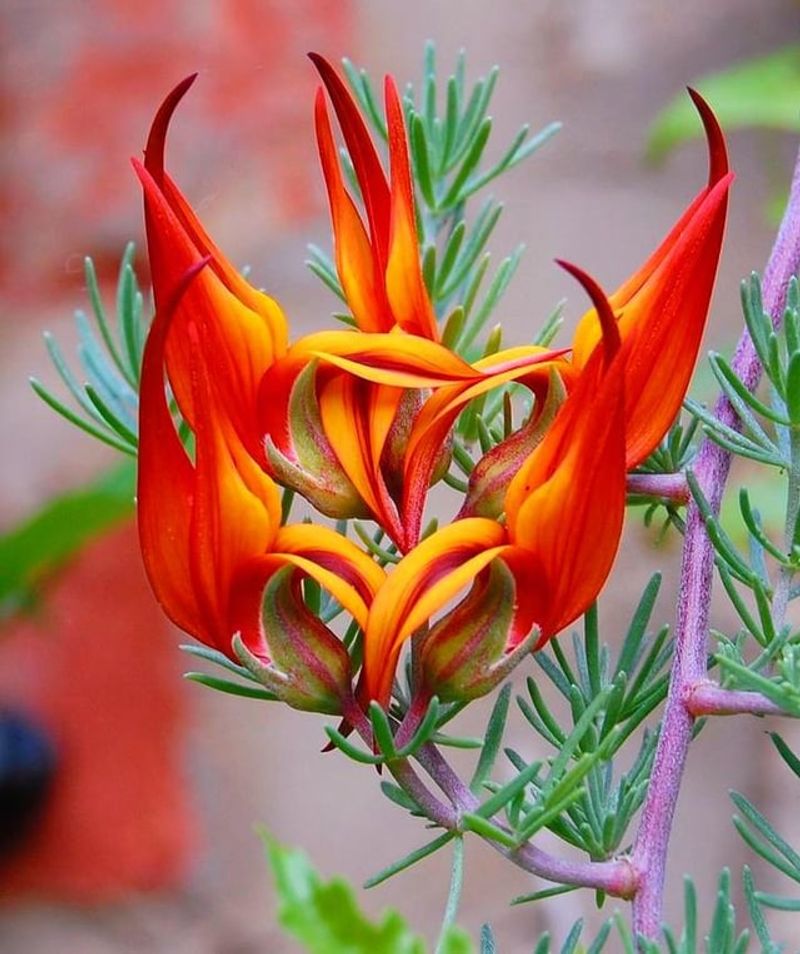
Parrot’s beak produces stunning curved flowers in brilliant scarlet and orange shades that truly resemble the hooked beak of tropical birds perfectly.
Your California Garden Changes Every Week. Your Plan Should Too.
Gardening in California changes quickly throughout the season. Every Friday you’ll receive a simple weekly plan showing exactly what to plant, prune, fertilize, harvest, and protect so you never miss the right timing.
This trailing plant from the Canary Islands faces extinction in wild habitats, making cultivated specimens incredibly valuable to California gardeners who appreciate conservation efforts.
The silvery, needle-like foliage creates a beautiful backdrop for the dramatic flowers, adding textural interest even when blooms fade during certain seasons.
California’s Mediterranean climate mirrors the plant’s native environment, allowing it to flourish in hanging baskets where the cascading stems show off best.
Hummingbirds go absolutely crazy for these tubular blooms, visiting gardens repeatedly throughout the day to sip nectar from every available flower opening.
Finding parrot’s beak at nurseries proves difficult because it requires specific propagation techniques, and many commercial growers avoid challenging plants that need extra care.
Gardeners must protect these plants from heavy frost, bringing containers indoors during cold snaps or covering outdoor specimens with protective fabric at night.
The blooming season peaks in spring and early summer, creating spectacular displays that make neighbors stop and ask where they can find similar plants.
4. Ghost Orchid
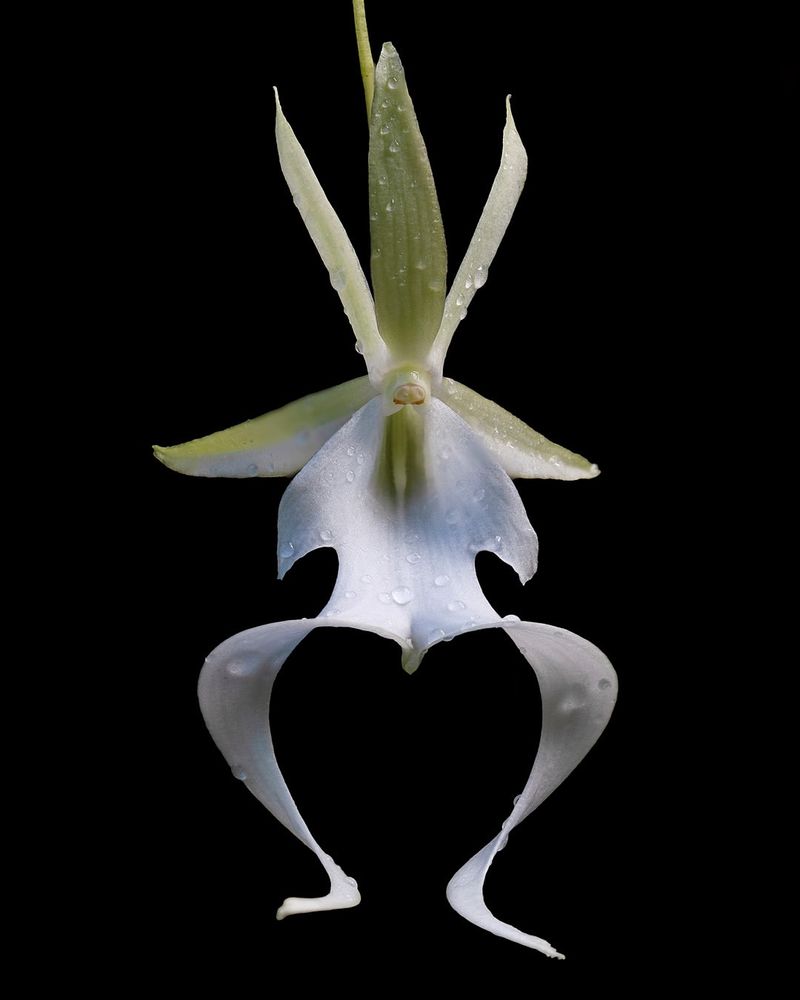
Ghost orchids earned their spooky name because the white flowers seem to float mysteriously in air since the plant lacks traditional leaves entirely.
Native to Florida and Cuba, this orchid grows as an epiphyte, attaching to tree bark and absorbing nutrients from air and rain exclusively.
California orchid enthusiasts obsess over obtaining these rare beauties, though successfully growing them requires replicating exact humidity and temperature conditions found in swamps.
The flowers bloom unpredictably, sometimes waiting years between flowering cycles, which makes witnessing a bloom an extraordinary event worth celebrating with fellow gardeners.
Each ghostly white flower can measure up to four inches across, with long trailing petals that enhance the supernatural appearance floating among branches.
Specialized greenhouses with controlled environments give California growers the best chance of success, since outdoor conditions rarely match the plant’s exacting requirements perfectly.
Pollination in nature happens through a single moth species, making seed production nearly impossible in cultivation and increasing the plant’s rarity dramatically.
Collectors pay premium prices for established plants, and waiting lists at specialized orchid nurseries often extend for months before new specimens become available.
5. Jade Vine
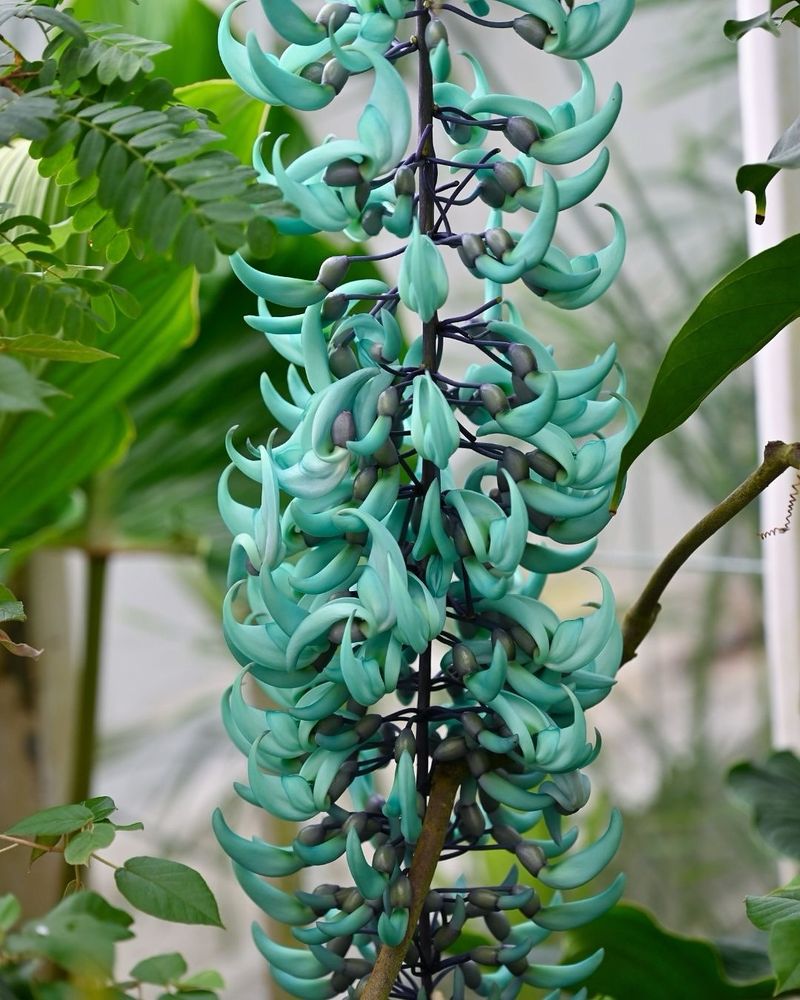
Jade vine produces the most incredible turquoise flowers found anywhere in nature, creating a color so unique that people often question its authenticity.
Native to Philippine rainforests, this vigorous climber faces habitat loss in the wild, making conservation through cultivation extremely important for species survival worldwide.
The claw-shaped flowers hang in dramatic clusters that can reach three feet long, creating a waterfall effect that leaves every garden visitor speechless.
California gardeners lucky enough to grow jade vine need substantial support structures because mature plants become quite heavy and vigorous over time.
Warm coastal areas provide the best growing conditions, though inland gardeners succeed by creating protected microclimates with afternoon shade and consistent moisture levels.
Bats pollinate these flowers in native habitats, but California gardens rely on hand pollination if gardeners hope to produce the large seed pods eventually.
Young plants take several years to reach blooming size, requiring patience and consistent care before rewarding growers with their first spectacular flower display.
The turquoise color fades quickly after cutting, so photographers and admirers must enjoy the blooms while they remain attached to the living vine.
6. Queen Of The Night
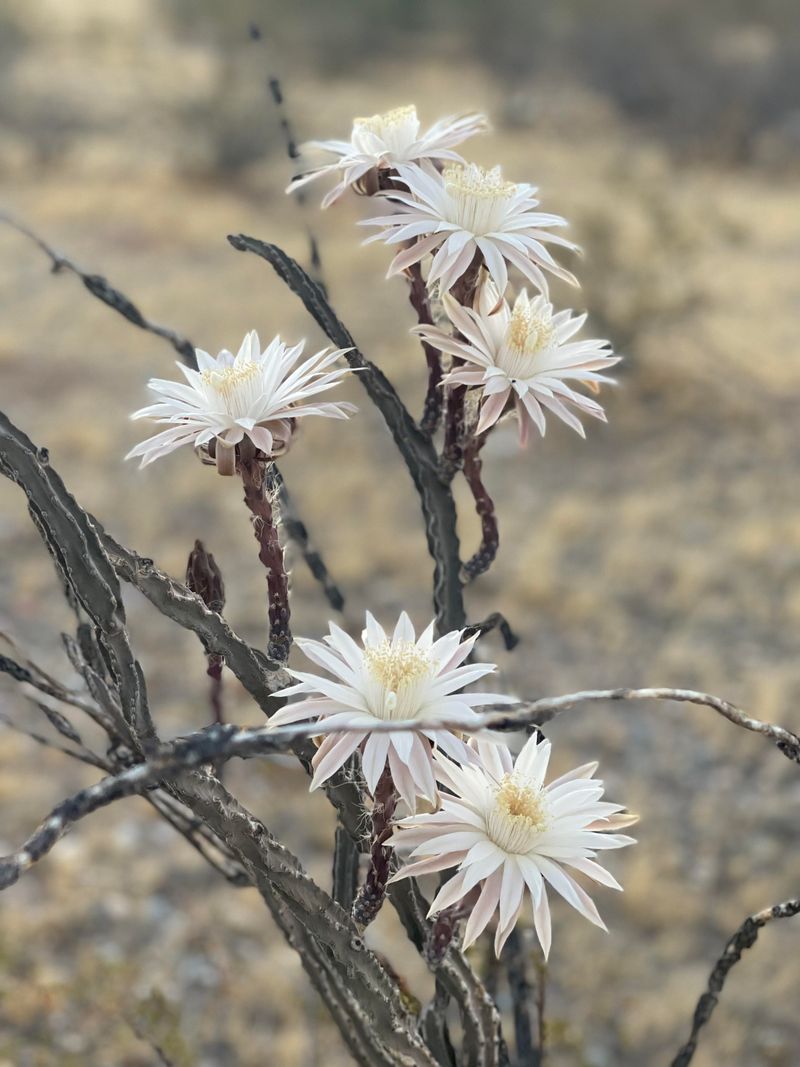
Queen of the night cactus produces enormous white flowers that open only after sunset, blooming for just one magical night before wilting forever.
This epiphytic cactus grows naturally in Central and South American forests, climbing trees and producing long, flat stems that look unremarkable most times.
California gardeners host special viewing parties when buds appear, inviting friends and family to witness the spectacular bloom event happening after dark outside.
The flowers can measure up to twelve inches across, releasing an intoxicating fragrance that fills entire gardens and attracts moths from remarkable distances away.
Predicting bloom nights proves tricky since buds develop slowly, then suddenly open within hours, catching even experienced growers by surprise sometimes at night.
Growing these cacti requires minimal effort since they tolerate neglect well, making them perfect for busy California gardeners who want drama without constant maintenance.
Multiple stems increase chances of witnessing blooms since different stems flower on different nights throughout the summer season, extending the viewing opportunities considerably.
The fleeting nature of each bloom makes the experience precious, reminding gardeners to appreciate beauty while it lasts in their carefully tended spaces.
7. Corpse Flower
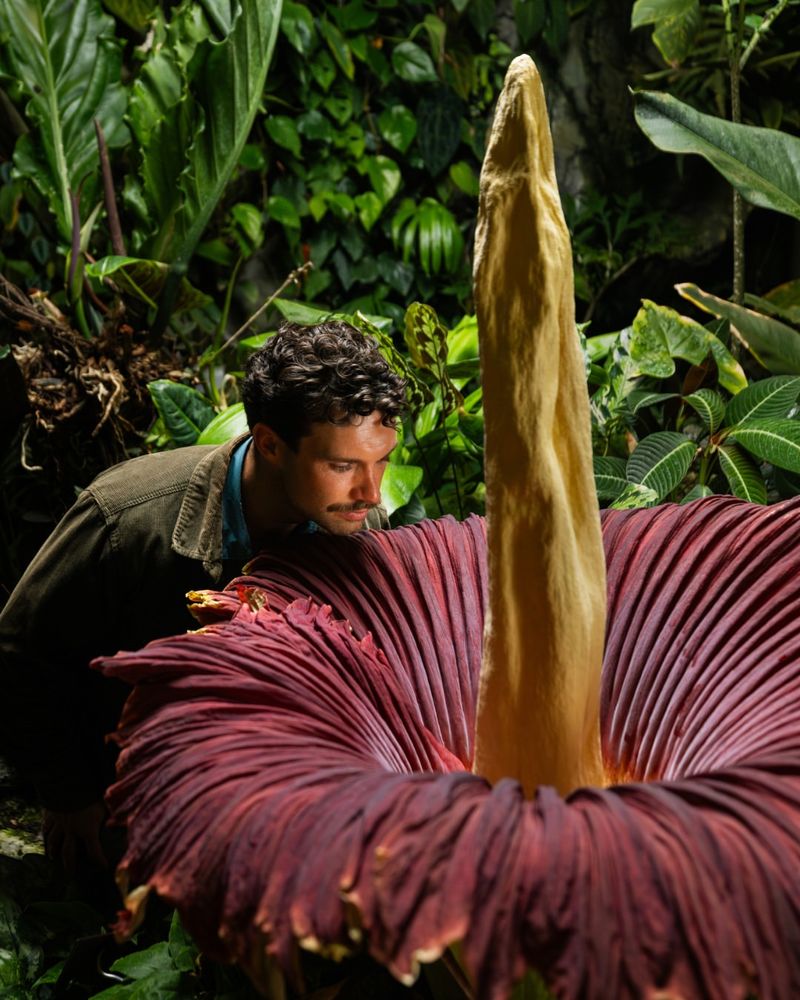
Corpse flower creates massive blooms reaching over eight feet tall, making it the largest unbranched flower structure found anywhere on our entire planet.
The common name comes from the powerful odor resembling rotting flesh, which attracts carrion beetles and flies for pollination in native Sumatran habitats.
California botanical gardens announce bloom events weeks in advance since the flower opens unpredictably, and crowds flock to witness this rare natural spectacle.
Each plant blooms only every few years after storing enough energy in a massive underground corm, making every flowering event incredibly special for botanists.
The bloom lasts just 24 to 48 hours before collapsing, creating urgency for visitors who want to experience the infamous smell firsthand at gardens.
Despite the unpleasant odor, the deep burgundy and cream coloring creates stunning visual drama that photographs beautifully from every possible angle available nearby.
Growing corpse flowers requires enormous greenhouse space and years of patient care, limiting cultivation to serious institutions with resources and dedicated staff members.
California gardeners dream of seeing these blooms in person, traveling to botanical gardens whenever announcements go out about upcoming flowering events scheduled soon.
8. Youtan Poluo
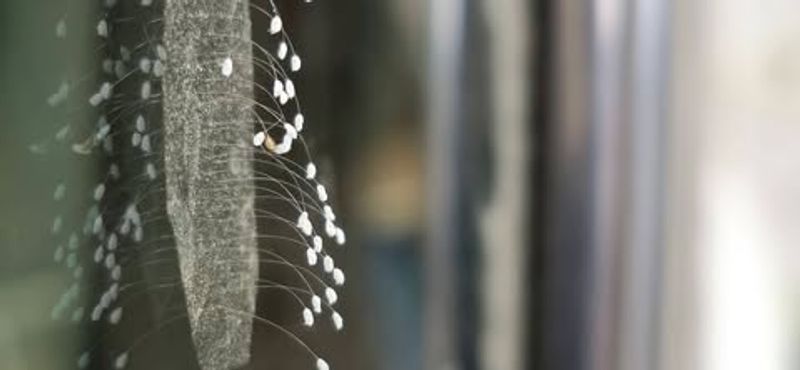
Youtan poluo flowers measure barely one millimeter across, requiring magnification to see the intricate details of these mysterious, incredibly tiny white blooms properly.
Buddhist legends claim these flowers bloom once every three thousand years, though modern botanists debate whether they’re actually flowers or egg cases.
California gardeners report finding these minute structures appearing on leaves, walls, and various surfaces, sparking intense curiosity about their true biological nature always.
The tiny blooms release a subtle, sweet fragrance detectable only when many cluster together on a single surface in warm, humid conditions outdoors.
Scientific classification remains controversial, with some researchers identifying them as lacewing eggs while others insist they represent a unique parasitic flowering organism type.
Regardless of botanical identity, discovering these miniature structures brings excitement to California gardeners who appreciate unusual phenomena appearing unexpectedly in their growing spaces.
Photographs require macro lenses to capture the delicate, umbrella-like shapes that give these mysterious formations their distinctive appearance under close examination and lighting.
The rarity and mysterious nature make youtan poluo a fascinating conversation topic among California gardening communities who share sightings and theories enthusiastically online.
9. Franklin Tree
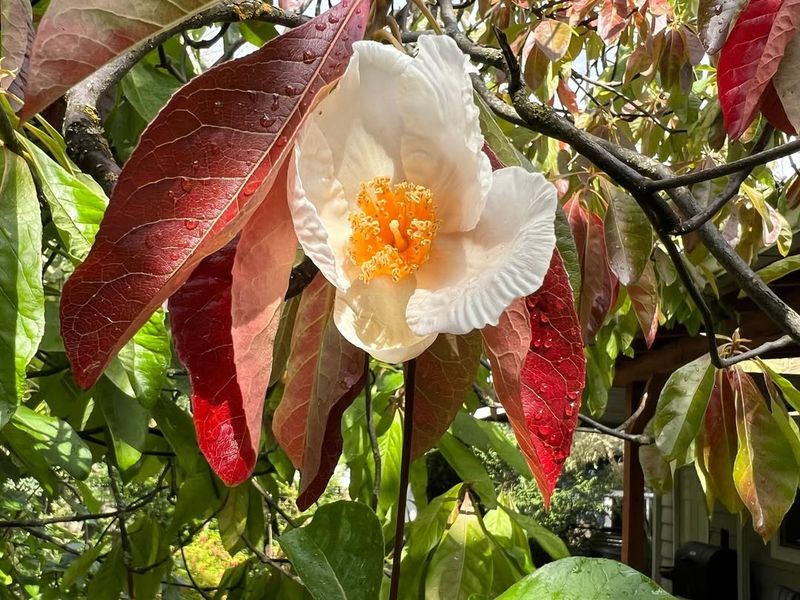
Franklin tree produces gorgeous white flowers with golden centers, blooming in late summer when few other trees offer such spectacular floral displays outdoors.
This species vanished from wild Georgia habitats in the early 1800s, making every cultivated specimen a direct descendant of trees collected centuries ago.
California gardeners treasure these small trees for their conservation value and stunning fall foliage that turns brilliant orange and red before leaves drop.
The camellia-like flowers appear alongside autumn color, creating a unique combination of blooms and foliage that few other ornamental trees can match beautifully.
Growing Franklin trees requires acidic soil and consistent moisture, conditions that California coastal gardens provide naturally without extensive amendments or special preparation efforts.
Young trees take several years to reach blooming size, but patience rewards growers with decades of reliable flowers and spectacular seasonal interest annually.
Nurseries specializing in rare plants occasionally offer Franklin trees, though availability fluctuates based on propagation success rates and growing demand from collectors.
Planting this extinct-in-the-wild species helps preserve genetic diversity, making California gardeners active participants in important conservation efforts protecting botanical heritage for future generations.
10. Rothschild’s Slipper Orchid
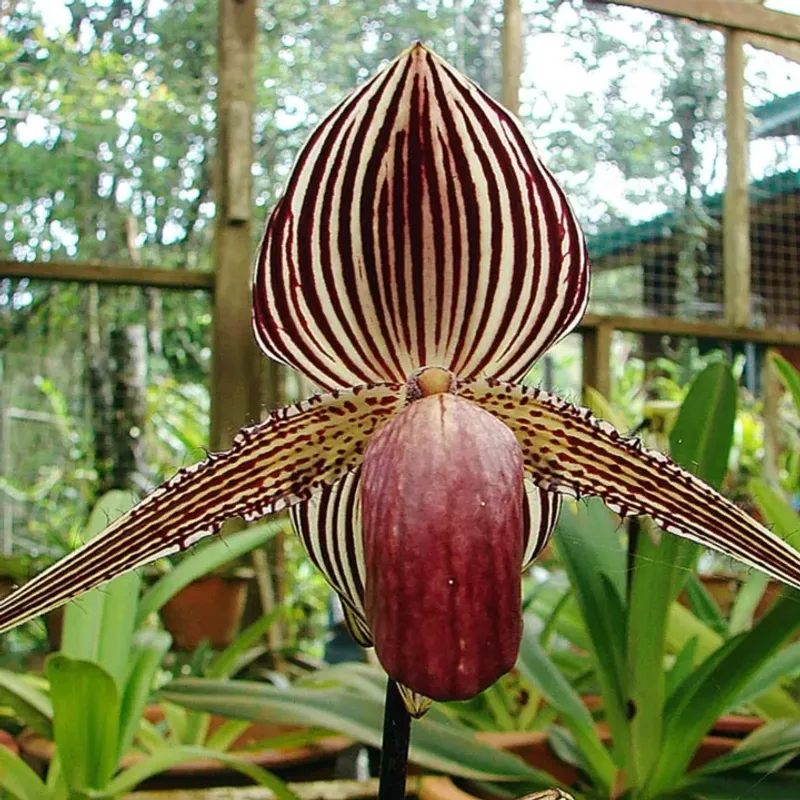
Rothschild’s slipper orchid produces flowers with dramatically twisted petals that can span over twelve inches, making them among the most spectacular orchids existing.
Native to Mount Kinabalu in Borneo, this critically endangered species faces extinction from habitat destruction and illegal collection by unscrupulous plant poachers worldwide.
California orchid specialists pay thousands of dollars for legally propagated specimens, considering them the ultimate achievement in any serious orchid collection assembled carefully.
The flowers display striking burgundy stripes on pale green backgrounds, creating bold patterns that make every bloom a masterpiece of natural design and coloration.
Plants require fifteen years to reach flowering size from seed, explaining the astronomical prices and extreme rarity among collectors seeking these botanical treasures.
Specialized growing conditions including cool nights and high humidity challenge California growers, though dedicated enthusiasts succeed by replicating mountain environments in controlled greenhouses.
Conservation programs work to increase legal plant availability, reducing pressure on wild populations while allowing passionate growers to enjoy these magnificent flowers responsibly.
Blooming typically occurs in spring, with flowers lasting several weeks on the plant, giving growers extended time to appreciate their investment and effort.
11. Koki’o
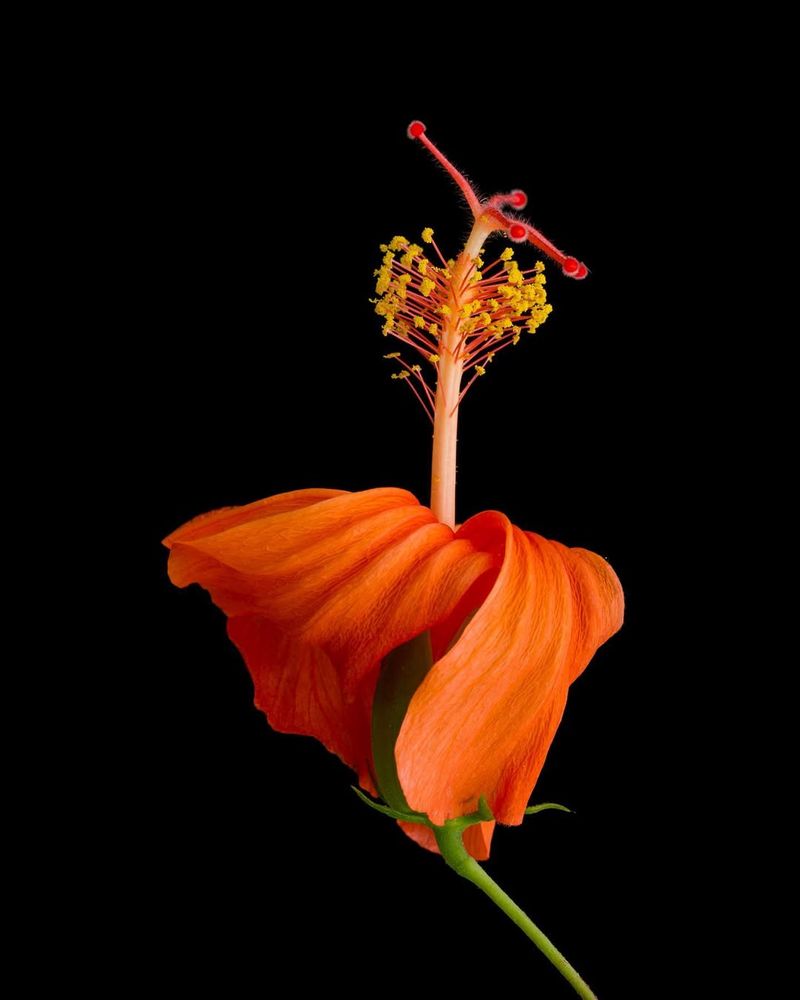
Koki’o represents one of Hawaii’s rarest native hibiscus species, with some varieties reduced to fewer than thirty individual plants surviving in wild habitats.
The brilliant red flowers lack the typical hibiscus shape, instead displaying deeply lobed petals that curve backward, revealing prominent stamens extending far outward.
California gardeners interested in Hawaiian conservation grow these endangered beauties, helping preserve genetic material far from their threatened island homes and native ranges.
Each flower lasts only one day, but plants produce blooms continuously throughout warm months, ensuring constant color for gardeners who provide proper care.
Native Hawaiian birds once pollinated these flowers, but habitat changes mean cultivated plants rely on hand pollination or adaptable California pollinators for reproduction.
Growing koki’o requires well-draining soil and protection from strong winds, conditions that California coastal gardens can provide with strategic planting locations and windbreaks.
Specialized nurseries focusing on Hawaiian plants occasionally offer these rare hibiscus, though availability remains extremely limited due to slow propagation rates and high demand.
Blooming koki’o in California gardens serves as a living reminder of Hawaii’s fragile ecosystems and the importance of botanical conservation efforts everywhere worldwide.