10 Easy Gardening Hacks For Busy Lives In California
Gardening in California doesn’t have to be a full-time job, even with the state’s sun, heat, and diverse climates.
Smart strategies can help busy homeowners maintain thriving yards without constant attention.
From choosing low-maintenance, drought-tolerant plants to installing efficient irrigation and grouping plants by water needs, small adjustments save time and energy.
Mulching reduces weeds, while raised beds and container gardens simplify planting and harvesting.
Even quick hacks—like repurposing household items for planters or using simple supports for climbing plants—make a big difference in day-to-day upkeep.
With the right approach, gardens stay beautiful, productive, and stress-free, leaving more time to enjoy outdoor spaces instead of battling them.
1. Install Drip Irrigation Systems

Watering by hand takes forever and wastes precious water, especially during California’s dry seasons.
Drip irrigation delivers moisture directly to plant roots through a network of tubes and emitters, reducing evaporation and runoff by up to 50 percent.
You can set up a basic system in just one weekend using affordable kits from any hardware store.
Once installed, your plants receive consistent hydration without you lifting a finger.
Many systems connect to timers that automatically water your garden at optimal times, usually early morning or late evening when temperatures drop.
This prevents water loss and ensures your plants stay healthy even when you’re traveling or stuck at the office late.
California’s water conservation regulations actually encourage drip irrigation, and some municipalities offer rebates for installation.
The system works perfectly for vegetable gardens, flower beds, and container plants alike.
You’ll notice healthier growth because roots get steady moisture instead of the feast-or-famine cycle that comes with sporadic manual watering.
Best of all, drip irrigation adapts easily to any garden size or shape.
You can expand or modify the layout as your garden grows.
This investment pays for itself through lower water bills and thriving plants that need less attention throughout the year.
2. Choose Native California Plants
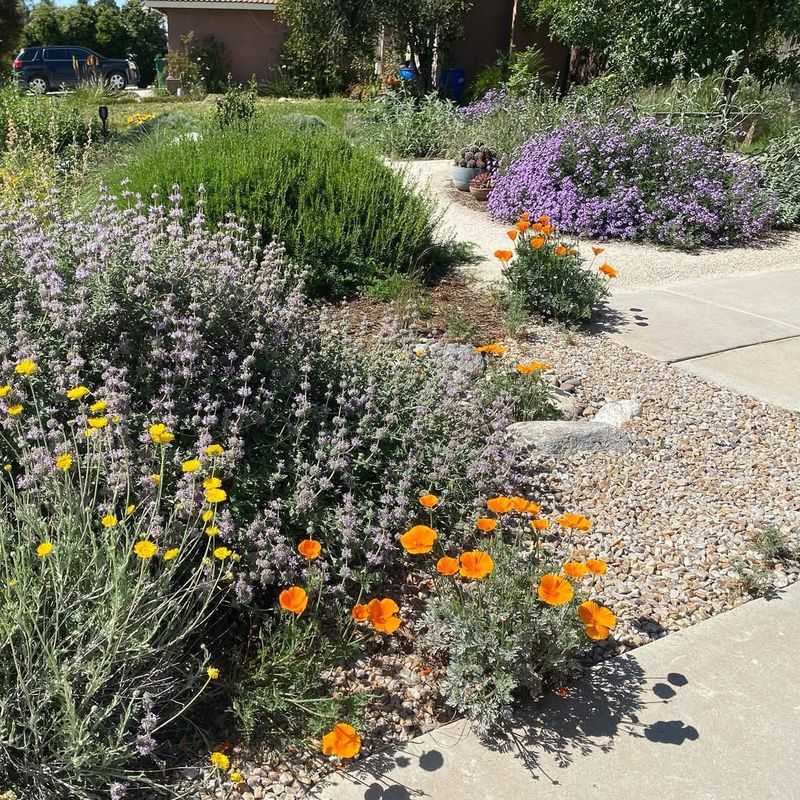
Did you know that California poppies, manzanita, and sage naturally thrive in our state’s climate without much fussing?
Native plants evolved over thousands of years to handle our specific weather patterns, soil types, and seasonal changes.
They require far less water, fertilizer, and pest control than exotic species that struggle to adapt.
When you fill your garden with natives, you create a self-sustaining ecosystem that supports local wildlife like butterflies, bees, and hummingbirds.
These plants already know how to survive summer droughts and winter rains without constant intervention.
You’ll spend less time troubleshooting problems and more time enjoying the natural beauty outside your window.
Nurseries throughout California stock excellent selections of native species suited to different regions, from coastal areas to inland valleys.
Many natives bloom spectacularly in spring and maintain attractive foliage year-round with minimal pruning.
Some varieties even improve soil health by fixing nitrogen or preventing erosion on slopes.
Transitioning to native plants doesn’t mean sacrificing color or variety.
California boasts hundreds of gorgeous native options in every size, shape, and shade imaginable.
Your California Garden Changes Every Week. Your Plan Should Too.
Gardening in California changes quickly throughout the season. Every Friday you’ll receive a simple weekly plan showing exactly what to plant, prune, fertilize, harvest, and protect so you never miss the right timing.
Once established, these tough plants practically care for themselves, giving busy gardeners the low-maintenance landscape they crave without compromising visual appeal or environmental responsibility.
3. Apply Thick Mulch Layers
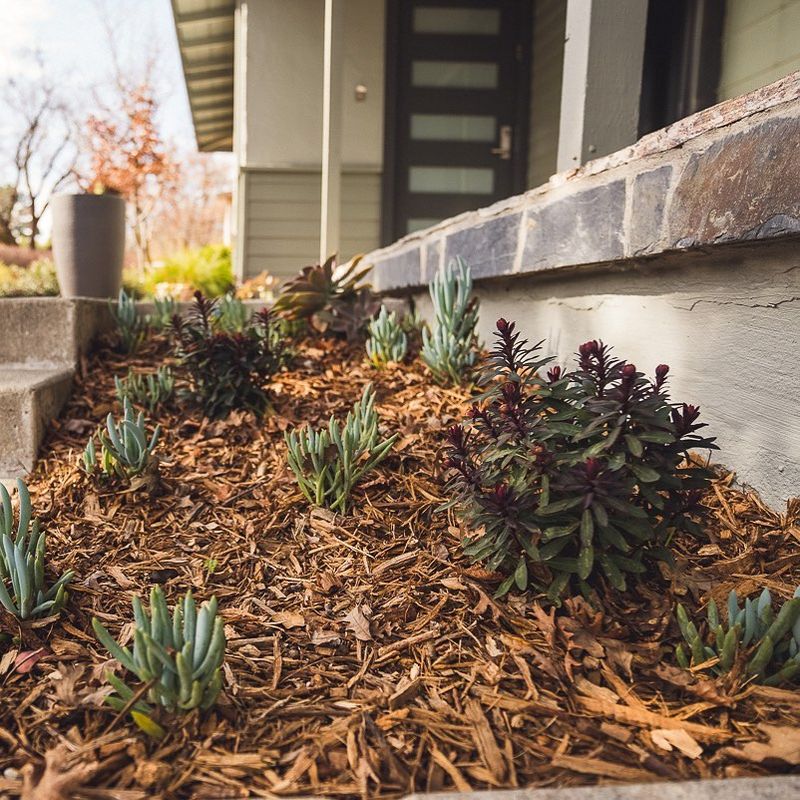
A three-inch blanket of mulch transforms your garden into a moisture-retaining, weed-blocking paradise.
Organic mulches like wood chips, shredded bark, or compost create a protective barrier that keeps soil cool during scorching California summers.
This simple layer dramatically reduces how often you need to water and weed.
Mulch works by preventing evaporation from the soil surface, which means water stays available to plant roots longer.
It also blocks sunlight from reaching weed seeds, stopping them before they sprout and steal nutrients from your desired plants.
As organic mulch breaks down over time, it actually enriches your soil with valuable nutrients and improves its structure.
Applying mulch takes just an hour or two but saves countless hours throughout the growing season.
Spread it around vegetables, flowers, trees, and shrubs, keeping it a few inches away from plant stems to prevent rot.
Many municipalities offer free mulch made from recycled yard waste, making this hack both economical and environmentally friendly.
California gardeners who mulch consistently report healthier plants and dramatically reduced maintenance time.
The insulating properties also protect roots from temperature extremes common in many parts of the state.
Refresh your mulch layer once or twice yearly, and watch your garden thrive with minimal effort on your part.
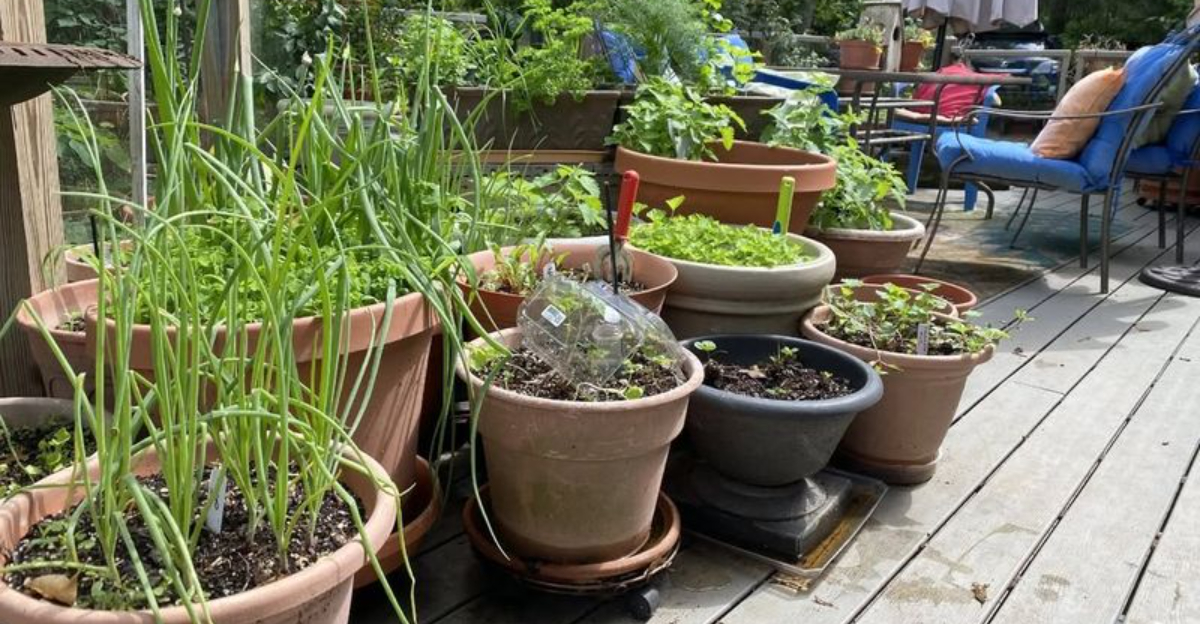
4. Grow Herbs In Containers
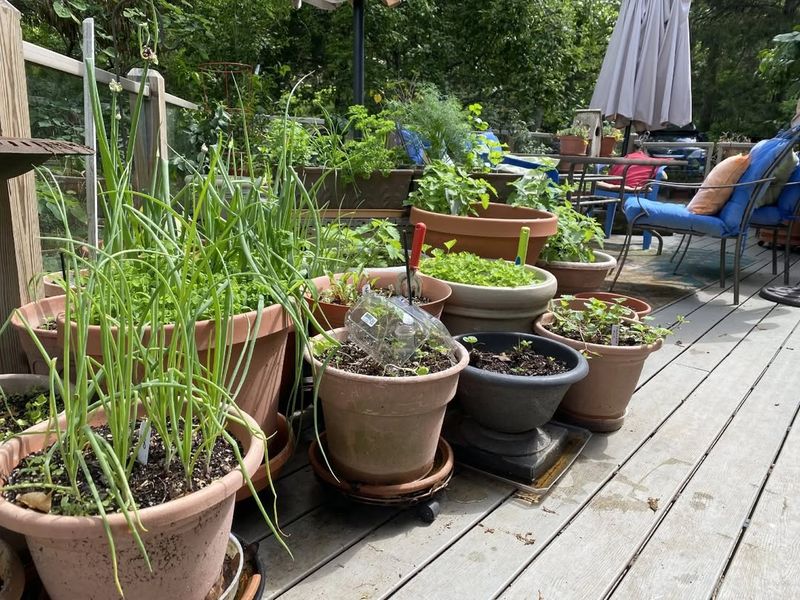
Fresh herbs taste amazing and cost a fortune at grocery stores, but growing them in pots solves both problems beautifully.
Containers allow you to position herbs right outside your kitchen door for easy snipping during meal preparation.
Most herbs thrive in California’s climate and require surprisingly little maintenance once established in appropriate pots.
Basil, rosemary, thyme, mint, and cilantro all flourish in containers with proper drainage holes and quality potting soil.
You can move pots to follow the sun or bring them indoors during rare cold snaps.
This flexibility makes container herb gardening perfect for renters, small-space dwellers, or anyone wanting fresh flavors without a full garden commitment.
Herbs in pots need watering more frequently than ground-planted varieties, but pairing them with self-watering containers or drip irrigation eliminates that concern.
Many herbs actually prefer the excellent drainage that containers provide, preventing root problems common in heavy California clay soils.
Regular harvesting keeps plants bushy and productive throughout most of the year.
Starting with small herb plants from the nursery gives you instant results compared to growing from seed.
Within weeks, you’ll enjoy homegrown flavor that elevates every dish.
This hack delivers maximum culinary reward for minimal time investment, perfect for busy cooks who value fresh, organic ingredients.
5. Use Self-Watering Planters
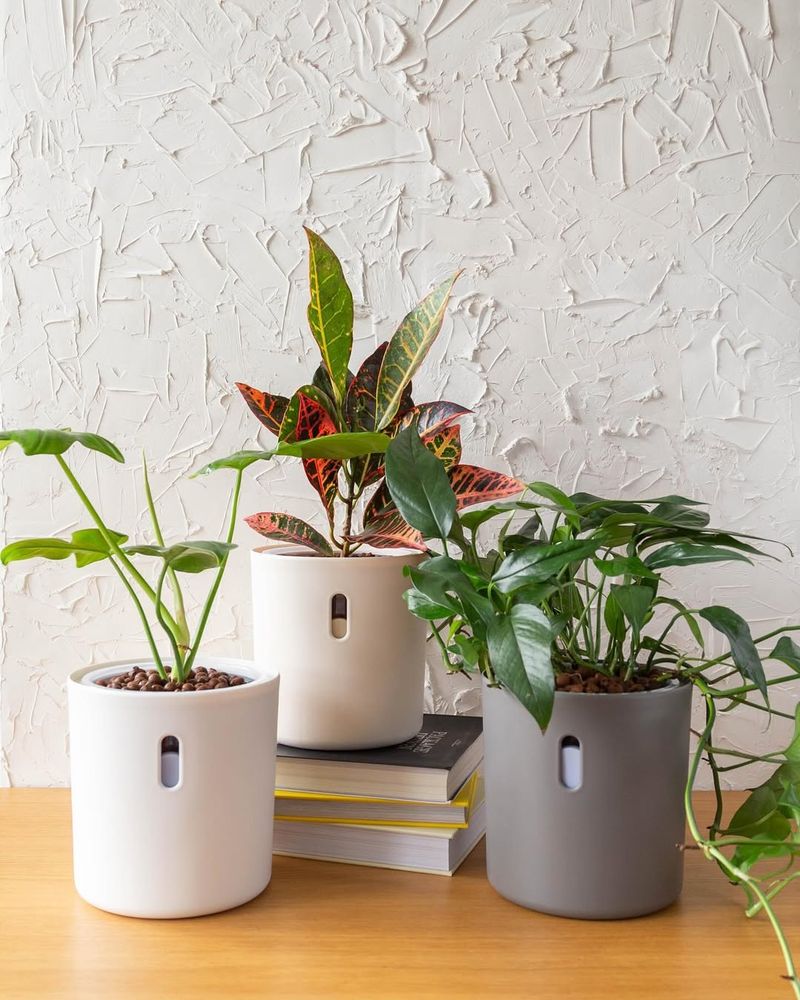
Imagine never worrying about whether you remembered to water your plants yesterday or last week.
Self-watering planters feature built-in reservoirs that hold water beneath the soil, releasing moisture gradually as plants need it.
A simple wicking system draws water upward to roots, maintaining consistent hydration for days or even weeks depending on container size and weather conditions.
These clever containers work exceptionally well for vegetables, flowers, and ornamental plants that demand steady moisture.
You fill the reservoir through a tube or opening, and the planter handles distribution automatically.
This eliminates the guesswork and daily attention that traditional pots require, especially during California’s hot, dry periods.
Self-watering planters come in countless sizes and styles, from small desktop versions to large patio containers.
They’re particularly valuable for balcony or porch gardens where hauling watering cans becomes tedious.
Many models include water-level indicators that show exactly when you need to refill, taking all the mystery out of plant care.
Plants grown in self-watering containers often outperform those in regular pots because they never experience drought stress or overwatering.
Roots develop more evenly, and you’ll see stronger growth with less effort.
For time-starved gardeners, this technology offers professional-level results without professional-level time commitment or expertise.
6. Plant Perennials Instead Of Annuals
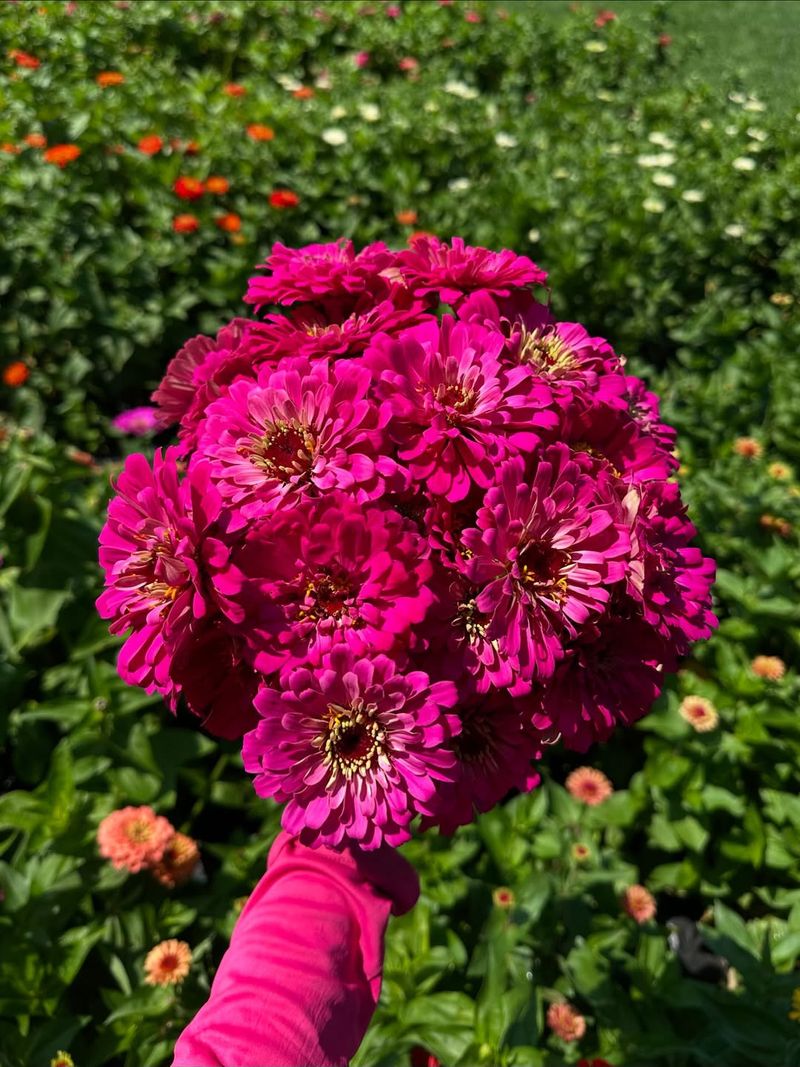
Annual flowers look gorgeous but demand replanting every single season, consuming time and money you might not have.
Perennials return year after year from the same roots, establishing stronger, more impressive displays with each growing cycle.
After the initial planting investment, they require only occasional trimming and division to maintain their beauty.
California’s mild climate allows many perennials to bloom for extended periods or even year-round in some regions.
Lavender, salvia, coneflowers, and yarrow all thrive throughout the state with minimal intervention.
Once established, their deep root systems access moisture and nutrients that shallow-rooted annuals can’t reach, making them remarkably drought-tolerant.
Perennials also improve soil structure over time and provide stable habitat for beneficial insects and pollinators.
Many varieties spread gradually to fill empty spaces, reducing weeding needs and creating that lush, established garden look.
You’ll save hours of planting time each spring while enjoying increasingly spectacular blooms as plants mature.
Some perennials do benefit from occasional deadheading or cutting back, but these tasks take minutes compared to starting fresh with annuals.
Choose varieties suited to your specific California climate zone for best results.
This simple shift in planting strategy delivers long-term beauty with short-term effort, perfect for gardeners who value efficiency and sustainability.
7. Create Raised Garden Beds

Bending over to tend ground-level gardens strains your back and knees, especially after a long day at work.
Raised beds elevate plants to comfortable working heights while solving multiple gardening challenges simultaneously.
You control soil quality completely, avoiding California’s notoriously difficult native soils that range from heavy clay to sandy and nutrient-poor.
Building basic raised beds requires minimal carpentry skills and materials like untreated lumber, concrete blocks, or even repurposed materials.
Once constructed, fill them with quality soil mix that drains well and provides optimal growing conditions.
Plants in raised beds typically grow faster and produce more because roots aren’t fighting compacted soil or poor drainage.
Raised beds also warm up earlier in spring and drain better during winter rains, extending your growing season at both ends.
Their defined borders make watering more efficient and prevent foot traffic from compacting soil.
You can install drip irrigation or soaker hoses easily along the bed surfaces for automated watering.
The organized structure of raised beds naturally reduces weeds since you’re not constantly disturbing surrounding soil.
They’re perfect for small spaces and can fit into narrow side yards or unused corners.
For busy California gardeners, raised beds deliver maximum productivity per square foot while minimizing the physical demands and time requirements of traditional in-ground gardening.
8. Automate With Smart Garden Technology
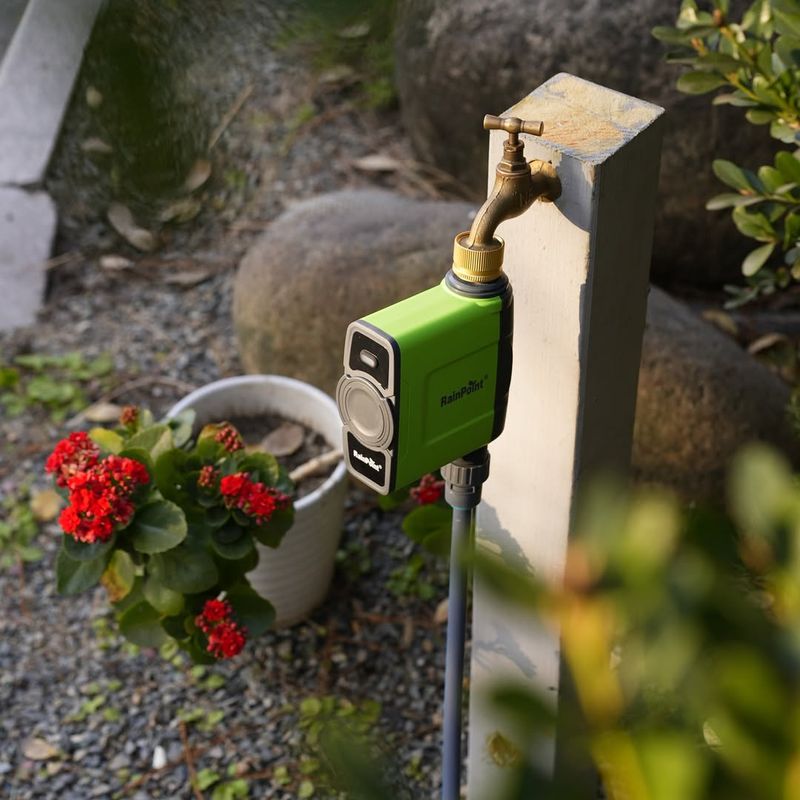
Technology isn’t just for indoor convenience anymore—smart devices now manage outdoor gardens with impressive precision.
Wi-Fi-enabled irrigation controllers connect to weather data and adjust watering schedules automatically based on temperature, humidity, and rainfall forecasts.
You can monitor and control your entire system from your phone, even when you’re at the office or on vacation.
These intelligent systems prevent overwatering during unexpected rain and increase irrigation during heat waves without any input from you.
Many models track water usage and provide reports showing exactly how much you’re saving compared to traditional timers.
Some even integrate with soil moisture sensors that measure actual ground conditions and water only when plants truly need it.
Smart garden technology extends beyond irrigation to include automated lighting, fertilizer injection systems, and environmental monitors.
Initial setup takes an afternoon, but the ongoing time savings add up quickly.
California’s water conservation goals align perfectly with these systems, and some utilities offer incentives for installing smart controllers.
The data and insights these devices provide help you become a better gardener without spending more time in the yard.
You’ll spot problems early through alerts and notifications before they become serious.
For tech-savvy busy people, smart garden automation represents the ultimate marriage of convenience, conservation, and cultivation success.
9. Compost With Enclosed Tumblers
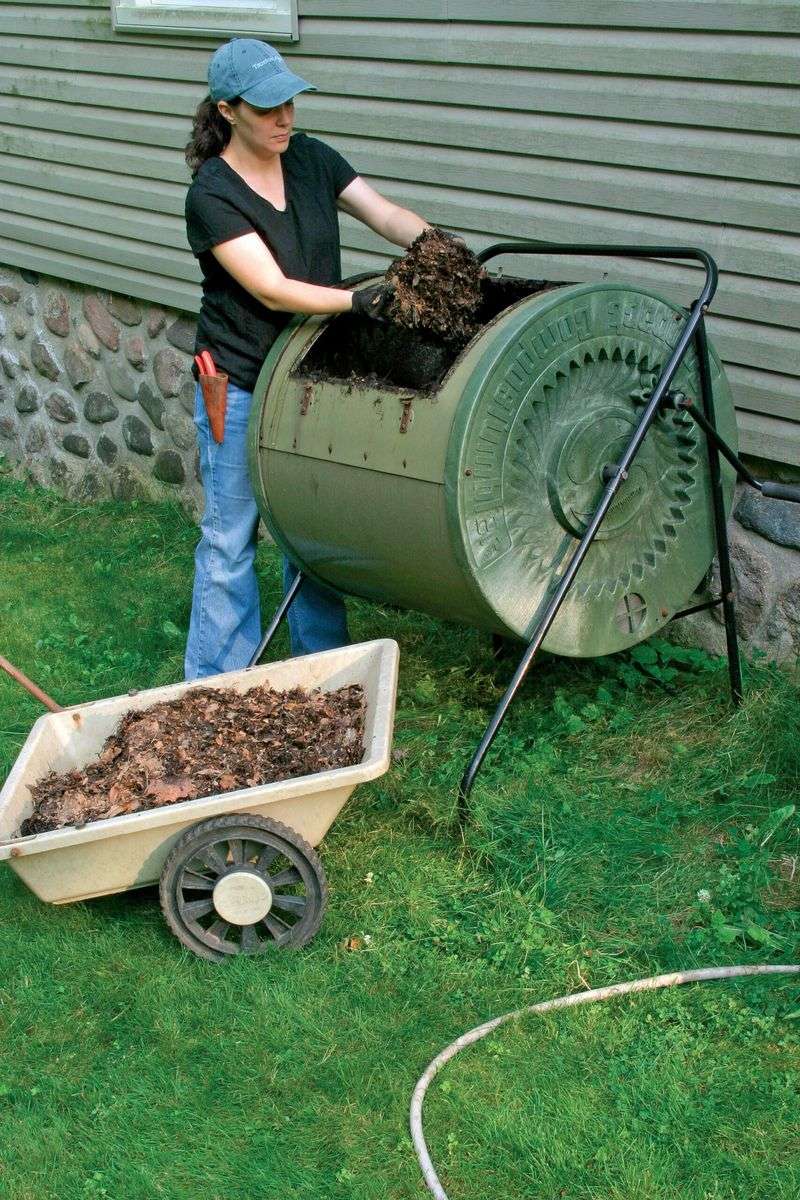
Traditional compost piles attract pests and require regular turning with a pitchfork, neither of which appeals to time-pressed gardeners.
Enclosed tumbler composters solve both problems by containing materials in a sealed, rotating drum that you spin with minimal effort.
A few turns every couple of days keeps the composting process active without the heavy labor of traditional methods.
These compact units fit easily in small California yards, on patios, or even in side yards where open piles wouldn’t work.
The sealed design prevents odors, deters rodents and raccoons, and keeps the composting process neat and organized.
Many models produce finished compost in just four to six weeks compared to several months for open piles.
You’ll transform kitchen scraps, yard trimmings, and garden waste into nutrient-rich soil amendment that dramatically improves plant health.
This closes the loop on organic waste while creating free fertilizer that would otherwise cost money at the garden center.
The tumbling action ensures even decomposition and proper aeration without turning everything by hand.
Compost tumblers work year-round in California’s mild climate, producing steady supplies of finished material for your garden beds and containers.
The fast processing time means you’re never waiting long for results.
For busy gardeners wanting the benefits of composting without the mess or effort, tumblers offer the perfect balance of convenience and environmental responsibility.
10. Select Drought-Tolerant Vegetables
Growing your own food sounds wonderful until you realize how much water and attention some vegetables demand.
Fortunately, many delicious crops thrive in California’s dry conditions with surprisingly little irrigation once established.
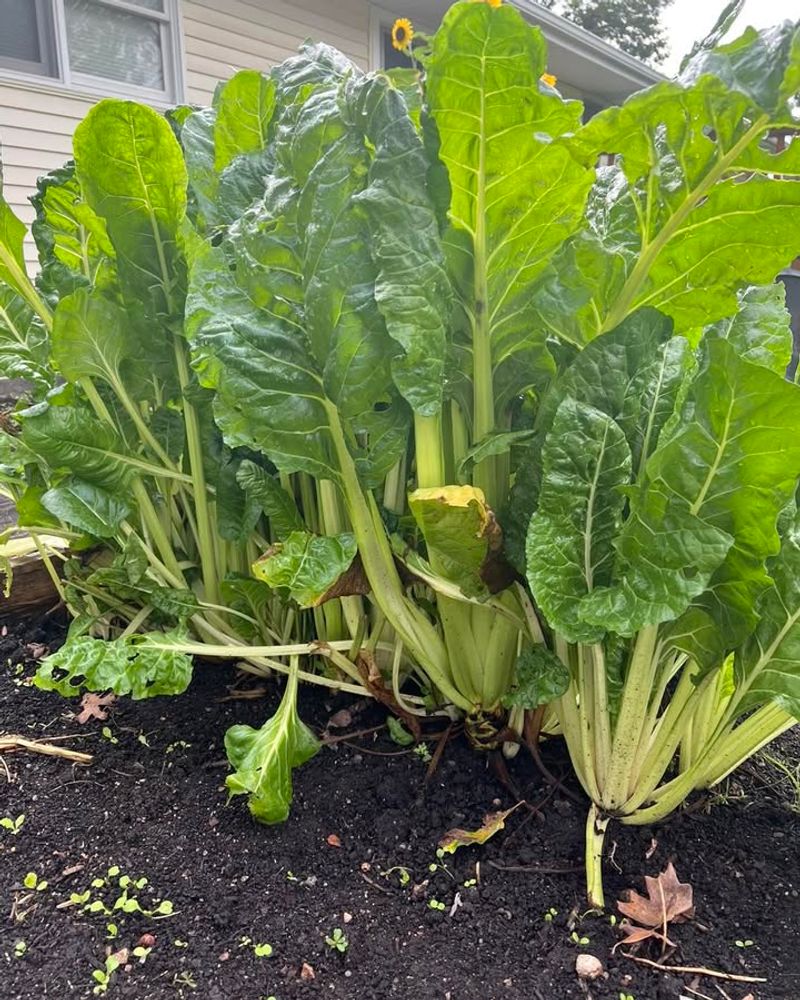
Tomatoes, peppers, squash, beans, and chard all produce abundantly while tolerating periods of water stress that would devastate thirstier plants.
These resilient vegetables evolved in warm, dry climates similar to much of California, making them naturally adapted to our conditions.
They develop deep root systems that access moisture below the surface, reducing how often you need to water.
Many actually taste better when grown with moderate water stress because sugars and flavors concentrate in the fruits.
Starting with transplants rather than seeds gets your garden producing faster with less early-season fussing.
Pair drought-tolerant varieties with mulch and drip irrigation for a nearly hands-off vegetable garden.
You’ll harvest fresh, organic produce throughout California’s long growing season without the constant watering that traditional vegetable gardens require.
California farmers and home gardeners have identified specific varieties that perform exceptionally well in low-water conditions.
Look for these when shopping at nurseries or ordering seeds.
By choosing vegetables that match our climate rather than fighting it, you’ll enjoy abundant harvests while conserving water and time—a perfect combination for busy, environmentally conscious gardeners.