13 Drought-Resistant Plants For Arizona Landscapes
Arizona gardens face some of the toughest growing conditions in the country: blazing sun, dry air, and minimal rainfall.
Choosing the right plants is essential to create landscapes that thrive without constant watering.
Drought-resistant plants not only survive but flourish, offering vibrant color, texture, and structure while conserving water and reducing maintenance.
From hardy succulents and cacti to resilient shrubs and perennials, these species handle heat and dry soil with ease, making them ideal for front yards, backyards, and desert-inspired gardens.
Beyond practicality, drought-tolerant plants attract pollinators, add year-round interest, and help homeowners meet water conservation goals in Arizona’s arid climate.
1. Blue Palo Verde
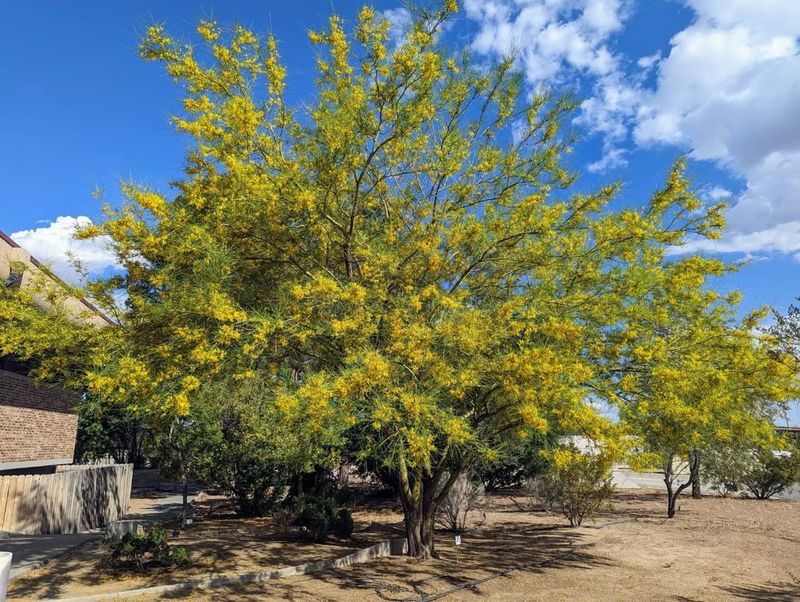
Arizona’s state tree brings spectacular spring color to desert landscapes with clouds of golden-yellow flowers.
The distinctive blue-green bark performs photosynthesis, allowing this tree to survive even when it drops its tiny leaves during extreme drought.
Mature specimens reach 25 to 30 feet tall and spread equally wide, creating dappled shade perfect for patios and outdoor seating areas.
Fast growth makes Blue Palo Verde an excellent choice for homeowners wanting quick results.
The tree needs deep watering only once or twice monthly during summer once established, and even less during cooler months.
Small leaflets and thin branches mean minimal cleanup compared to other shade trees.
Birds and pollinators flock to the abundant spring blooms, adding wildlife activity to your yard.
Plant this tree away from pools and patios to avoid seed pod debris.
The spreading root system adapts well to Arizona’s rocky, alkaline soils without requiring amendments.
Full sun exposure brings out the best flowering and growth.
This native tree represents both beauty and practicality for water-wise landscaping.
2. Red Yucca
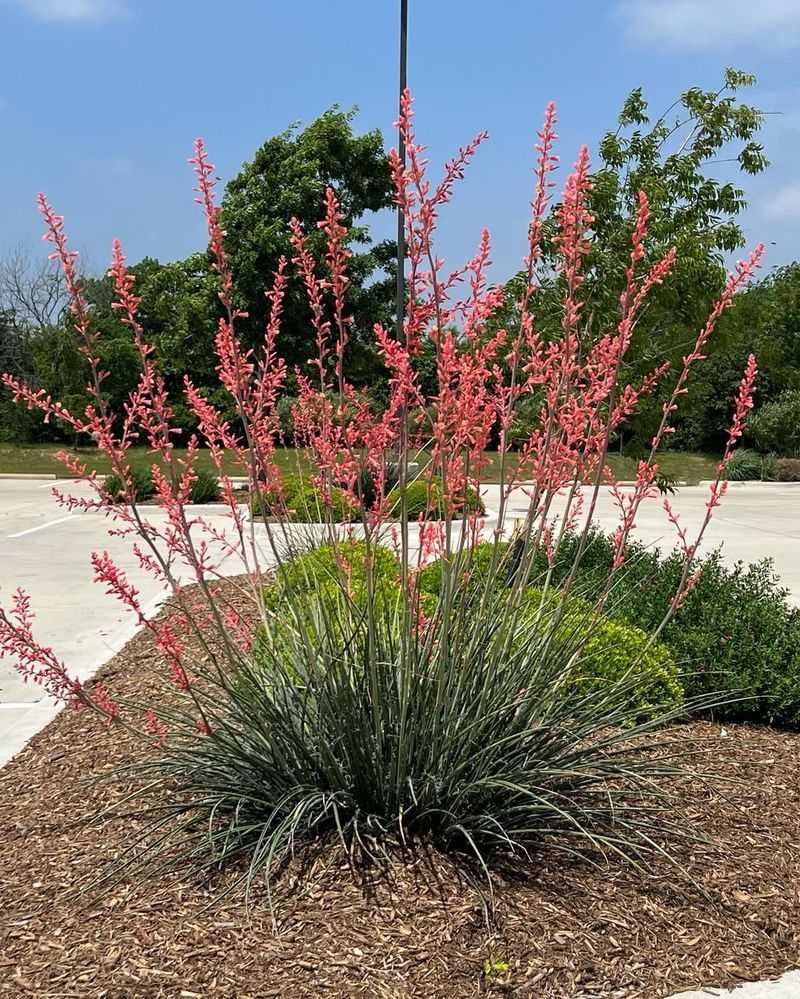
Coral-pink flower stalks shoot up to five feet tall from spring through fall, creating vertical drama in any landscape design.
Despite its name, Red Yucca belongs to the agave family rather than true yuccas.
The grass-like blue-green leaves form attractive clumps about three feet wide and two feet tall.
Hummingbirds cannot resist the tubular blooms, making this plant a magnet for these tiny jeweled visitors throughout warm months.
Soft foliage lacks the dangerous sharp points found on many desert plants, so it works well near walkways and gathering spaces.
Established plants survive on rainfall alone in many Arizona locations, though occasional summer watering encourages more prolific blooming.
Red Yucca tolerates reflected heat from walls and pavement without complaint.
The evergreen foliage provides year-round color and texture even when flowers fade.
Trim spent flower stalks to keep plants looking tidy and encourage new blooms.
This tough performer thrives in full sun and well-draining soil.
Mass plantings create stunning waves of color, while single specimens make excellent accent plants.
3. Desert Marigold
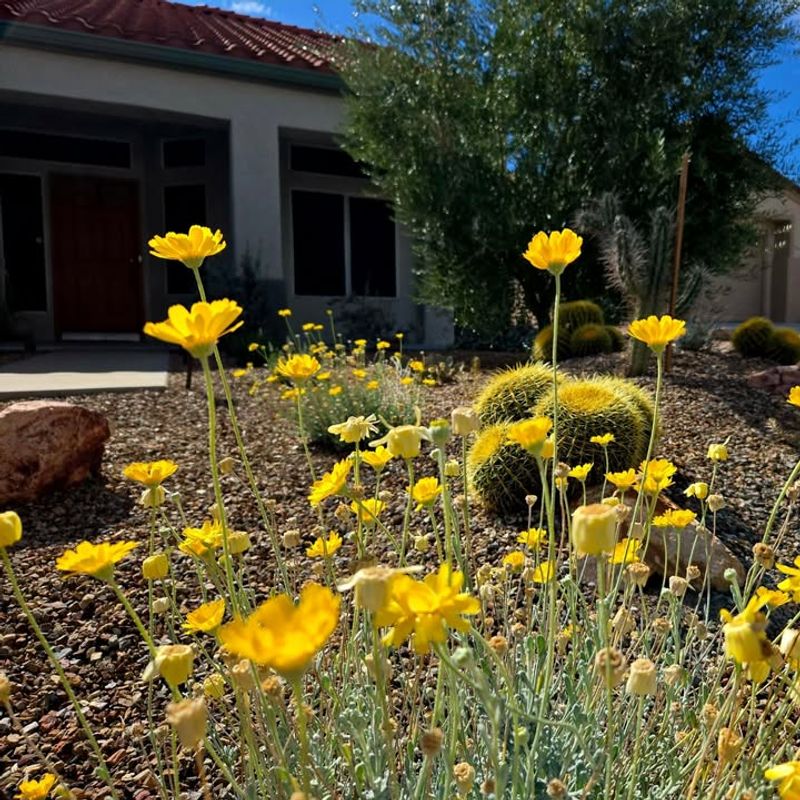
Cheerful golden blooms appear nearly year-round in mild Arizona winters and return faithfully each spring.
Each flower resembles a miniature sunflower, bringing sunshine to rock gardens and borders.
Low-growing plants spread 12 to 18 inches wide and stand about one foot tall.
Gray-green fuzzy foliage provides textural interest even between flowering periods.
Desert Marigold reseeds readily, naturalizing in areas where conditions suit it without becoming invasive or troublesome.
Your Arizona Garden Changes Every Week. Your Plan Should Too.
Gardening in Arizona changes quickly throughout the season. Every Friday you’ll receive a simple weekly plan showing exactly what to plant, prune, fertilize, harvest, and protect so you never miss the right timing.
Butterflies and native bees visit the flowers constantly, supporting local pollinator populations.
Once established, these tough wildflowers need water only during extended dry spells.
The short lifespan of individual plants matters little since new seedlings replace older specimens naturally.
Full sun and excellent drainage keep Desert Marigolds thriving.
Avoid overwatering, which shortens plant life and reduces flowering.
Pair these golden beauties with purple or blue flowers for eye-catching color combinations.
Native to the Sonoran Desert, this plant handles extreme heat without wilting or suffering.
4. Texas Ranger
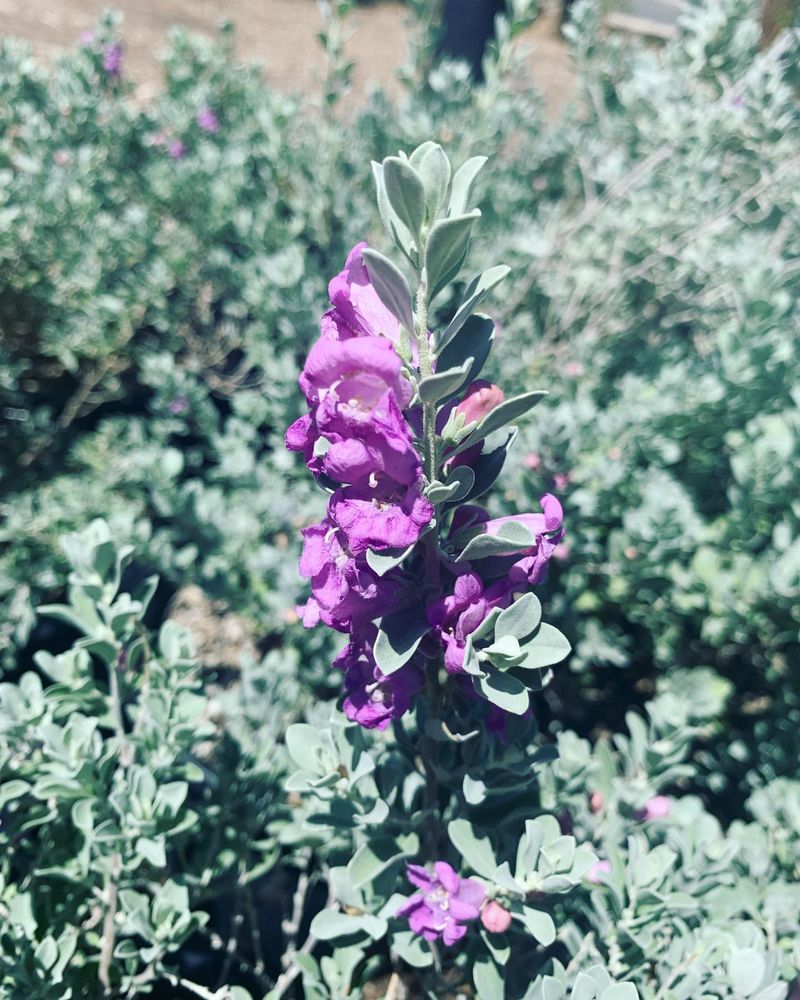
Silvery-gray foliage creates a cool, sophisticated backdrop for explosions of tubular purple, pink, or white flowers.
Monsoon rains trigger dramatic blooming episodes, earning this shrub the nickname “barometer bush.”
Compact varieties stay under three feet tall, while standard forms reach six to eight feet in height and width.
The velvety leaves feel soft to the touch and reflect intense sunlight, helping the plant conserve moisture.
Texas Ranger thrives in the hottest, driest spots where other shrubs struggle or fail completely.
Hummingbirds and butterflies visit the nectar-rich blooms throughout summer and fall.
Minimal pruning keeps plants shaped nicely, though they naturally form rounded, attractive forms.
Established shrubs survive on rainfall alone across most Arizona regions.
The fine-textured foliage contrasts beautifully with bold-leaved plants like agaves and cacti.
Full sun brings out the best flowering and maintains compact growth.
Avoid overwatering, which causes root problems and reduces the stunning silver color.
This reliable performer works equally well as a specimen, hedge, or mass planting.
5. Agave
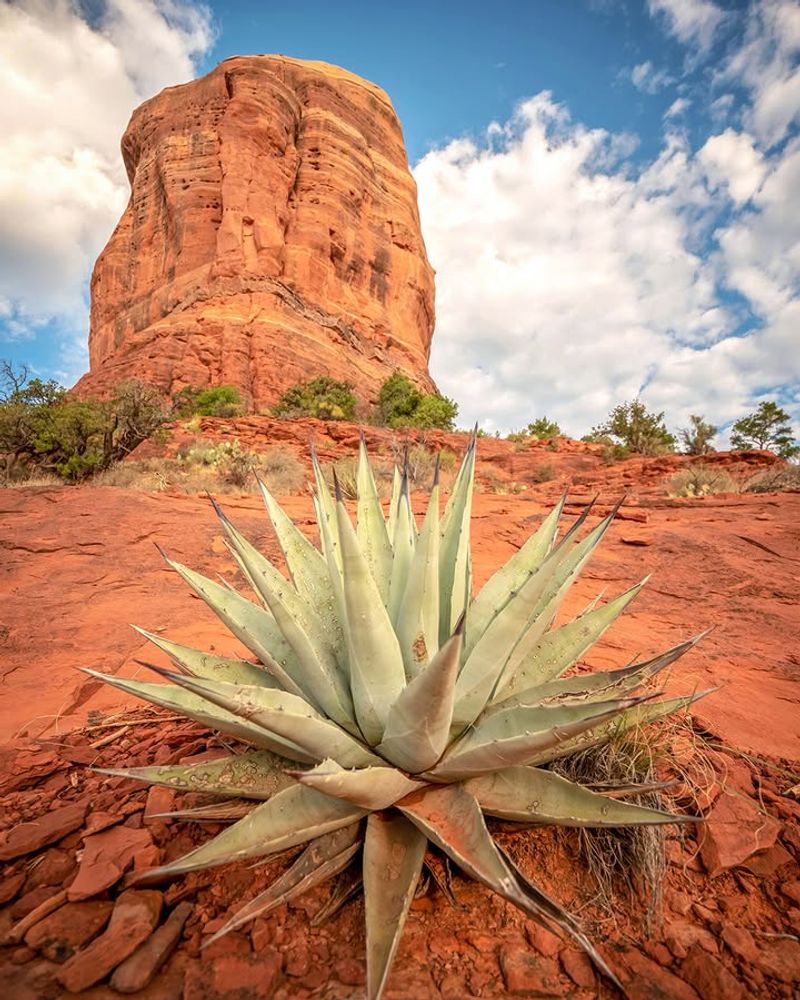
Bold architectural forms make agaves the sculptural stars of water-wise landscapes.
Thick, fleshy leaves store water efficiently, allowing these succulents to survive months without irrigation.
Hundreds of species offer choices ranging from tiny six-inch rosettes to massive specimens spanning eight feet across.
Blue, gray, green, and variegated foliage options suit any color scheme or design style.
Most agaves produce a spectacular flower spike after many years, towering 10 to 20 feet tall.
The parent plant completes its life cycle after flowering, but offshoots typically surround mature specimens, ensuring continuity.
Sharp leaf tips and edges require careful placement away from paths and play areas.
Full sun and fast-draining soil prevent rot and keep agaves healthy.
Established plants need water only every few weeks during summer, less in winter.
Agaves pair beautifully with rocks, gravel, and other desert plants in modern or traditional designs.
Container specimens bring drama to patios and entryways.
These ultimate survivors embody the essence of desert gardening.
6. Mexican Honeysuckle
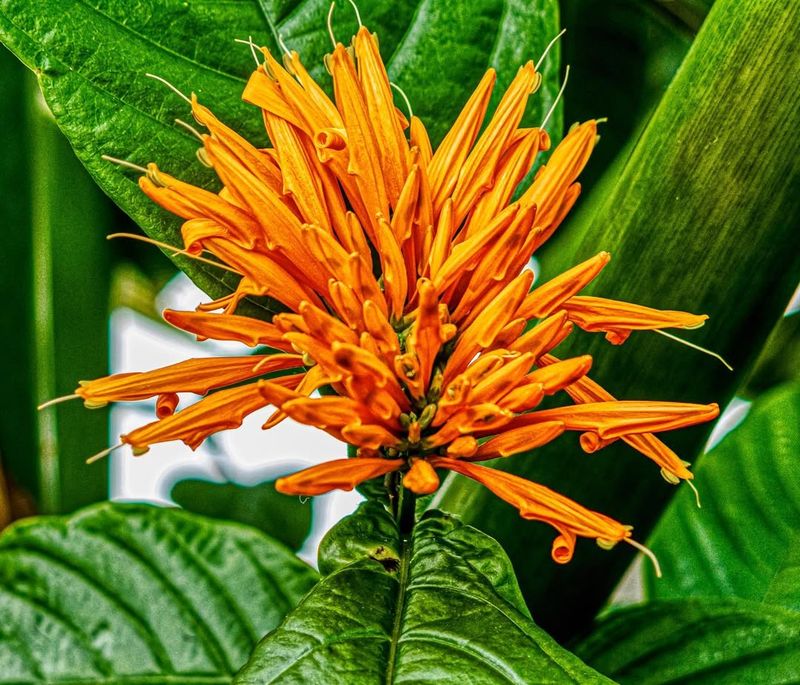
Brilliant orange tubular flowers bloom continuously from spring through fall, creating a hummingbird feeding station in your yard.
The fast-growing shrub reaches three to five feet tall and wide, filling spaces quickly.
Small, bright green leaves create a fine texture that contrasts nicely with bold desert plants.
Unlike many drought-tolerant plants, Mexican Honeysuckle maintains lush appearance with moderate watering.
The non-stop flowering provides reliable color throughout the growing season.
Hummingbirds visit dozens of times daily, offering entertainment and supporting these important pollinators.
Light frost damages foliage, but plants rebound quickly from roots when spring warmth returns.
In frost-free areas, Mexican Honeysuckle stays evergreen year-round.
Prune plants in late winter to maintain compact shape and encourage bushy growth.
Part shade in hottest locations prevents stress during peak summer, though full sun works in cooler zones.
Regular deadheading proves unnecessary since plants clean themselves and bloom constantly.
The cheerful orange color coordinates beautifully with purple, yellow, or red flowering companions.
7. Brittlebush
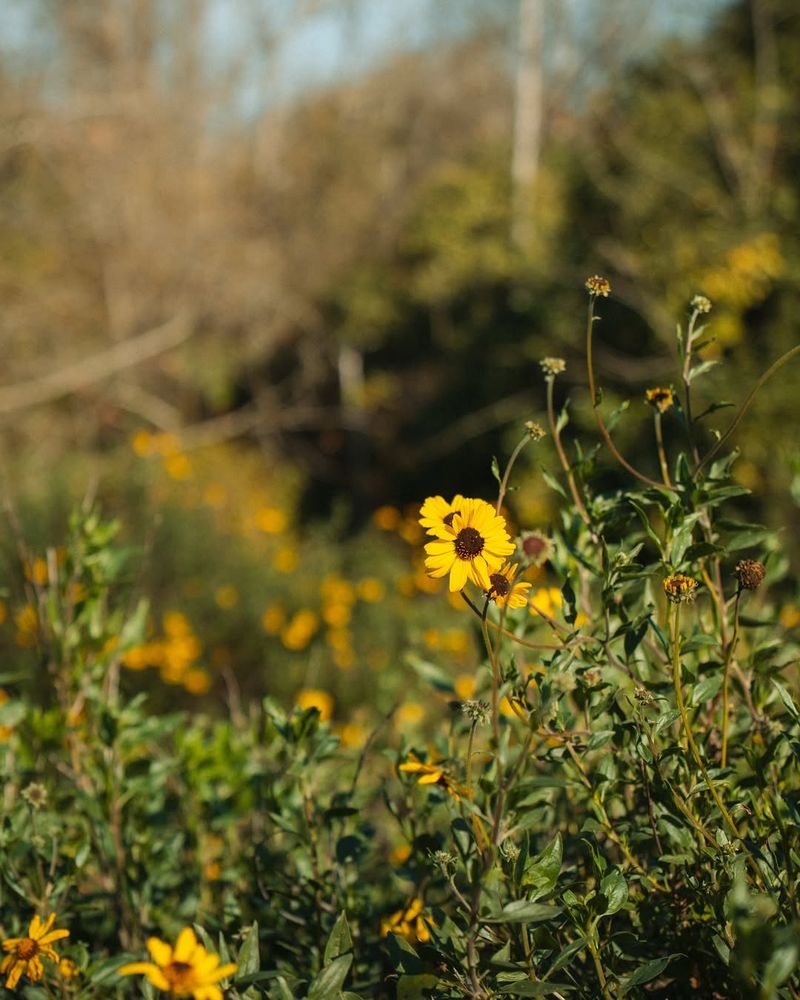
Masses of bright yellow daisy flowers cover silvery mounds in late winter and early spring, announcing the arrival of warmer weather.
The rounded form grows two to three feet tall and equally wide, creating perfect foundation plantings or border specimens.
Fuzzy silver-gray leaves reflect sunlight and conserve moisture during scorching summers.
Brittlebush naturally occurs throughout the Sonoran Desert, proving its adaptation to extreme Arizona conditions.
Established plants survive on rainfall alone, making them ideal for remote areas or low-maintenance landscapes.
The resinous sap historically served as incense and glue for indigenous peoples.
Summer dormancy may cause some leaf drop, but plants green up again with fall moisture.
Full sun and excellent drainage keep Brittlebush thriving for years.
Native bees and butterflies appreciate the abundant pollen and nectar.
Pair the silver foliage with dark green plants for striking contrast.
Trim plants lightly after flowering to maintain neat appearance.
Mass plantings create stunning displays visible from considerable distances.
This carefree native embodies true desert beauty.
8. Prickly Pear Cactus
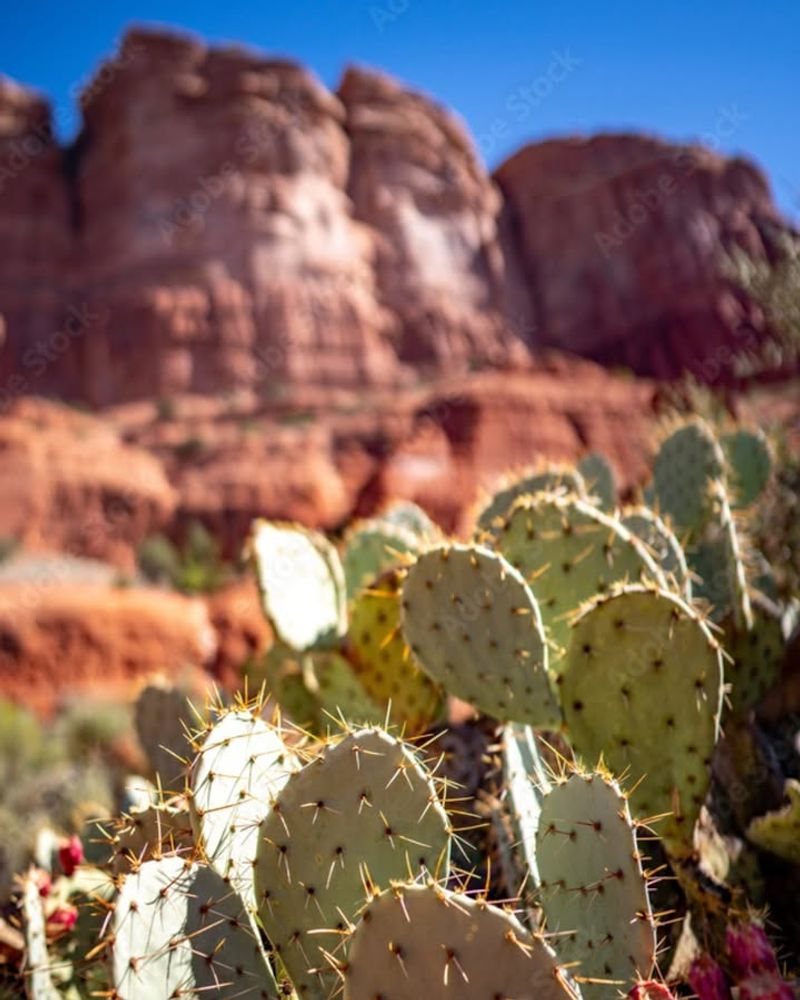
Flat, paddle-shaped pads stacked in interesting patterns create living sculptures that define southwestern style.
Spectacular flowers in shades of yellow, orange, pink, or red appear in spring, followed by edible fruits called tunas.
Both pads and fruits have culinary uses in traditional Mexican and southwestern cuisine.
Prickly Pear adapts to various soil types and requires virtually no supplemental water once established.
The distinctive form adds instant desert character to new landscapes.
Birds nest in larger specimens, while wildlife eat the nutritious fruits.
Handle carefully since tiny hair-like spines called glochids cause irritation.
Prickly Pear tolerates cold better than many cacti, surviving occasional freezes.
Growth rate varies by species, from slow-growing types to vigorous spreaders.
Full sun produces the best flowering and fruit production.
The blue-green or gray-green pads provide year-round structure and interest.
Remove damaged pads with long-handled tools to maintain appearance.
This iconic cactus represents the ultimate low-maintenance landscape plant.
9. Desert Spoon
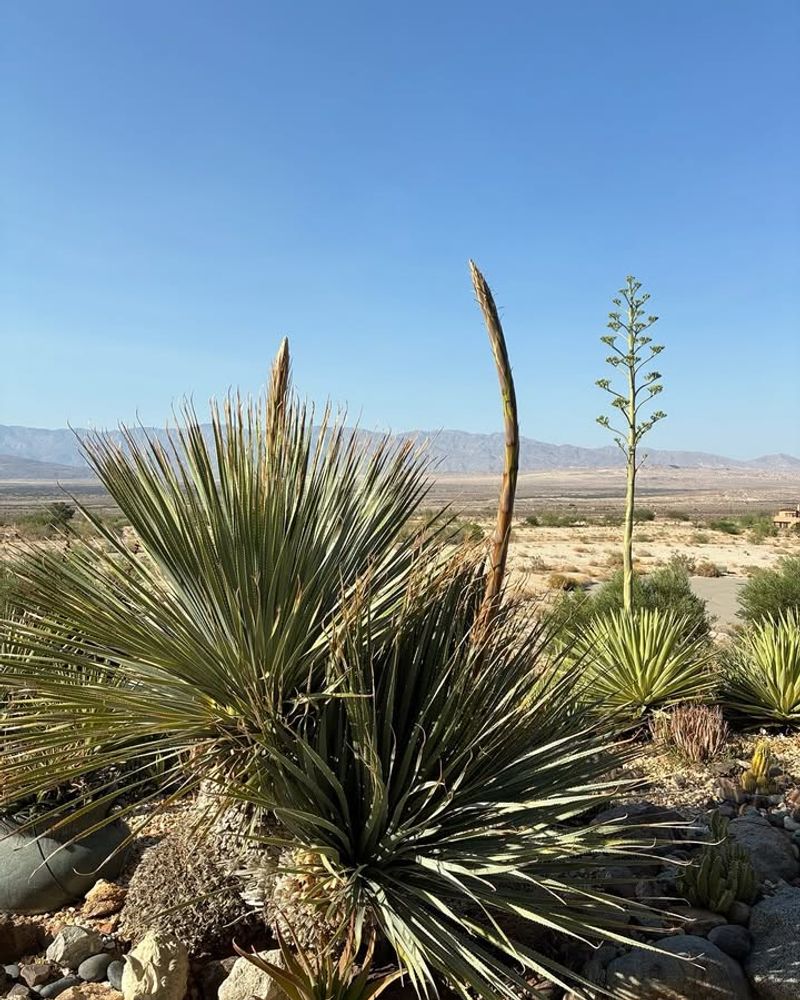
Narrow, gray-green leaves edged with distinctive spoon-shaped bases create architectural interest from every angle.
The symmetrical rosette form reaches three to four feet tall and wide, making a bold statement in rock gardens or as specimens.
Mature plants send up impressive flower stalks 10 to 15 feet tall, visible from great distances.
Creamy white or pink flowers attract bees and other pollinators during late spring and summer.
Female plants produce papery seed capsules that rustle in breezes, adding sound to the garden experience.
The leaf margins bear small teeth that catch light and create interesting shadows.
Desert Spoon survives extreme drought, intense heat, and cold winters without special care.
Native Americans used the leaf bases as spoons and the flower stalks for construction.
Full sun and rocky or sandy soil suit this tough native perfectly.
Established plants need water only during extended dry periods.
The spiky form deters foot traffic, making it useful as a barrier plant.
Pair with softer plants to balance the bold texture.
10. Fairy Duster
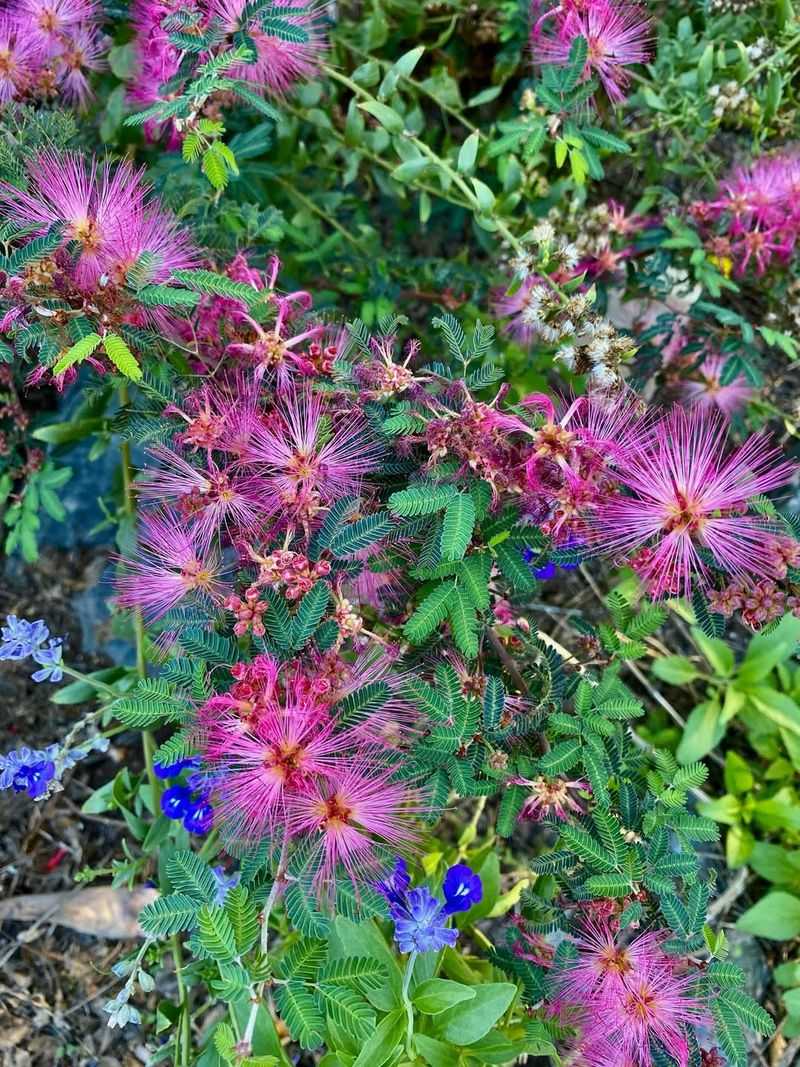
Fluffy pink powder-puff flowers seem almost too delicate for the harsh desert, yet this tough shrub thrives in extreme conditions.
Blooms appear from late winter through spring, with occasional flushes during summer monsoons.
Fine, feathery foliage creates soft texture that contrasts beautifully with bold cacti and agaves.
The low-growing form reaches two to three feet tall and spreads three to five feet wide.
Fairy Duster works wonderfully as a groundcover on slopes or in areas where grass struggles.
Native bees and butterflies visit the nectar-rich blooms constantly during flowering periods.
Established plants survive on natural rainfall across most Arizona regions.
Light pruning after main bloom period encourages compact growth and additional flowers.
Full sun brings out the best flowering and maintains healthy foliage.
The plant tolerates reflected heat from walls and pavement without stress.
Fairy Duster naturalizes easily in appropriate conditions without becoming weedy.
The whimsical flowers add an unexpected touch of softness to xeriscapes.
11. Ocotillo
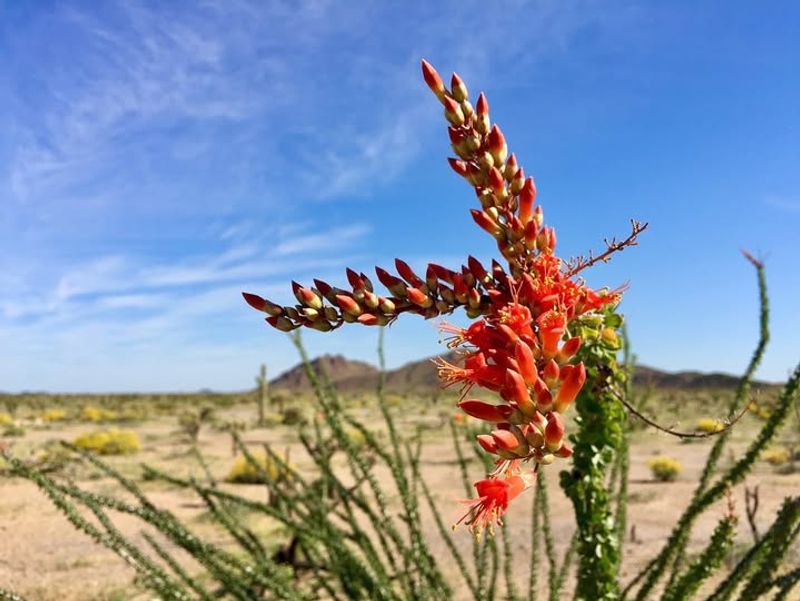
Tall, spiny gray stems reach skyward like natural sculptures, creating dramatic vertical elements in desert landscapes.
After rains, small green leaves appear along the stems, transforming the stark appearance into something lush and green.
During dry periods, leaves drop to conserve water, and the plant returns to its sculptural dormant state.
Brilliant red-orange flower clusters tip each stem in spring, attracting hummingbirds from considerable distances.
Mature specimens reach 10 to 15 feet tall with multiple stems spreading six to eight feet wide.
Ocotillo serves as living fence material in traditional southwestern landscapes.
The plant adapts to various elevations and soil types across Arizona.
Full sun and excellent drainage ensure healthy growth and abundant flowering.
Established plants need supplemental water only during extended droughts.
The unique growth pattern and seasonal changes provide year-round interest and beauty.
Ocotillo represents one of the most distinctive plants in southwestern landscapes.
Transplant carefully since disturbed roots recover slowly.
This iconic desert plant embodies resilience and adaptation.
12. Desert Willow
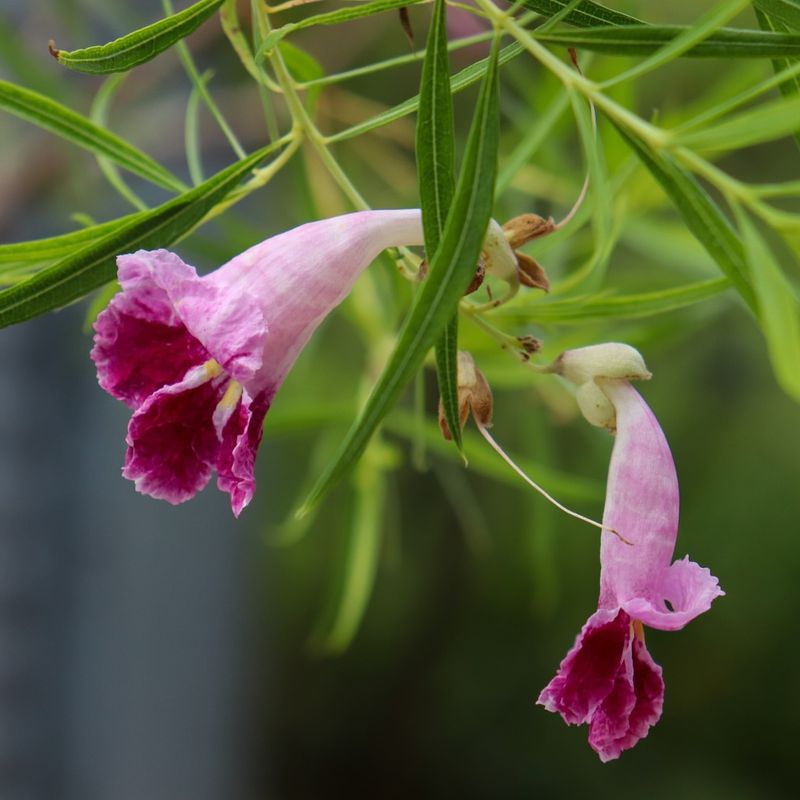
Orchid-like flowers in shades of pink, purple, burgundy, or white cover this small tree from late spring through fall.
Despite its common name, Desert Willow belongs to the catalpa family rather than true willows.
The narrow, willow-like leaves create light, filtered shade perfect for patios and seating areas.
Fast growth brings quick results, with young trees reaching 15 to 20 feet tall within a few years.
Hummingbirds visit the tubular flowers repeatedly throughout the long blooming season.
The twisted trunk and branches develop character as trees mature, adding winter interest after leaves drop.
Desert Willow tolerates alkaline soil, reflected heat, and drought once established.
Seed pods persist through winter, providing food for birds and visual interest.
Full sun produces the heaviest flowering and maintains compact growth.
Prune young trees to develop strong structure and desired form.
Established specimens need deep watering only once or twice monthly during summer.
This beautiful native tree brings color and grace to water-wise landscapes throughout the growing season.
13. Golden Barrel Cactus
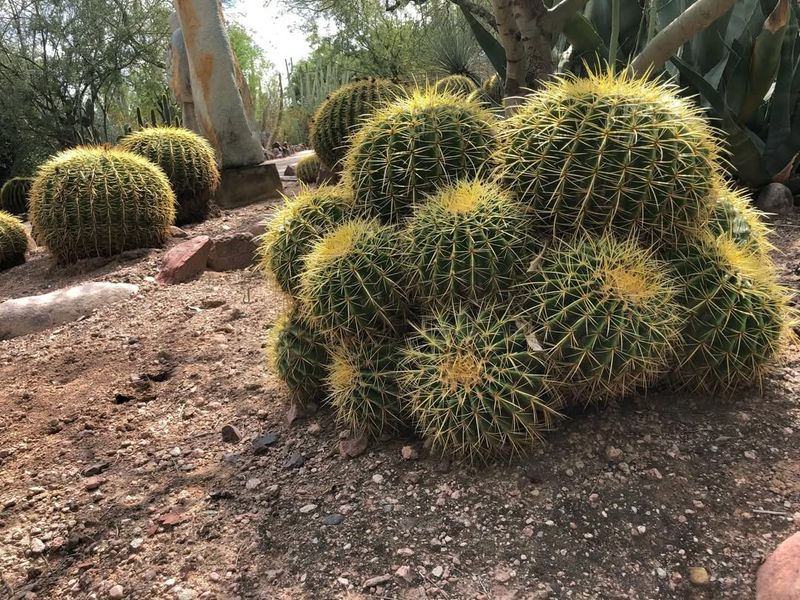
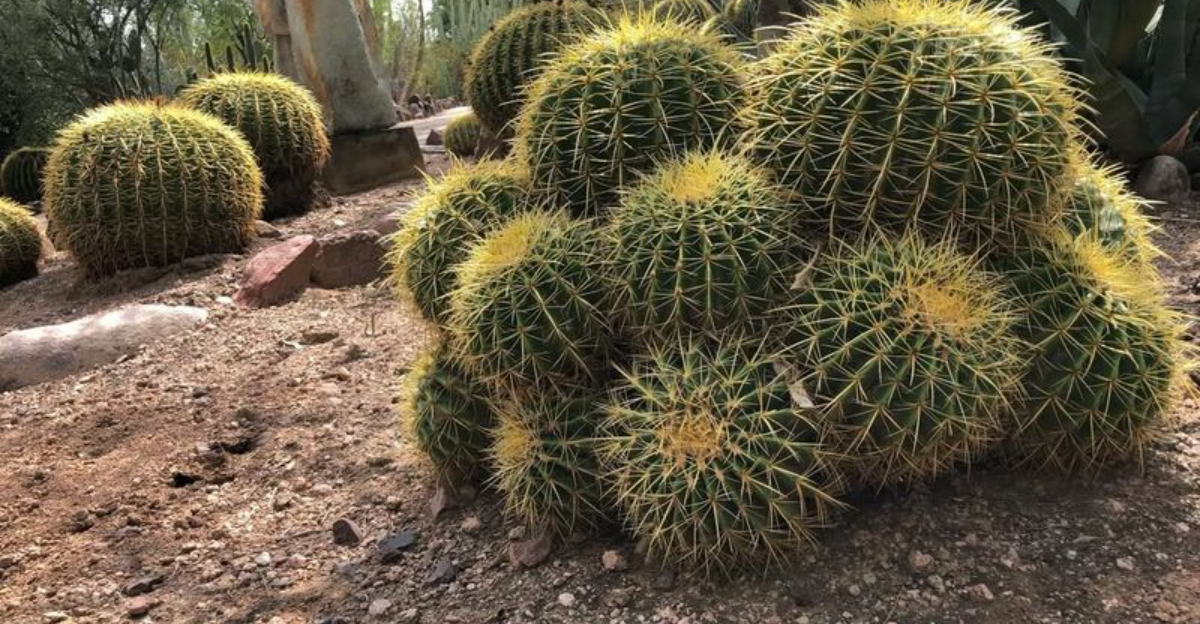
Perfectly spherical form covered in golden-yellow spines creates a striking focal point in any desert garden.
The symmetrical ribs and neat spine arrangement give this cactus an almost geometric appearance.
Mature specimens reach two to three feet in diameter, though growth proceeds slowly over many years.
Small yellow flowers crown the top of plants during summer months on mature specimens.
Golden Barrel tolerates container culture well, bringing desert style to patios and entryways.
The distinctive form works beautifully in groups or as single specimen plants.
Full sun and fast-draining soil keep these cacti healthy and growing steadily.
Established plants need water only monthly during summer, even less in winter.
The golden color intensifies in full sun, creating a warm glow in the landscape.
Avoid overwatering, which causes rot and damages the root system.
Golden Barrel pairs beautifully with gray-leaved plants and dark rocks.
This classic cactus represents the ultimate low-maintenance landscape plant for Arizona gardens.