8 Gentle Ways To Create A More Enchanting Virginia Garden
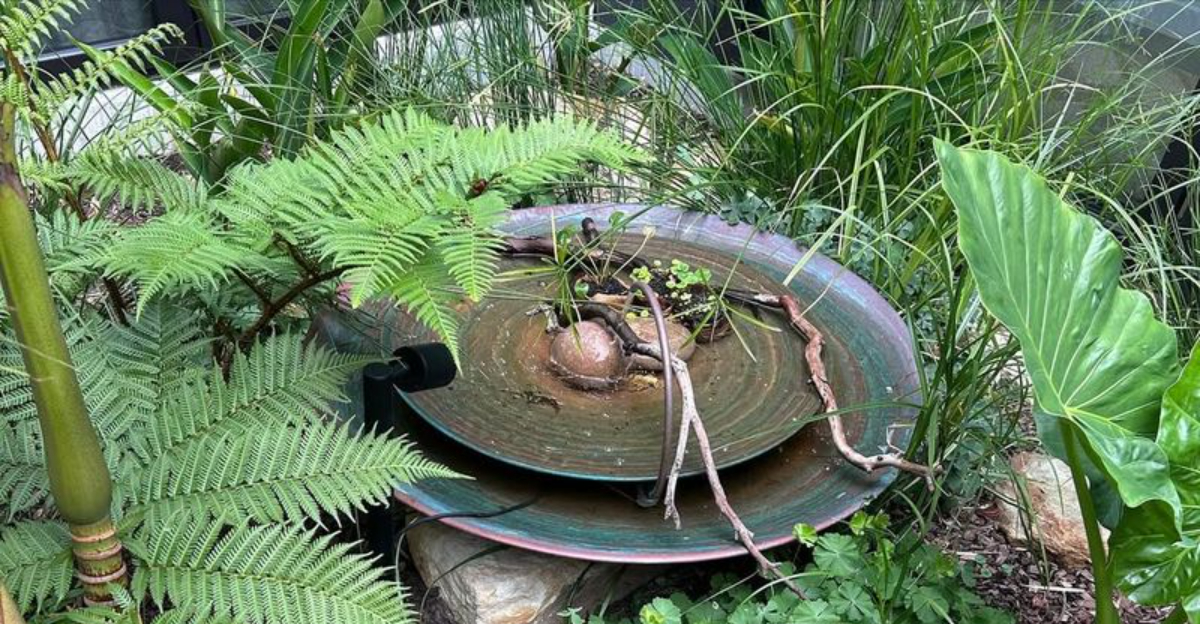
Creating a more enchanting Virginia garden often starts with small, thoughtful changes that make the space feel welcoming rather than overwhelming.
Subtle details like plant choices, textures, and natural flow can quietly shift the mood without requiring major redesigns or constant upkeep.
Virginia’s climate allows gentle garden updates to shine across seasons, especially when they work with nature instead of against it.
With a few intentional touches, a garden can begin to feel like a place that invites lingering, calm moments every time you step outside.
1. Add Native Flowering Plants That Bloom Throughout The Seasons
Native plants naturally thrive in Virginia’s climate because they evolved alongside local weather patterns and soil conditions over thousands of years together.
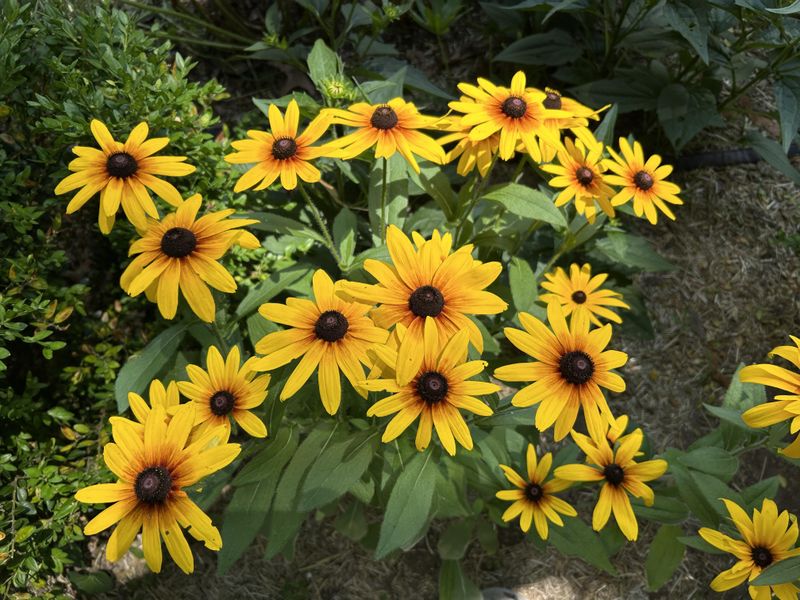
Black-eyed Susans burst with golden petals during summer months, while Virginia bluebells carpet shaded areas with delicate purple flowers each spring season.
Planting a variety ensures something blooms from March through October, creating continuous color that attracts butterflies, bees, and hummingbirds to your space.
These plants require less water than non-native species since their roots reach deep into Virginia soil, making maintenance incredibly simple for busy families.
Cardinal flowers add brilliant red splashes near ponds or damp spots, while mountain laurel offers evergreen structure and pink blossoms in late spring.
Combining different heights and bloom times creates layers of interest that change week by week, keeping your garden visually exciting throughout the year.
Local nurseries across Virginia stock these species, and staff members can recommend combinations that work perfectly for your specific yard conditions and sunlight levels.
Native plants also resist local pests better than imports, reducing the need for treatments that harm beneficial insects and soil health over time.
2. Create Cozy Seating Areas Surrounded By Fragrant Herbs
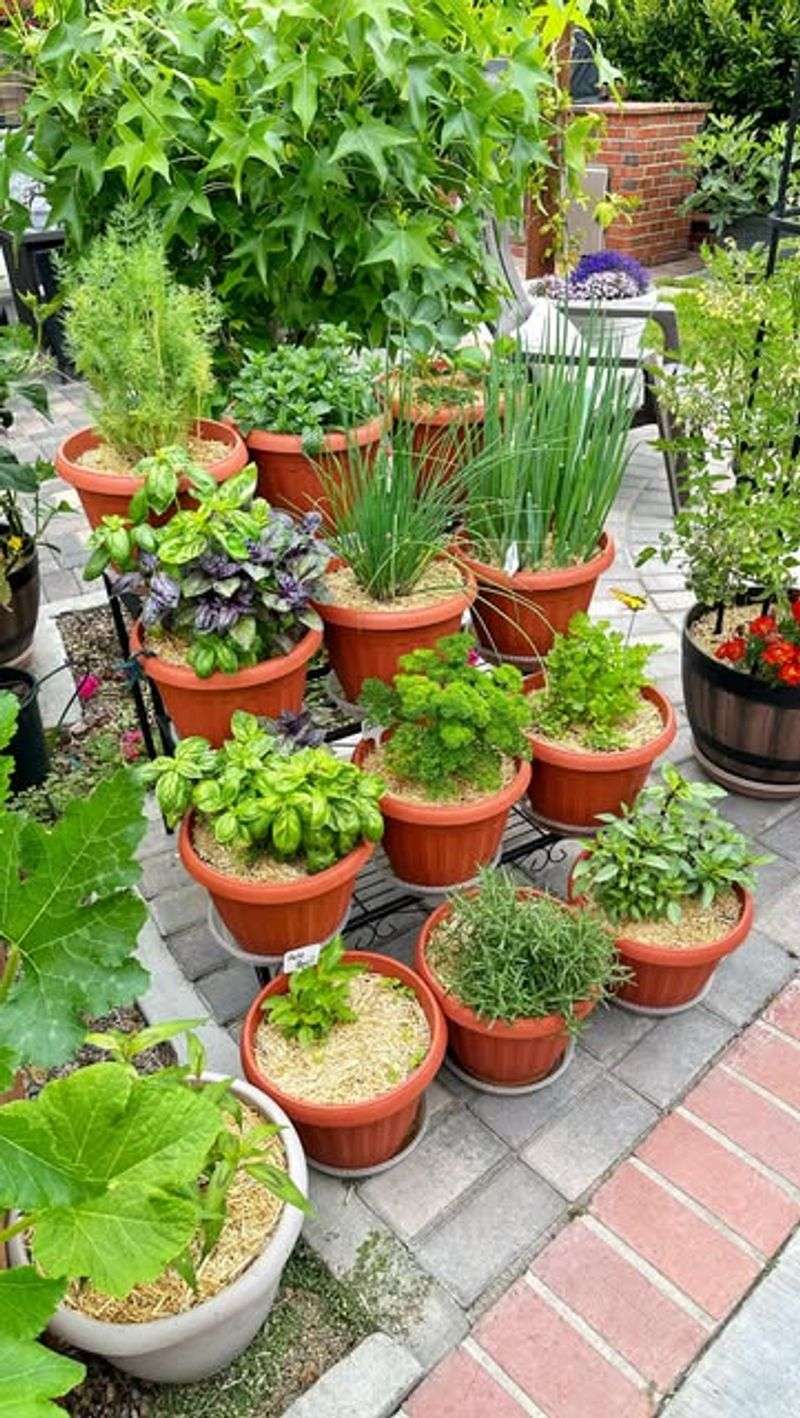
Imagine stepping outside to a bench tucked among lavender, rosemary, and mint that releases soothing scents with every gentle breeze passing through.
Herb gardens serve double duty in Virginia yards, providing fresh ingredients for cooking while filling the air with natural perfume that relaxes everyone nearby.
Placing a small chair or wooden bench within an herb circle creates an intimate retreat where you can read, sip tea, or simply enjoy quiet moments alone.
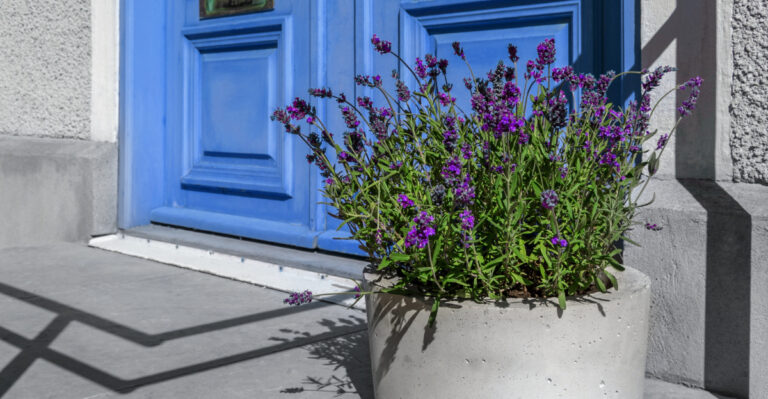
Lavender handles Virginia’s hot summers remarkably well when planted in sunny spots with good drainage, and its purple spikes attract beneficial pollinators constantly.
Rosemary grows as a compact shrub that stays green year-round in many Virginia regions, offering structure even when other plants go dormant during winter.
Mint spreads enthusiastically, so consider planting it in containers placed around seating areas to control growth while keeping fresh leaves within easy reach.
Thyme creeps between stepping stones leading to your cozy spot, releasing fragrance when brushed by feet and creating a living carpet that needs minimal care.
These herbs tolerate Virginia’s clay soil when amended with compost, and their aromatic oils naturally discourage mosquitoes from bothering you during evening relaxation sessions.
3. Install A Small Water Feature For Soothing Garden Sounds
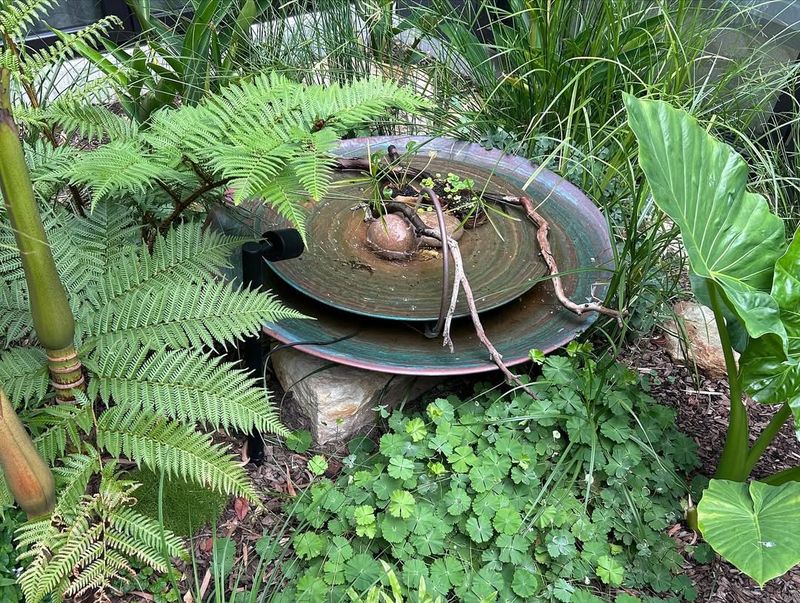
Water trickling over stones creates peaceful background music that masks traffic noise and helps everyone unwind after long, stressful days at work or school.
Your Virginia Garden Changes Every Week. Your Plan Should Too.
Gardening in Virginia changes quickly throughout the season. Every Friday you’ll receive a simple weekly plan showing exactly what to plant, prune, fertilize, harvest, and protect so you never miss the right timing.
Even a simple birdbath with a solar-powered bubbler transforms a Virginia garden into a tranquil sanctuary without requiring complicated plumbing or electrical work.
Birds flock to moving water for drinking and bathing, bringing delightful activity and cheerful songs that make your outdoor space feel truly alive.
Small fountain kits available at garden centers need only a waterproof container, a pump, and decorative rocks to create enchanting sounds within hours.
Placing your water feature near a seating area maximizes enjoyment, letting you hear the gentle splashing while reading or chatting with visiting friends.
Virginia’s humid summers mean water evaporates quickly, so check levels weekly and top off as needed to keep pumps running smoothly without damage.
Surrounding your fountain with ferns and hostas creates a lush, woodland feel that looks naturally integrated rather than like an afterthought plunked down randomly.
In winter, many Virginia gardeners drain small features to prevent freeze damage, but birdbaths can stay active with heated elements that keep water liquid.
4. Plant Climbing Vines On Trellises For Vertical Beauty
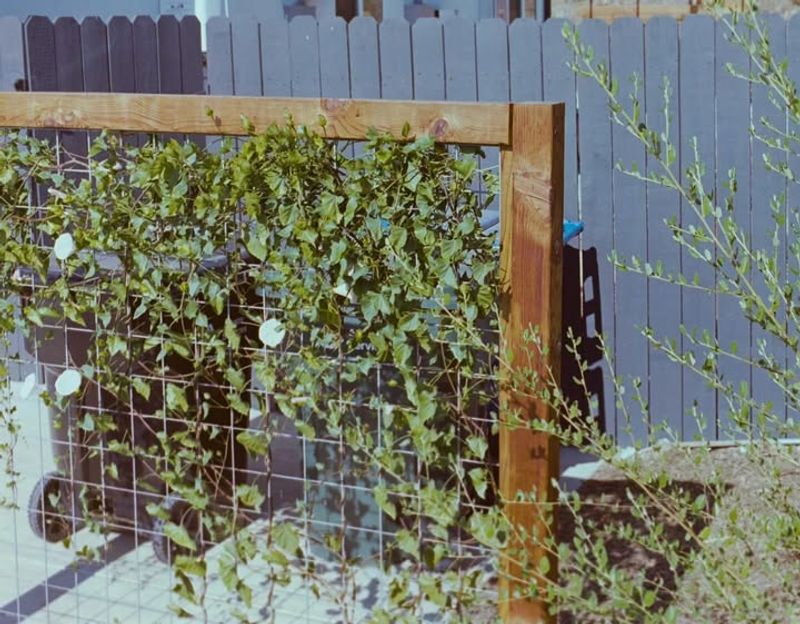
Vertical gardening maximizes space while adding height and drama that draws eyes upward, making even small Virginia yards feel larger and more interesting.
Clematis vines produce stunning flowers in shades of purple, pink, and white that cascade down arbors and fences throughout spring and summer months.
Native trumpet vine attracts hummingbirds with bright orange blooms that seem to glow in Virginia’s afternoon sun, creating magical wildlife viewing opportunities daily.
Installing a simple wooden trellis against a wall or fence takes minimal effort but provides support for vines that soften hard surfaces beautifully.
Climbing roses bring old-fashioned romance to Virginia gardens, with fragrant blooms that repeat throughout the growing season when properly pruned and fed occasionally.
Vines create natural privacy screens that block unsightly views or nosy neighbors while still allowing air circulation that solid fences cannot provide effectively.
Virginia creeper, despite its aggressive reputation, offers brilliant red fall color that rivals any tree, turning fences and sheds into seasonal masterpieces each autumn.
Training vines requires occasional guidance by gently tying new growth to supports, but once established, they climb independently and require minimal maintenance efforts.
5. Incorporate Soft Lighting With Solar Garden Lanterns
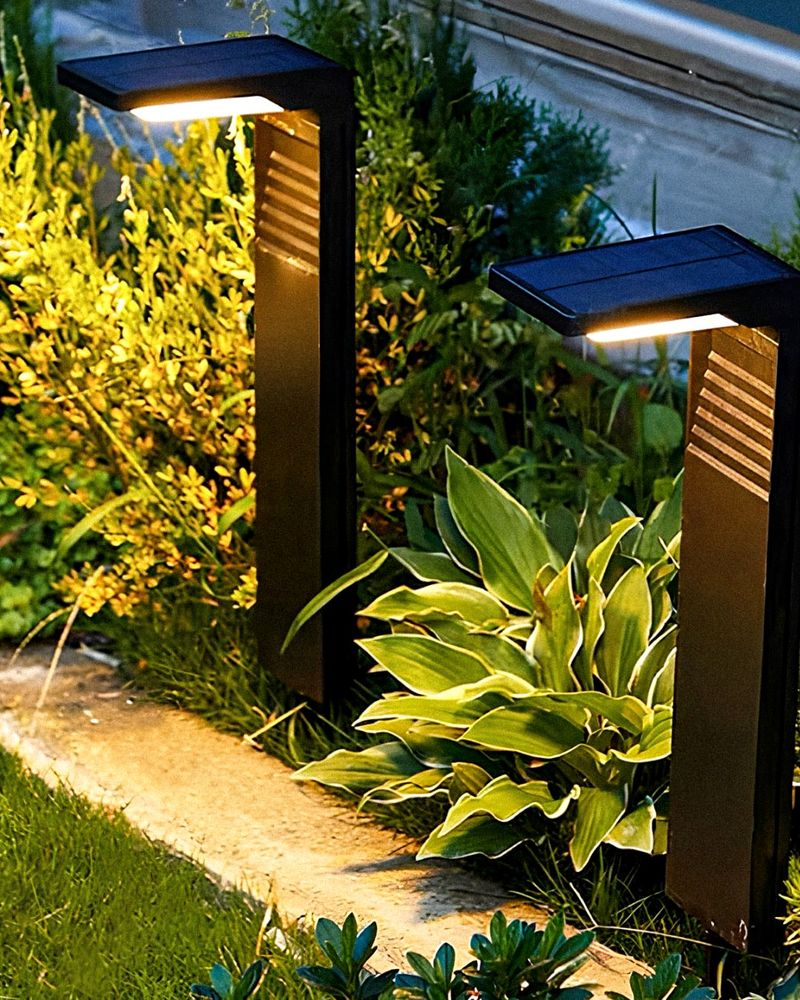
Garden lighting extends enjoyment into evening hours, transforming your Virginia outdoor space into an enchanted realm where shadows dance and plants glow mysteriously.
Solar lanterns eliminate the hassle of running electrical wires through your yard, charging automatically during daylight and illuminating pathways after sunset arrives.
Placing lanterns along walkways prevents stumbles while creating a welcoming glow that guides family members safely from driveway to door each night.
String lights draped through tree branches mimic fireflies floating through Virginia summer evenings, adding whimsy without overwhelming the natural beauty around you.
Warm-toned bulbs create a more inviting atmosphere than harsh white lights, casting a golden glow that makes plants and hardscaping look softer and romantic.
Spotlighting a favorite tree or sculpture adds focal points that become dramatic after dark, revealing your garden’s structure in ways daylight never shows.
Many Virginia gardeners use lighting sparingly, focusing on key areas rather than flooding the entire space, which preserves the magical, mysterious quality of nighttime.
Solar technology has improved dramatically, with modern fixtures lasting years and providing reliable illumination even during Virginia’s occasionally cloudy weeks in winter and spring.
6. Build Raised Beds With Natural Stone Or Weathered Wood
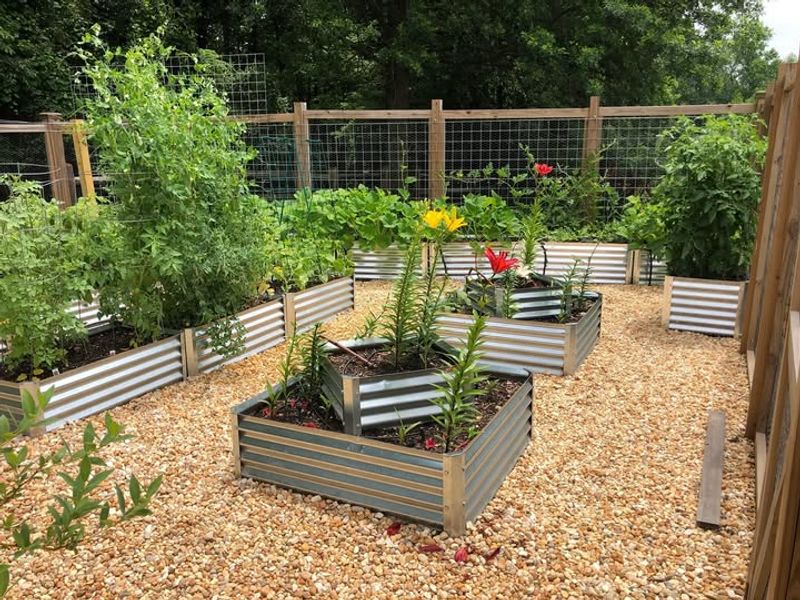
Raised beds solve Virginia’s notorious clay soil challenges while creating defined growing spaces that look intentional and beautifully organized rather than haphazard or messy.
Natural stone stacked without mortar develops a rustic charm that blends seamlessly with Virginia’s landscape, looking like it has always belonged in your yard.
Weathered wood planks or reclaimed barn boards bring history and character to gardens, telling stories through their aged texture and silvery gray patina.
Elevating planting areas improves drainage dramatically, preventing root rot that often plagues Virginia gardens during spring’s heavy rains and summer’s afternoon thunderstorms consistently.
Filling raised beds with quality soil mix gives plants the perfect growing medium from day one, eliminating years of soil amendment that in-ground gardening requires.
Bed heights between twelve and eighteen inches make planting and weeding more comfortable, reducing back strain that discourages many Virginia gardeners from maintaining their spaces.
Grouping several raised beds creates a kitchen garden layout that feels both productive and decorative, combining vegetable growing with aesthetic appeal that neighbors admire.
Lining beds with hardware cloth underneath prevents voles and moles from tunneling up and devouring precious plants, a common frustration throughout Virginia’s countryside and suburbs.
7. Encourage Beneficial Wildlife With Native Berry Shrubs
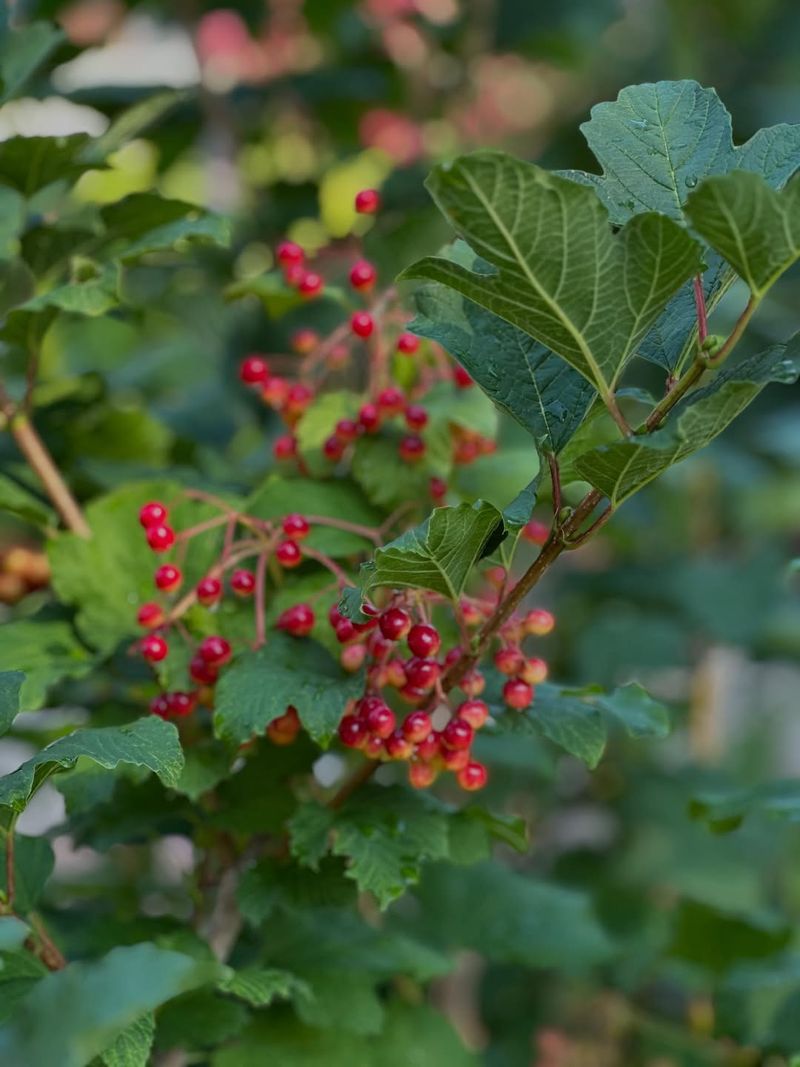
Berry-producing shrubs turn Virginia gardens into wildlife havens where birds, butterflies, and small mammals find food and shelter throughout every season naturally.
Serviceberry trees bloom with white flowers in early spring before leafing out fully, then produce purple berries that birds devour within days of ripening.
Elderberry bushes grow quickly in Virginia’s climate, producing clusters of dark berries that make excellent jams while feeding dozens of bird species simultaneously.
Watching cedar waxwings strip berries from winterberry hollies during cold months brings life and movement to gardens when everything else seems dormant and still.
Native shrubs require virtually no maintenance once established, thriving in Virginia conditions without fertilizers, pesticides, or constant watering that exotic plants demand endlessly.
Planting berry producers near windows lets you observe wildlife behavior up close, turning your home into a nature-watching station that entertains children and adults.
Blueberry bushes offer spring flowers, summer fruit for family snacking, and brilliant red fall foliage, providing three seasons of interest in Virginia landscapes effortlessly.
These shrubs also attract beneficial insects that pollinate vegetables and control pest populations, creating a balanced ecosystem that maintains itself with minimal human intervention needed.
8. Add Whimsical Garden Art That Reflects Your Personality
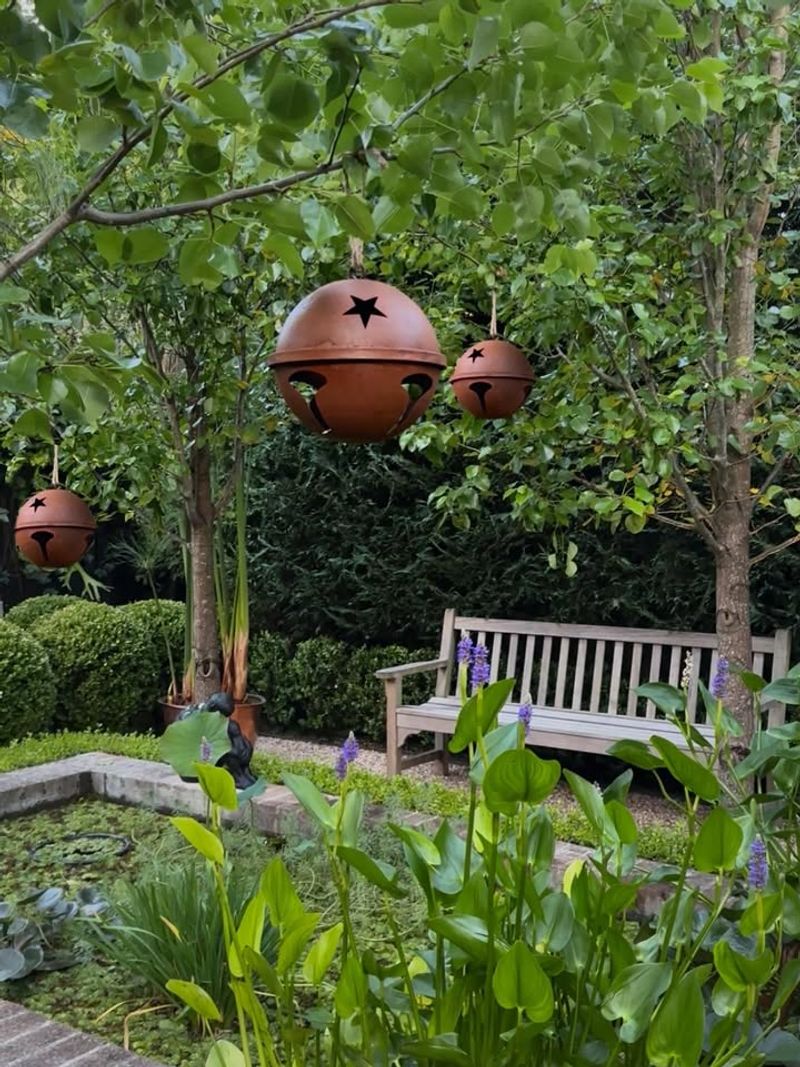
Personal touches transform ordinary Virginia gardens into unique expressions of creativity that reveal something special about the people who tend them lovingly each season.
Vintage watering cans hung on fence posts or tucked among flowers add nostalgic charm that sparks conversations and memories of grandparents’ gardens from childhood.
Handmade stepping stones with pressed leaves or children’s handprints create permanent keepsakes that mark family milestones while serving practical purposes for years ahead.
Wind chimes made from driftwood or recycled materials produce gentle melodies that change with Virginia’s breezes, adding another sensory layer to garden experiences daily.
Gazing balls nestled among hostas reflect surrounding plants and sky, creating magical illusions that shift throughout the day as sunlight angles change constantly.
Repurposed items like old ladders as plant stands or wheelbarrows as planters inject personality while reducing waste, appealing to environmentally conscious Virginia gardeners.
Sculpture doesn’t need to be expensive or elaborate; even a simple painted rock or interesting piece of driftwood becomes art when placed thoughtfully.
Choosing decorations that weather gracefully ensures your Virginia garden looks better with age, developing character as patinas form and materials blend with natural surroundings.