The Rain-Barrel Rule Illinois Homeowners Are Dealing With In 2026 (And Why It Matters)
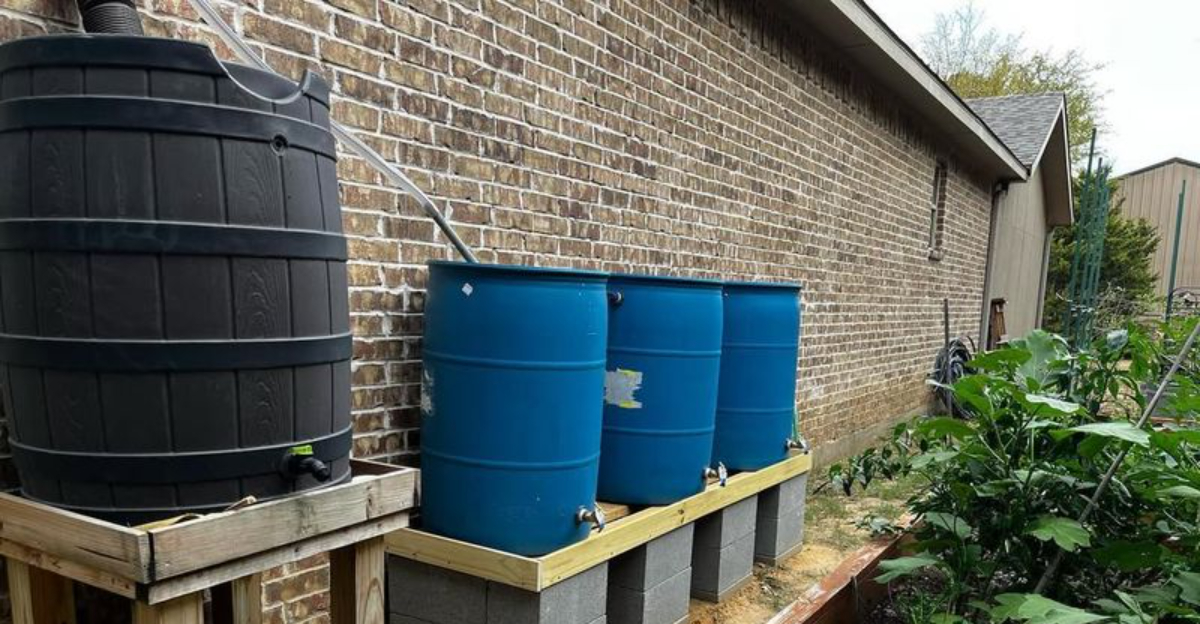
Rain barrels may seem straightforward, yet many Illinois homeowners still feel unsure about how to use them in ways that make sense for their homes and yards.
People often install a barrel with good intentions, not realizing how placement, upkeep, and everyday use can affect the overall experience.
Small details, when overlooked, can lead to frustration that has nothing to do with the rain barrel itself but everything to do with expectations.
Taking a moment to understand common questions around rain barrels can help Illinois homeowners feel more confident before the next rainfall arrives.
1. Why Rain Barrels Are Getting More Attention Across Illinois in 2026
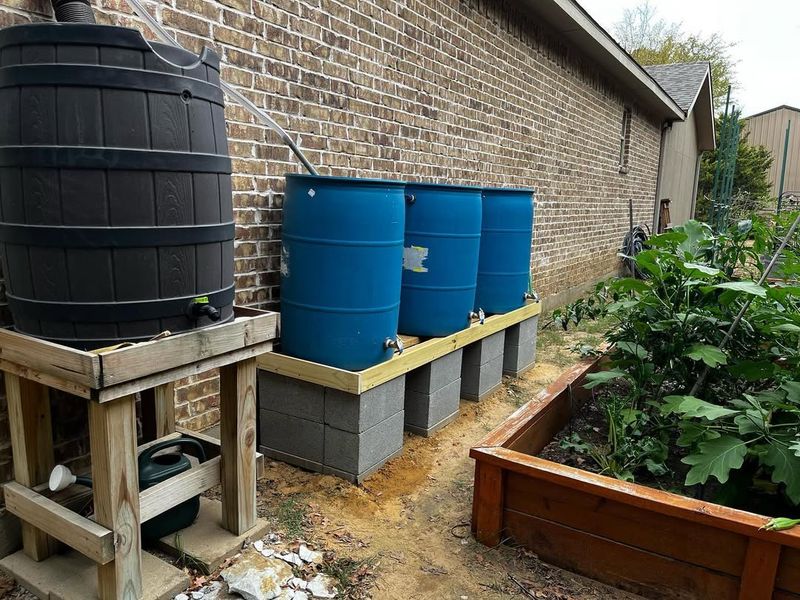
Rain barrels have been showing up in more Illinois yards as homeowners look for practical ways to reuse rainwater instead of letting it rush off roofs and disappear into storm drains.
Conversations around water conservation have become more common across Illinois, especially as changing weather patterns make people more aware of how quickly rainfall can be wasted.
Many homeowners are paying closer attention to how much rainwater flows off their roofs during storms and how easily that water could be collected for later use.
Gardeners often notice that even modest amounts of stored rainwater can help keep plants healthy during dry stretches between rainfall events.
Local workshops, neighborhood discussions, and online community groups have helped make rain barrels feel more approachable rather than complicated or intimidating.
Some people are drawn to rain barrels because they help reduce soggy areas, erosion, and excess runoff around foundations and walkways.
Social media posts and shared photos of backyard setups have also contributed to growing curiosity about how rain barrels fit into everyday home landscapes.
Garden centers and home improvement stores across Illinois now regularly highlight rain barrels as part of broader outdoor and gardening displays.
Together, these shifts have turned rain barrels into a familiar and frequently discussed home feature across Illinois as 2026 approaches.
2. What Homeowners Are Being Encouraged to Know Before Installing a Rain Barrel
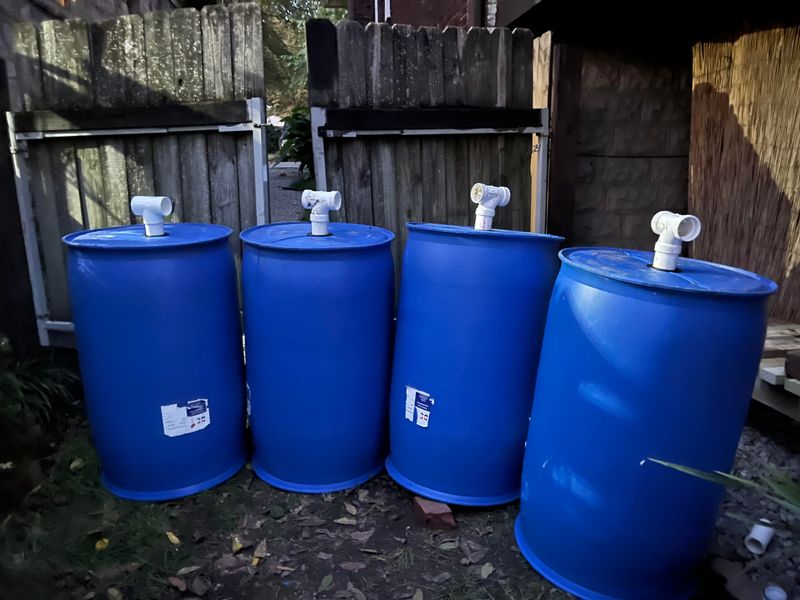
Before installing a rain barrel, many Illinois homeowners are encouraged to take time to understand how water naturally moves across their property during and after rainfall.
Paying attention to roof size, gutter placement, and downspout direction can help Illinois residents decide where a rain barrel would function most effectively.
It is also helpful for Illinois homeowners to think about how much water they realistically plan to collect and how often they will use it for outdoor tasks.
Choosing a stable, level surface matters because a full rain barrel in an Illinois yard can become quite heavy after a strong storm.
People across Illinois often consider how easy it will be to access the spigot when watering plants or filling containers.
Thinking ahead about overflow direction can help Illinois homeowners avoid pooling water near foundations or walkways.
Many Illinois gardeners find it useful to plan for simple upkeep, such as keeping debris out and checking water clarity from time to time.
Considering seasonal changes is also important, since Illinois weather can shift quickly and affect how rain barrels are used throughout the year.
Your Illinois Garden Changes Every Week. Your Plan Should Too.
Gardening in Illinois changes quickly throughout the season. Every Friday you’ll receive a simple weekly plan showing exactly what to plant, prune, fertilize, harvest, and protect so you never miss the right timing.
Taking these small planning steps helps Illinois homeowners feel more confident about adding a rain barrel to their outdoor setup.
3. Common Materials and Design Features People Look For in Rain Barrels
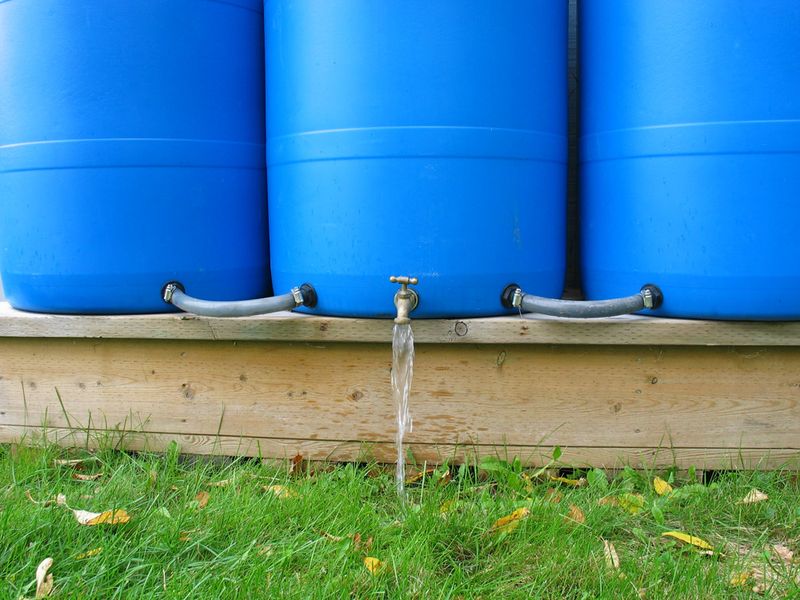
When choosing a rain barrel, many Illinois homeowners look for materials that feel sturdy enough to handle changing weather conditions throughout the year.
Durable plastics are often popular in Illinois because they resist cracking, fading, and warping when exposed to sun, rain, and temperature swings.
Some people across Illinois prefer barrels with secure lids that help keep leaves, insects, and other debris from getting inside the stored water.
Screened openings are another design feature Illinois homeowners often appreciate, especially in areas where mosquitoes can be an annoyance during warmer months.
Spigots placed slightly above the base make it easier for Illinois gardeners to fill watering cans without struggling to tip heavy containers.
Overflow outlets are commonly considered by Illinois residents who want excess rainwater to flow away smoothly during heavy storms.
Neutral colors and simple shapes tend to appeal to Illinois homeowners who want rain barrels to blend naturally into their outdoor spaces.
People in Illinois also look for designs that are easy to clean, making routine care feel manageable rather than frustrating.
Altogether, these material and design choices help Illinois homeowners select rain barrels that feel practical, reliable, and easy to live with over time.
4. How Collected Rainwater Is Commonly Used Around Illinois Homes
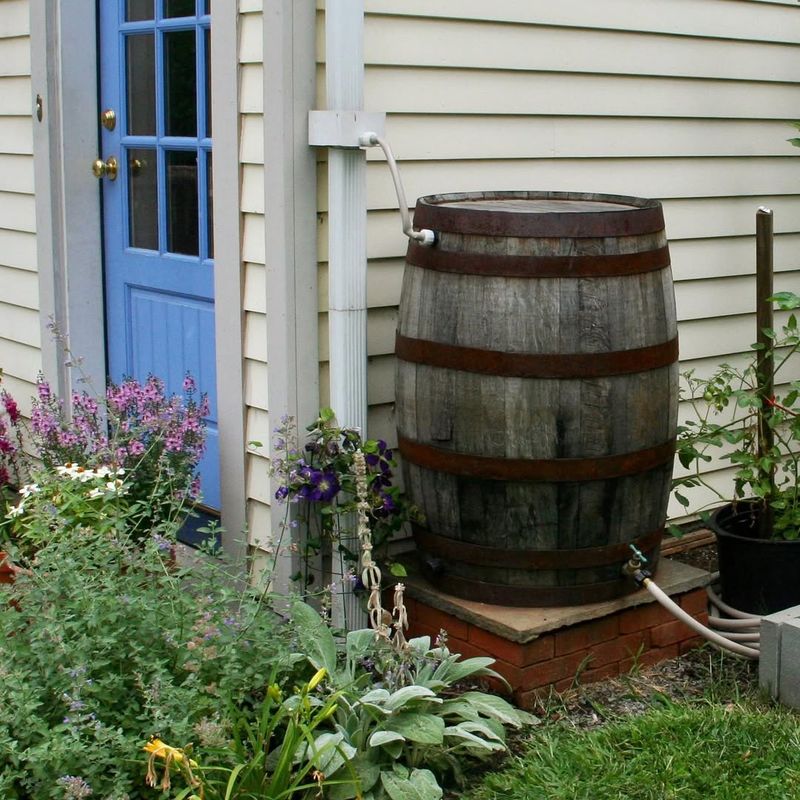
Collected rainwater is commonly used around Illinois homes to water garden beds, flowers, and shrubs during dry spells between rainstorms.
Many Illinois gardeners like using rainwater for outdoor plants because it feels gentle on soil and helps reduce reliance on treated tap water.
Homeowners across Illinois often use stored rainwater to keep lawns from drying out during warmer months when rainfall becomes less consistent.
Some people in Illinois use rainwater for rinsing outdoor tools, muddy boots, or gardening containers after working in the yard.
Washing cars with collected rainwater is another practical use seen around Illinois neighborhoods, especially during weekends with mild weather.
Rainwater is also sometimes used by Illinois homeowners to moisten compost piles or refresh mulch around trees and planting areas.
During hot stretches, Illinois residents may rely on rain barrels to give plants a quick drink without running sprinklers.
Many Illinois households appreciate having rainwater available for small outdoor tasks that do not require treated water.
These everyday uses make rain barrels a convenient addition for Illinois homes looking to make better use of natural rainfall.
5. Why Ongoing Care Matters for Rain Barrel Systems
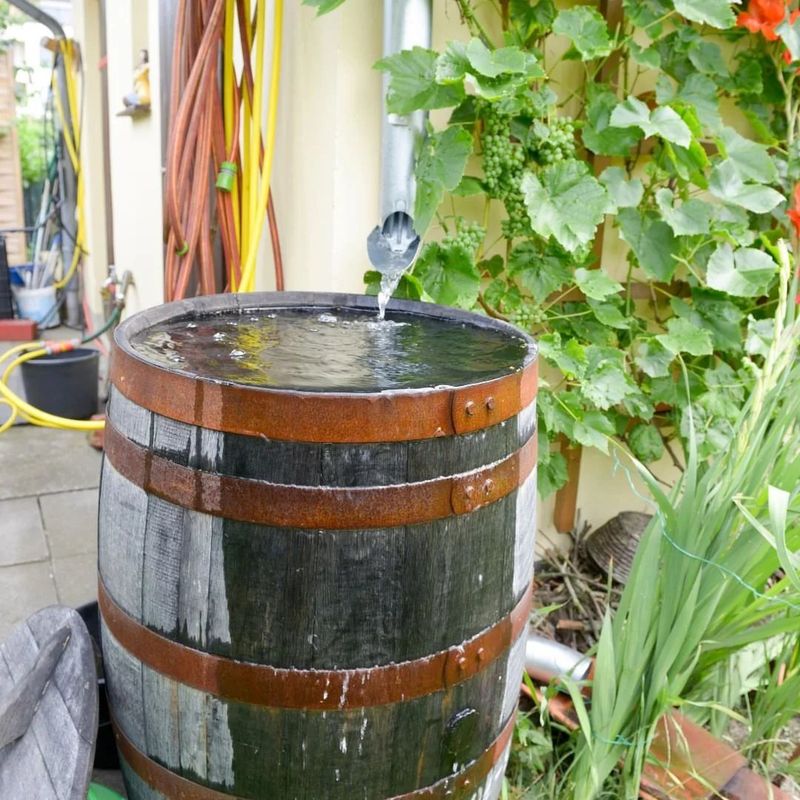
Ongoing care matters for rain barrel systems because regular attention helps Illinois homeowners keep their setups working smoothly throughout changing seasons.
Checking lids, screens, and openings from time to time helps Illinois residents prevent leaves and debris from collecting inside the barrel.
Clean water flows more easily, which many Illinois gardeners notice when spigots and hoses stay free of buildup.
Looking over the barrel after heavy storms allows Illinois homeowners to spot small issues before they turn into bigger frustrations.
Simple habits, like draining older water and refreshing the supply, can help Illinois residents feel more comfortable using collected rainwater.
Seasonal weather shifts in Illinois make it useful to adjust care routines as temperatures rise, fall, or freeze.
Keeping the barrel stable and upright is another part of ongoing care that Illinois homeowners often pay attention to.
Regular upkeep also helps rain barrels last longer, which appeals to Illinois residents who want dependable outdoor tools.
With steady care, rain barrel systems remain a practical and low-stress feature for many Illinois homes.
6. Where Homeowners Usually Place Rain Barrels on Their Property
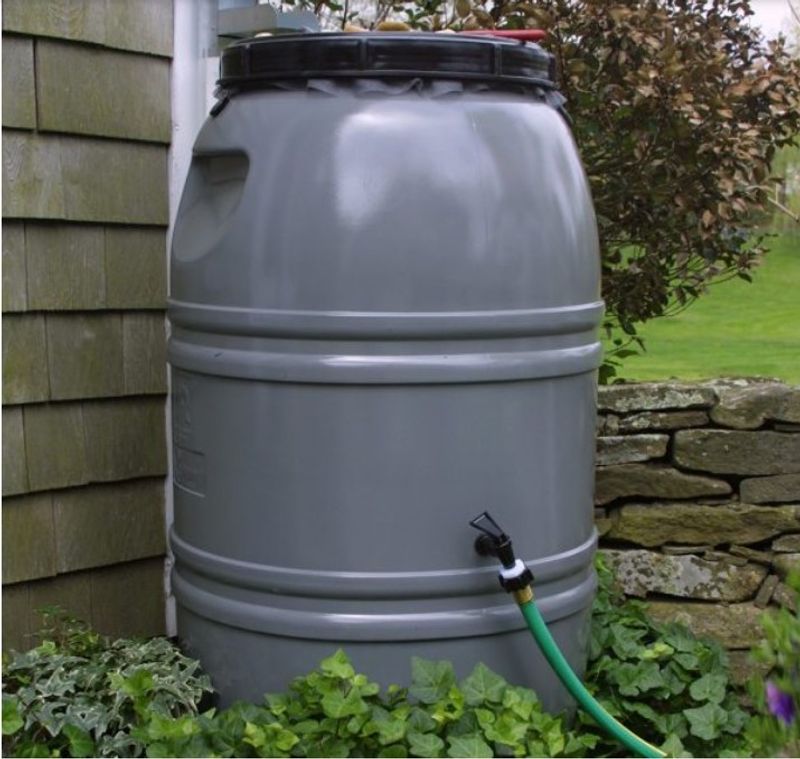
Homeowners across Illinois usually place rain barrels near downspouts where roof runoff naturally flows, making it easier to capture water without changing existing gutter setups.
Many Illinois residents choose locations close to gardens or planting beds so collected rainwater can be used quickly without hauling heavy containers across the yard.
Placing rain barrels on firm, level ground is common in Illinois, since uneven surfaces can cause shifting once the barrel fills after steady rainfall.
Some Illinois homeowners prefer spots that stay partially shaded, which can help keep stored water cooler and reduce algae growth during warmer months.
Keeping rain barrels a short distance away from foundations is something Illinois residents often consider to avoid excess moisture near their homes.
Visibility also matters for many Illinois homeowners, who balance easy access with placing barrels where they do not dominate the look of the yard.
In Illinois neighborhoods with limited space, rain barrels are often tucked beside fences, sheds, or exterior walls where they feel less intrusive.
Homeowners in Illinois frequently think about how overflow water will move away from walkways, patios, and neighboring properties during heavy storms.
Choosing the right placement helps Illinois residents make rain barrels feel like a natural part of their outdoor setup rather than an awkward addition.
7. How Rain Barrels Can Affect Nearby Properties and Neighborhoods
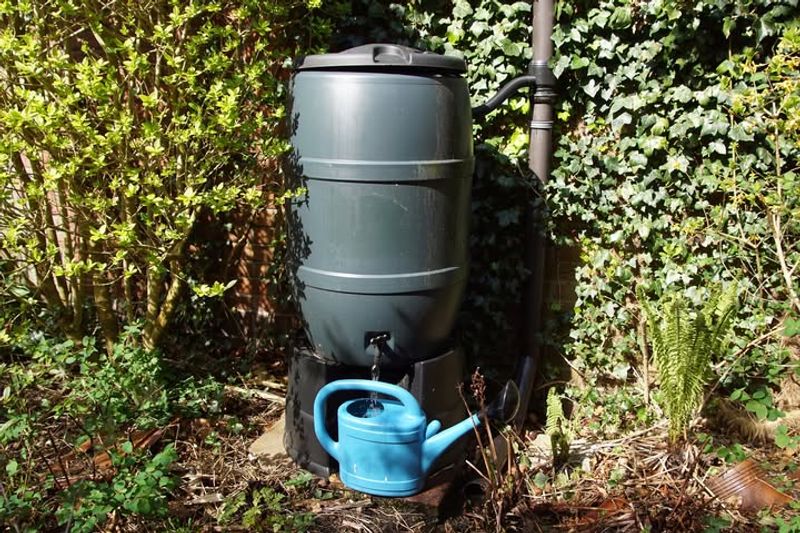
Rain barrels can affect nearby properties in Illinois when collected water changes how runoff moves across shared yards, sidewalks, or drainage areas after heavy rain.
Many Illinois homeowners think about how overflow water travels so it does not pool near fences, driveways, or neighboring foundations.
In close-set Illinois neighborhoods, the placement of a rain barrel can influence how comfortable neighbors feel about drainage and appearance.
Some Illinois residents notice that thoughtful rain barrel setups can actually reduce water flowing toward adjacent properties during storms.
Open conversations between neighbors in Illinois often help prevent misunderstandings about water movement or yard changes.
The appearance of rain barrels can also shape how Illinois neighborhoods feel, especially when barrels blend well with surrounding landscaping.
In areas of Illinois where yards sit on slight slopes, homeowners often pay extra attention to how collected water is released.
Well-planned rain barrel use in Illinois can support better water flow across entire blocks rather than creating isolated problem spots.
Considering nearby properties helps Illinois homeowners use rain barrels in ways that feel respectful and community-friendly.
8. Resources Illinois Homeowners Often Use to Learn About Rain Barrels
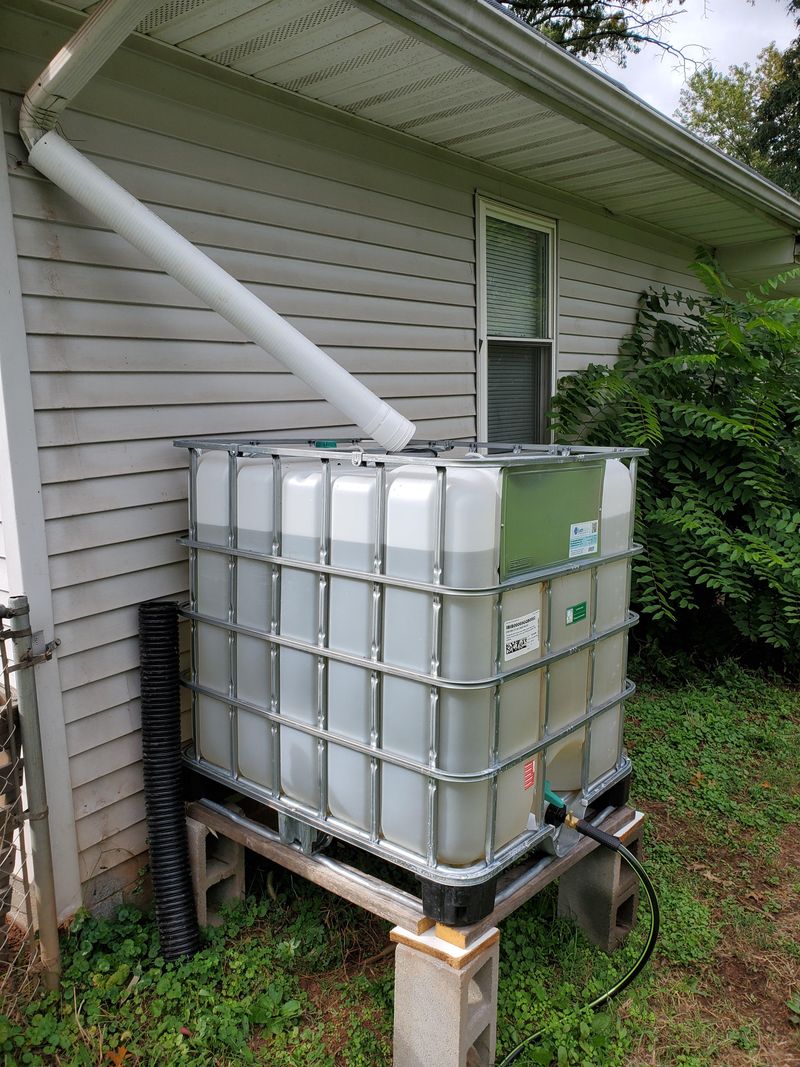
Illinois homeowners often turn to local gardening groups and community forums when they want practical, real-world advice about using rain barrels.
Many people in Illinois learn about rain barrels through extension office articles, seasonal workshops, and neighborhood gardening events.
Online videos and step-by-step guides are popular resources for Illinois residents who prefer to see how rain barrel setups work in real yards.
Home improvement stores across Illinois frequently share basic information through in-store displays, flyers, and staff recommendations.
Social media groups focused on Illinois gardening and outdoor projects give homeowners a place to exchange tips and photos of their setups.
Some Illinois homeowners rely on friends or neighbors who already use rain barrels and can share firsthand experiences.
Local environmental organizations in Illinois also publish easy-to-follow guides that explain rainwater collection in simple terms.
Public libraries in Illinois often carry books or host talks that touch on sustainable gardening and water use.
Together, these resources help Illinois homeowners feel informed and confident as they learn more about rain barrels.