How California Gardeners Successfully Grow Cucumbers Indoors
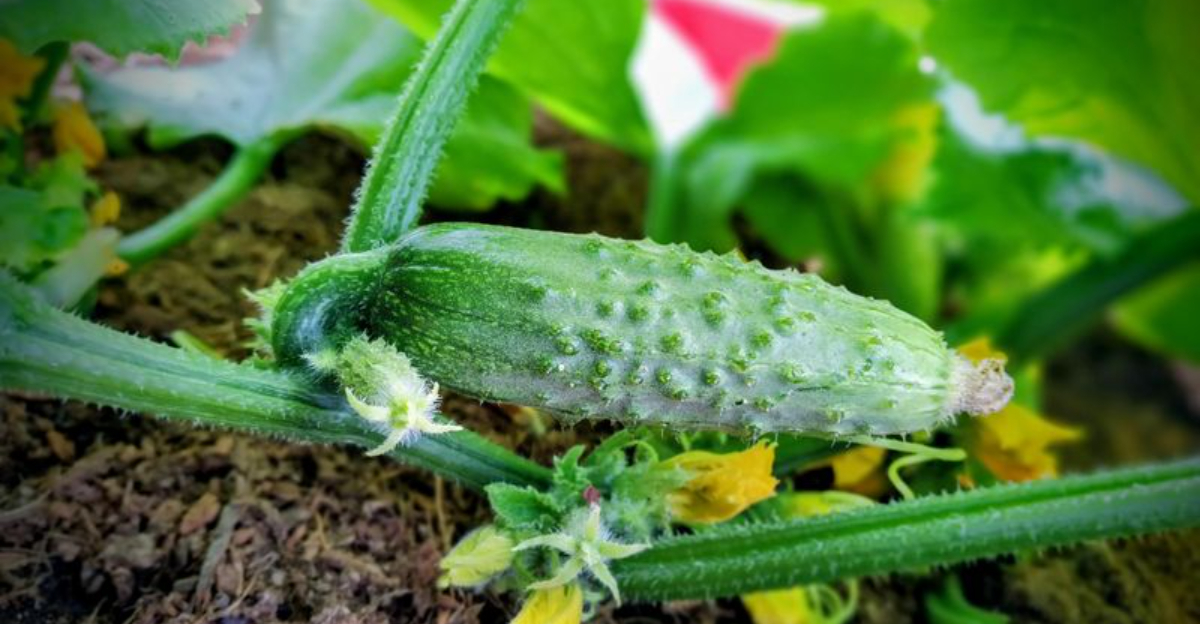
Growing cucumbers indoors might sound ambitious, but California gardeners have figured out how to make it surprisingly successful.
With the right setup, these vines adapt well to indoor conditions and keep producing even without an outdoor garden.
Careful attention to light, watering, and support makes all the difference in keeping plants healthy and productive.
Once the basics are dialed in, indoor cucumbers become a rewarding way to enjoy fresh harvests at home.
1. Pick Compact Cucumber Varieties for Small Spaces
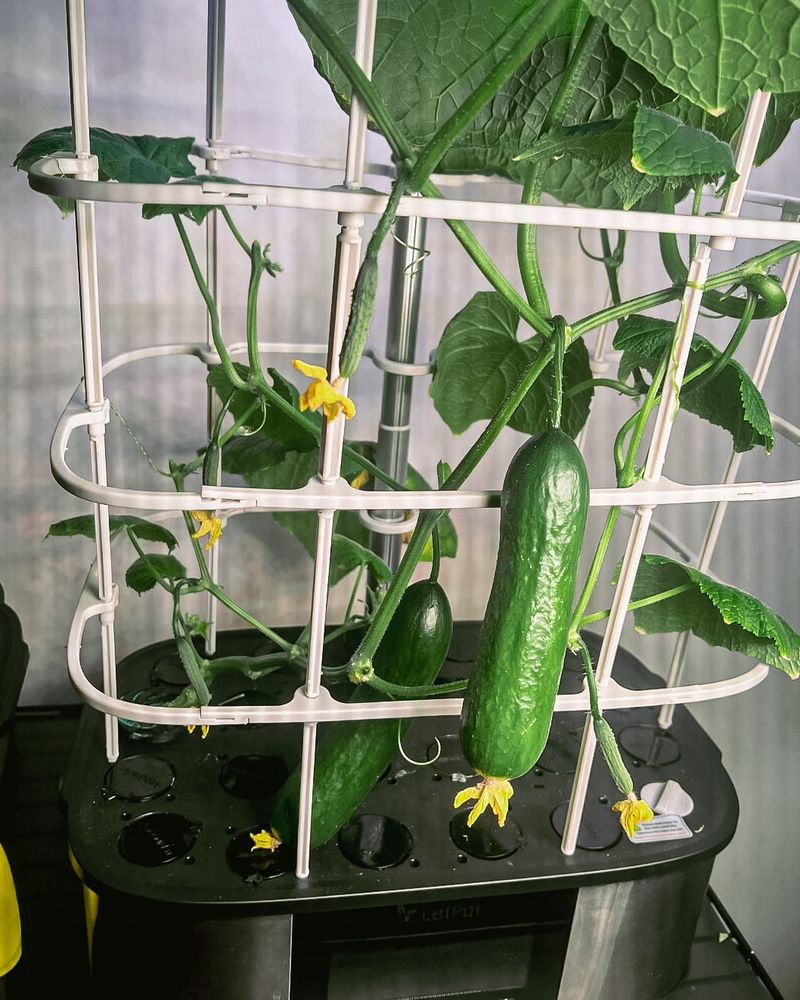
Choosing the right cucumber type makes all the difference when you have limited indoor space available for your gardening projects and experiments.
Bush varieties stay smaller and more manageable than sprawling vines that need tons of room to spread out across your garden area.
California gardeners often select types like Spacemaster or Bush Champion because they produce plenty of cucumbers without taking over your entire living space.
These compact plants work perfectly in containers on windowsills, counters, or small tables where sunlight reaches them throughout the day.
Standard vining cucumbers can grow ten feet long, which creates problems in apartments or homes with limited square footage for plant placement.
Dwarf varieties typically reach just two or three feet tall, making them ideal for indoor environments where ceiling height matters too.
Always check seed packets for words like patio, dwarf, or bush to ensure you select appropriate varieties for your space.
Starting with compact types sets you up for success from day one and prevents frustration later when plants outgrow their spots.
2. Provide Bright Light for Healthy Growth
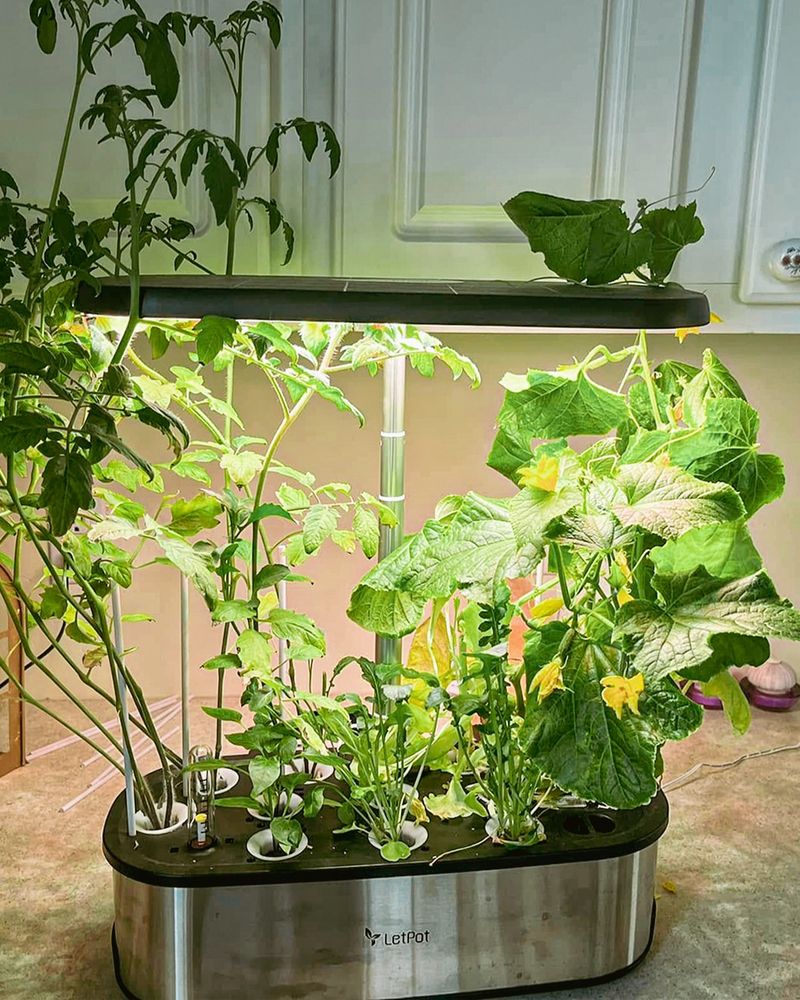
Cucumbers crave sunshine more than almost any other vegetable you might try growing inside your home during any season of the year.
Without enough light, plants become leggy, weak, and produce few cucumbers, which defeats the whole purpose of growing them indoors anyway.
Southern California residents often place cucumber pots near south-facing windows where natural sunlight pours in for six to eight hours daily.
Grow lights offer an excellent solution when your home lacks adequate natural light or during shorter winter days with less sunshine available.
LED grow lights work wonderfully because they provide full-spectrum lighting while using less electricity than older fluorescent bulbs from previous decades.
Position lights about six to twelve inches above your cucumber plants and adjust the height as plants grow taller over time.
Cucumbers need roughly fourteen to sixteen hours of light each day to thrive and produce the best harvest you can imagine.
Investing in proper lighting equipment pays off with healthier plants and more cucumbers to enjoy fresh or share with friends and family.
3. Use Well-Draining Soil Mix for Strong Roots
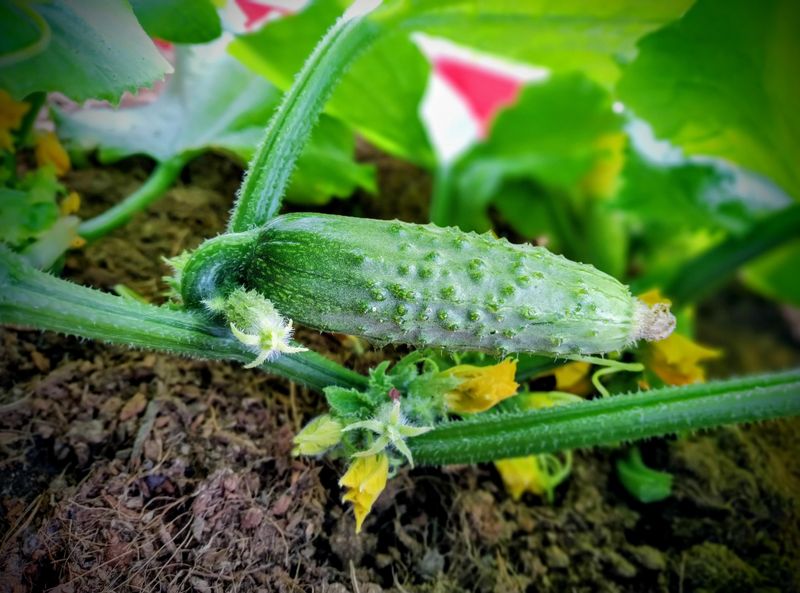
Root health determines whether your cucumber plants will flourish or struggle throughout their entire growing season indoors at home or elsewhere.
Heavy garden soil compacts too much in containers, suffocating roots and preventing proper water drainage that cucumbers absolutely need for survival.
Many California gardeners mix regular potting soil with perlite or vermiculite to create a light, fluffy texture that roots love exploring.
Your California Garden Changes Every Week. Your Plan Should Too.
Gardening in California changes quickly throughout the season. Every Friday you’ll receive a simple weekly plan showing exactly what to plant, prune, fertilize, harvest, and protect so you never miss the right timing.
Adding compost enriches the mix with nutrients that feed your plants naturally without relying solely on chemical fertilizers from garden stores.
Cucumbers prefer slightly acidic to neutral soil with a pH level between six and seven for optimal nutrient absorption and growth.
You can purchase pre-mixed container soil designed specifically for vegetables, which saves time and ensures proper ingredient ratios for beginners.
Always choose pots with drainage holes at the bottom to allow excess water to escape and prevent soggy soil conditions.
Good soil structure encourages strong root development, which directly translates to vigorous plants that produce abundant cucumbers throughout the growing season.
4. Water Consistently to Keep Soil Moist
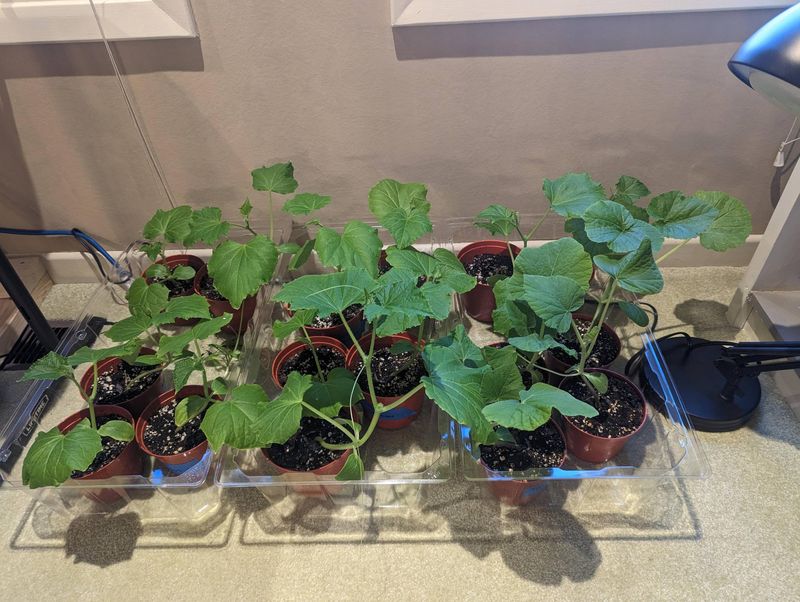
Cucumbers contain mostly water themselves, so keeping soil consistently moist helps them develop those crisp, juicy fruits we all love eating.
Allowing soil to dry out completely stresses plants and causes cucumbers to taste bitter or develop odd shapes that look unappealing.
California gardeners check soil moisture daily by sticking a finger about an inch deep to feel whether watering is necessary yet.
Container plants dry out faster than garden beds because they hold less soil volume and have more surface area exposed to air.
Water thoroughly until you see liquid draining from the bottom holes, ensuring the entire root zone receives adequate moisture for growth.
Morning watering works best because it gives plants time to absorb moisture before afternoon temperatures rise higher throughout the day.
Avoid getting water on leaves, which can encourage fungal diseases that damage plants and reduce your overall cucumber harvest significantly.
Self-watering containers offer a convenient option for busy people who might forget regular watering schedules or travel frequently away from home.
5. Maintain Warm Temperatures Year-Round
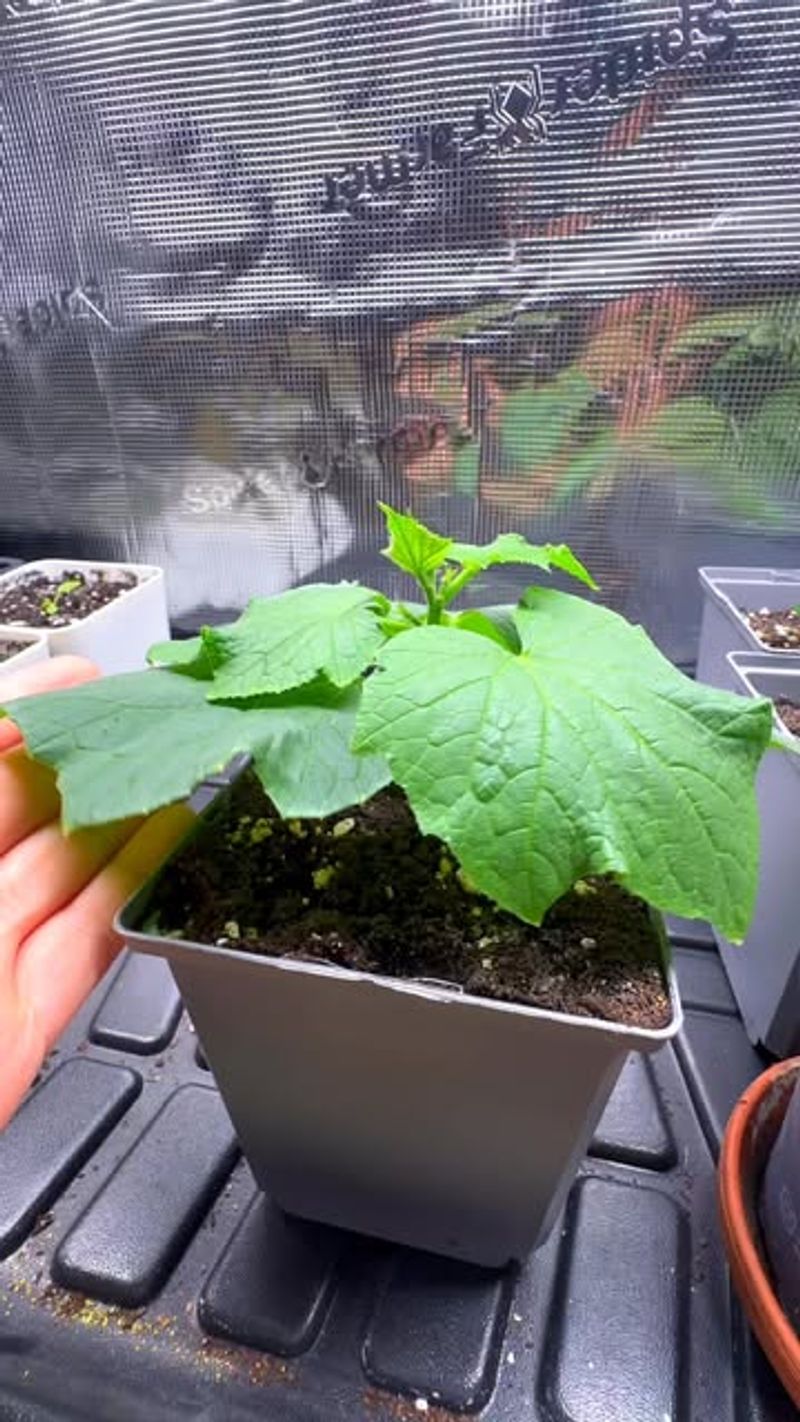
Cucumbers originated in warm tropical regions, so they naturally thrive in temperatures that feel comfortable to humans living in modern homes.
Ideal growing temperatures range between seventy and eighty-five degrees Fahrenheit, which matches typical indoor conditions in most California households perfectly.
Cold drafts from windows, air conditioners, or doors can shock plants and slow their growth dramatically, especially during winter months here.
Placing cucumbers away from cold spots and near heat sources helps maintain the steady warmth they need for continuous development.
Nighttime temperatures should not drop below sixty degrees, or plants may stop flowering and producing cucumbers altogether, wasting your efforts.
California winters stay relatively mild compared to other states, making year-round indoor cucumber growing more achievable and less challenging overall.
Using a simple room thermometer helps you monitor conditions and make adjustments before temperature problems affect your plants negatively.
Consistent warmth encourages faster germination, stronger growth, and better fruit production, giving you the best possible results from your efforts.
6. Hand-Pollinate Flowers for Fruit Production
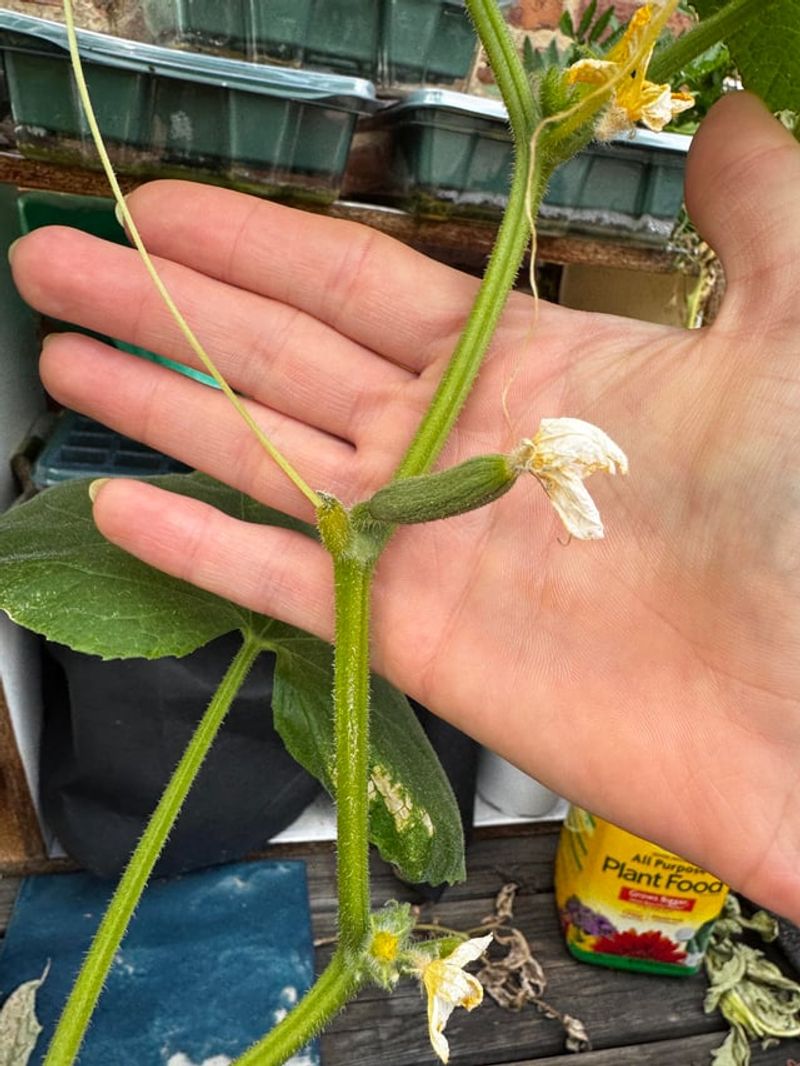
Indoor cucumbers lack bees and other insects that naturally pollinate flowers outdoors, so you become the pollinator in your home garden.
Without pollination, flowers simply drop off without forming cucumbers, leaving you disappointed after all your hard work caring for plants.
California gardeners identify male flowers with thin stems and female flowers with tiny cucumber-shaped swellings at their base for pollination.
Using a small paintbrush or cotton swab, gently transfer pollen from male flowers to the center of female flowers each morning.
Male flowers typically appear first, followed by female flowers a week or two later, so patience becomes important during this stage.
You only need to pollinate once per female flower, but repeating the process daily increases your chances of successful fruit development.
Some cucumber varieties labeled as parthenocarpic produce fruit without pollination, making them perfect choices for beginners or people with busy schedules.
Hand pollination takes just a few minutes and dramatically increases your cucumber harvest, making the small effort completely worthwhile for results.
7. Support Vines with Stakes or Trellises
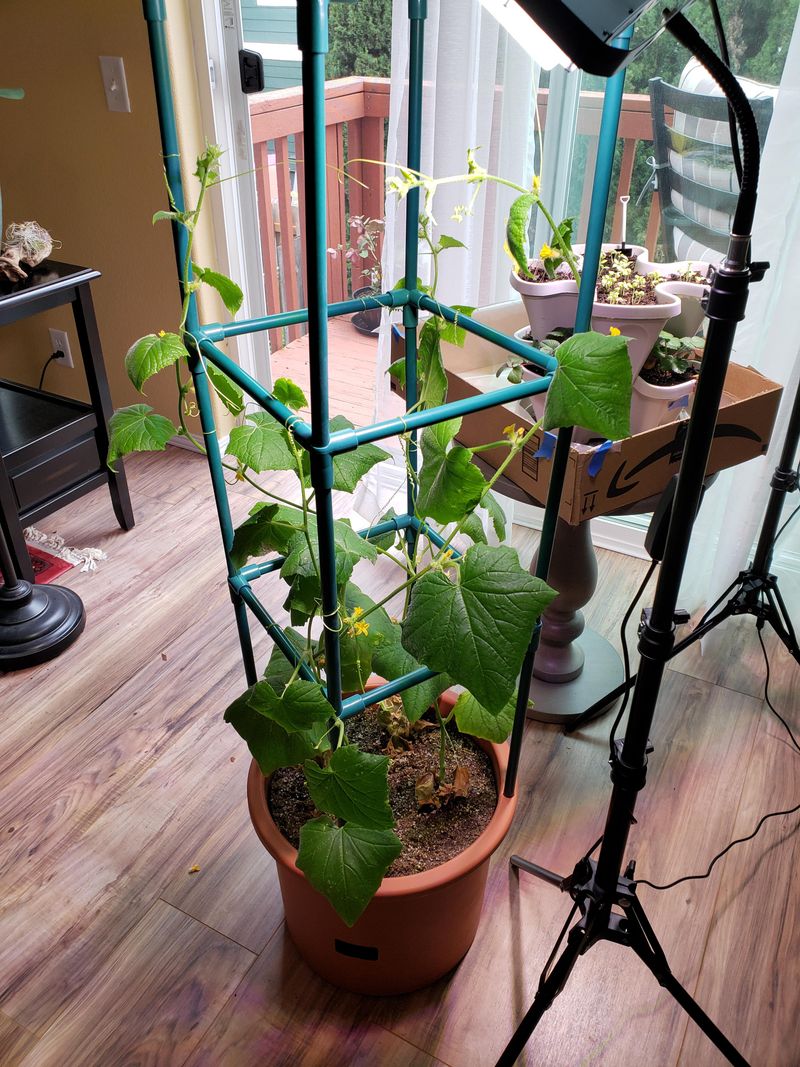
Even compact cucumber varieties benefit from support structures that keep vines organized and fruits off the soil surface where they grow.
Trellises or stakes allow plants to grow vertically, maximizing your limited indoor space while improving air circulation around leaves and stems.
Better airflow reduces humidity around plants, which helps prevent mold and mildew problems common in California homes with poor ventilation systems.
Supporting vines also makes cucumbers easier to spot and harvest when they reach perfect ripeness without searching through tangled foliage.
Simple bamboo stakes, tomato cages, or decorative trellises work equally well depending on your budget and aesthetic preferences for your space.
Gently tie vines to supports using soft plant ties or strips of fabric that will not cut into tender stems as they grow.
Training cucumbers upward from the beginning establishes good growth patterns and prevents plants from sprawling across counters or floors messily.
Vertical growing also exposes more leaves to light, which boosts photosynthesis and results in healthier plants that produce more cucumbers overall.
8. Feed Plants with Balanced Fertilizer Regularly
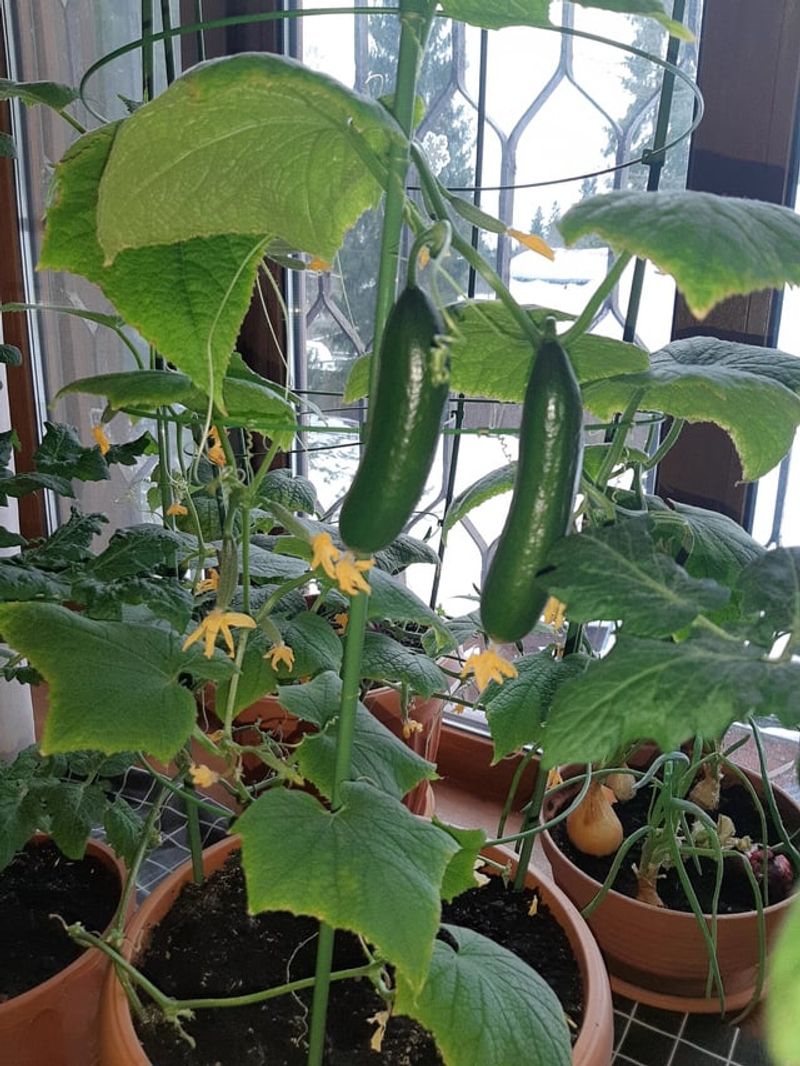
Container plants exhaust available nutrients faster than garden plants because their roots cannot spread out to find fresh soil resources elsewhere.
Cucumbers are heavy feeders that demand regular fertilization to support their rapid growth and continuous fruit production throughout the growing season.
California gardeners typically use balanced liquid fertilizers diluted to half strength every two weeks to avoid overfeeding and burning plant roots.
Look for fertilizers with equal or similar numbers like ten-ten-ten, which provide nitrogen, phosphorus, and potassium in balanced proportions.
Nitrogen promotes leafy green growth, phosphorus supports root development and flowering, and potassium improves overall plant health and fruit quality.
Organic options like fish emulsion or compost tea work wonderfully and provide additional micronutrients that synthetic fertilizers might lack completely.
Always water plants before applying fertilizer to prevent root burn, which damages plants and sets back their growth for weeks.
Proper feeding schedules keep plants vigorous and productive, ensuring you enjoy a steady supply of fresh cucumbers from your indoor garden.
9. Harvest Cucumbers at the Right Time
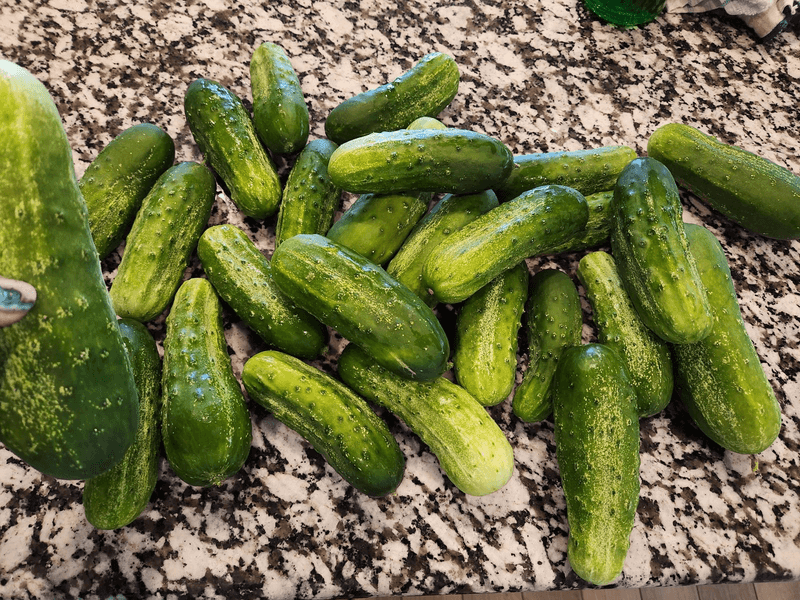
Knowing when to harvest cucumbers prevents them from becoming overripe, bitter, or developing tough seeds that make them unpleasant to eat.
Most cucumber varieties reach perfect eating size between six and eight inches long, depending on the specific type you planted originally.
California gardeners check plants daily once cucumbers start forming because they grow surprisingly fast and can become too large almost overnight.
Harvesting regularly encourages plants to produce more flowers and cucumbers, extending your harvest period for weeks or even months of enjoyment.
Use clean scissors or pruning shears to cut cucumbers from vines rather than pulling, which can damage plants and reduce production.
Leaving overripe cucumbers on vines signals the plant to stop producing new fruits, thinking its reproductive job is finished for the season.
Fresh cucumbers should feel firm with bright green color and no yellow spots or soft areas that indicate they passed their prime.
Proper harvesting techniques maximize your yield and keep plants healthy and productive, giving you the best return on your time and effort.