The Small Winter Insect Maine Gardeners Spot In Snow — And Why It’s Important
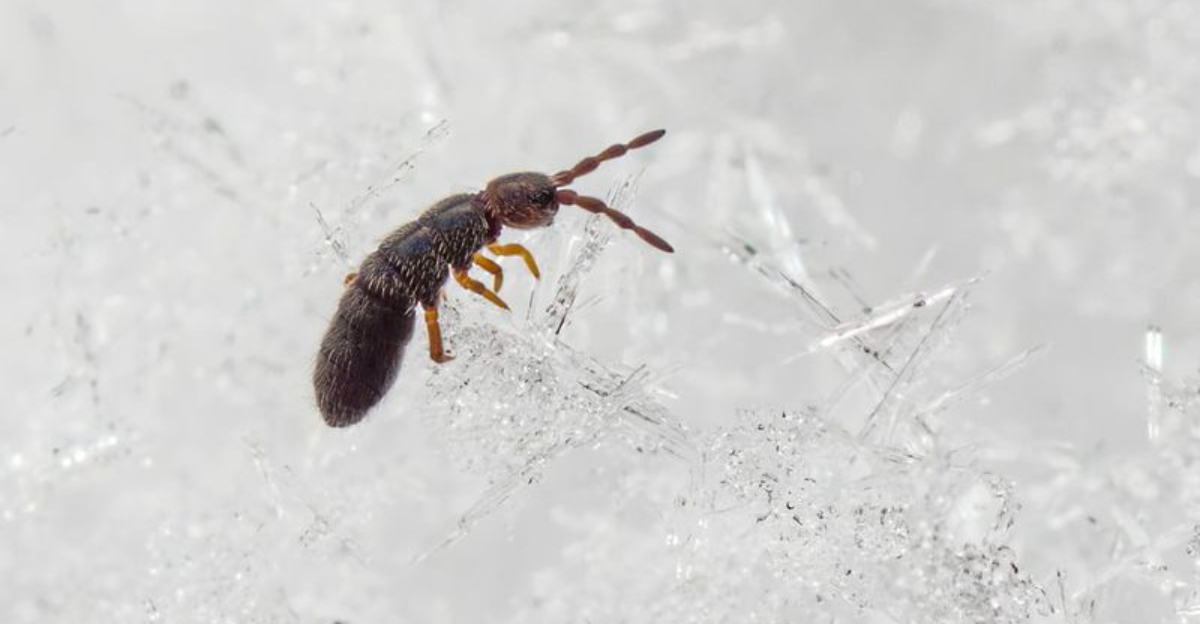
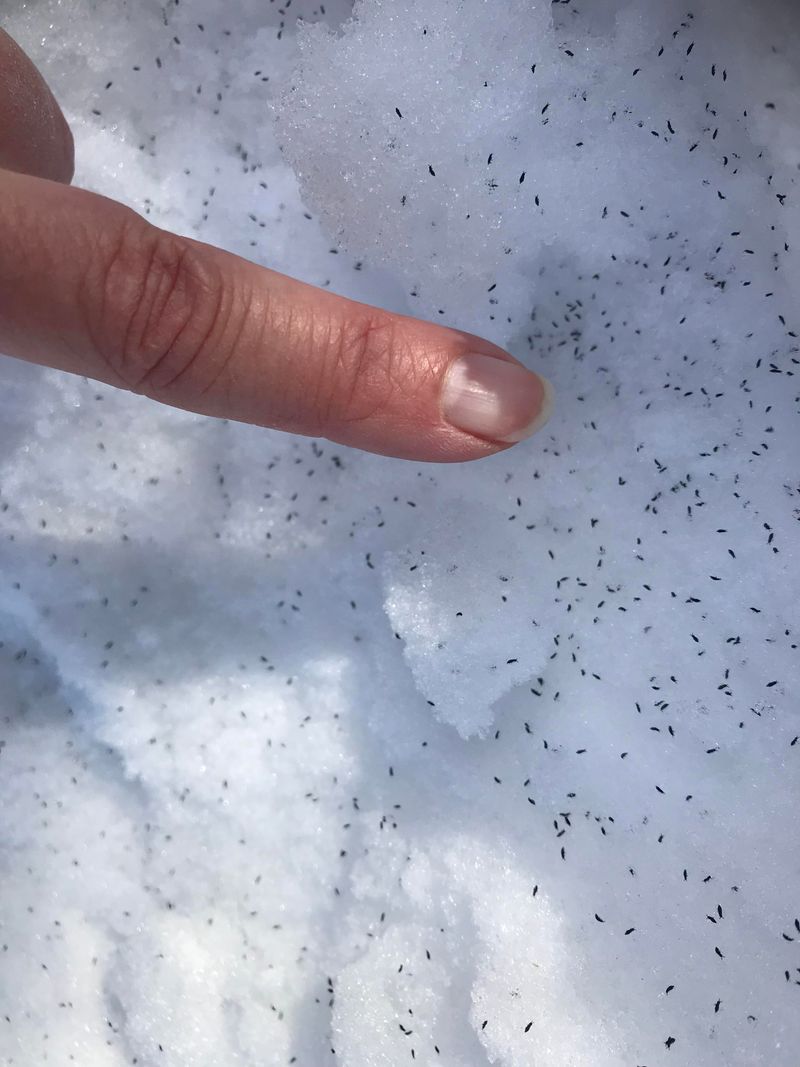
Those tiny dark specks hopping across snowy patches in Maine gardens tend to surprise people who expect winter landscapes to stay completely still.
At first glance, they look out of place against fresh snow, making many gardeners pause and wonder what could possibly be active in such cold conditions.
What you’re seeing are snow fleas, a harmless cold-loving insect that becomes visible when temperatures hover just right.
Their presence matters more than it seems, as these insects quietly play a role in healthy soil and natural winter ecosystems.
1. Snow Fleas Aren’t Actually Fleas At All
Many people get confused when they first hear the name because these creatures sound like parasites that bite pets and humans everywhere.
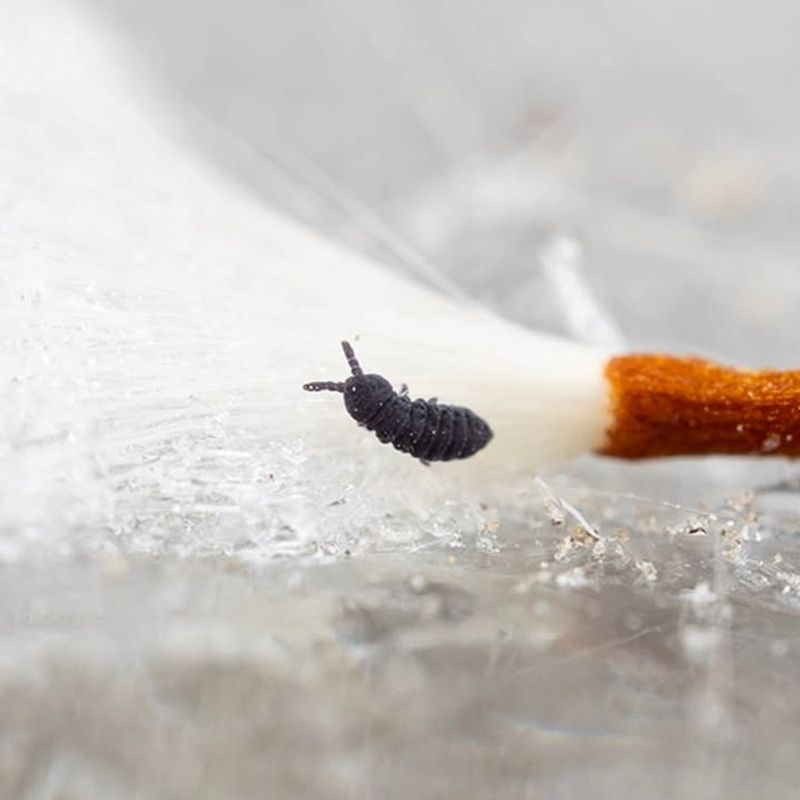
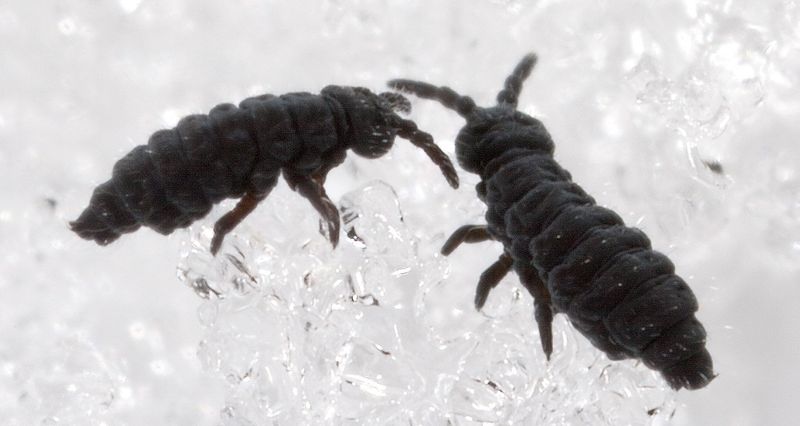
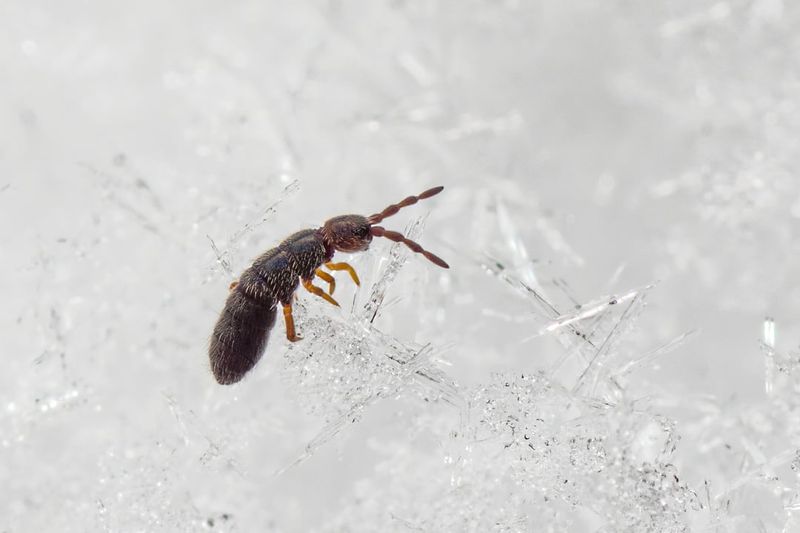
Snow fleas belong to a group called springtails, which are tiny arthropods that live in soil and leaf litter throughout the year.
Unlike true fleas, springtails do not bite, do not spread disease, and do not bother people or animals in any harmful way.
Their nickname comes from their jumping ability, which resembles the way real fleas hop around when they move from place to place.
Springtails use a special tail-like appendage called a furcula that snaps down and launches them into the air like tiny acrobats.
In Maine, gardeners often see them clustered on snow near tree trunks or along the edges of garden beds during warm winter days.
These harmless insects measure only about one to two millimeters long, making them barely visible unless you look closely at the snow.
Their dark color stands out against white snow, which is why people notice them more easily during the coldest season of the year.
Springtails have existed for millions of years and play an essential role in breaking down organic matter in ecosystems all around us.
2. They Thrive In Cold Temperatures When Most Insects Hide
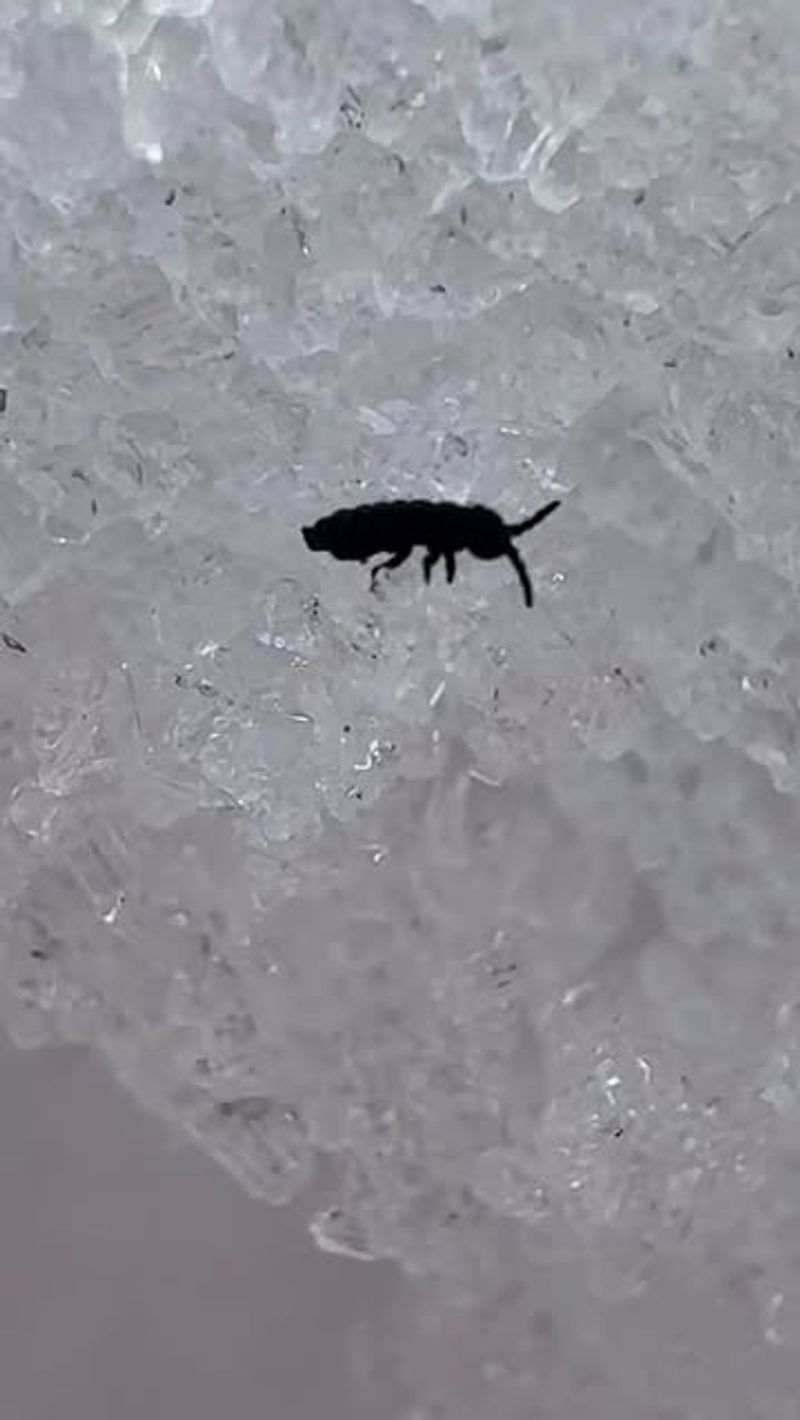
Most insects go dormant or hide underground when winter arrives, but snow fleas become more active during the coldest months of the season.
Springtails produce a special antifreeze protein in their bodies that prevents ice crystals from forming inside their cells and tissues.
This amazing adaptation allows them to survive and move around even when temperatures drop well below freezing in places like Maine.
On sunny winter days, snow fleas emerge from the soil and leaf litter to search for food and explore their snowy surroundings.
Warmer winter afternoons trigger their activity, and you might see thousands of them hopping across the snow like pepper flakes scattered everywhere.
Gardeners in Maine often notice them after a warm spell when the sun melts the top layer of snow just slightly.
Snow fleas stay active because they feed on decaying plant material, fungi, algae, and bacteria that remain available throughout the winter months.
Their ability to tolerate extreme cold makes them unique among insects and helps them avoid competition from other creatures that cannot survive outside.
Scientists study these remarkable insects to learn more about how organisms adapt to harsh environments and extreme weather conditions around the world.
Your Maine Garden Changes Every Week. Your Plan Should Too.
Gardening in Maine changes quickly throughout the season. Every Friday you’ll receive a simple weekly plan showing exactly what to plant, prune, fertilize, harvest, and protect so you never miss the right timing.
3. Snow Fleas Help Decompose Organic Matter In Your Garden
Gardeners sometimes overlook the important work that tiny creatures do beneath the surface of the soil and under layers of mulch.
Springtails feed on dead leaves, rotting wood, fungi, and other organic materials that would otherwise pile up and clutter garden spaces.
By breaking down these materials, snow fleas help release nutrients back into the soil where plants can use them during the growing season.
In Maine, where winters are long and cold, these insects continue their decomposition work even when the ground is frozen and covered.
Their feeding activity speeds up the natural recycling process and improves soil health by creating rich humus that benefits all types of plants.
Without decomposers like springtails, gardens would become overwhelmed with dead plant material and lose the fertility needed for strong plant growth.
Snow fleas also help control mold and fungi populations by eating spores and preventing these organisms from spreading too quickly in damp conditions.
Healthy gardens depend on a balanced ecosystem where decomposers, predators, and plants all work together to create a thriving environment for everyone.
Spotting snow fleas in your yard is actually a good sign that your soil contains plenty of organic matter and supports diverse life.
4. Massive Clusters Of Snow Fleas Can Appear Suddenly
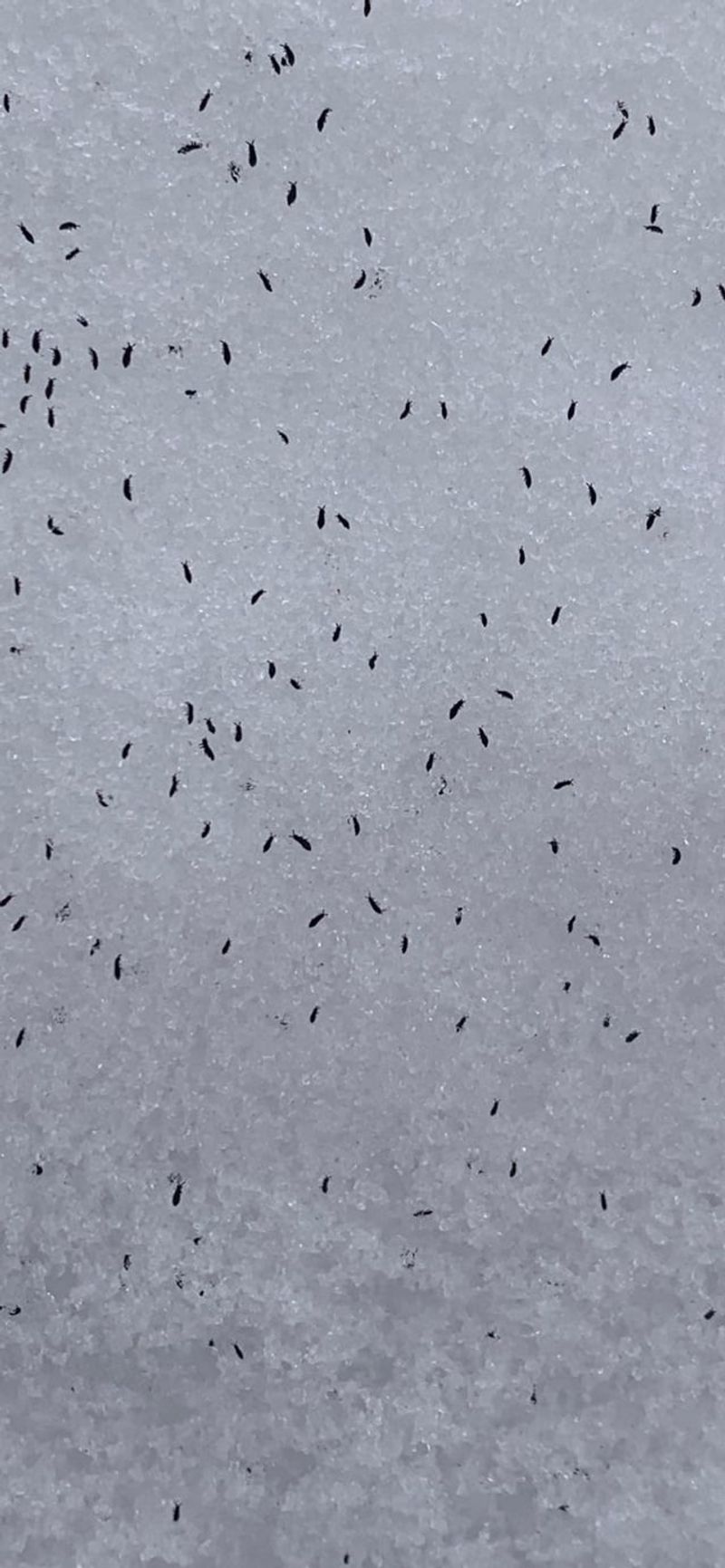
On certain winter days, Maine gardeners walk outside and discover what looks like soot or dirt scattered across the snow in their yards.
Upon closer inspection, these dark patches turn out to be thousands of snow fleas gathered together in one spot for warmth and safety.
Springtails cluster in groups because they are attracted to the same food sources and prefer areas where conditions are slightly warmer or moister.
These gatherings can appear near tree stumps, compost piles, wood piles, or along the edges of garden beds where organic material is abundant.
When disturbed, the entire cluster might suddenly jump at once, creating a rippling effect that looks almost like the snow itself is moving.
This behavior startles many people who have never seen snow fleas before and might worry that something is wrong in their garden.
In reality, these clusters are completely harmless and indicate that your yard has a healthy population of decomposers working behind the scenes.
The sudden appearance of snow fleas usually happens after a few warm days when temperatures rise above freezing and melt the snow slightly.
Once the weather turns colder again, the springtails retreat back into the soil and leaf litter where they remain hidden until conditions improve.
5. Snow Fleas Serve As Food For Other Wildlife
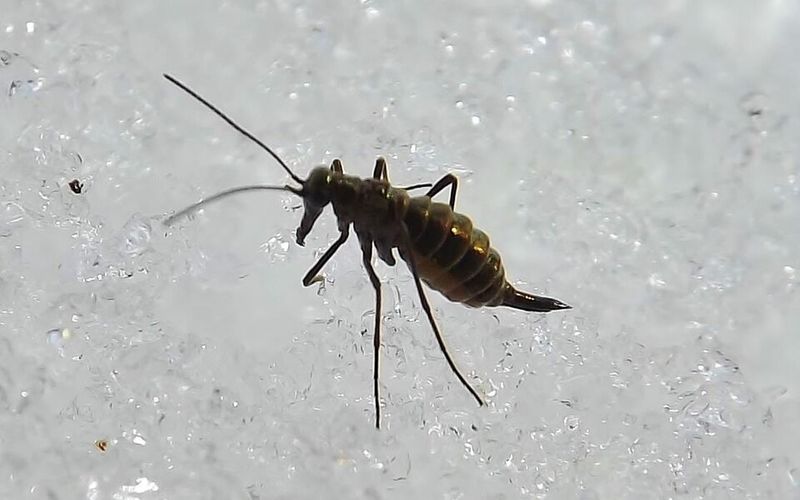
While snow fleas might seem insignificant because of their tiny size, they actually provide an important food source for many winter animals.
Birds such as chickadees, nuthatches, and juncos search for insects during the cold months and happily feed on clusters of springtails they find.
Small mammals like shrews and mice also eat snow fleas when other food sources become scarce during the long Maine winter season.
Even spiders and predatory insects will consume springtails when they encounter them on the snow or in the leaf litter below.
By serving as prey, snow fleas help support the entire food web and keep other animals alive during the harshest time of year.
Without these tiny insects, many birds and mammals would struggle to find enough protein to survive until spring arrives and brings more food.
Gardeners who care about supporting local wildlife should appreciate the role that snow fleas play in maintaining healthy ecosystems in their own backyards.
Encouraging a diverse population of decomposers and other small creatures helps create a balanced environment where larger animals can also thrive and flourish.
Protecting snow fleas and their habitat means preserving leaf litter, avoiding harsh pesticides, and allowing natural processes to continue throughout every season of the year.
6. Spotting Snow Fleas Indicates Healthy Soil Conditions
Gardeners in Maine often worry about the health of their soil, especially after a long winter when plants are dormant and growth stops.
Finding snow fleas hopping around in your yard is actually a positive sign that your soil contains plenty of organic matter and beneficial organisms.
Springtails thrive in environments where decomposition is happening and where moisture levels remain balanced even during cold weather and frozen ground conditions.
If your garden supports a healthy population of snow fleas, it likely also contains other beneficial creatures like earthworms, beetles, and microorganisms.
These organisms work together to create nutrient-rich soil that will help your plants grow strong and produce abundant flowers and vegetables when spring returns.
Gardens that lack organic matter or have been treated with harsh chemicals often have fewer springtails and other decomposers living in the soil.
Encouraging snow fleas means adding compost, leaving leaf litter in place, and avoiding pesticides that harm beneficial insects and disrupt natural soil processes.
Healthy soil is the foundation of a successful garden, and paying attention to the small creatures living there helps you understand what your plants need.
Next time you spot snow fleas in your yard, take a moment to appreciate the hidden ecosystem working hard beneath your feet all year.
7. Snow Fleas Are Harmless And Need No Control Measures
Some gardeners panic when they see large numbers of insects in their yard and immediately think about calling pest control or spraying chemicals.
However, snow fleas pose absolutely no threat to people, pets, plants, or structures, so there is no reason to take any action against them.
These harmless springtails do not bite, do not damage crops, do not invade homes, and do not carry diseases that could affect your family.
In Maine, where gardeners value organic practices and sustainable methods, leaving snow fleas alone is the best choice for maintaining a healthy ecosystem.
Attempting to remove or control springtails would actually harm your garden by reducing the population of beneficial decomposers that improve soil quality naturally.
If you find snow fleas indoors, it usually means they wandered in by accident and will soon disappear on their own without causing any problems.
Simply sweeping them up or vacuuming them is enough to remove them from your home, and they will not return or establish populations inside.
Educating yourself about the beneficial insects living in your garden helps you avoid unnecessary worry and allows natural processes to continue without human interference.
Embracing the presence of snow fleas and other helpful creatures creates a more balanced and resilient garden that thrives through every season of the year.