Nevada Yards Are Seeing Clusters Of Tiny Red Bugs And Here’s Why
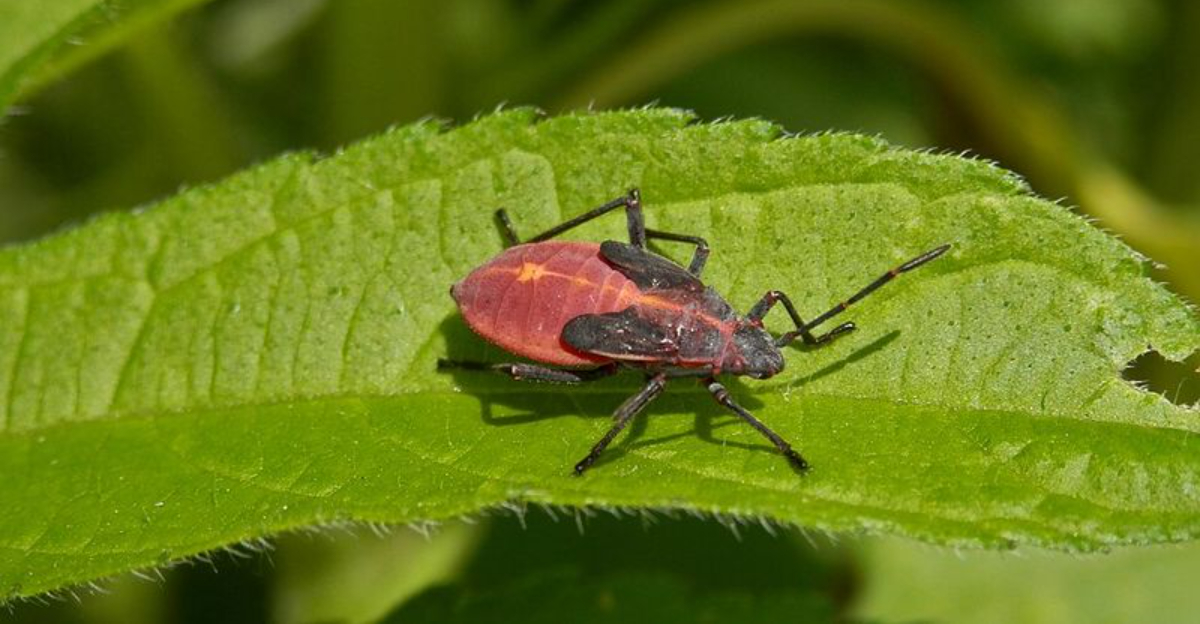
Those tiny red clusters suddenly spreading across Nevada patios and siding tend to stop people in their tracks and spark instant curiosity.
They often show up in groups on warm, sunny surfaces, making it seem like your yard became a meeting spot overnight.
What you’re actually seeing are boxelder bug nymphs, a young life stage that gathers in visible numbers during certain seasonal conditions.
Once you know what they are and why they appear, the surprise fades quickly and the situation feels far less dramatic.
1. Bright Red Color Signals Young Age
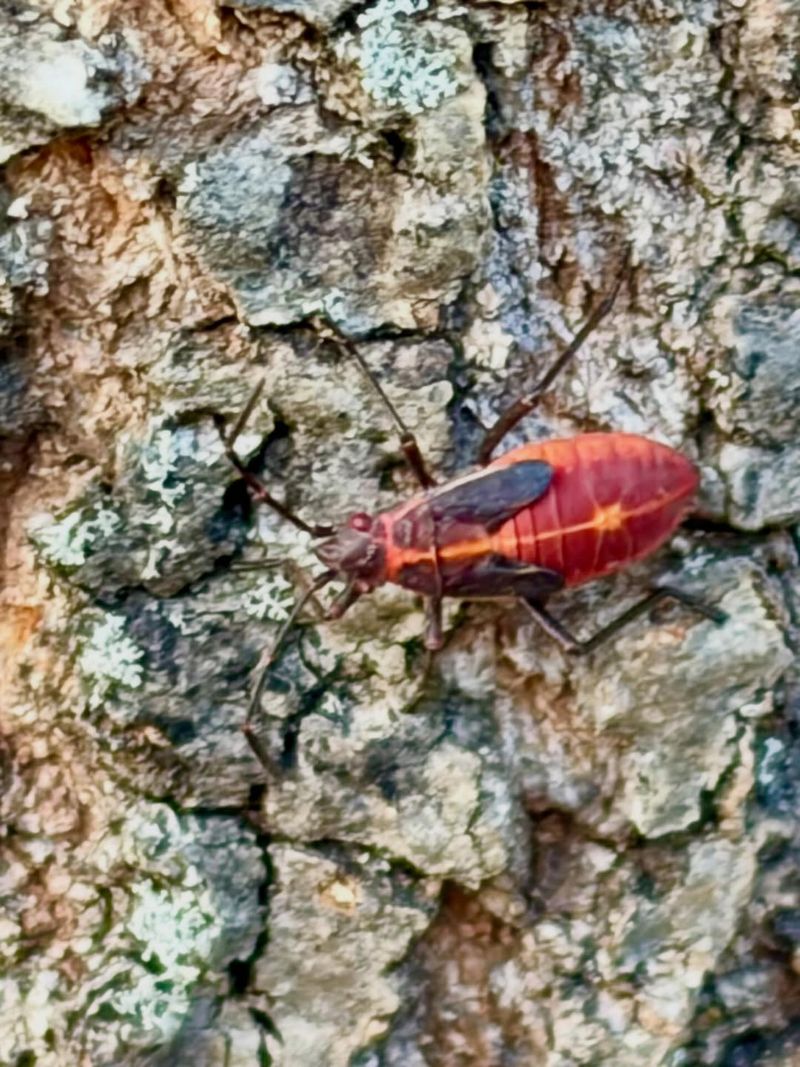
Young boxelder bugs stand out because of their striking bright red coloring that catches your eye when you walk through Nevada gardens.
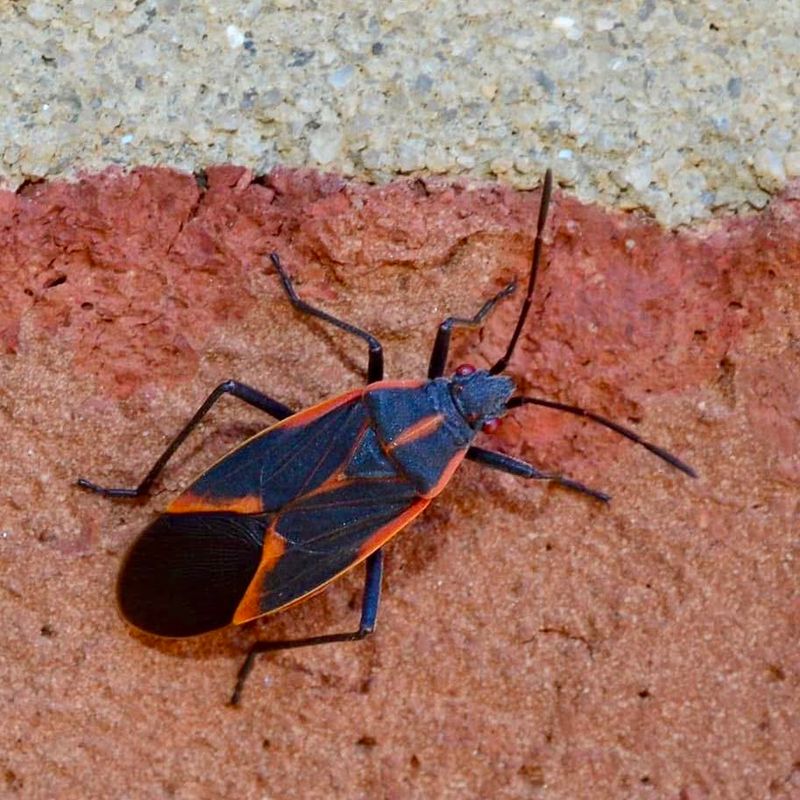
Nymphs lack the black wings that adult bugs develop later, making them look completely different from their fully grown counterparts in appearance.
Red pigmentation serves as a warning signal to predators that these insects taste unpleasant and should be avoided at all costs.
Nevada residents often mistake these vibrant nymphs for other red insects like beetles or mites until they learn the distinctive characteristics clearly.
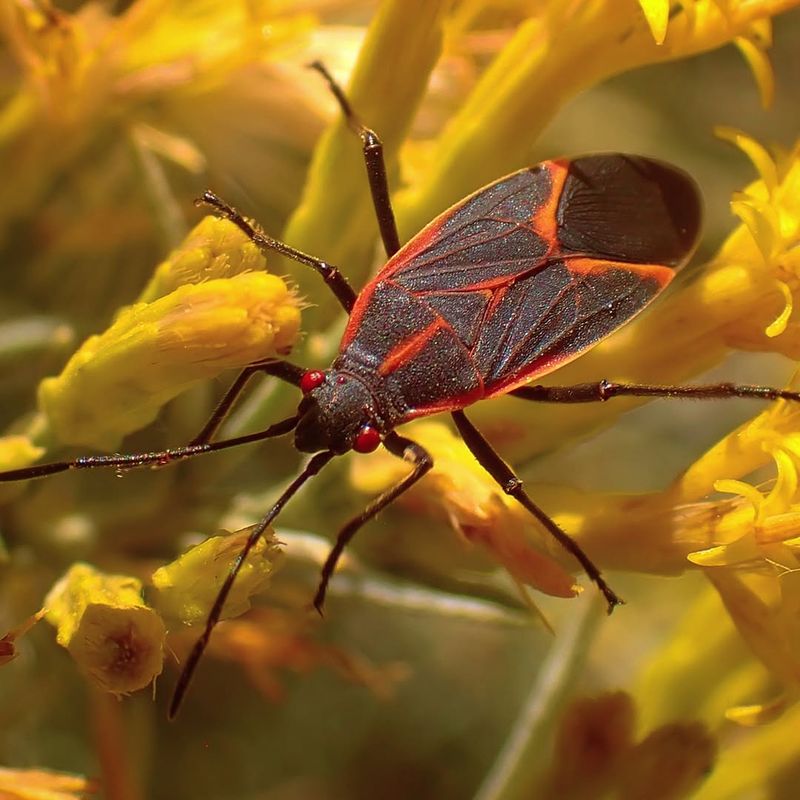
As nymphs mature through several stages, they gradually develop darker markings that eventually form the classic black and red adult pattern.
Spotting these colorful youngsters means boxelder trees are nearby since nymphs stay close to their primary food source during early development.
Homeowners across the state find clusters of red nymphs congregating on sunny surfaces like fences, rocks, or building foundations throughout spring.
Recognizing the bright red color helps Nevada property owners identify these bugs quickly and understand what stage of life they represent.
Their presence is usually temporary, as the nymphs move on once they mature, though large numbers can feel alarming if you are not expecting them.
2. Boxelder Trees Attract These Insects
Boxelder trees serve as the primary host plant for these bugs, which explains why Nevada yards with these trees experience larger populations.
Female boxelder trees produce seeds that nymphs and adults feed on, making them especially attractive to these insects during growing seasons.
Properties without boxelder trees nearby may still see occasional visitors, but infestations remain much smaller and less persistent over time overall.
Nevada landscapes featuring seed-bearing boxelder trees will naturally support boxelder bug communities that return year after year without fail or exception.
Nymphs hatch from eggs laid in tree bark crevices during spring, then immediately begin feeding on fresh leaves and developing seeds.
Removing or replacing boxelder trees, particularly female specimens, can significantly reduce bug populations around homes and gardens throughout the state.
Ash and maple trees also attract these insects occasionally, though boxelder remains their preferred choice for feeding and reproduction in Nevada.
Understanding this tree connection helps residents make informed landscaping decisions that minimize unwanted bug activity around their outdoor living spaces permanently.
This close relationship explains why bug sightings tend to spike during warm months when trees are actively producing leaves and seeds that fuel rapid population growth.
3. Spring Warmth Triggers Nymph Emergence
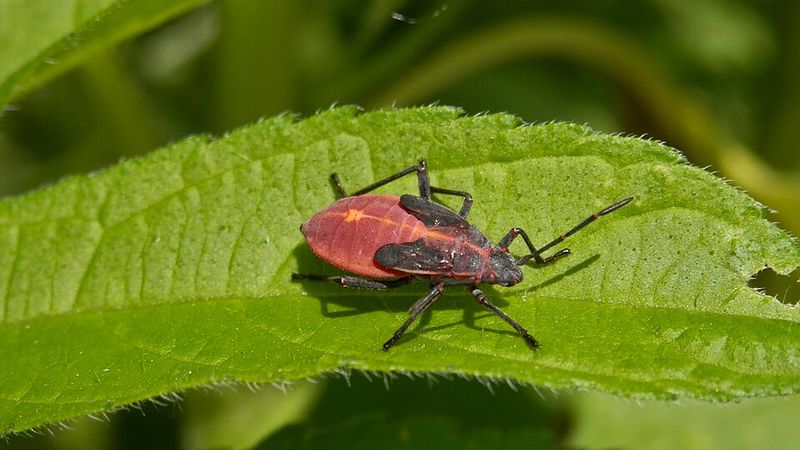
Warming temperatures during Nevada spring months trigger eggs to hatch, releasing waves of tiny nymphs that begin exploring their surroundings immediately.
Your Nevada Garden Changes Every Week. Your Plan Should Too.
Gardening in Nevada changes quickly throughout the season. Every Friday you’ll receive a simple weekly plan showing exactly what to plant, prune, fertilize, harvest, and protect so you never miss the right timing.
Adults lay eggs in protected spots during late spring, and these eggs remain dormant through cooler periods until conditions become favorable.
Once daytime temperatures consistently reach the sixties and seventies, nymphs emerge and start their development journey through multiple growth stages rapidly.
Nevada experiences variable spring weather that can cause nymphs to appear earlier or later depending on specific regional climate patterns each year.
Sunny days encourage nymphs to move onto warm surfaces where they bask and absorb heat, making them highly visible to homeowners.
Cooler spring weather may delay nymph activity temporarily, but once warm conditions return, populations quickly become active and noticeable again.
Understanding seasonal timing helps Nevada residents anticipate when nymphs will appear and prepare appropriate management strategies before populations grow too large.
Monitoring local temperature trends gives homeowners advance warning about when these red insects will likely start showing up in significant numbers outdoors.
This predictable spring cycle explains why sightings often seem sudden, with nymphs appearing almost overnight once temperatures stabilize across Nevada neighborhoods.
4. Nymphs Go Through Multiple Growth Stages
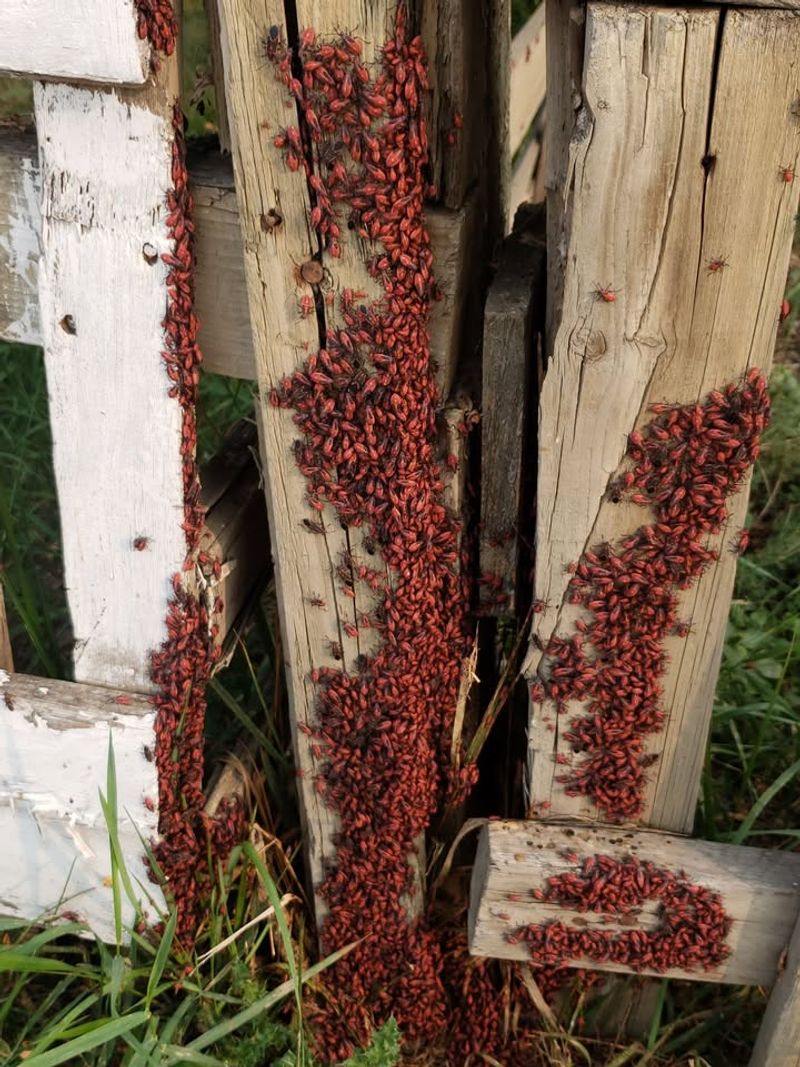
Boxelder bug nymphs progress through five distinct molting stages called instars before reaching full adult size and developing functional wings completely.
Each molting stage brings noticeable changes in size and appearance, with nymphs gradually developing darker coloring and more defined body segments.
Nevada nymphs may take several weeks to complete all five stages, depending on temperature, food availability, and overall environmental conditions.
During early instars, nymphs measure only a few millimeters long, but they eventually grow to nearly half an inch before final transformation.
Between each stage, nymphs shed their outer skin, leaving behind empty casings that homeowners sometimes find attached to plants or surfaces.
Warmer Nevada temperatures accelerate development, meaning nymphs in hotter regions may mature faster than those in cooler mountainous areas statewide.
Observing different sized nymphs together indicates multiple hatching events or varied development rates within the same population group over time periods.
Recognizing these growth stages helps residents understand the life cycle and predict when nymphs will transition into their adult flying form.
This gradual progression explains why yards can host several sizes at once, creating the impression of a constant presence even though individuals are steadily moving toward adulthood.
5. They Feed On Seeds And Plant Fluids
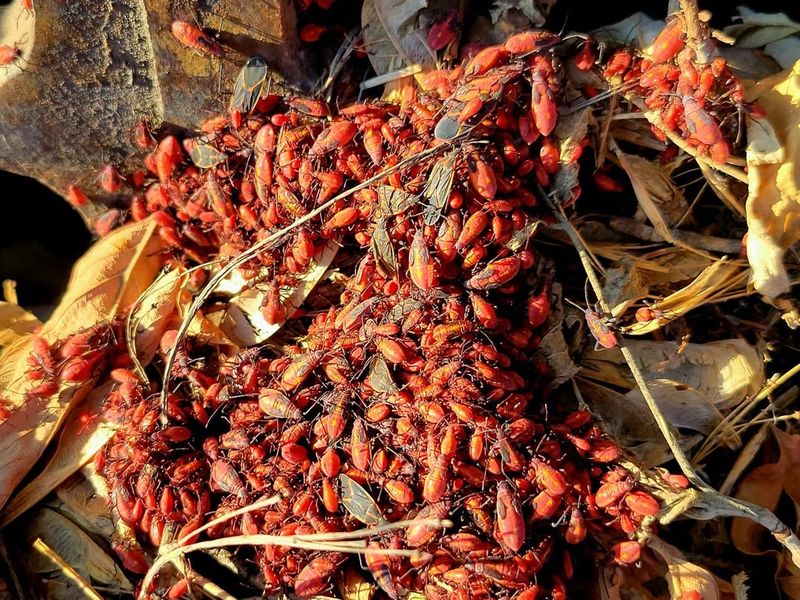
Nymphs use specialized piercing mouthparts to extract fluids from boxelder seeds, leaves, and occasionally other plant materials available in Nevada landscapes.
Feeding activity rarely causes serious damage to healthy trees or plants, though heavy infestations may cause minor cosmetic issues like yellowing.
Boxelder seeds provide the most nutritious food source, which explains why nymphs congregate heavily around seed-bearing trees during peak seasons.
Nevada gardens with diverse plantings may see nymphs exploring various plants, but they typically return to boxelder trees for primary nutrition needs.
Nymphs insert their needle-like mouthparts into plant tissue and suck out sugary sap that fuels their rapid growth and development processes.
Unlike some insects that chew leaves or bore into wood, boxelder bugs cause minimal structural damage to plants in residential settings.
Homeowners across the state can usually tolerate nymph feeding activity without implementing control measures since plants remain healthy and vigorous overall.
Understanding their feeding habits reassures Nevada residents that these bugs pose little threat to valuable landscape plants or garden vegetables typically.
Their feeding may look alarming in large numbers, but it almost never leads to long-term plant stress or reduced growth in Nevada landscapes.
6. Large Numbers Create Visual Concern
Boxelder bug nymphs often gather in large groups on warm surfaces, creating alarming clusters that worry Nevada homeowners unfamiliar with their habits.
These aggregations are natural behavior rather than signs of infestation, as nymphs instinctively group together for warmth and protection from predators.
Seeing hundreds of bright red nymphs covering a fence or wall can be startling, even though they pose no real threat.
Nevada properties near multiple boxelder trees may experience particularly large populations that seem overwhelming during peak emergence periods in spring months.
Nymphs prefer sunny, sheltered spots like south-facing walls, sidewalks, or patio areas where they can absorb maximum heat throughout the day.
While visually concerning, these gatherings are temporary and nymphs will disperse as they mature and develop better mobility and flying capabilities.
Homeowners can reduce visible numbers by gently spraying nymphs off surfaces with water, encouraging them to relocate to less conspicuous areas.
Understanding that large numbers are normal helps Nevada residents stay calm and avoid unnecessary panic about these harmless seasonal visitors outdoors.
These clusters usually break apart on their own as temperatures shift or food sources change, making the problem far less permanent than it first appears.
7. They Pose No Health Risks To People
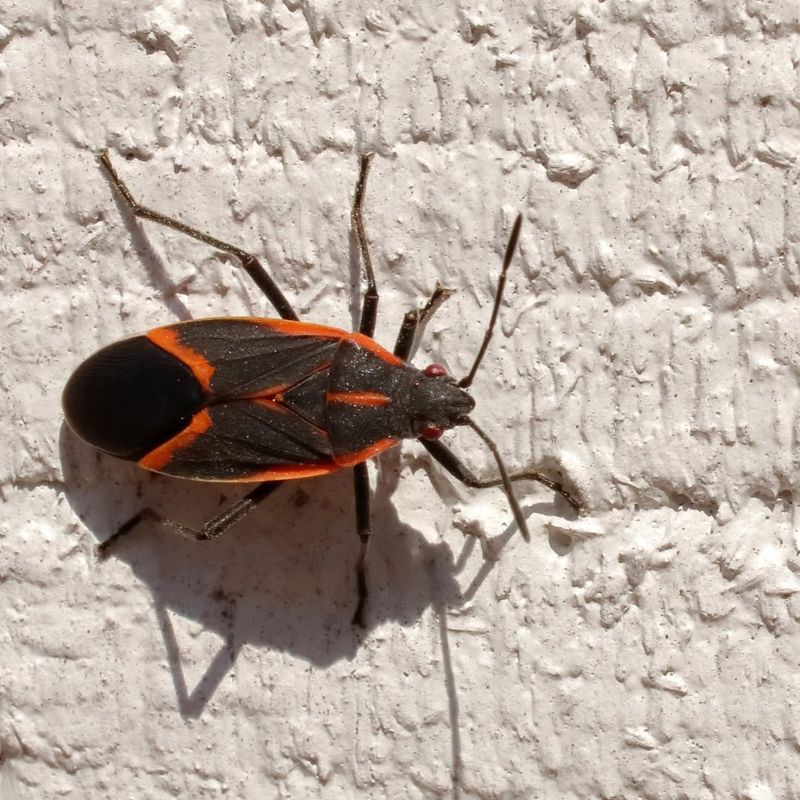
Boxelder bugs do not bite, sting, or transmit diseases, making them completely harmless to humans and pets living in Nevada homes.
Nymphs may release a foul-smelling defensive secretion if crushed or handled roughly, but this substance causes no medical problems whatsoever.
Unlike mosquitoes or ticks, these insects do not feed on blood or seek out human contact for any purpose during their lifecycle.
Nevada families can safely enjoy outdoor activities without worrying about health risks from boxelder bug nymphs crawling around nearby garden areas.
Children and pets may be curious about the bright red insects, but touching or observing them poses no danger to their wellbeing.
The defensive odor serves as the only real annoyance, and it dissipates quickly once the source is removed or washed away.
Homeowners across the state can feel confident that these bugs are nuisance pests at worst, not dangerous threats requiring urgent action.
Recognizing their harmless nature allows Nevada residents to make measured, rational decisions about management rather than reacting with unnecessary alarm or concern.
Their presence may be annoying or surprising, but it never indicates a health hazard or safety issue for people or animals.
8. Simple Methods Control Nymph Populations
Managing boxelder bug nymphs in Nevada yards involves straightforward approaches that do not require harsh chemicals or expensive professional pest control services.
Spraying nymphs with soapy water effectively removes them from surfaces and discourages future gatherings without harming plants or beneficial insects nearby.
Vacuuming up clusters provides immediate removal, though disposing of the vacuum bag promptly prevents odors from the disturbed insects inside.
Sealing cracks and gaps around Nevada homes prevents nymphs from entering indoor spaces as they search for sheltered spots during development.
Removing female boxelder trees from landscapes eliminates the primary food source, causing populations to decline naturally over subsequent growing seasons dramatically.
Raking up fallen seeds and debris reduces available nutrition, making properties less attractive to both nymphs and adults seeking breeding sites.
Regular monitoring helps Nevada homeowners catch populations early before they become visually overwhelming or start moving toward house foundations in numbers.
Using these simple, practical methods allows residents to maintain comfortable outdoor spaces without resorting to intensive pest management programs or treatments.
Patience also plays a role, since most nymph populations fade naturally as the season progresses and conditions change.